
You like to think you’d know how you’d react in a crisis, but your body often decides long before your brain catches up. If you’ve ever jumped back before realizing why, frozen without understanding how, or felt your heart spike over something that barely registered consciously, that wasn’t panic—it was instinct. These reflexes evolved quietly, shaped by threat, danger, and survival long before modern life softened the edges. Even now, they still run the show more often than you realize.
1. You Freeze Before You Run

Your first reaction to sudden danger is often stillness, not movement. Freezing allows your brain to rapidly assess threat without drawing attention. It’s why you might pause for a split second before reacting to a loud noise or unexpected presence. That pause isn’t weakness—it’s data gathering.
Neuroscience research shows the freeze response activates before fight or flight when threat ambiguity is high. Your nervous system is deciding whether escape, confrontation, or silence offers the best odds. Many people misinterpret this moment as failure to act. In reality, it’s your brain buying time.
2. You Instinctively Protect Your Neck
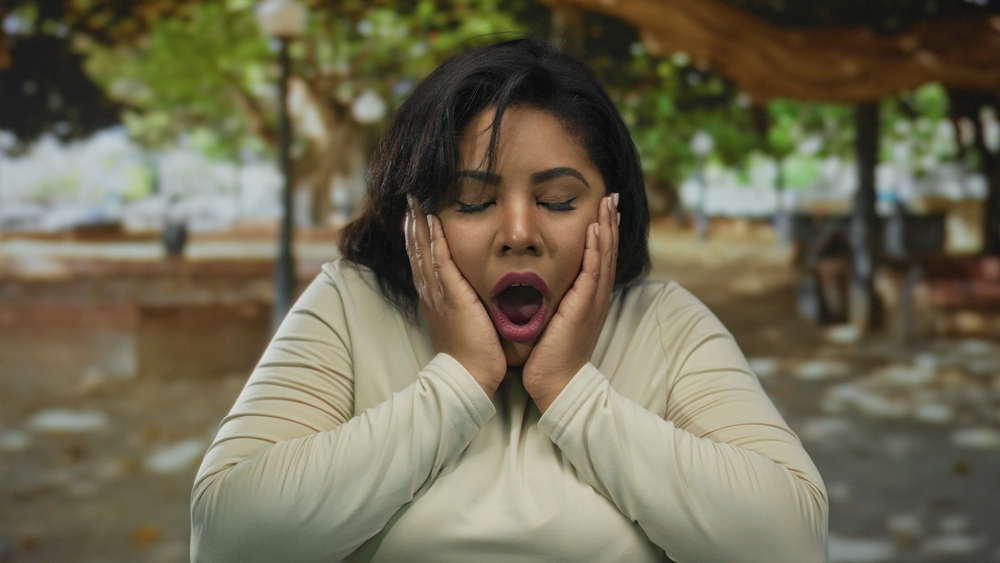
When startled, your shoulders rise and chin tucks without conscious effort. This reflex shields vital arteries and the spinal cord. You’ll notice it when something flies toward your face or you stumble unexpectedly. The movement is automatic and immediate.
Evolutionary biology links this response to early predator defense. Exposing the neck historically meant fatal vulnerability. Even today, your body still treats it that way. You don’t think—you cover.
3. You Scan Exits Without Realizing

You often clock doors, stairwells, and open paths without meaning to. Your eyes map escape routes in unfamiliar spaces automatically. That’s why you feel uneasy in rooms where exits aren’t obvious. Safety feels different when escape is unclear.
Environmental psychology studies show humans subconsciously assess spatial escape options within seconds of entering a space. This reflex lowers anxiety by preparing for worst-case scenarios. You may think you’re just “observant.” You’re actually rehearsing survival.
4. You Flinch Before You Feel Pain

Pain is processed more slowly than threat detection. Your body reacts first, sensations come later. That’s why you pull your hand away from the heat before it hurts. Your nervous system prioritizes damage prevention over awareness.
Research in pain perception confirms reflexive withdrawal occurs at the spinal level, bypassing conscious thought. It’s efficient, fast, and protective. Pain is informational—but reaction is protective. Your body chooses protection every time.
5. You Match Energy When Threatened

When someone becomes aggressive, your tone, posture, and breathing often shift instinctively. You may lower your voice, square your shoulders, or become unusually calm. This isn’t performance—it’s mirroring. Your body is regulating threat.
Behavioral research shows humans instinctively match perceived dominance signals to deter escalation. It’s a nonverbal negotiation tactic rooted in survival. You’re signaling readiness without provoking conflict. Your body understands power dynamics faster than words.
6. You Hold Your Breath Under Stress

During tense moments, you may stop breathing briefly without realizing it. Breath-holding reduces noise and stabilizes the body. It’s common during confrontation, fear, or intense focus. You don’t choose it—it happens.
Physiological studies show breath suppression occurs during perceived threat to reduce visibility and movement. This reflex once helped avoid predators. Today, it shows up during arguments or close calls. Your body still thinks silence equals safety.
7. You Feel Time Slow Down

In emergencies, moments feel stretched or distorted. You remember details vividly while everything else blurs. This isn’t imagination—it’s neurological. Your brain is recording survival data.
Research on time perception during stress shows adrenaline enhances memory encoding while altering temporal awareness. This helps you recall threats later. The experience feels surreal because your brain has shifted modes. You’re in survival processing.
8. You Lock Eyes Unconsciously
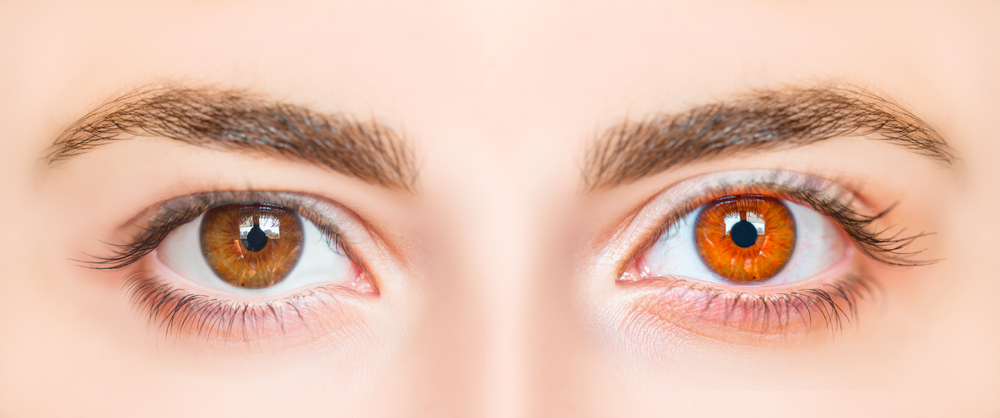
Eye contact becomes intense during perceived threat. You instinctively track faces and movements. This helps predict intent and next moves. Your gaze sharpens automatically.
Anthropological research suggests that eye fixation evolved as a threat-assessment mechanism. Humans read micro-expressions rapidly under stress. You’re not staring—you’re scanning. Your brain is decoding danger.
9. You Shrink or Expand Your Posture

Your body adjusts its size in response to perceived power imbalances. You may shrink around authority or expand when challenged. These shifts are automatic. They communicate submission or resistance.
Social dominance research confirms posture plays a key role in threat signaling. Your body speaks before you do. You’re broadcasting intent without words. Survival language is physical.
10. You Get Suddenly Quiet

When danger feels real, chatter stops. Your voice drops or disappears. Silence conserves energy and reduces attention. It’s not fear—it’s focus.
Evolutionary psychologists note that silence under threat reduces detection. This reflex persists in tense social situations. You aren’t withdrawing—you’re assessing. Quiet is strategy.
11. You Grip Objects Tightly
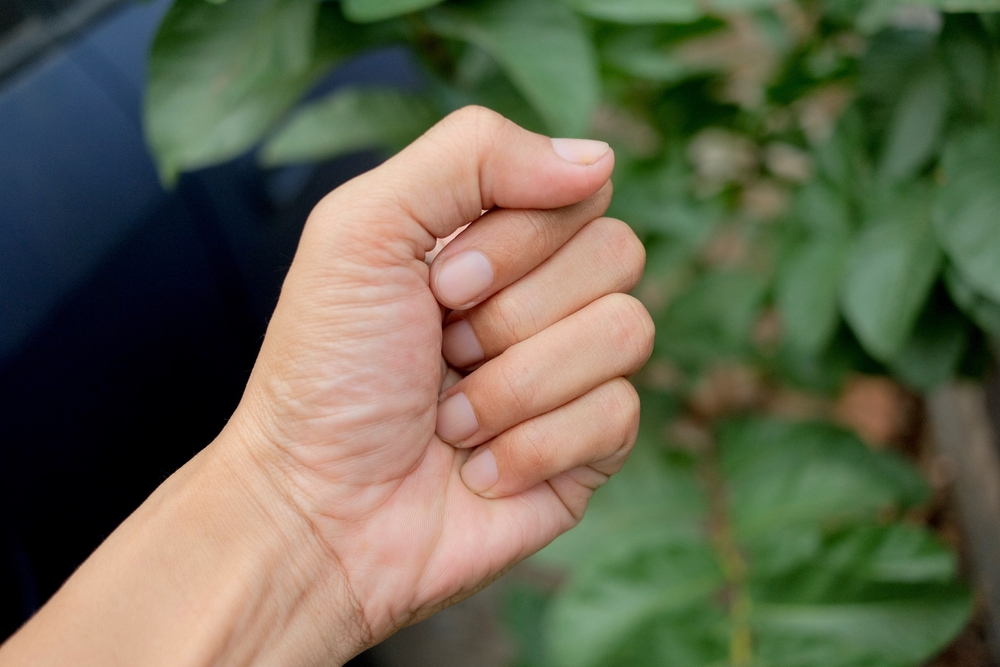
Hands clench instinctively when stressed. Grip strength increases without instruction. This prepares for defense or escape. It also grounds the body.
Neuromuscular research shows stress enhances grip reflexes for tool or weapon readiness. Even without weapons, your body still prepares. Clenching is readiness. You’re arming yourself instinctively.
12. You Feel Nauseous When Danger Passes

Once the threat ends, your body releases the stress it has stored. That release can feel like nausea, shaking, or exhaustion. It’s not weakness—it’s recovery. Your nervous system is recalibrating.
Medical research on stress response shows that delayed physiological effects are common after an acute threat. The body dumps adrenaline. You feel it afterward, not during. Survival comes first—processing comes later.
13. You Avoid Eye Contact After Conflict

After a confrontation, you may instinctively disengage visually. This reduces further escalation. It’s a de-escalation signal. Your body wants closure, not continuation.
Ethological studies show gaze avoidance signals non-threat. Humans use it unconsciously. You’re signaling safety. It’s instinctual peacekeeping.
14. You Remember Every Threat

Negative experiences stick harder than positive ones. Your brain prioritizes threat memory. This helps prevent repeat danger. It’s a survival bias.
Cognitive psychology confirms that threat memory is encoded more deeply. You remember danger because forgetting it once cost lives. Your brain protects itself by remembering.
15. You Feel Peace When You Survive Something Scary

Surviving danger doesn’t always feel heroic—it feels quiet. Relief washes in, not triumph. Your body shifts out of alert mode. That calm is earned.
Survival psychology notes relief signals safety restoration. Celebration comes later, if at all. Your body doesn’t need applause. It needs peace.