
Cats communicate constantly, but their language is subtle, layered, and deeply contextual. Instead of loud signals, they rely on timing, body positioning, and repetition. Most misunderstandings happen because humans expect directness rather than nuance. These behaviors are messages, not accidents.
1. “I Trust You.”

Slow blinking is one of the clearest trust signals cats offer. It lowers their visual defenses and signals comfort rather than vigilance. This behavior only appears when a cat feels safe in your presence. It’s an intentional vulnerability.
From a behavioral standpoint, exposing oneself without immediate need reflects confidence in safety. Cats don’t waste vulnerability. When they offer it, it’s meaningful. This is their version of relaxed closeness.
2. “You’re Overstimulating Me.”
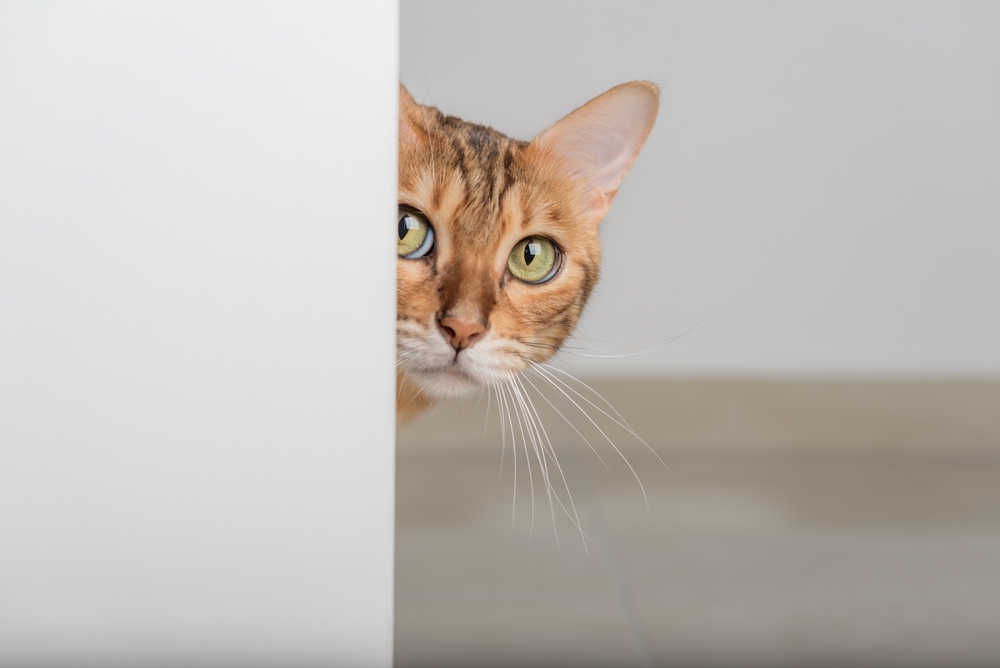
When cats leave a room or withdraw during heightened activity, they’re communicating sensory overload. Loud voices, sudden movements, or emotional intensity register strongly for them. This isn’t rejection—it’s regulation. They’re protecting their nervous system.
Cats rely on environmental calm to feel secure. Withdrawal is a coping strategy, not a snub. The message is about the space, not the relationship. Calm invites reconnection.
3. “I’ve Had Enough.”

Tail flicks, ear rotations, and subtle body shifts are early warning signs. Cats communicate discomfort before escalating. These cues are requests for adjustment, not threats. Many bites occur only when these signals are ignored.
Recognizing these signs prevents conflict and builds trust. Cats rely on subtlety first. When respected, they rarely escalate. Listening strengthens the bond.
4. “Why Are You Changing Things?”
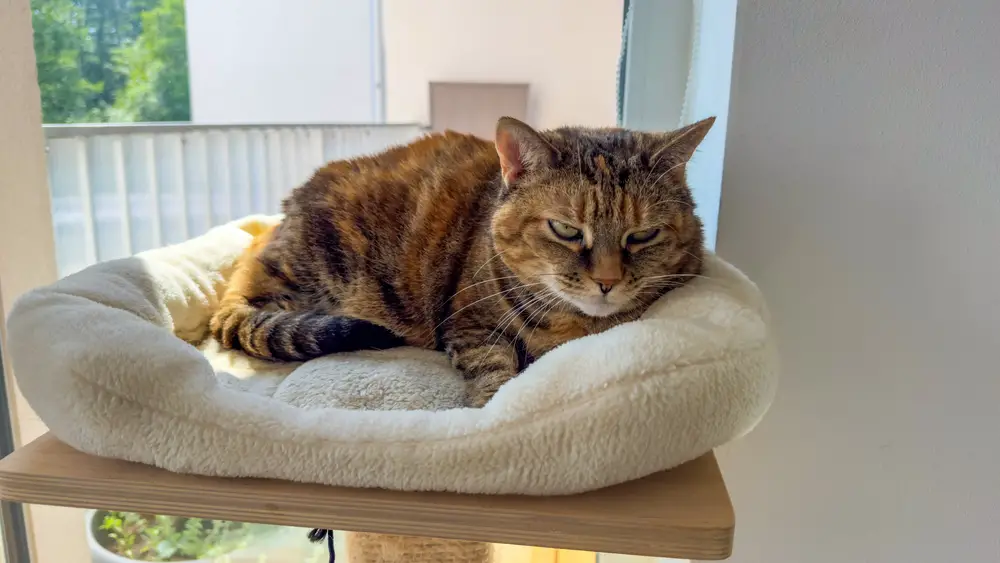
Cats thrive on routine and become stressed by sudden changes. Feeding times, movement patterns, and daily rituals help them feel secure. Disruptions are noticed immediately. Their reactions are communication, not stubbornness.
Predictability allows cats to conserve energy and reduce vigilance. When routines shift, anxiety increases. The message is about safety, not control. Structure matters deeply to them.
5. “I Want Your Attention.”

Cats often initiate contact briefly, then disengage. This isn’t mixed messaging—it’s boundary setting. They control the duration to prevent overstimulation. Autonomy is central to their comfort.
This pattern reflects healthy self-regulation. Cats aren’t rejecting affection; they’re pacing it. Respecting this builds trust. Ignoring it erodes safety.
6. “I’m Just Checking You’re OK.”

Passing through a room, pausing briefly, or making eye contact without interaction are forms of social monitoring. Cats track their bonded humans regularly. These moments maintain a connection without disruption. It’s quiet attentiveness.
In social animals, these check-ins reinforce group cohesion. The cat confirms presence and safety. It’s relational maintenance, not curiosity. Small gestures matter.
7. “Something Feels Off.”

Avoidance is one of a cat’s clearest communication tools. They leave before reacting aggressively. This behavior signals discomfort or perceived threat. It’s a request for distance.
Cats prefer prevention over confrontation. Respecting avoidance builds trust. Forcing interaction breaks safety. Listening to absence is as important as noticing presence.
8. “Why Are You Late?”

Cats notice timing shifts quickly. Feeding delays or routine changes disrupt their sense of order. Vocalizing or pacing reflects expectation, not entitlement. Time matters to them.
Their internal clocks are sharp. Consistency reduces anxiety. The message is about predictability. Reliability builds security.
9. “I Feel Happy And Safe.”

Exposing their bellies or fully relaxing nearby signals comfort, not invitation. Vulnerability is a trust display. Cats choose these moments intentionally. It’s not casual behavior.
They’re communicating emotional ease. Safety allows relaxation. This message reflects confidence in the environment. Trust is present.
10. “What On Earth Is Happening?”

Approaching slowly with a neutral posture indicates interest without threat. Cats assess carefully before engaging. Curiosity drives investigation, not fear. Movement is deliberate.
This behavior shows confidence and emotional stability. The cat feels secure enough to explore. It’s engagement without urgency. Curiosity is a positive signal.
11. “I’m Done Talking To You.”

Walking away cleanly signals closure, not rejection. Cats end interactions without emotional residue. This clarity prevents conflict. Boundaries are clear.
They don’t linger or escalate. Ending contact preserves regulation. Respecting this message strengthens trust. Closure is communication.