
Dogs don’t experience your home as one continuous space. They break it down into zones based on routine, emotion, scent, and outcome. Each room carries a specific meaning tied to what happens there and how it makes them feel. To your dog, your house isn’t just familiar—it’s highly organized.
1. The Food Room
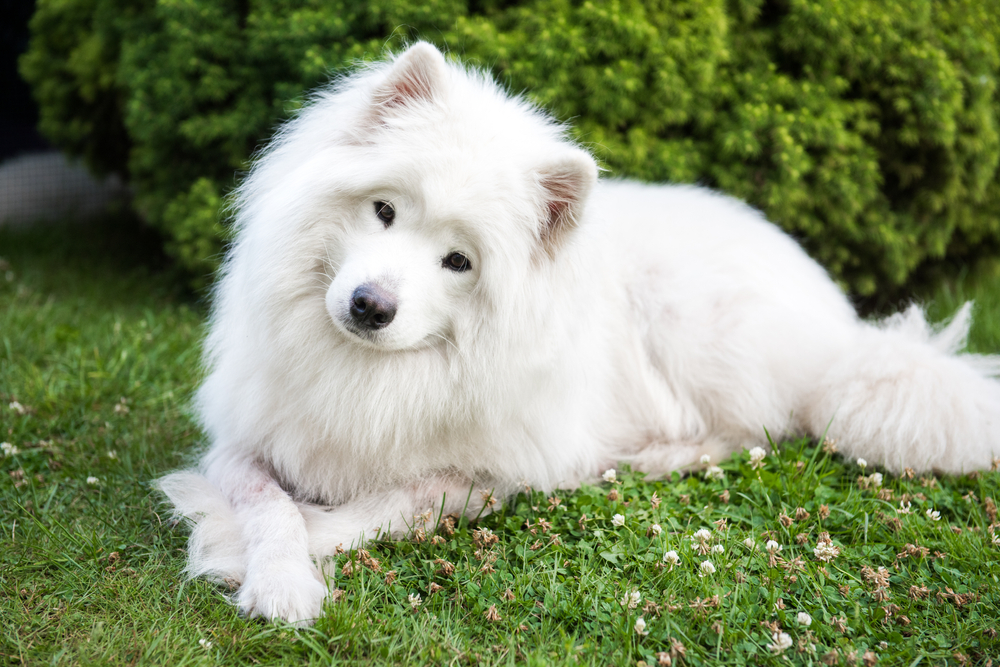
Your dog knows exactly where food appears, and that room holds outsized importance. Even if meals happen elsewhere, the kitchen represents possibility, anticipation, and reward. This is why dogs often linger there long after eating. The room itself becomes a symbol of nourishment and hope.
Over time, your dog associates this space with routine and control. They know when the fridge opens, when packaging rustles, and which sounds precede eating. The room isn’t about hunger alone—it’s about predictability. That sense of order feels deeply comforting.
2. The Rest Room
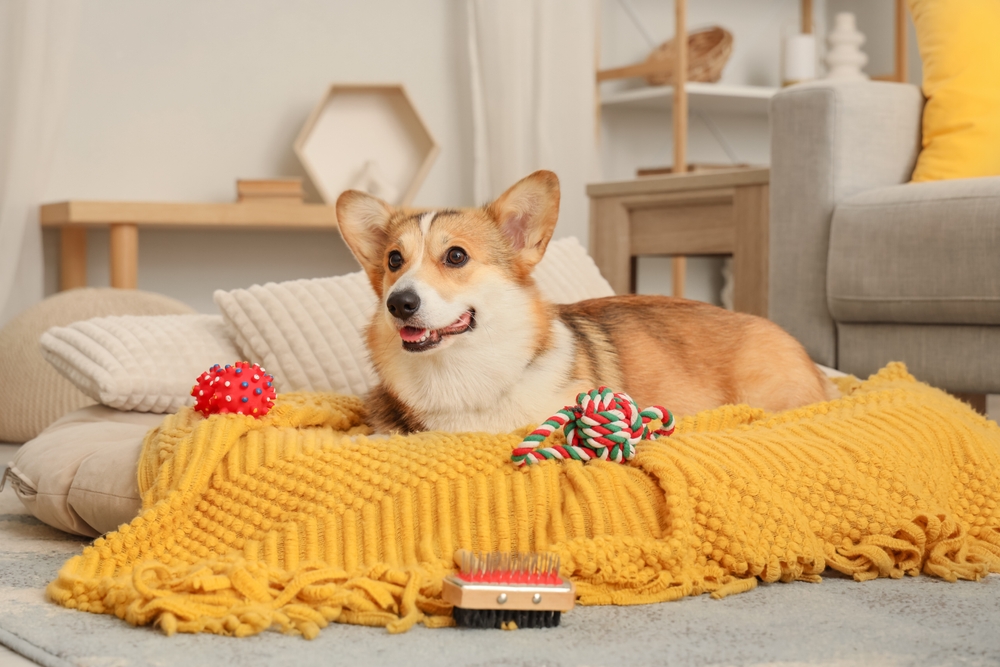
Your dog understands which room signals downtime. Whether it’s the bedroom or living room, this space feels slower and quieter. Movements here are gentler, voices lower, and energy calmer. Your dog’s body responds accordingly.
They often choose this room when overstimulated or tired. It’s where they decompress and feel safest being vulnerable. This is why dogs nap more deeply here. The room represents emotional safety, not just physical rest.
3. The Together Room
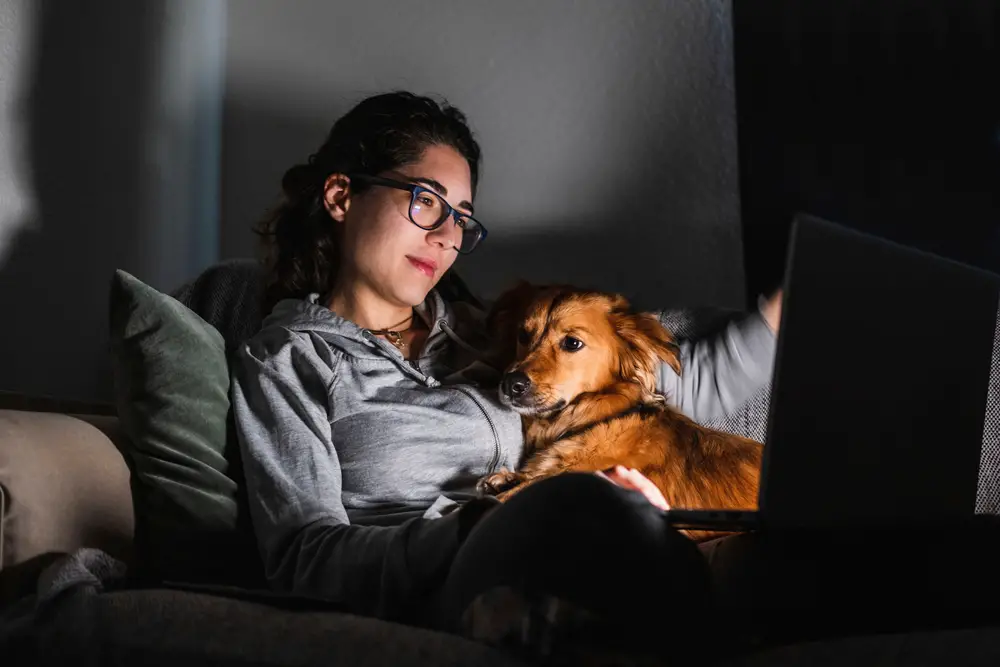
Some rooms exist purely for proximity. Your dog associates them with shared presence rather than specific activity. It’s the room where everyone ends up naturally. Togetherness matters more than purpose here.
Your dog reads this space emotionally. If you’re relaxed, they relax. If you’re tense, they stay alert. This room isn’t about function—it’s about connection. That’s why your dog follows you there without question.
4. The Alone Room
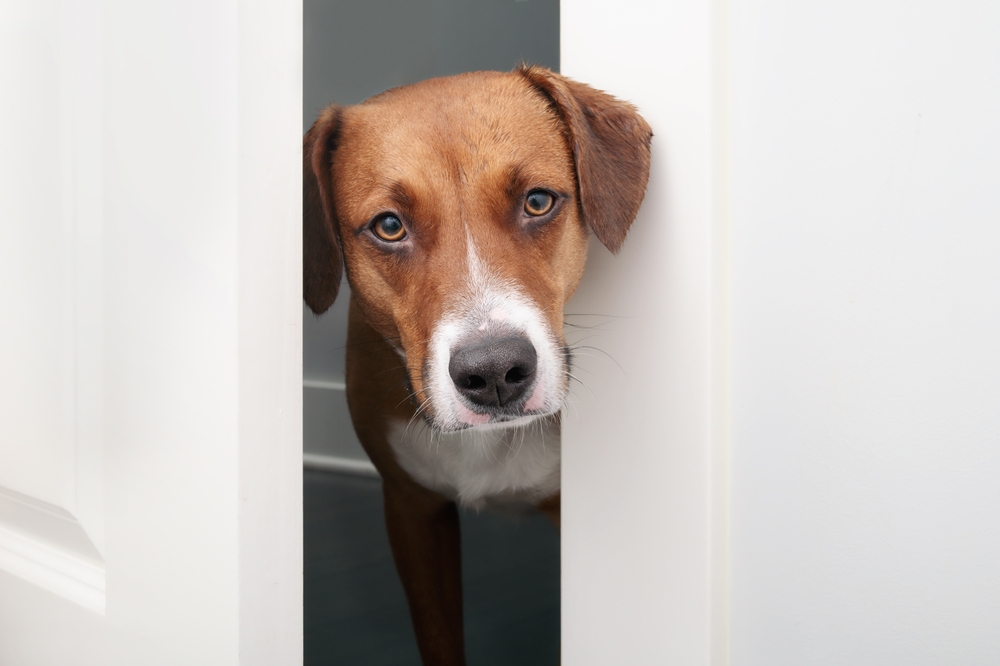
Your dog knows exactly where isolation happens. This might be a home office, bathroom, or closed bedroom. Even if they’re not allowed inside, the door itself communicates separation. Dogs notice this instantly.
This room often triggers mild anxiety or curiosity. Your dog may wait outside or check repeatedly. It represents emotional distance, not abandonment. Dogs track closeness constantly.
5. The Leaving Room
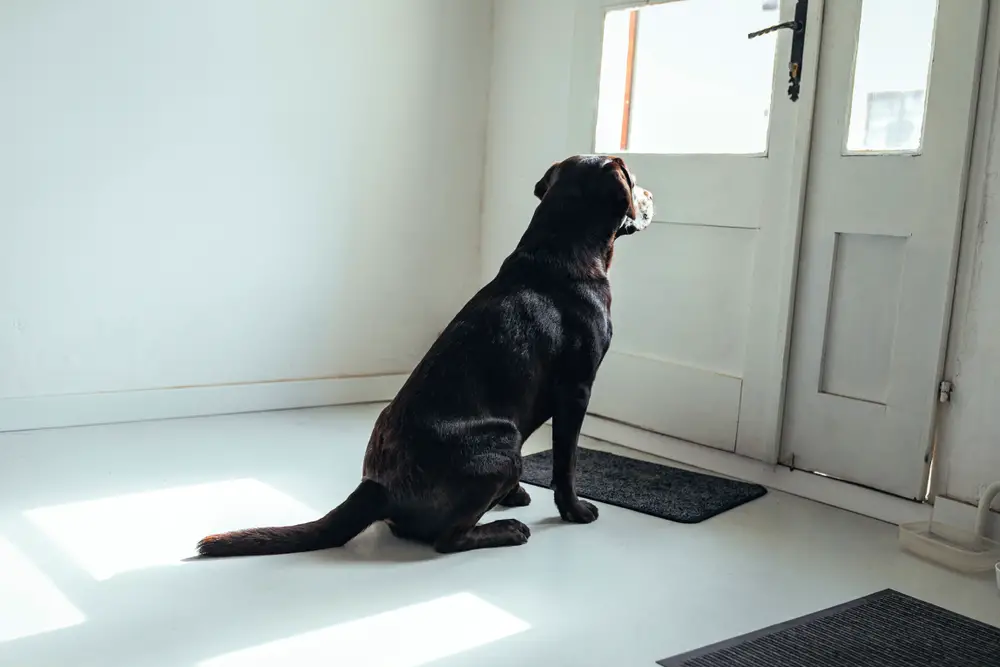
Dogs associate entryways with departure. Shoes, keys, and coats turn this room into an emotional hotspot. Even calm dogs feel a spike of awareness here. Something important happens in this space.
Over time, this room carries tension and anticipation. Your dog may watch closely or position themselves strategically. It’s not panic—it’s monitoring. This room means change.
6. The Returning Room
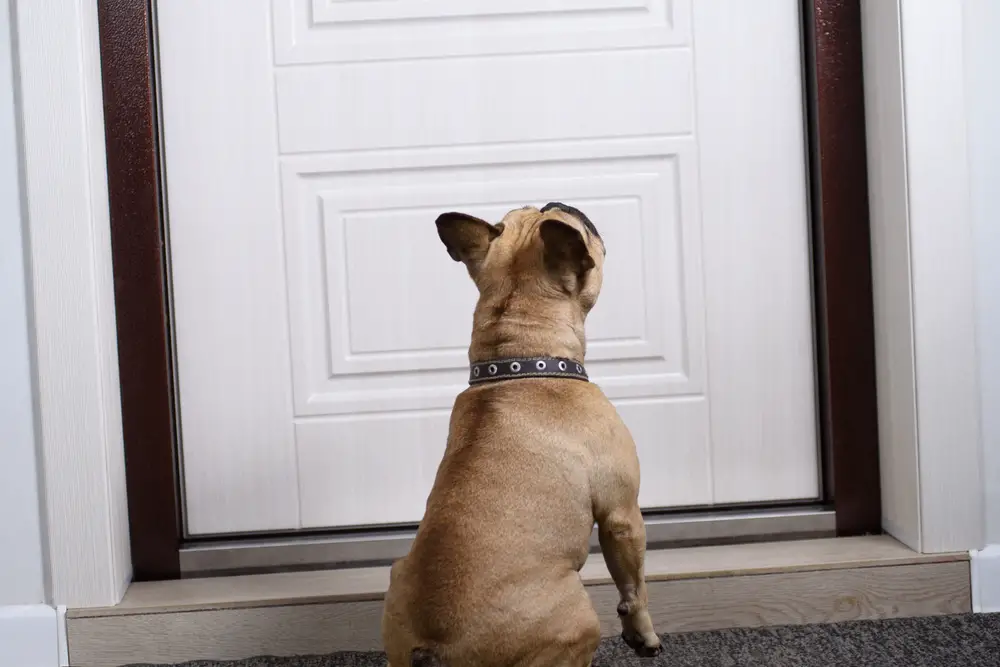
Just as important as leaving is coming back. This room holds relief, excitement, and reunion energy. Dogs remember the emotional payoff associated with this space. It’s where joy arrives.
That’s why dogs wait here even when no one is coming yet. The room holds hope. It’s a place of emotional release. Timing matters here.
7. The Rule-Enforcement Room
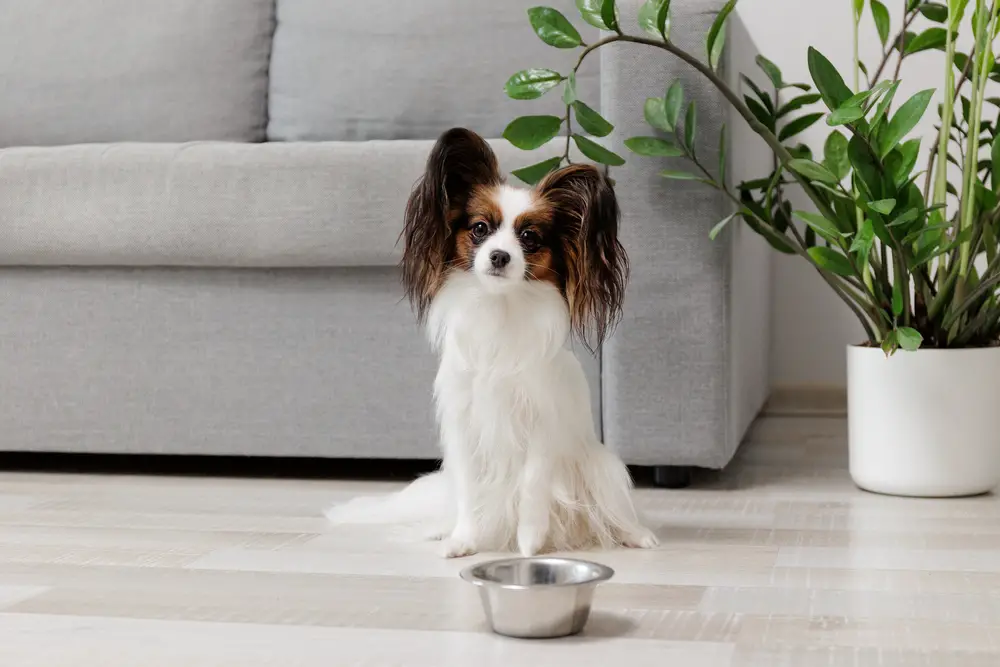
Some rooms are clearly regulated. Your dog knows where they’re allowed and where they’re not. Boundaries are spatial as well as verbal. Dogs respect patterns more than commands.
This room feels formal or uncertain. Your dog moves carefully here or avoids it entirely. They’re reading consequences. The room carries authority.
8. The Observation Room
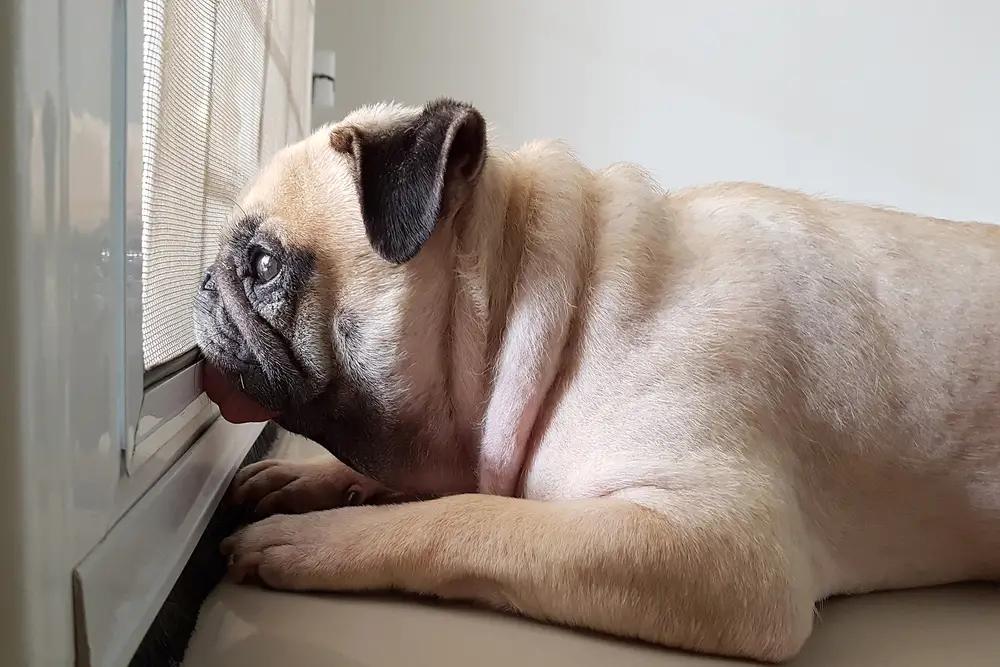
Dogs love rooms with windows or vantage points. These spaces offer information. Your dog categorizes them as monitoring zones. Watching equals safety.
This room satisfies curiosity and vigilance. It keeps their brain engaged. Dogs aren’t just resting—they’re collecting data. The room feels purposeful.
9. You Are the Comfort Room
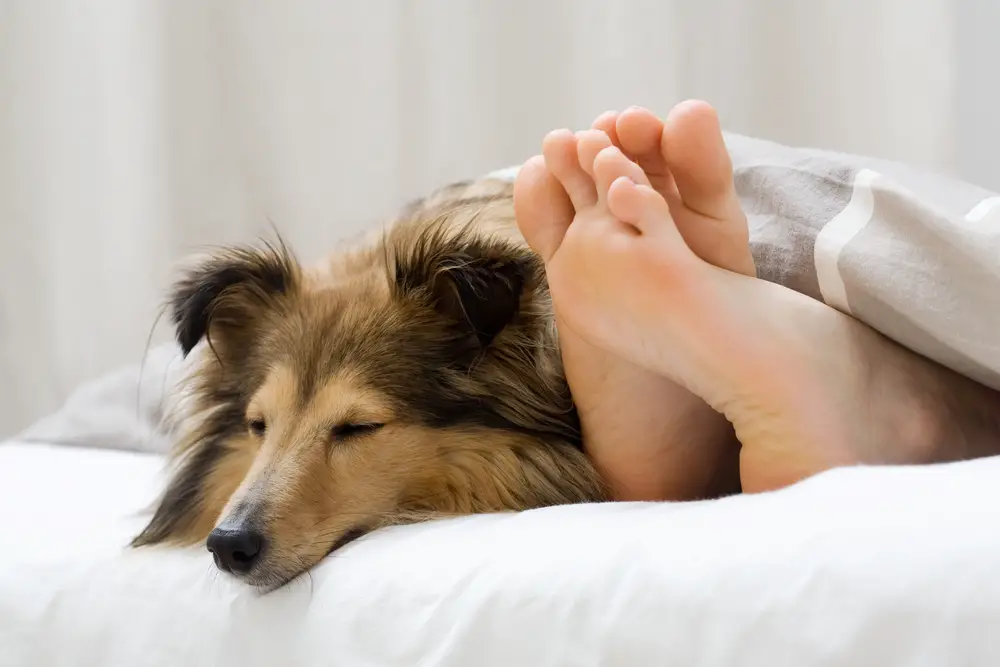
Certain rooms smell the most like you. Your dog recognizes this instantly. These spaces feel grounding and familiar. Comfort is chemical as much as emotional.
Dogs seek this room during stress. The scent acts as reassurance. It’s why dogs curl up in laundry or beds. The room feels like you.
10. The Play Room
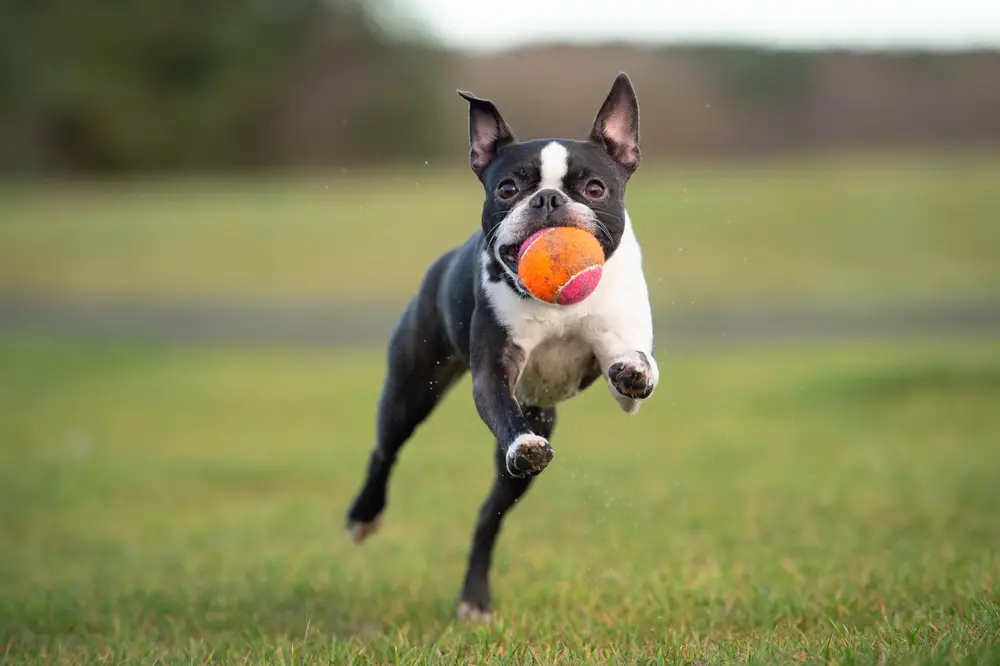
Dogs know exactly where fun happens. This room carries movement, laughter, and unpredictability. Their energy shifts the moment they enter. It’s coded as excitement.
Even calm dogs become alert here. They anticipate engagement. The room activates their social brain. Play is serious business.
11. The Conflict Room
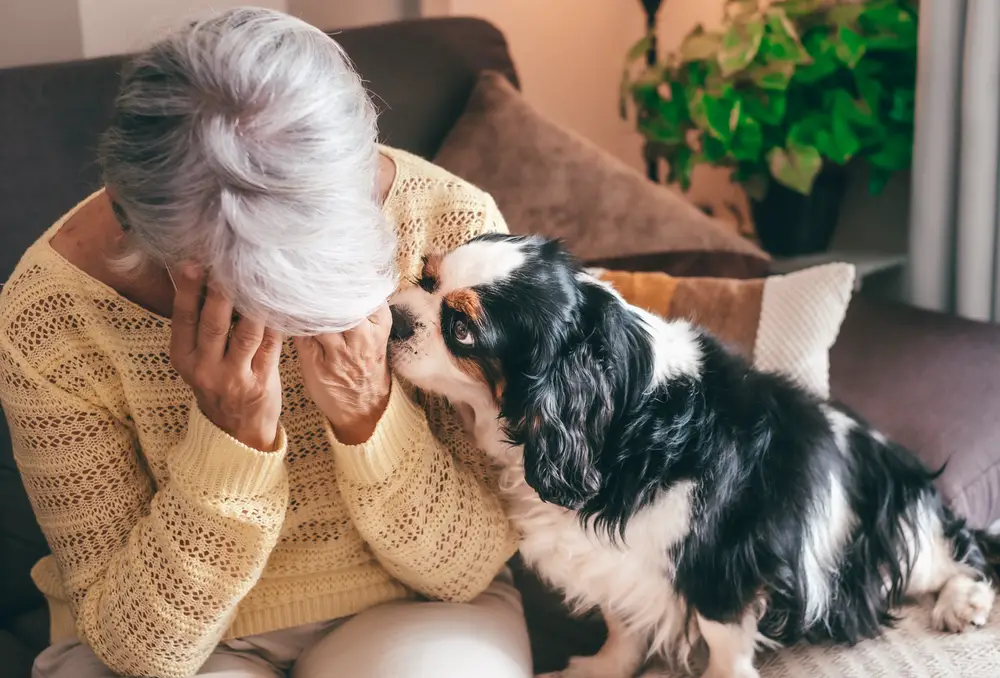
Dogs remember where tension occurs. Raised voices, arguments, or stress imprint emotionally. The room feels charged even later. Dogs don’t forget emotional residue.
They may avoid or monitor this space cautiously. Their behavior changes subtly. This room signals unpredictability. Dogs are excellent emotional historians.
12. The Routine Room
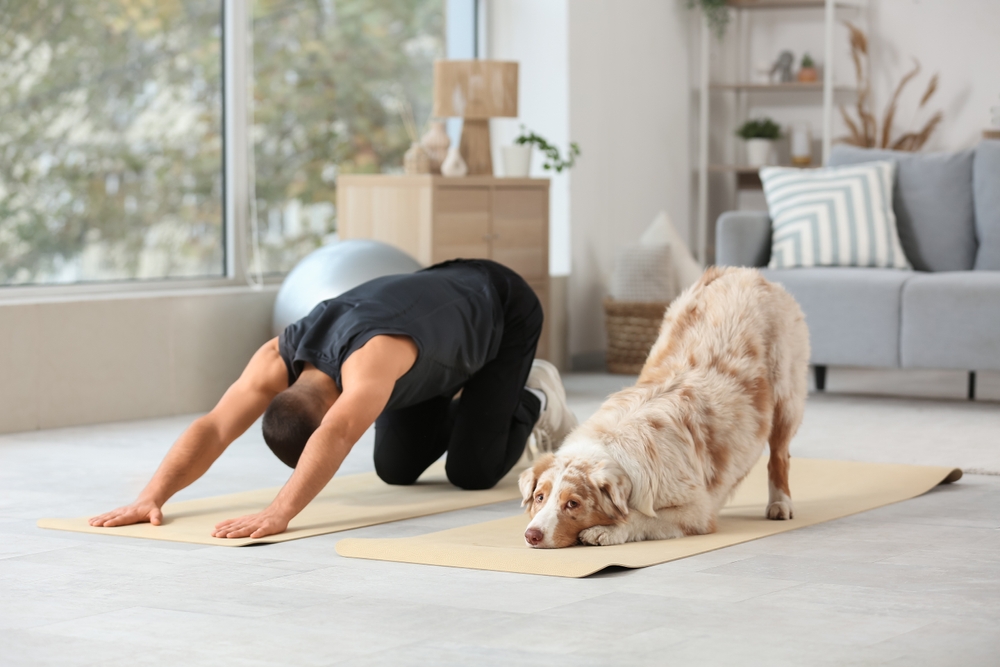
Some rooms are all about habit. Same time, same behavior, every day. Dogs thrive on this consistency. It creates security.
Your dog anticipates what happens next here. The room anchors time. Routine calms their nervous system. Predictability equals safety.
13. The Grooming Room
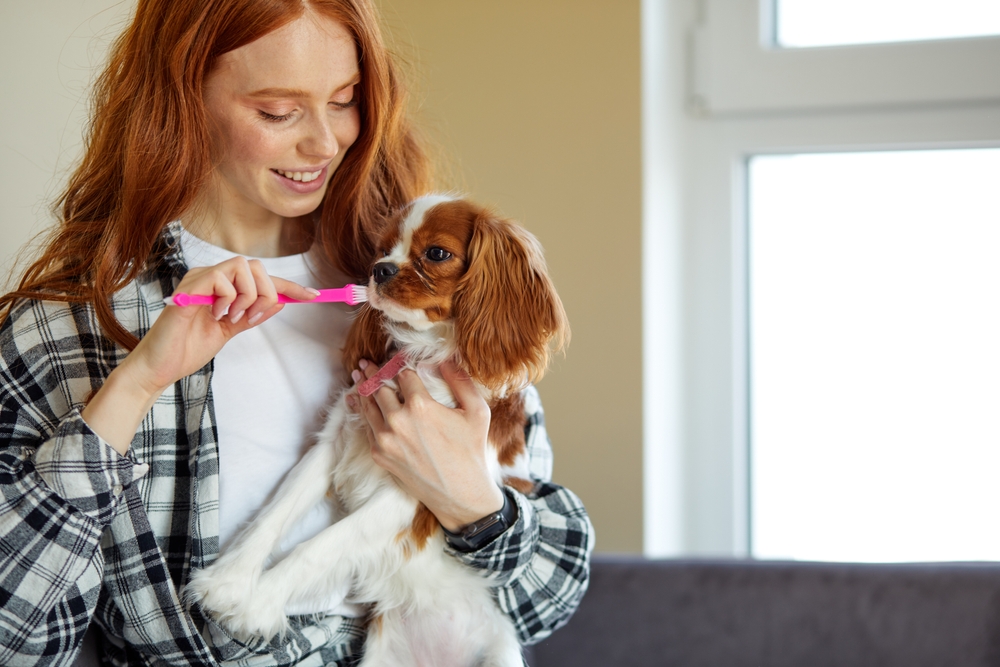
Baths, grooming, and cleaning happen here. Dogs remember. Even if nothing is happening now, the association sticks. This room signals loss of control.
Dogs approach carefully or avoid it entirely. They’re not dramatic—they’re informed. Past experience shapes future behavior. Memory matters.
14. The Snack Room
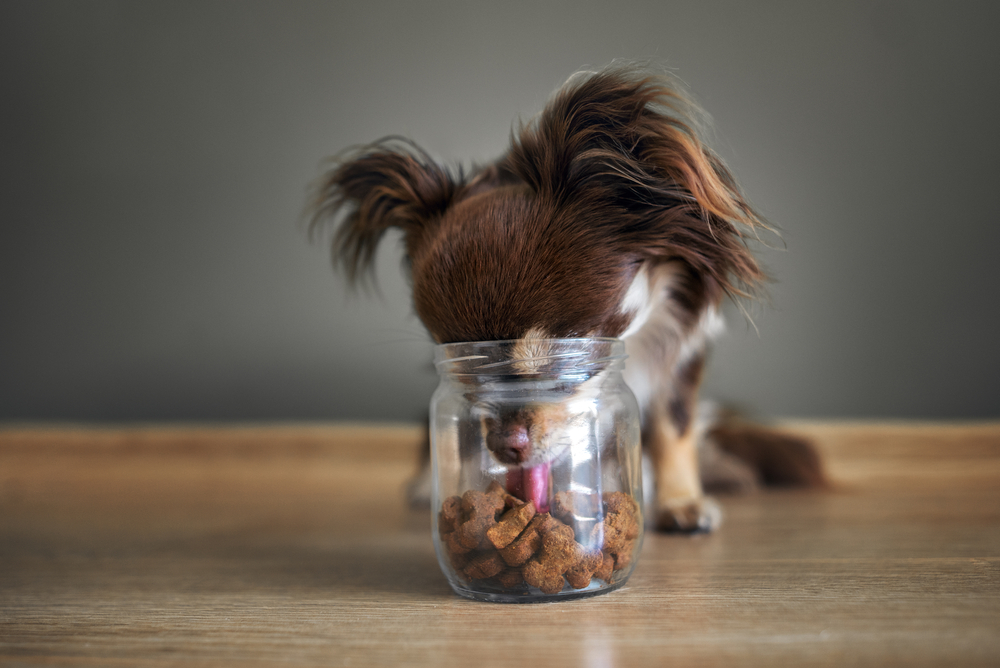
Dogs track where surprise food appears. This room holds potential. It’s watched closely. Even rare rewards leave strong impressions.
Dogs don’t forget exceptions. One treat creates lifelong awareness. The room becomes a wildcard. Hope lives here.
15. The Safe Place
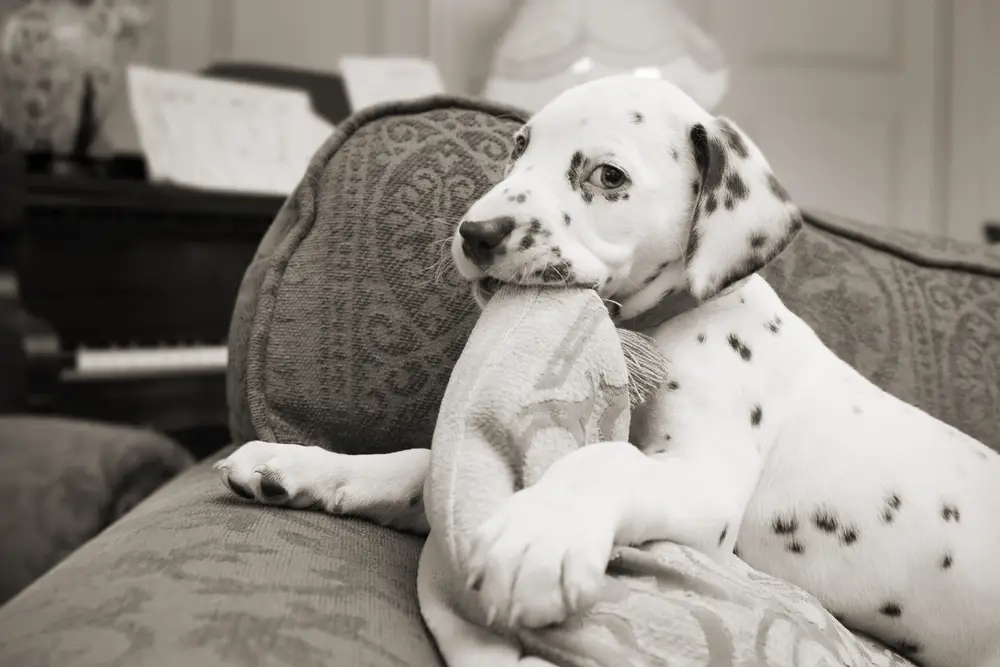
Every dog chooses a room that feels most secure. It’s where they retreat when overwhelmed. This space feels emotionally neutral and protected. It’s their anchor.
They choose it intentionally. The room regulates them. It’s not random—it’s earned trust.