
Most animal attacks don’t happen because an animal is aggressive or “out to get” someone. They happen because humans unknowingly signal threat, dominance, or vulnerability through small, seemingly harmless behaviors. Animals read body language faster and more literally than humans do. These innocent moves can flip a situation from calm to dangerous in seconds.
1. Making Direct Eye Contact
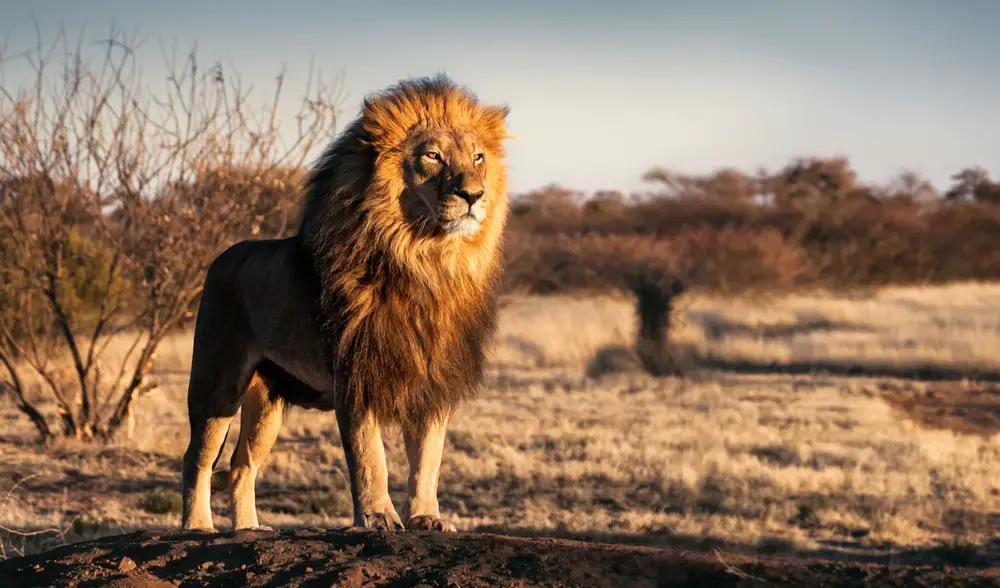
Direct eye contact is often interpreted as a challenge in the animal world. Many predators and territorial animals see staring as a sign of dominance or threat. What humans consider curiosity or awareness can register as confrontation. The animal may respond defensively rather than retreat.
Wildlife behavior research consistently notes that prolonged eye contact increases perceived threat. Big cats, bears, and even dogs respond aggressively to staring. Looking away slowly is often safer than locking eyes. Awareness doesn’t have to be confrontational.
2. Turning Your Back

Turning away may feel polite, but it can signal vulnerability to predators. Many animals instinctively attack from behind when prey appears unaware. A turn back removes visual tracking and awareness cues. That sudden shift can trigger pursuit.
Predatory behavior studies show animals respond to perceived escape signals. Turning your back mimics prey behavior. Standing your ground calmly is often safer. Movement matters more than intention.
3. Running Away Instinctively

Running triggers chase responses in many species, especially predators. What feels like self-preservation to humans reads as confirmation of prey status. Speed amplifies the animal’s instincts rather than calming the situation. The faster you run, the stronger the response.
Research from the National Park Service emphasizes that running increases attack likelihood from bears, big cats, and canines. Animals are built to chase. Humans are built to panic. Stillness often disrupts that pattern.
4. Raising Your Arms Suddenly

Sudden upward movement can look like an attack signal. Animals react to abrupt changes in body shape and size. Raising arms may be interpreted as lunging or striking. That misread can escalate instantly.
Wildlife safety experts advise slow, deliberate movements in close encounters. Fast gestures confuse threat assessment. Calm motion communicates neutrality. Speed communicates danger.
5. Showing Your Teeth

In many species, exposed teeth are a threat display. What humans mean by friendliness can look like aggression. Dogs, primates, and many mammals interpret teeth-baring as hostile. The signal is visual, not emotional.
Animal communication research shows that facial cues override vocal tone. Animals don’t interpret smiles—they interpret structure. A relaxed, neutral face is safer. Human expressions don’t translate cross-species.
6. Reaching Out To Touch
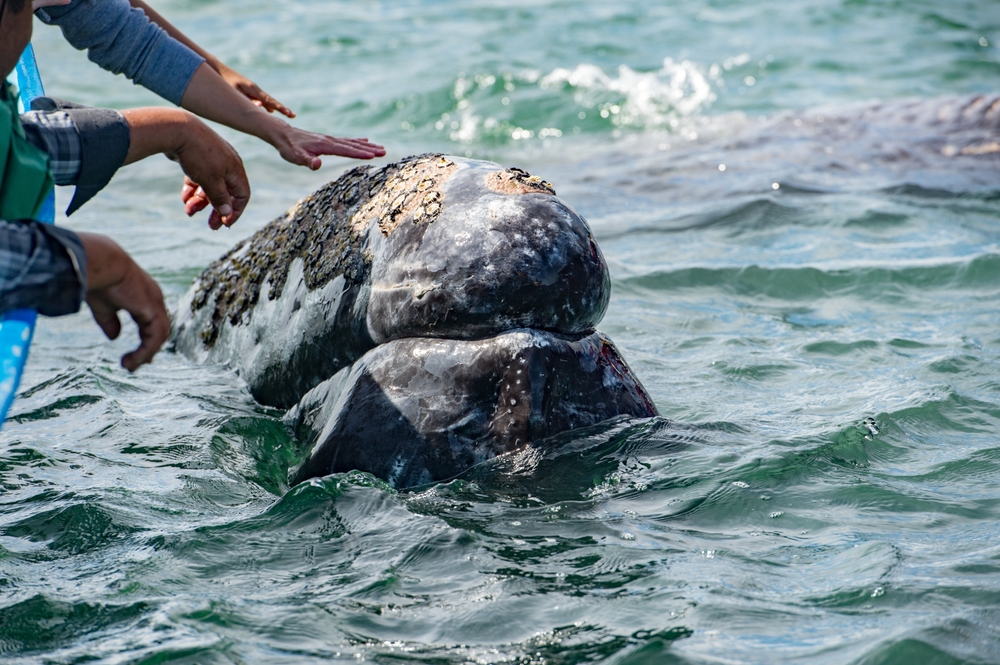
Touching is invasive in the animal world, especially without established trust. Even domesticated animals can react defensively when touched unexpectedly. Wild animals may see reaching as an attack attempt. Distance equals safety.
Veterinary behavioral studies note that surprise contact is a leading cause of bites. Animals rely on predictability. Hands move faster than animals can process intent. Respect space first.
7. Standing In The Wrong Spot
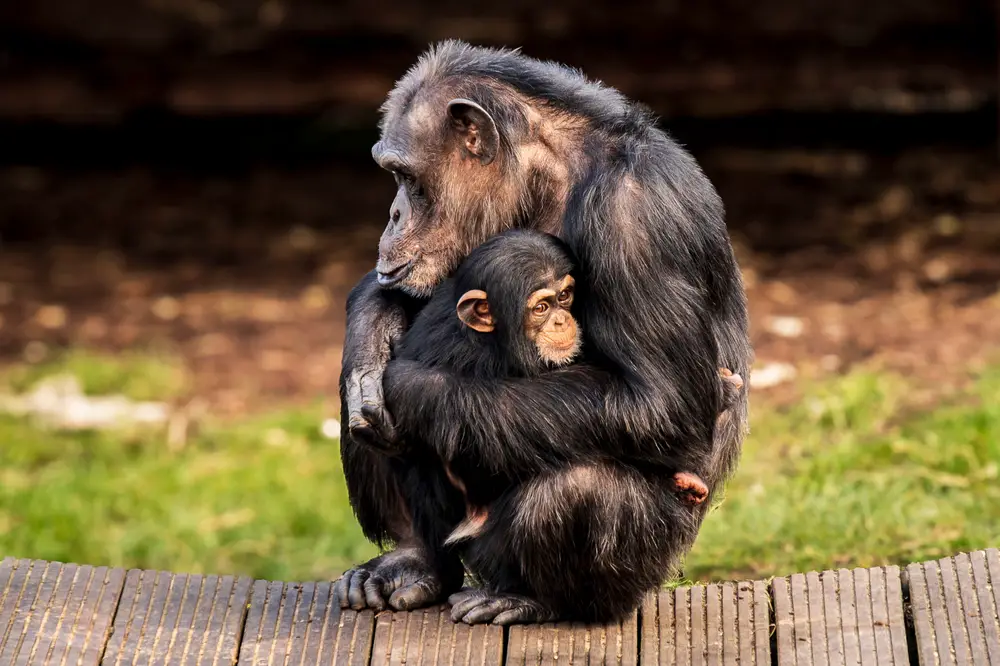
Animals defend their young aggressively, regardless of species. Humans often fail to notice offspring until it’s too late. Blocking access triggers immediate defense. Intent doesn’t matter—position does.
Research from wildlife conservation agencies confirms that maternal defense is one of the most common causes of attacks. The response is instinctual, not emotional. Distance is critical. Awareness saves lives.
8. Carrying Around Food
Food alters animal behavior dramatically. Animals associate food with competition, not sharing. Visible food can trigger approach or aggression. The animal’s goal becomes acquisition, not avoidance.
Park safety studies show food-related encounters account for a large percentage of incidents. Smells travel farther than sight. Securing food reduces risk. Hunger overrides fear.
9. Wearing Headphones

Blocking sound reduces situational awareness. Animals rely on subtle auditory cues that humans miss when distracted. Surprise increases defensive reactions. Awareness lowers risk.
Wildlife incident reports frequently cite lack of awareness as a contributing factor. Animals rarely attack without warning signs. Headphones remove those signals. Silence keeps you informed.
10. Getting Too Close for Photos

Approaching animals for photos compresses safety margins. Distance feels smaller through a lens. Animals perceive approach, not intention. Curiosity becomes intrusion.
National park data shows selfie-related incidents are increasing. Animals react when space is violated. Observation should remain passive. Proximity invites unpredictability.
11. Backing Into An Animal
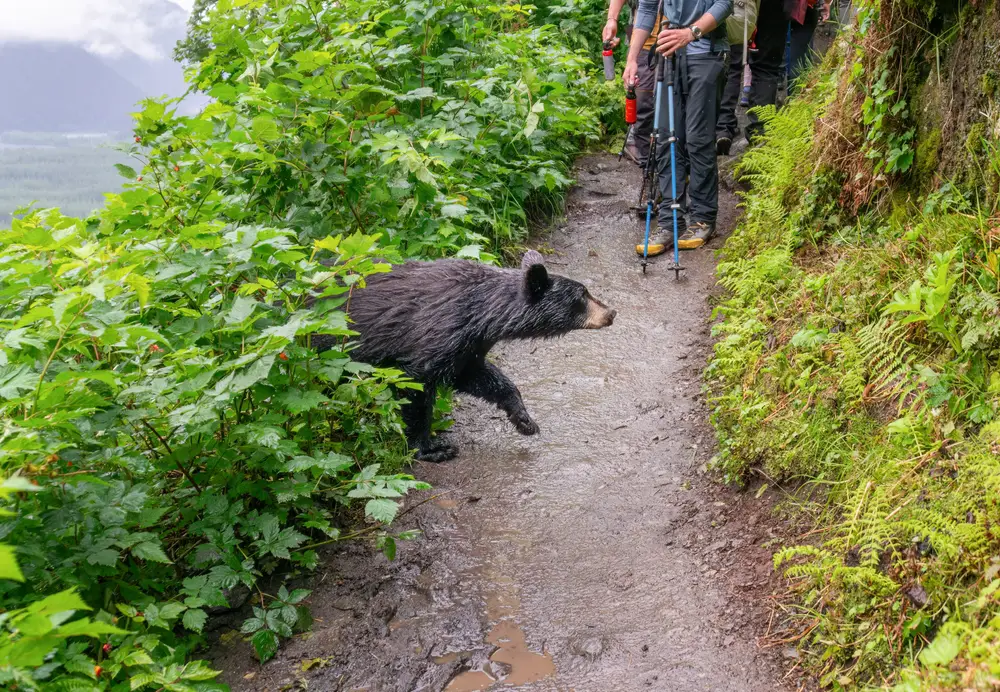
Accidental proximity startles animals. Surprise removes the chance for de-escalation. The animal reacts before assessment. Startle responses are fast and physical.
Behavioral studies show that startle-induced aggression is reflexive. Animals don’t pause to evaluate intent. Spatial awareness matters. Slow scanning prevents surprise.
12. Assuming Small Animals Are Harmless
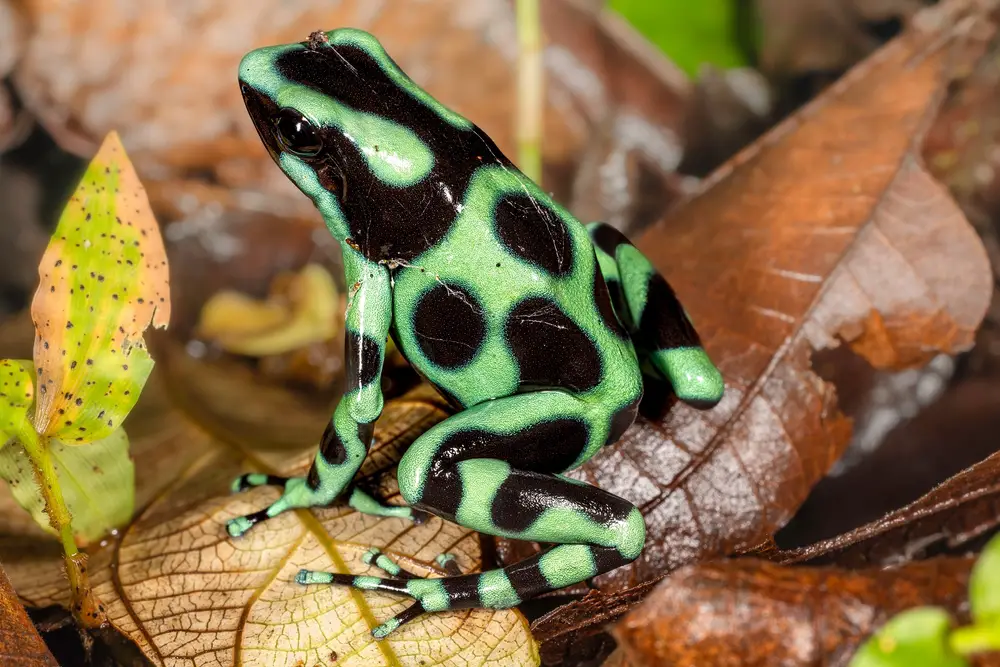
Size does not determine danger. Small animals defend aggressively because they lack escape options. Bites and attacks are about defense, not dominance. Underestimation increases risk.
Zoological injury reports show that small mammals account for many serious injuries. Their defenses are sharp and fast. Respect isn’t size-based. Caution should be universal.
13. Ignoring Warning Signals
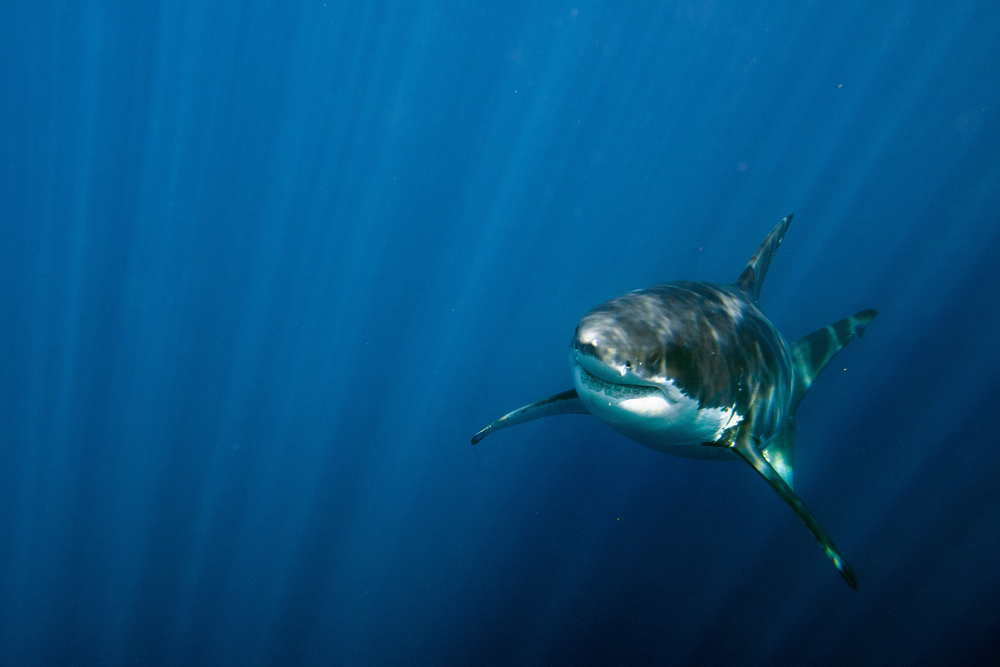
Animals communicate discomfort through posture, sound, and movement. Humans often miss or dismiss these signals. When warnings fail, escalation follows. The attack is the final message.
Animal behavior research emphasizes that most attacks follow ignored warnings. Flattened ears, raised fur, or vocalizations are clear signals. Learning to read them prevents harm. Attention is the best defense.