
We tend to associate intelligence with expressive faces, big eyes, or animals that remind us of ourselves. But in the wild, intelligence often looks quiet, strategic, and deeply practical rather than cute or charismatic. Many animals solve problems, plan ahead, and adapt in ways that humans routinely underestimate because the behavior doesn’t look “emotional” or dramatic. These creatures don’t perform intelligence for us—they use it to survive.
1. Raccoons
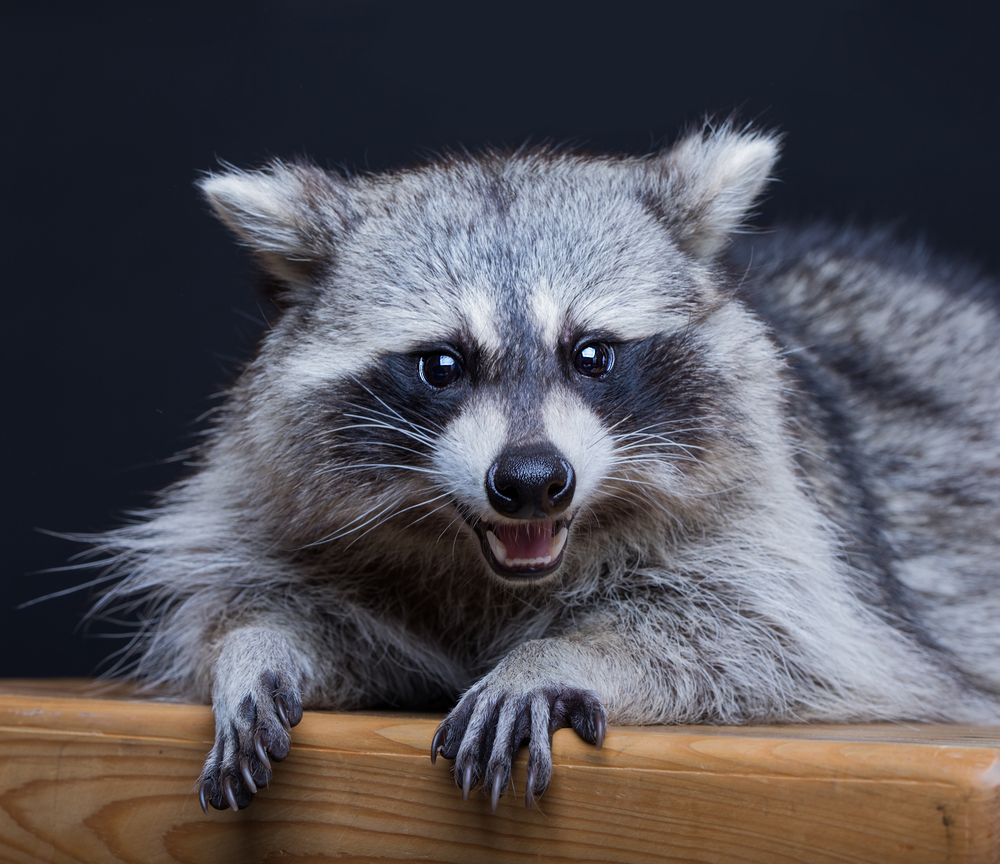
Raccoons excel at problem-solving, particularly in urban environments where adaptability is key. They can open locks, remember solutions, and apply learned strategies across new situations. Their dexterity allows for complex manipulation of objects. Raccoons learn fast because failure has immediate consequences.
Urban wildlife studies indicate raccoons outperform dogs in certain puzzle tasks. Researchers note their persistence and memory retention are unusually high. Intelligence for raccoons is survival-driven. That’s why they keep winning.
2. Pigs
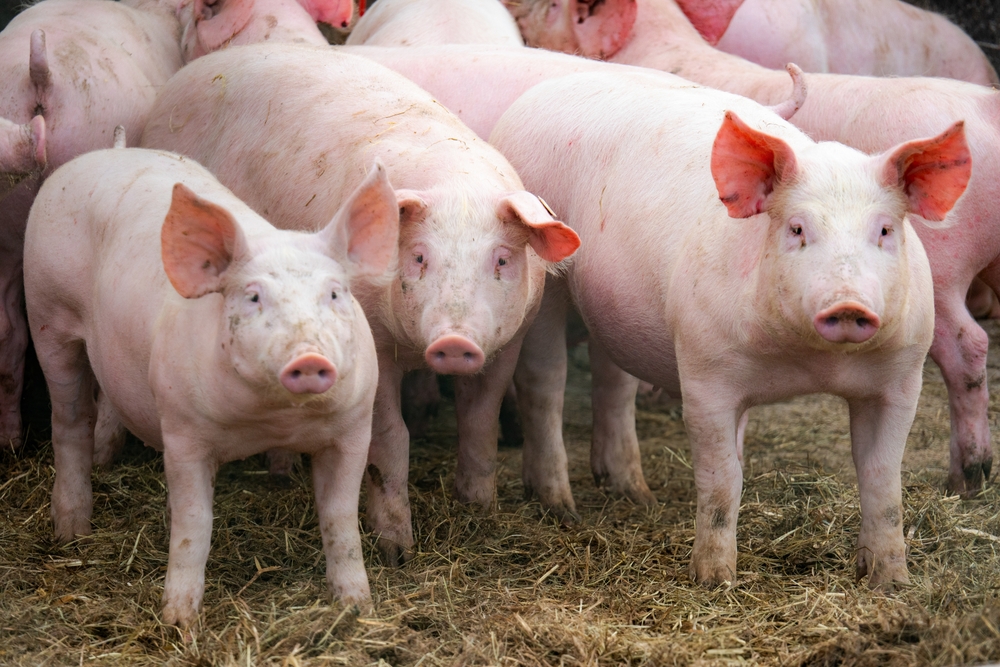
Pigs can learn complex tasks, recognize symbols, and remember locations with surprising accuracy. They are capable of long-term memory and can adapt their behavior based on past experiences. Despite their reputation as messy or simple animals, pigs demonstrate emotional awareness and social intelligence within groups. Their learning speed rivals that of dogs and even young children in certain tests.
A 2022 study from the University of Cambridge found pigs could use mirrors to locate hidden food, indicating advanced spatial awareness. Researchers also observed that pigs could anticipate future outcomes and adjust behavior accordingly. This kind of forward-thinking is a hallmark of higher intelligence. Pigs aren’t just reacting to their environment—they’re interpreting it.
3. Crows
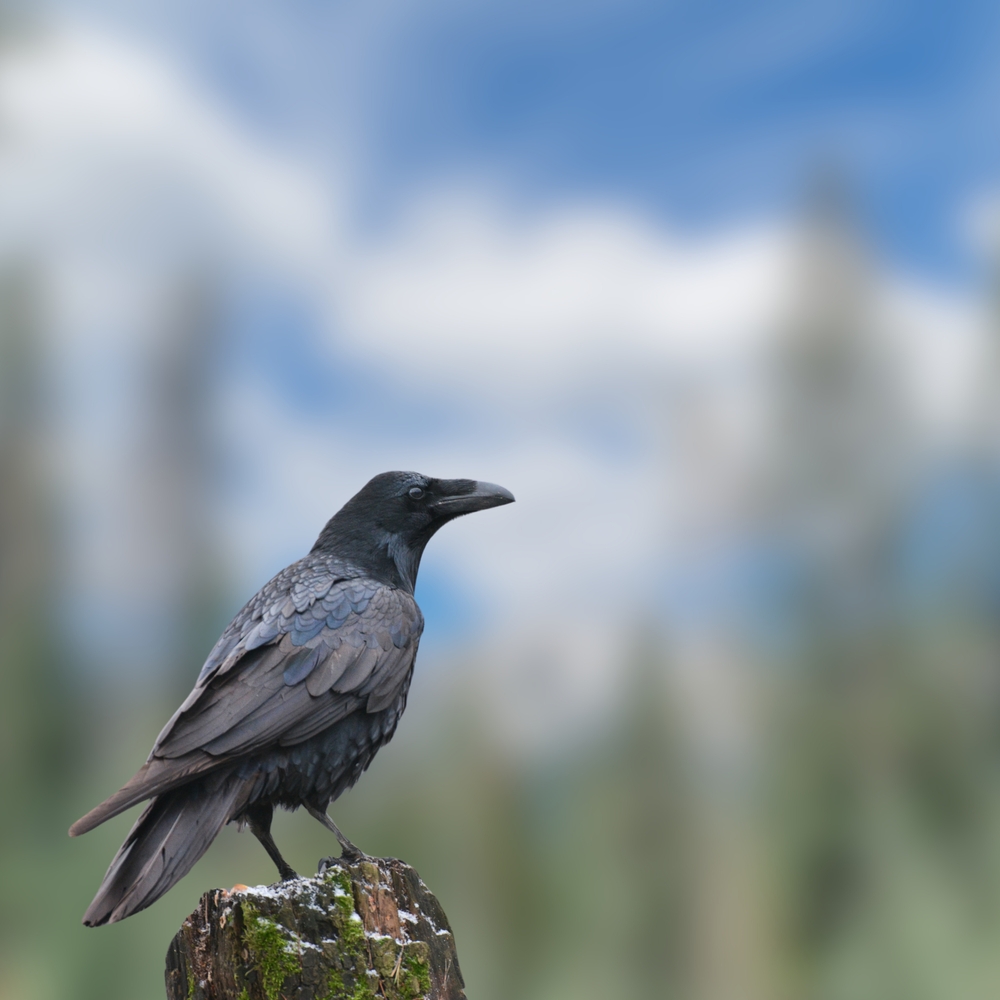
Crows are masters of problem-solving and social learning, often outperforming mammals in cognitive tests. They can recognize human faces, remember who has threatened them, and even teach other crows which humans to avoid. Their ability to use tools, such as bending wires to retrieve food, shows deliberate planning rather than trial-and-error. They don’t just solve problems—they improve solutions over time.
Researchers from the Max Planck Institute have documented that crows can complete multi-step puzzles that require holding future goals in mind. This level of cognitive flexibility is similar to that seen in primates. Scientists also note that crows can pass cultural knowledge between generations, creating learned traditions. Intelligence for them isn’t individual—it’s communal.
4. Goats
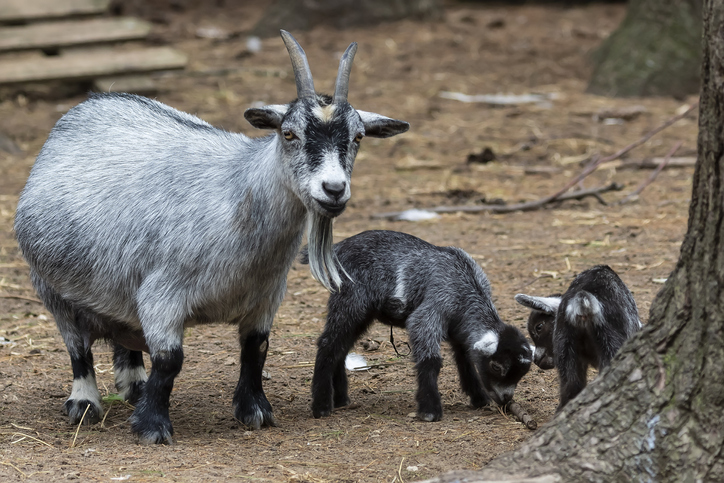
Goats are often dismissed as stubborn or chaotic, but their behavior reflects high adaptability and problem-solving skill. They can learn how to open latches, remember solutions for months, and navigate complex environments with ease. Goats also adjust quickly when rules change, showing cognitive flexibility rather than rote learning. Their curiosity drives experimentation, not recklessness.
A study published in Frontiers in Psychology found goats could solve a puzzle and remember the solution nearly a year later. Researchers were surprised by how quickly goats learned new tasks compared to dogs. This challenges long-standing assumptions about which animals are considered “trainable.” Intelligence doesn’t always come wrapped in obedience.
5. Dolphins
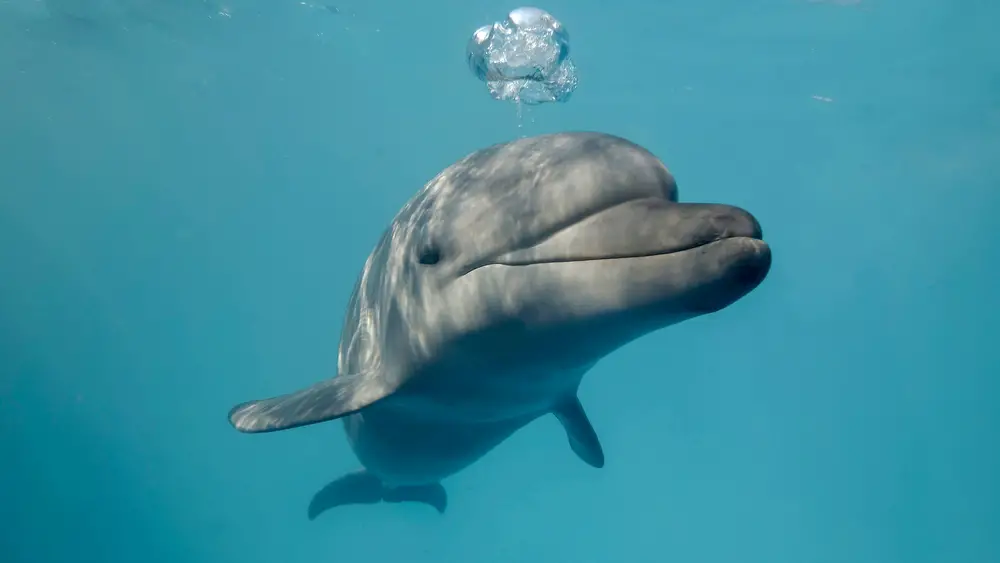
Dolphins communicate using complex vocalizations that function like names, known as signature whistles. They demonstrate cooperative hunting strategies and understand symbolic language when trained. Dolphins can recognize themselves in mirrors, a marker of self-awareness that very few species pass. Their intelligence is deeply social and relational.
Marine biologists have long noted that dolphins use strategic deception, such as pretending to cooperate before breaking formation for advantage. Research from the National Oceanic and Atmospheric Administration highlights their capacity for abstract thinking. Dolphins don’t just respond—they negotiate. Their intelligence is layered and situational.
6. Rats
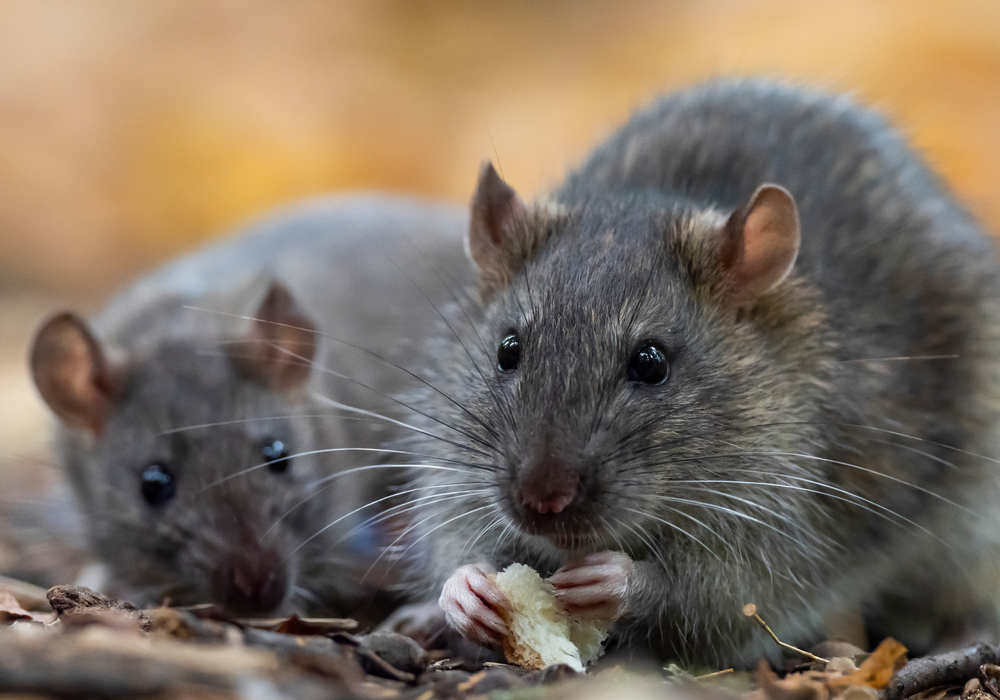
Rats are exceptional learners, capable of navigating mazes, anticipating outcomes, and adjusting behavior based on social cues. They display empathy, often helping trapped companions even when there’s no reward. Rats also understand cause-and-effect relationships and can make decisions based on probability. Their intelligence thrives in complex, changing environments.
Laboratory research consistently shows rats outperform many mammals in learning speed and memory retention. Neuroscientists note that rats can replay memories during rest, similar to humans consolidating learning. This suggests advanced cognitive processing rather than simple conditioning. Their intelligence is practical, flexible, and deeply underestimated.
7. Elephants
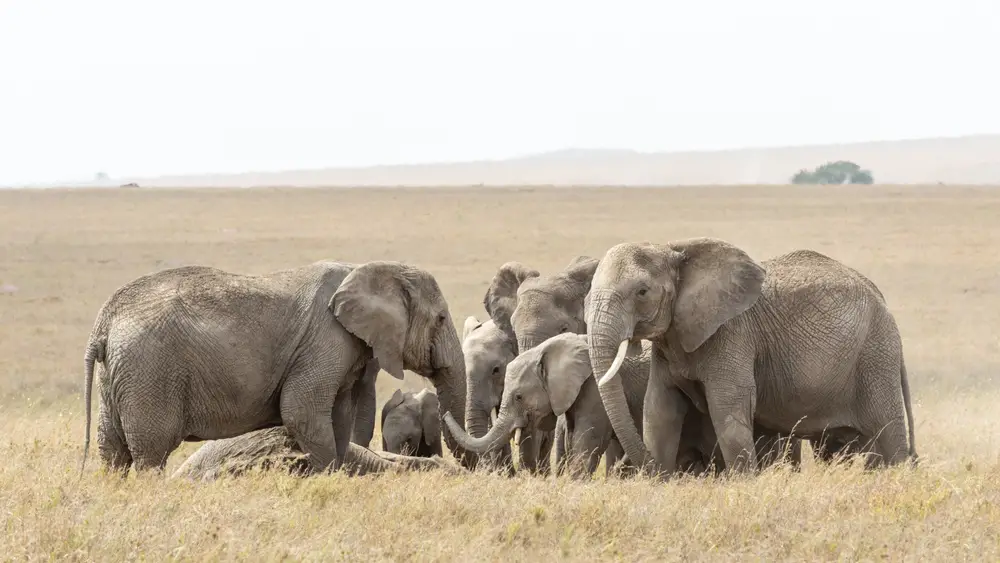
Elephants show remarkable memory, emotional awareness, and problem-solving ability. They recognize themselves in mirrors, mourn their dead, and maintain long-term social bonds. Elephants can remember water sources across vast distances and decades of time. Their intelligence is tied closely to survival and community.
Studies from the University of Sussex indicate elephants can distinguish between human languages and assess threat levels based on voice alone. Researchers believe this reflects advanced auditory discrimination and contextual learning. Elephants don’t just remember—they interpret. Their intelligence is deeply informed by experience.
8. Parrots
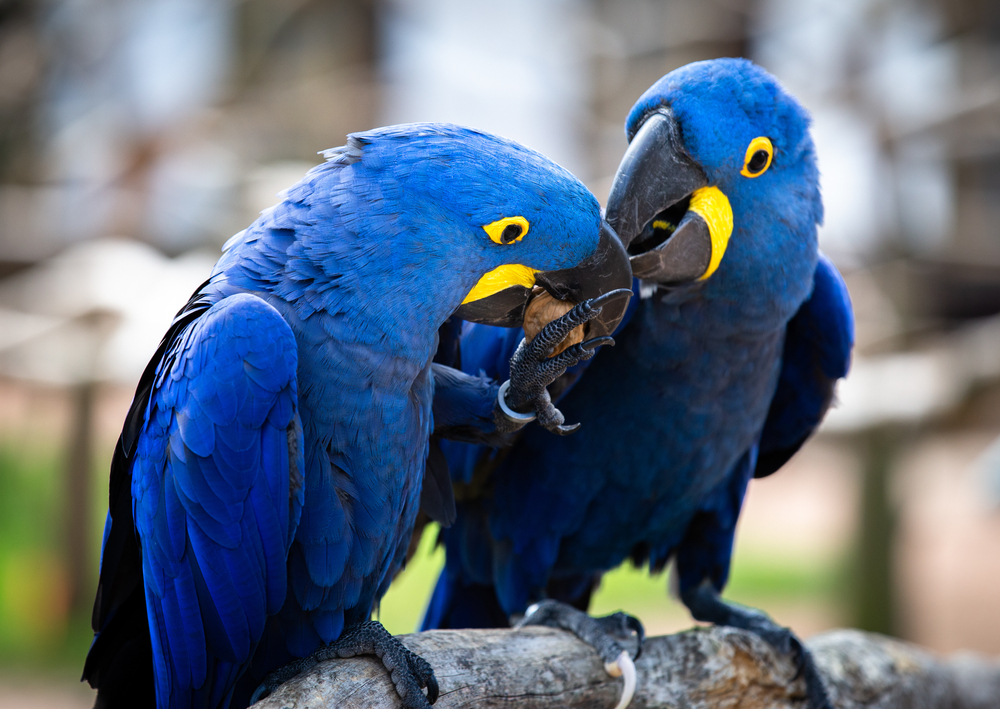
Parrots can understand concepts like numbers, shapes, and categories rather than merely mimicking sounds. Some species use words contextually and invent new vocalizations when needed. They also show emotional sensitivity, responding differently to tone and mood. Parrot intelligence blends cognition with social awareness.
A well-known longitudinal study on African grey parrots demonstrated comprehension equivalent to that of young children. Researchers emphasized that parrots understand meaning, not just repetition. This places them among the most cognitively advanced birds. Their intelligence hides behind feathers and flair.
9. Ants
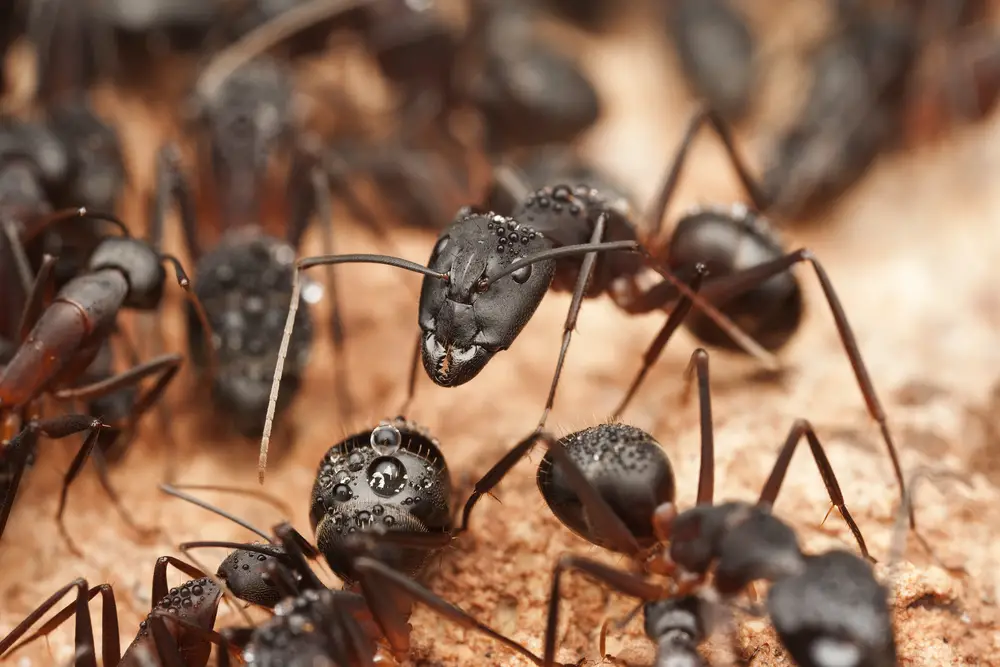
Ant colonies function as collective intelligence systems, solving complex logistical problems without centralized control. Ants optimize routes, allocate labor dynamically, and adapt to disruptions efficiently. Individually simple, together they form highly responsive networks. Their intelligence is emergent rather than individual.
Research in swarm intelligence shows ant colonies can outperform human-designed algorithms in optimization tasks. Scientists study ants to improve traffic systems and supply chains. Their intelligence isn’t flashy—it’s structural. Nature solved efficiency long before humans tried.
10. Horses

Horses are emotionally perceptive and highly responsive to subtle cues. They can read human facial expressions and remember emotional experiences associated with people. Horses also learn through observation and anticipate routines. Their intelligence is often mistaken for compliance or instinct.
Equine cognition research shows horses can differentiate between intentional and accidental human actions. This suggests an understanding of intent, not just reaction. Horses are constantly reading context. Their intelligence is relational, not mechanical.
11. Octopuses
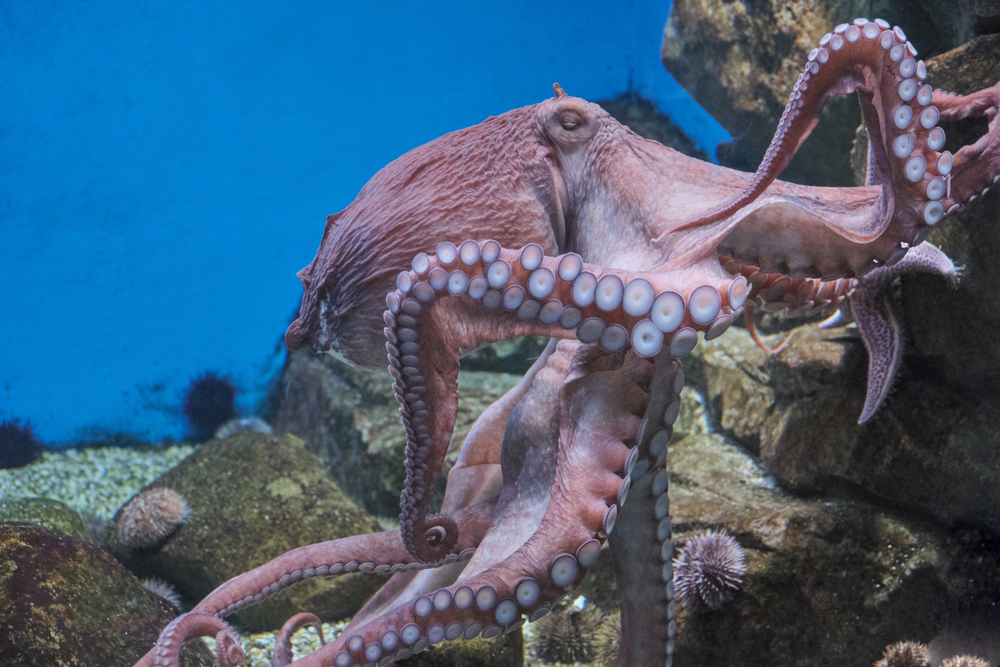
Octopuses regularly solve puzzles, escape sealed containers, and remember solutions over long periods of time. They use tools, plan routes, and even show signs of individual personality, which is rare among invertebrates. What makes their intelligence especially striking is that it evolved independently from mammals, meaning it’s built on a completely different neurological blueprint. Their problem-solving ability isn’t learned from others—it’s internally generated.
Research published in Current Biology has shown that octopuses can navigate mazes and learn through observation, a trait once thought to be limited to vertebrates. Scientists note that much of their intelligence is decentralized, with neurons distributed throughout their arms rather than concentrated in a single brain. This allows them to process multiple tasks at once, like manipulating objects while scanning for threats. Their intelligence is quiet, efficient, and incredibly alien.
12. Bees

Bees can count, recognize human faces, and communicate abstract information through dance. They learn patterns and solve problems collectively within the hive. Bees even exhibit basic emotional states, responding differently after stress. Their intelligence is compact but powerful.
Research from the University of Queensland shows bees can understand numerical concepts like “zero.” Scientists emphasize that brain size does not limit cognitive complexity. Bees demonstrate efficiency, not limitation. Intelligence doesn’t require a big brain—just a useful one.