
Not all animals survive by attacking or fleeing. Some survive by confusing, misdirecting, or overwhelming predator perception. These strategies exploit biology and psychology rather than strength.
1. Cuttlefish
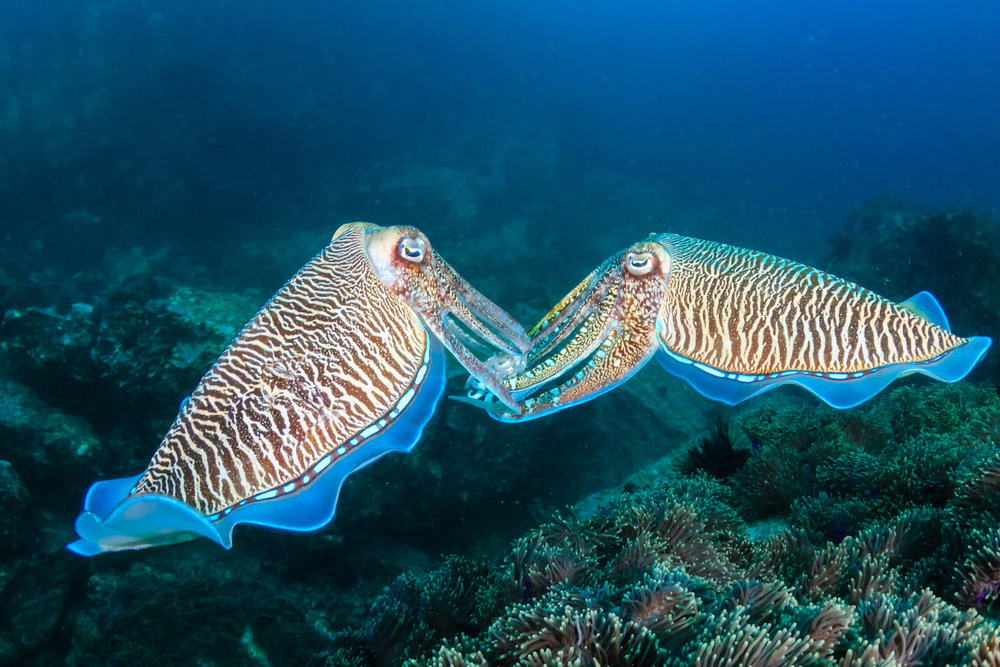
Cuttlefish rapidly change color, texture, and pattern to confuse predators. Their bodies display multiple signals simultaneously. Predators struggle to focus. Confusion buys time. Marine biology research shows cuttlefish use split signaling to overload visual processing. This strategy delays attack decisions. Confusion replaces confrontation.
2. Opossums

Opossums fake death rather than fight. Their bodies go limp and unresponsive. Predators lose interest. Survival comes through deception. Behavioral studies confirm this response is involuntary. The lack of reaction disrupts predator instincts. Confusion overrides aggression.
3. Moths
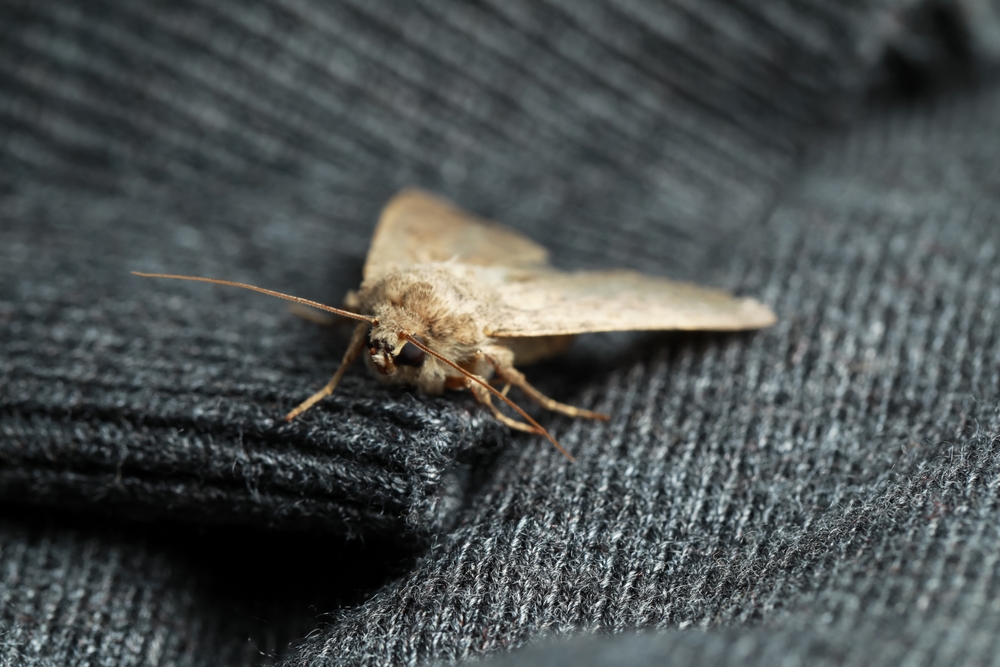
Many moths display eye spots or sudden flashes of color. These visual shocks confuse predators mid-attack. The pause allows escape. It’s a visual trick. Entomology research shows sudden pattern changes interrupt hunting sequences. Confusion beats speed. Timing matters.
4. Zebras
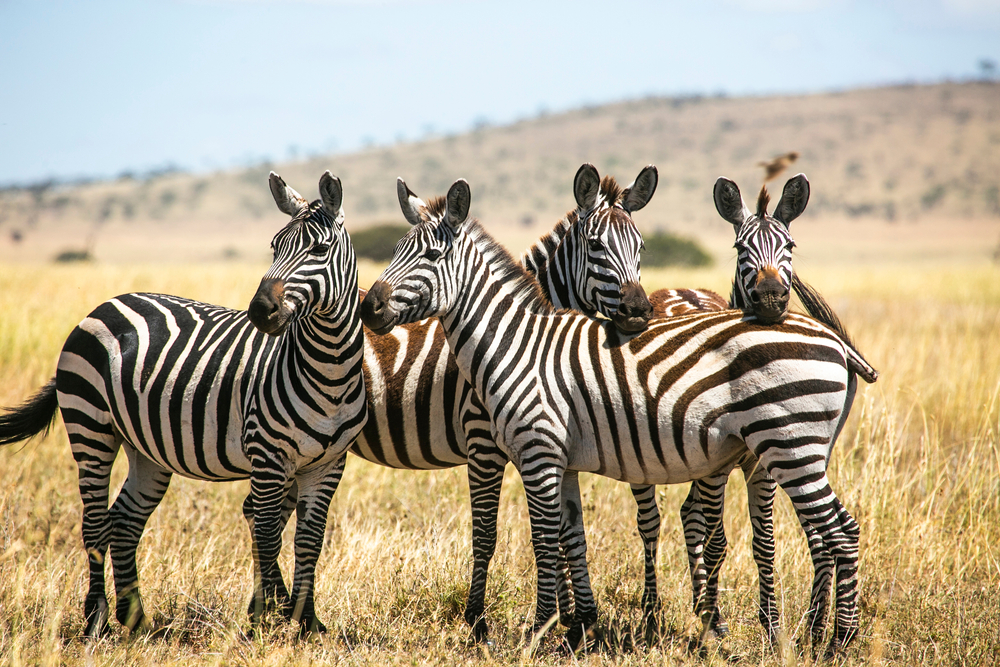
Zebras use stripes to confuse predators during movement. Individual outlines blur. Targeting becomes difficult. Chaos replaces clarity. Vision science research confirms stripes disrupt motion tracking. Confusion protects the group. No fight needed.
5. Skunks
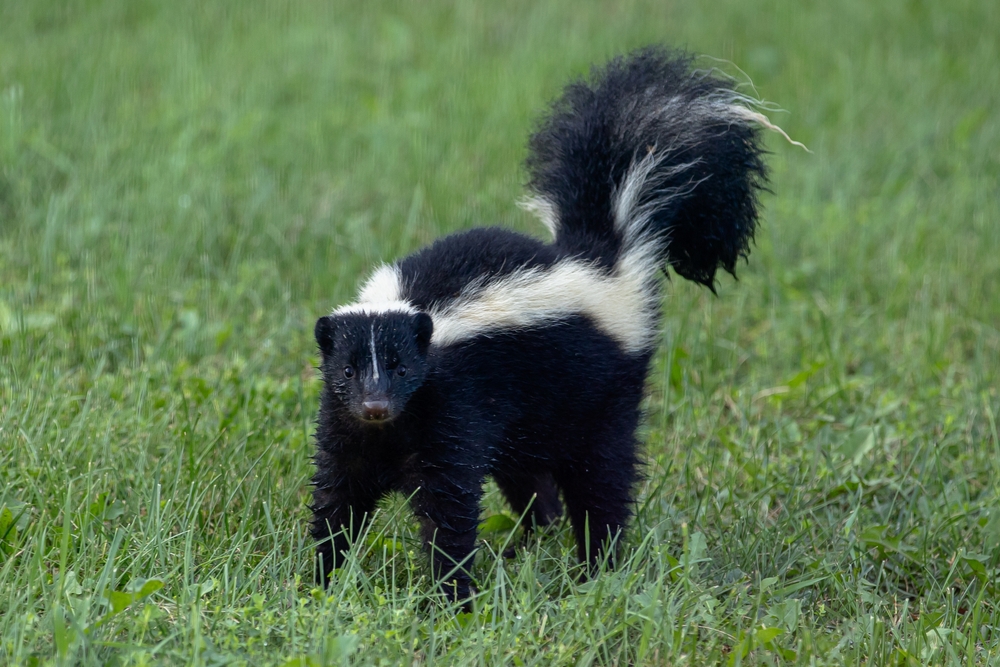
Skunks use scent as psychological warfare. Predators hesitate. Memory reinforces avoidance. Confusion becomes deterrence. Chemical ecology studies show learned avoidance lasts years. Confusion outlives the encounter. Fighting is unnecessary.
6. Squid
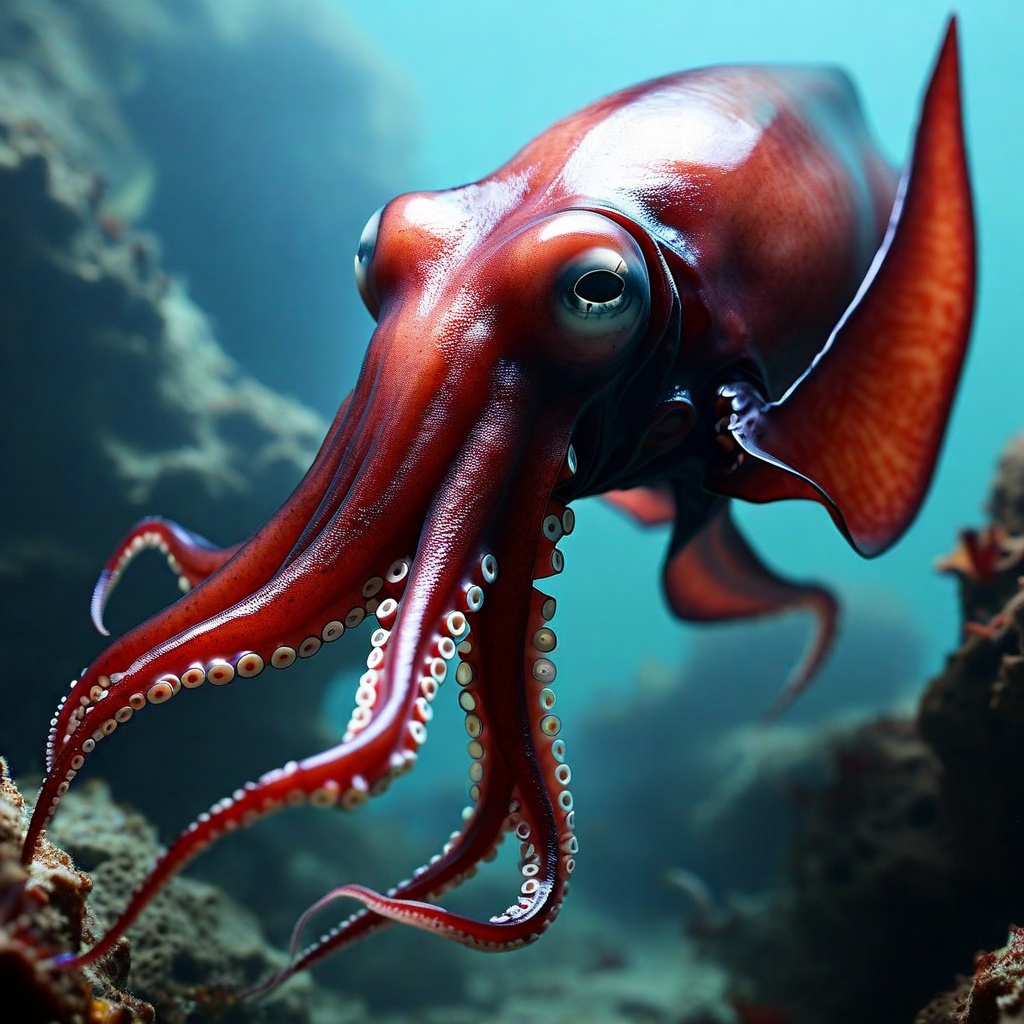
Squid eject ink clouds to misdirect predators. The cloud mimics body shape. Predators attack the decoy. Escape follows. Marine research shows ink deployment is strategic. Confusion creates opportunity. Precision matters.
7. Butterflies
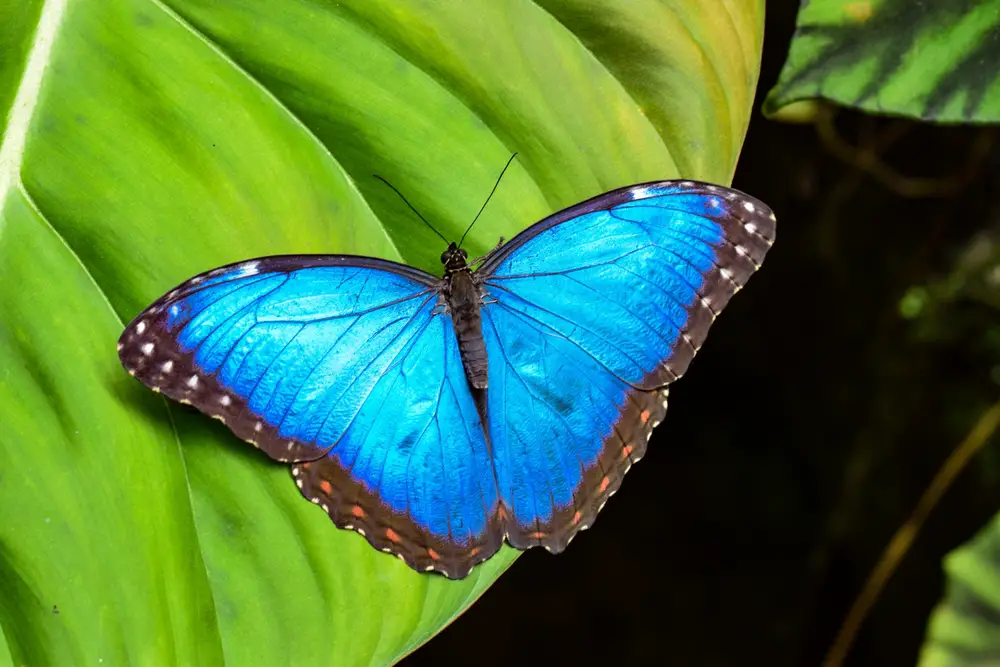
Some butterflies mimic toxic species. Predators hesitate. Mistaken identity protects them. Confusion saves lives. Evolutionary biology confirms the effectiveness of mimicry. Learning reinforces avoidance. The trick persists.
8. Frogs
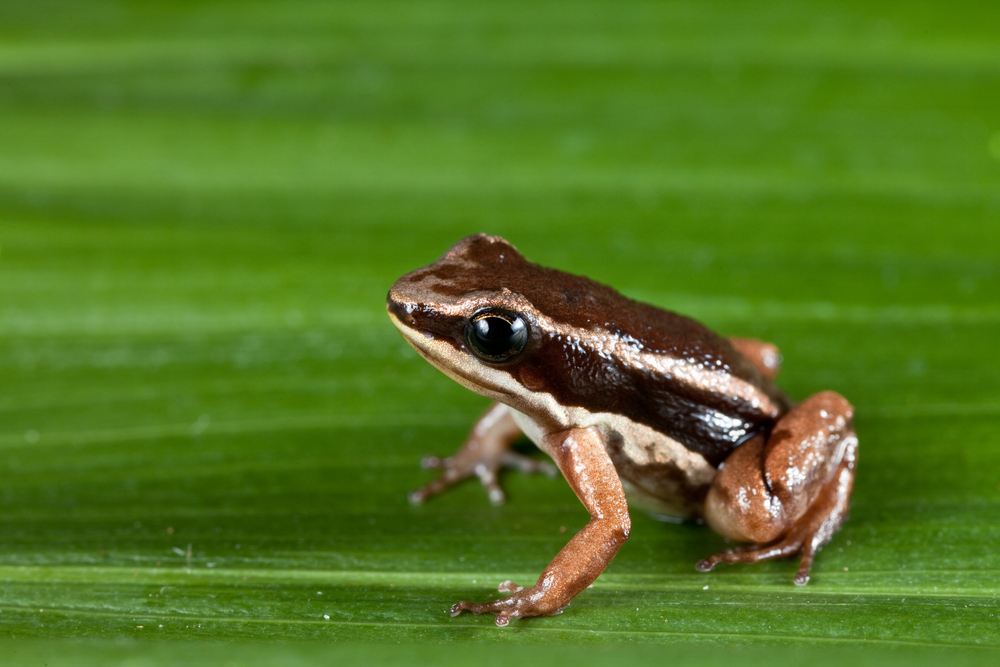
Certain frogs inflate their bodies or display bright colors. Predators pause. Confusion disrupts attack flow. Time is gained. Herpetology studies show visual signaling reduces predation. Surprise matters. Confusion wins.
9. Flatfish
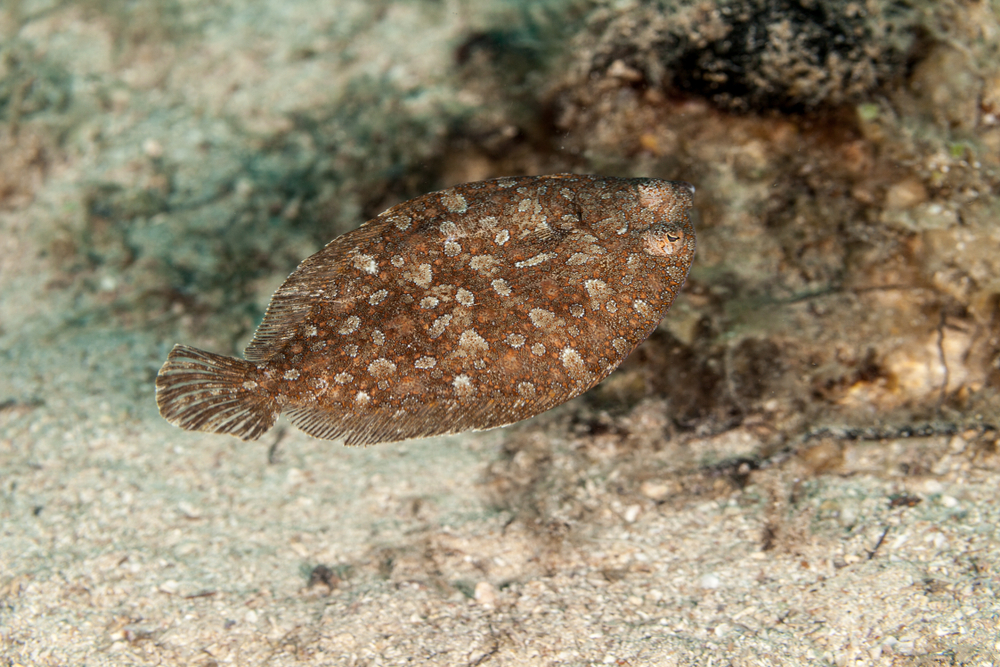
Flatfish blend seamlessly into the seabed. Predators overlook them. Confusion prevents detection. Stillness protects. Camouflage research confirms environmental matching effectiveness. Visibility determines survival. No fight occurs.
10. Hares
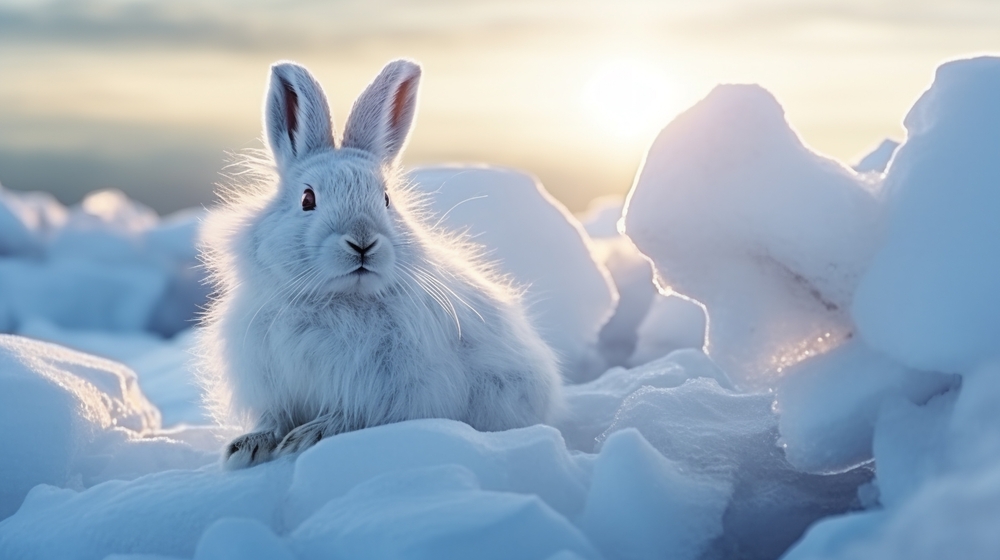
Hares zigzag unpredictably. Predators miscalculate trajectories. Confusion breaks the pursuit rhythm. Escape follows. Predator-prey research highlights erratic movement effectiveness. Confusion replaces speed. Timing saves lives.
11. Katydids
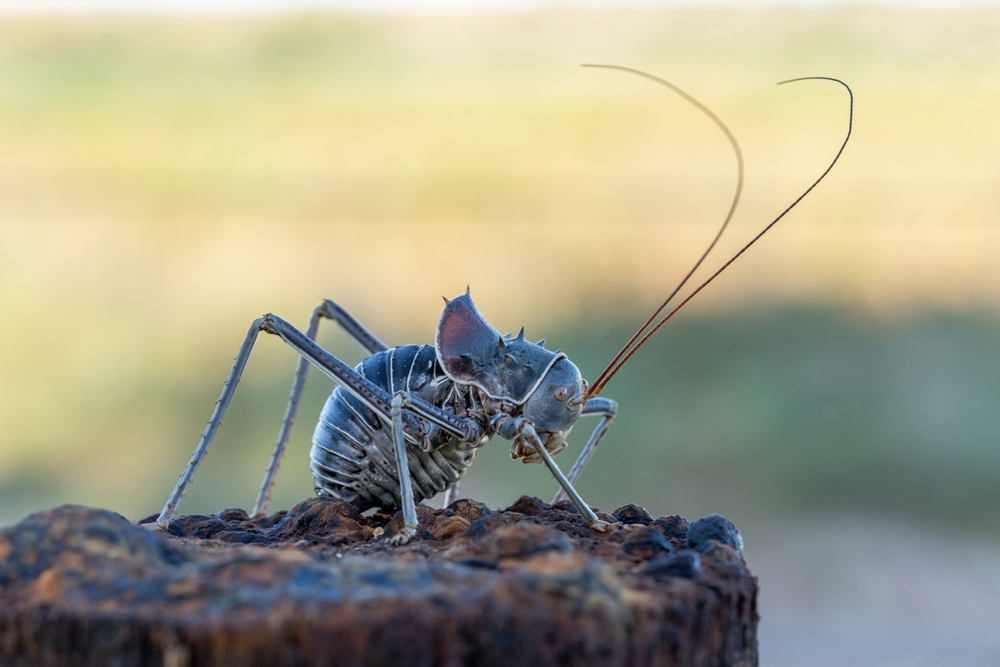
Katydids mimic leaves in shape and motion. Predators misidentify them. Confusion delays detection. Survival follows. Insect camouflage studies show motion mimicry reduces attacks. Confusion works quietly.
12. Sea Horses
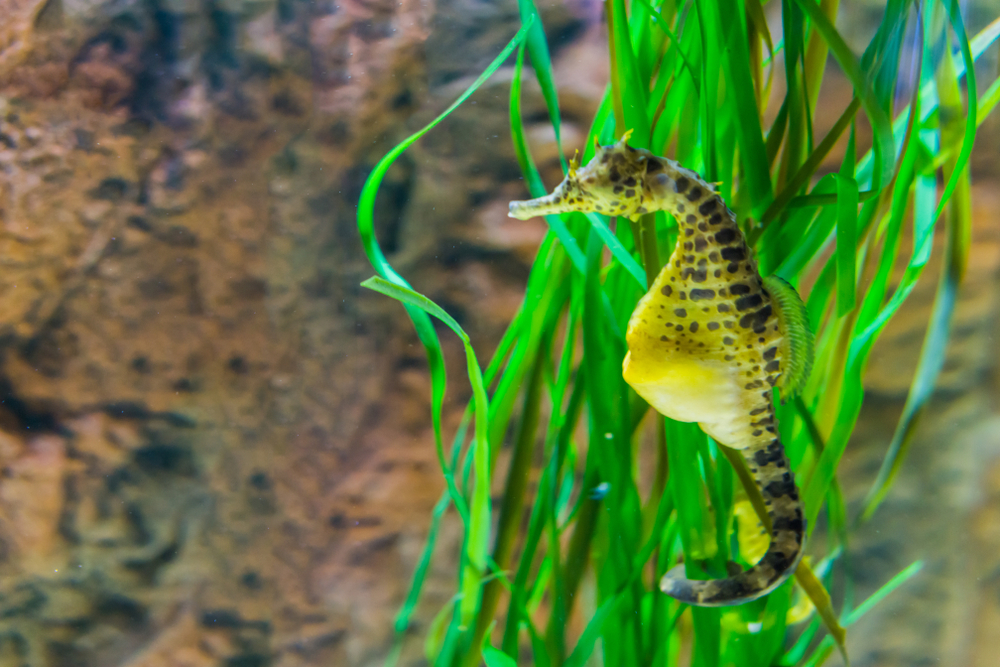
Sea horses mimic coral and drift with currents. Predators overlook them. Confusion protects fragility. Stillness wins. Marine adaptation research confirms the effectiveness of environmental mimicry. No confrontation needed.
13. Snakes
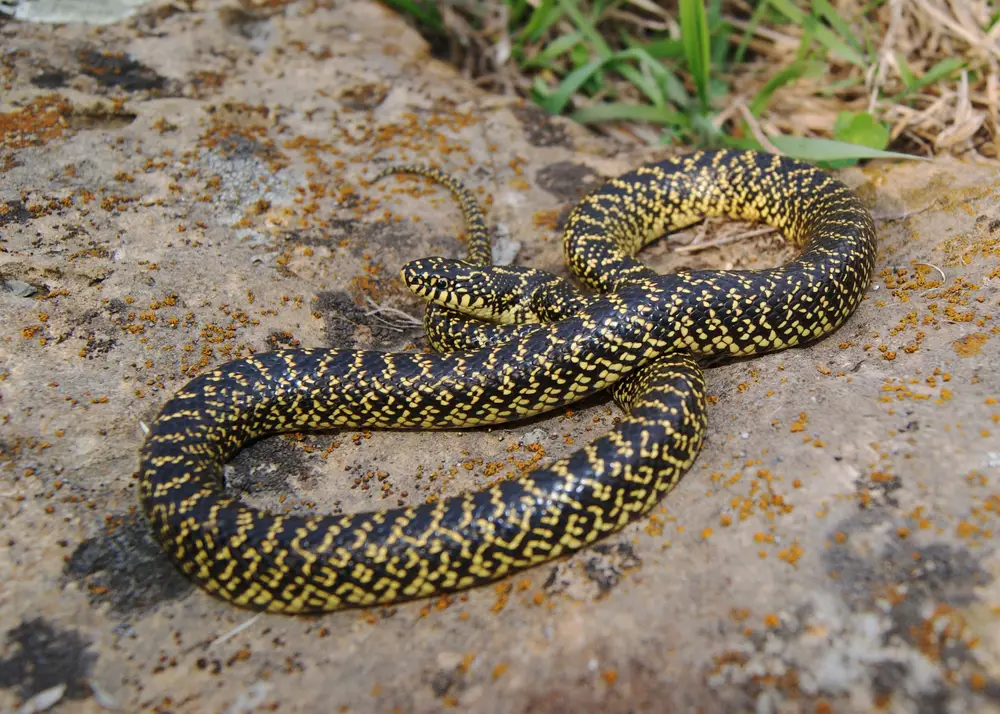
Some snakes feign death or flatten their bodies. Predators hesitate. Confusion interrupts instinct. Escape follows. Herpetological studies show deceptive displays reduce attacks. Confusion saves energy. Survival is strategic.