
Size doesn’t determine power in the animal world. Strategy, venom, intelligence, and coordination often matter more. Many small animals routinely overpower much larger ones. Dominance isn’t about bulk—it’s about leverage.
1. Honey Badgers
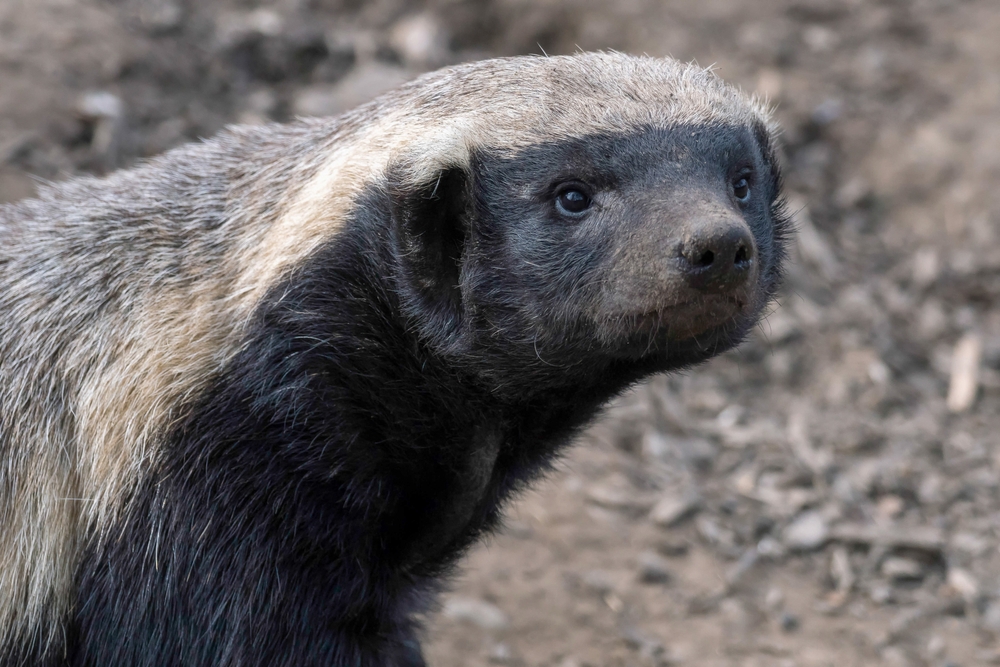
Honey badgers routinely confront predators many times their size. Fearlessness defines their strategy. Pain tolerance is extreme. Retreat is rare. Wildlife behavior studies show honey badgers rely on aggression and resilience. Size becomes irrelevant. Dominance comes from confidence. Few challenge them.
2. Mantis Shrimp
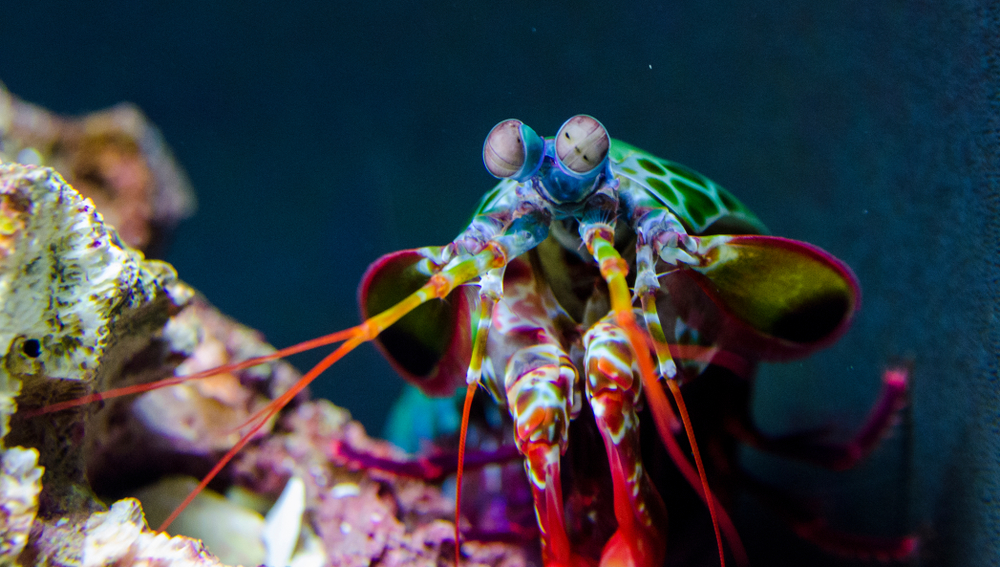
Mantis shrimp strike with incredible force. Their punch can break shells and glass. Larger predators avoid them. Power is concentrated. Marine biology research confirms that mantis shrimp generate shock waves. Size offers no protection. Precision dominates. Power surprises.
3. Wolverines
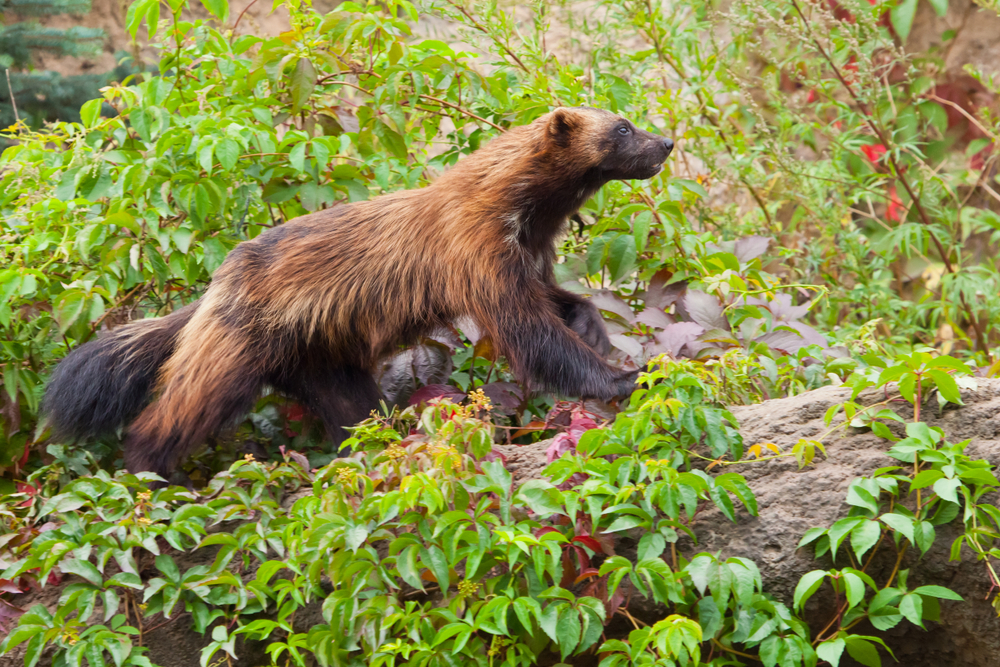
Wolverines intimidate bears and wolves. Aggression compensates for size. Persistence wins. Territory is defended fiercely. Wildlife studies show wolverines rely on intimidation. Larger animals retreat. Confidence shifts the balance. Dominance holds.
4. Poison Dart Frogs
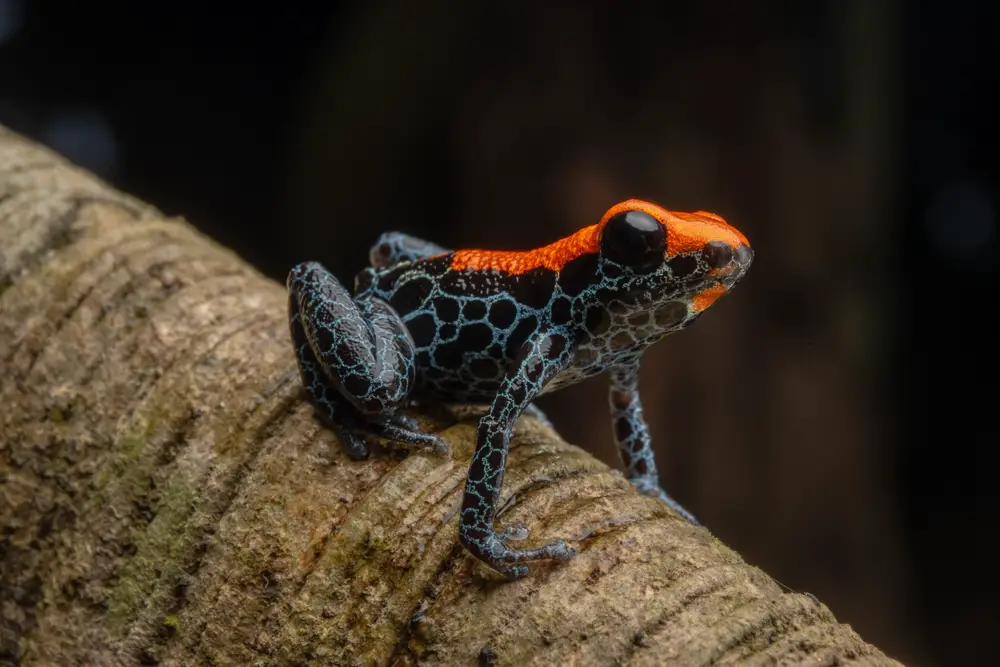
Tiny frogs carry lethal toxins. Predators avoid them instinctively. Color signals danger. Size doesn’t matter. Toxicology research confirms extreme potency. Learning happens fast. Avoidance spreads. Dominance is chemical.
5. Ants
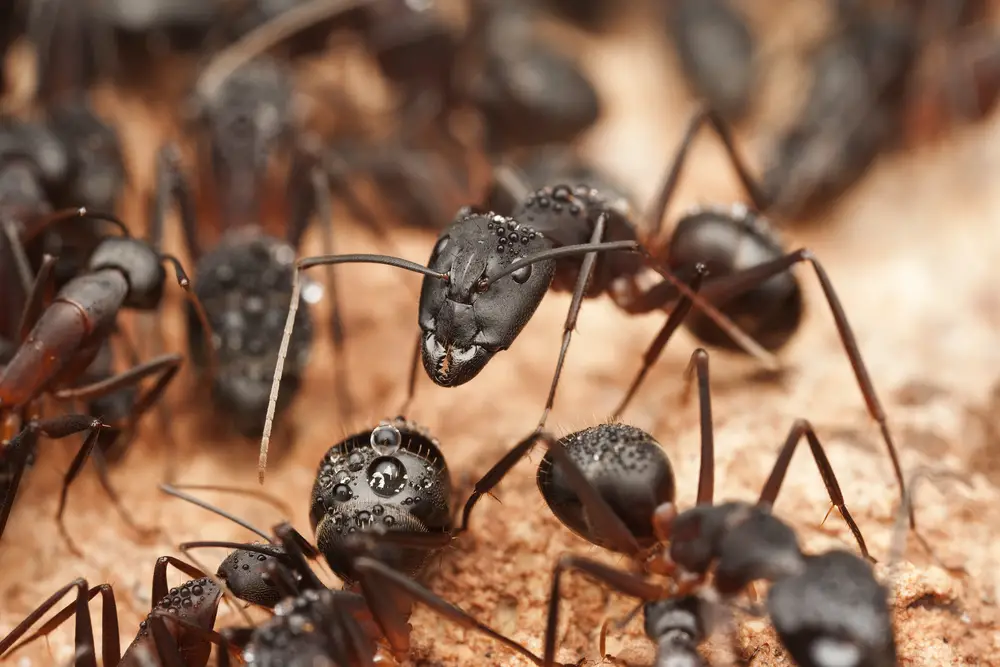
Ant colonies overpower much larger animals. Coordination is key. Numbers overwhelm. Strategy wins. Entomology studies confirm collective dominance. Size is irrelevant. Organization prevails. Power multiplies.
6. Wasps
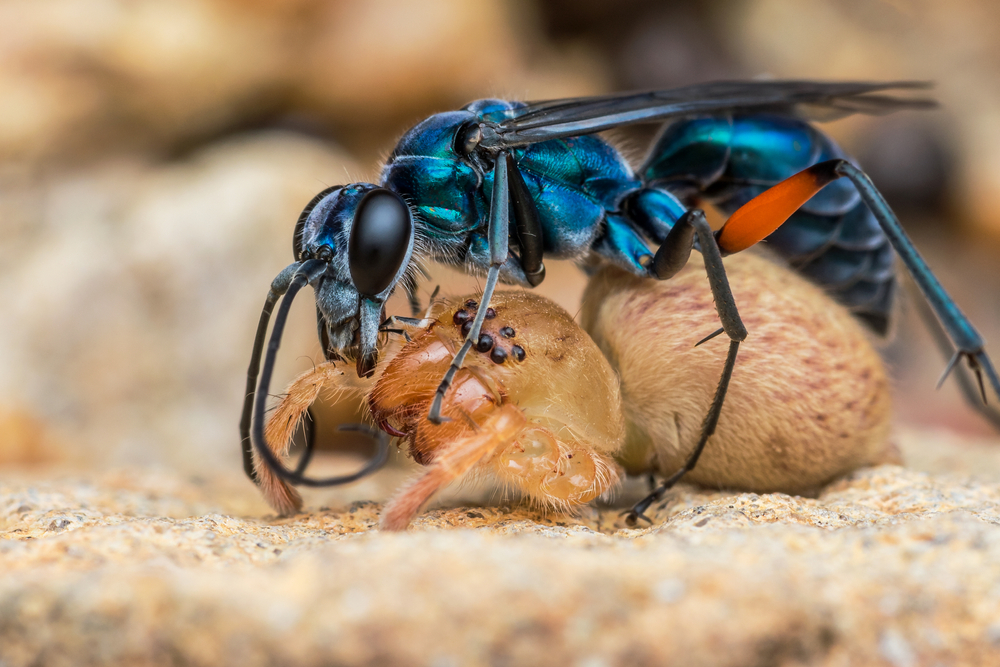
Wasps dominate through pain. Larger animals retreat instantly. Defense is immediate. Fear spreads quickly. Behavioral studies show pain deterrence works universally. Size doesn’t protect. Avoidance is learned. Dominance holds.
7. Electric Eels
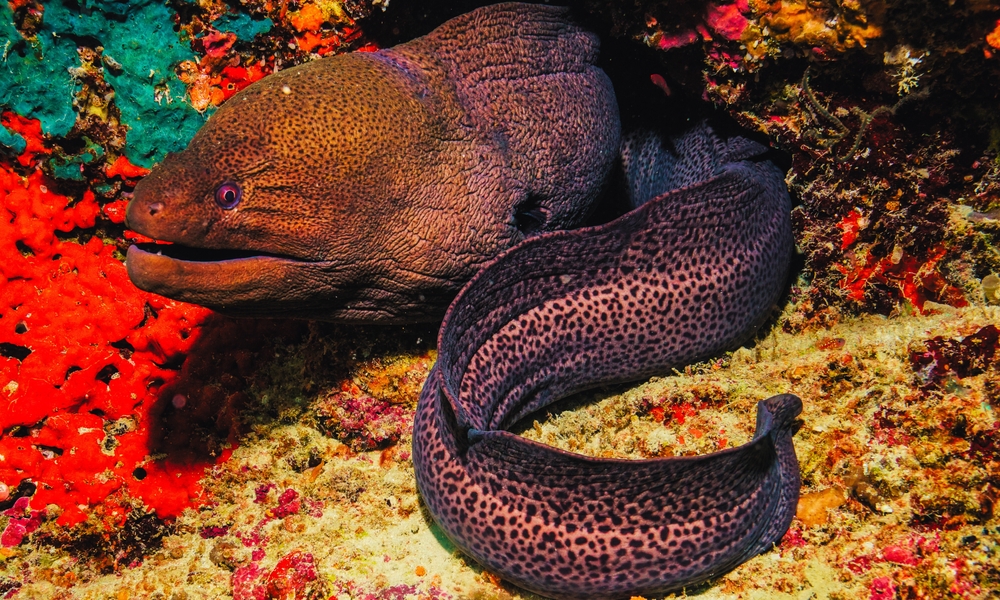
Electric eels incapacitate larger animals. Voltage overwhelms muscle control. Escape becomes impossible. Power is internal. Marine biology research confirms electrical dominance. Size offers no advantage. Control matters. Power shocks.
8. Spiders

Some spiders capture prey larger than themselves. Webs amplify strength. Venom finishes the job. Size becomes irrelevant. Arachnology research shows structural advantage matters. Strategy dominates. Precision wins. Power scales.
9. Ferrets

Ferrets overwhelm larger prey through agility. Speed and persistence matter. Control is surgical. Size loses. Behavioral studies confirm ferret hunting efficiency. Dominance comes from focus. Leverage matters. Power adapts.
10. Snakes
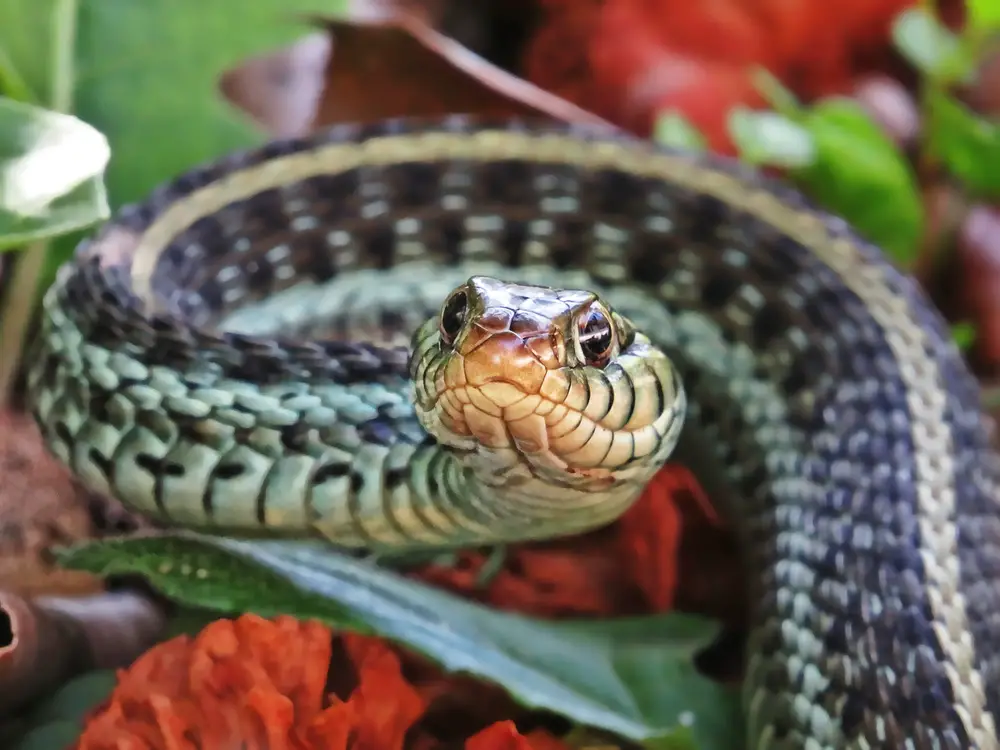
Some small snakes kill much larger prey. Venom or constriction compensates. Size is secondary. Control dominates. Herpetology research confirms prey size mismatch. Strategy wins. Power is applied precisely. Size fades.
11. Octopuses
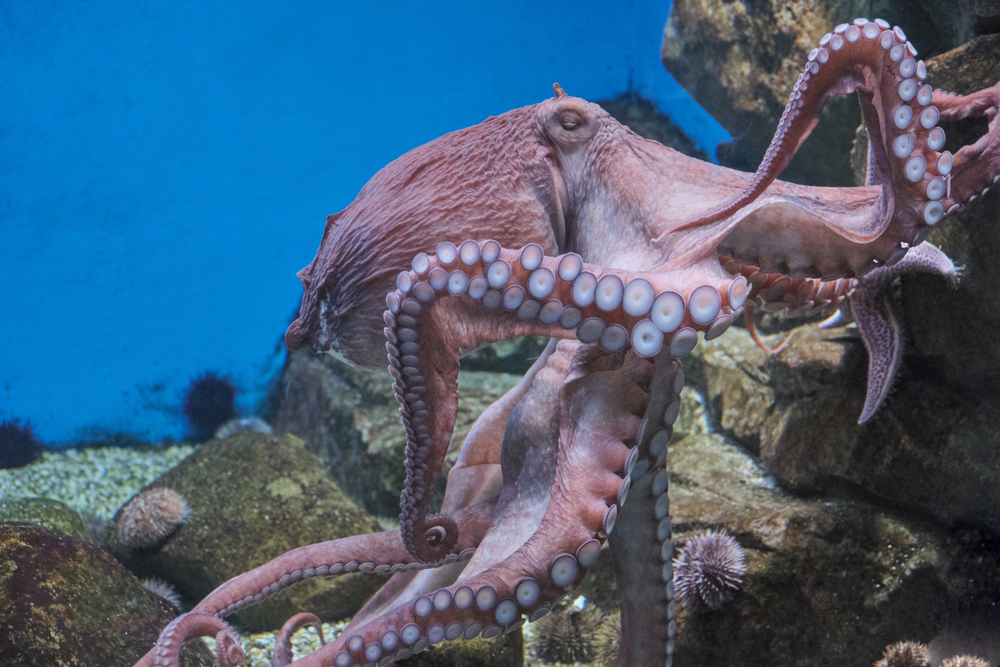
Octopuses outsmart larger predators. Intelligence overrides size. Escape and control dominate. Power is cognitive. Cephalopod research confirms advanced problem-solving. Dominance is strategic. Intelligence wins. Size loses.
12. Badgers

Badgers intimidate larger predators. Aggression and endurance matter. Retreat is common. Size fails. Wildlife studies show badger dominance. Confidence shifts outcomes. Power persists. Fear works.
13. Bees

Bees overwhelm through numbers and defense. Swarms dominate. Pain deters. Power multiplies. Entomology research confirms collective defense effectiveness. Size is irrelevant. Strategy wins. Dominance holds.
14. Stoats
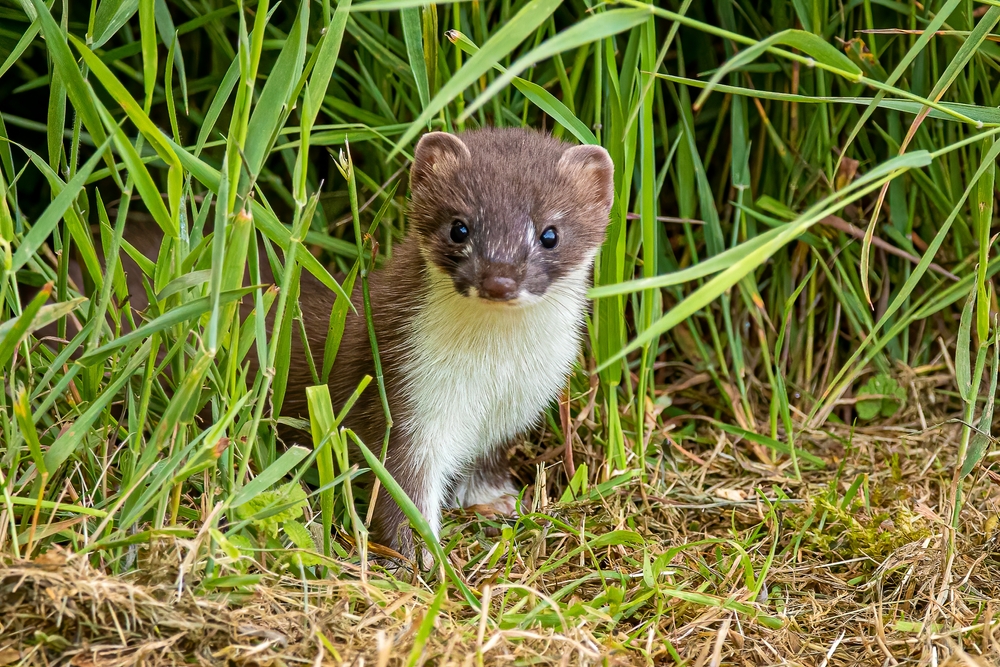
Stoats kill prey much larger than themselves. Precision matters. Speed dominates. Size loses relevance. Predatory behavior studies confirm stoat efficiency. Focus wins. Power adapts. Dominance surprises.