
Animals remember danger differently than humans do. While people build memorials, many species avoid sites of death entirely. These reactions aren’t superstition—they’re survival. Across ecosystems, animals respond to loss with distance.
1. Elephants
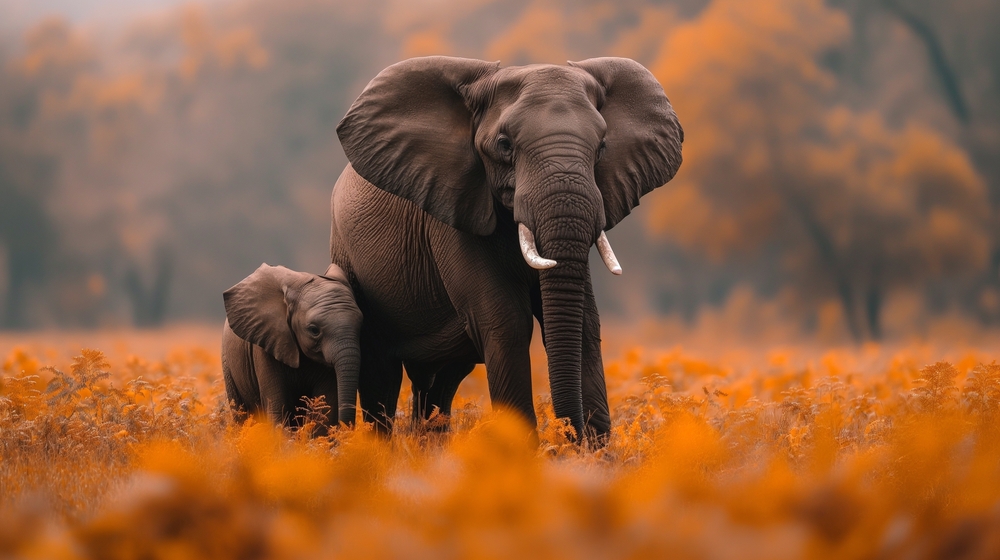
Elephants are known to avoid areas where herd members died. They show clear recognition of death sites. The behavior is slow and deliberate. Avoidance lasts years.
Research from African elephant studies confirms long-term spatial memory. Elephants associate locations with loss. Avoidance reduces emotional stress. Memory guides movement.
2. Wolves
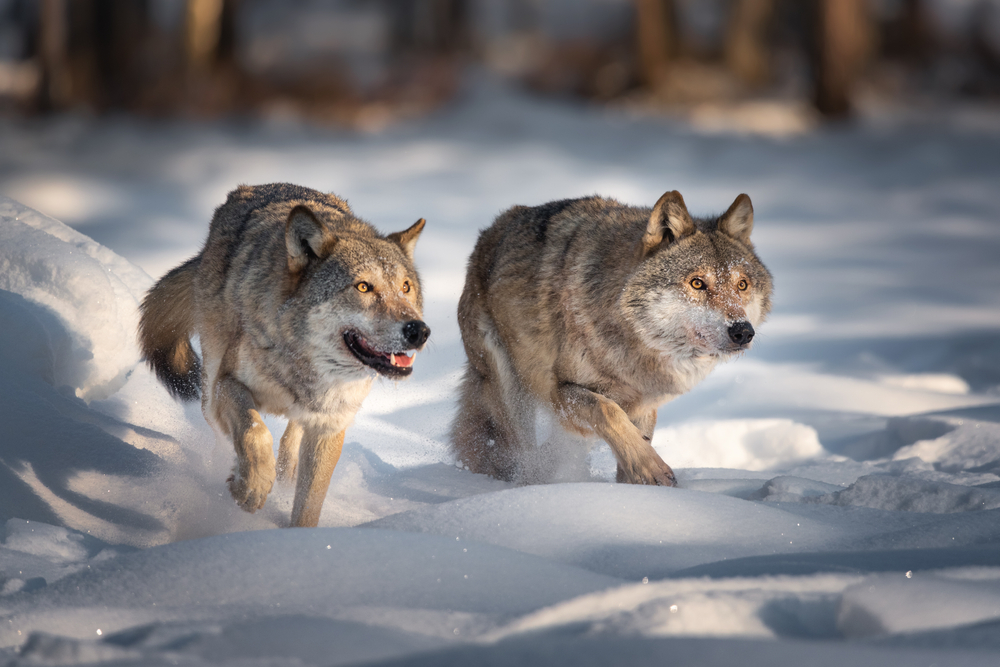
Wolves avoid areas where pack members were killed. These sites carry risk signals. Hunting patterns change accordingly. Territory shifts subtly.
Wildlife tracking studies show altered movement after fatal encounters. Wolves learn quickly. Memory protects the pack. Loss reshapes territory.
3. Crows
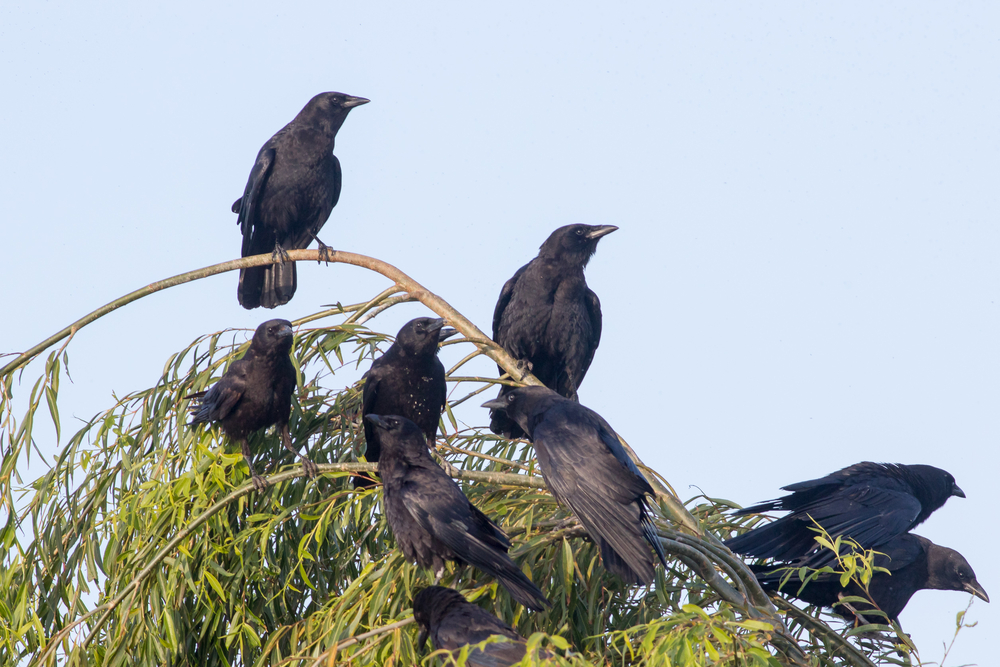
Crows remember locations where other crows died. They actively warn others. Avoidance spreads socially. Danger becomes communal knowledge.
Avian cognition research shows crows recognize death contexts. They alter routes. Learning is shared. Survival improves.
4. Dolphins
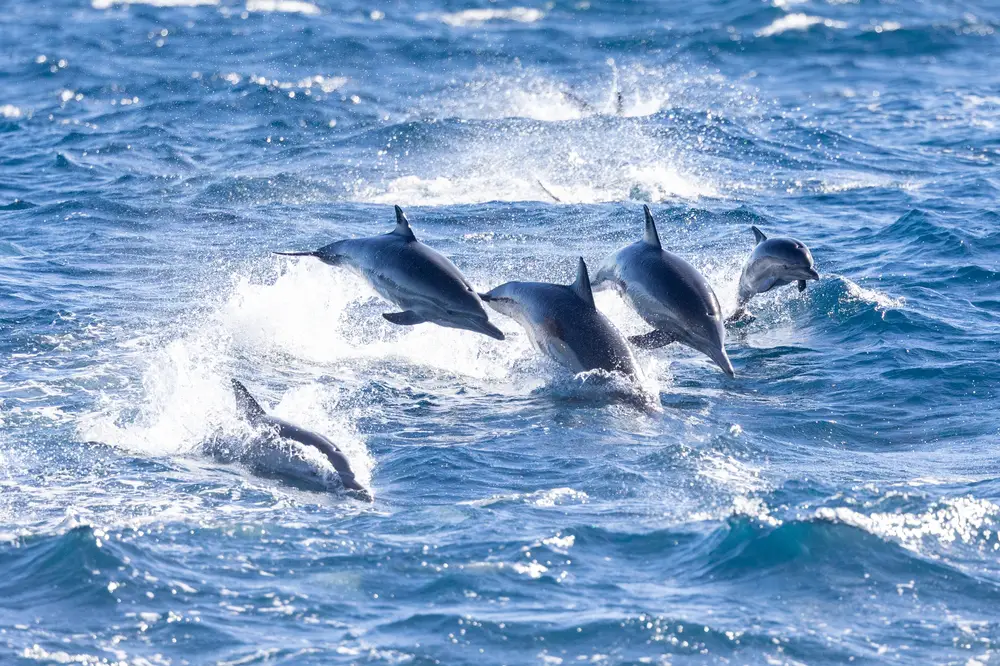
Dolphins avoid areas linked to pod deaths. They change migration paths. Loss alters social movement. Memory shapes navigation.
Marine mammal studies confirm long-term avoidance behavior. Dolphins associate danger with location. Learning is emotional. Routes evolve.
5. Deer
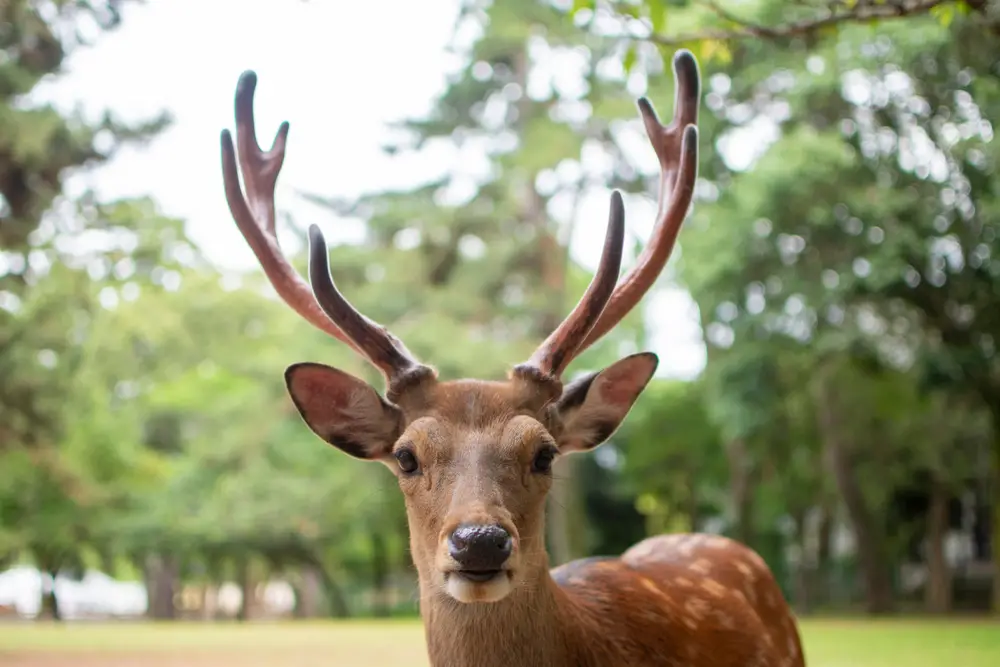
Deer avoid areas where predators killed herd members. Grazing routes shift quickly. Safety outweighs food access. Memory protects survival.
Ecological studies show prey species alter patterns after fatalities. Avoidance reduces future risk. Learning is fast. Instinct sharpens.
6. Chimpanzees
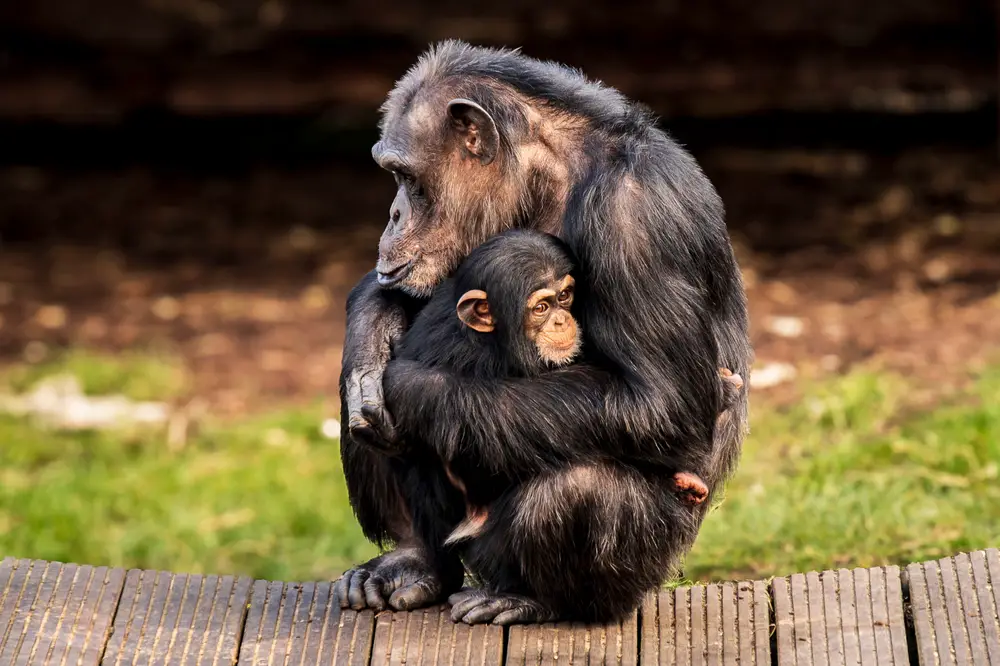
Chimpanzees avoid sites of violent death. Social memory plays a role. Danger becomes associated with location. Movement adapts.
Primatology research confirms long-term avoidance after trauma. Social learning spreads caution. Safety is prioritized. Memory persists.
7. Horses
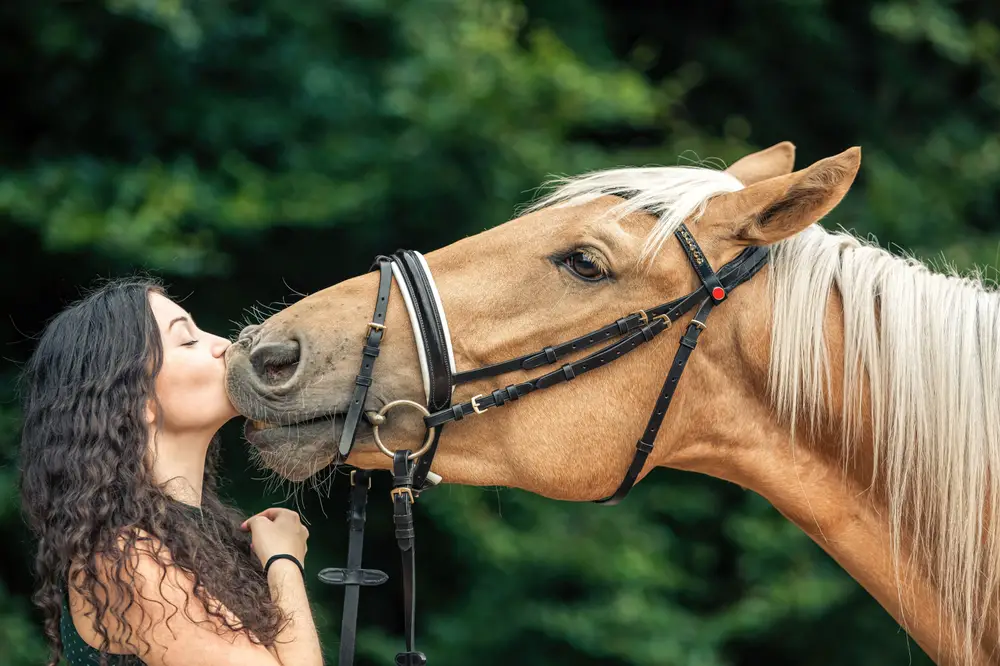
Horses remember locations where injuries occurred. Avoidance lasts years. Fear is stored spatially. Routes change.
Equine behavior studies show strong location-based memory. Trauma reshapes movement. Trust is cautious. Avoidance protects.
8. Whales
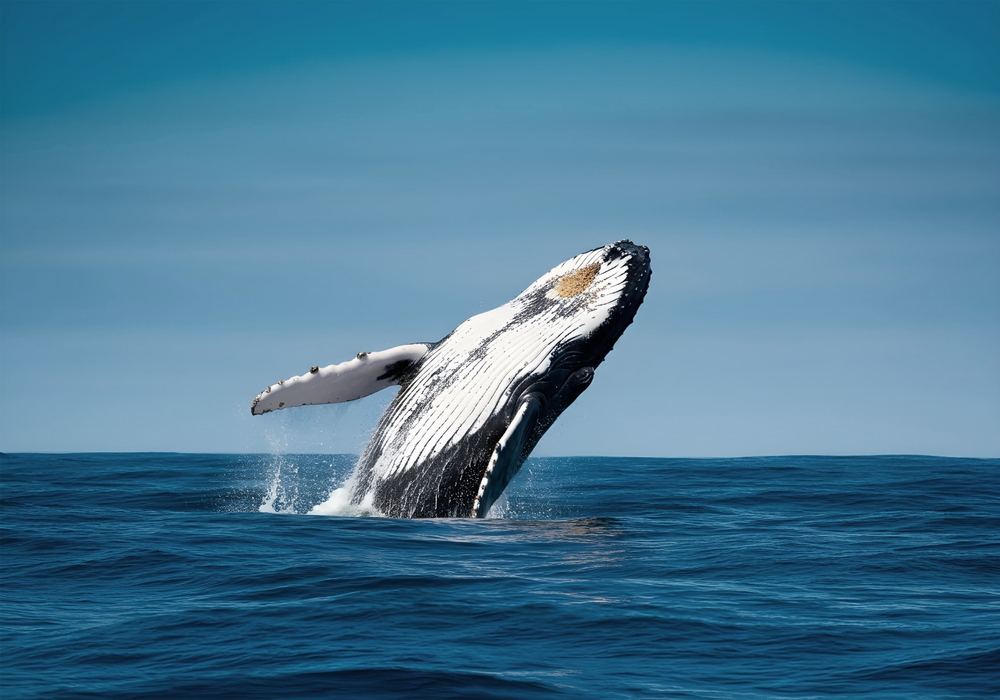
Whales alter migration paths after mass strandings or deaths. Routes shift slowly. Avoidance is collective. Memory spans generations.
Marine migration research confirms adaptive route changes. Loss informs navigation. Memory travels socially. Safety evolves.
9. Bears
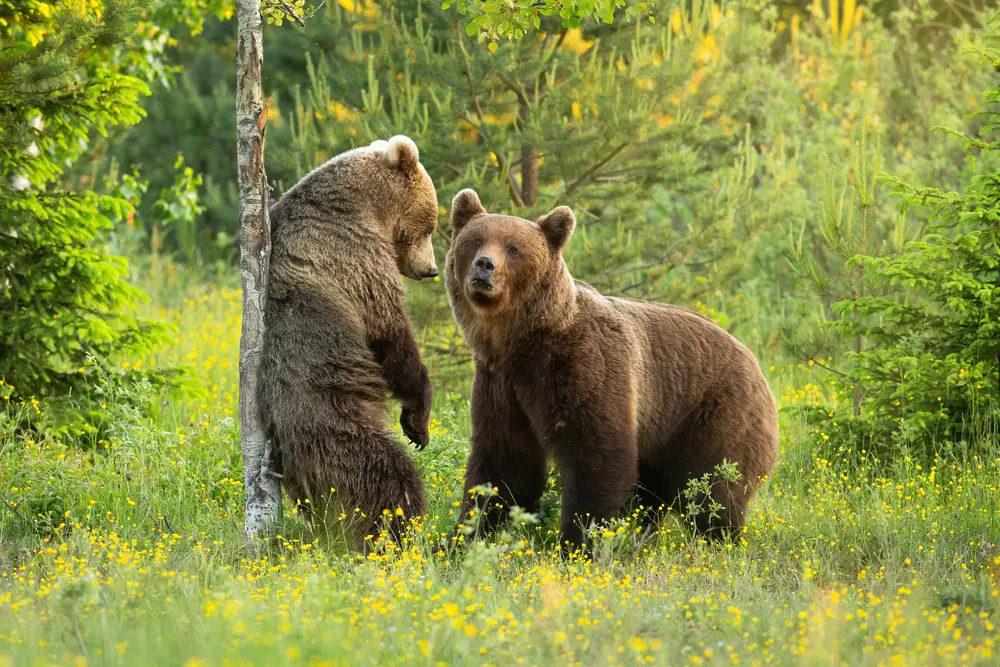
Bears avoid areas where conspecifics were killed. Hunting zones shift. Danger is remembered. Territory adapts.
Wildlife monitoring shows bears learn from fatal encounters. Avoidance reduces risk. Memory guides survival. Caution grows.
10. Birds of Prey
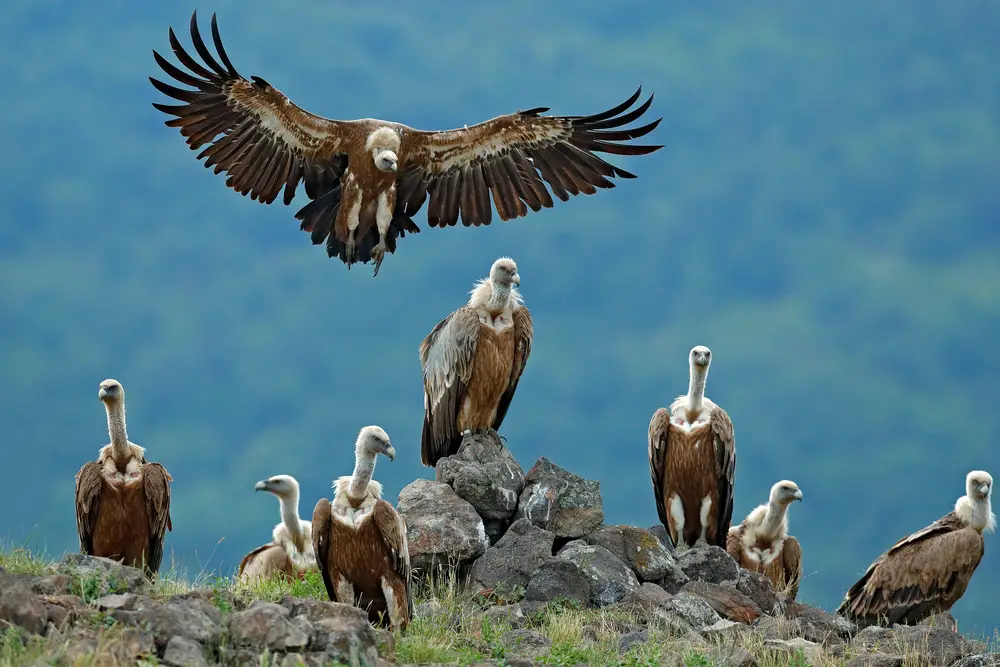
Raptors avoid nesting near death sites. Danger discourages reproduction. Location matters deeply. Survival comes first.
Avian ecology research confirms nesting avoidance after predation. Memory influences breeding. Safety overrides convenience. Behavior adapts.
11. Rats
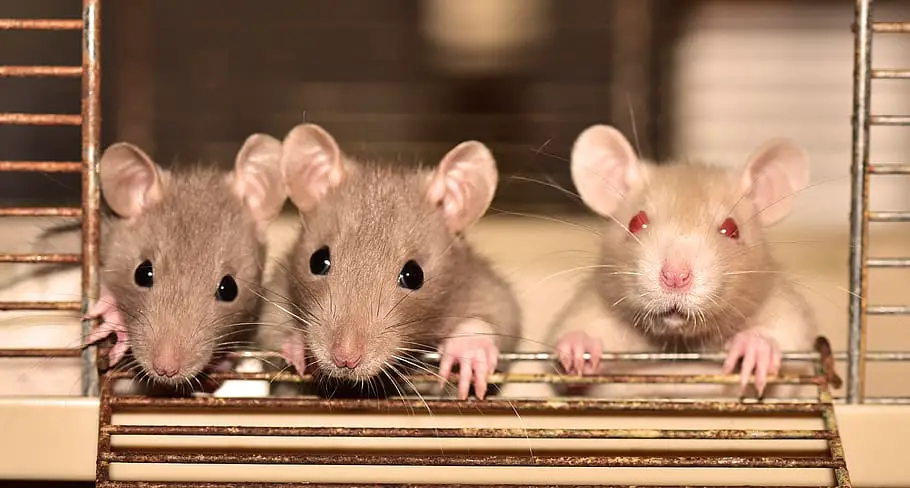
Rats avoid areas where others died from poison. Smell triggers avoidance. Learning spreads fast. Survival improves.
Behavioral neuroscience studies confirm social learning in rats. Death cues shape behavior. Avoidance is instinctual. Memory protects.
12. Primates
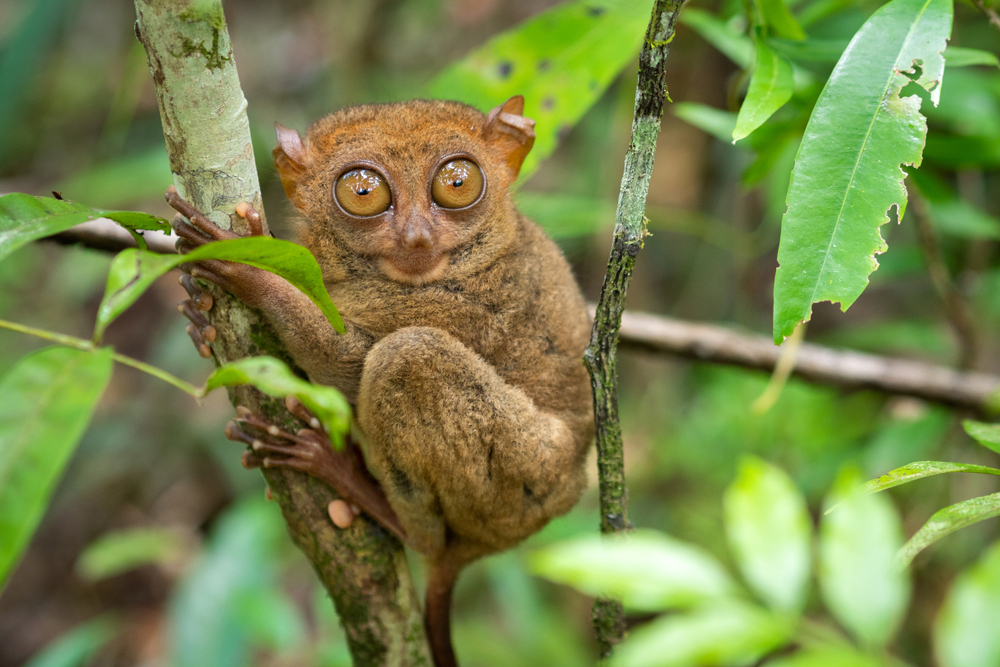
Many primates avoid locations of violent death. Group memory enforces distance. Safety becomes shared knowledge. Routes change.
Comparative primate studies confirm spatial avoidance after trauma. Social memory spreads caution. Learning is collective. Survival improves.
13. Fish Schools
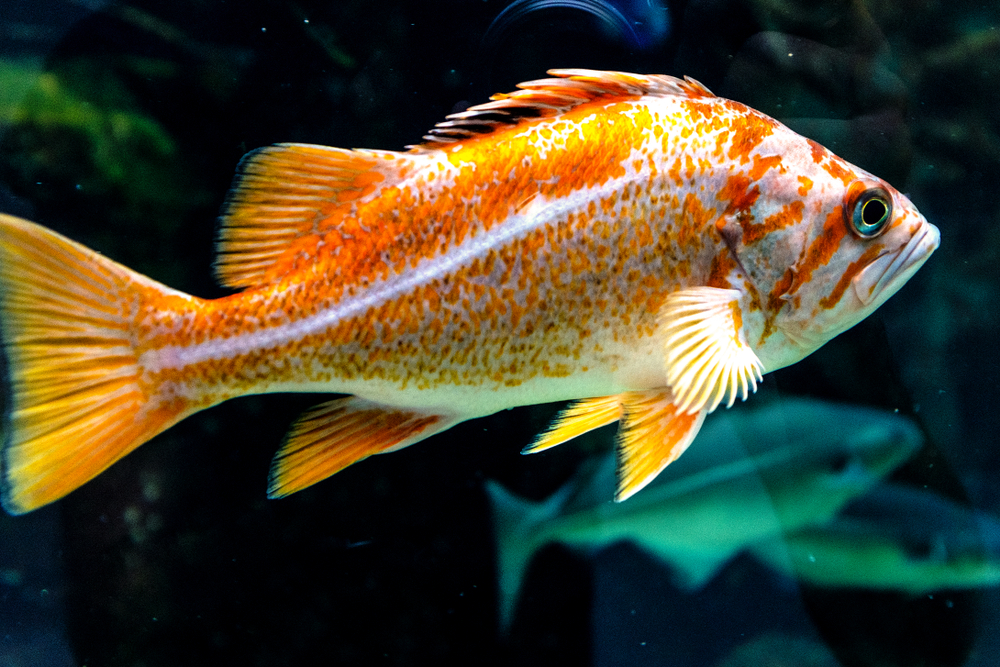
Fish avoid zones where predators killed others. Movement patterns change instantly. Danger is sensed quickly. Survival depends on memory.
Marine ecology research shows schooling fish alter routes after attacks. Learning spreads fast. Avoidance reduces risk. Instinct dominates.