
Cats notice everything you do, even when they pretend not to care. Your routines aren’t just background noise to them—they’re signals, promises, and sometimes personal offenses. While dogs follow schedules, cats judge them. These are the thoughts your cat is quietly having as you move through your day.
1. You Wake Up Early For No Reason
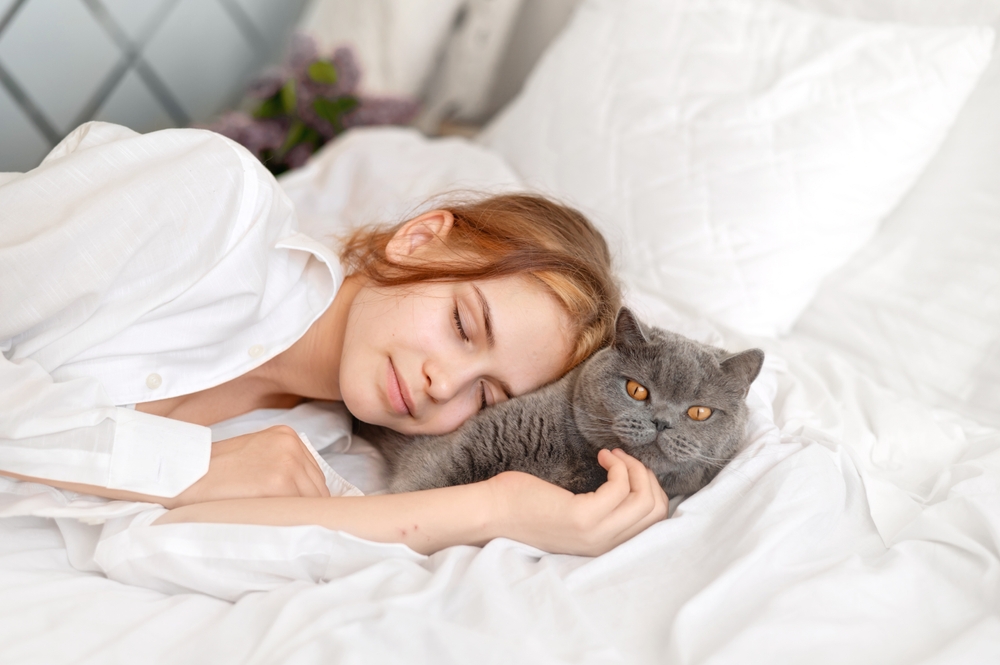
Your cat sees no logic in waking up before the sun if food is not immediately involved. Early alarms feel aggressive and unnecessary. From their perspective, you are choosing chaos over comfort. This decision reflects poorly on your judgment.
Feline sleep research shows cats are crepuscular, not morning-driven. Your alarm disrupts their natural rhythm. They tolerate it, but they don’t approve. This irritation gets logged.
2. You Take Too Long To Start The Day

Once you’re awake, your cat expects momentum. Sitting still, scrolling, or staring into space feels inefficient. Food and attention should follow consciousness immediately. Anything else is procrastination.
Animal behavior studies show cats associate human movement with resource access. Delay creates frustration. Your cat interprets hesitation as incompetence. They’re watching closely.
3. Your Bathroom Routine Is Suspicious

Your cat does not understand privacy, especially when you disappear behind a closed door. The bathroom feels like a high-risk zone. You vanish daily and return pretending nothing happened. This raises questions.
Feline attachment research suggests cats track caregiver movement for safety cues. Closed doors trigger monitoring behavior. Your cat waits, listening. Trust is conditional.
4. You Leave The House Without Explaining Why
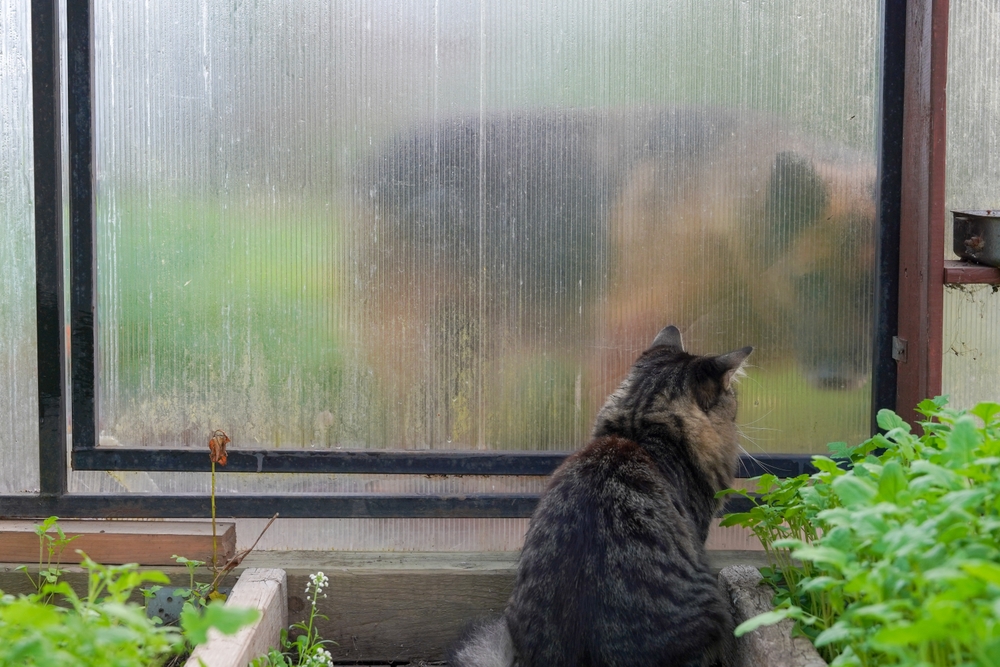
Your cat notices patterns in your departures. Shoes, keys, and bags all signal abandonment. Leaving without acknowledgment feels rude and emotionally irresponsible. They remember this.
Studies on feline separation stress show cats form expectations around departures. Sudden exits increase anxiety. Your cat wants notice. Silence feels personal.
5. You Return Acting As If Nothing Happened
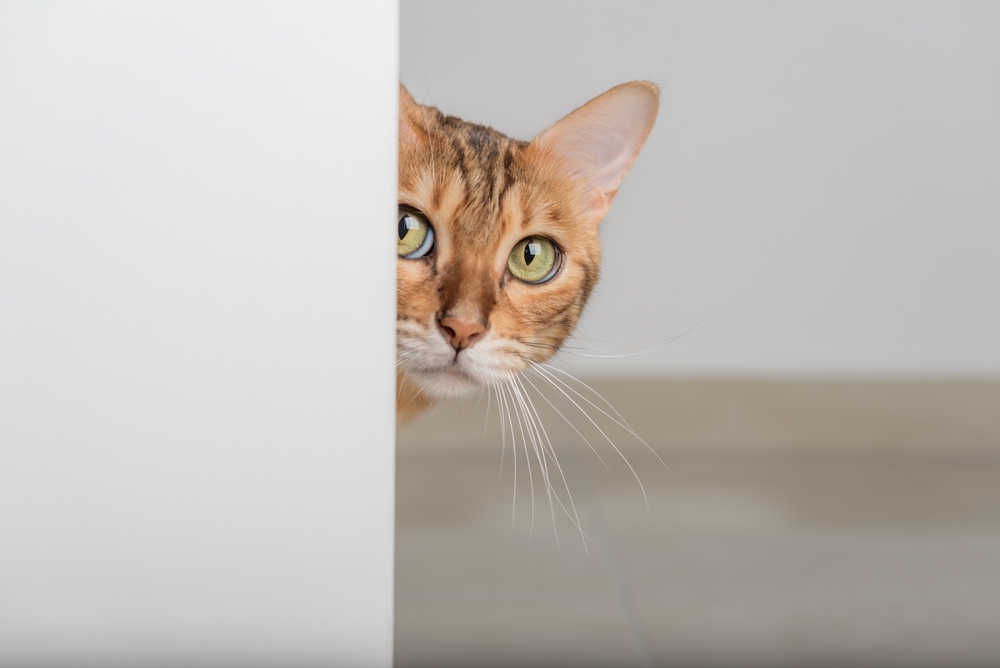
When you come home, your cat expects acknowledgment. Acting casual after hours of absence feels dismissive. They need confirmation that the bond still exists. Ignoring this is noted.
Research in feline social bonding shows reunion rituals matter. Your cat watches for cues. Attention reassures them. Indifference does not.
6. You Eat At Weird Times Of The Day

Cats believe meals should happen at the same time every day. Late dinners feel disrespectful. Early meals feel suspicious. Consistency equals competence.
Veterinary nutrition studies show cats thrive on routine feeding times. Irregular schedules increase stress. Your cat associates timing with trust. Deviations are judged.
7. You Spend Too Much Time Staring At Screens

Your cat notices when your attention disappears into a device. Screens compete with their presence. This feels unnecessary and slightly offensive. They will intervene.
Feline behavior research shows cats respond to human inattentiveness with interruption. Walking across keyboards is strategic. Attention must be reclaimed.
8. You Don’t Nap When You Should
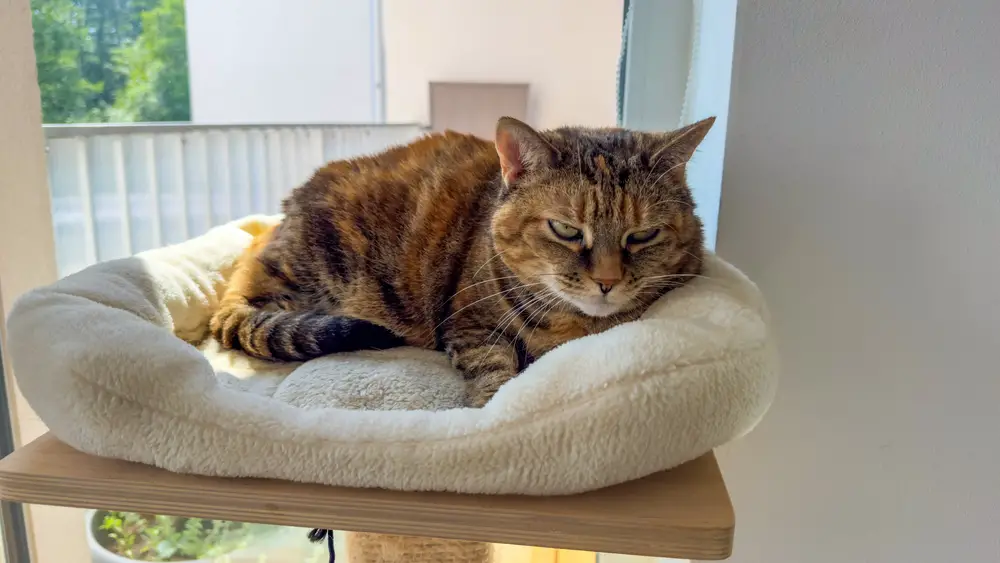
Your cat knows when it’s time to rest. Watching you push through exhaustion feels misguided. Rest is productive. Resistance is strange.
Sleep studies show cats nap strategically throughout the day. They expect you to follow suit. Ignoring rest feels unnatural. They disapprove quietly.
9. You Leave Rooms Randomly
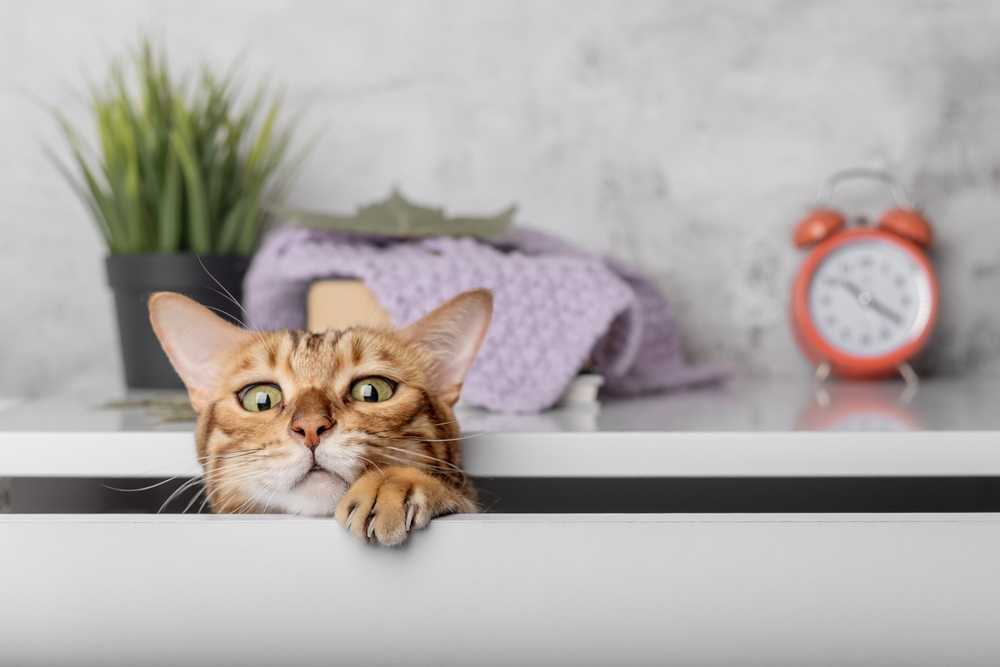
Your cat expects coordinated movement. Leaving without them disrupts the flow. They notice every missed invitation. Independence is unnecessary.
Attachment research shows cats track caregiver proximity. They choose closeness even when pretending otherwise. Exclusion is remembered. They will follow later.
10. You Clean Things That Smell Like Them

Your cat notices when their scent disappears. Washing blankets or cushions feels like erasing evidence. This is deeply confusing. Familiar smells matter.
Studies on feline scent-marking show cats rely on smell for security. Removing it disrupts comfort. Your cat will re-mark immediately. Balance must be restored.
11. You Overreact To Harmless Chaos
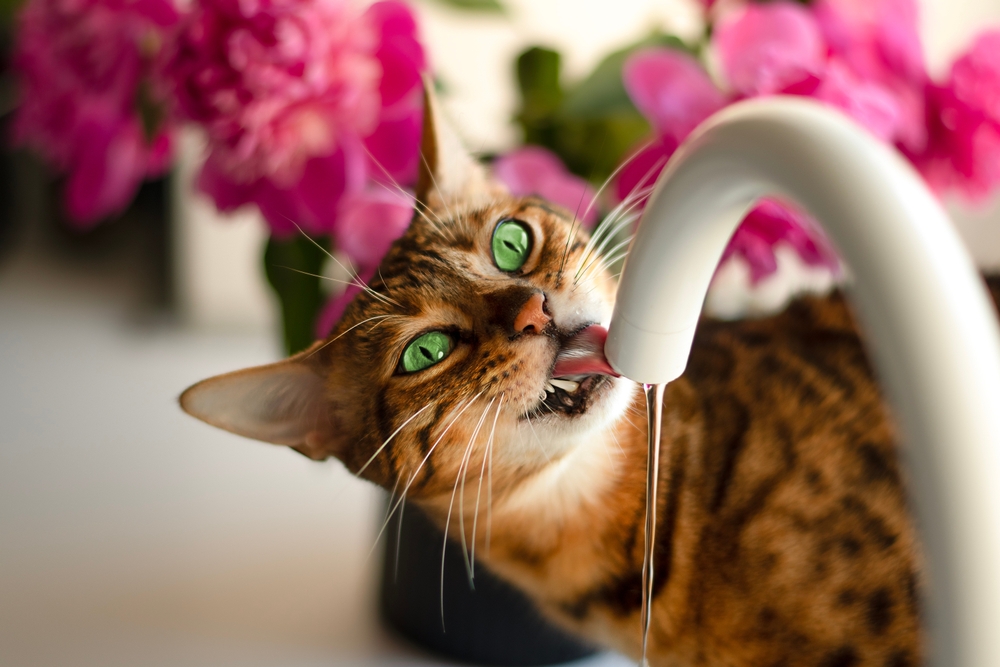
Your cat doesn’t understand why spilled items upset you. Objects fall. This is natural. Your reaction feels excessive.
Animal cognition research suggests cats do not associate accidents with wrongdoing. They see movement, not damage. Your emotional response is puzzling. Calm would be better.
12. You Follow Strange Rules

Your cat notices you obey invisible boundaries. Work schedules, alarms, and obligations seem optional at best. They do not understand compliance. Freedom is logical.
Behavioral studies show cats resist external control. They interpret autonomy as intelligence. Your submission to the rules feels odd. They question it.
13. You Leave Food Out But Don’t Eat It

Your cat doesn’t understand uneaten food. Leaving it behind feels wasteful. Food exists to be consumed. Hesitation is suspicious.
Feline feeding research shows cats associate food presence with action. Delay confuses them. They will investigate. Logic must be tested.
14. You Interrupt Perfectly Good Silence
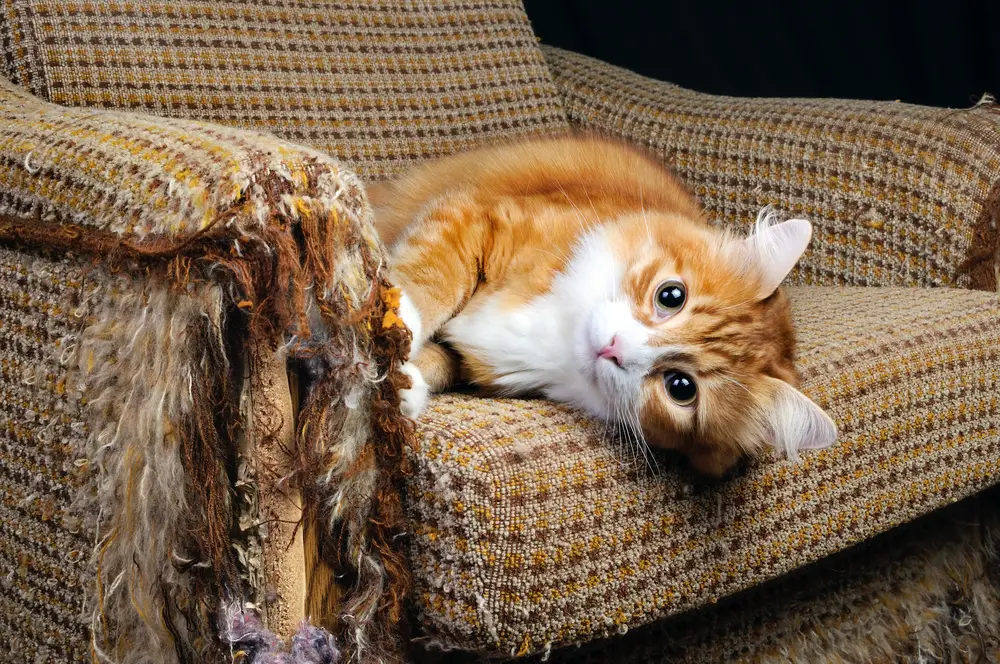
Your cat values quiet deeply. Sudden noises disrupt peace. Loud calls or music feel unnecessary. Silence is superior.
Studies on feline stress show noise increases agitation. Calm environments are preferred. Your cat notices every disruption. They judge accordingly.
15. You Go To Sleep Before They’re Ready
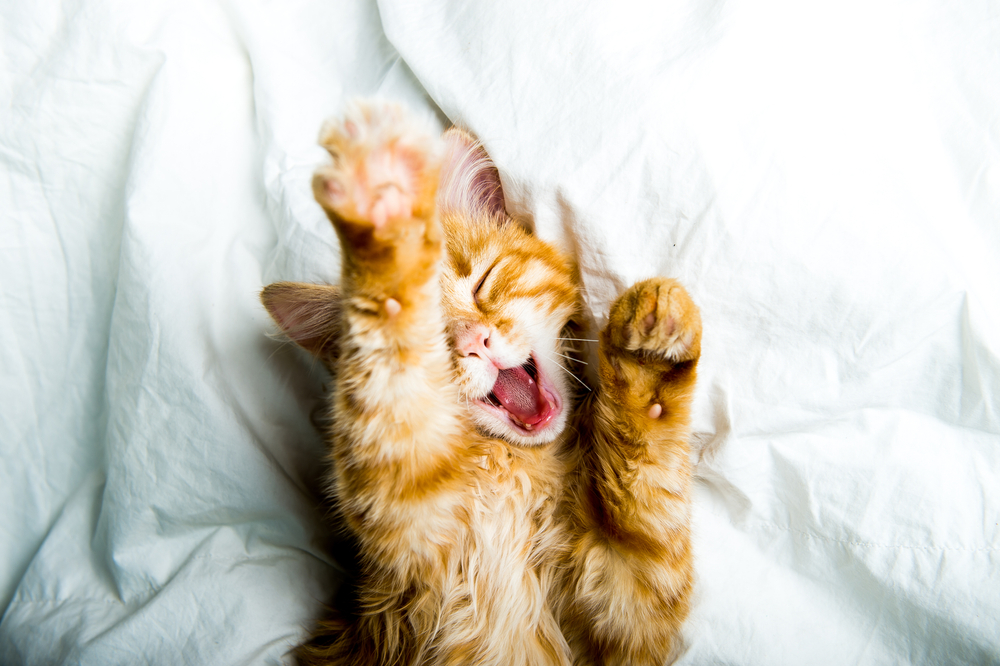
Your cat sees bedtime as negotiable. You don’t consult them. Darkness doesn’t mean rest. Activity remains possible.
Sleep research confirms cats remain active at night. Your early sleep feels limiting. They will adjust your schedule. Resistance is temporary.