
Fear tends to stick to animals long after the facts change. Movies, viral clips, and half-remembered myths have turned many species into exaggerated villains. In reality, most animals labeled “dangerous” are far more cautious than aggressive. These are the animals people fear the most—despite the data telling a very different story.
1. Sharks
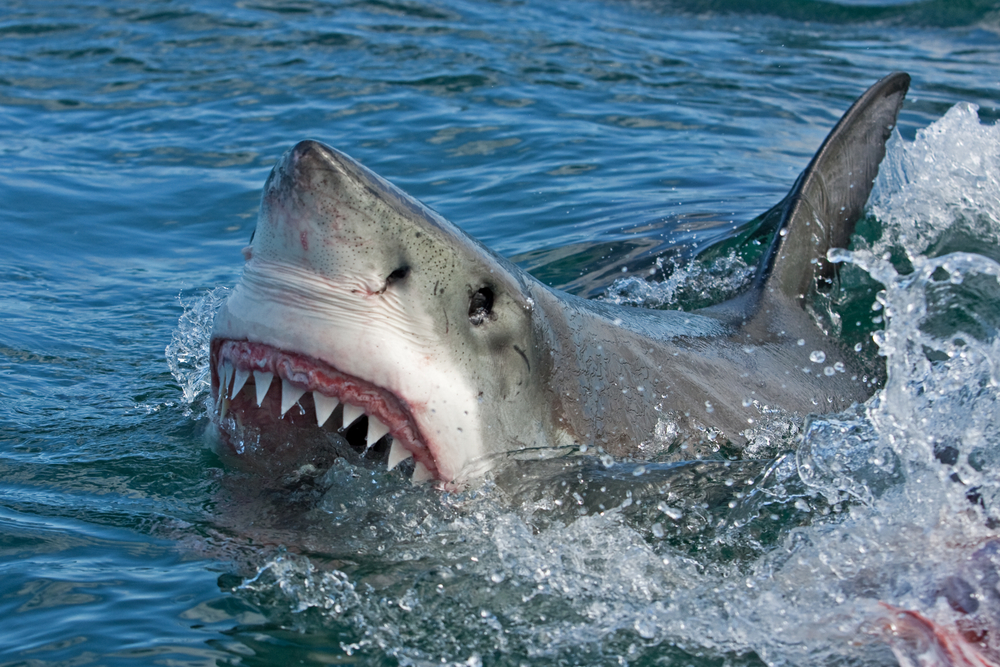
Sharks are responsible for far fewer human deaths than lightning, falling coconuts, or even vending machines. Most shark encounters involve curiosity, not aggression, and fatal attacks remain statistically rare. Sharks do not hunt humans, and many bites are cases of mistaken identity. The fear surrounding them is largely cultural, not biological.
Marine safety data from the International Shark Attack File shows that unprovoked shark fatalities remain extremely low worldwide. Despite increased ocean activity, attack rates have stayed relatively stable. This suggests sharks are not becoming more dangerous—humans are just paying more attention. The reputation persists because fear spreads faster than facts.
2. Wolves
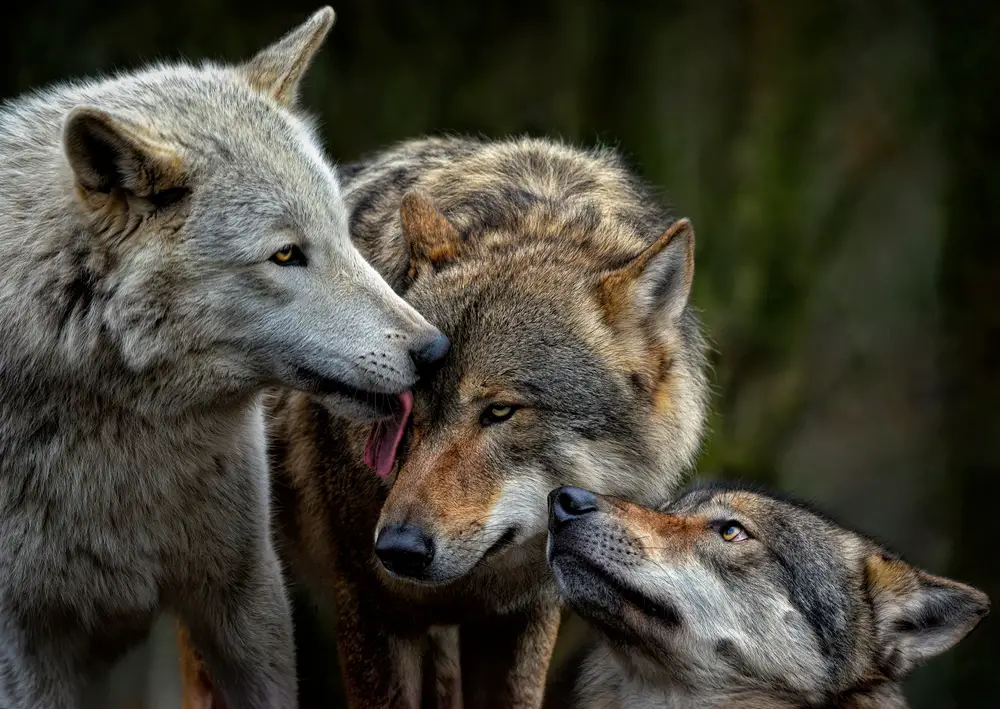
Wolves have been portrayed as ruthless predators for centuries, largely due to folklore and livestock conflicts. In reality, wild wolves avoid humans whenever possible. Attacks on people are exceptionally rare and usually linked to extreme circumstances. Most wolves would rather flee than confront.
Wildlife studies from North America and Europe show that wolf reintroduction has not increased human danger. Conservation data confirms that wolves play a stabilizing role in ecosystems. Their fearsome image is a cultural artifact, not a reflection of modern behavior. Coexistence has proven safer than expected.
3. Bats
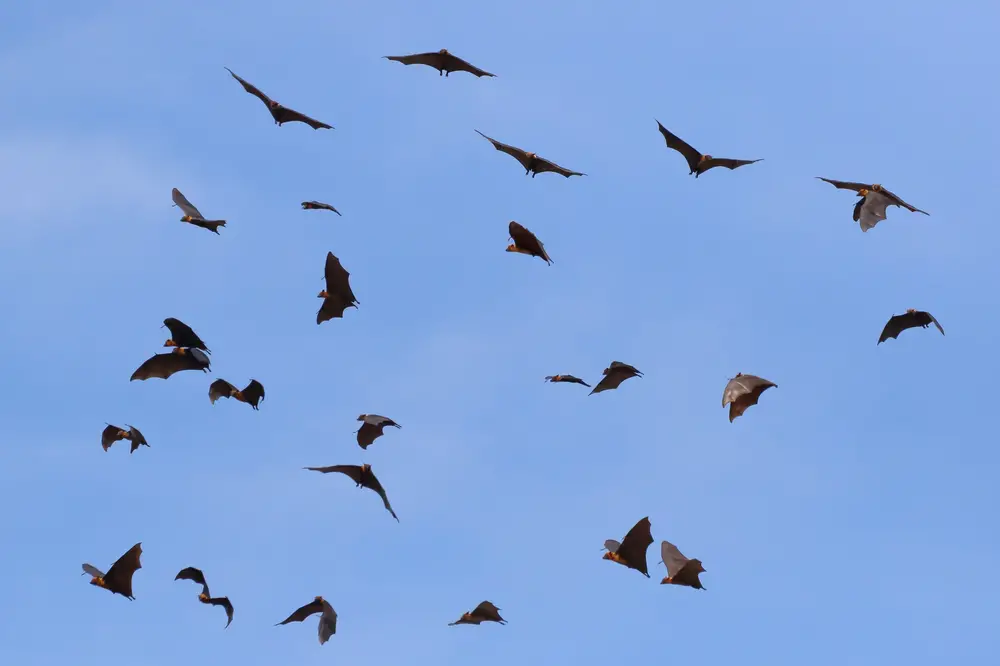
Bats are often feared because of disease myths and horror imagery. In truth, bats rarely interact with humans at all. They do not attack, and most species are harmless insect-eaters. The fear comes from misunderstanding, not threat.
Public health research shows that the risk of disease transmission from bats to humans is extremely low. Most exposure cases involve direct handling, not casual proximity. Bats provide critical ecological services by controlling pests. Their danger has been wildly overstated.
4. Snakes
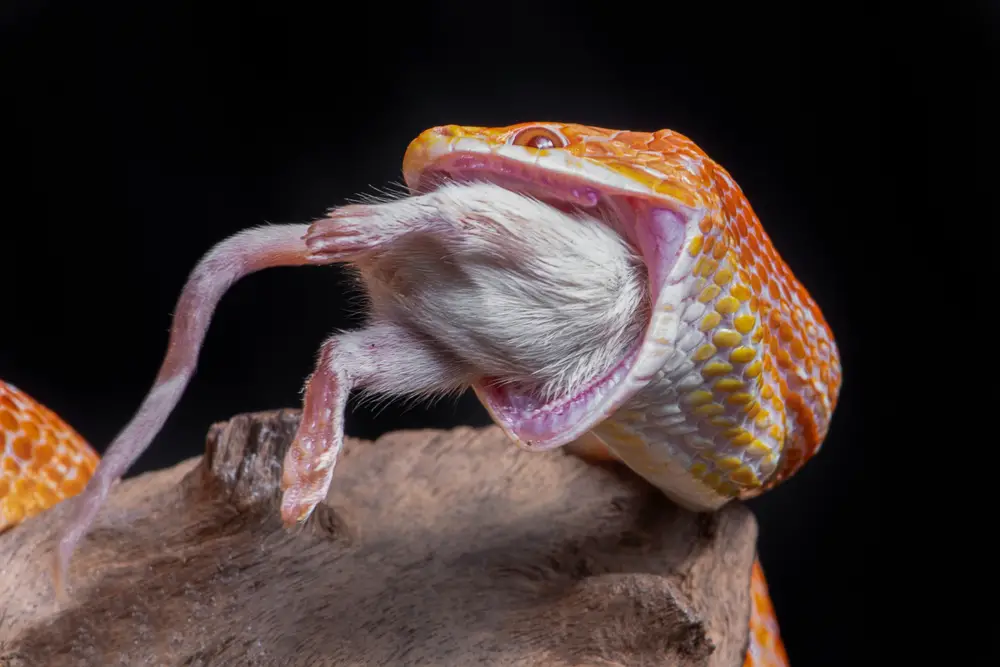
Snakes trigger instinctive fear, yet most snake species are non-venomous and non-aggressive. Even venomous snakes typically strike only when threatened or stepped on. Humans initiate the vast majority of snake encounters. Snakes are defensive, not predatory.
Herpetology research consistently shows that snakebite risk drops dramatically with education and awareness. Simple precautions reduce danger significantly. Snakes prefer escape over confrontation. Fear turns manageable risk into panic.
5. Bears
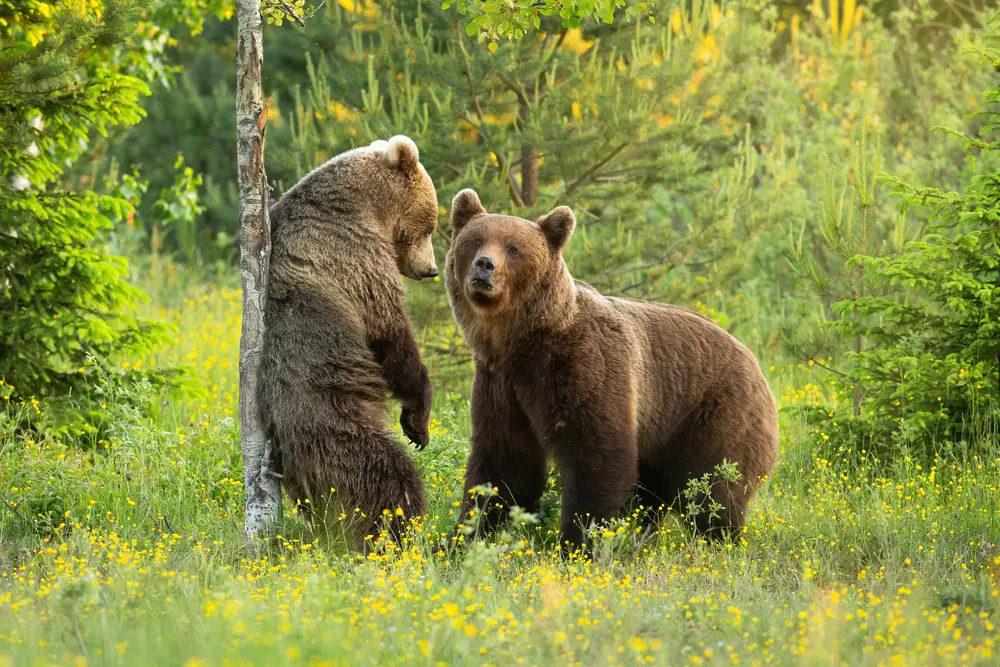
Bears are often imagined as unpredictable killers roaming the wilderness. In reality, bear attacks are rare and usually tied to food access or cub protection. Bears avoid humans far more often than they engage. Most encounters end without incident.
Wildlife management data shows that human behavior is the primary factor in bear conflicts. Improper food storage increases risk dramatically. Bears react to opportunity, not intent. Respectful distance changes everything.
6. Spiders

Spiders benefit from some of the worst public relations on the planet. The vast majority are incapable of harming humans. Even medically significant bites are extremely rare. Most spiders pose no threat at all.
Arachnology studies confirm that spiders avoid humans and bite only when trapped. Fatal outcomes are extraordinarily uncommon. Fear thrives on appearance, not behavior. Spiders are more useful than dangerous.
7. Alligators
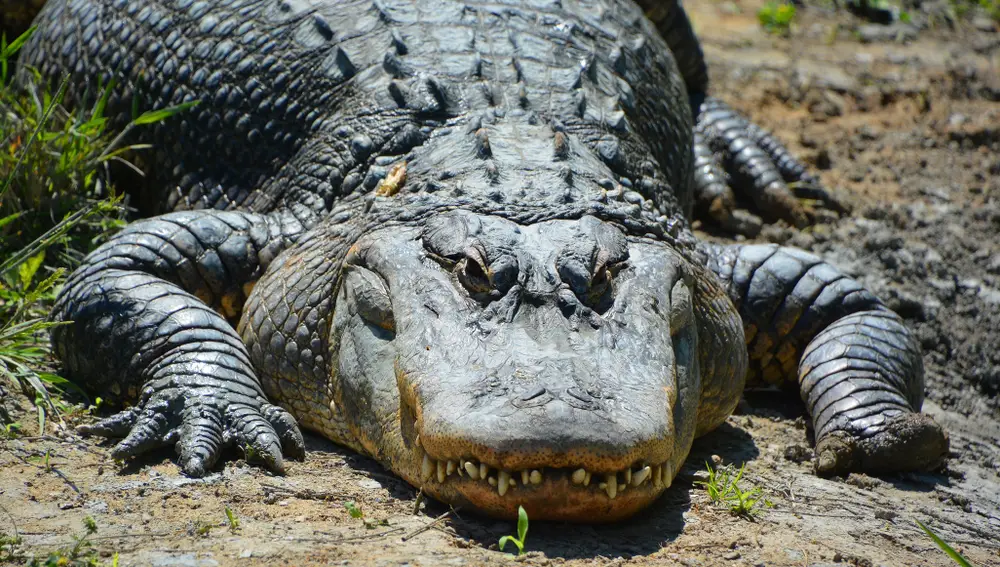
Alligators appear intimidating due to size and strength. However, they are typically wary and avoidant around humans. Attacks occur mostly when people ignore warnings or feed wildlife. The danger is situational, not constant.
Wildlife agency data shows that alligator incidents increase with human encroachment. Respecting habitat boundaries dramatically reduces risk. Alligators do not stalk humans. Familiarity breeds safety, not fear.
8. Coyotes
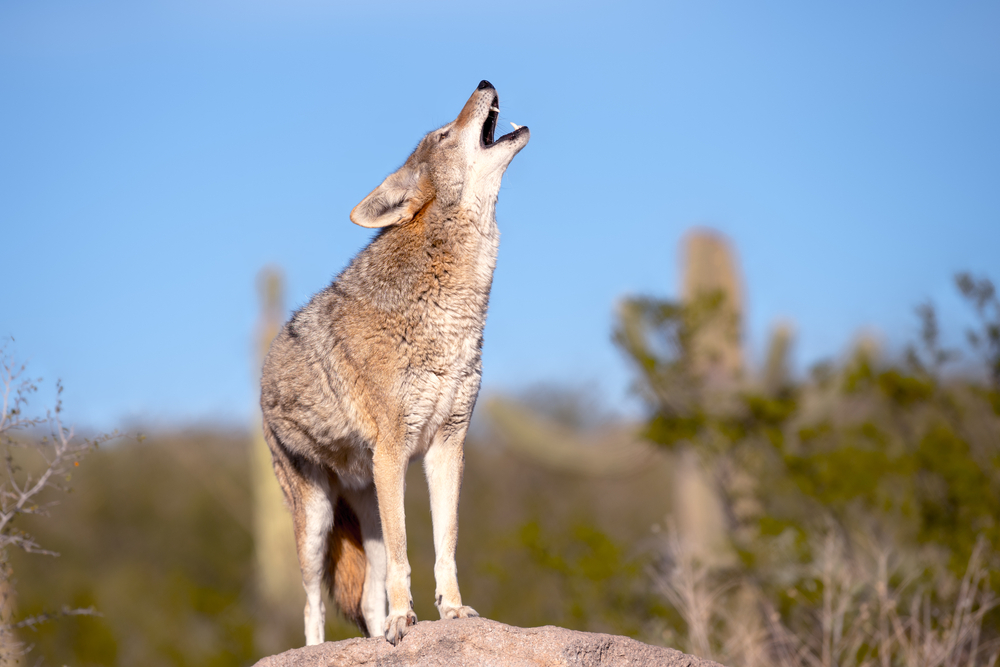
Coyotes are often blamed for urban danger, despite rarely harming people. They adapt well to cities but still avoid direct confrontation. Most incidents involve pets, not humans. Fear exaggerates their intent.
Urban wildlife studies show that hazing and education reduce coyote conflict effectively. Coyotes respond to boundaries. They are opportunistic scavengers, not predators of people. Their reputation far exceeds their behavior.
9. Jellyfish
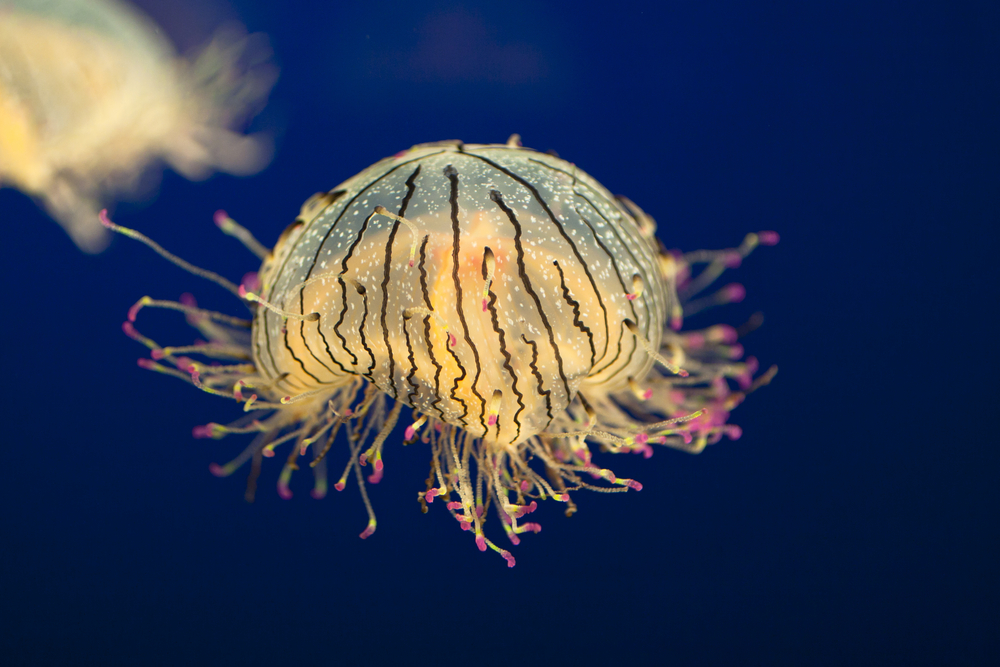
Jellyfish stings can be painful, but fatalities are extremely uncommon. Most species cause mild, temporary discomfort. Severe reactions are rare and often linked to specific species. Panic amplifies perceived danger.
Marine biology data confirms that most jellyfish encounters are non-lethal. Education reduces fear and injury. Jellyfish drift, they do not attack. Their threat is overstated.
10. Crocodiles in Controlled Areas
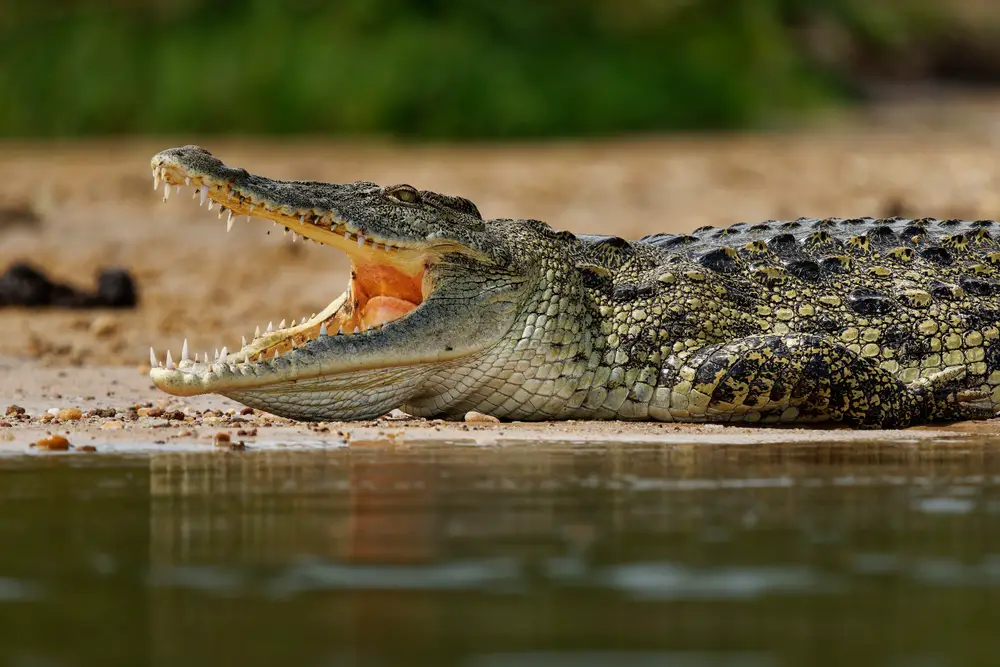
Crocodiles are genuinely dangerous in certain regions, but managed populations pose minimal risk. Attacks drop sharply where education and signage exist. Human behavior determines danger more than animal intent. Awareness saves lives.
Conservation studies show coexistence programs reduce incidents significantly. Crocodiles follow predictable patterns. Fear ignores context. Control and respect matter.
11. Big Cats
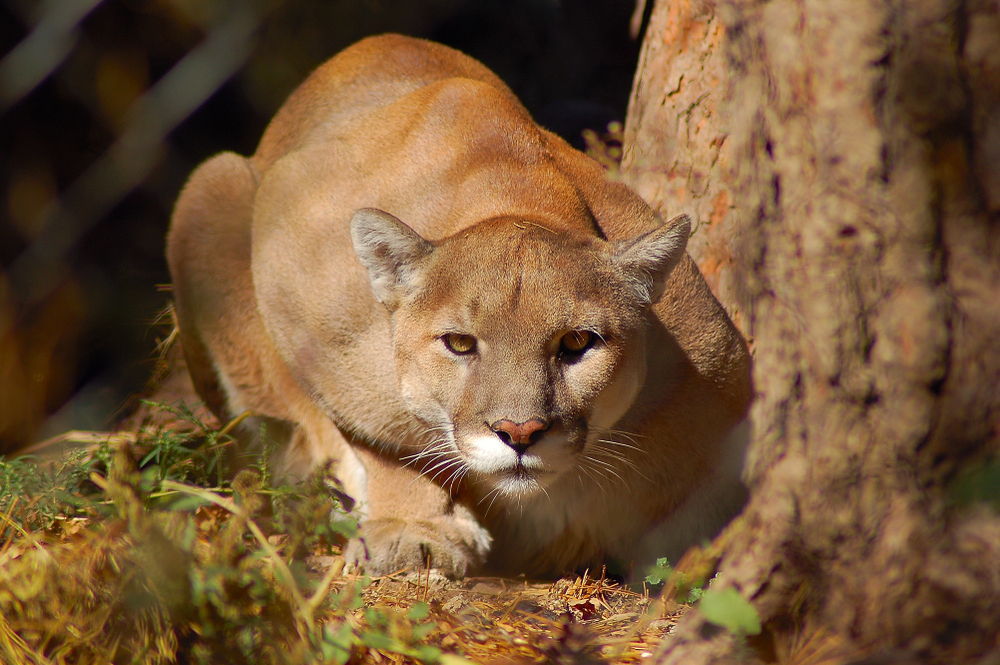
Lions and tigers inspire primal fear, but attacks on humans are rare outside habitat intrusion. These animals avoid humans unless desperate or threatened. Conflict arises from territory overlap. Fear ignores environmental pressure.
Wildlife conflict research shows habitat loss increases encounters. Animals are reacting, not hunting. Preservation reduces danger. The threat is systemic, not personal.
12. Piranhas
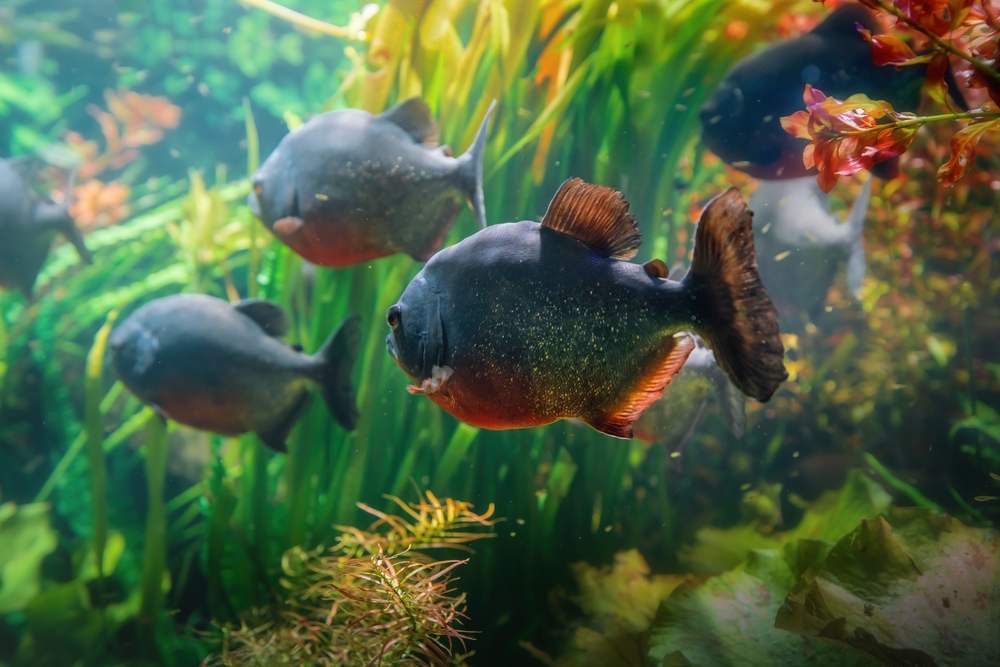
Piranhas are infamous for feeding frenzies. In reality, they are shy and scavenger-oriented. Attacks on humans are extremely rare. Movies created the myth.
Ecological studies show piranhas feed opportunistically. They avoid confrontation. Fear persists because drama sells. Reality is far quieter.
13. Komodo Dragons
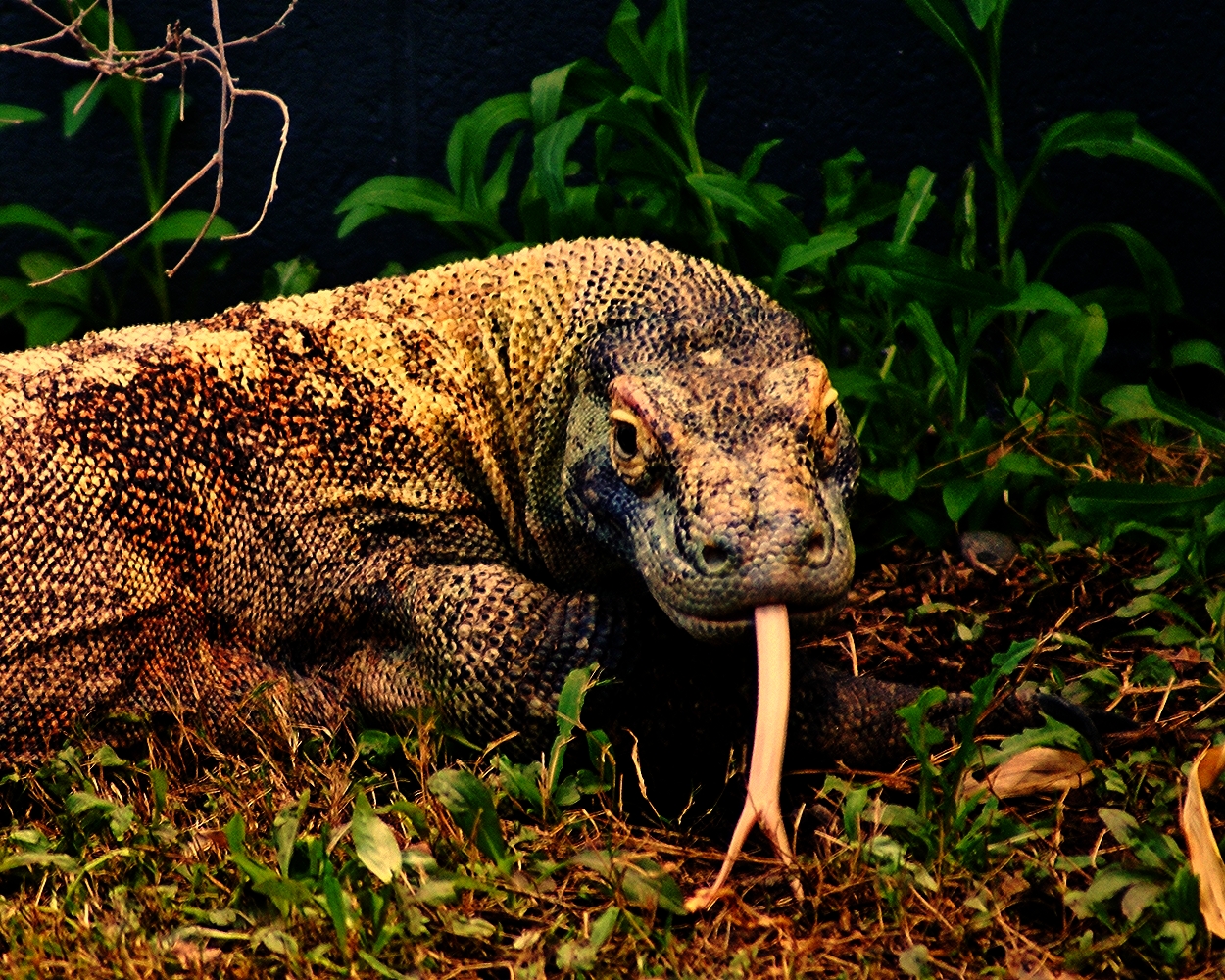
Komodo dragons look terrifying but rarely attack humans. Incidents are usually linked to feeding or provocation. These reptiles are cautious by nature. Distance prevents danger.
Wildlife monitoring shows that education reduces incidents significantly. Komodo dragons do not seek human prey. Fear exaggerates rarity. Respect keeps people safe.