
You may think you adopted your cat, but there’s a strong chance the power dynamic quietly flipped. Cats don’t dominate through force or obedience; they do it through consistency, timing, and psychological precision. Over time, humans adapt their routines, emotions, and boundaries around feline preferences without noticing. If you’ve ever wondered who’s really in charge, these signs make it very clear.
1. They Wake You Up at the Exact Same Time Every Day

Cats are excellent at conditioning behavior through repetition. When your cat wakes you at the same hour every day, they’re reinforcing a routine that benefits them, not you. Over time, your body adjusts and begins waking up before they even try. That’s learned compliance, not coincidence.
Animal behavior research confirms cats understand cause and effect with human responses. They learn which behaviors produce food, attention, or access. Once the pattern is established, they maintain it relentlessly. You didn’t choose the schedule—they installed it.
2. They Sit on Whatever You’re Using

Laptops, books, paperwork, and phones all become prime real estate the moment you focus on them. Cats learn that sitting on important objects guarantees immediate attention. You stop what you’re doing, move them gently, or pet them instead. The task loses priority.
Veterinary behaviorists note that cats compete for attention by targeting human focus points. It’s not jealousy—it’s strategy. They associate interruption with reward. Over time, you anticipate it and adjust automatically.
3. They Meow Until You React

Cats don’t meow randomly; they tailor sounds specifically for humans. Certain tones are used to create urgency or discomfort. You respond by getting up, feeding them, or opening a door. The behavior gets reinforced instantly.
Studies in animal communication show cats develop personalized vocalizations for their owners. They refine what works and discard what doesn’t. Humans think they’re responding to need. In reality, they’re responding to conditioning.
4. They Control The Affection

Cats decide when touch is acceptable and when it’s not. They initiate affection, then abruptly withdraw when they’ve had enough. Humans learn to comply to avoid scratches or rejection. The rules are enforced consistently.
Feline psychology research shows cats use withdrawal to establish boundaries. Humans adapt quickly because the consequences are immediate. Over time, you stop initiating contact entirely. Consent becomes feline-led.
5. They Stare Until They Get What They Want

Silent staring is one of the most effective training tools cats use. Humans experience discomfort and project meaning onto the gaze. You eventually break and offer food, attention, or movement. The cat learns patience wins.
Behavioral studies show sustained eye contact can influence human decision-making. Cats exploit this without aggression. The absence of noise increases psychological pressure. You fold long before they do.
6. They Refuse Food Until You Change Brands

Food refusal isn’t pickiness—it’s leverage. Cats learn that not eating triggers concern and intervention. Humans respond by offering alternatives. The cat gets exactly what it wants.
Veterinary nutrition experts confirm cats quickly learn food-based negotiation. Hunger strikes are short and strategic. Humans panic faster than cats do. Control shifts quietly.
7. They Train You to Open Doors on Demand

Cats test doors repeatedly to see how humans respond. Once you open it even once, the expectation is set. They repeat the behavior until compliance becomes automatic. You stop questioning it.
Animal learning theory shows intermittent reinforcement strengthens behavior. Cats don’t need consistency—just occasional success. Humans become the mechanism. Doors cease to be barriers.
8. They Interrupt Your Sleep Strategically

Cats don’t disrupt sleep randomly. They target moments when humans are most likely to respond. Over time, you preemptively meet their needs to avoid disturbance. That’s behavioral shaping.
Sleep disruption studies show humans adapt routines to avoid repeated interruption. Cats benefit without changing anything. You alter feeding times and habits. The training sticks.
9. They Choose the Best Seat in the Room

Cats consistently occupy seats humans prefer. When you move them, they return immediately. Eventually, you stop trying. They’ve claimed the space permanently.
Territorial behavior research shows cats assert dominance through occupation, not aggression. Humans yield to avoid conflict. The seat becomes theirs by default. Ownership shifts.
10. They Ignore You Until You Feel Rejected

Withdrawal is a powerful training tool. When cats ignore attention-seeking behavior, humans feel rejected. You try harder or change tactics. The cat regains control.
Psychological conditioning research shows intermittent affection increases attachment. Cats use this naturally. Humans become more compliant. The imbalance grows.
11. They Sit on You When You Need to Move
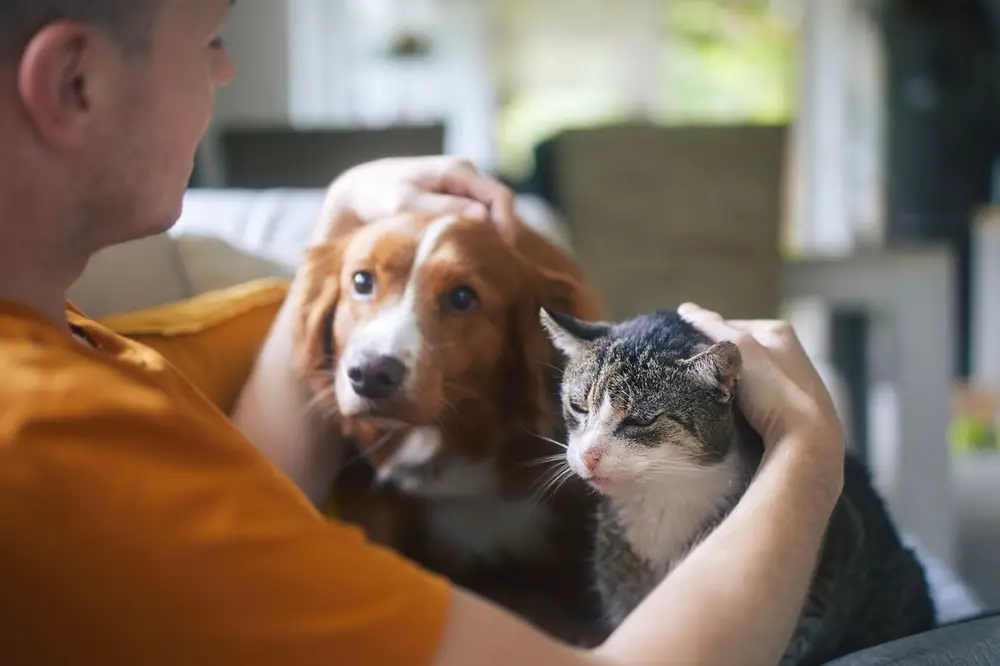
Cats choose moments when movement matters most. The pressure feels affectionate but restrictive. Humans delay tasks to avoid disturbing them. Productivity loses.
Animal behaviorists note cats understand human hesitation. They exploit politeness. The cat remains still; you adjust plans. Training complete.
12. They Guilt-Trip You Into Oblivion

When you accidentally disturb a cat, their reaction creates guilt. Humans apologize verbally or physically. The cat accepts or ignores it. The emotional shift benefits them.
Human-animal bonding studies show people anthropomorphize pet reactions. Cats don’t need forgiveness—but they receive it. Emotional power shifts upward.
13. They Decide Which Rooms You Use

Cats claim rooms through presence and repetition. Humans avoid disturbing them. Over time, certain spaces become “off limits.” The house reorganizes itself.
Territorial mapping research shows cats influence household movement patterns. Humans comply unconsciously. Space allocation changes. Authority follows.
14. They Interrupt Your Conversations

Cats interrupt phone calls, meetings, or conversations. Humans disengage to address them. Over time, interruptions are anticipated and accepted.
Behavioral reinforcement explains this perfectly. Attention is a reward. Cats learn timing. You comply reflexively.
15. They Get Away With Everything, and They Know It

Humans excuse bad behavior as personality. Scratches, disruptions, and demands get reframed as “cute.” The cat faces no consequences. Training is complete.
Psychological bonding research shows humans rationalize dominance from loved animals. Cats don’t need approval—they already won. You’re fully trained.