
Most deadly wildlife encounters don’t start with an animal acting aggressively. They start with humans misunderstanding behavior, ignoring context, or assuming control where none exists. Wildlife doesn’t think in terms of intent or fairness, only threat, space, and survival. These common mistakes escalate situations faster than people realize.
1. Feeding Wild Animals
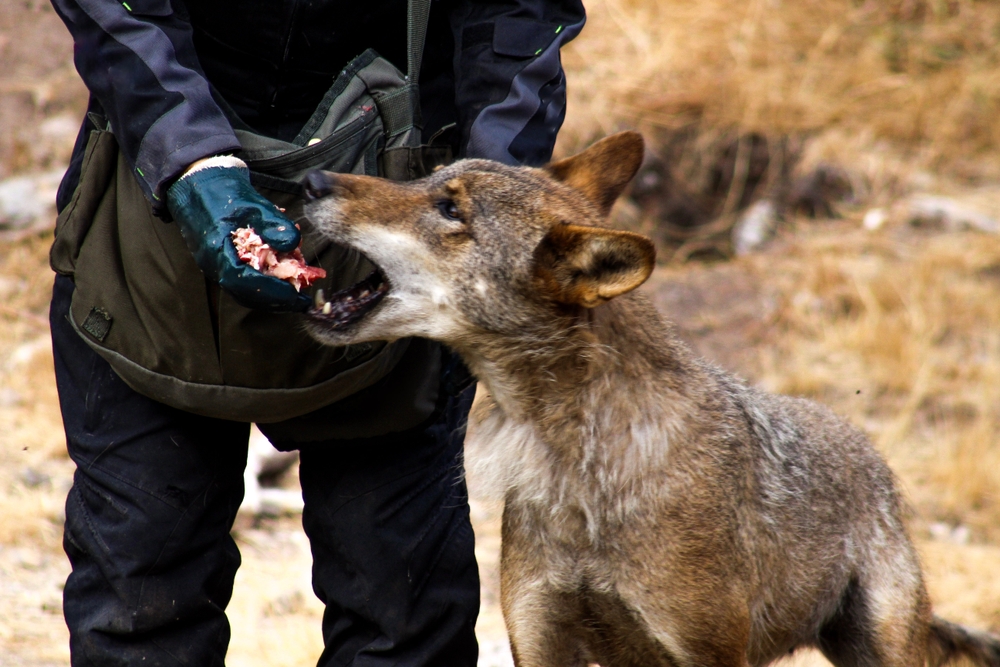
Feeding wildlife feels harmless, even kind, but it fundamentally rewires animal behavior. Animals quickly learn to associate humans with food instead of distance or caution. That shift removes natural fear and increases boldness. Over time, encounters become more frequent and far more dangerous.
Conservation studies show that fed animals are more likely to approach aggressively when food isn’t provided. The animal isn’t being mean—it’s responding to broken expectations. What begins as a single snack can end with forced relocation or euthanasia. Feeding rarely helps the animal in the long run.
2. Getting Too Close for Photos
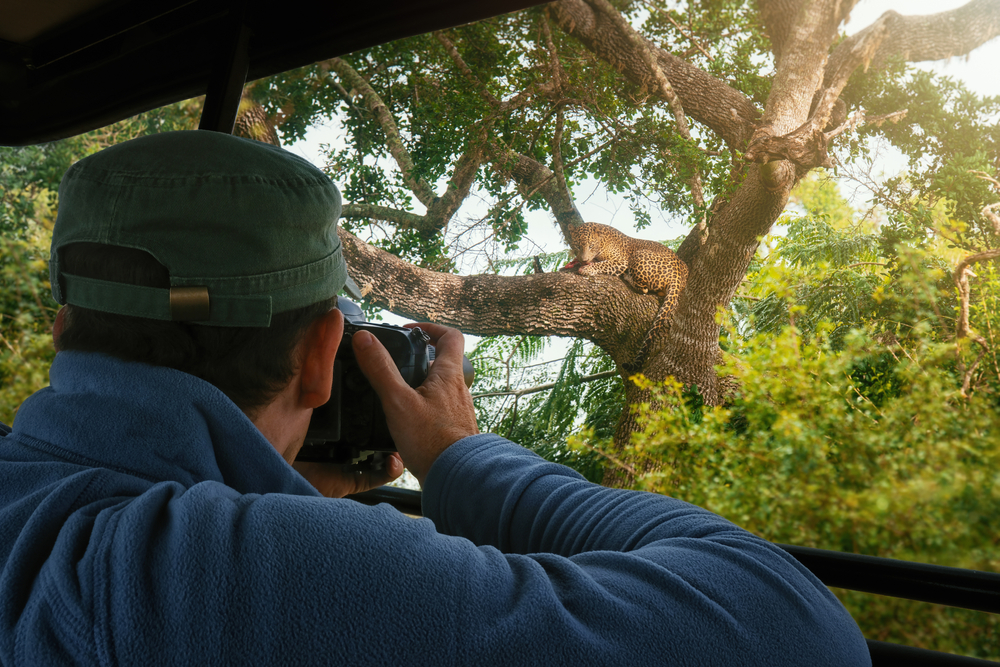
Cameras change how people judge distance and risk. Instead of reading an animal’s body language, attention shifts to framing the shot. People step closer without realizing how quickly they’ve crossed a safety boundary. The animal experiences that movement as a direct threat.
Park safety data consistently links injuries to photography-related proximity. Animals don’t understand intent, only encroachment. A single step can trigger a defensive response. The photo often isn’t worth the consequences.
3. Assuming a Calm Animal is Safe
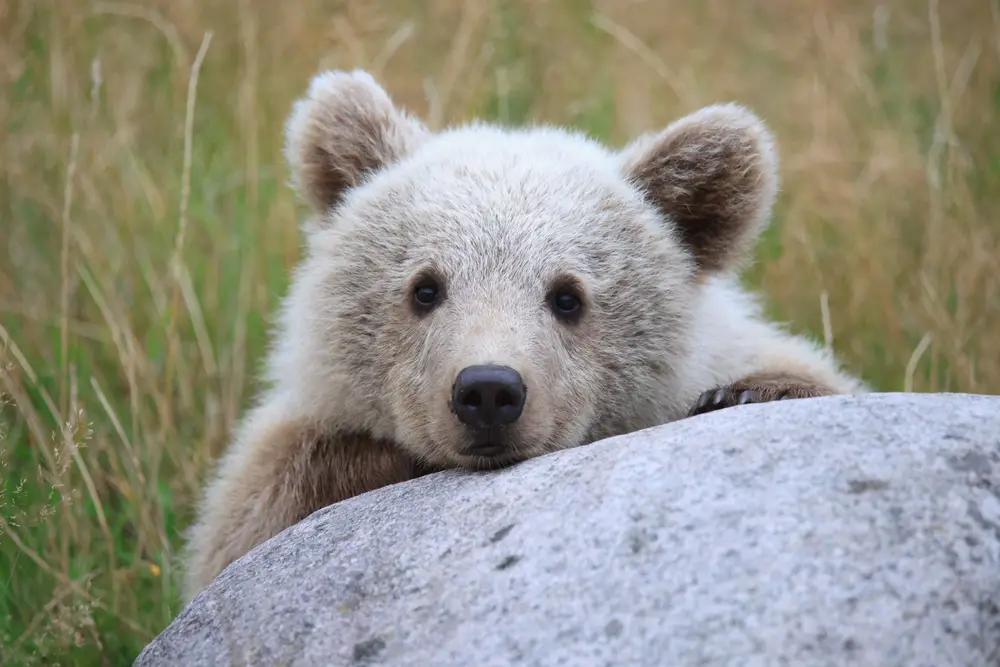
Many animals remain completely still when assessing a threat, which humans often mistake for relaxation or tolerance. That calm posture is frequently a warning phase, not permission to stay close. People interpret the lack of movement as safety, when it’s actually decision-making in progress. By the time the animal reacts, the window to back away is already gone.
Wildlife behavior research shows that delayed reactions are common in defensive encounters. Animals conserve energy and avoid unnecessary conflict until they feel forced. Humans expect immediate signals and miss the quiet ones. That misunderstanding can turn a neutral moment into a fatal one.
4. Running Away Instinctively

Human instinct says run when scared, but many animals are hardwired to chase sudden movement. Turning and fleeing can flip a neutral situation into an active pursuit. What felt like self-preservation becomes provocation. Panic accelerates the danger.
Behavioral ecology research confirms that rapid movement activates predatory and territorial responses. Staying calm feels unnatural, but it often reduces escalation. Distance should be created slowly, not explosively. Control matters more than speed.
5. Ignoring Warning Signs
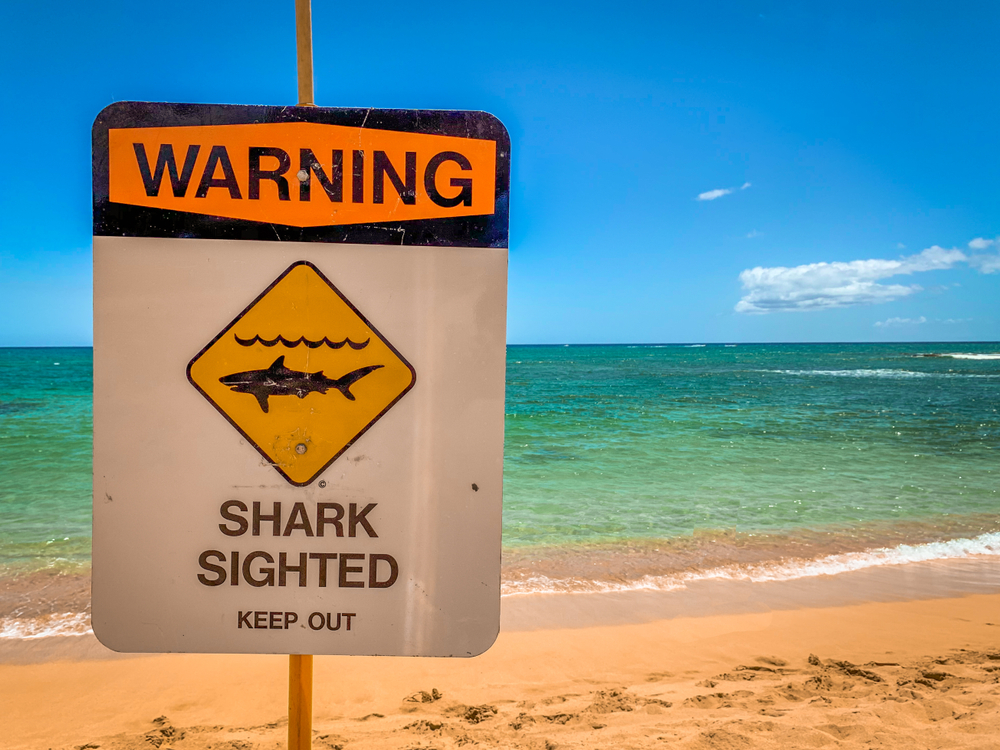
Growling, hissing, posturing, or vocalizations are not random behaviors. They are deliberate signals meant to prevent conflict without violence. People often dismiss them as interesting or non-serious. That dismissal removes the animal’s final non-lethal option.
Animal communication studies show that warning behaviors are intentional and meaningful. When they’re ignored, animals escalate. The attack feels sudden to humans but not to the animal. The message was delivered—it just wasn’t heard.
6. Leaving Food Accessible

Unsecured food teaches animals that human spaces are rewarding. Trash, coolers, and pet food create repeat visits. Each visit reduces fear and increases confidence. Over time, animals stop retreating when confronted.
Wildlife management research shows food-conditioned animals are far more likely to become aggressive. The behavior change is gradual and often unnoticed until it’s too late. Convenience creates risk without immediate feedback. Prevention requires consistency, not reaction.
7. Approaching Injured Animals

Injured animals are under extreme stress and pain. Their survival instincts are heightened, not softened. Humans mistake injury for helplessness and move closer. That approach removes the animal’s perceived escape.
Veterinary wildlife studies show injured animals are more likely to attack defensively. They don’t distinguish help from harm. Even familiar species can react unpredictably. Distance protects both sides.
8. Judging the Danger Level Based on Size
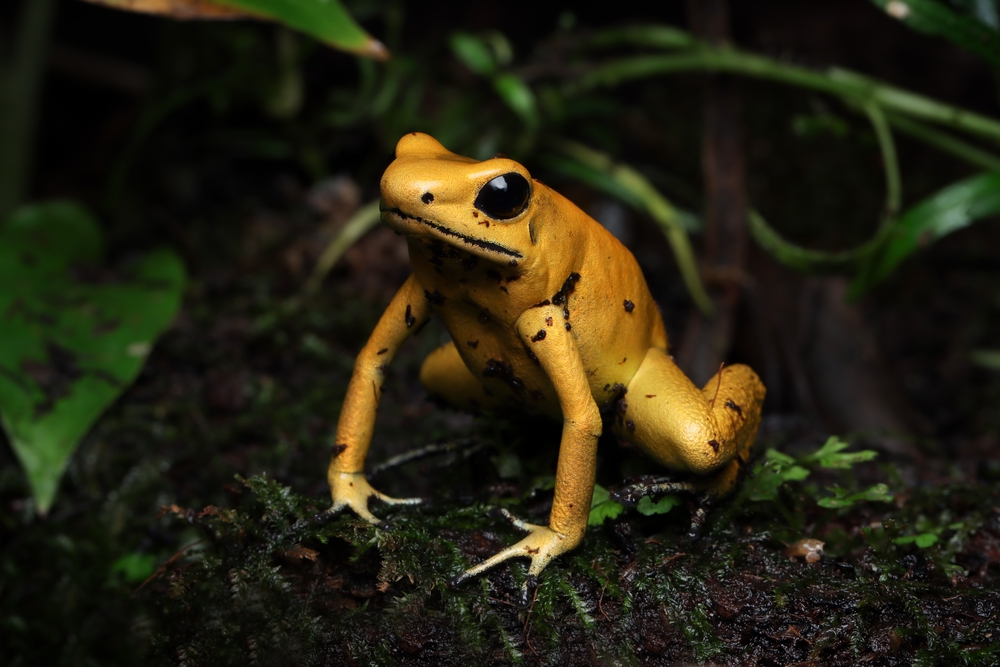
People often fear large animals while underestimating smaller ones. Toxicity, disease, and defensive behavior don’t correlate with size. Small animals can deliver disproportionate harm. Appearance creates false confidence.
Zoological research confirms that many lethal species are small, quiet, or visually unremarkable. Humans rely on visual cues that don’t reflect biological risk. Size misleads judgment. Knowledge matters more than scale.
9. Turning Their Back

Turning away removes awareness at the worst possible moment. Many animals watch for loss of eye contact before acting. Humans assume disengagement signals safety. Animals interpret it as vulnerability.
Predator-prey studies show attacks often occur during retreat without visual monitoring. Maintaining orientation allows for response time. Awareness doesn’t mean aggression—it means readiness. Turning away too soon invites escalation.
10. Letting Children Get Too Close
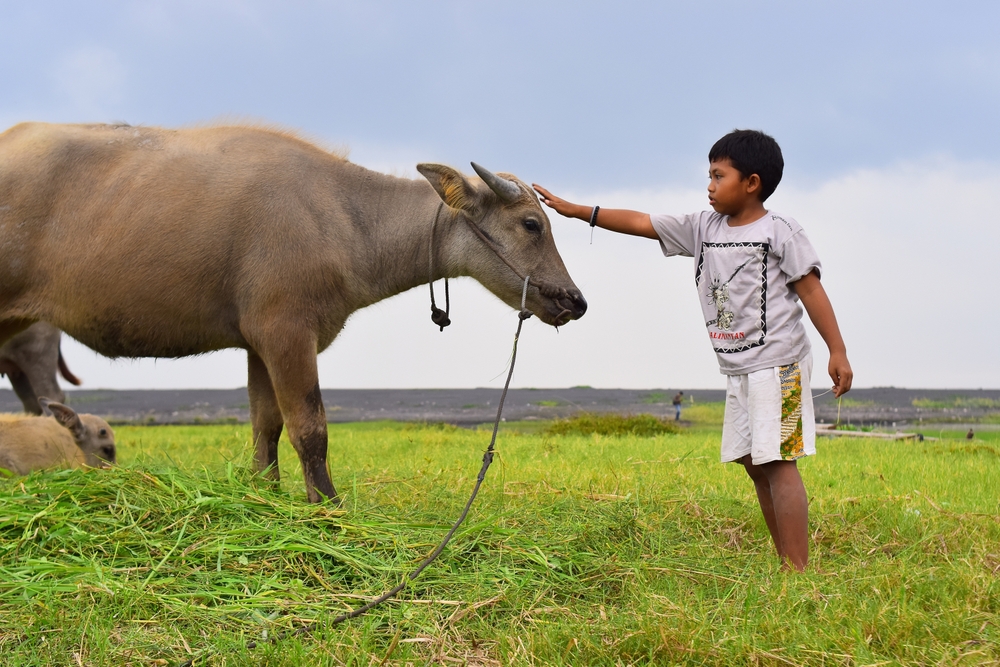
Children move unpredictably and lack situational awareness. Animals perceive that movement as erratic or threatening. Adults often react too late to intervene. The size difference increases perceived vulnerability.
Wildlife safety research shows children are at higher risk in animal encounters. Supervision isn’t just proximity—it’s control. A few steps can change an animal’s response. Prevention depends on positioning.
11. Bringing Dogs Near Wildlife
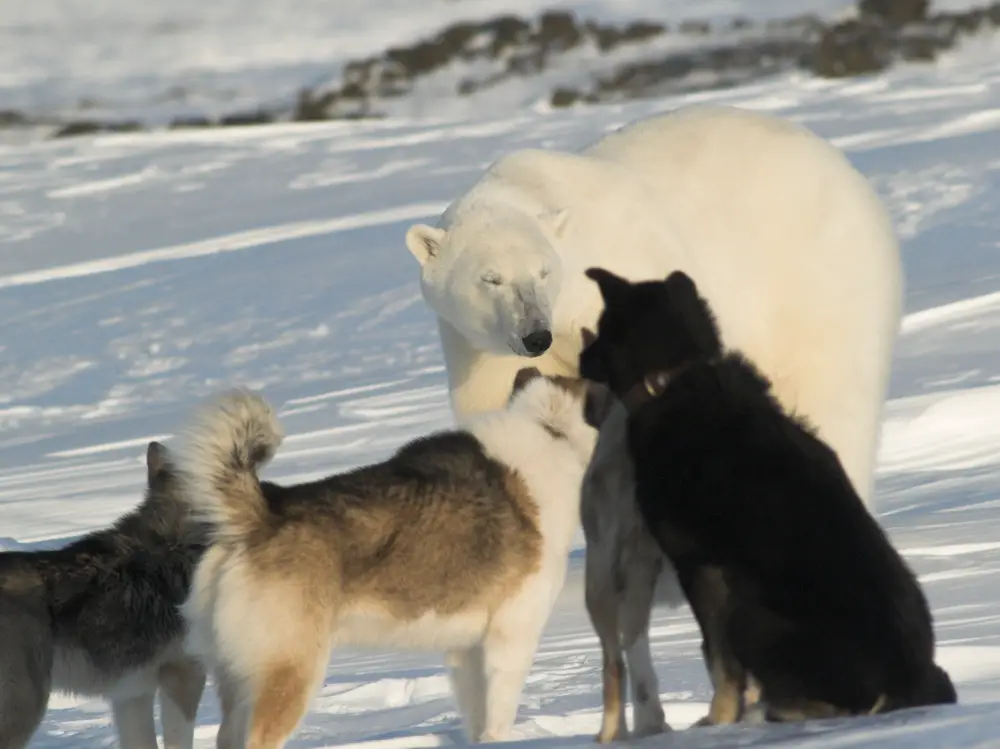
Dogs trigger defensive and territorial instincts in wildlife. Even calm dogs resemble predators. Animals react to the dog, not the owner. Humans get pulled into the conflict instantly.
Conservation studies show dogs dramatically increase encounter risk. Leashes reduce unpredictability for both animals. Separation prevents escalation. Pets change the equation entirely.
12. Misreading Territorial Behavior
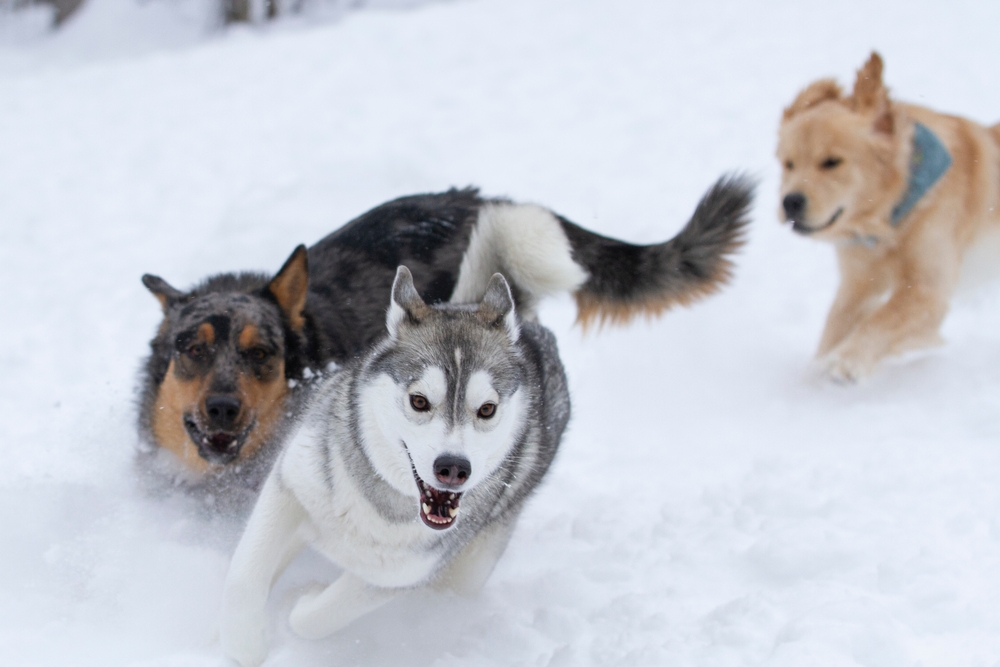
Territory defense often looks passive at first. Animals may block paths or remain still. Humans linger, assuming curiosity or tolerance. The reaction comes once boundaries are ignored.
Ethology research confirms delayed aggression in territorial species. Space is the warning. Leaving early prevents confrontation. Staying too long removes options.