
Not every lethal animal runs its prey down. Many rely on toxins, traps, or instant contact. Death doesn’t always look dramatic. Sometimes it’s quiet, fast, and unavoidable.
1. Cone Snails
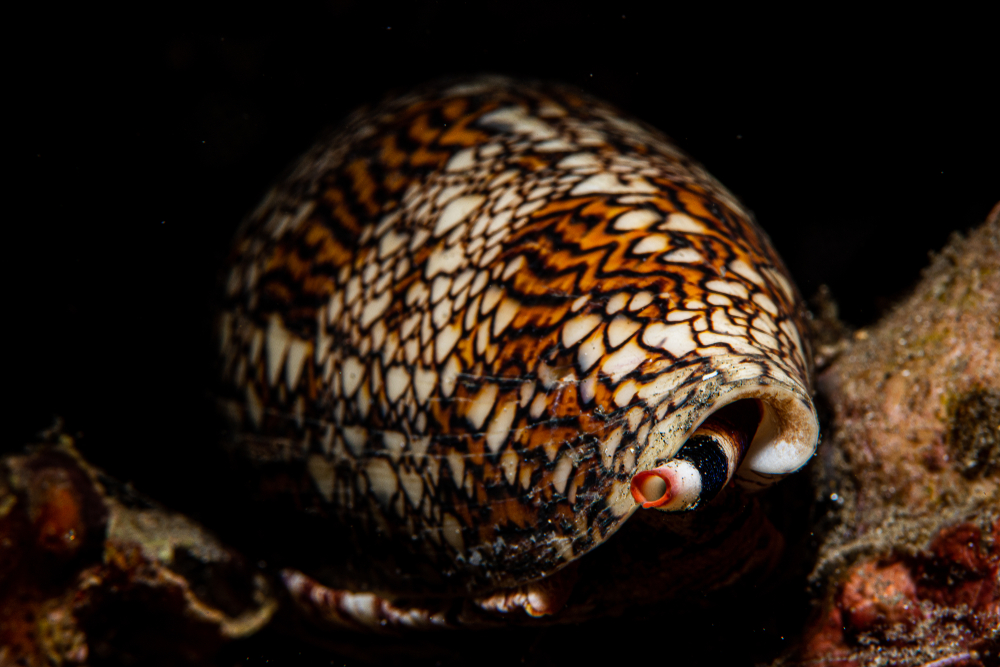
Cone snails appear harmless. Their venom is delivered via a tiny harpoon. Paralysis can occur instantly. There is no pursuit. Marine toxin research ranks cone snail venom among the most dangerous. Victims are often unaware. Surprise is complete. Escape is unlikely.
2. Blue-Ringed Octopus
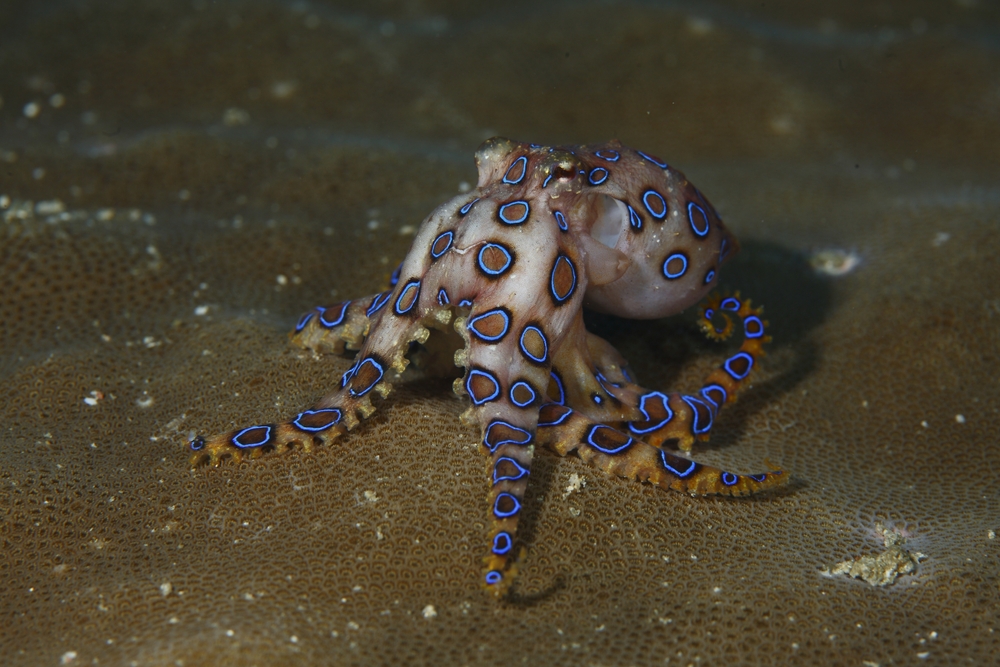
This octopus signals danger briefly. Its bite delivers neurotoxin. Paralysis happens rapidly. Breathing can stop. Medical case studies confirm fatal potential. There is no chase. Contact is enough. Size misleads.
3. Pufferfish
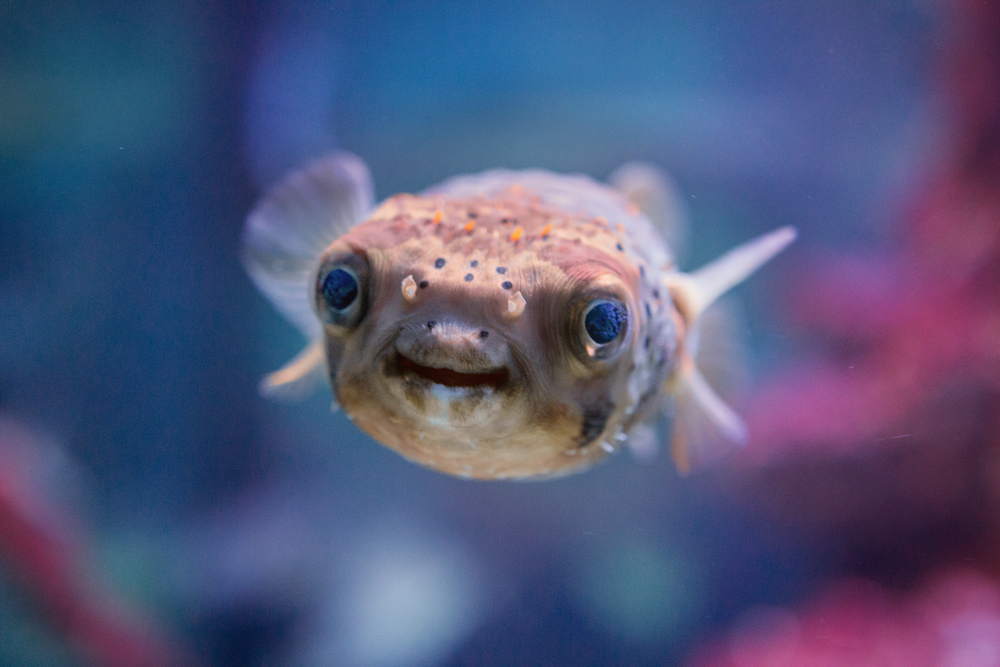
Pufferfish toxins accumulate in organs. Consumption causes poisoning. There is no attack behavior. Death is passive. Food safety research documents fatal outcomes. The animal never moves. Danger is biochemical. Speed is irrelevant.
4. Inland Taipan
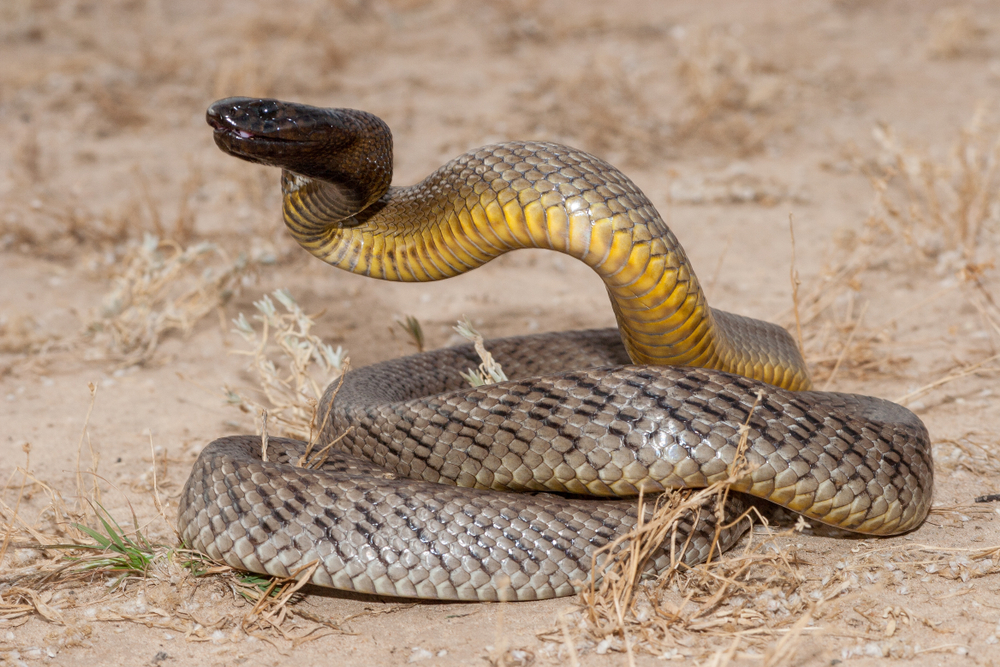
This snake delivers highly potent venom. A single bite is enough. It doesn’t pursue prey. Effects escalate rapidly. Herpetology studies confirm venom lethality. Speed isn’t needed. Chemistry does the work. Contact ends it.
5. Poison Dart Frogs
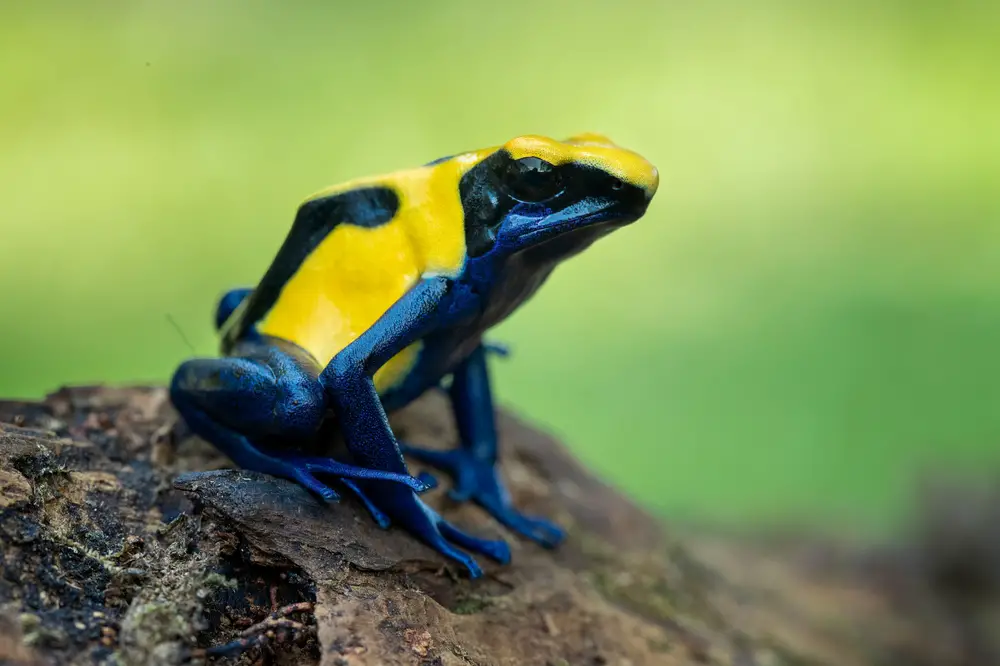
These frogs secrete toxins through their skin. Touch can transfer poison. There is no aggression. Color warns too late. Ethnobiology research documents toxin potency. The frog doesn’t chase. Presence alone is dangerous. Biology does the killing.
6. Stonefish
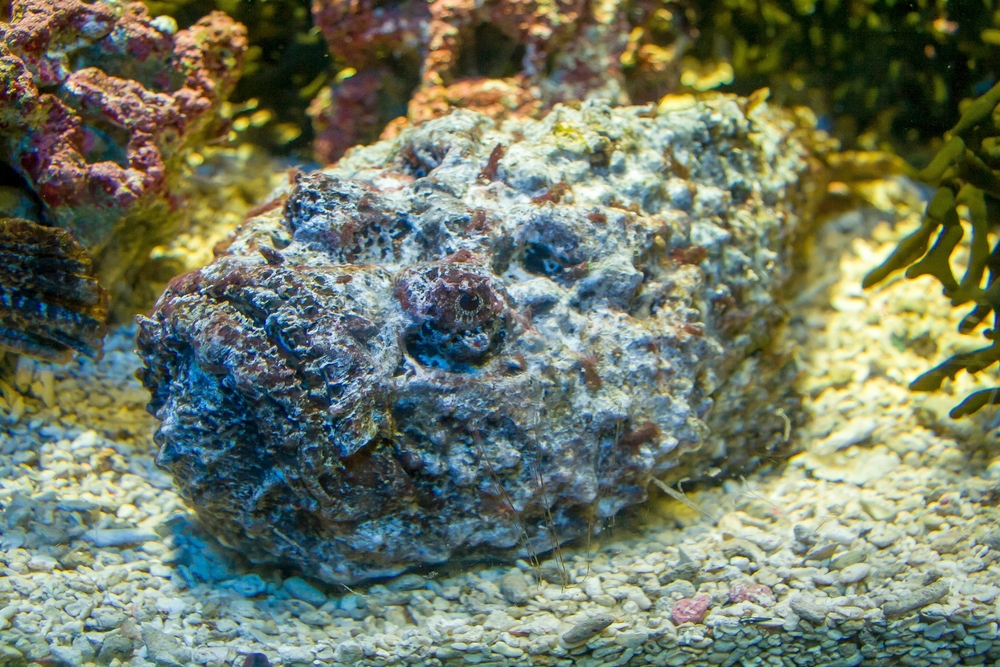
Stonefish remain motionless. Stepping on one triggers venom injection. Pain is immediate. Damage escalates quickly. Emergency medicine reports confirm severity. There is no pursuit. The threat is static. Surprise dominates.
7. Scorpions
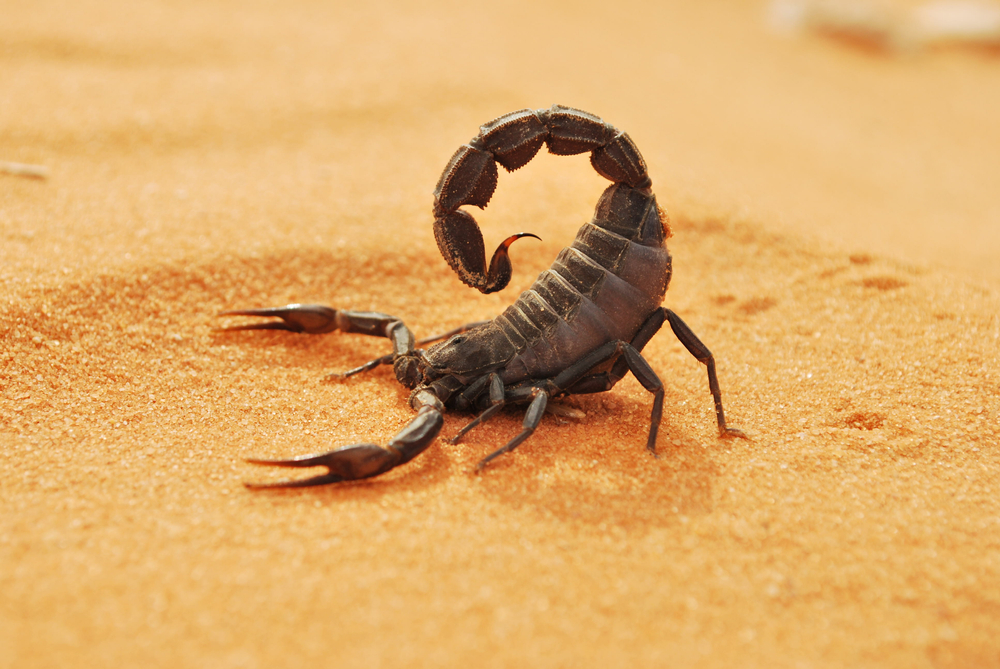
Scorpions sting defensively. Venom affects the nervous system. Small size hides danger. Contact is enough. Toxicology studies confirm lethal species exist. The scorpion doesn’t chase. Defense kills. Misjudgment causes exposure.
8. Box Jellyfish
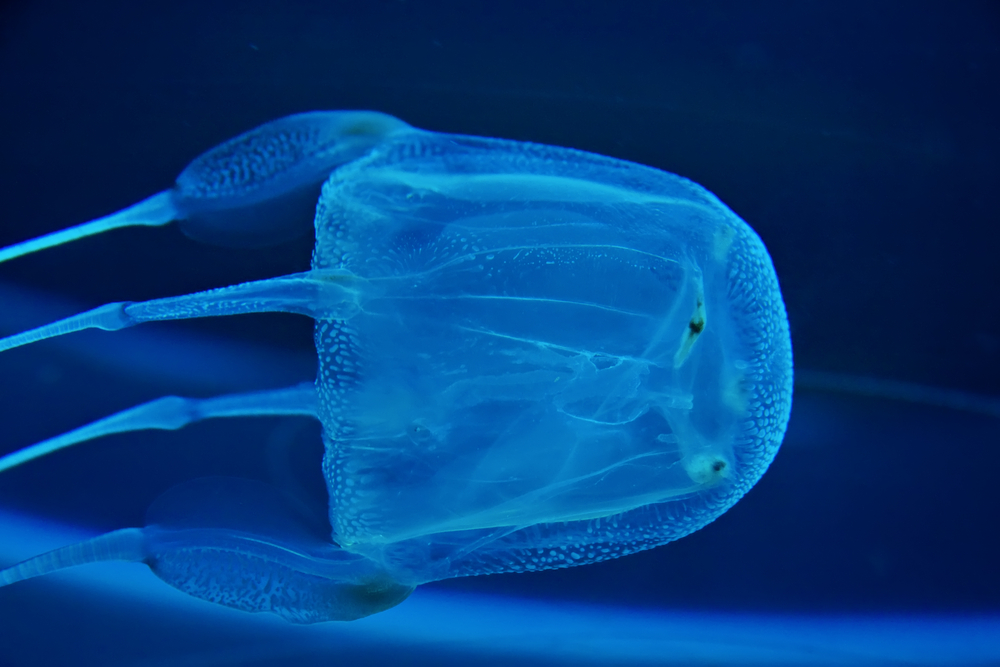
Tentacles trail invisibly. Contact triggers venom delivery. Cardiac arrest can follow. There is no escape phase. Marine medical research confirms rapid fatalities. The jellyfish drifts. The ocean delivers it. Surprise kills.
9. Deathstalker Scorpion
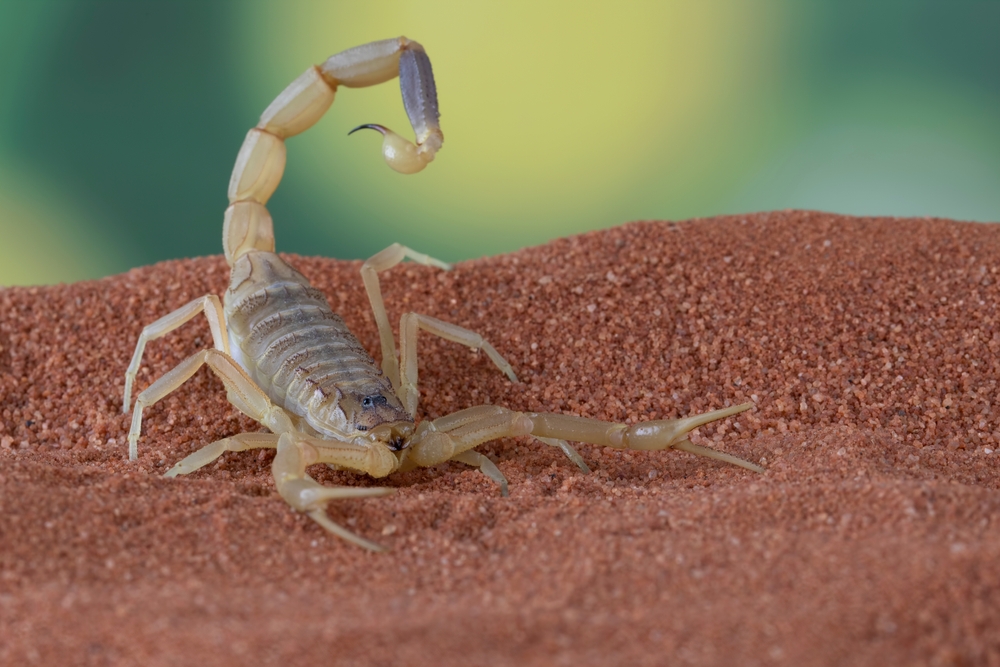
This scorpion delivers neurotoxic venom. Stings can be fatal. There is no pursuit. Reaction time is irrelevant. Clinical toxicology identifies high-risk outcomes. Stillness hides danger. Defense becomes lethal. Movement isn’t needed.
10. Tsetse Flies
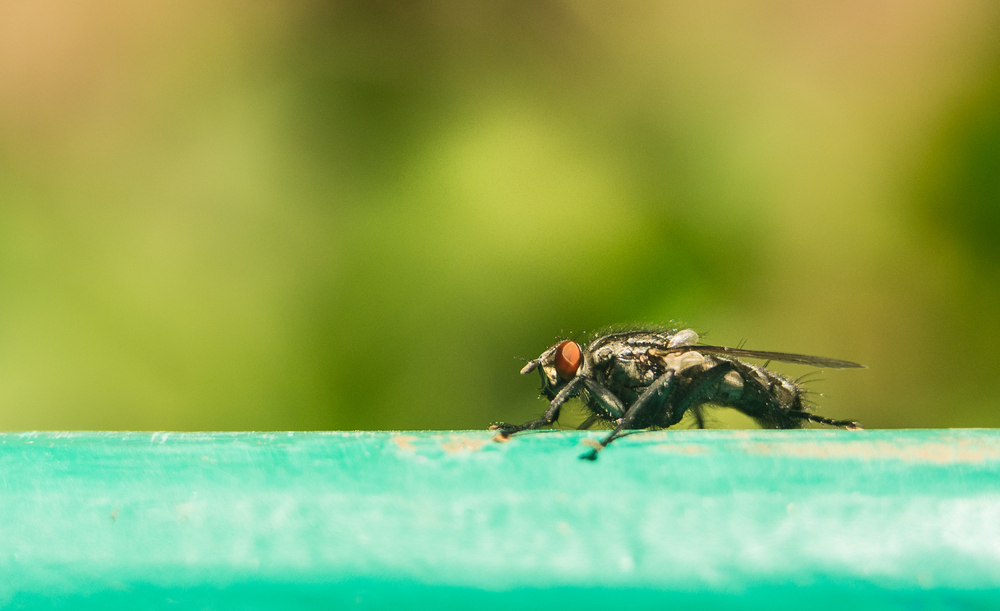
Tsetse flies transmit parasites. The bite feels minor. Disease develops later. Death occurs indirectly. Epidemiology research confirms transmission lethality. The fly doesn’t chase. Infection does the damage. Delay disguises danger.
11. Mosquitoes
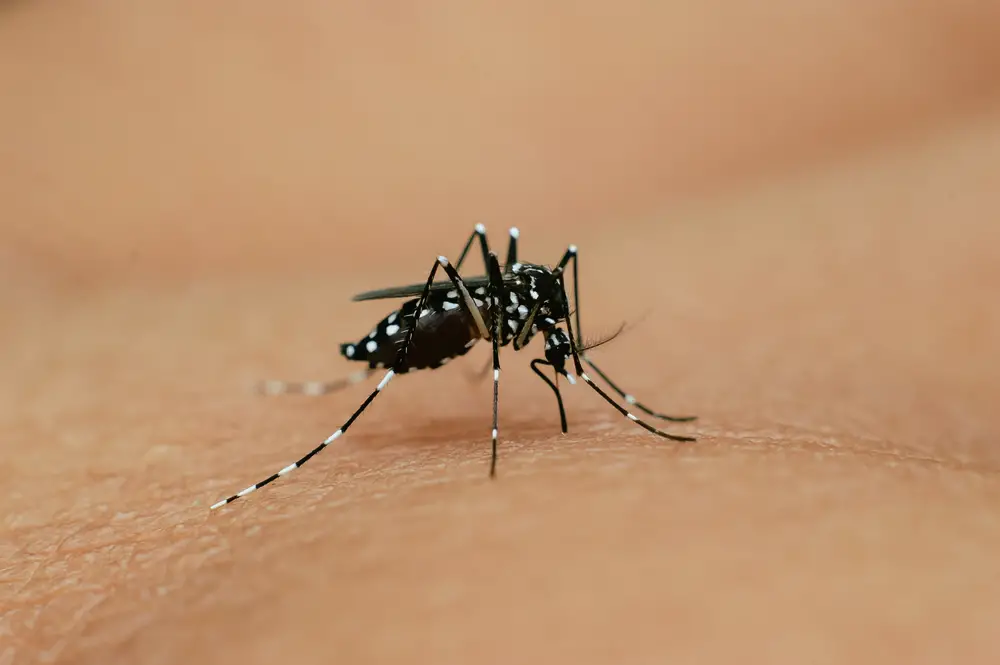
Mosquitoes transmit deadly diseases. The bite is often unnoticed. Illness develops days later. Death is indirect. Public health research identifies mosquitoes as top killers. No chase exists. Biology spreads harm. Presence is enough.
12. Jellyfish Polyps
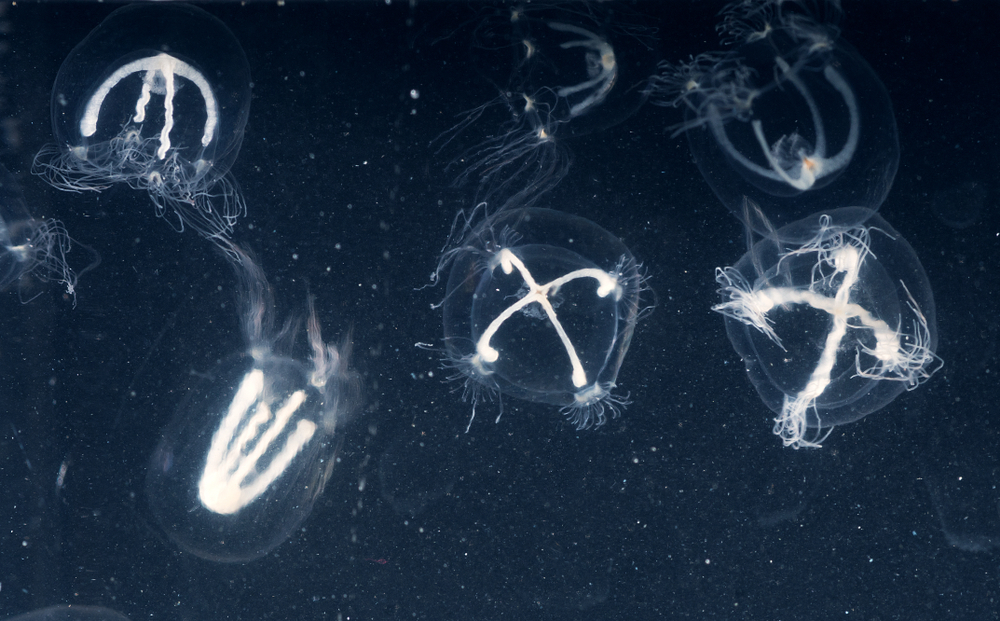
Some jellyfish stages are invisible. Contact triggers stings. Victims don’t see them. Effects are immediate. Marine lifecycle studies confirm polyp danger. The threat is unseen. Motion doesn’t matter. Exposure does.
13. Sea Snakes
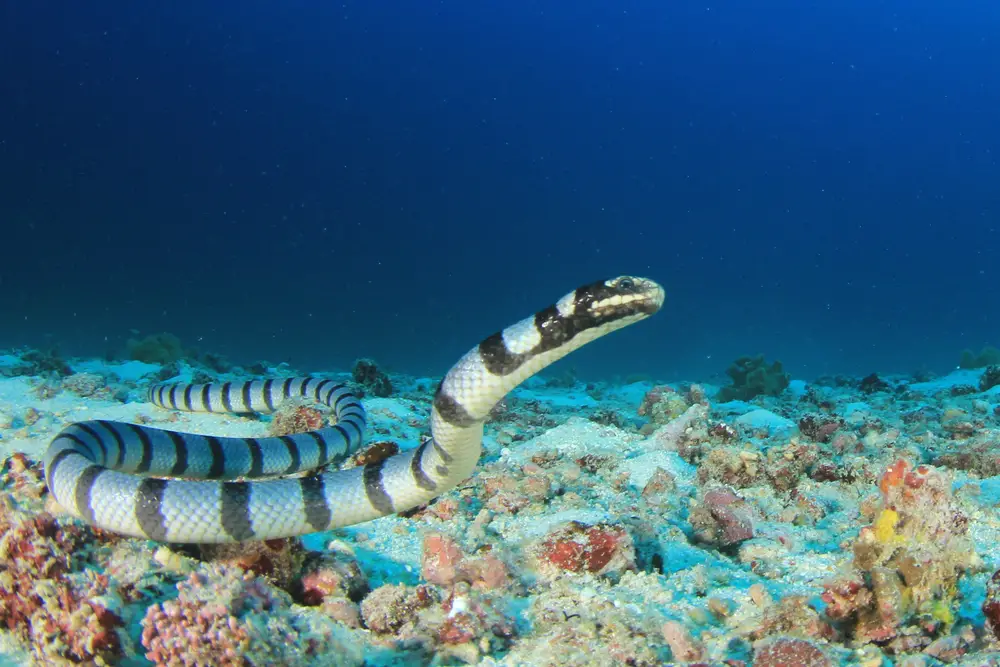
Sea snakes are often docile. Their venom is extremely potent. Bites can be fatal. They don’t pursue. Herpetological research confirms venom strength. Calm behavior misleads. Contact triggers risk. Chase isn’t required.
14. Funnel-Web Spiders
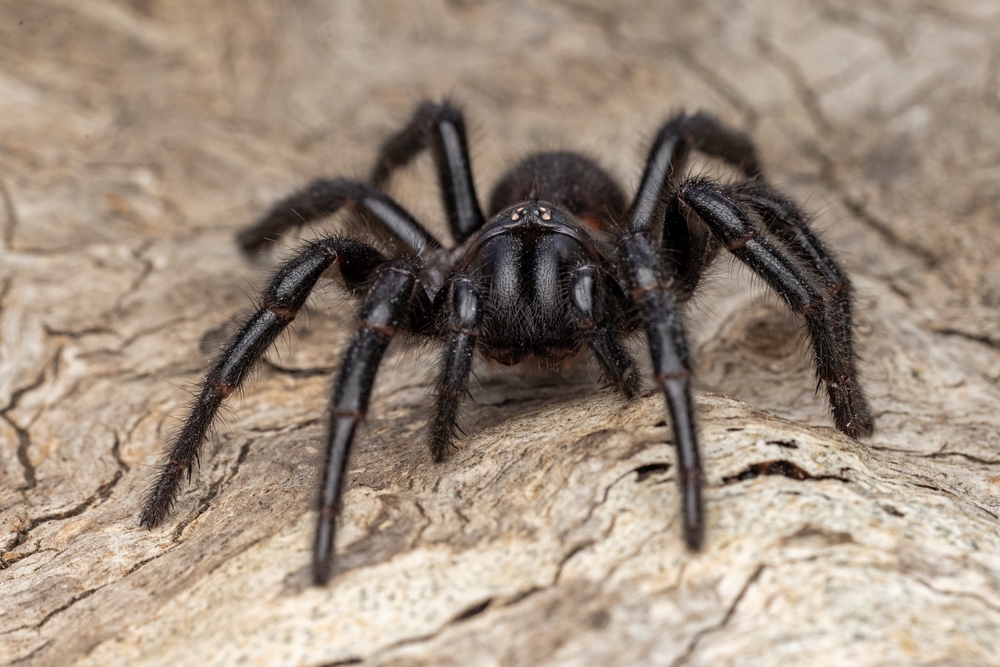
These spiders deliver powerful venom. Bites can be lethal. They defend territory. Pursuit isn’t necessary. Arachnid toxicology confirms a rapid onset. Surprise is common. Defense becomes fatal. Speed is irrelevant.
15. Golden Poison Frogs
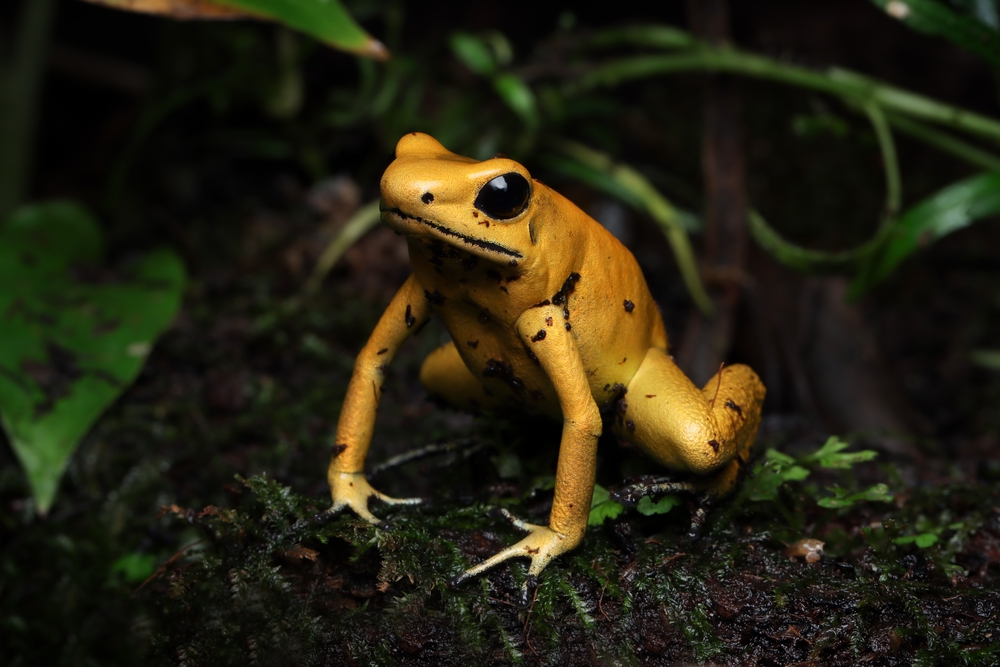
Their skin contains lethal toxins. Handling transfers poison. There is no aggression. Contact is enough. Biochemical research confirms extreme toxicity. The frog remains passive. Danger is chemical. Stillness hides risk.