
Danger doesn’t always come from something fast or loud. Some of the most effective hunters in the animal kingdom win by waiting, blending in, and striking when their target least expects it. These animals don’t chase because they don’t have to. Their power lies in patience, precision, and shock.
1. Crocodiles
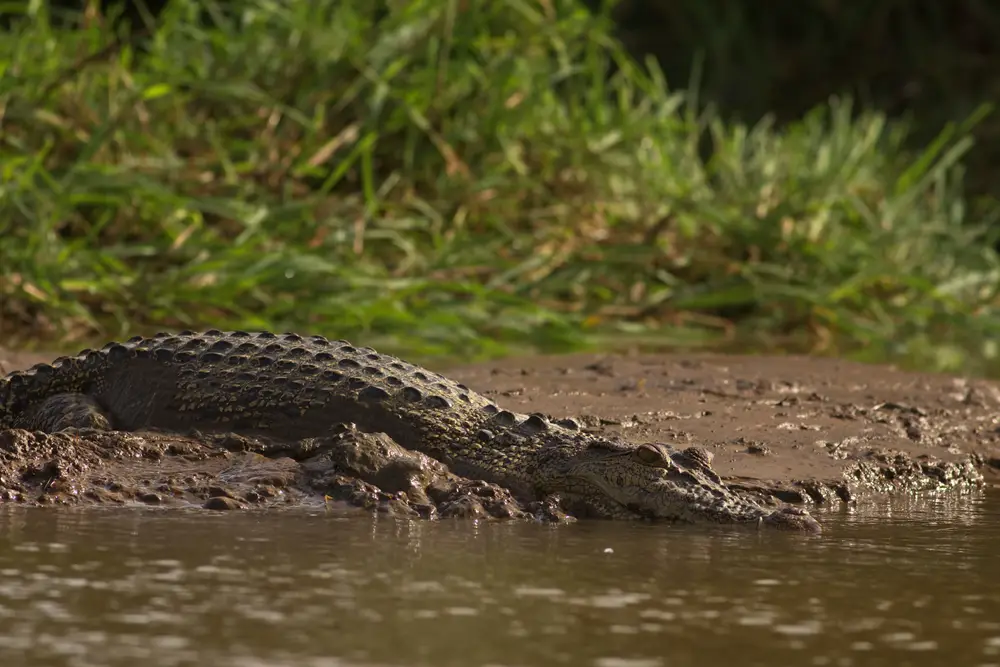
Crocodiles can remain motionless for hours with only their eyes above water. Prey often mistakes them for logs or shoreline debris. The strike happens in under a second. There is no warning phase.
Wildlife attack studies show most crocodile attacks occur at the water’s edge. Victims rarely see the animal move beforehand. The element of surprise is the entire strategy. Speed is secondary.
2. Leopards
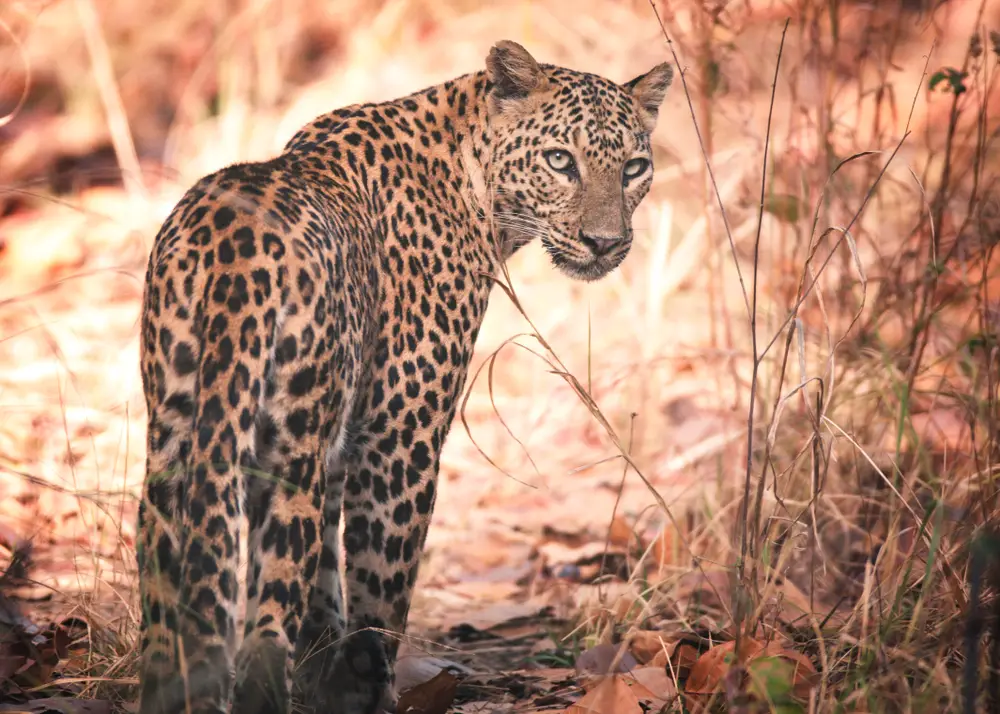
Leopards don’t chase prey across open ground unless they have to. They stalk silently through cover and strike from close range. By the time prey reacts, the attack is already over. Surprise does most of the work.
Big cat behavioral research confirms leopards rely on ambush more than sprinting. Their success rate increases dramatically when unseen. The goal is invisibility, not pursuit. Movement only happens at the final moment.
3. Box Jellyfish
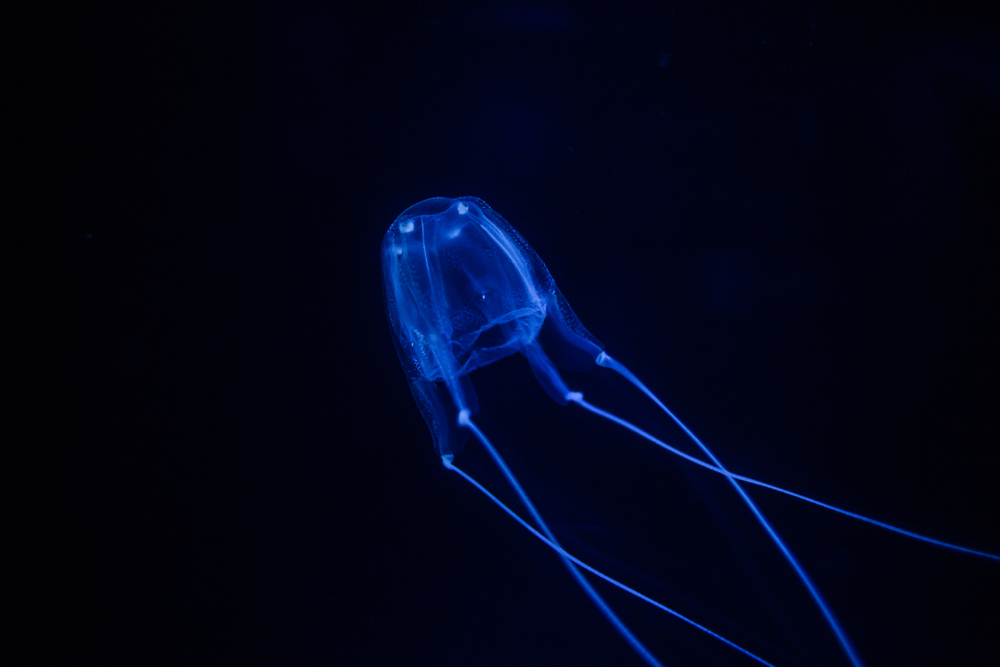
Box jellyfish don’t hunt in the traditional sense. Their tentacles float nearly invisible in the water. Contact alone triggers venom delivery. The victim often doesn’t realize what happened until symptoms begin.
Marine toxin research identifies box jellyfish venom as among the fastest-acting in the ocean. There is no chase and no escape window. Surprise is built into the biology. Movement is irrelevant.
4. Alligators
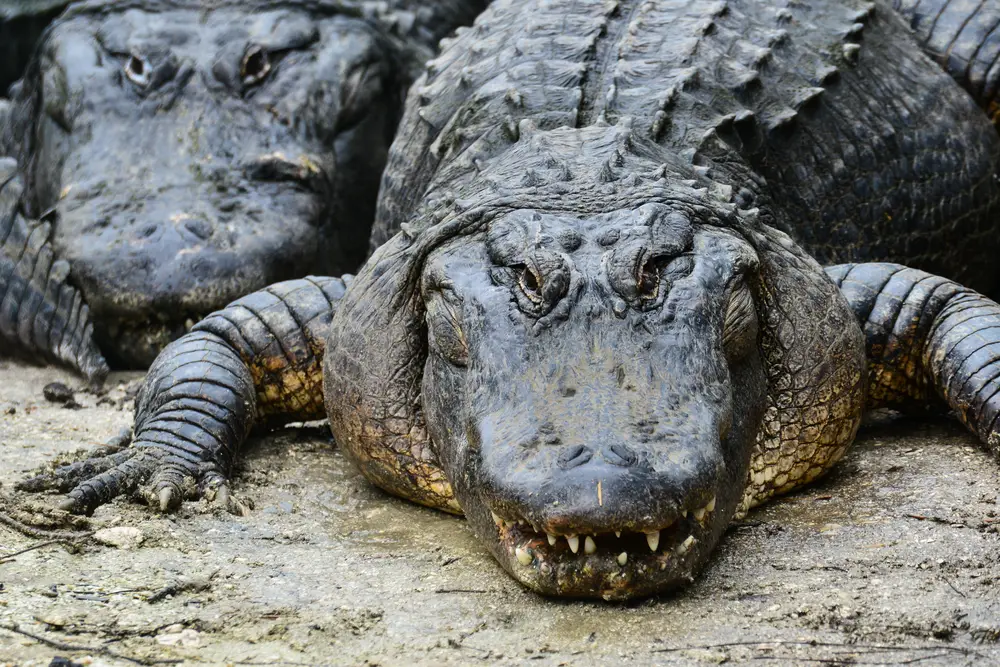
Alligators wait at the surface with their bodies hidden. They rely on prey approaching naturally. When they strike, it’s sudden and explosive. The prey never gets a head start.
According to wetland safety data, alligator attacks almost always involve ambush. Victims report no visible warning signs. The stillness is intentional. Surprise replaces speed entirely.
5. Praying Mantises
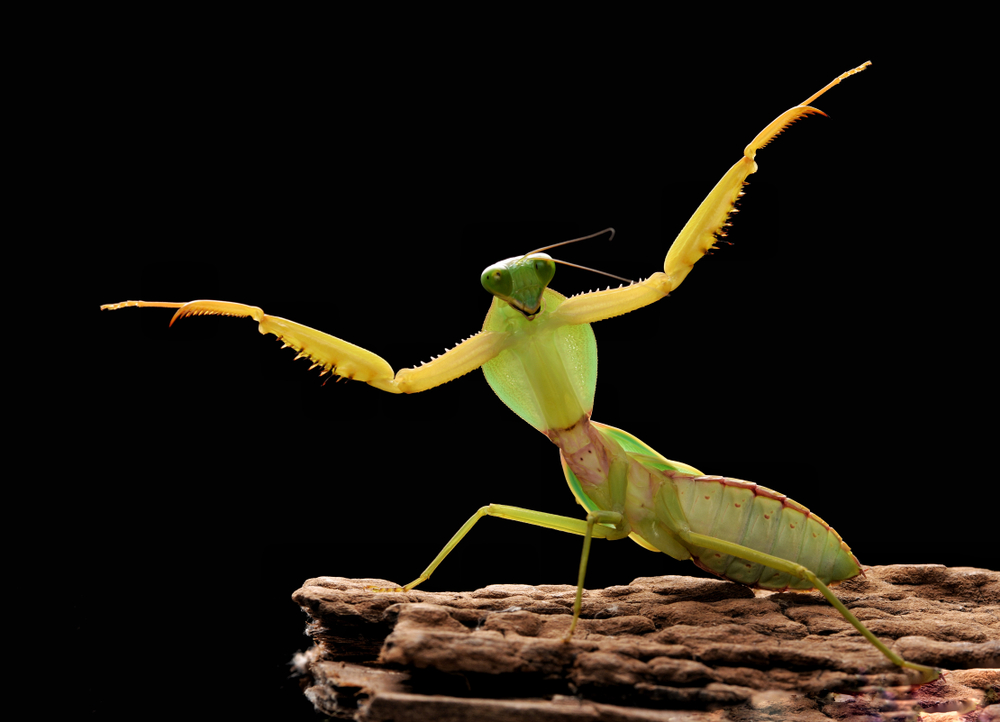
Praying mantises sit perfectly still until prey comes within reach. Their strike is lightning fast but extremely short. They don’t pursue fleeing insects. They wait for the right moment.
Entomology research shows mantises depend on camouflage and timing. Their success drops when prey spots them early. Surprise is the deciding factor. Motionlessness is their advantage.
6. Tigers
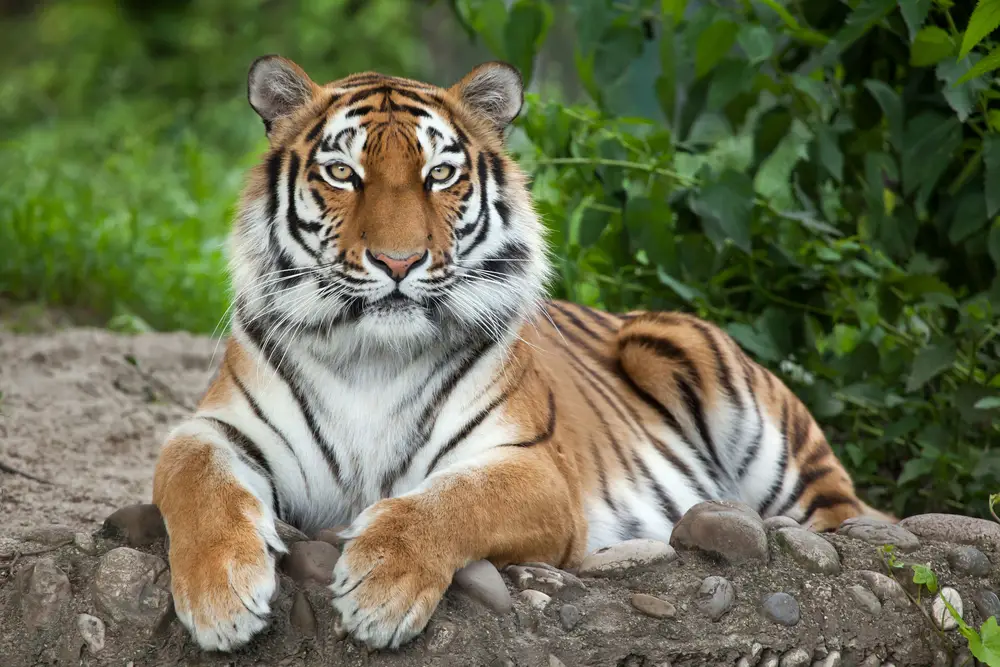
Tigers stalk prey until they are close enough to ensure success. They avoid long chases whenever possible. The kill depends on sudden impact. Surprise conserves energy.
Large predator studies confirm ambush hunting improves tiger efficiency. Chasing wastes calories and increases injury risk. Surprise minimizes both. Precision matters more than speed.
7. Stonefish
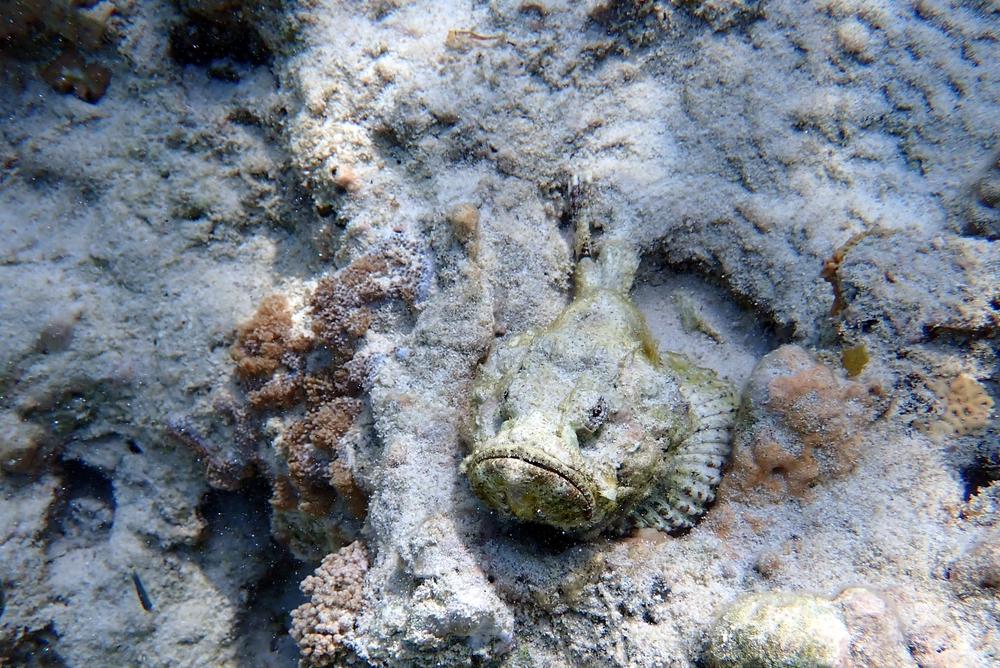
Stonefish blend seamlessly into the ocean floor. Most encounters happen when someone steps on one. The venom is delivered instantly through spines. The fish never moves.
Medical marine studies show stonefish injuries result from accidental contact. Victims are caught entirely off guard. Surprise is passive but devastating. The danger is invisible.
8. Owls
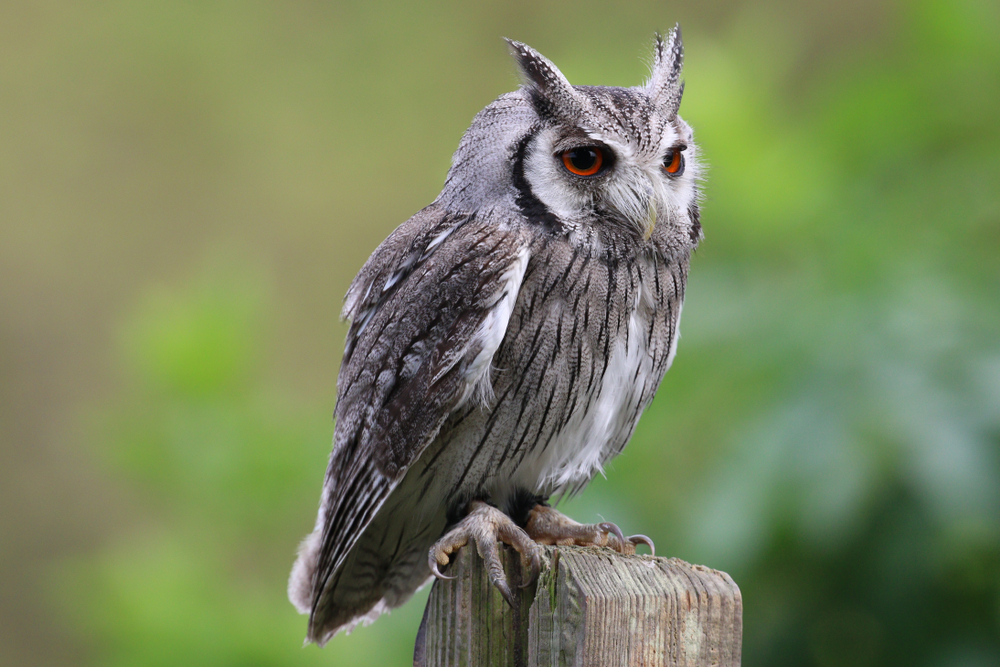
Owls fly almost silently due to specialized feathers. Prey often never hears them approach. The strike happens from above. There is no chase sequence.
Avian research confirms owls rely on stealth acoustics. Silence creates the element of surprise. Speed is secondary to soundlessness. Prey rarely reacts in time.
9. Komodo Dragons
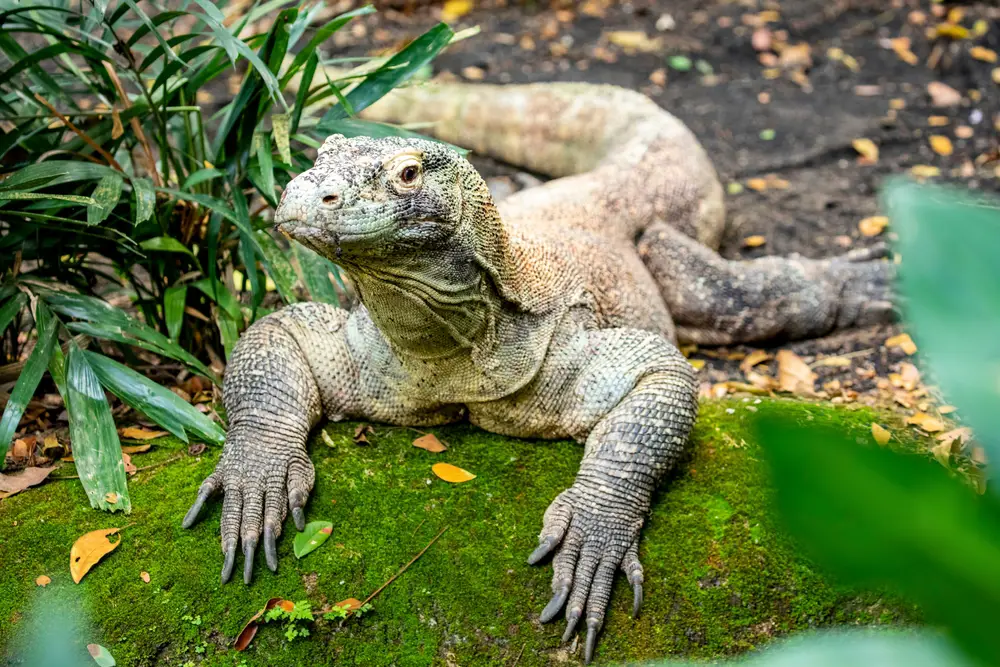
Komodo dragons ambush prey near trails and water sources. A single bite delivers bacteria and venom. The animal often retreats afterward. Death follows later.
Field studies show Komodo dragons don’t rely on pursuit. Surprise initiates the outcome. Patience finishes it. Speed plays little role.
10. Anglerfish
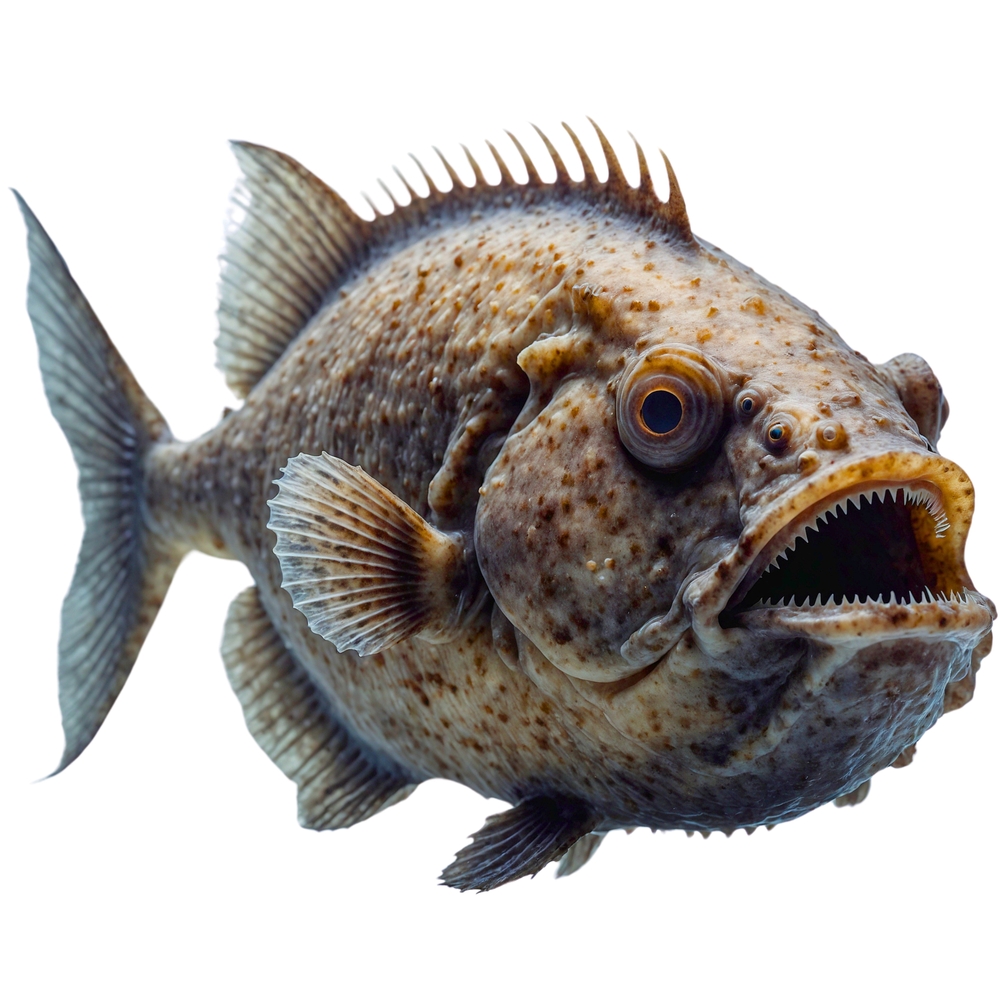
Anglerfish use a glowing lure to attract prey. The victim approaches willingly. The strike is instant. There is no pursuit phase.
Deep-sea biology research highlights anglerfish deception strategies. Surprise comes from misdirection. Prey never senses danger. Speed is unnecessary.
11. Spiders

Many spiders wait motionless in webs or burrows. Prey triggers the attack by entering their space. The strike is immediate. Escape chances are minimal.
Arachnology studies show ambush spiders rely on stillness. Motion draws prey in. Surprise replaces effort. Energy is conserved.
12. Snakes
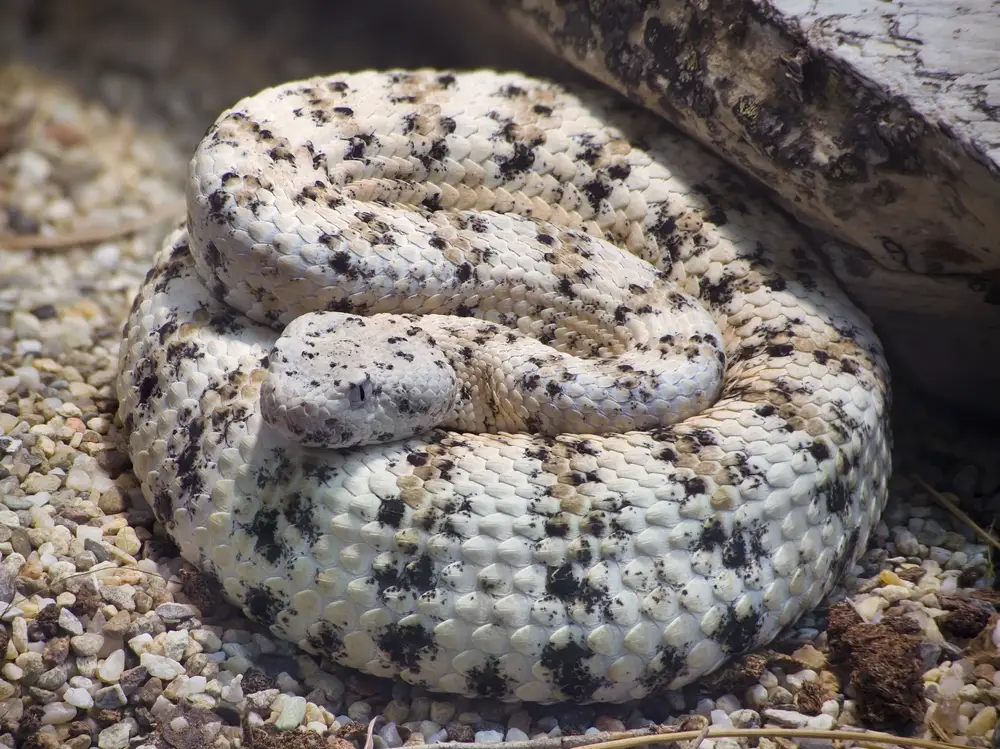
Many venomous snakes strike from concealment. They don’t chase fleeing animals. The bite delivers venom instantly. The snake often withdraws.
Herpetology research confirms ambush is the dominant hunting method. Speed matters only at the moment of contact. Surprise ensures success. Pursuit increases risk.
13. Bears
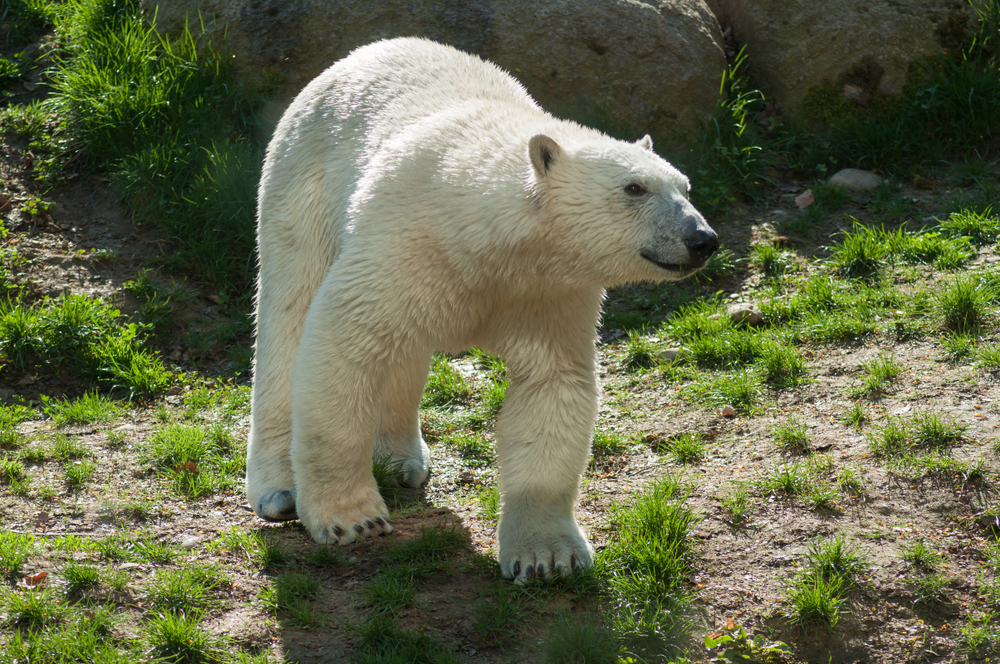
Bears are capable runners but often rely on surprise encounters. Many attacks occur when humans startle them. The reaction is immediate and defensive. There is no chase logic.
Wildlife safety data shows surprise encounters drive bear attacks. Visibility failure is the trigger. Speed isn’t planned. Shock governs behavior.
14. Octopuses
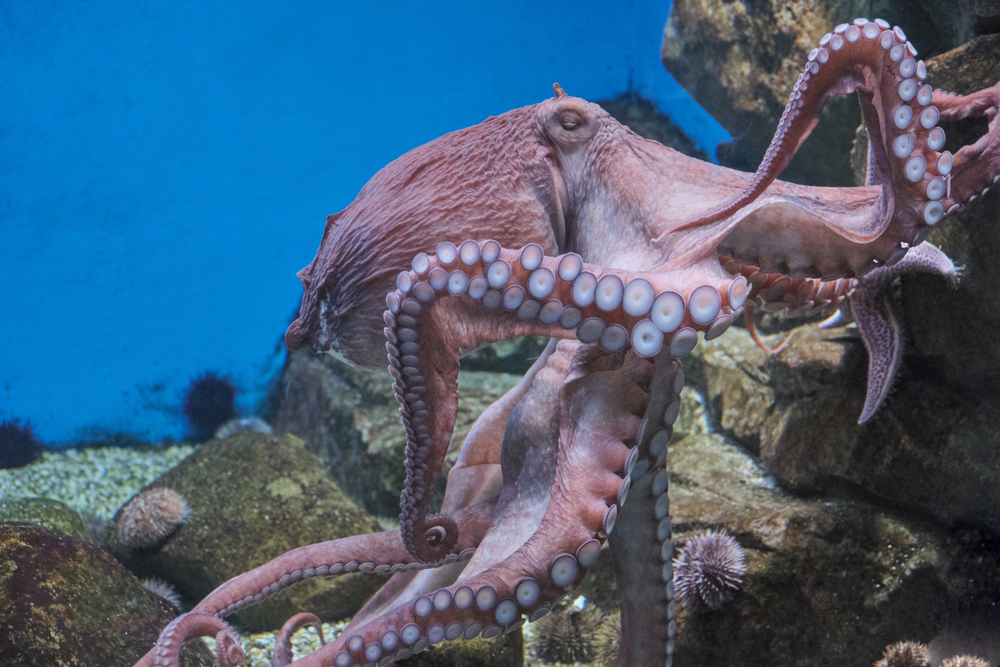
Octopuses use camouflage to become nearly invisible. Prey swims close without noticing. The grab is sudden. There is no pursuit.
Cephalopod research highlights advanced concealment abilities. Surprise is the hunting mechanism. Movement is minimal. Timing is everything.
15. Scorpions
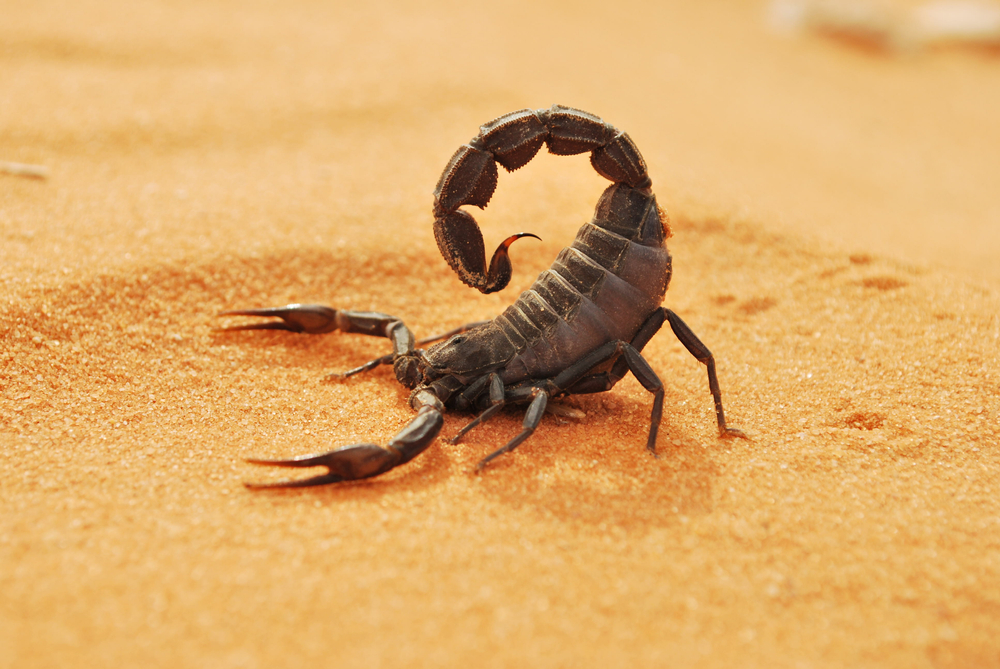
Scorpions remain hidden until touched or threatened. Their sting is instantaneous. The victim often doesn’t see them first. The encounter is over quickly.
Arthropod defense studies show scorpions rely on concealment. Surprise triggers the sting. Speed is unnecessary. Stillness is protection.
13 Things Humanity Assumed Would Last Forever—but Won’t
Humans are excellent at assuming stability. We build systems, cultures, and expectations around the idea that certain things are permanent. History proves that assumption wrong again and again. What feels unshakable now often has an expiration date.
1. Polar Ice Caps
For centuries, polar ice was considered permanent. It shaped climate patterns and sea levels. That assumption is no longer valid. Melting is accelerating.
Climate research confirms irreversible ice loss trajectories. Recovery timelines extend beyond centuries. Stability was an illusion. Change is locked in.
2. Coastal Cities
Many cities were built assuming stable shorelines. Rising seas challenge that logic. Flooding is becoming routine. Relocation is being discussed openly.
Urban climate studies show long-term habitability risks. Infrastructure wasn’t designed for this reality. Permanence is being questioned. Retreat is possible.
3. Reliable Seasons
People expected predictable winters and summers. Agriculture depended on it. Weather patterns are shifting rapidly. Timing no longer holds.
Meteorological research shows season variability increasing. Planning becomes harder. Stability was assumed. That era is ending.
4. Cheap Fresh Water
Fresh water was treated as unlimited. Overuse and pollution changed that. Scarcity is spreading. Access is becoming political.
Hydrology studies warn of aquifer depletion. Recovery is slow or impossible. Permanence was misjudged. Limits are real.
5. Fossil Fuel Dominance
Coal and oil once felt endless. Extraction costs are rising. Environmental pressure is mounting. Transition is unavoidable.
Energy research shows fossil reliance declining globally. Infrastructure must change. Permanence was economic fiction. Shifts are underway.
6. Privacy
Privacy was assumed as a default condition. Digital systems altered that. Data exposure is constant. Control is limited.
Technology ethics research highlights long-term surveillance trends. Recovery is unlikely. Expectations were outdated. Transparency is forced.
7. Stable Borders
Borders felt fixed after major wars. Climate and conflict disrupt that. Migration is reshaping maps. Stability is fragile.
Geopolitical studies show border pressure increasing. Permanence was conditional. Movement is constant. Maps evolve.
8. Coral Reefs
Reefs were seen as timeless ecosystems. Bleaching events changed that. Loss is accelerating. Recovery is uncertain.
Marine biology research confirms widespread reef collapse. Timeframes are short. Permanence was assumed. Reality intervened.
9. Middle-Class Security
Economic mobility once felt guaranteed. Costs rose faster than wages. Stability eroded quietly. Expectations lagged reality.
Economic research shows declining middle-class resilience. Assumptions persist. Conditions changed. Safety nets thinned.
10. Language Dominance
Certain global languages felt permanent. Technology and migration diversify communication. Usage shifts quickly. Dominance fades.
Linguistics research shows rapid language evolution. Power changes usage. Permanence is cultural myth. Adaptation is constant.
11. Old-Growth Forests
Forests once felt inexhaustible. Logging and fire altered that. Regrowth takes centuries. Loss is permanent.
Environmental science confirms ecosystem collapse risks. Replacement is not equal. Permanence was emotional. Reality is finite.
12. Traditional Work Structures
Lifetime careers were expected. Automation changed that. Job stability declined. Flexibility replaced permanence.
Labor research highlights structural shifts. Security models evolved. Permanence dissolved. Adaptation is required.
13. Unchallenged Progress
Progress was assumed linear. History proved otherwise. Advances bring new risks. Nothing moves in one direction.
Philosophy and history studies confirm cyclical patterns. Stability is temporary. Assumptions fail. Change dominates.