
Dogs are quietly observant in ways humans tend to underestimate. They aren’t just reacting to commands or routines—they’re constantly reading tone, energy, patterns, and emotional shifts. Much of what they pick up never makes it to your conscious awareness. Here are the things your dog almost certainly knows about you already.
1. When You’re About to Leave

Dogs notice micro-patterns long before shoes go on. Changes in pacing, posture, and routine tip them off. Even subtle movements signal departure. You think you’re being sneaky, but you’re not.
Behavioral studies show dogs track pre-departure cues unconsciously. They respond before conscious planning kicks in. Anticipation starts early. Dogs live ahead of the moment.
2. Which Rules You Don’t Enforce

Dogs know where boundaries are soft. Inconsistency teaches them flexibility. Enforcement patterns become clear. Dogs test strategically.
Research on dog training confirms that dogs learn from enforcement reliability. Rules become suggestions if inconsistent. Structure matters. Dogs adapt fast.
3. When You’re Not Feeling Yourself

Your dog knows what “normal you” feels like. Deviations stand out immediately. Mood shifts don’t need words. Energy changes do the talking.
Canine cognition research shows dogs track emotional consistency. Stress, sadness, and excitement register fast. Dogs adapt their behavior accordingly. They feel the difference.
4. Your Daily Routine

Dogs know when meals, walks, and rest are “late.” Time isn’t abstract to them—it’s pattern-based. Deviations feel wrong. They notice immediately.
Routine tracking is central to canine behavior. Dogs anticipate events through repetition. Disruption creates confusion. Patterns equal safety.
5. Who You Like and Don’t Like

Dogs read social cues through tone and posture. Subtle discomfort around someone doesn’t go unnoticed. Your dog mirrors your emotional response. Preference transfers.
Research shows dogs take cues from their owners’ reactions. Trust follows your lead. Discomfort becomes shared. Loyalty includes perception.
6. When You’re Getting Sick

Dogs detect chemical changes through scent. Illness alters body odor subtly. Dogs respond before diagnosis. Attention increases.
Medical detection studies confirm that dogs sense disease markers. Behavior shifts early. Care intensifies. Dogs notice what you don’t.
7. Your Stress Triggers

Dogs learn what sets you off. Certain sounds, topics, or situations change your behavior. Dogs adjust their proximity. They respond strategically.
Canine learning research shows dogs map cause-and-effect emotionally. Stress patterns repeat. Dogs adapt responses. Awareness grows over time.
8. When You’re About to Cry
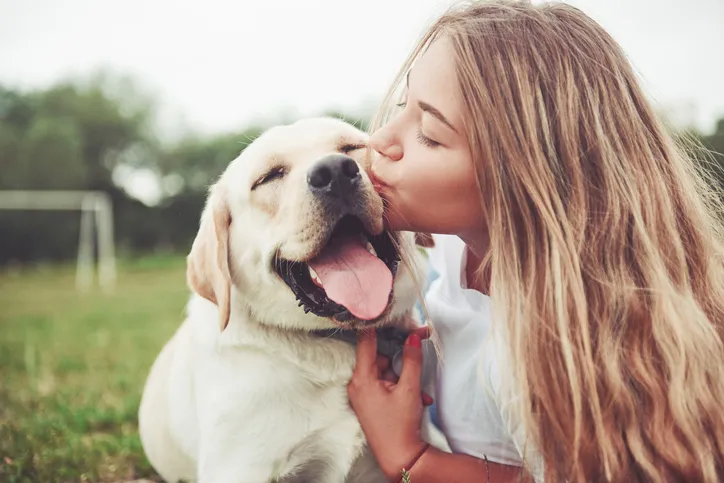
Dogs often approach before tears fall. Changes in breathing and muscle tension signal distress. Comfort begins early. Dogs intervene quietly.
Emotional detection studies link canine responses to physiological cues. Dogs act before visible emotion. Support activates instinctively. Sensitivity is high.
9. If You’re Having a Lazy Day

Dogs know if today is a “lazy” or “active” day. Movement, tone, and speed signal capacity. Expectations adjust. Dogs match pace.
Behavioral adaptability studies show that dogs mirror their owner’s energy. Activity syncs naturally. Resistance fades. Alignment builds trust.
10. When You’re Arguing

Dogs pick up tension without raised voices. Body language and tone shifts matter. Conflict feels loud to them. Stress spreads.
Studies on canine stress responses show that household conflict affects dogs. Calm environments matter. Dogs absorb atmosphere. Silence isn’t neutral.
11. When You’re Faking Being OK
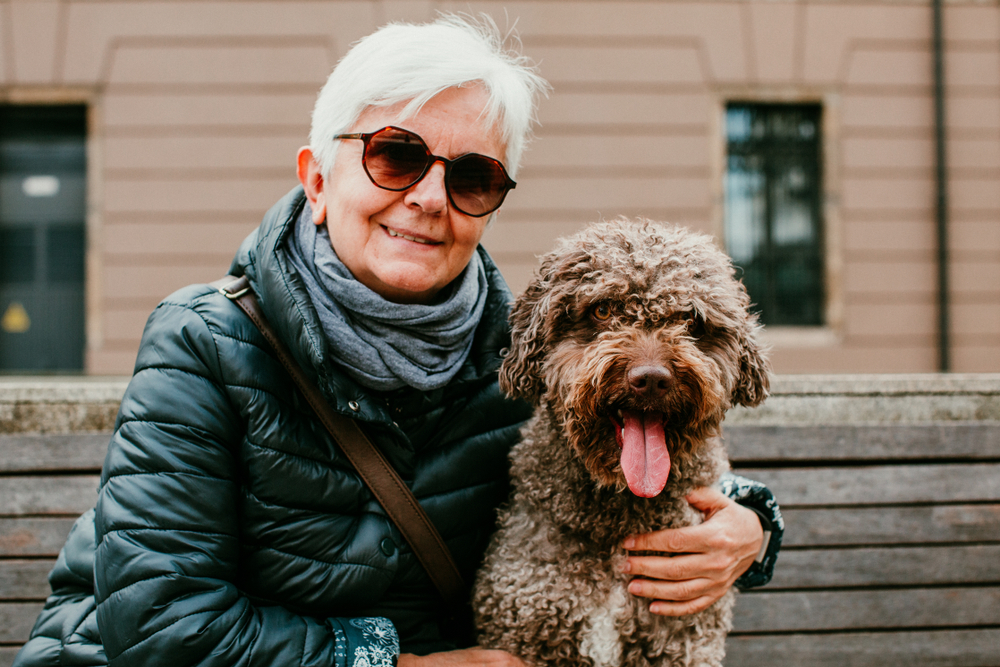
Dogs don’t buy emotional performances. Forced calm feels different from real calm. They sense tension beneath smiles. Pretending doesn’t fool them.
Studies on scent and emotional detection show that dogs register stress hormones. Your body tells the truth. Dogs respond to chemistry. Authenticity matters.
12. Your Attachment Style

Dogs sense availability and responsiveness. Secure owners feel predictable. Inconsistent attention creates anxiety. Dogs adjust their bonding behavior.
Attachment studies show dogs mirror human relational patterns. Emotional availability shapes behavior. Trust builds through consistency. Dogs feel safety.
13. When You Need Comfort

Dogs approach when emotional load rises. They respond to cues you ignore. Comfort doesn’t require invitation. Dogs offer presence.
Research on human-dog bonding shows that dogs initiate support. Emotional attunement is high. Care is instinctual. Dogs know before you do.