
Nature doesn’t operate on sentiment—it operates on survival math. While it’s uncomfortable to acknowledge, some animals kill or abandon their young under specific conditions. These behaviors aren’t cruelty; they’re adaptive responses to stress, scarcity, or threat. Biology doesn’t always align with human instincts.
1. Lions
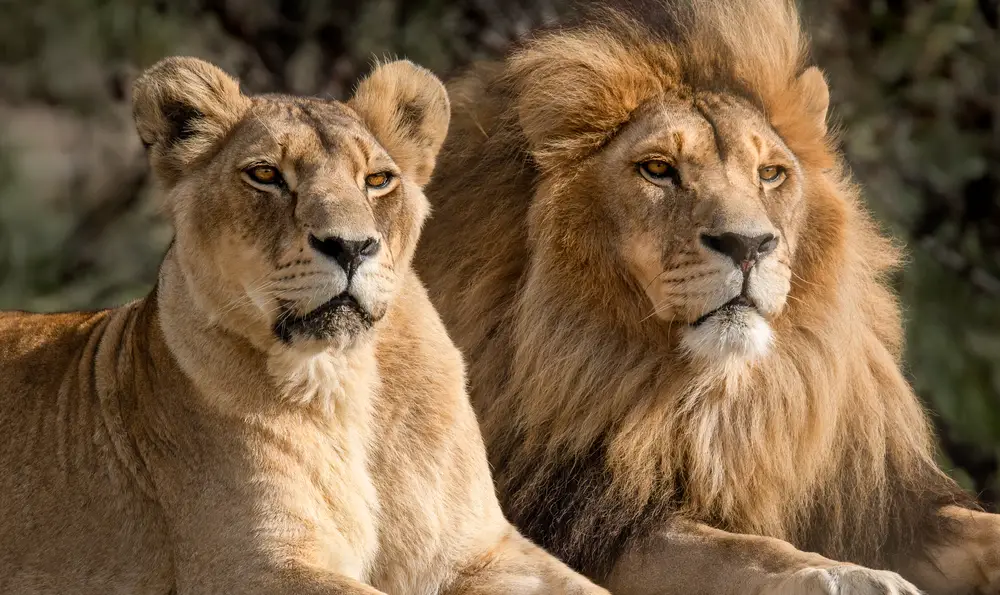
Male lions commonly kill cubs when taking over a pride. This removes the previous male’s genetic line. It forces females back into estrus. Reproduction resets quickly.
Field studies confirm infanticide increases reproductive success. It’s brutal but effective. Genetics drive behavior. Survival outweighs attachment.
2. Rodents

Rodents may consume offspring during extreme stress or food scarcity. Overcrowding increases infanticide rates. Mothers prioritize survival over reproduction. Resources dictate behavior.
Laboratory and field research show stress hormones influence maternal behavior. Survival trumps nurture. Instinct adapts quickly. Harsh conditions change outcomes.
3. Bears
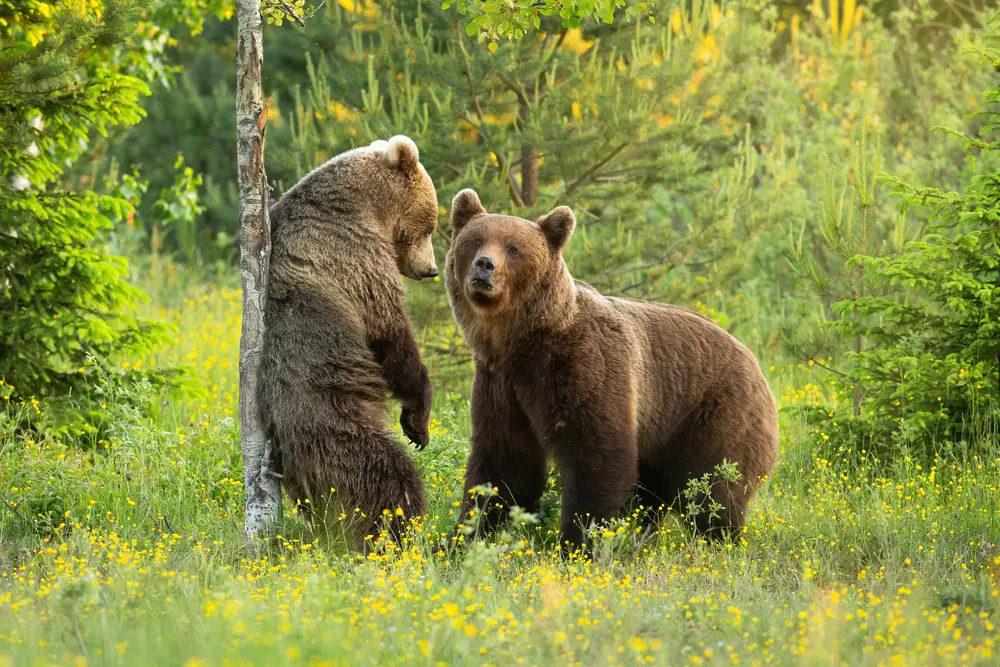
Male bears may kill cubs to eliminate competition. This also triggers mating opportunities. Females sometimes abandon young to survive. Risk reshapes instinct.
Wildlife biology studies document infanticide during mating seasons. Territory pressure increases aggression. Cubs are vulnerable. Nature makes cold calculations.
4. Chickens
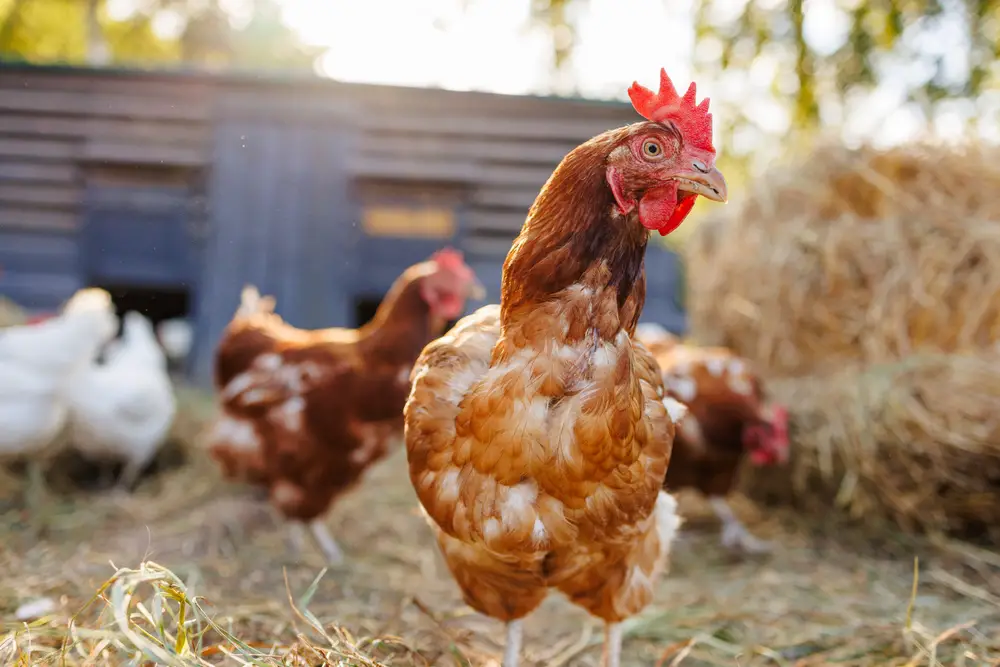
Hens may attack or kill chicks when stressed or overcrowded. Environmental instability disrupts maternal behavior. Hierarchy matters. Safety overrides bonding.
Avian behavior research links stress to maternal breakdown. Domestic settings amplify conflict. Instinct reacts to conditions. Stability matters.
5. Fish
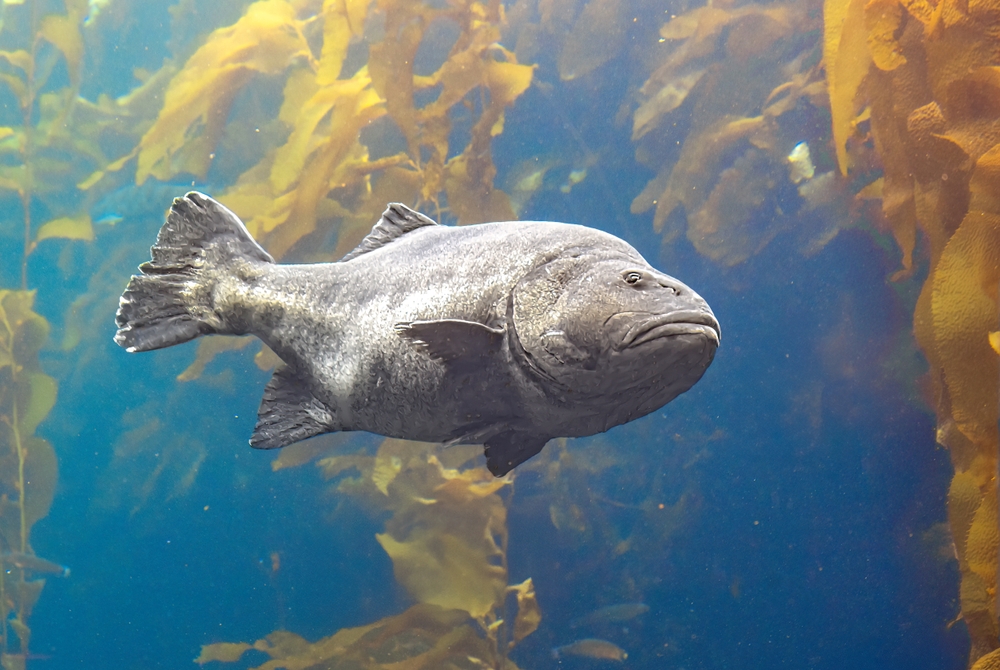
Some fish species consume eggs or fry under pressure. Parental care shifts when survival odds drop. Energy conservation takes priority. Resources are finite.
Marine biology studies show adaptive cannibalism under stress. Reproduction pauses strategically. Survival resets cycles. Nature recalculates.
6. Pigs
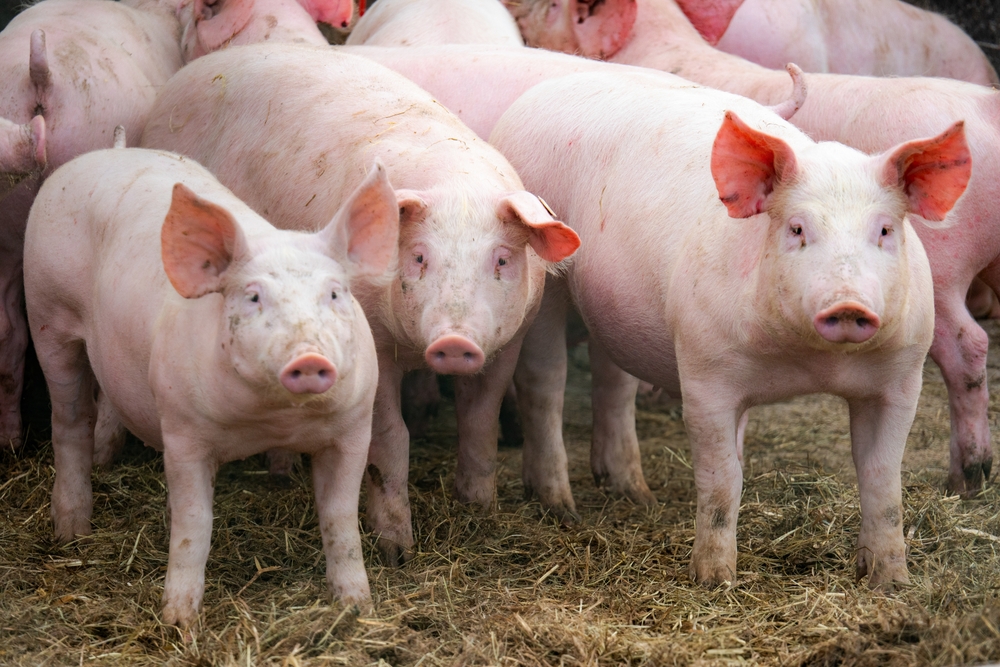
Sows may accidentally or intentionally kill piglets when stressed. Crowding increases risk. Hormonal imbalance plays a role. Environment shapes outcomes.
Agricultural behavior research links space and stress to infanticide. Management affects instinct expression. Conditions matter deeply. Biology responds fast.
7. Rabbits

Rabbits may abandon or kill kits if disturbed. Predation risk alters maternal strategy. Survival favors concealment. Exposure triggers loss.
Zoological studies show abandonment protects remaining offspring. Instinct prioritizes probability. Emotional framing doesn’t apply. Risk assessment rules.
8. Primates
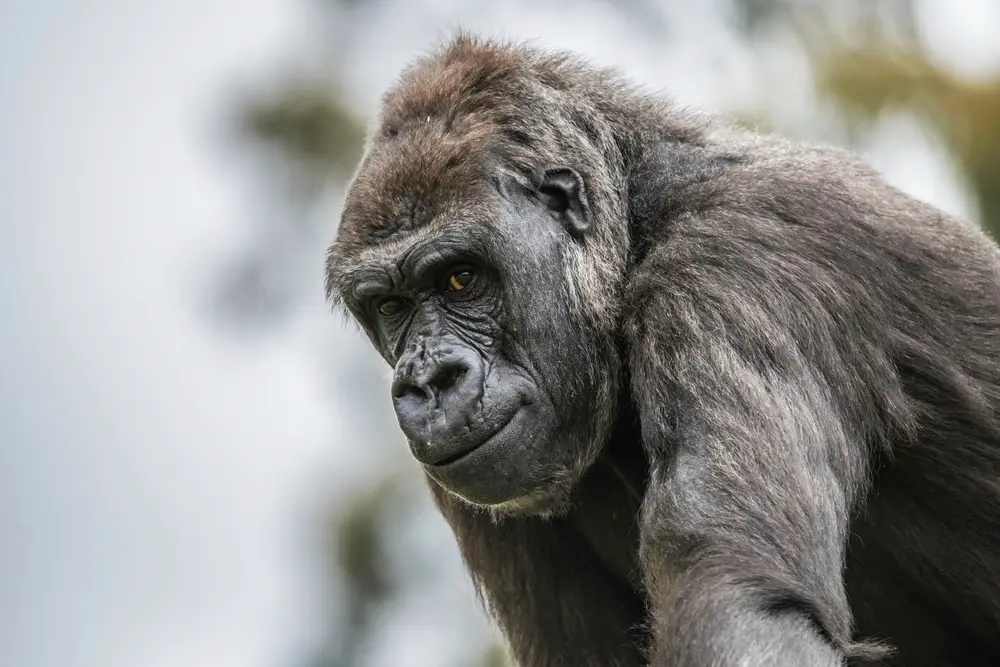
Some primate species exhibit infanticide during social upheaval. Rank changes trigger aggression. Genetics drive competition. Structure dictates safety.
Primatology research documents infanticide during dominance shifts. Stability protects young. Power reshuffles create danger. Hierarchy controls behavior.
9. Birds of Prey

Raptors may kill weaker chicks during food shortages. Brood reduction ensures stronger offspring survive. Resources shape investment. Nature optimizes outcome.
Ornithological studies confirm selective sibling elimination. Harsh seasons demand choices. Survival narrows focus. Efficiency matters.
10. Cats

Feral cats may kill kittens under extreme stress or illness. Weak offspring risk attracting predators. Protection shifts to self-preservation. Harsh environments drive behavior.
Feline behavioral research links environmental threat to maternal withdrawal. Survival math applies. Conditions override attachment. Instinct recalibrates.
11. Dogs

Some dogs kill puppies due to stress, illness, or hormonal imbalance. Domestication doesn’t erase instinct. Environment influences outcomes. Intervention matters.
Veterinary behavior studies identify stress as a trigger. Stability prevents incidents. Biology persists. Care shapes expression.
12. Insects
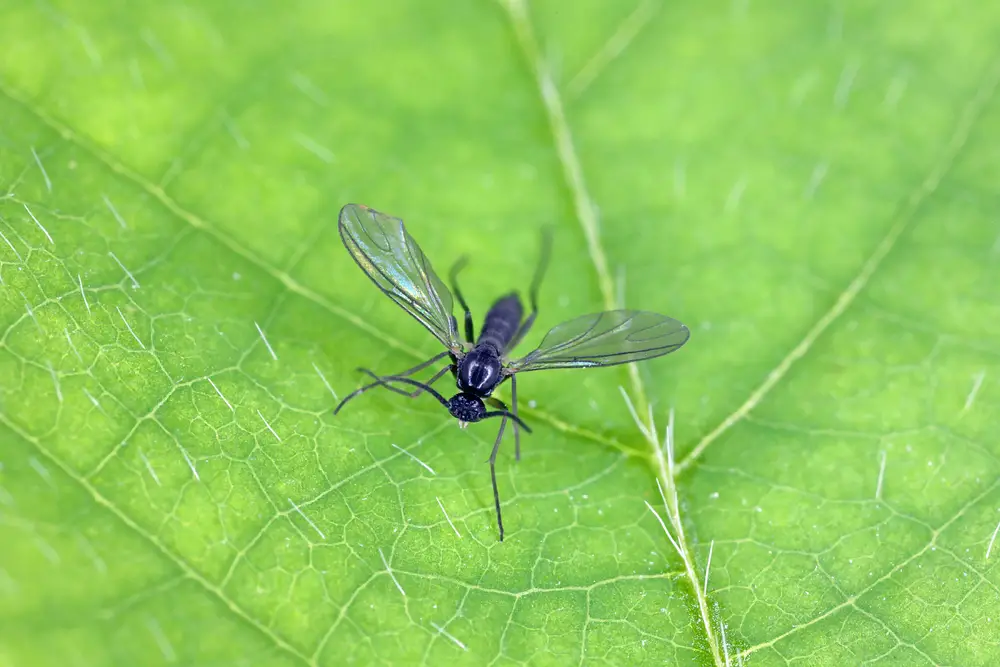
Many insects routinely consume offspring under scarcity. Reproductive output exceeds survival capacity. Cannibalism regulates population. Efficiency dominates.
Entomology research shows adaptive cannibalism increases survival odds. Nature favors balance. Quantity adjusts automatically. Instinct optimizes numbers.