
Wild animals don’t think in moral terms—they think in patterns, movement, and opportunity. What feels neutral or accidental to a human can read as vulnerability or threat to an animal assessing risk. Many dangerous encounters don’t start with aggression but with misinterpretation. These behaviors quietly flip the switch from “ignore” to “pursue.”
1. Turning Your Back

Turning away signals vulnerability in the animal world. Many predators rely on ambush tactics and interpret a turned back as an invitation. Eye contact often keeps animals cautious. Losing visual awareness shifts the balance.
Wildlife behavior research shows predators assess attention before acting. Facing an animal communicates alertness. Turning away removes uncertainty. The prey response activates fast.
2. Running Suddenly

Fast movement triggers chase instincts across species. Animals don’t evaluate intent—they react to motion. Running confirms prey behavior even if the animal wasn’t hunting. Instinct overrides curiosity.
Predator-response studies show speed escalation follows sudden movement. Calm retreat reduces risk. Running creates clarity where hesitation once existed. The decision gets made for them.
3. Unpredictable Movement

Unpredictable motion mimics injured or panicked prey. Animals key in on imbalance and lack of coordination. Erratic movement raises urgency. Stability matters more than size.
Ethology research links irregular movement to predatory focus. Smooth, controlled motion signals competence. Panic increases perceived weakness. Animals respond accordingly.
4. Being Isolated

Solo individuals are easier targets than groups. Predators often avoid clusters due to increased risk. Isolation simplifies decision-making. One target means fewer variables.
Wildlife observation data shows group presence deters attacks. Solitary humans resemble lone prey animals. Numbers communicate resistance. Alone feels manageable.
5. Crouching Down

Lowering your height changes how animals assess size and dominance. Crouching can resemble feeding or injury behavior. Height matters in threat evaluation. Smaller feels safer to approach.
Animal perception studies show that vertical posture influences aggression. Standing tall creates hesitation. Crouching removes intimidation. Size becomes negotiable.
6. Wearing Bright Colors

Bright or contrasting clothing draws attention in natural environments. Movement paired with color increases visibility. Some animals key in visually before behavior matters. Blending reduces focus.
Vision research in predators shows contrast sensitivity is high. Neutral tones reduce notice. Standing out invites assessment. Visibility precedes danger.
7. Making High-Pitched Sounds

High-frequency noises resemble distress signals. Many animals associate them with vulnerable prey. Shouting or squealing escalates interest. Tone matters as much as volume.
Bioacoustic studies link pitch to predatory attention. Lower, steady voices deter approach. High sounds activate instinct. Communication misfires quickly.
8. Carrying Food

Food odors collapse the boundary between humans and resources. Animals assess you as an opportunity rather than a presence. Smell overrides caution. Curiosity becomes intent.
Olfactory research indicates that scent elicits behavioral responses more rapidly than sight. Food equals value. Humans become part of the environment. Boundaries blur.
9. Ignoring Warning Signals
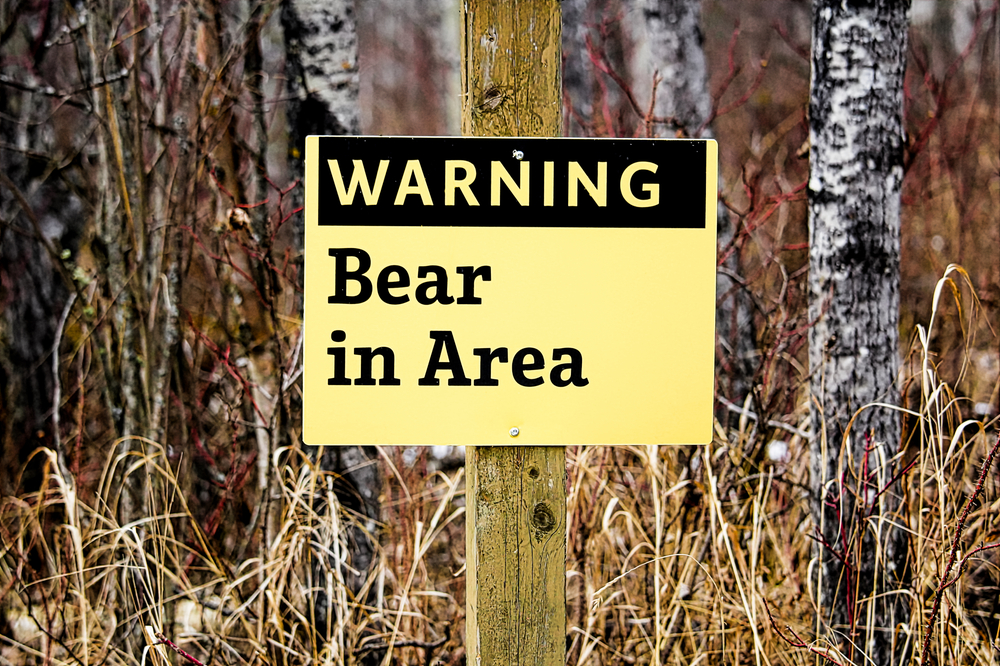
Animals often give subtle warnings before escalating. Growling, pacing, or posture shifts are signals. Ignoring them removes the chance to disengage. Silence doesn’t mean safety.
Behavioral studies emphasize escalation patterns. Respecting warnings prevents attacks. Dismissal invites follow-through. Animals communicate before acting.
10. Blocking an Escape Route

Cornered animals are more likely to attack. Blocking exits turns defense into offense. Animals react strongly to perceived traps. Space equals safety.
Wildlife incident reports show attacks increase when escape is limited. Giving space reduces aggression. Pressure forces decisions. Animals choose survival.
11. Staring Intently

Prolonged staring can be read as a challenge. Some animals interpret it as dominance testing. Assessment shifts to confrontation. Intent becomes assumed.
Animal communication research highlights gaze sensitivity. Brief awareness works better than fixation. Staring escalates tension. Subtlety matters.
12. Approaching Their Young
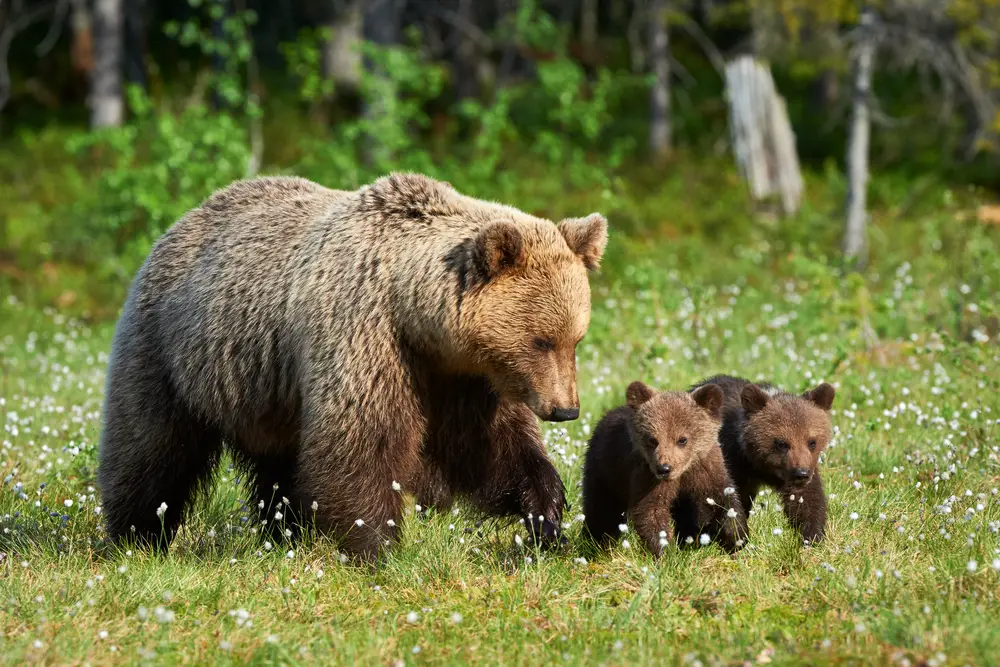
Young animals attract protection, not curiosity. Adults interpret the approach as a threat. Defense activates immediately. Innocence doesn’t override instinct.
Maternal behavior studies show heightened aggression near offspring. Distance prevents conflict. Curiosity feels invasive. Protection comes first.
13. Wearing Reflective Gear

Shiny surfaces create visual disruption. Reflection mimics movement or eye contact. Some animals fixate on light flashes. Confusion increases attention.
Vision-response studies show reflective stimuli raise alertness. Dull surfaces reduce engagement. Shine invites scrutiny. Attention precedes action.
14. Acting Too Confident

False confidence lacks adaptive response. Animals sense a disconnect between posture and behavior. Overconfidence without awareness reads as ignorance. That’s exploitable.
Behavioral ecology research links assessment to response accuracy. Calm awareness deters action. Blind confidence doesn’t. Perception matters more than bravado.