
Human structures are often designed to dominate landscapes, but nature plays a longer game. Abandonment, climate shifts, and neglect give ecosystems the opening they need. Plants, animals, and water don’t destroy—they replace. These structures show how quickly control fades.
1. Abandoned Coastal Resorts
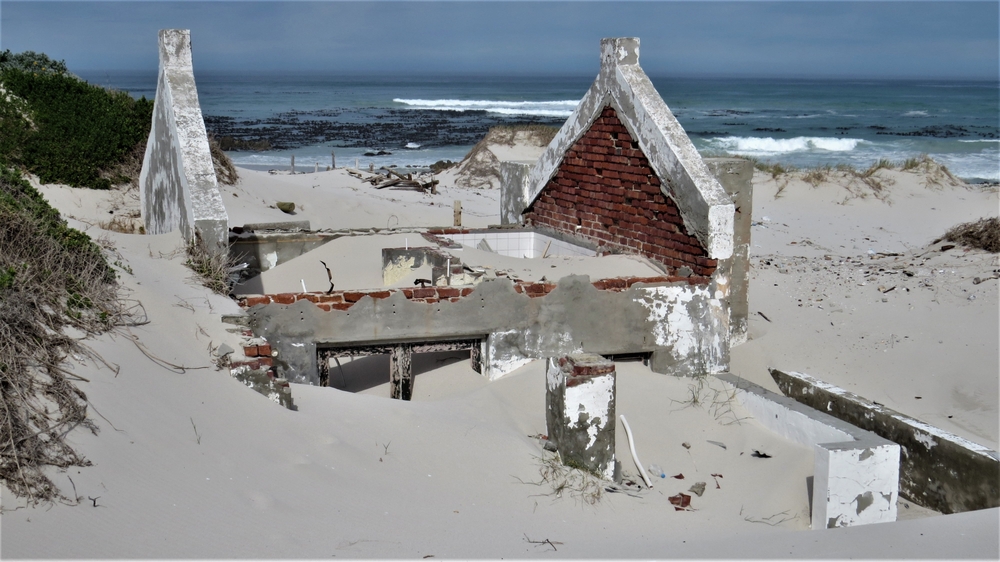
Coastal resorts left vacant are rapidly overtaken by salt, sand, and vegetation. Ocean spray corrodes metal while dunes migrate inland. What once symbolized luxury becomes habitat. Nature exploits every structural weakness.
Environmental decay studies show coastal erosion accelerates without maintenance. Saltwater is relentless. Plants anchor themselves into cracks. The shoreline always wins.
2. Deserted Rail Lines
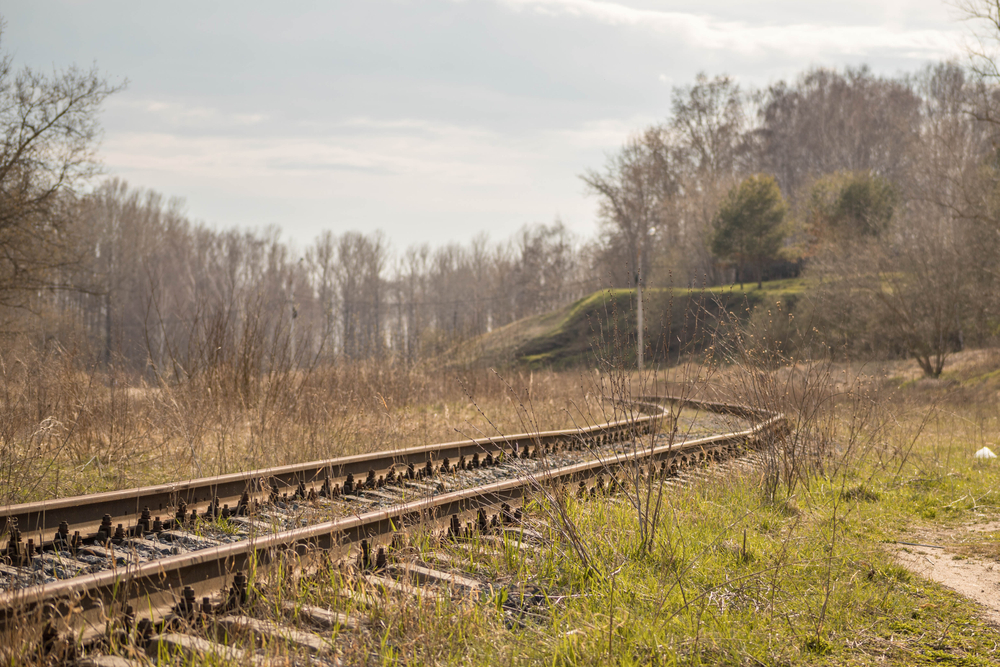
Unused railways quickly disappear beneath grass and roots. Steel warps under temperature shifts. Wildlife adopts corridors humans abandoned. Infrastructure fades into the landscape.
Urban ecology research shows linear structures become wildlife pathways. Maintenance delays speed collapse. Nature thrives in human absence. Rail lines become greenways.
3. Flooded Mining Towns
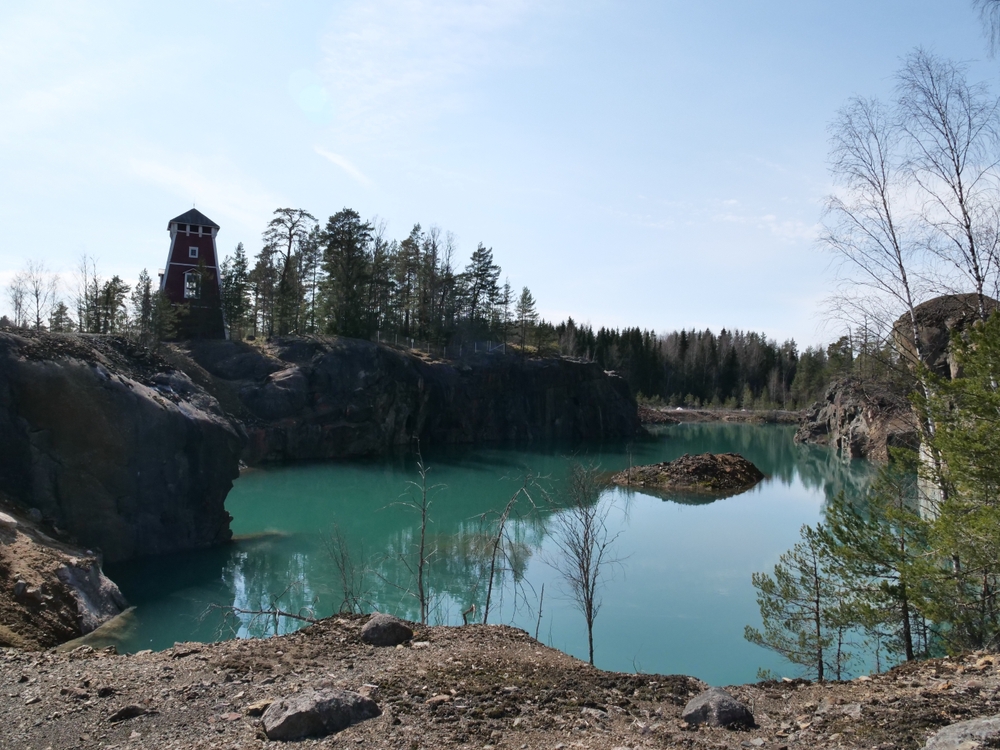
Water fills pits, streets, and basements when pumps stop running. Aquatic ecosystems form where industry once thrived. Buildings rot below the surface. Entire towns vanish quietly.
Hydrological studies document rapid ecosystem formation in flooded zones. Water reclaims space efficiently. Decay accelerates underwater. Industry leaves scars that nature softens.
4. Abandoned Amusement Parks
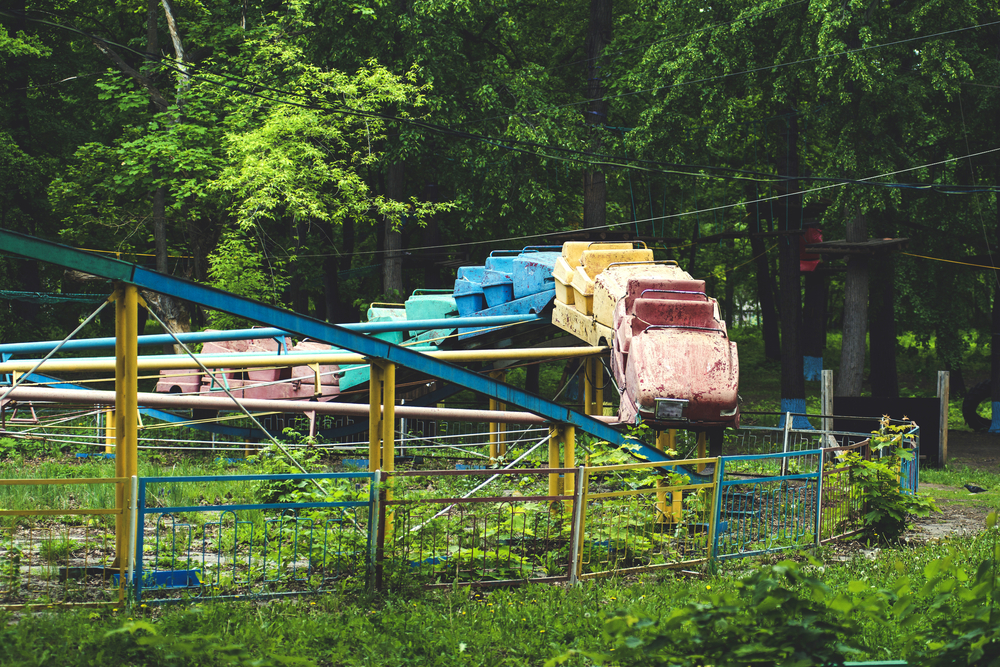
Rides rust while vines climb structures designed for joy. Wildlife nests in ticket booths and concession stands. Bright colors fade under moss. Silence replaces noise.
Urban decay research shows rapid biodiversity growth in unused spaces. Animals adapt faster than humans expect. Infrastructure becomes shelter. Entertainment yields to ecology.
5. Crumbling Dams
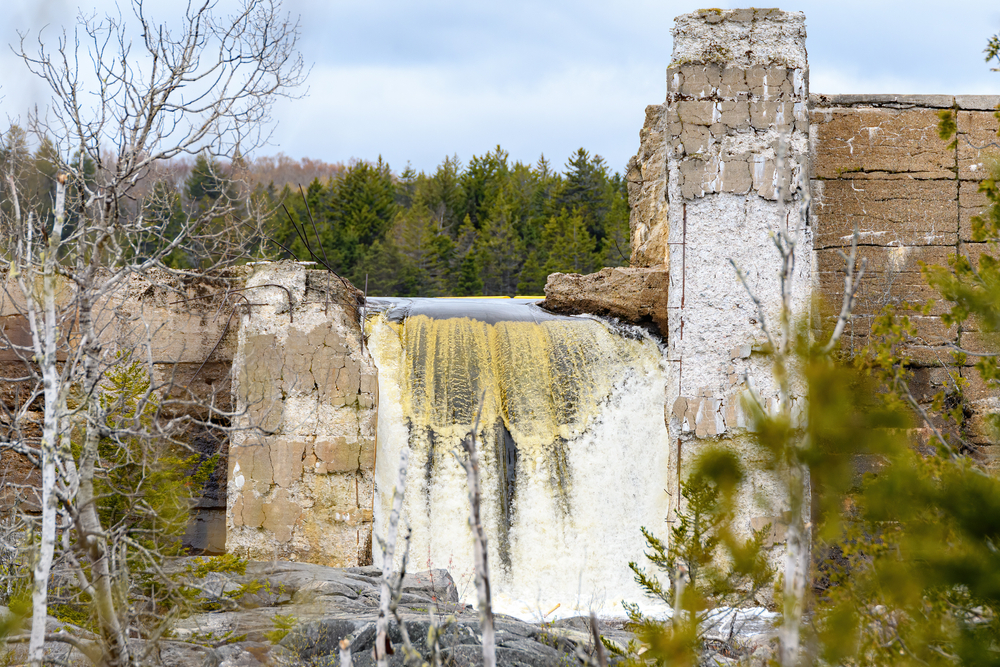
Aging dams crack under sediment pressure and weathering. Rivers push persistently against barriers. Vegetation grows through concrete fractures. Water eventually reasserts flow.
Civil engineering studies warn of natural stress accumulation. Maintenance delays increase failure risk. Rivers remember original paths. Nature applies pressure patiently.
6. Forgotten Farmland
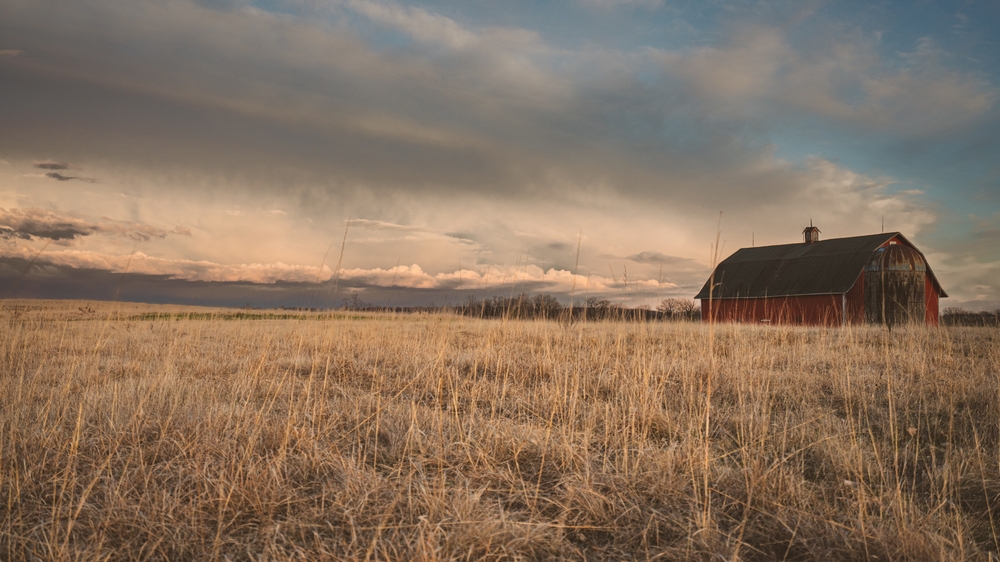
Fields revert to forests when cultivation stops. Invasive species arrive first, followed by native growth. Soil heals gradually. Agricultural lines blur into wilderness.
Rewilding research shows rapid plant succession in abandoned fields. Biodiversity rebounds quickly. Human order dissolves. Nature resumes balance.
7. Crumbling Urban Buildings
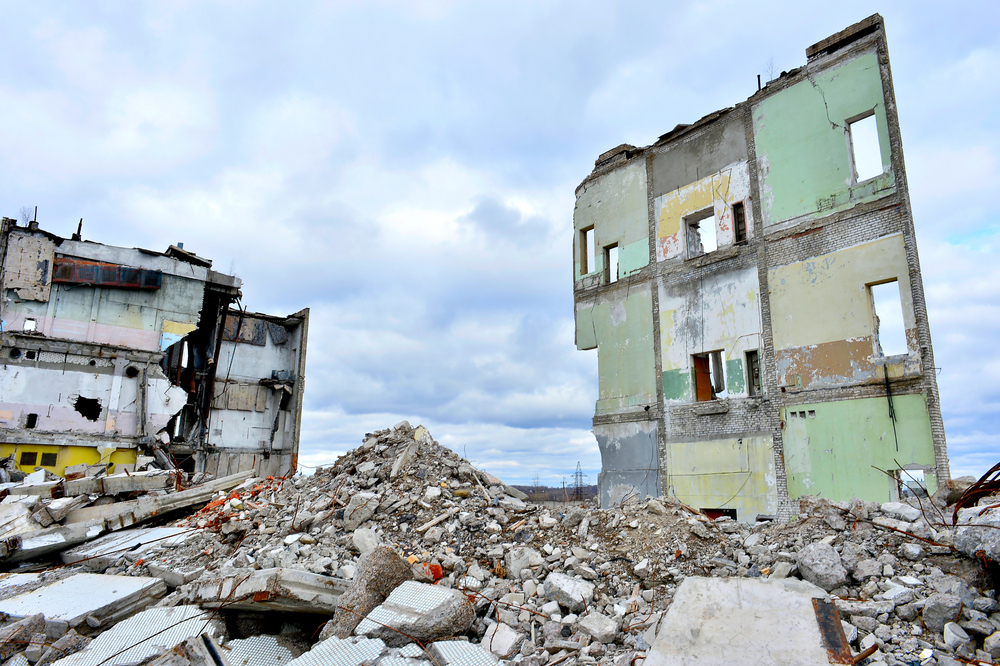
Rain infiltration into roofs weakens internal structures. Plants root in walls and stairwells. Birds and rodents move in. Cities develop wild interiors.
Urban ecology studies highlight wildlife adaptation to vacant buildings. Nature exploits neglect. Infrastructure becomes an ecosystem. Decay invites life.
8. Sunken Warships
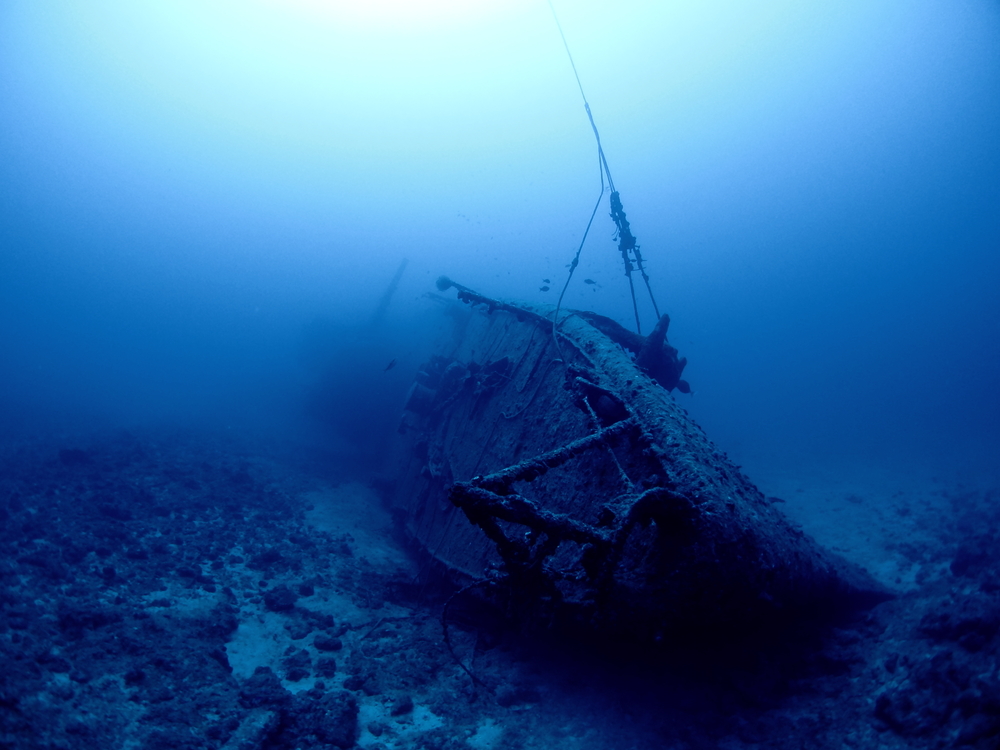
Ships become artificial reefs over time. Coral grows across steel hulls. Fish populations thrive. Instruments of conflict turn into habitats.
Marine biology research confirms rapid colonization of wrecks. Nature repurposes destruction. Life builds on loss. Oceans transform debris.
9. Overgrown Highways
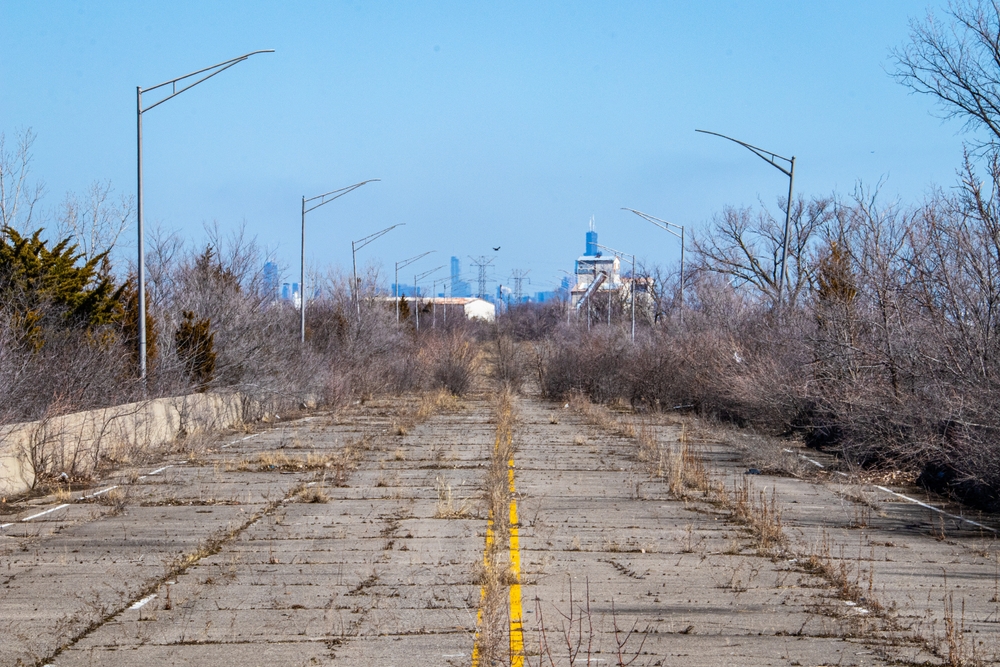
Unused highways crack under root pressure. Asphalt breaks apart slowly. Grass and trees reclaim lanes. Transportation routes vanish.
Environmental impact studies show vegetation accelerates pavement decay. Maintenance prevents takeover. Abandonment invites growth. Roads surrender quietly.
10. Drained Reservoirs
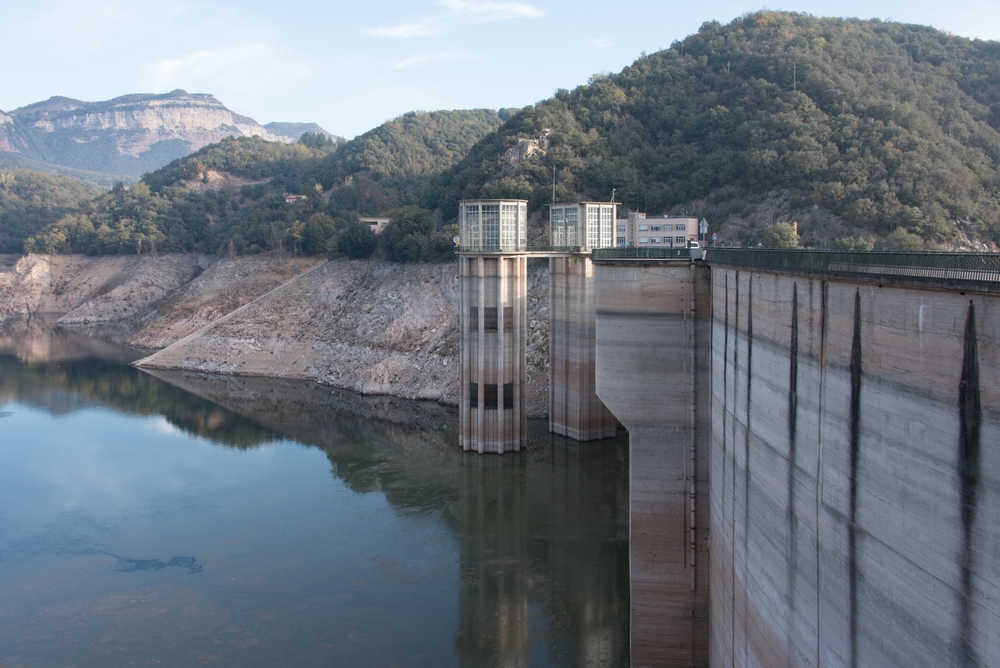
When reservoirs dry, landscapes re-emerge altered. Old structures surface briefly before erosion resumes. Plant life returns fast. Water dictates timelines.
Hydrology research shows rapid sediment redistribution. Nature reshapes exposed ground. Human planning fades. Water decides memory.
11. Deserted Island Settlements
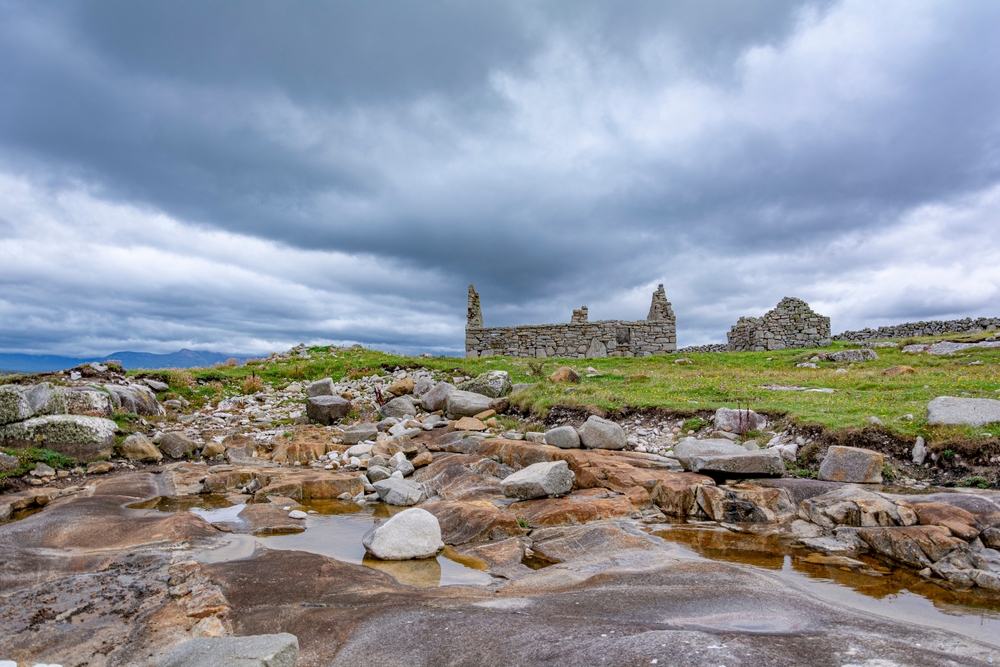
Storms dismantle coastal structures over time. Salt air weakens materials. Vegetation spreads across foundations. Islands forget humans quickly.
Climate studies highlight the vulnerability of island infrastructure. Maintenance is everything. Nature advances without resistance. Isolation accelerates decay.
12. Inactive Industrial Sites
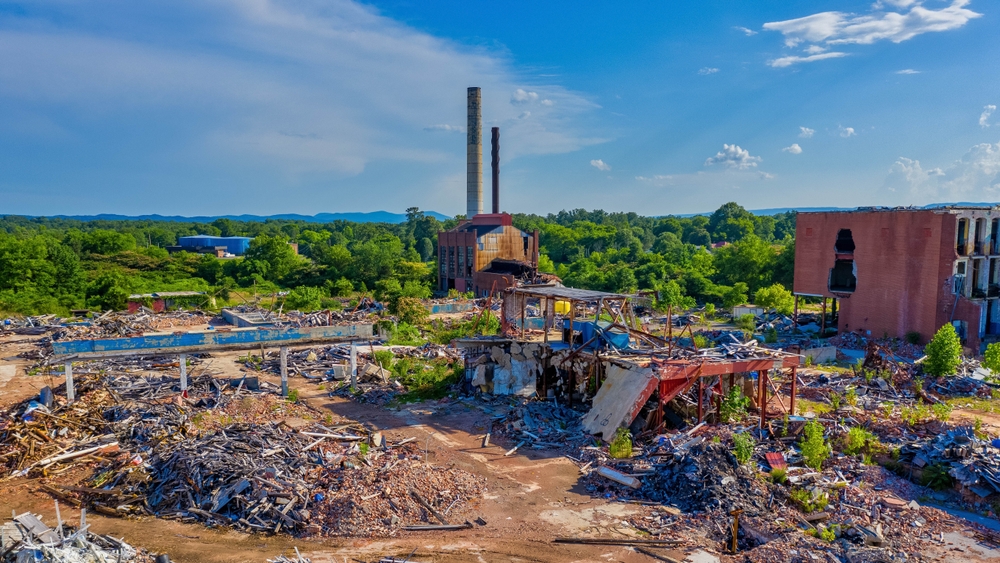
Factories collapse when operations cease. Chemical residues break down. Plants infiltrate machinery. Wildlife adapts to contamination.
Environmental recovery studies show ecosystems rebound even in polluted zones. Nature works unevenly but persistently. Industry pauses. Life continues.