
Running feels instinctive when fear hits, but in the animal world, it’s often the worst possible move. Many animals are hardwired to chase, assess weakness, or escalate when prey flees. What humans read as survival behavior can look like an invitation to attack. These situations show exactly why bolting can turn danger into disaster.
1. Encountering a Bear at Close Range
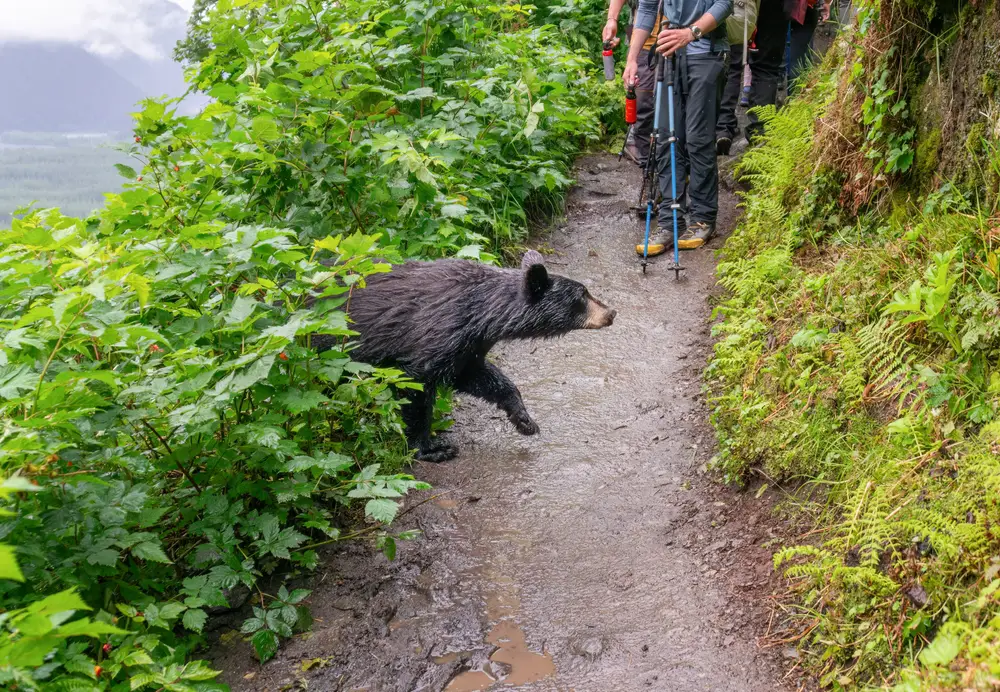
Running from a bear can trigger an immediate chase response, even if the animal wasn’t initially aggressive. Bears can sprint faster than most humans for short distances, especially when startled. Sudden movement signals panic and weakness rather than retreat. What might have been a tense standoff can turn into a full pursuit.
Wildlife research shows bears often react defensively rather than in a predatory manner in surprise encounters. Standing your ground, speaking calmly, and backing away slowly reduces escalation. Running removes all signals of control or awareness. Once a bear commits to chasing, the outcome becomes unpredictable.
2. Locking Eyes With a Mountain Lion
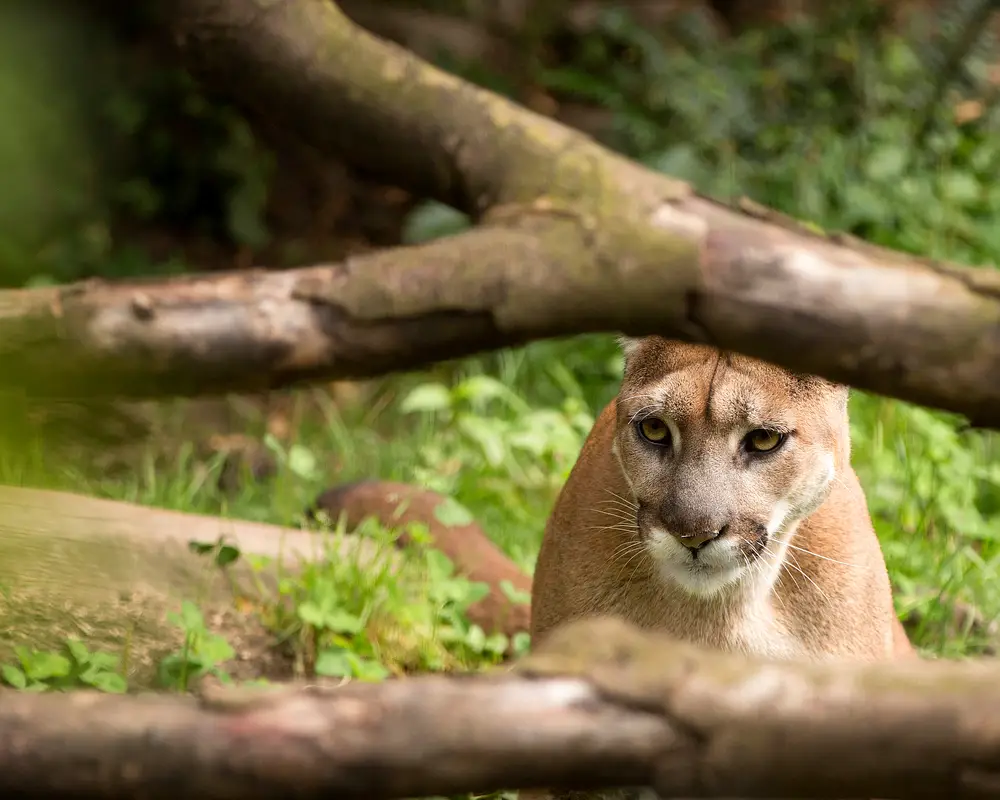
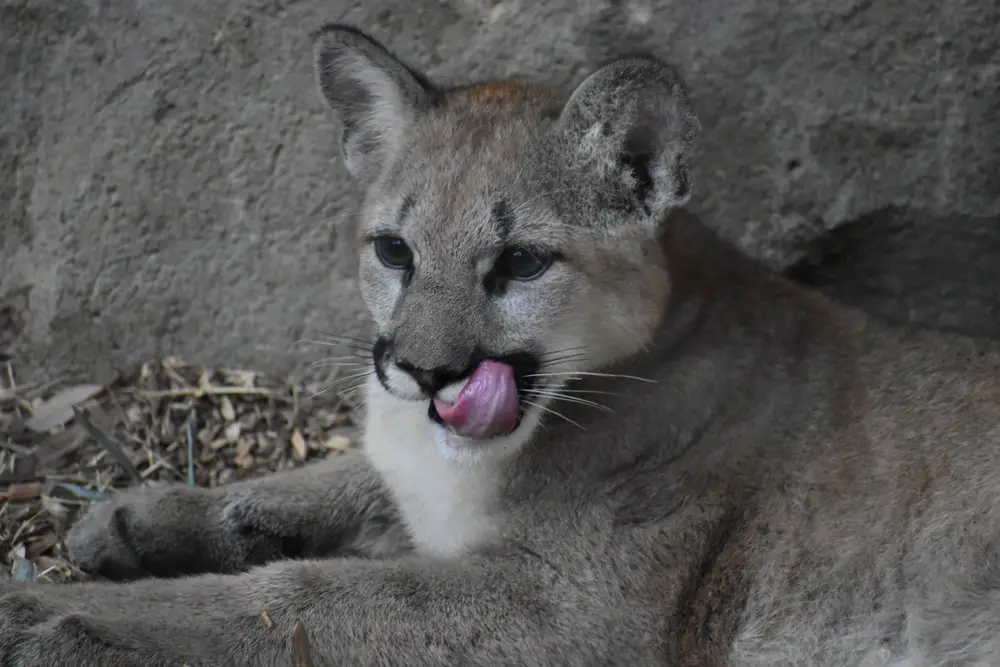
Mountain lions rely heavily on ambush instincts, and running confirms you as prey. Turning your back and fleeing removes the one thing keeping them cautious: your awareness. These cats are designed to attack from behind with explosive force. A calm exit becomes a chase scenario instantly.
Studies on big cat behavior show that sustained eye contact communicates strength and alertness. Backing away slowly keeps the predator uncertain. Running flips the dynamic from assessment to action. The danger spikes the moment movement looks panicked.
3. Crossing Paths With a Moose
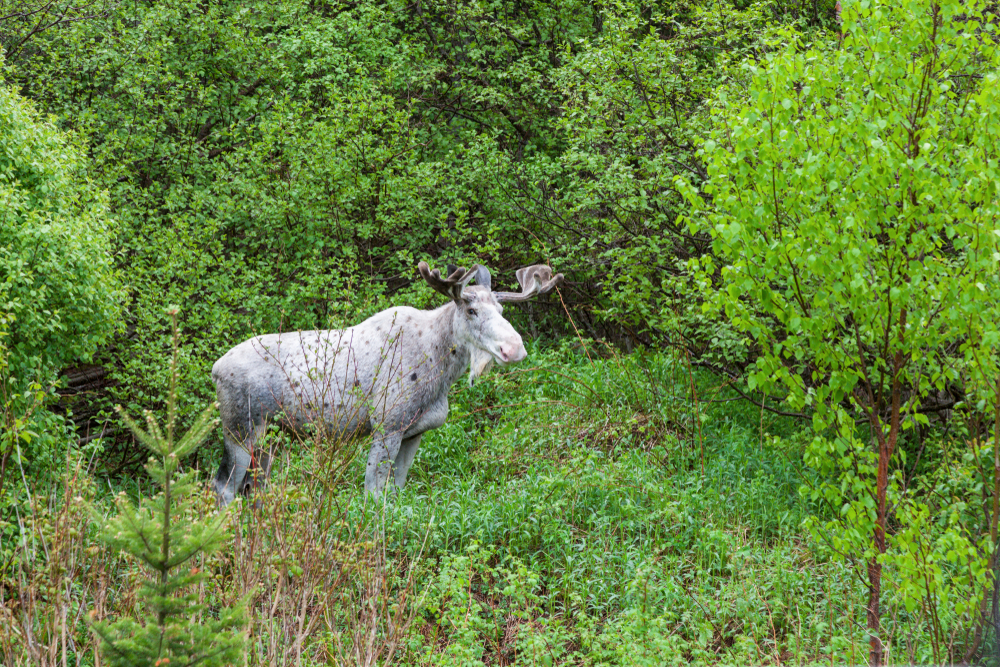
Moose look awkward and slow, but they are extremely territorial and fast when threatened. Running can provoke a charge rather than end the encounter. Moose often perceive fleeing as competition or defiance. Their size makes even a brief charge dangerous.
Wildlife incident reports show moose-related injuries often involve people attempting to flee. Slow retreat behind cover is safer than sudden motion. Running keeps you in their line of sight longer. The illusion of escape can escalate aggression.
4. Getting Too Close to a Protective Mother
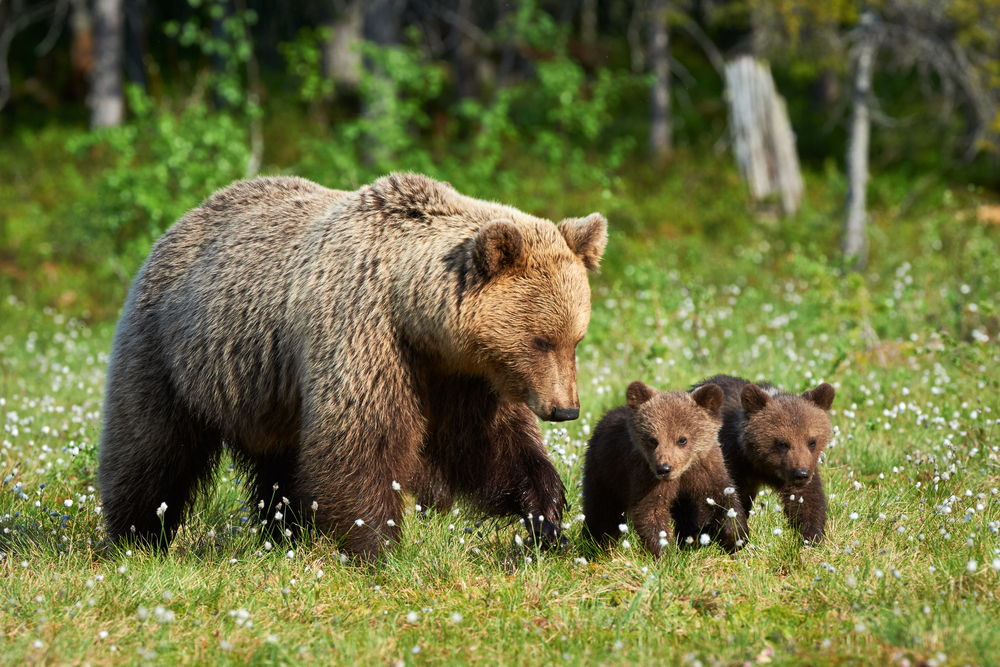
Many animals become hyper-aggressive when defending offspring, regardless of species. Running may be interpreted as an attempt to lure or distract rather than disengage. Mothers often chase to try to neutralize perceived threats completely. Calm withdrawal reduces perceived danger.
Ethology studies emphasize maternal defense as one of the strongest animal motivators. Sudden movement increases alarm signals. Standing still or backing away minimizes escalation. Panic-driven flight prolongs the threat.
5. Surprising a Wild Boar
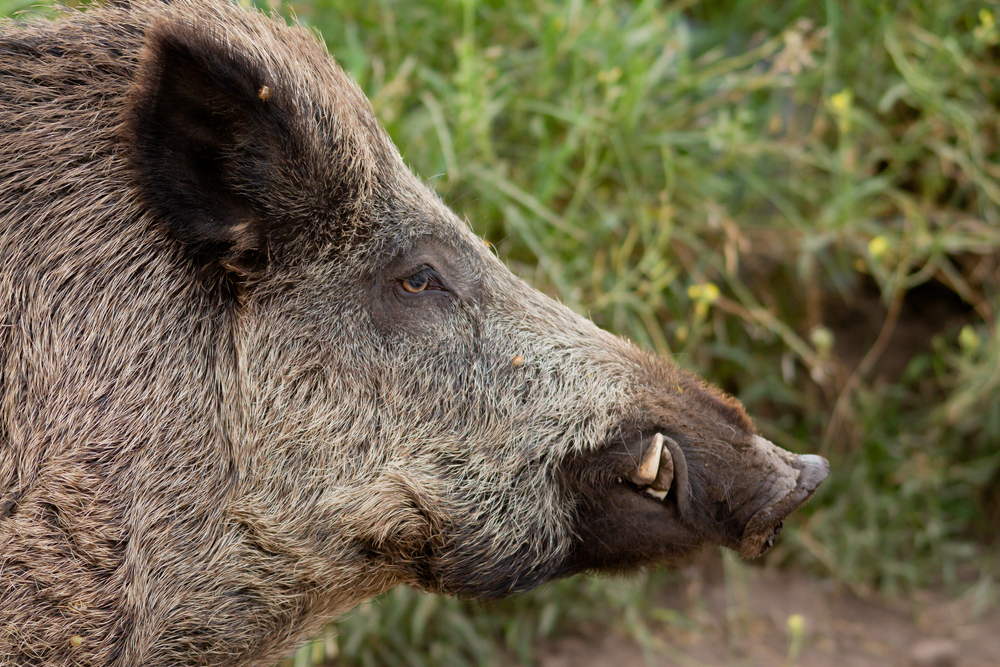
Boars respond aggressively when startled, especially if they feel cornered. Running can provoke a direct charge rather than avoidance. Their speed and tusks make close encounters extremely dangerous. Boars don’t bluff when they attack.
European wildlife safety data shows many boar injuries involve sudden human movement. Calm, lateral retreat reduces pressure. Running narrows escape options. The chase instinct activates quickly.
6. Coming Face to Face with a Herd Animal
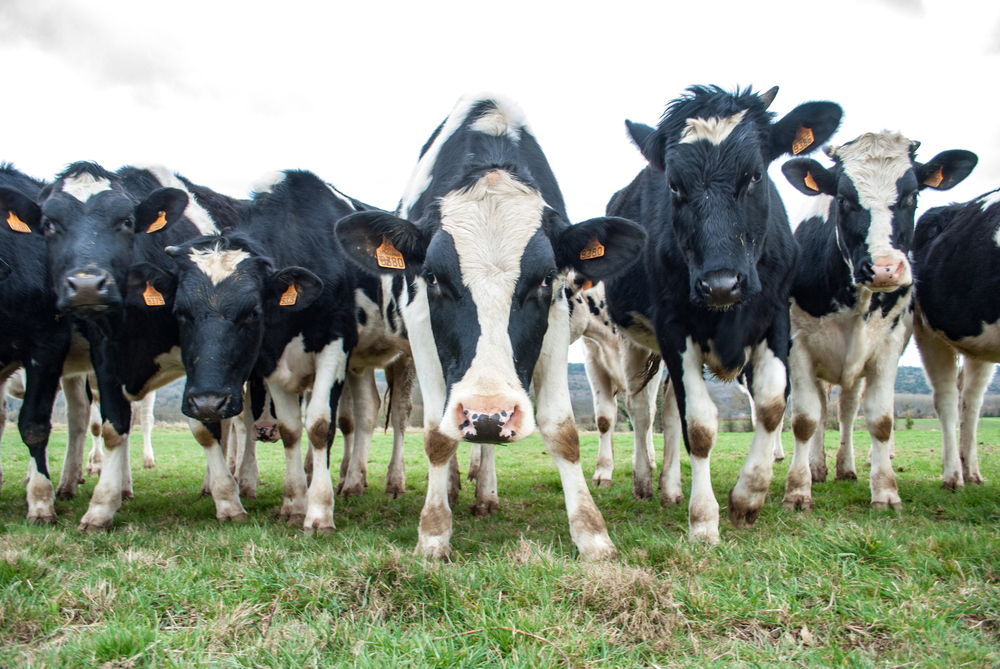
Herd animals rely on collective defense, not flight, when threatened. Running can trigger a group response instead of dispersal. Large animals like bison or cattle can trample without intending harm. Panic spreads fast through groups.
Animal behavior research shows herd responses escalate when one member charges. Slow disengagement prevents collective movement. Running adds chaos to an already tense dynamic. The danger multiplies with numbers.
7. Facing a Territorial Dog
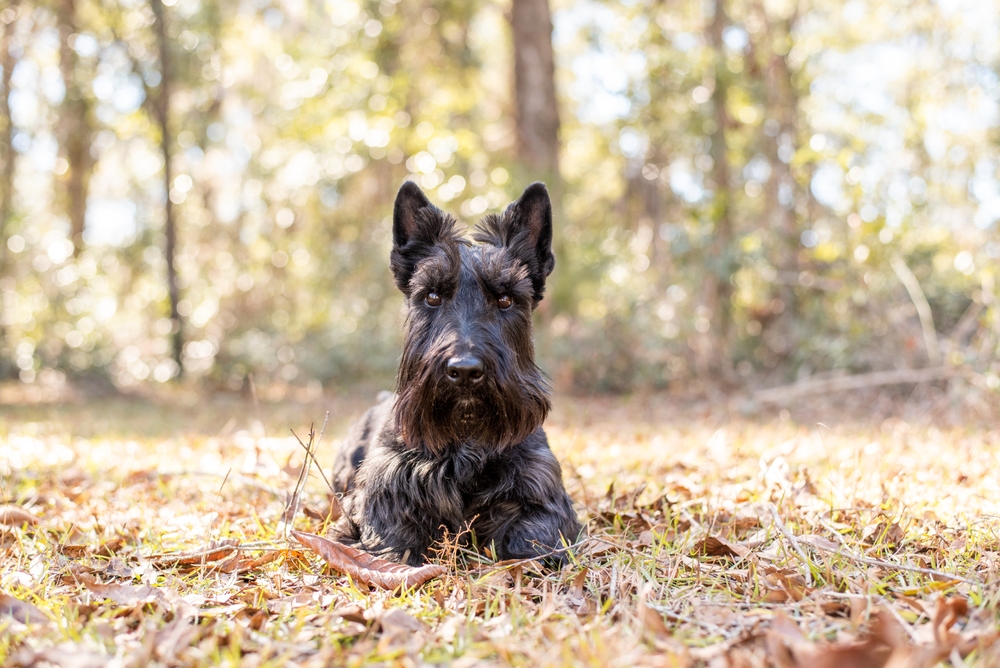
Dogs often chase fleeing objects instinctively, regardless of intent. Running reinforces prey behavior and escalates aggression. Many bites occur after the person attempts to flee. Calm posture interrupts the chase response.
Canine behavior studies emphasize stillness and avoidance of sudden movement. Standing sideways reduces threat perception. Running triggers pursuit instincts. The animal reacts before logic engages.
8. Seeing a Snake at Close Range
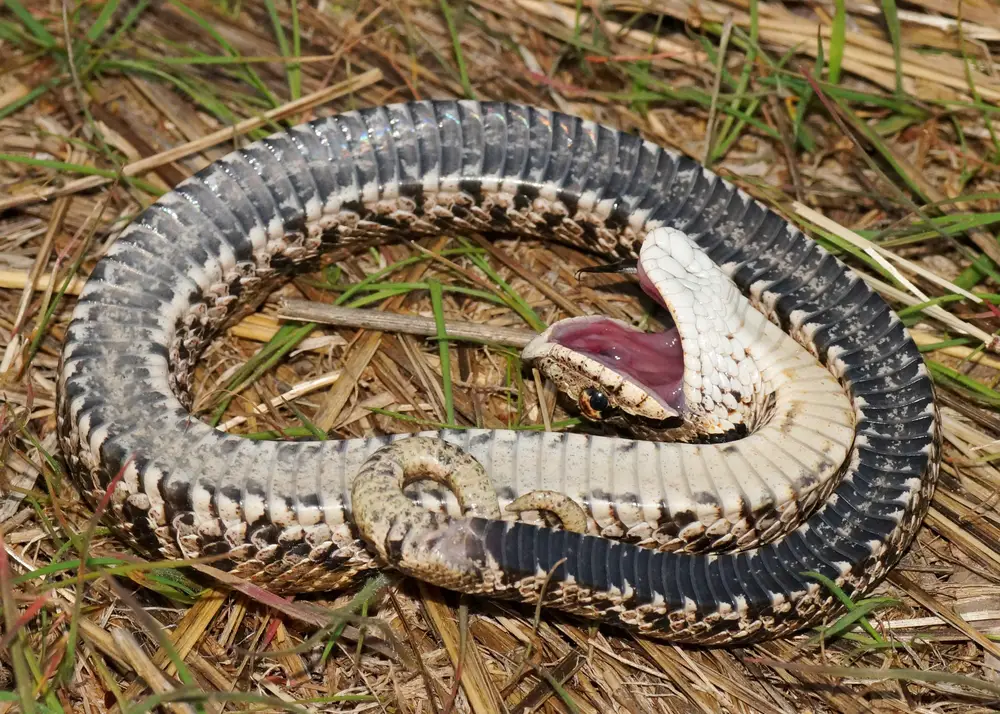
Most snakes strike defensively when startled, not when chased. Running increases vibration and movement that draws attention. Quick motion can place your feet directly into danger. Staying still allows the snake to disengage.
Herpetology research shows snakes prefer avoidance over confrontation. Sudden movement feels threatening. Calm repositioning reduces strike likelihood. Panic creates unnecessary risk.
9. Encountering a Territorial Bird
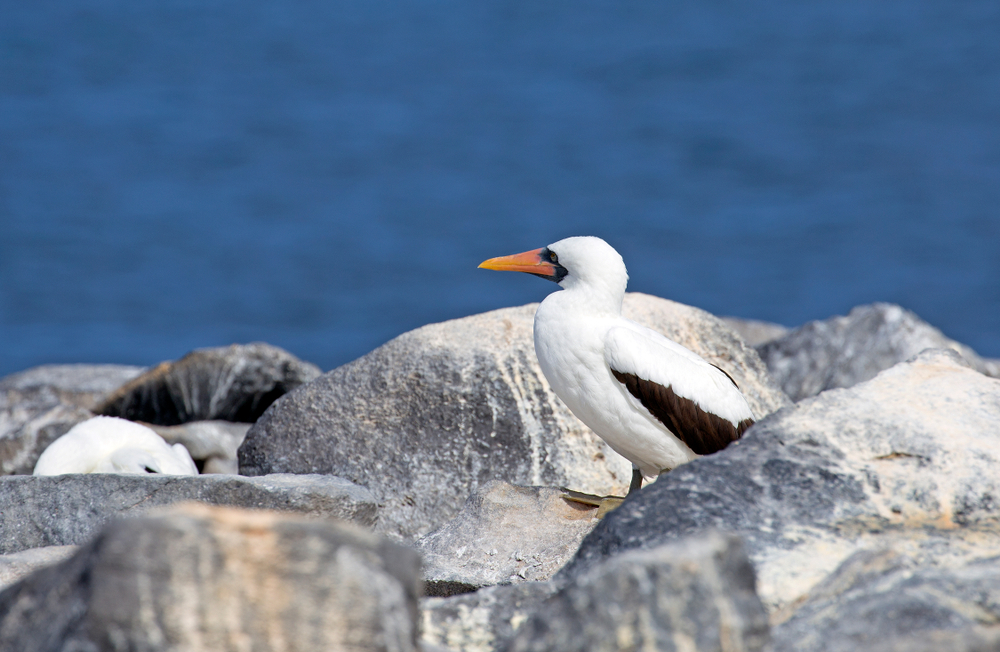
Some birds aggressively defend nesting areas, especially during breeding season. Running invites aerial pursuit rather than retreat. Birds interpret flight as intrusion rather than exit. The attack often continues until the distance increases.
Avian behavior studies show that slow withdrawal reduces dive-bombing. Sudden motion prolongs the response. Birds protect space, not ego. Running misunderstands the trigger.
10. Being Approached by a Curious Predator

Curiosity doesn’t equal aggression, but running turns interest into pursuit. Predators assess reactions carefully before acting. Sudden flight removes hesitation. Calm posture preserves uncertainty.
Wildlife observation reports note predators often disengage when prey doesn’t flee. Movement communicates vulnerability. Running accelerates decision-making. Calm delays it.
11. Encountering an Animal on a Narrow Path
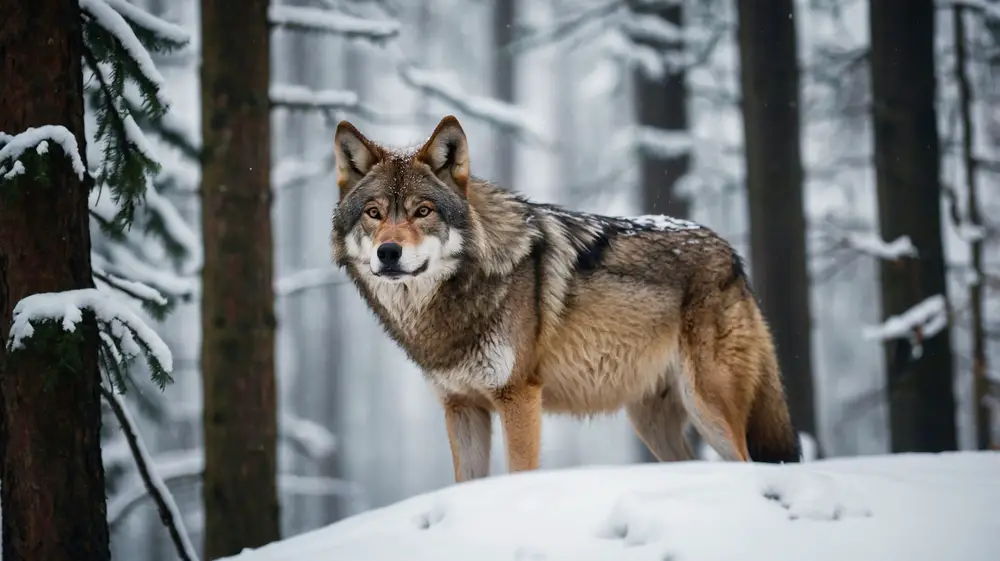
Limited escape routes increase danger when movement becomes chaotic. Running can force you deeper into restricted terrain. Animals react defensively when space feels compromised. Slow retreat keeps options open.
Trail incident analysis shows injuries rise in confined encounters. Calm positioning matters more than speed. Running removes situational control. The environment becomes part of the threat.
12. Interrupting an Animal During Feeding
Animals’ feeding is highly sensitive to perceived competition. Running can be interpreted as a challenge rather than retreat. Food aggression escalates quickly. Calm distance reduces conflict.
Behavioral ecology research links feeding aggression to misinterpreted cues. Sudden movement heightens alertness. Backing away maintains neutrality. Panic signals competition.
13. Encountering Wildlife at Night
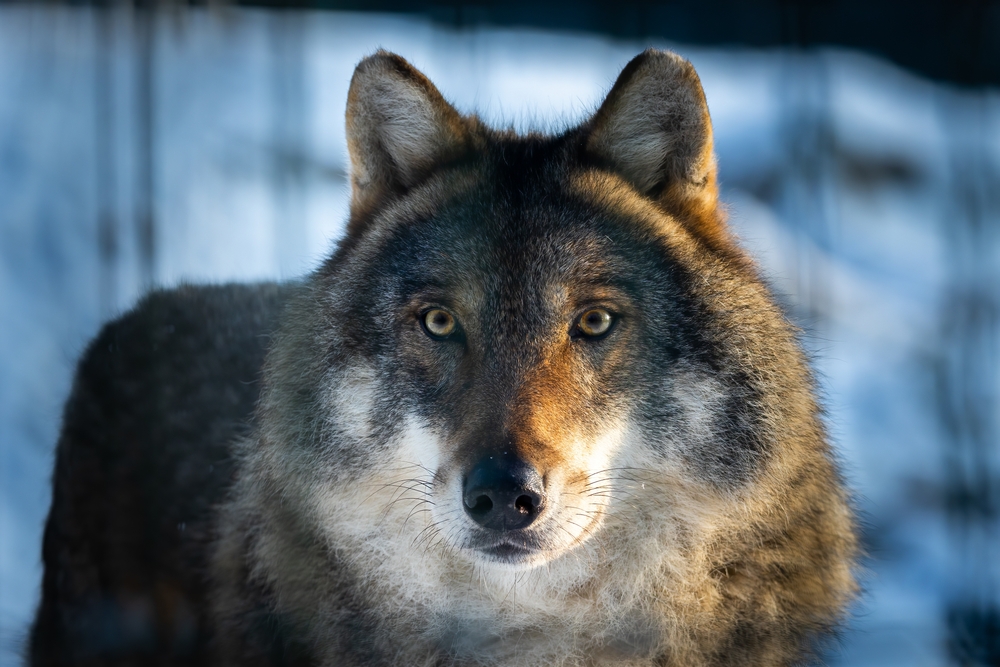
Low visibility increases misinterpretation of movement. Running creates noise and erratic signals. Animals rely more on sound and vibration in darkness. Calm stillness prevents escalation.
Studies of nocturnal behavior indicate that animals are more reactive at night. Sudden motion feels threatening. Controlled movement reduces attention. Darkness magnifies mistakes.