Not all danger announces itself with teeth and claws. Some of the most harmful animals appear slow, gentle, or even cute at first glance. Their threat comes from strength, toxins, defensive instincts, or sheer unpredictability rather than obvious aggression. These animals are reminders that appearances can be deeply misleading.
1. Sloths
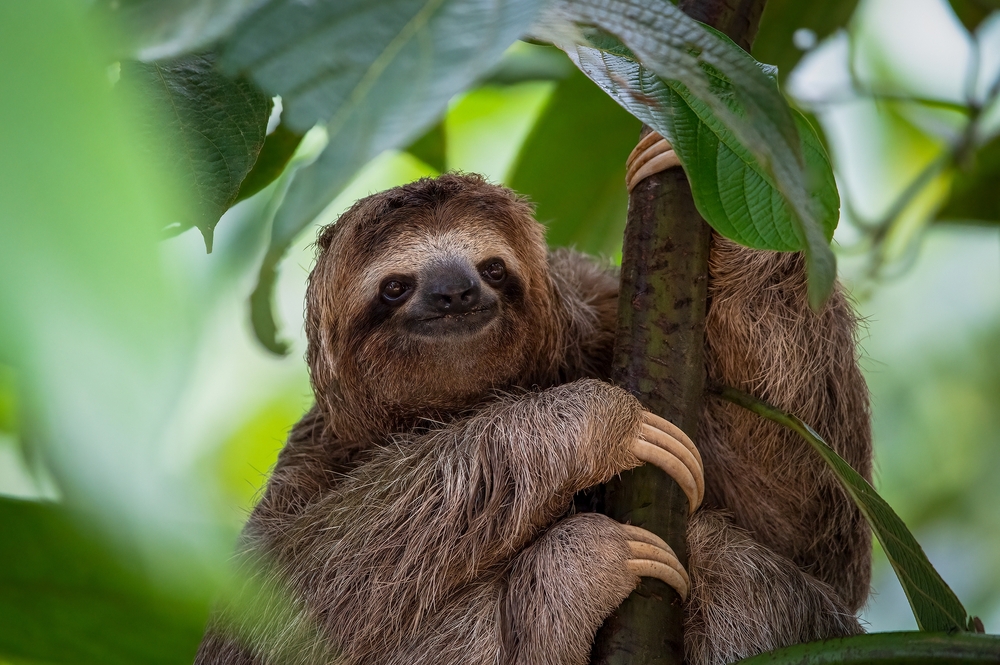
Sloths look gentle, sleepy, and harmless, which is exactly why people underestimate them. Their long claws are designed for survival, not cuddling, and can cause serious injuries if they feel threatened. Sloths don’t attack often, but when they do, the damage can be severe. Calm expressions hide powerful limbs.
Zoological injury reports document deep lacerations from sloth encounters. Their slow movement gives a false sense of safety. People assume they can approach or handle them without risk. That assumption is what leads to injuries.
2. Deer
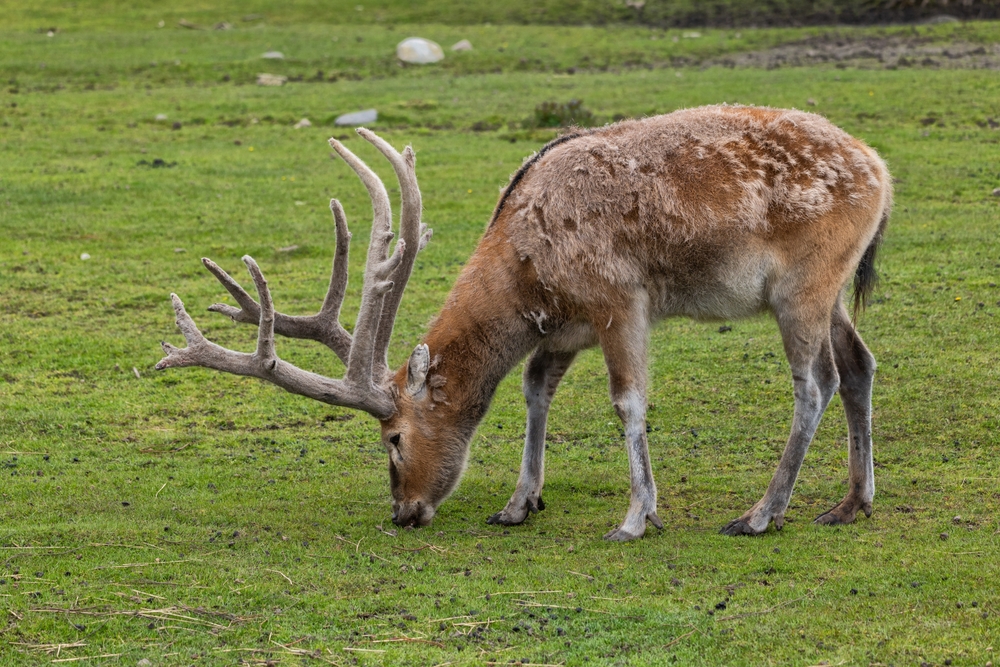
Deer appear graceful and peaceful, often associated with calm forest imagery. In reality, they are responsible for thousands of serious injuries each year, especially during mating season. Bucks can become aggressive, territorial, and unpredictable. Their antlers turn them into dangerous weapons.
Wildlife agencies consistently rank deer among the most dangerous animals to humans. Vehicle collisions are the biggest risk, but direct attacks also occur. Their calm presence masks sudden violence. Familiarity makes people careless.
3. Hippos
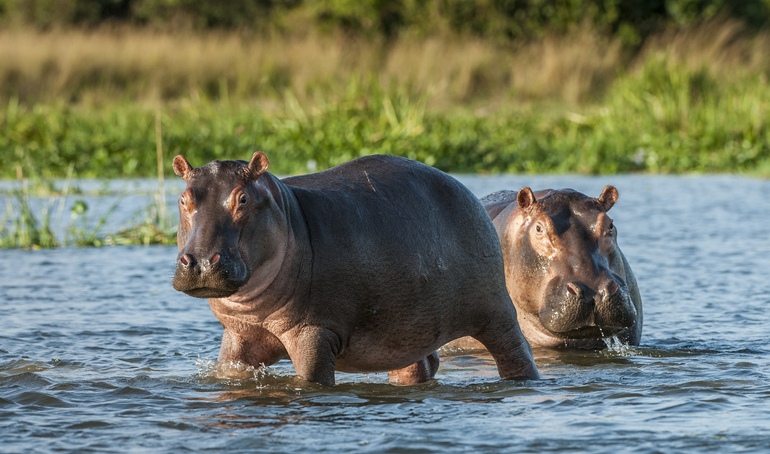
Hippos look round, slow, and almost comical when resting. They are actually one of the deadliest animals on Earth. Hippos are extremely territorial and can outrun humans over short distances. Their jaws are strong enough to crush bones instantly.
Hippos kill more people annually than most large predators. Their aggression comes without warning. People mistake stillness for passivity. That misunderstanding is often fatal.
4. Swans
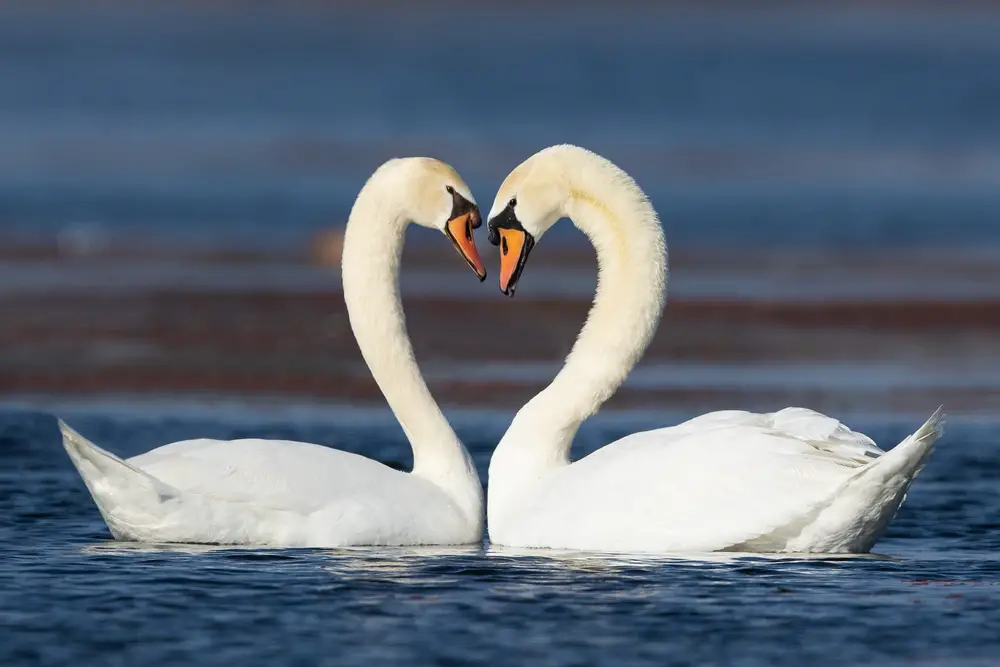
Swans are often seen as symbols of beauty and romance. In reality, they are highly territorial birds that defend their space aggressively. Their wings are strong enough to knock people over. During nesting season, they will charge without hesitation.
Wildlife injury reports show swan attacks can cause broken bones and concussions. Their calm floating posture hides a defensive mindset. People assume they’re safe because they look elegant. That mistake can be painful.
5. Blue-Ringed Octopus
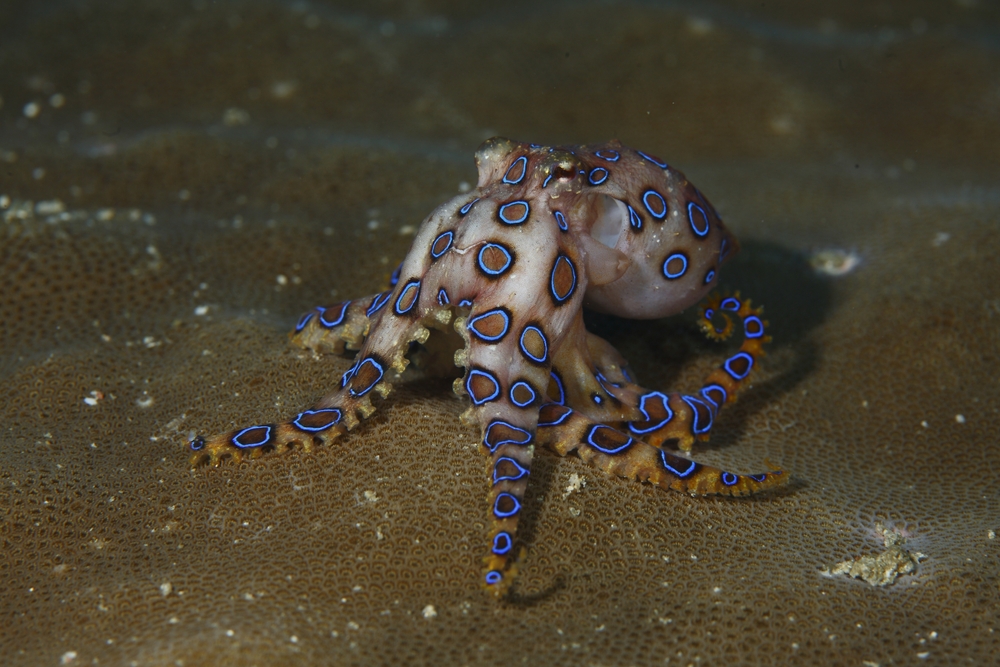
This tiny octopus is visually stunning and fits in the palm of a hand. It carries enough venom to kill multiple adults. A bite may be painless at first, which makes it especially dangerous. Paralysis can occur within minutes.
Marine biology research confirms there is no antidote for its venom. The bright blue rings are a warning signal, not decoration. People underestimate it because of its size. Small does not mean safe.
6. Moose
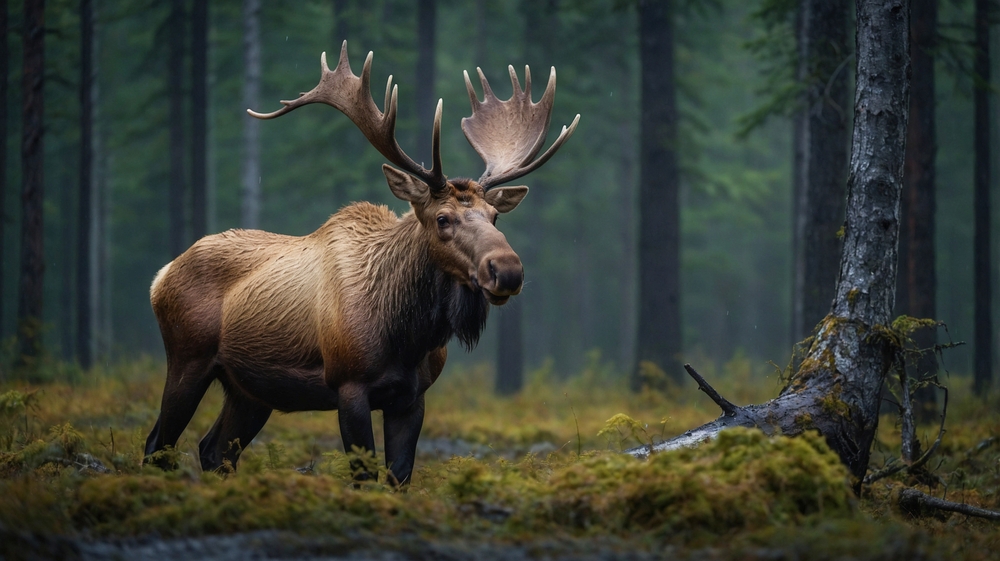
Moose look slow and awkward, often compared to oversized deer. They are incredibly strong and easily provoked, especially when startled or protecting calves. A charging moose can weigh over a thousand pounds. The outcome is rarely good for humans.
Moose attacks cause serious injuries every year in northern regions. Their size and speed surprise people. Calm grazing can turn aggressive instantly. Distance is essential.
7. Horses
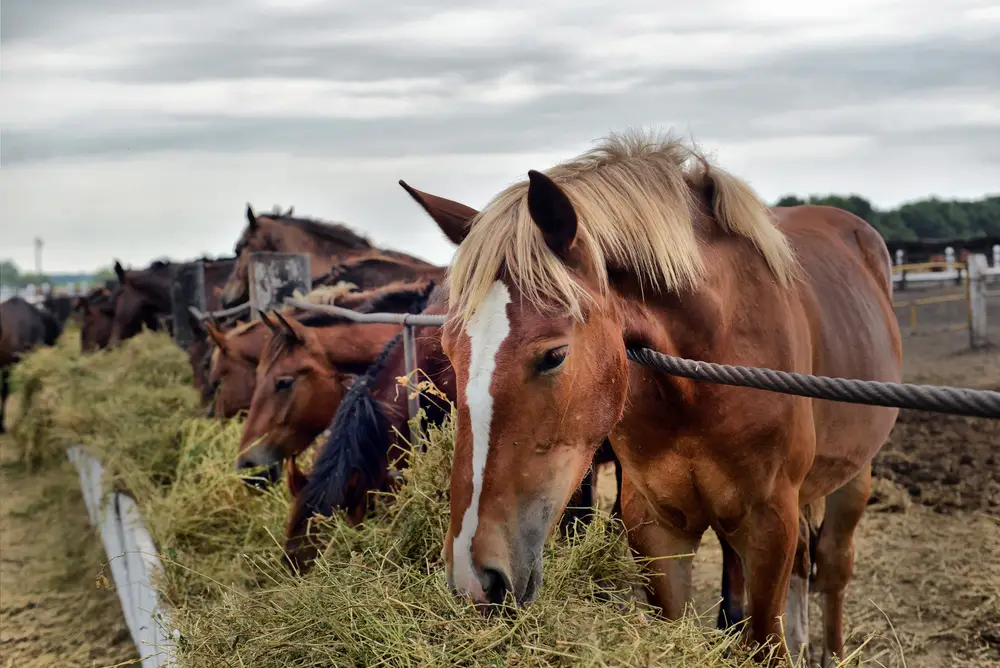
Horses are familiar animals, which makes their danger easy to forget. They are powerful prey animals with strong fight-or-flight responses. A single kick can be fatal. Even trained horses can react unpredictably.
Veterinary and agricultural studies show horse-related injuries are common. People trust familiarity over instinct. Calm behavior doesn’t mean constant control. Respect matters more than comfort.
8. Kangaroos
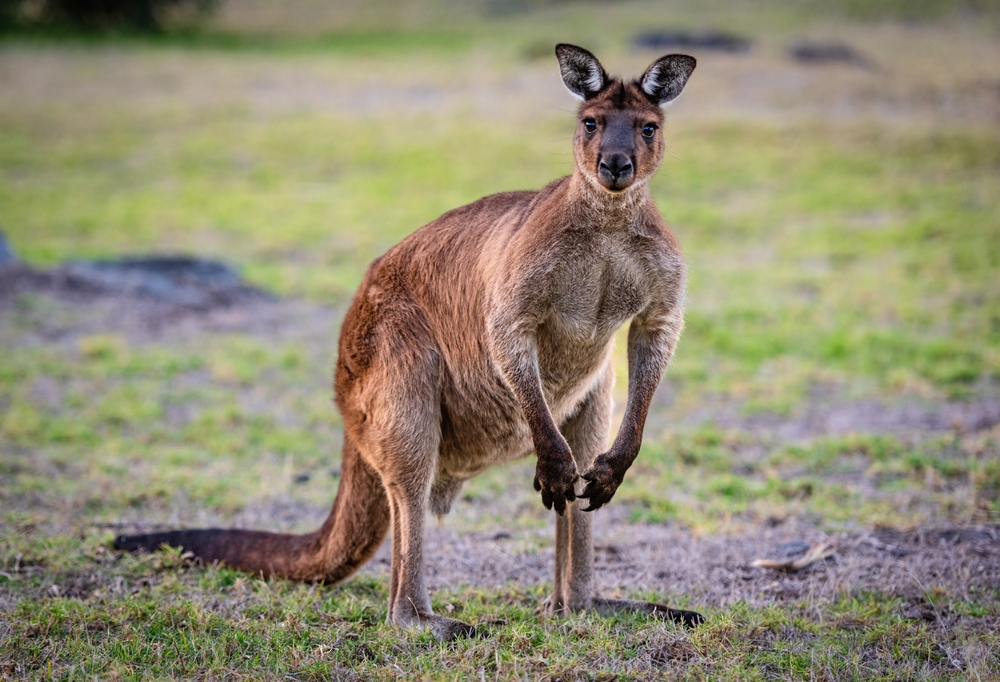
Kangaroos appear playful and curious in videos and photos. In reality, they can be highly aggressive when threatened. Their legs and claws are extremely powerful. They use them to fight predators—and sometimes people.
Australian wildlife authorities warn against approaching kangaroos. Injuries include deep cuts and broken bones. Their upright posture looks harmless. Their strength is anything but.
9. Jellyfish
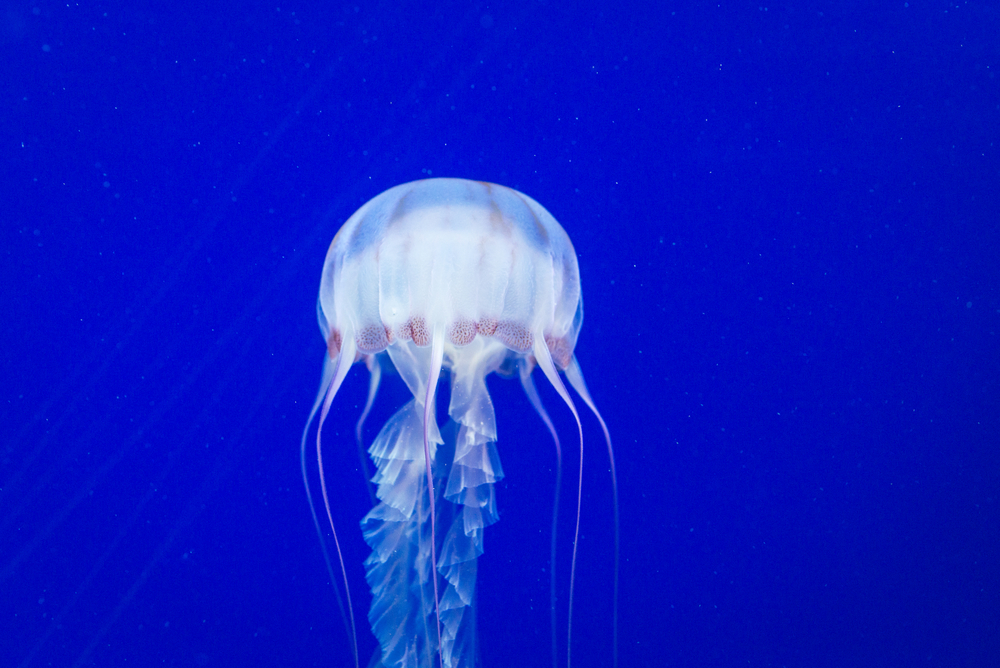
Jellyfish look delicate and almost fragile drifting through the water. Many species carry venom capable of causing severe pain, paralysis, or death. Contact often happens accidentally. The danger isn’t obvious until it’s too late.
Medical research documents long-term nerve damage from some stings. Their transparency makes them hard to see. Calm water doesn’t equal safety. Beauty can sting.
10. Cows
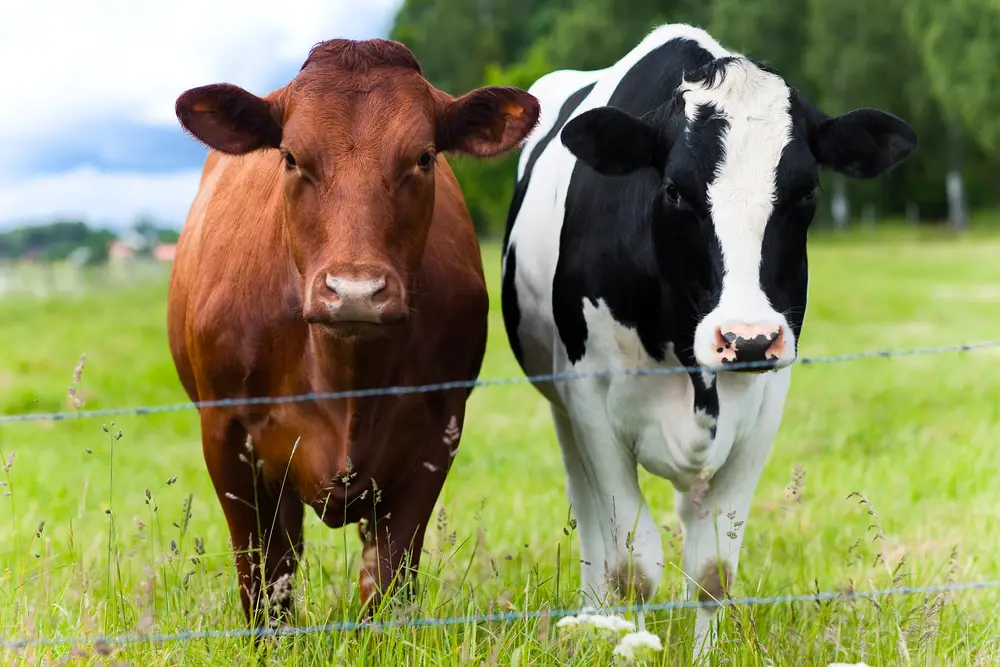
Cows are seen as gentle farm animals, associated with calm pastures. They are actually responsible for more fatalities than many wild animals. Protective mothers can charge without warning. Their size makes injuries severe.
Agricultural safety data shows cow-related deaths occur yearly. People underestimate herd behavior. Calm chewing can shift instantly. Familiarity breeds risk.
11. Sea Otters
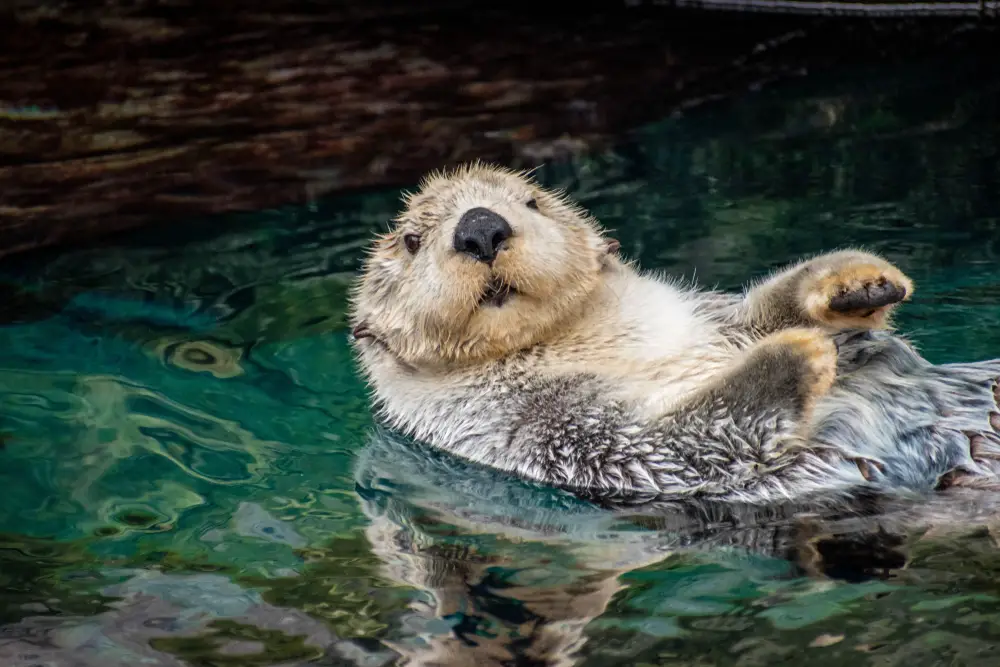
Sea otters look playful and friendly, often floating on their backs. They have sharp teeth and strong jaws. Otters can become aggressive when stressed or habituated to humans. Bites can cause serious infection.
Wildlife officials warn against close interaction with otters. Their cute appearance encourages risky behavior. Calm play can turn defensive quickly. Distance protects both sides.
12. Cassowaries
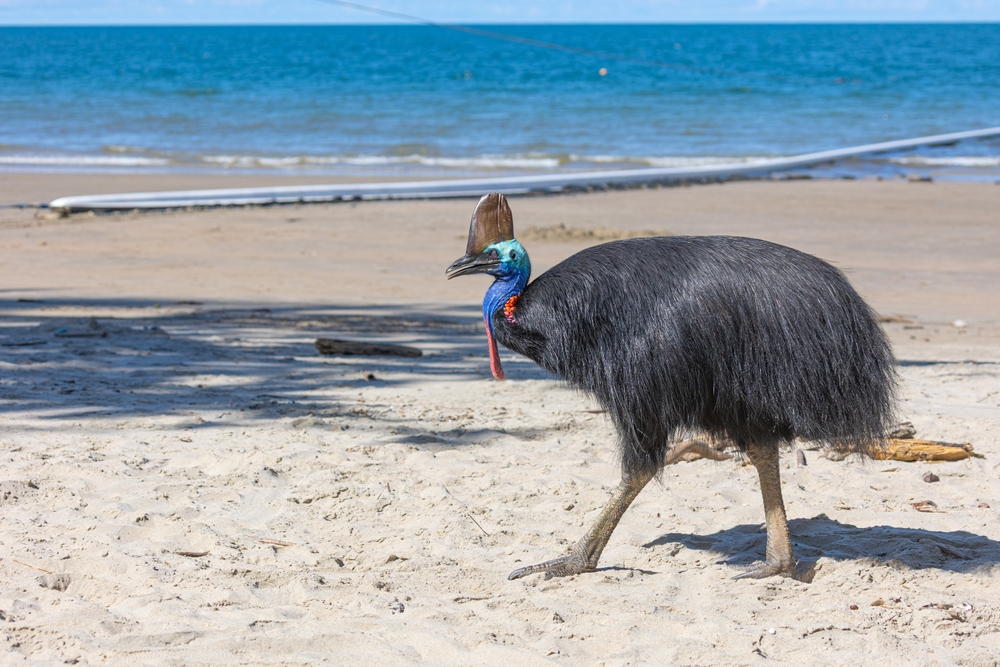
Cassowaries look like oversized birds with bright colors. They are one of the most dangerous birds in the world. Their claws are long, sharp, and capable of lethal strikes. They defend territory fiercely.
Documented attacks show cassowaries can kill humans. Their quiet presence hides explosive aggression. Bright colors don’t mean harmless. They demand space.
13. Elephants
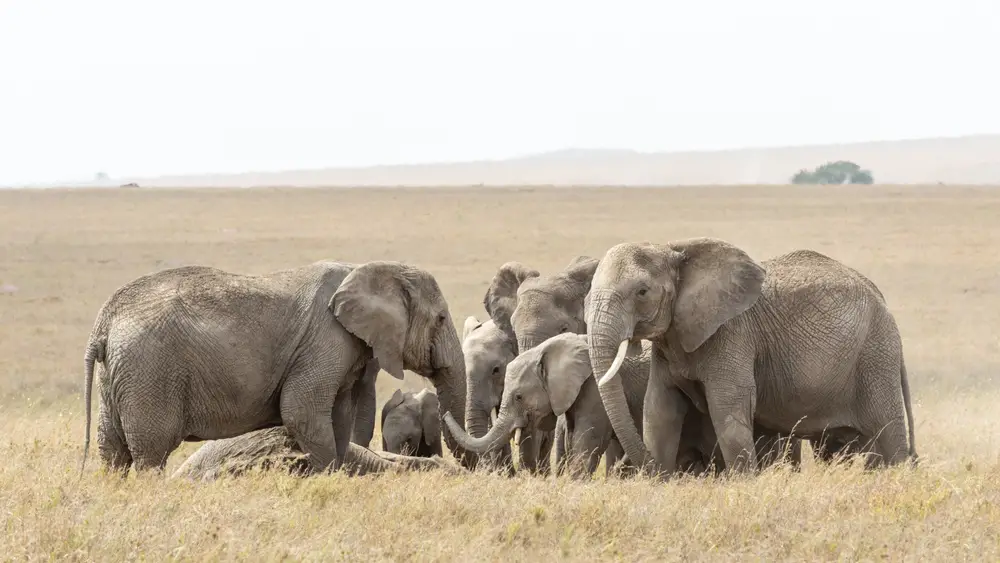
Elephants are often portrayed as gentle giants. While intelligent and social, they can become extremely dangerous when stressed. Their size makes any aggression catastrophic. Even accidental contact can be fatal.
Wildlife studies show elephants account for hundreds of deaths annually. Calm behavior doesn’t remove risk. Their power is constant. Respect is non-negotiable.
14. Frogs
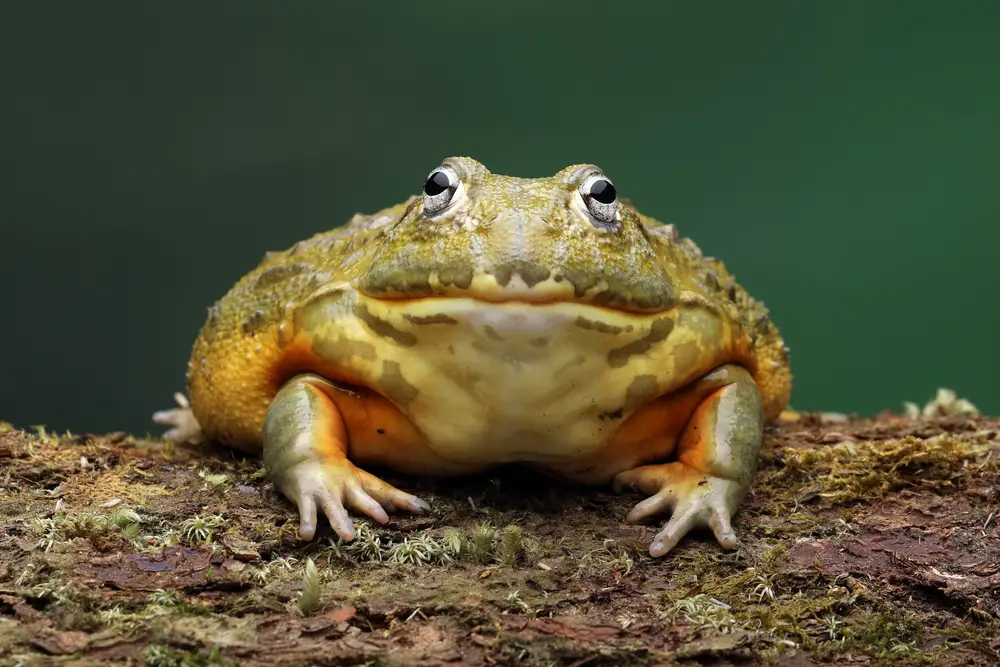
Some frogs look small, colorful, and harmless. Certain species carry toxins powerful enough to kill predators—and humans. Even touching them can transfer poison. The danger isn’t visible.
Biological research confirms skin toxins can be lethal. Bright colors are warning signals, not decoration. Small animals can be deadly. Looks can be deceiving.