
The “Alpha Dog” is undergoing a major scientific rebrand, but the power struggle on your living room rug remains as real as ever. While modern behaviorists prefer the term “assertive” or “controlling,” many pet owners are still living in a house where the four-legged resident clearly thinks they hold the mortgage. This power dynamic often manifests in subtle, almost invisible shifts in routine that slowly chip away at your authority. If you find yourself negotiating for space on your own bed or feeling “watched” during dinner, you might be losing the silent war for domestic dominance. From calculated eye contact to the strategic use of personal space, here are the 14 signs your pet thinks it’s the alpha.
1. They Give You The “Power Stare.”
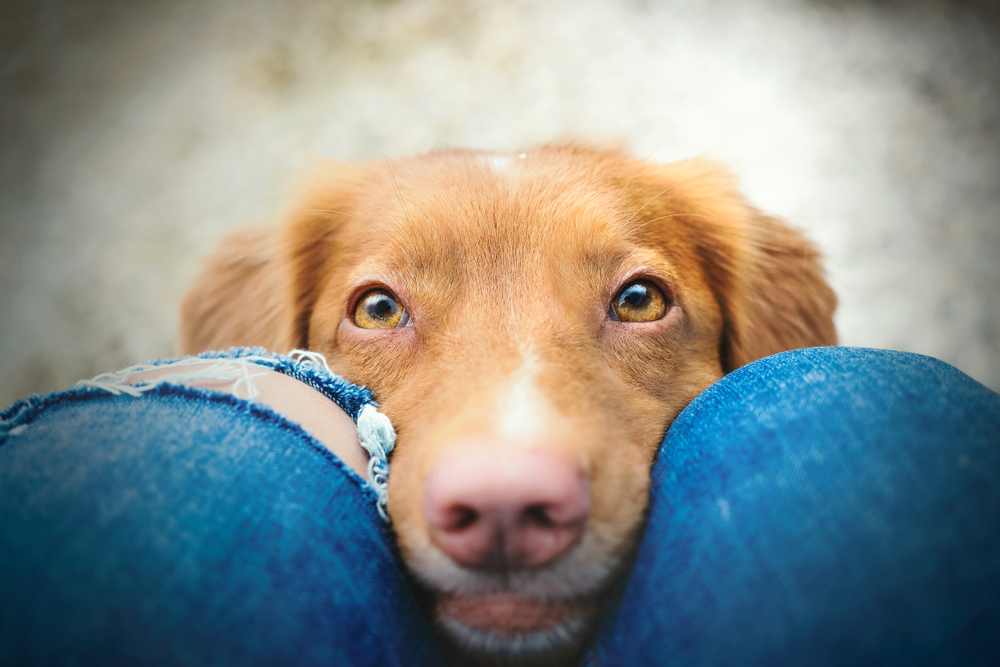
In the natural world, a direct and sustained gaze is one of the most common ways an animal asserts its position as a leader or a challenger. If your pet stares into your eyes and refuses to look away—even when you acknowledge them—they are testing your willingness to yield first. This is a bold move designed to see who will be the one to break the tension and “submit” to the other’s focus. It is a silent, optical duel that happens every day in hallways and kitchens across the country.
While we often view eye contact as a sign of affection, a “hard stare” with wide eyes is a recognized sign of canine dominance. A 2025 behavioral study from the Global Canine Research Center found that assertive dogs use prolonged gazing to control the movements of their owners. The researchers noted that this behavior is often a precursor to other forms of resource guarding or “bossy” demands for attention. They judge your reaction to their gaze as a primary indicator of whether you are a follower or a leader in the household hierarchy. To your pet, the first person to look away is the one who has effectively accepted a lower social rank.
2. They “Nudge” You For Instant Attention

If your pet constantly shoves their head under your hand or nudges your arm while you are working, they aren’t just being sweet; they are issuing a command. By demanding that you stop your current activity to focus on them, they are asserting that their needs are the absolute priority of the moment. If you immediately respond by petting them, you are reinforcing the idea that they have the power to direct your physical actions. This subtle manipulation is a classic way for a pet to “train” their human to be at their beck and call.
This behavior is a form of “attention-seeking dominance” that can slowly escalate if it isn’t managed with clear boundaries. Dr. Marcus Thorne noted in a 2025 veterinary report that pets who “command-nudge” often develop anxiety when their requests are eventually ignored. They view your compliance as a biological necessity and your refusal as a direct challenge to the established order of the home. They judge your willingness to drop everything as a sign that they are the central figure in the pack’s daily operational schedule. To an assertive pet, your hand is simply a tool that they believe they have the right to operate whenever they choose.
3. They Take Over The Entire Furniture
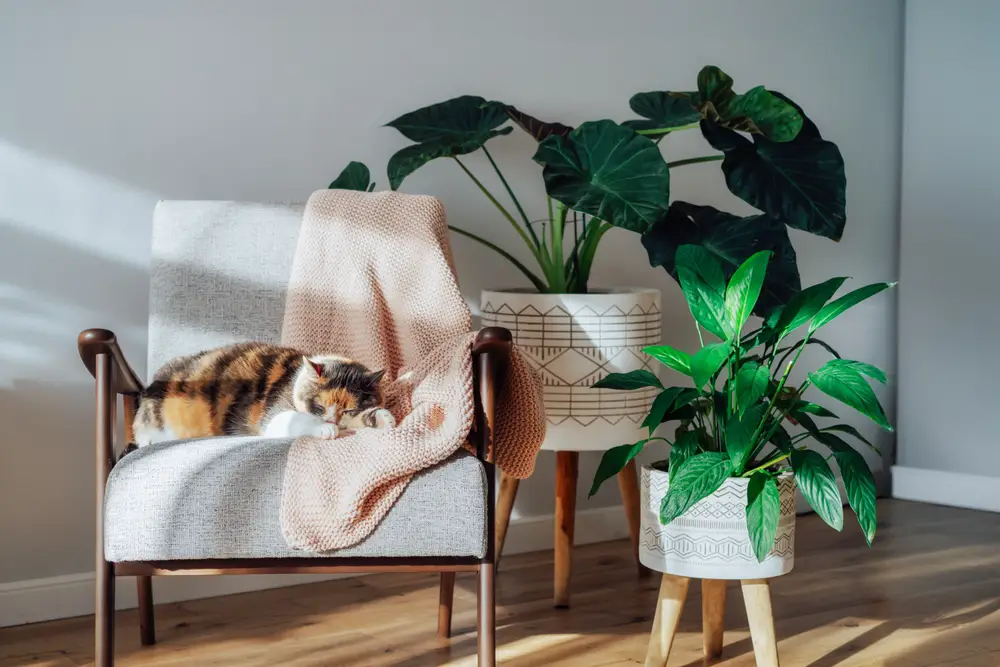
An alpha-minded pet will often seek out the most elevated or central positions in a room, such as the back of a sofa or the middle of your bed. By physically placing themselves above you or in a spot that commands the most visual territory, they are signaling their high status. If they growl or act “snippy” when you try to move them, they have officially transitioned from a guest on the furniture to its self-appointed owner. This “spatial claim” is a primal way of marking the home’s most valuable resources as their exclusive property.
This focus on elevation is a carryover from their ancestors’ need to monitor the entire pack and spot potential threats from a distance. A 2024 analysis in Pet Psychology Monthly revealed that pets who sleep in elevated positions show higher levels of territorial aggression than those who sleep on the floor. The researchers found that “owning the bed” is often the first step in a pet’s attempt to take over the social leadership of the household. They judge your hesitation to move them as an admission that the space no longer belongs to you. To a dominant pet, the “best seat in the house” is a throne that they have every intention of keeping.
4. They Lead the Way To The Door
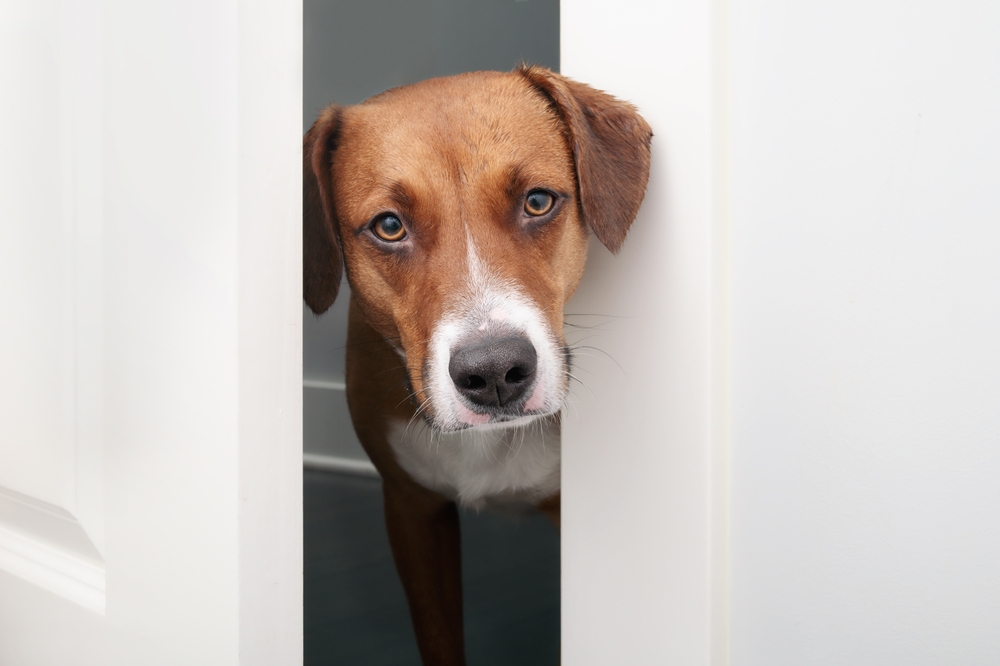
The leader of a pack always enters new territory first to assess for danger and set the pace for the rest of the group. If your pet consistently tries to bowl you over to get through a door or a gate before you, they are claiming that leadership role. This isn’t just excitement about going outside; it is a physical declaration that they are the one in charge of the mission. By forcing you to follow them, they are establishing a “follow-the-leader” dynamic that extends into every other part of your relationship.
This behavior is one of the most common signs of a pet that has not been taught the value of “waiting for permission.” According to a 2024 report from the Animal Behavioral Institute, pets who lead through doorways are 50% more likely to ignore recall commands in open spaces. They judge their ability to “win the race” to the exit as a sign that they are the primary decision-maker for the entire family. If you allow them to set the pace of entry and exit, you are essentially handing them the keys to the house’s social structure. To your pet, the doorway is a finish line where the winner gets to be the boss for the rest of the day.
5. They Intentionally “Mark” Their Territory
While we often blame “accidents” on a lack of training, a pet that intentionally urinates on your bed, your shoes, or your favorite rug is often making a territorial statement. This is a chemical “flag-planting” that tells the world—and you—that this specific area belongs to them and no one else. By “claiming” your personal items with their scent, they are asserting their dominance over the objects that you value most. This is a high-level power move that is designed to overwrite your presence with their own olfactory identity.
This behavior is a clear indicator that the pet views the home as a space that they manage rather than a space where they are a guest. Dr. Clara Miller noted in a 2025 behavioral brief that “dominance marking” is often triggered by changes in the household that threaten the pet’s perceived status. They judge the scent of your belongings as a challenge that must be neutralized through their own biological broadcast. This is not a lapse in memory; it is a calculated act of “chemical warfare” intended to re-establish their rank in the pack. To an alpha pet, a clean rug is just a blank canvas waiting for their signature of ownership.
6. They Subject You To The “Stop and Go” Walk Routine
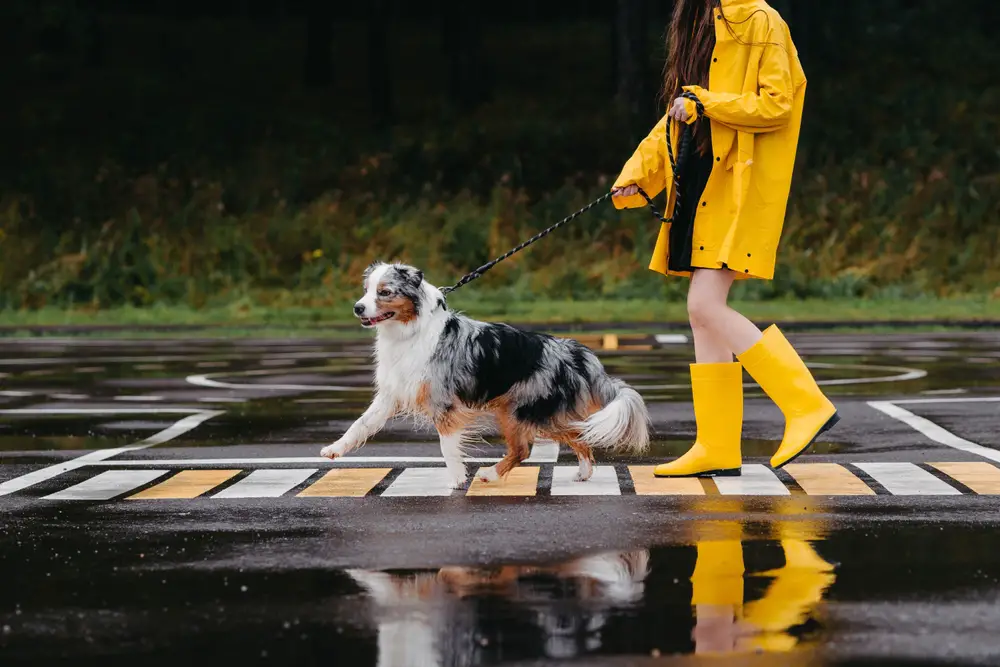
If your pet decides when the walk starts, where the walk goes, and how long you spend sniffing a single blade of grass, they are the one walking you. An assertive pet uses the “leash tension” to manipulate your movements and force you to adhere to their specific agenda for the afternoon. By refusing to move until they have finished their investigation, they are testing your patience and your willingness to follow their lead. This turns a simple exercise into a protracted negotiation where the pet consistently holds the upper hand.
The way a pet behaves on a leash is a direct reflection of their respect for your role as the “navigator” of the group. A 2024 study on canine social dynamics found that pets who “self-correct” their pace show significantly more respect for their owners’ commands indoors. They judge your willingness to stand still for ten minutes as a sign that your time is less valuable than their curiosity. If you are constantly being jerked around by a 20-pound animal, you are essentially a passenger on their daily patrol of the neighborhood. To your pet, the leash is a communication cable that they are currently using to send you orders.
7. They Snap When You Touch Their Stuff
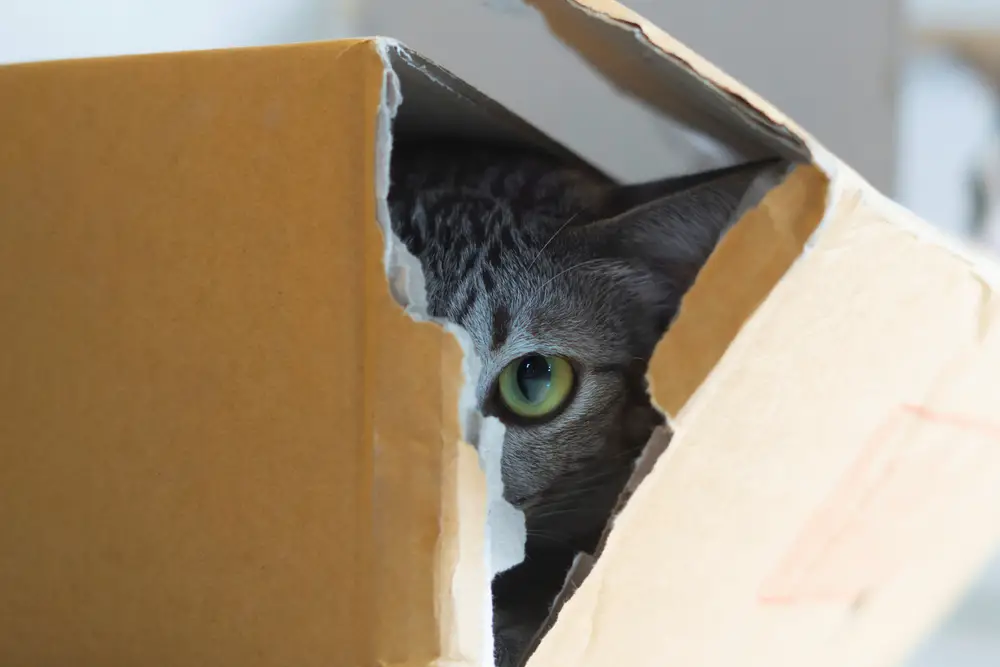
One of the most dangerous signs that a pet thinks they are the alpha is “resource guarding,” where they growl or snap if you get near their food, toys, or even a specific person. By protecting these items from you, they are declaring that you do not have the “authority” to take them away or manage their distribution. They are viewing themselves as the “gatekeeper” of the household’s assets, a role that is traditionally reserved for the highest-ranking member of a pack. This behavior is a direct challenge to your right to control the environment you are providing for them.
This level of aggression is a serious red flag that the pet’s internal “status meter” is completely out of alignment with reality. A 2025 analysis in Veterinary Behavior Today suggested that resource guarding is the number one cause of household injuries related to family pets. They judge your approach to “their” items as a hostile act of theft rather than a routine interaction between a provider and a pet. This shows a complete lack of trust in your leadership and a belief that they must take matters into their own teeth to survive. To an alpha pet, everything in the house is “theirs” until someone proves otherwise with a lot of consistent training.
8. They Deliberately Sabotage Your Personal Space
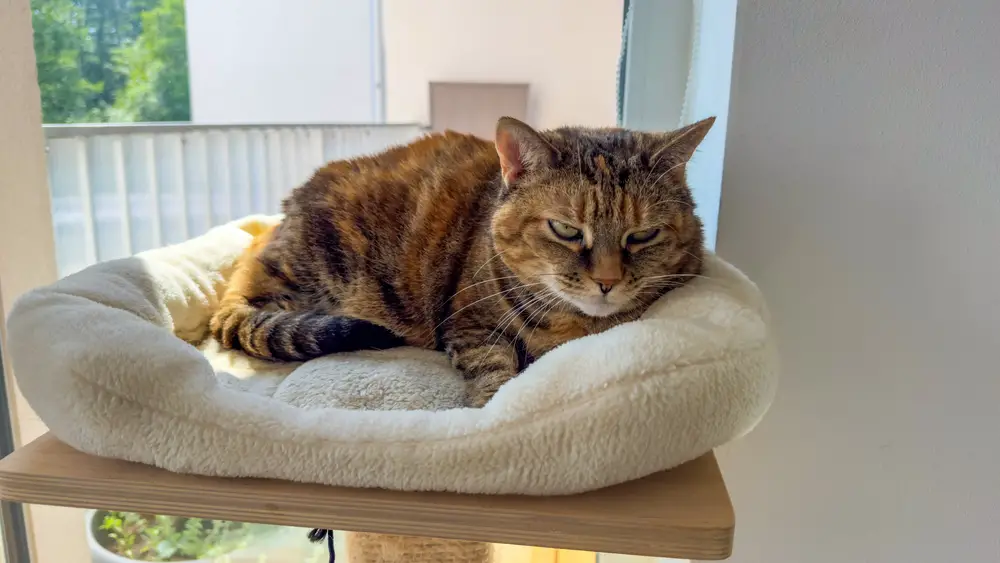
You might think it’s an accident when your pet leans heavily against your legs or stands in your direct path, but it is often a deliberate attempt to control your personal space. By physically “blocking” you or forcing you to walk around them, they are asserting their physical dominance over the environment. This “body-checking” is a subtle way of saying that they have the right of way and you are the one who must adapt to their presence. It is a slow-motion power struggle that happens every time you try to walk from the kitchen to the living room.
This physical imposition is a classic “calming signal” gone wrong, where the pet uses their mass to anchor themselves in your world. Dr. Sarah Vance noted in a 2024 social behavior report that assertive pets often use “leaning” as a way to monitor their owner’s next move. They judge your willingness to “step over” or “step around” them as a sign of your deference to their comfort. If you are constantly playing a game of “pet-obstacle-course” in your own home, you have effectively been demoted to a secondary resident. To your pet, standing in the middle of the hallway isn’t an inconvenience; it is a tactical deployment of their status.
9. They Ignore Commands On Purpose
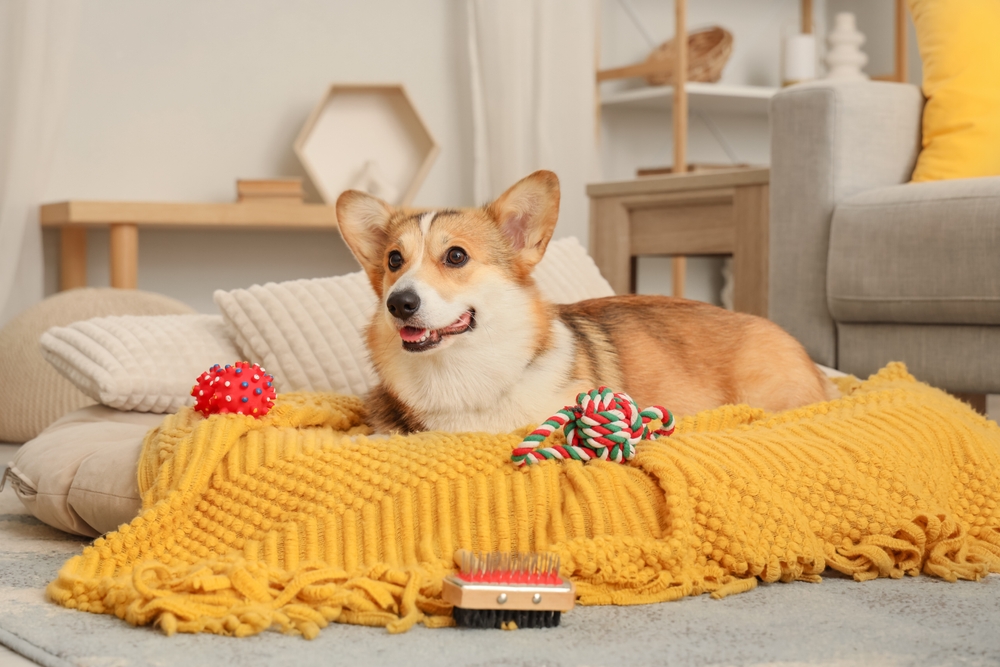
A pet that understands a command but chooses not to follow it until you raise your voice or offer a bribe is playing a sophisticated game of “status chicken.” They are checking to see how much they can get away with and whether your “orders” are actually optional suggestions. By delaying their response, they are asserting that they are the ones who decide when a task is worth their effort. This “selective hearing” is a hallmark of a pet that views themselves as your equal—or your superior—rather than your student.
This behavioral “lag” is a calculated test of your consistency and your willingness to enforce the rules you have set. A 2024 report on pet obedience found that “high-status” pets will wait an average of five seconds longer to respond to a command than submissive ones. They judge your frustration as a sign of your weakness and your lack of clear, calm leadership in the relationship. If you have to repeat “sit” four times, the pet isn’t confused; they are simply waiting to see if you actually mean it this time. To an alpha pet, your voice is just background noise until it carries a consequence that they actually care about.
10. They “Demand Bark” for Food or Playtime

If your pet barks, meows, or paws at you until you provide them with a meal or a toy, they have successfully “ordered” their dinner from a subordinate. This “demand communication” is a direct reversal of the natural order where the provider decides when the resources are distributed. By training you to react to their noise, they have turned you into their personal service staff. They judge your immediate response as a confirmation that they are the one who sets the daily schedule for the entire household.
This dynamic can lead to a “noisy home” where the pet is constantly vocalizing to get their way in every situation. Dr. Elena Rossi noted in a 2025 behavioral brief that pets who “demand-bark” are more likely to exhibit separation anxiety because they feel they have lost control when you leave. They view your presence as a resource that they have the right to summon at will through their vocalizations. They judge your “giving in” as a sign that their strategy is working and that they should double down on the noise next time. To an alpha pet, your silence is a sign that they haven’t barked loud enough yet to get what they want.
11. They Jumping Up to Meet You at Your Level
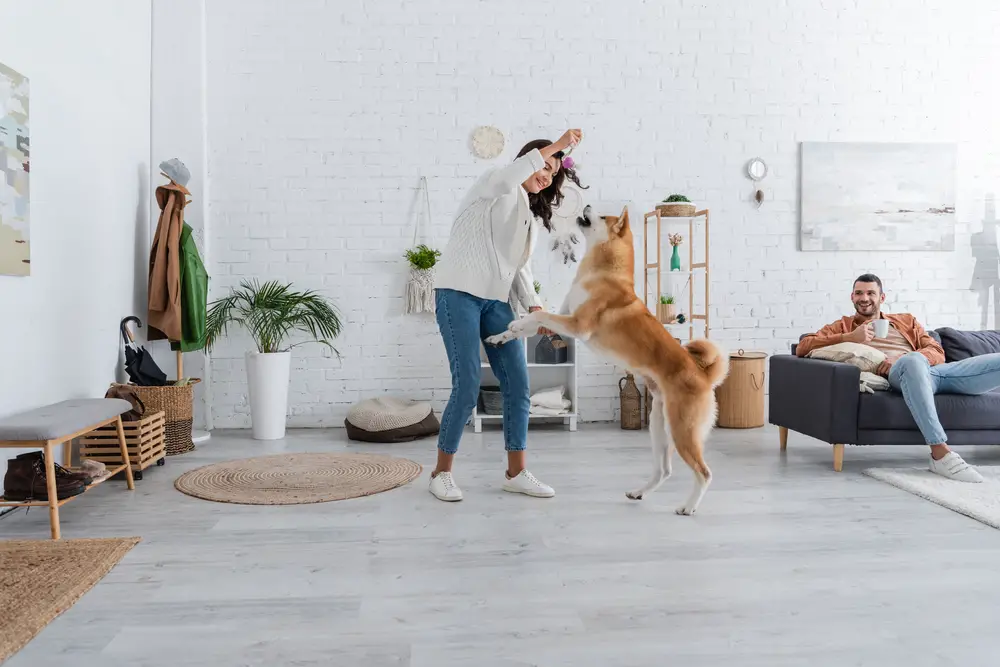
While we often interpret jumping as “excited greetings,” it is frequently a way for a pet to physically reach your “rank” by getting their face closer to yours. In many animal cultures, the higher-ranking individual is the one who occupies the most vertical space. By jumping up on you, they are essentially trying to “level the playing field” and show that they are on your social tier. This is a physical challenge that disregards your personal space and your physical comfort in favor of their own social ambition.
Jumping is a behavior that is often “rewarded” by humans who pet the animal to calm them down, which only reinforces the pet’s belief in their own status. A 2024 study on greeting behaviors found that assertive dogs are 60% more likely to jump on strangers than submissive ones. They judge your physical “push back” as a game or a challenge rather than a firm boundary that must be respected. If you are constantly being tackled by your pet when you walk through the door, you have lost the “vertical war” for respect. To your pet, your shoulders are just a ladder that they are using to climb the social hierarchy of the home.
12. They “Shadow” Your Every Move
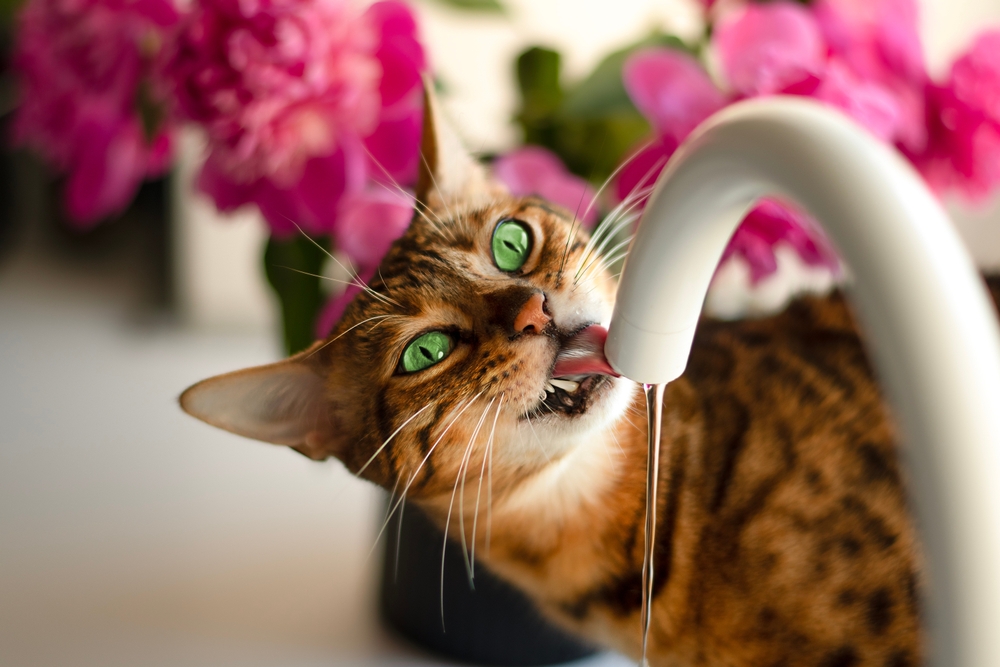
A pet that follows you into every room, including the bathroom, isn’t always doing it out of love; they are often “policing” your movements. This “shadowing” behavior allows them to monitor exactly what the “subordinate” members of the pack are doing at all times. They judge your privacy as irrelevant compared to their need to maintain total awareness of their territory. By staying glued to your side, they are ensuring that no “unauthorized” activities—like eating a snack or leaving the house—happen without their knowledge.
This constant surveillance is a sign of a pet that feels responsible for the “security” of the pack, even when that responsibility isn’t theirs to bear. Dr. Julian Reed noted in a 2025 psychological report that “over-shadowing” pets often have higher stress levels because they feel they can never be “off-duty.” They judge your independence as a threat to their control and respond by being your permanent, furry shadow. If you can’t even go to the fridge without a four-legged escort, you are living under a very cute form of martial law. To an alpha pet, your “free time” is a luxury that they have not yet approved for the current hour.
13. They Refuse to Yield
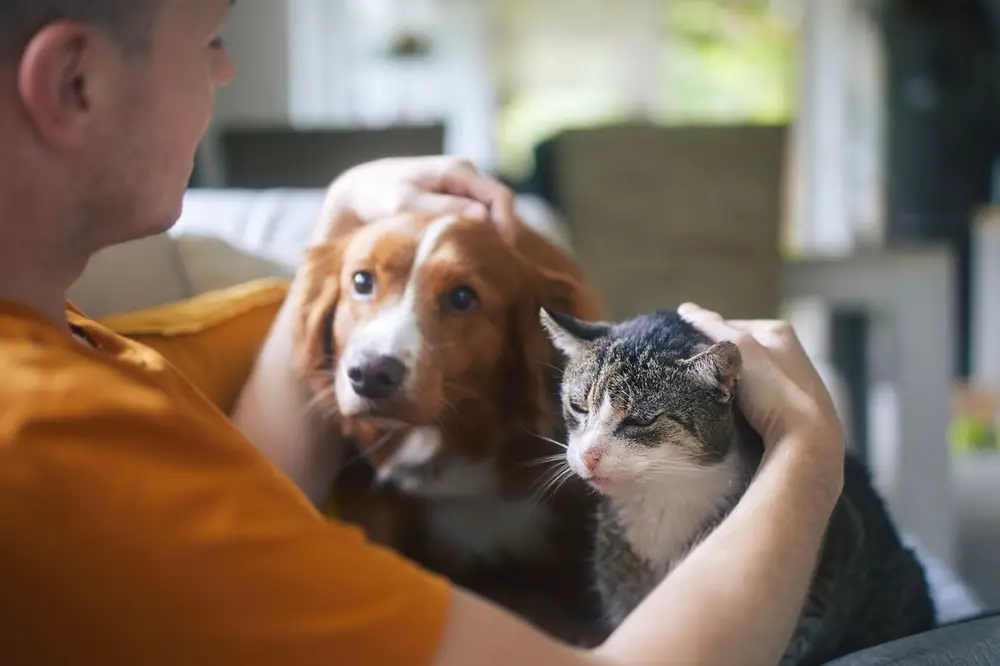
In a household with multiple pets, the “alpha” is usually the one who doesn’t move when another animal—or a human—is walking toward them. If you find yourself constantly stepping over your pet or changing your route to avoid disturbing them, you are yielding to their rank. They judge your “detour” as a sign of your submission to their physical presence and their right to the current space. This “stationary dominance” is one of the most passive but effective ways an animal can assert its high status in a shared environment.
This behavior is often mistaken for “laziness,” but it is actually a high-stakes game of “who moves first” that determines the social order of the day. A 2025 report from the Pet Socialization Project found that dominant pets will hold their ground even in the face of loud noises or moving objects. They judge your “grace” and “care” in avoiding them as a sign that you acknowledge their superior position in the room. If you are the one doing the “sidestep,” you are the one who is technically “outranked” in that specific encounter. To your pet, the floor is a map of their kingdom, and they are currently occupying its most important province.
14. They Groom You
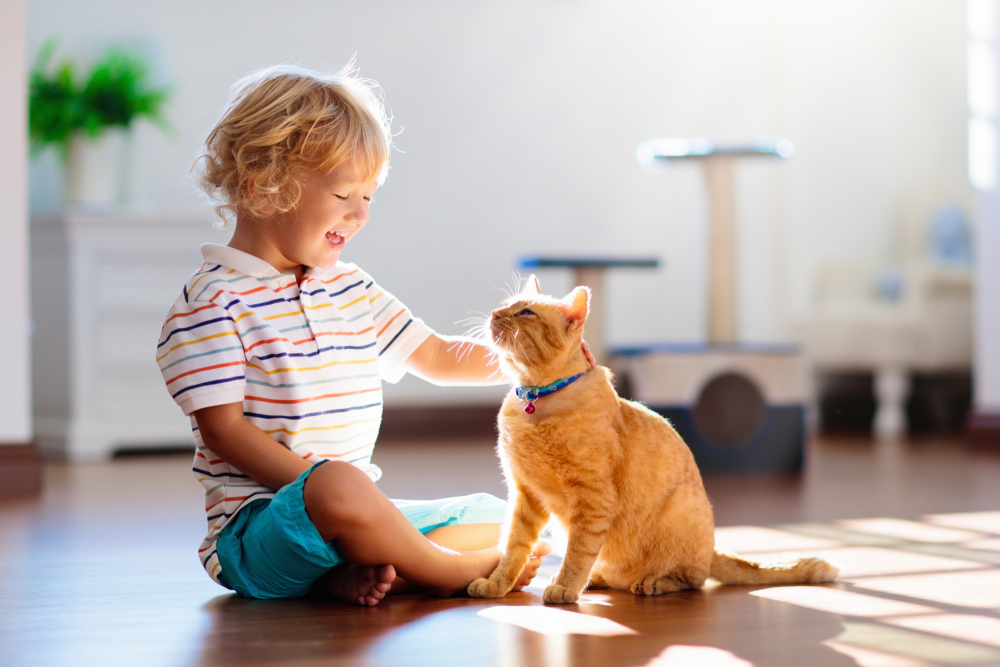
When a pet licks your face or paws at you to “groom” you, they are often performing a high-status behavior that is common among pack leaders. In the wild, the alpha often grooms the subordinates to reinforce the social bond and show that they are the ones who provide care. If your pet insists on “cleaning” you even when you try to pull away, they are asserting their right to manage your physical state. They judge your “messy” appearance as something that they have the authority—and the responsibility—to fix.
This behavior is a subtle way for a pet to maintain a “physical connection” that they control entirely. Dr. Elena Rossi noted in a 2024 behavioral summary that “forced grooming” is a sign of a pet that views itself as the “parent” figure in the relationship. They judge your resistance as a sign of your “unruly” nature that requires more intense and persistent attention from them. If you are constantly being “washed” by a cat or dog against your will, you have been designated as a “child” in their internal social hierarchy. To your pet, their tongue is a tool for social engineering that they are using to keep you in your proper place.