
Modern life depends on invisible infrastructure that most people never think about until it fails. These systems were built decades ago for different populations and usage patterns, and they’re degrading faster than they’re being maintained or replaced. The breakdown is gradual enough that we adapt to declining service without realizing how much worse things have gotten.
1. The U.S. Postal Service
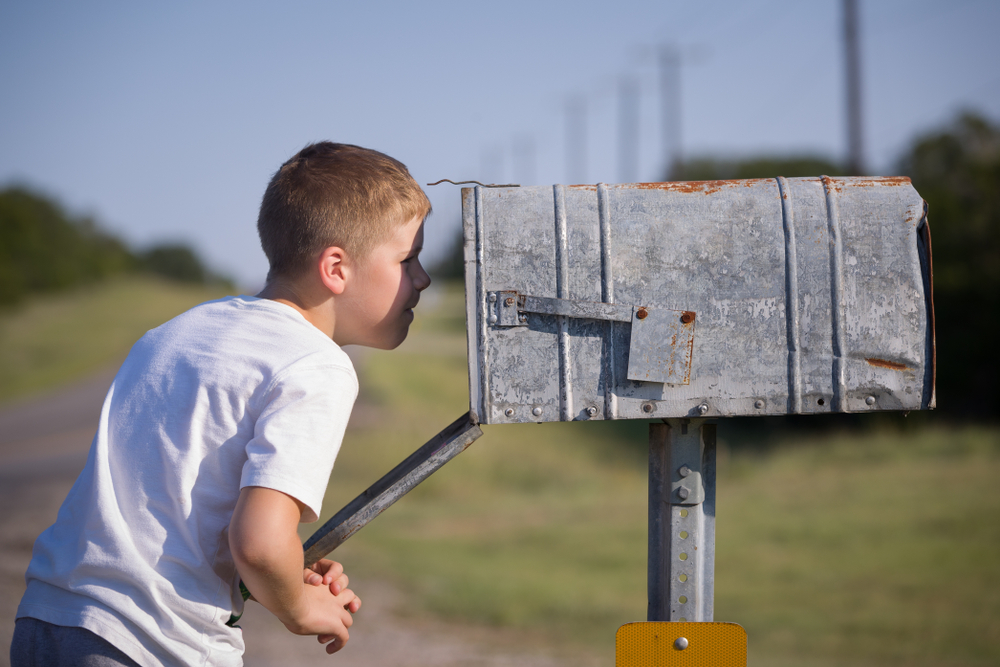
Mail delivery that used to be reliable and fast has become slow and unpredictable as the USPS struggles with funding cuts and aging infrastructure. Data from the Postal Regulatory Commission shows that the USPS deferred $73 billion in necessary infrastructure maintenance and vehicle replacement as of 2024, with 30% of mail processing equipment exceeding its planned service life. Letters that took two days now take five, and nobody knows if important mail will arrive at all.
The delivery trucks are falling apart, sorting facilities are understaffed, and the network that used to be the backbone of American communication is slowly collapsing. People have stopped relying on mail for anything time-sensitive because reliability has degraded so much. The system still functions, but at a level that would have been considered failure a generation ago.
2. Municipal Water Systems

Water infrastructure in American cities is ancient and failing, with pipes from the 1800s still in service and breaking regularly. Main breaks flood streets, lead contamination affects drinking water, and treatment plants struggle to meet demand. Cities defer maintenance because replacement costs billions they don’t have.
The American Society of Civil Engineers gives water infrastructure a C- grade, which means it’s barely functional and getting worse. Residents in aging cities deal with boil-water advisories, discolored water, and service interruptions that are becoming normalized.
3. The Electrical Grid
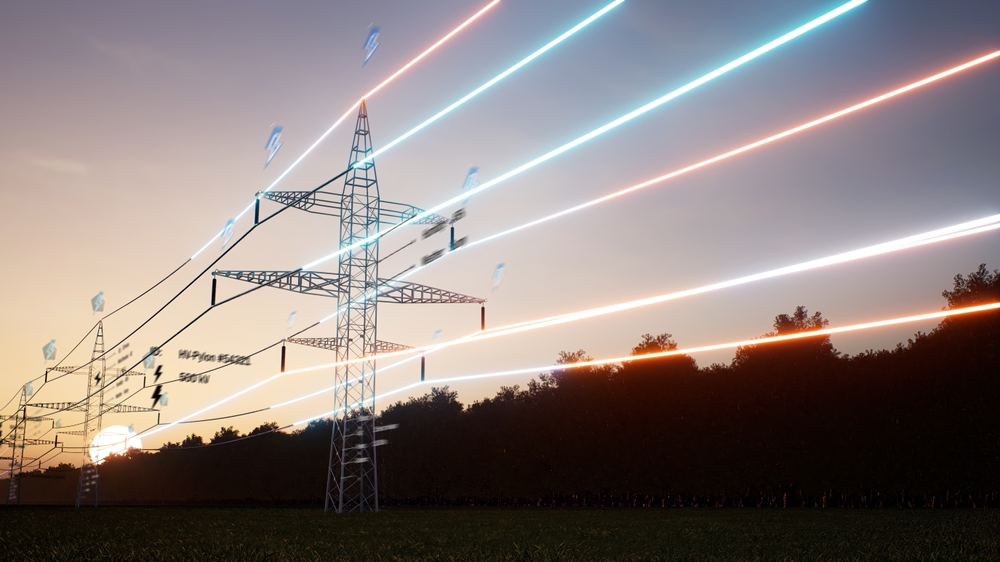
The power grid was built for different usage patterns and climate conditions, and it’s failing under modern demands and extreme weather. Research from Climate Central found that weather-related outages doubled over the past decade as aging infrastructure proved increasingly vulnerable to storms, heat waves, and other climate-related stresses. Rolling blackouts, power outages during storms, and warnings about usage during peak times reveal a system at capacity.
Infrastructure built in the 1960s-70s was designed for smaller populations using less power. Modern demand from electric vehicles, air conditioning, and constant device charging is overwhelming systems that were never upgraded to handle it. The grid works most of the time, but the margins of safety have evaporated.
4. Public School Systems

Schools are chronically underfunded, understaffed, and operating in buildings that are literally falling apart. Teacher shortages mean larger class sizes and burned-out educators, while crumbling facilities create health and safety hazards. The system still provides education, but the quality has declined as resources fail to keep pace with needs.
Parents have normalized classroom sizes of 35+ students, schools without art or music programs, and buildings with broken heating systems. The baseline for acceptable has shifted downward as funding stagnates. Public education still exists, but it’s a degraded version.
5. Air Traffic Control Systems
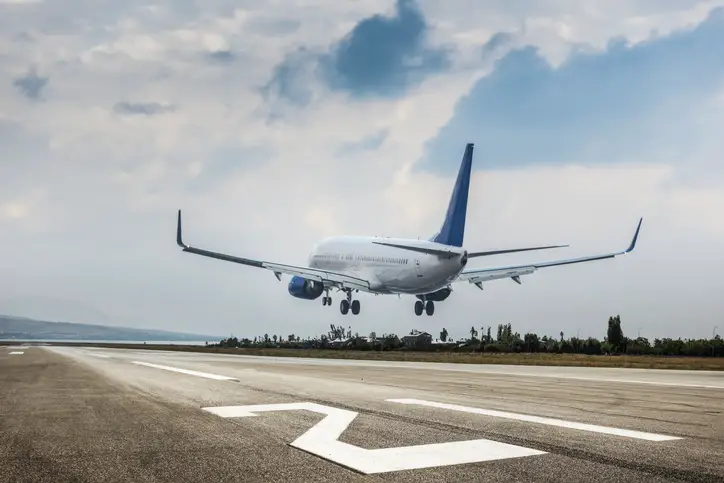
The FAA’s air traffic control technology is decades old, running on systems that would be considered obsolete in any other context. Research from the Government Accountability Office found that the FAA’s modernization program, NextGen, was running 8-12 years behind schedule and $3.7 billion over budget, leaving controllers dependent on outdated radar and communication systems. Controllers are managing modern air traffic with technology from the 1970s and 80s, patched together to keep functioning.
Flight delays and cancellations are increasingly common because the system can’t handle capacity during peak times or bad weather. The infrastructure that made American air travel reliable is aging out faster than it’s being replaced.
6. Emergency Medical Services
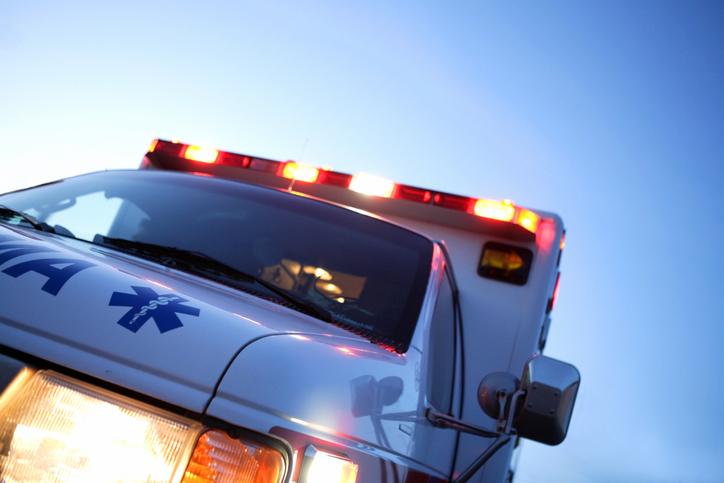
Ambulance services in many areas are understaffed, underfunded, and stretched beyond capacity. Response times have increased, rural areas have limited or no coverage, and EMTs are leaving the field due to low pay and burnout. The promise of rapid emergency response is becoming fiction.
Cities are closing firehouses and reducing ambulance coverage while call volumes increase. People wait 20-30 minutes for ambulances in emergencies that require immediate response. The system still functions, but at a level where “emergency” doesn’t mean what it used to.
7. Public Transit Systems

City buses and trains are running less frequently, breaking down more often, and serving fewer routes as transit agencies cut service due to funding shortfalls. Data from the Federal Transit Administration shows that 35% of transit vehicles and 28% of rail infrastructure are in marginal or poor condition, with a $176 billion maintenance backlog across U.S. transit systems. Reliable transportation has become unreliable enough that people who can afford alternatives have abandoned it.
The death spiral is visible—service cuts reduce ridership, reduced ridership justifies more cuts, and the system degrades until only people without options use it. Transit systems in major American cities are shadows of what they were, with longer waits and fewer routes.
8. The 911 System
The emergency call system that’s supposed to connect you to help immediately is overwhelmed, outdated, and dangerously understaffed in many areas. Hold times for 911 have increased, some areas have switched to text-based systems because they can’t handle call volume, and dispatchers are quitting faster than they can be replaced. The system was built for landlines and struggles with cell phone location accuracy.
People calling 911 in crisis sometimes wait on hold or get transferred multiple times before reaching help. The system still works, but not with the reliability people expect from emergency services.
9. Food Safety Inspection

The FDA and USDA can’t keep up with the volume of food production they’re supposed to monitor, and inspection frequencies have declined as industry has grown. Facilities go years between inspections, and contaminated food reaches consumers before problems are caught. The food supply is mostly safe due to industry self-regulation, not government oversight.
Recalls are more frequent and affect larger quantities of food because problems aren’t caught until people get sick. The inspection system that’s supposed to prevent contamination has become a reactive system that responds after outbreaks.
10. Veterans Health Care

The VA hospital system is overwhelmed by demand it can’t meet, leading to long wait times and declining quality of care. Veterans wait months for appointments, facilities are understaffed, and the system designed to honor service has become notorious for failing the people it’s supposed to serve. Promised care exists on paper but not in practice.
Every few years, there’s a scandal about VA wait times or neglect, reforms are promised, and nothing fundamentally changes. Veterans have learned to expect delays and poor service from a system that’s supposed to prioritize their care. The VA still provides healthcare, but at levels that would be unacceptable in any other context.
11. Social Security Administration Services

The SSA is so understaffed that people wait hours on hold, months for appointments, and face processing delays that can derail retirement plans. Offices have reduced hours, phone lines are overwhelmed, and the bureaucracy that’s supposed to deliver earned benefits has become an obstacle course. People entitled to benefits wait months or years for their applications to be processed.
The agency that manages retirement for millions operates with technology and staffing from decades ago while serving a larger aging population. The system still pays benefits, but accessing those benefits has become unreasonably difficult. Social Security functions, but the service delivery has lowered to levels that make the benefit harder to claim.