
Exploring the untouched corners of our planet can be thrilling, but it also comes with its share of eerie, spine-tingling experiences. Even the most seasoned explorers occasionally find themselves unnerved by the isolation, danger, or sheer mystery of certain remote places. Whether it’s the harsh environment or the unsettling legends that surround them, some locations seem designed to push explorers to their limits. Strap in as we uncover 13 remote places that are known to challenge even the bravest among us.
1. The Gates of Hell, Turkmenistan
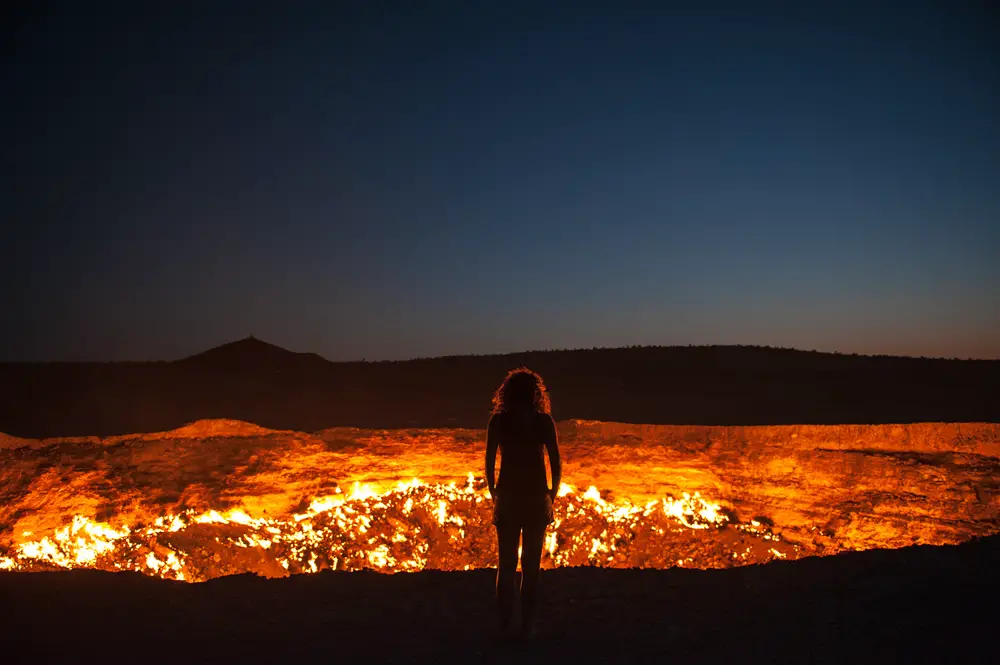
Also known as the Darvaza Gas Crater, the Gates of Hell is a natural gas field that collapsed into a cavern near Darvaza, Turkmenistan. It has been burning continuously since 1971, when scientists ignited it to prevent the spread of methane gas, assuming it would burn out in a few weeks. Standing at the edge of this 230-foot-wide fiery pit, you can’t help but feel the intense heat that radiates from its core. The roaring flames and the desolate desert backdrop make it a truly unsettling sight.
According to a report from National Geographic, the crater’s perpetual flames have become a symbol of the vast energy reserves that lie beneath Turkmenistan’s deserts. Yet, the eerie glow and the harsh conditions keep it on the must-visit list of only the most daring adventurers. Local legends add to the mystique, claiming the flames are a portal to the underworld. Regardless of its origins, visiting this site is not for the faint-hearted.
2. The Skeleton Coast, Namibia
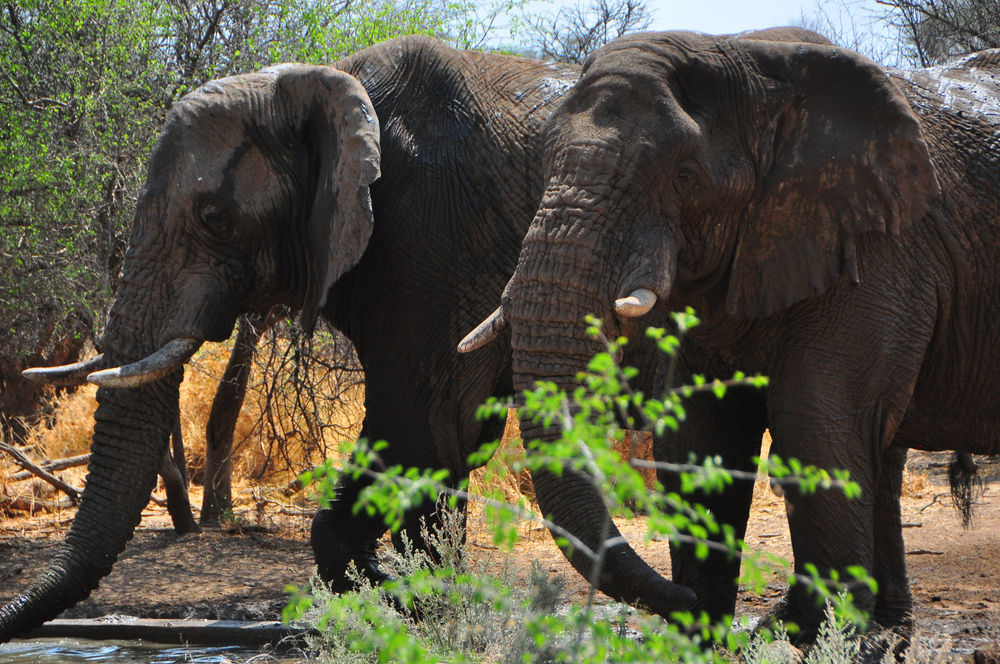
The Skeleton Coast stretches along Namibia’s northern coastline and is often shrouded in fog, adding to its ghostly reputation. The area is littered with the remains of shipwrecks, giving it an eerie, abandoned feel. As you walk along the desolate beaches, the bones of whales and seals occasionally emerge from the sand, remnants of past maritime disasters. The harsh climate, with its unpredictable weather patterns, makes exploring this coast a daunting task.
The coast is also home to a unique ecosystem, where desert-adapted animals like elephants and lions roam the landscape. Despite its ominous name, the region is a testament to nature’s resilience and adaptability. While the sight of rusted ship carcasses might send a chill down your spine, the desolate beauty captivates those who dare to visit. It’s both a mystifying and humbling experience to stand amidst the relics of human and natural history.
3. The Devil’s Pool, Zambia
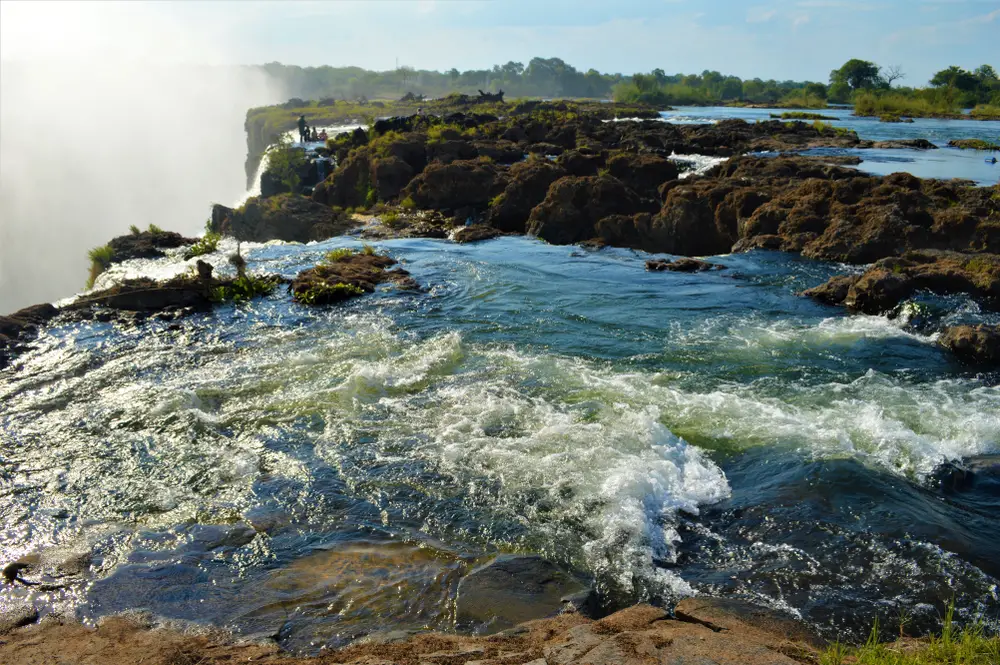
Perched on the edge of Victoria Falls, the Devil’s Pool is a natural infinity pool that offers breathtaking views and adrenaline-pumping thrills. During the dry season, when the river’s flow is manageable, you can swim right up to the edge of the 355-foot waterfall. It’s a surreal and slightly terrifying experience as you peer over the precipice, with the thunderous roar of the falls in your ears. Many find the experience both exhilarating and nerve-wracking.
A study in the Journal of Adventure Education and Outdoor Learning highlights how extreme natural attractions like the Devil’s Pool appeal to thrill-seekers and nature enthusiasts alike. However, safety is paramount, and local guides ensure that visitors remain secure while enjoying this unique vantage point. The pool’s allure lies in its blend of natural beauty and the slight risk involved in visiting. It’s a reminder of nature’s raw power and the delicate balance between thrill and safety.
4. The Catacombs of Paris, France

Beneath the bustling streets of Paris lies a labyrinth of tunnels and chambers, home to the remains of over six million people. The Catacombs of Paris are both a historical marvel and a place of macabre fascination. As you descend into the dimly lit corridors, the neatly stacked bones and skulls line the walls, creating a bizarre yet intriguing atmosphere. It’s a stark reminder of the city’s history and its struggles with overcrowding and disease.
The air is cool and damp, and the faint echo of your footsteps adds to the eerie ambiance. Despite the unsettling surroundings, the catacombs attract thousands of visitors each year, drawn by the allure of the unknown. The experience is both a lesson in history and a confrontation with mortality. As you navigate through the tunnels, the weight of centuries of human lives seems to press down on you, making it an unforgettable visit.
5. North Sentinel Island, India
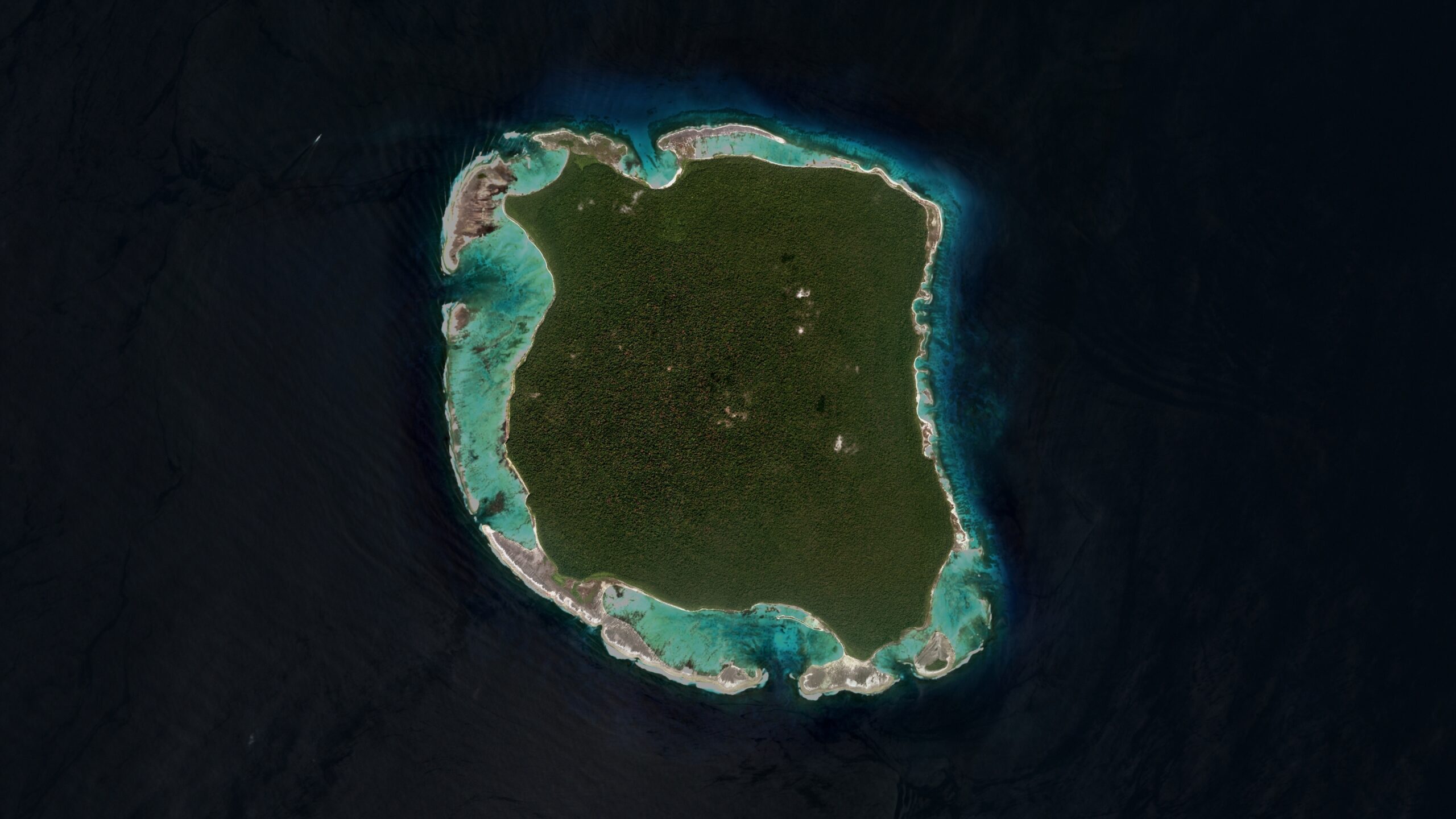
North Sentinel Island, part of India’s Andaman Islands, is home to the Sentinelese tribe, known for their resistance to outside contact. The island is off-limits to visitors, and attempts to approach have often been met with hostility. The dense jungle and uncharted terrain add an air of mystery, making it one of the most isolated places on Earth. Despite its beauty, the island’s inaccessibility and the tribe’s determination to remain undisturbed make it a place of intrigue and caution.
An article from The Guardian emphasizes the importance of respecting the Sentinelese’s wish for isolation, both for their safety and the preservation of their culture. The Indian government enforces a strict exclusion zone around the island to prevent contact. This policy underscores the delicate balance between curiosity and respect for indigenous peoples. The island remains shrouded in mystery, a reminder of the world’s hidden communities that resist the tide of modernity.
6. Mount Roraima, Venezuela
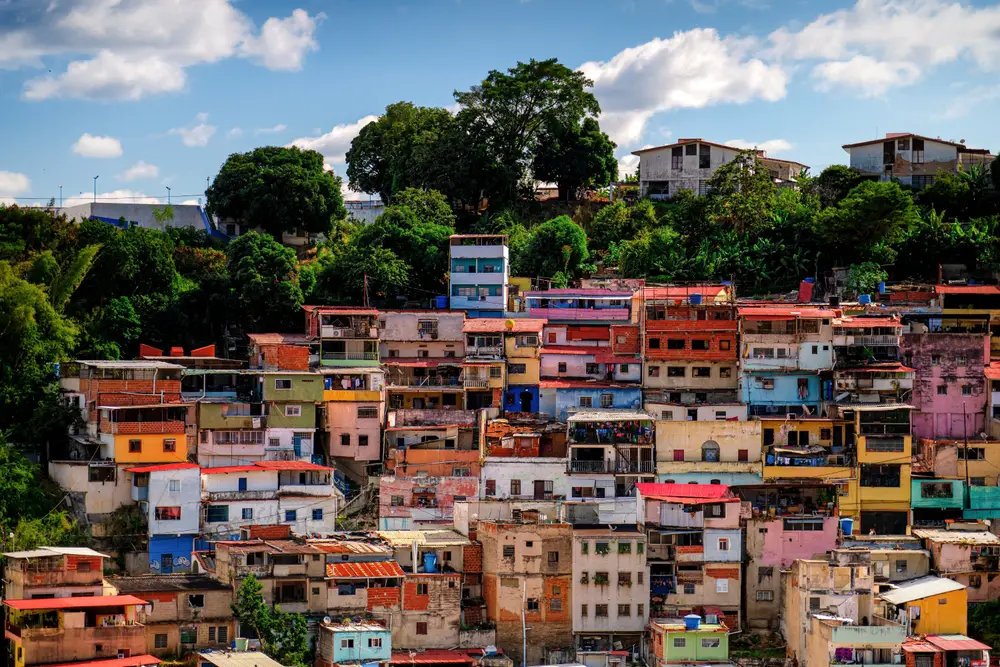
Mount Roraima is one of the most mysterious and visually stunning table-top mountains located in the border region between Venezuela, Brazil, and Guyana. Its sheer cliffs rise nearly 9,220 feet above sea level, topped with a flat summit often veiled in mist. Hiking to the top, you encounter unique flora and fauna species that exist nowhere else on Earth, giving it an otherworldly feel. The mountain’s isolated location and challenging trek keep it a bucket-list destination for the adventurous.
The indigenous Pemon and Kapon peoples regard Mount Roraima as sacred, believing it to be the stump of a mighty tree that once bore all the fruits and vegetables in the world. This rich folklore adds a layer of mystique to your ascent. The stark beauty of the landscape, combined with its cultural significance, makes the journey both a physical and spiritual adventure. Standing on the summit, surrounded by clouds, you can’t help but feel a connection to the ancient stories of the land.
7. Lake Baikal, Russia
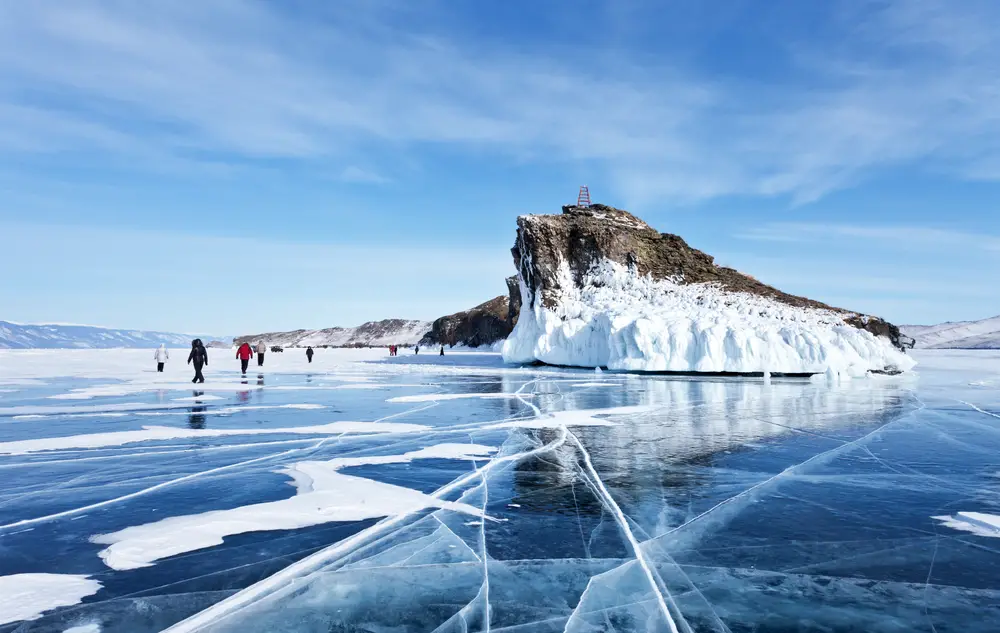
In Siberia, Lake Baikal is the world’s deepest and oldest freshwater lake, renowned for its crystal-clear waters and unique biodiversity. Surrounded by mountains and dense forests, the lake is a breathtaking natural wonder but also a remote and challenging destination. Winter transforms it into a frozen wonderland, with the surface ice creating surreal patterns and formations. However, this beauty comes with harsh conditions, including biting cold and isolation.
According to a report from the World Wildlife Fund, Lake Baikal is home to thousands of plant and animal species found nowhere else. Despite its allure, the lake’s remote location and extreme climate deter all but the most determined travelers. Yet, for those willing to brave the elements, the reward is an unparalleled connection with nature. Whether it’s the sight of Baikal seals or the echoes of ancient shamanistic traditions, the lake leaves a lasting impression on its visitors.
8. The Mariana Trench, Pacific Ocean
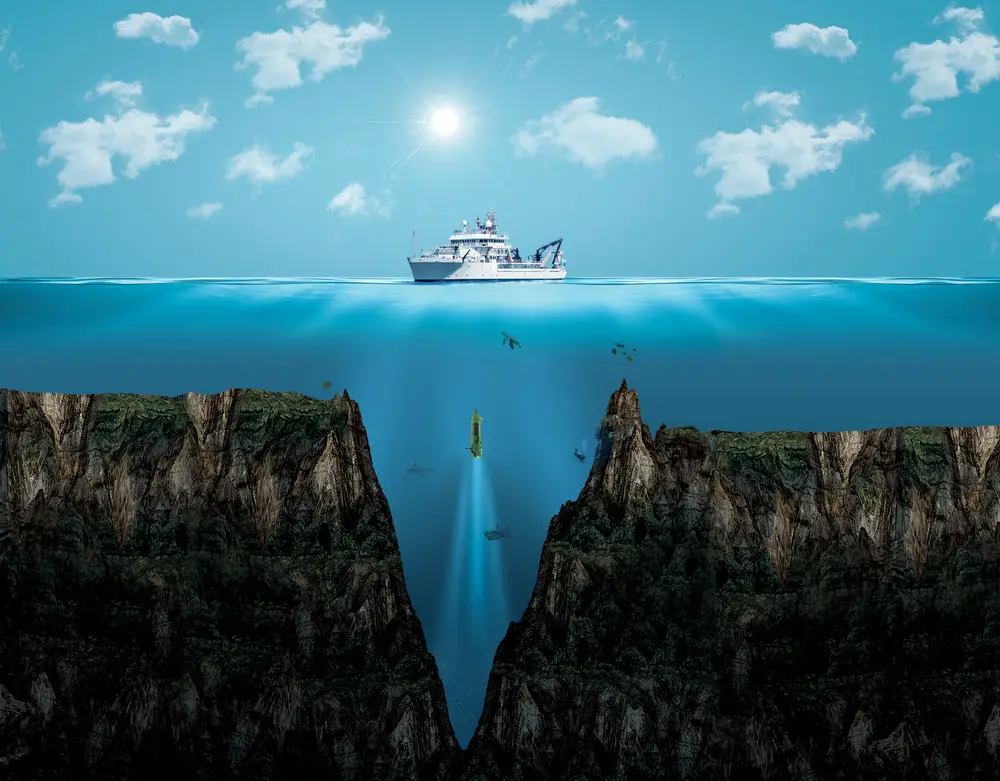
The Mariana Trench is the deepest part of the world’s oceans, plunging nearly 36,000 feet into the Pacific Ocean. This undersea trench is a place of extreme pressure and darkness, where few have ventured. Descending into these depths is akin to exploring another planet, with bioluminescent creatures and bizarre life forms thriving in the abyss. The trench challenges our understanding of life and survival in extreme environments.
The technical challenges of exploring the trench are immense, requiring specialized equipment and expertise. Yet, the scientific discoveries made here have profound implications for our knowledge of marine biology and Earth’s geology. As you descend, the vast emptiness envelops you, a reminder of the unexplored mysteries of our planet. It is a humbling experience, one that underscores both the fragility and resilience of life.
9. The Sahara Desert, Africa
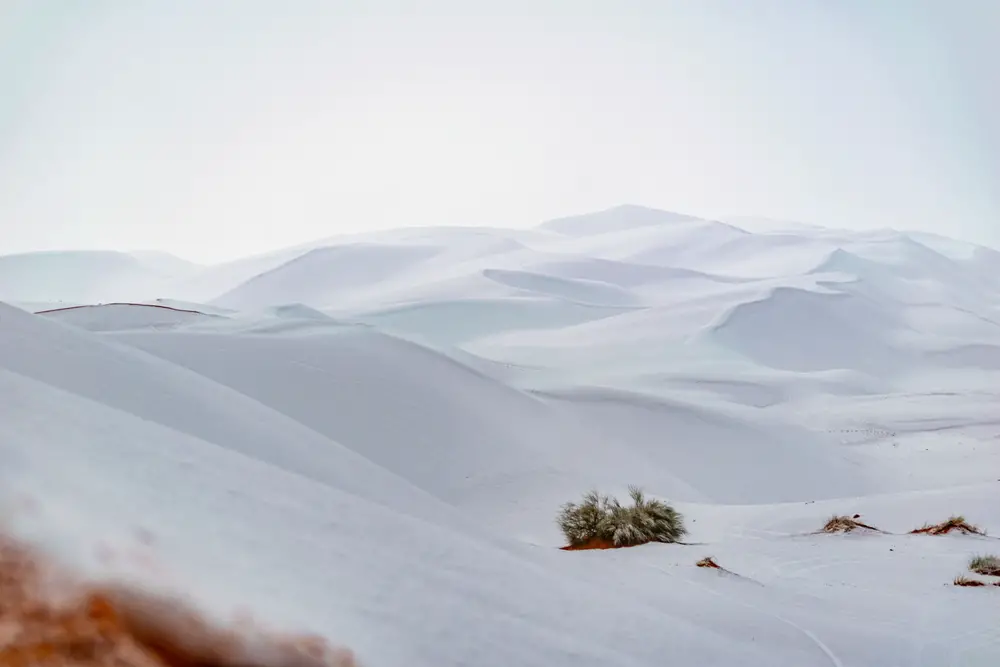
The Sahara Desert, stretching across North Africa, is synonymous with vast, arid landscapes and extreme temperatures. The endless dunes and remote oases create a stark and hauntingly beautiful environment. Traveling through the Sahara is a test of endurance and navigation, with the sun beating down relentlessly during the day and temperatures plummeting at night. Despite its harshness, the desert holds a timeless allure for those seeking solitude and challenge.
The desert’s history is rich with tales of ancient caravans, lost cities, and nomadic tribes, adding a layer of intrigue to your journey. The silence and vastness can be both peaceful and unsettling, a place where you confront your own insignificance. Yet, the Sahara is also home to a fragile ecosystem, with unique flora and fauna adapted to its conditions. For those who venture into its heart, the desert offers an experience that is both physically and spiritually transformative.
10. The Amazon Rainforest, South America
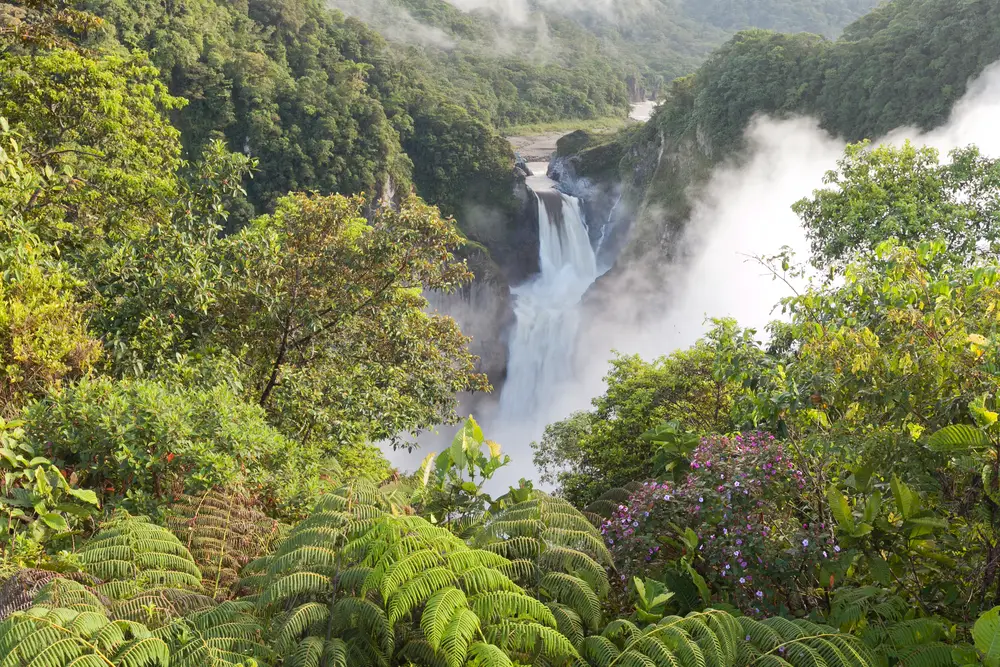
The Amazon Rainforest, the largest tropical rainforest in the world, spans several countries in South America. Its dense canopy and untamed wilderness are home to an astonishing array of biodiversity. However, the rainforest’s remote and inhospitable areas pose significant challenges to explorers. The thick vegetation and unpredictable weather can quickly disorient those unfamiliar with its terrain.
The Amazon is also a place steeped in mystery and legend, with indigenous tribes maintaining ancient traditions and knowledge of the land. Despite the risks, the allure of discovering rare species and untouched landscapes draws scientists and adventurers alike. The sheer scale and complexity of the rainforest are humbling, a reminder of nature’s power and diversity. Venturing into the Amazon is an exploration of both external and internal landscapes, testing your limits and expanding your horizons.
11. The Antarctic Peninsula
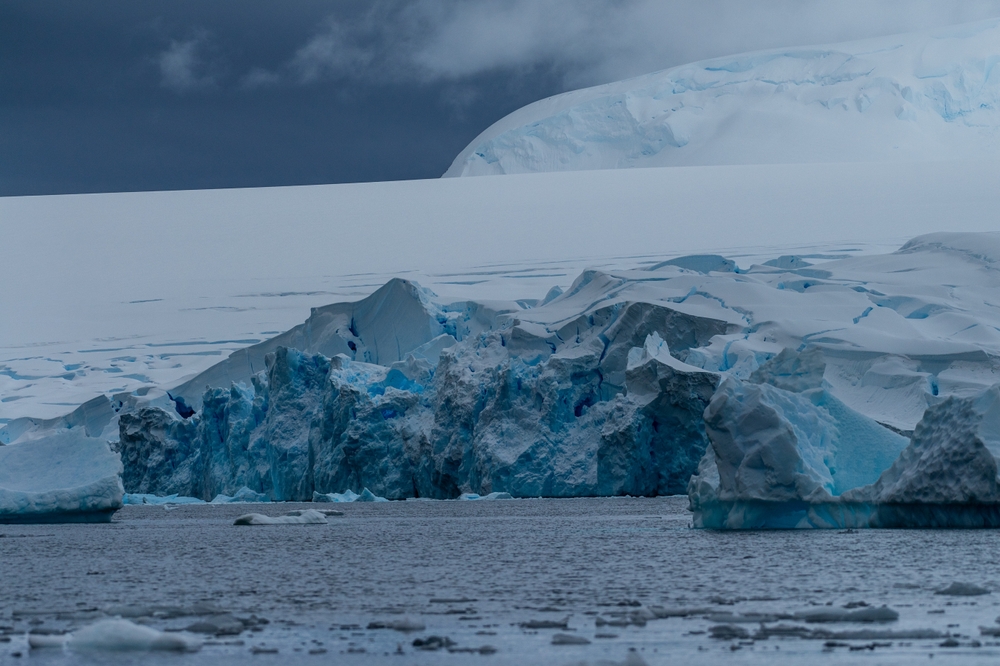
The Antarctic Peninsula is one of the most remote and inhospitable places on Earth, known for its icy landscapes and extreme cold. The vast expanses of ice and snow create a breathtaking yet stark environment. Traveling here is a logistical challenge, with harsh weather conditions and limited access requiring careful planning and preparation. Despite these challenges, the continent’s pristine beauty and unique wildlife captivate those who make the journey.
The sound of cracking ice and the sight of vast glaciers evoke a sense of timelessness and isolation. The peninsula is also a critical area for scientific research, with studies focusing on climate change and its global impact. For the few who visit, the experience is both awe-inspiring and sobering. It’s a reminder of the fragility of our planet and the interconnectedness of its ecosystems.
12. The Atacama Desert, Chile
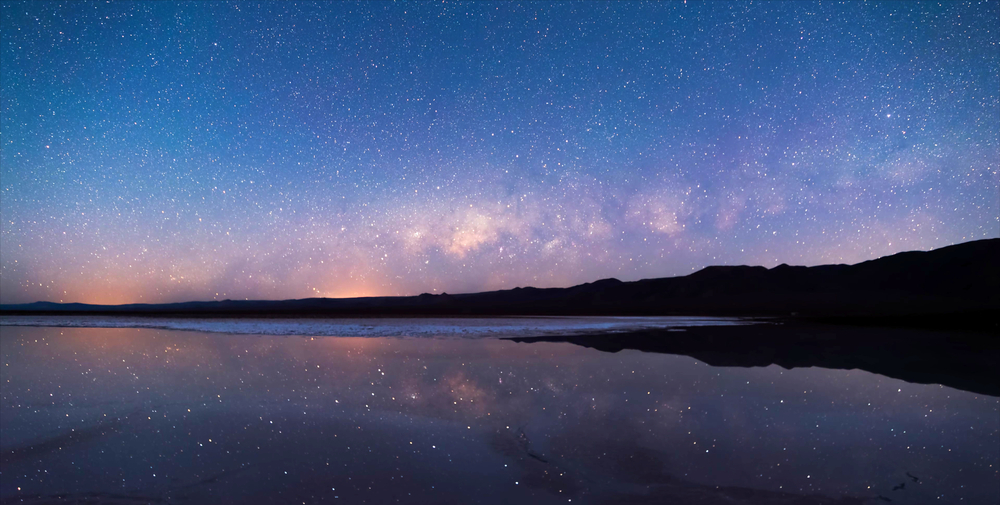
The Atacama Desert in Chile is the driest non-polar desert in the world, with some areas that have not seen rain for over a century. Its otherworldly landscapes are a mix of salt flats, sand dunes, and volcanic peaks. The harsh conditions and isolation make it a challenging place for exploration, yet its unique geological features draw scientists and adventurers. The clear skies also provide some of the best stargazing opportunities on the planet.
The desert’s extreme dryness supports a surprisingly diverse ecosystem, with life forms that have adapted to its arid conditions. It’s a place where you can experience the extremes of nature, from scorching daytime temperatures to frigid nights. The Atacama challenges your perceptions of life and survival, offering insights into the resilience of both nature and the human spirit. It’s a desolate yet captivating landscape that leaves a lasting impression.
13. The Yucatán Cenotes, Mexico
The Yucatán Peninsula in Mexico is famous for its network of cenotes—natural sinkholes filled with freshwater. These underwater caves hold a mysterious allure, with crystal-clear waters and intricate rock formations. Exploring these cenotes is like diving into another world, where light and shadow dance across the limestone walls. However, the labyrinthine tunnels and potential for disorientation make this a challenging adventure.
The cenotes are steeped in history and mythology, once considered sacred by the ancient Maya who believed they were portals to the underworld. This rich cultural context adds depth to your exploration, connecting you with the ancient past. The experience is both thrilling and introspective, a journey into the depths of both water and history. For those who brave the unknown, the cenotes offer a rare glimpse into the natural and cultural wonders of the Yucatán.