When you think of deadly animals, sharks and lions might first come to mind. But in reality, some of the most lethal creatures on Earth are the ones you least expect — often found in your backyard or lurking in unsuspecting places. It’s easy to underestimate these predators because they don’t fit the typical profile of ferocity. However, awareness is key to staying safe. Here’s a list of 15 deadliest animals that people often overlook, which should be on your radar.
1. Mosquitoes
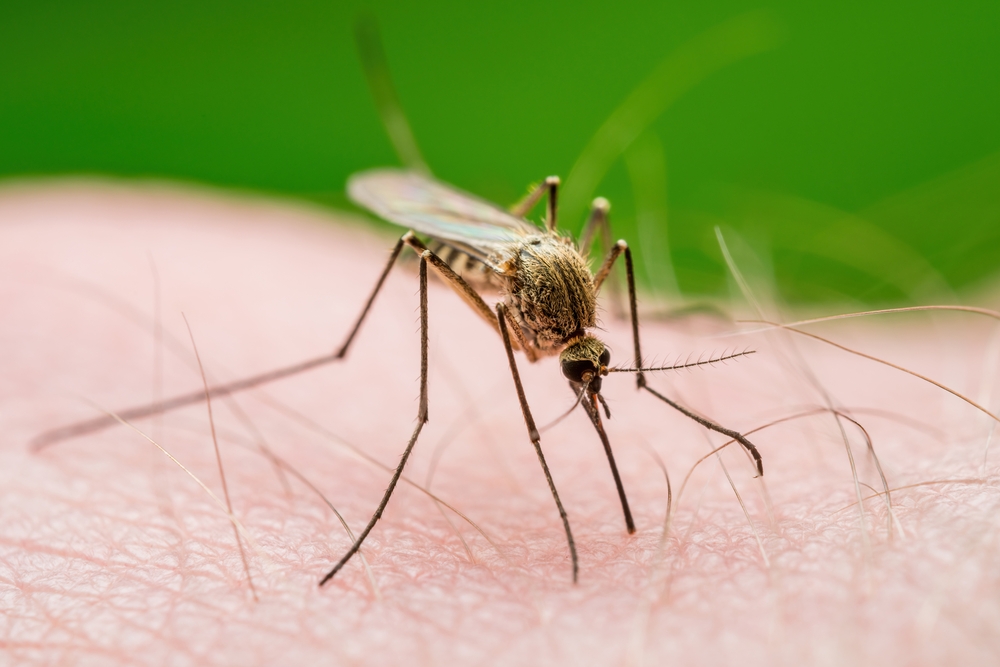
Would you believe that the tiny mosquito is responsible for over a million deaths each year? These insects carry diseases like malaria, dengue, and Zika virus, making them far more lethal than any tiger or bear. Most people think of mosquitoes as mere annoyances, not realizing the global health threat they pose. It’s crucial to protect yourself with repellents and nets, especially in regions where these diseases are prevalent.
The World Health Organization highlights that malaria alone results in around 400,000 deaths annually, with children being the most vulnerable. This makes the unassuming mosquito the deadliest animal to humans by far. Efforts are underway to develop vaccines and improve mosquito control, but personal vigilance is imperative. Remember, it’s not size that matters in the animal kingdom, but the impact on human health.
2. Box Jellyfish
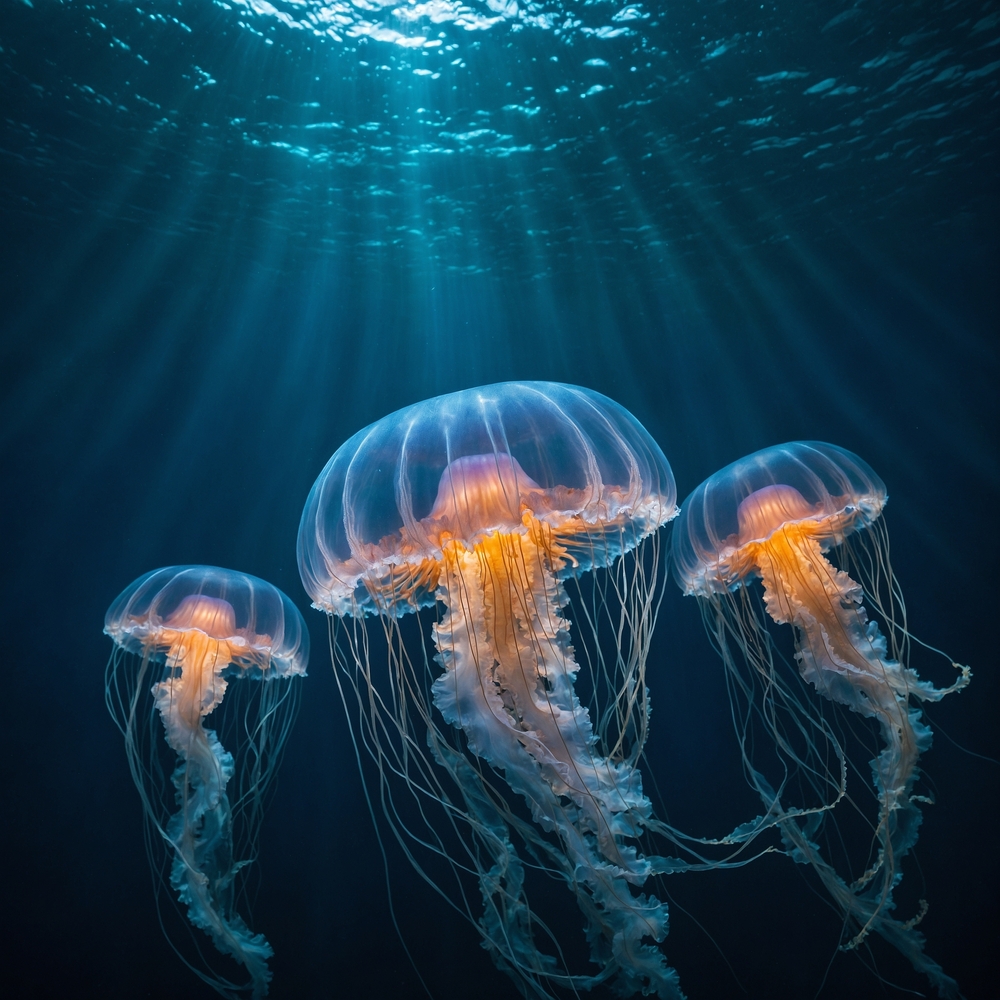
The box jellyfish, found in the waters of the Indo-Pacific, is a beautiful but deadly sea creature. With tentacles up to ten feet long, they deliver venom that can cause cardiac arrest, paralysis, or even death within minutes. Many people underestimate the danger of these creatures, often mistaking them for harmless jellyfish. However, they’re considered among the most venomous marine animals.
Unfortunately, anti-venoms are not always effective, and immediate medical attention is essential. Wearing protective clothing and staying informed about local jellyfish warnings can help you avoid a dangerous encounter. It’s a stark reminder that not all perils of the ocean are large and toothy. The box jellyfish is a testament to the lethal power of nature’s more delicate designs.
3. Freshwater Snails
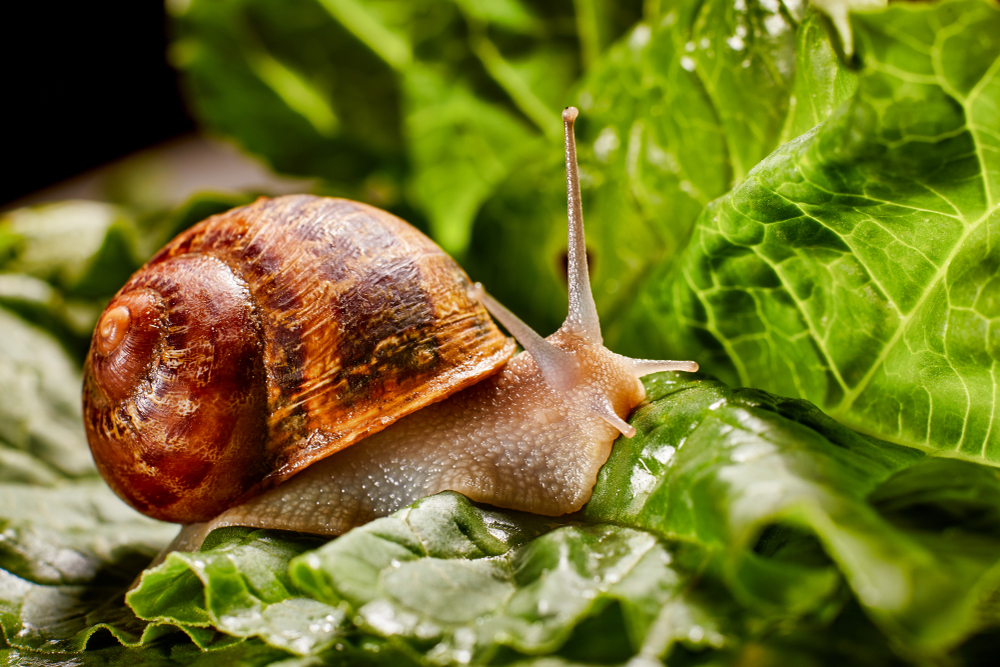
You might think of snails as slow-moving and harmless, but some freshwater species are anything but. They host parasitic worms that cause schistosomiasis, a disease affecting millions globally. People often overlook these snails when considering deadly animals, yet they facilitate a health crisis in many tropical regions. Walking barefoot in contaminated water is a common way people contract this disease.
A report from the Centers for Disease Control and Prevention (CDC) estimates that schistosomiasis affects over 200 million people worldwide, causing chronic illness and even death. Effective control strategies include improving sanitation and educating communities. But as an individual, being cautious in freshwater environments is a simple yet powerful preventative measure. It’s a striking example of how something seemingly benign can have profound implications.
4. Tsetse Fly
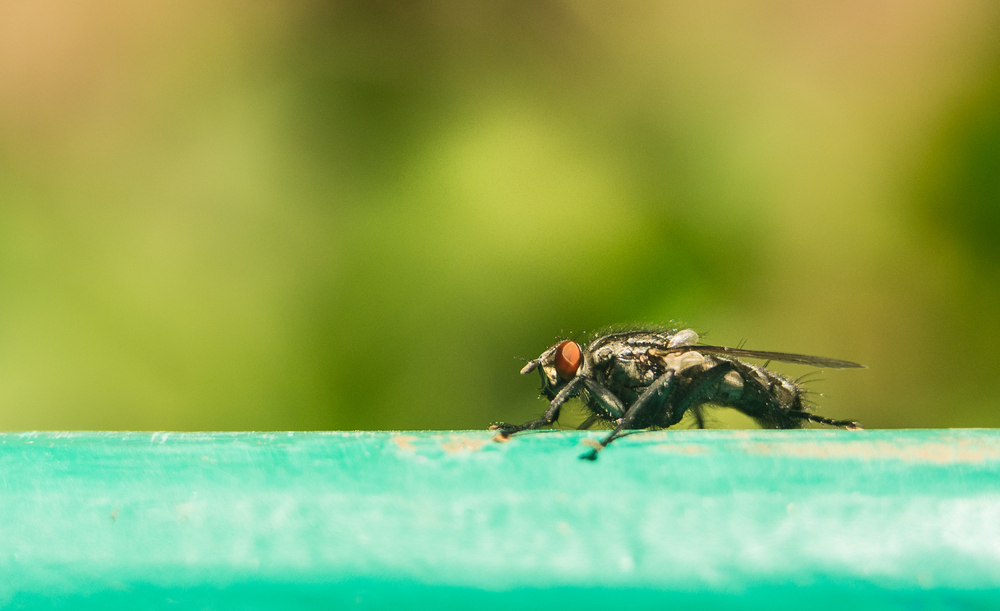
The tsetse fly may look like an ordinary fly, but it’s a dangerous vector for sleeping sickness, primarily affecting sub-Saharan Africa. This disease, if untreated, leads to neurological damage and often death. These flies target both humans and animals, impacting agriculture and local economies. People might underestimate them because they resemble less harmful flies.
Controlling the tsetse fly population is an ongoing challenge, involving traps, insecticides, and sterile insect techniques. For travelers, wearing neutral-colored clothing and using insect repellent are practical steps. Awareness and prevention are crucial as there’s currently no vaccine for sleeping sickness. It’s a reminder of how even the most unassuming creatures can have far-reaching effects.
5. Assassin Bugs
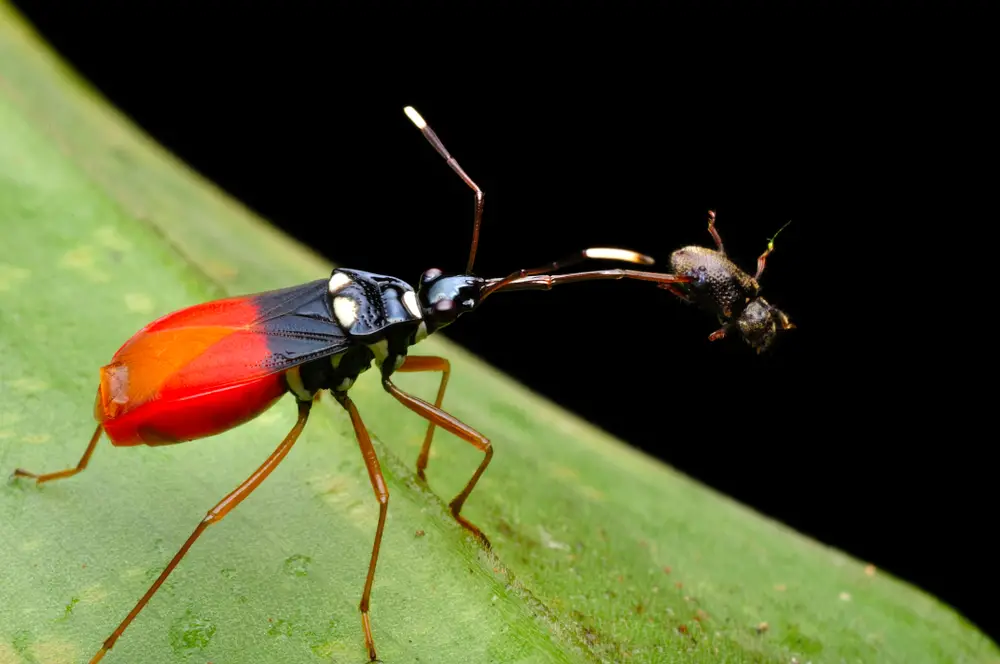
Assassin bugs might sound like they’re out of a spy thriller, but these insects are a reality in parts of Central and South America. They spread Chagas disease, which can lead to severe heart and digestive issues. People often overlook these bugs, not realizing they’re a significant health risk, due to their small size and inconspicuous nature. The disease is primarily spread through their feces after they bite.
The American Heart Association notes that Chagas disease is a leading cause of heart failure in Latin America, affecting millions. Effective control includes home improvements to reduce bug habitats and use of insecticides. For travelers, knowing how to avoid these bugs can prevent a life-altering disease. It’s a potent reminder of the hidden dangers in seemingly ordinary insects.
6. Hippopotamus
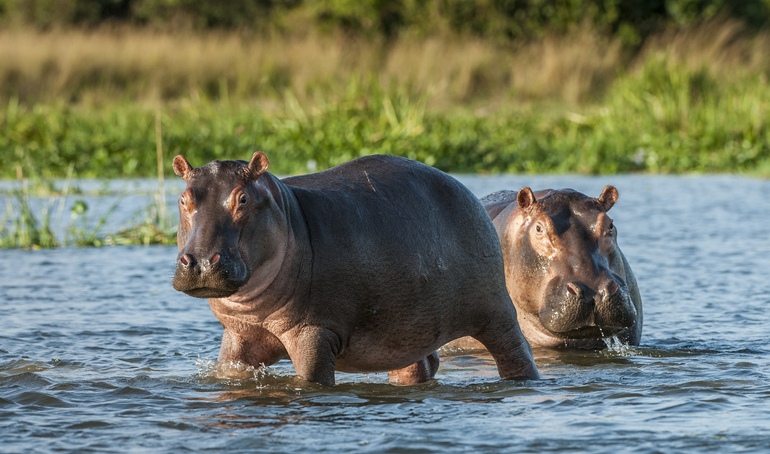
Hippos might come off as the lovable, rotund creatures you see in cartoons, but in reality, they’re one of Africa’s most dangerous animals. Surprisingly aggressive, they have massive jaws and can run faster than you might think. More people die from hippo encounters than from lion attacks, yet the threat is often underestimated. Their territorial nature makes them especially dangerous to those who wander too close.
Their seemingly placid demeanor is deceptive. Hippos are known to capsize boats and charge at anything that threatens their space. It’s crucial to maintain a safe distance if you’re near their habitats. This knowledge can be a lifesaver, counter to the usual perception of hippos as gentle giants.
7. Cape Buffalo
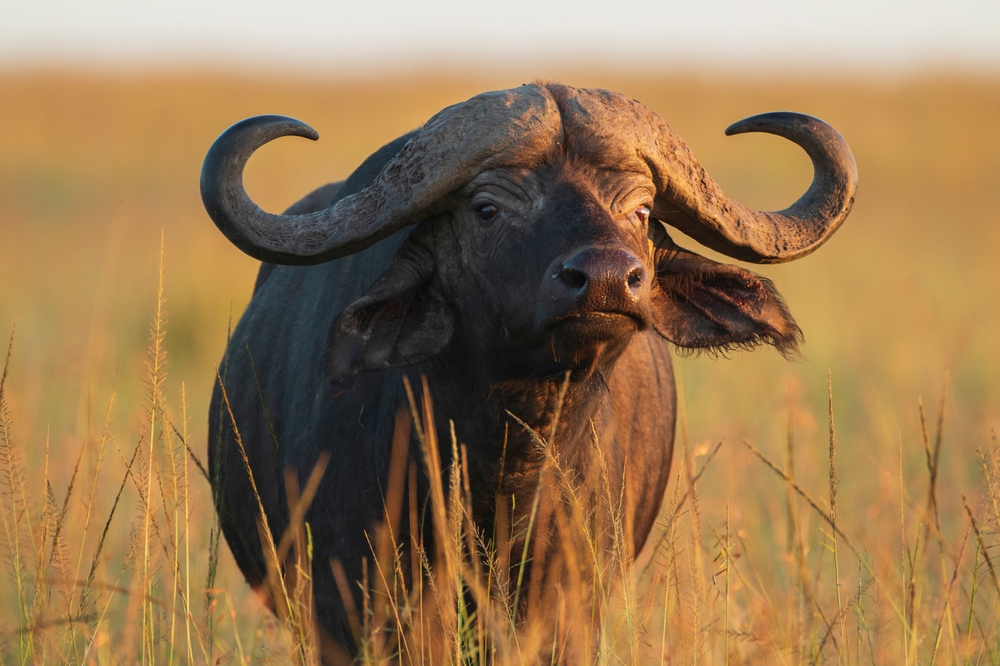
The Cape buffalo, native to Africa, is often overshadowed by its more famous neighbor, the lion. However, it’s known as one of the “Big Five” game animals for a reason. With horns sharp enough to pierce steel and a temperament that’s unpredictable, these animals are responsible for more fatalities on African safaris than most would expect. People often underestimate them due to their resemblance to domestic cattle.
Research published in the journal African Zoology illustrates the buffalo’s unpredictable nature, with reports of charges without provocation. They’re known to stalk and attack hunters who have wounded them or threatened their herd. Awareness and respect for these powerful animals can prevent dangerous encounters. It’s a stark contrast to their perceived docility, showing just how deceptive appearances can be.
8. Cone Snail
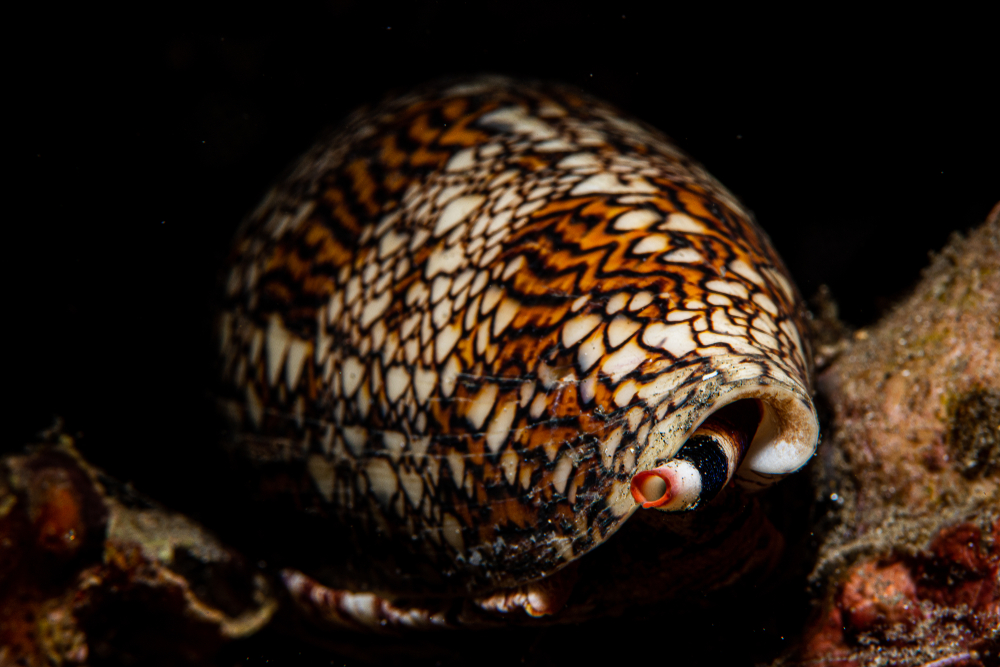
The cone snail, with its beautiful shell, looks like a treasure from the sea, but it’s a deadly predator. Found in the warm tropical waters of the Indo-Pacific, this snail can deliver a venomous sting capable of paralysis and even death. Many beachgoers are unaware of its danger, often admiring its shell without realizing the potential threat.
This snail is a reminder that the ocean’s beauty can sometimes hide lethal risks.
There’s no known antidote for a cone snail sting, which makes immediate medical attention imperative. Collectors and divers need to exercise caution in areas where they are found. Understanding the risks associated with these seemingly innocuous creatures can prevent tragic accidents. It’s a classic case of nature’s beauty masking its peril.
9. Dart Frog
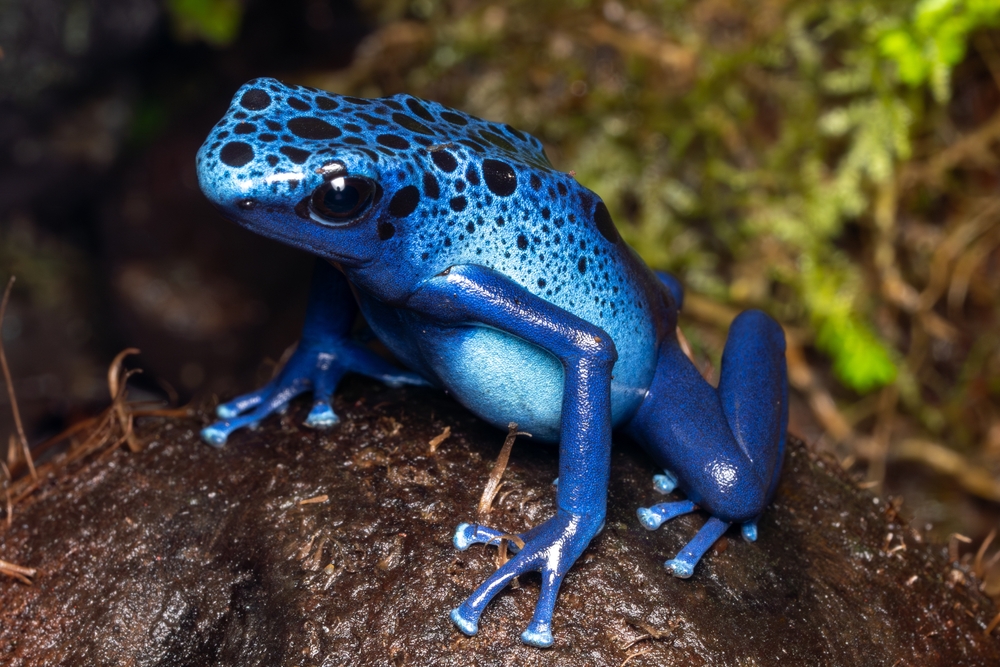
Dart frogs are small, vibrantly colored amphibians native to Central and South America. Their bright hues serve as a warning, as they secrete toxins capable of causing paralysis or death if ingested or introduced into the bloodstream. Many people underestimate these frogs because of their size and striking appearance. However, they’re among the most toxic animals on the planet.
Indigenous people have historically used their poison for hunting, coating the tips of blow darts. While their toxicity varies by species, some are deadly enough to kill large animals or even humans. When traveling in rainforests, respecting the wildlife and maintaining a safe distance from these frogs is wise. This serves as a vital reminder that vivid beauty in nature often comes with hidden dangers.
10. Pufferfish
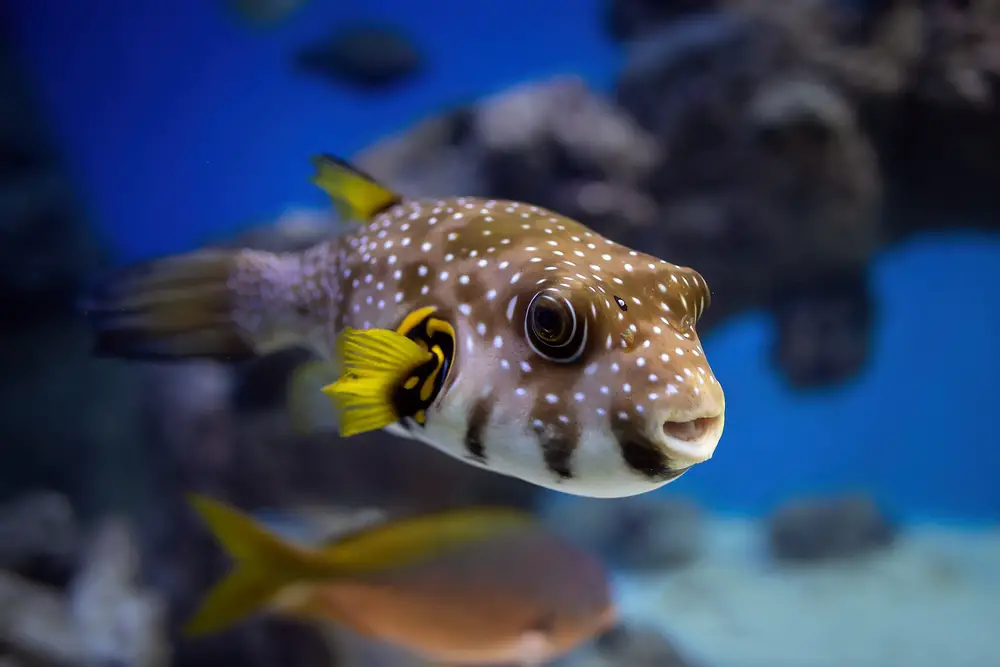
The pufferfish, also known as fugu in Japan, is a delicacy that thrills adventurous eaters but hides a lethal secret. Its organs contain tetrodotoxin, a poison more potent than cyanide. This doesn’t deter chefs and food enthusiasts, who often underestimate the risks involved. The allure of tasting a dish that skirts the edge of danger is hard to resist.
Only licensed chefs are allowed to prepare fugu, undergoing rigorous training to ensure it’s safe to eat. Despite this, there are still occasional reports of poisoning, highlighting the risks involved. For the casual diner, awareness and caution are key. It’s a stark reminder that culinary adventures can carry serious consequences.
11. Komodo Dragon
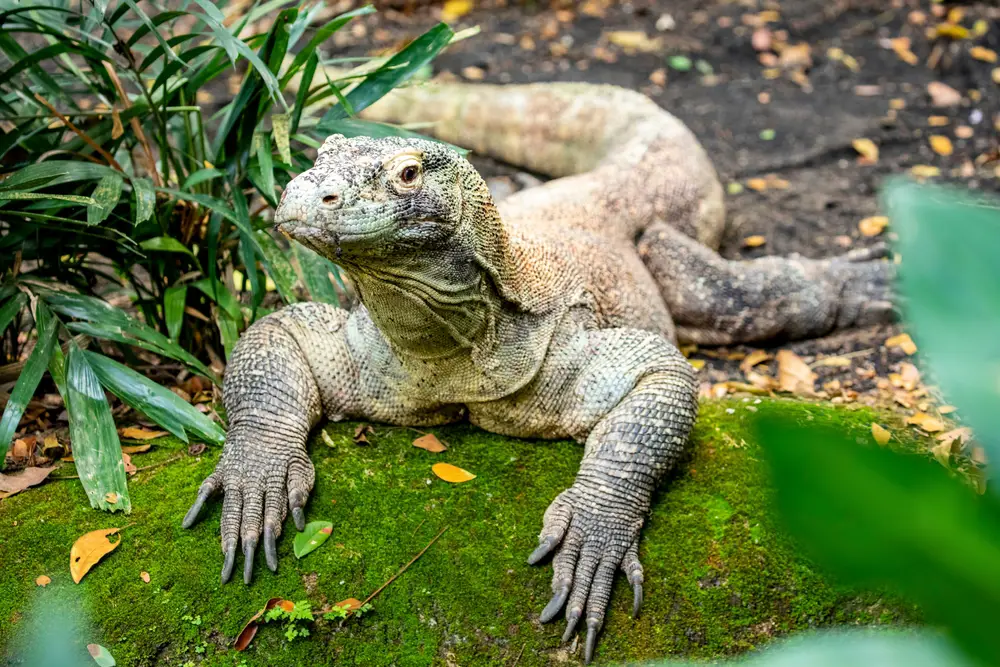
The Komodo dragon is the largest living lizard, native to a few Indonesian islands. While its sheer size is impressive, it’s the venomous bite that poses a real threat. People often underestimate these lizards, thinking they’re slow and cumbersome; however, they can sprint quickly in short bursts. Their saliva contains a cocktail of bacteria and venom, capable of inducing shock or death in their prey.
Encounters with these creatures can be dangerous if you’re unprepared or unaware of their capabilities. Staying on designated paths and paying attention to local guides are essential when visiting their habitats. The Komodo dragon is a powerful reminder of evolution’s ability to create lethality in unexpected forms. It’s an example of how nature’s giants can be both fascinating and fearsome.
12. Brazilian Wandering Spider
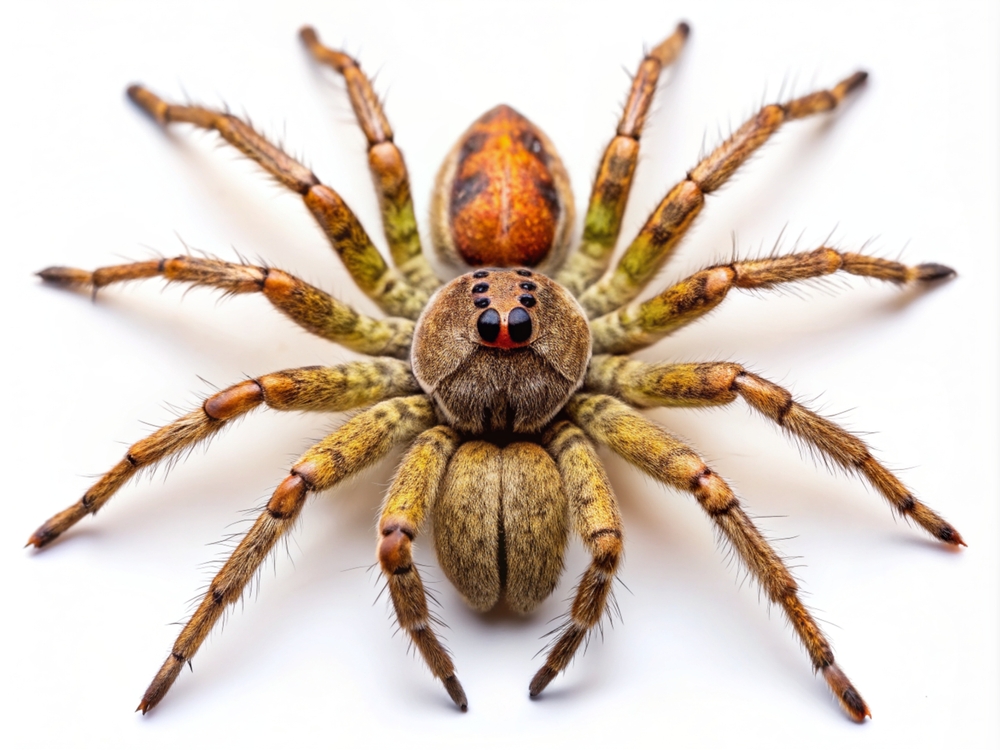
The Brazilian wandering spider, with its long legs and aggressive nature, is a creature that commands respect. Known for its potent venom, it’s considered one of the most dangerous spiders globally. Many underestimate its threat due to its relatively small size compared to other predators. However, its venom can cause serious medical issues, including intense pain and paralysis.
This spider doesn’t build webs but roams the jungle floor at night, increasing the chance of accidental encounters. Being vigilant and avoiding unnecessary risks in areas where they’re prevalent is crucial. For residents and travelers alike, understanding the risks posed by these arachnids can prevent unfortunate incidents. It’s a prime example of how danger isn’t always obvious in the natural world.
13. Stonefish
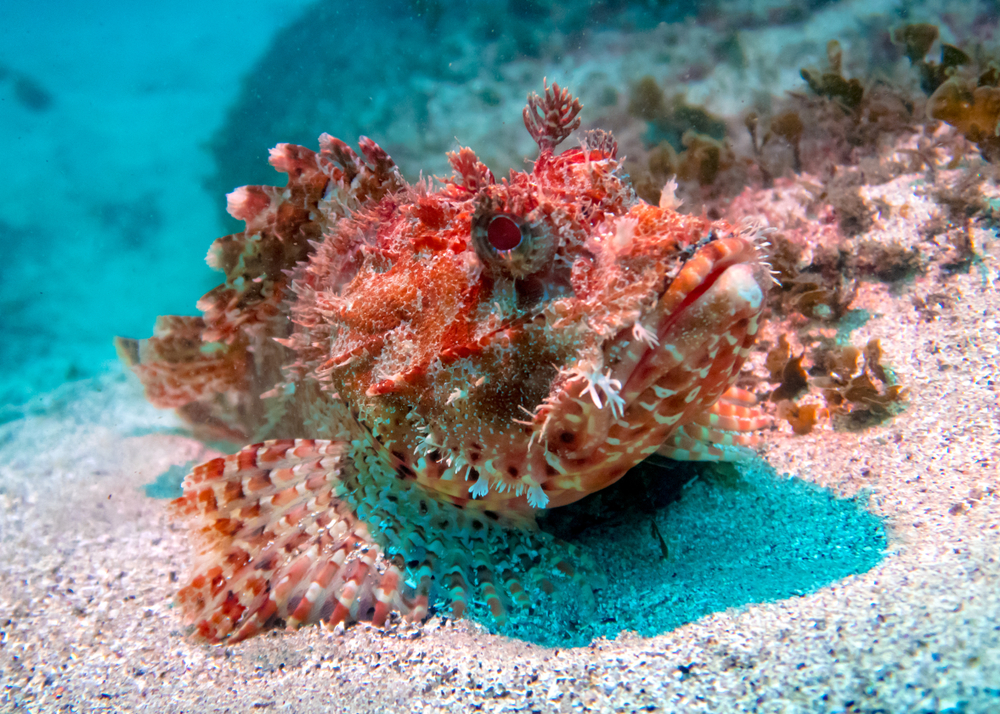
The stonefish is a master of disguise, blending seamlessly with the ocean floor, a talent that makes it particularly dangerous. Its venomous spines can deliver a sting that is intensely painful and potentially fatal. Beachgoers and divers often overlook this threat, mistaking them for harmless rocks. However, they’re among the most venomous fish in the ocean.
Prompt medical attention is essential if stung, as antivenoms are available but need to be administered quickly. Wearing protective footwear in areas where they’re known to inhabit can reduce the risk of stings. Awareness of these cryptic creatures is key to staying safe in tropical waters. It’s a clear example of how nature’s camouflage can hide perilous threats.
14. Blue-Ringed Octopus
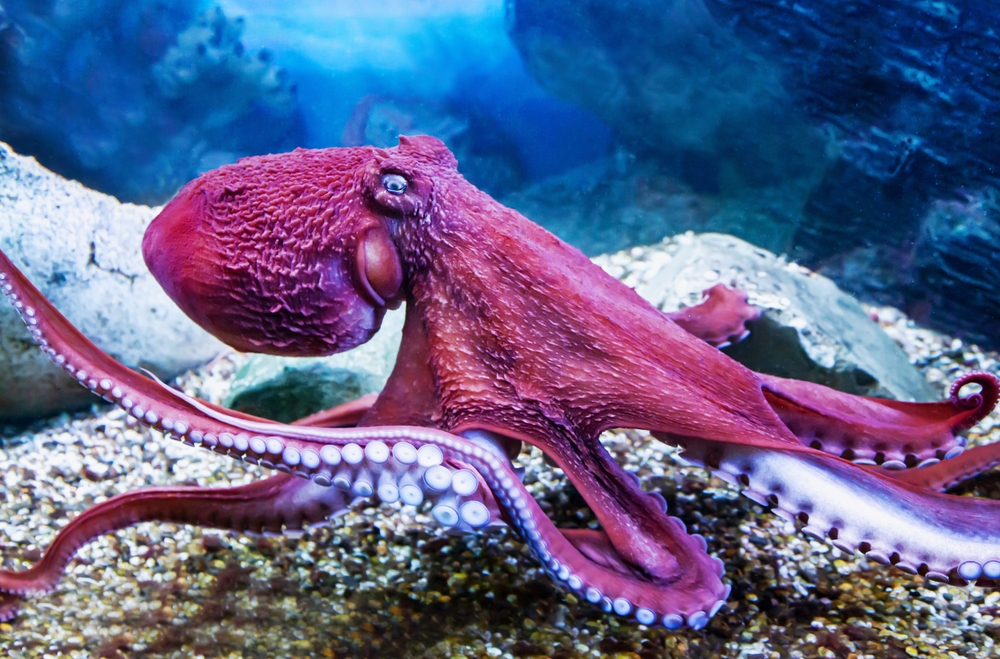
The blue-ringed octopus is a small but potent danger lurking in the Pacific and Indian oceans. Despite its small size, it carries venom capable of killing humans, and there’s no known antidote. People often underestimate its threat because of its vibrant blue rings, assuming it’s another beautiful marine creature. However, its bite can cause paralysis and respiratory failure within minutes.
Avoiding the impulse to touch these octopuses is critical, as even a seemingly harmless encounter can be deadly. Understanding and respecting marine life can prevent potentially fatal mistakes. Its vivid appearance serves as a warning, a stark reminder of the potent dangers that can come in small packages. It underscores the importance of respecting all wildlife, no matter how enticing they appear.
15. Cassowary
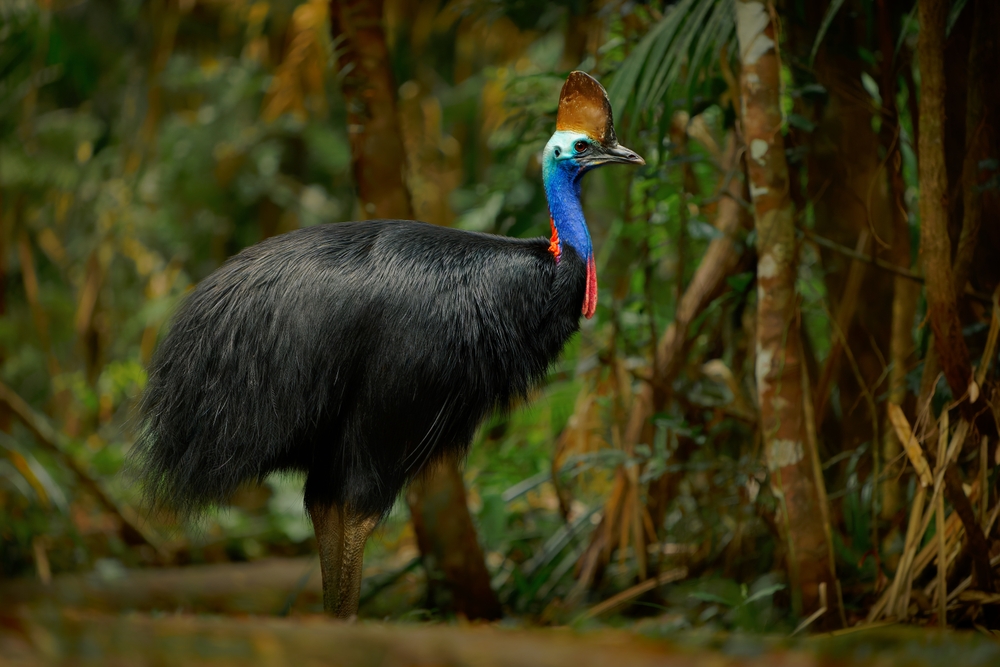
The cassowary, found in the tropical forests of New Guinea and Australia, is a large, flightless bird with a reputation for aggression. Its powerful legs and sharp claws can deliver a kick strong enough to be fatal. While they’re often compared to emus or ostriches, cassowaries are far more dangerous due to their territorial nature. People might underestimate them because they look more like oversized turkeys than menacing predators.
Approaching or provoking these birds can result in serious injury, emphasizing the need for caution and respect. Staying informed about the wildlife in areas you’re visiting can prevent dangerous interactions. The cassowary is a striking example of how birds, often seen as benign, can be far more formidable than they seem. It’s a testament to the unpredictable nature of wildlife encounters.