
DNA evidence is shaking up everything we thought we knew about human evolution. With each new discovery, scientists are piecing together a complex tapestry that reveals our ancestral history is far more intricate than previously imagined. As we delve into the double helix of our past, we’re discovering unexpected branches on our family tree that challenge long-held beliefs. Here are 13 incredible ways DNA evidence is rewriting the story of human evolution, offering us a fresh perspective on our origins and identity.
1. The Neanderthal Connection
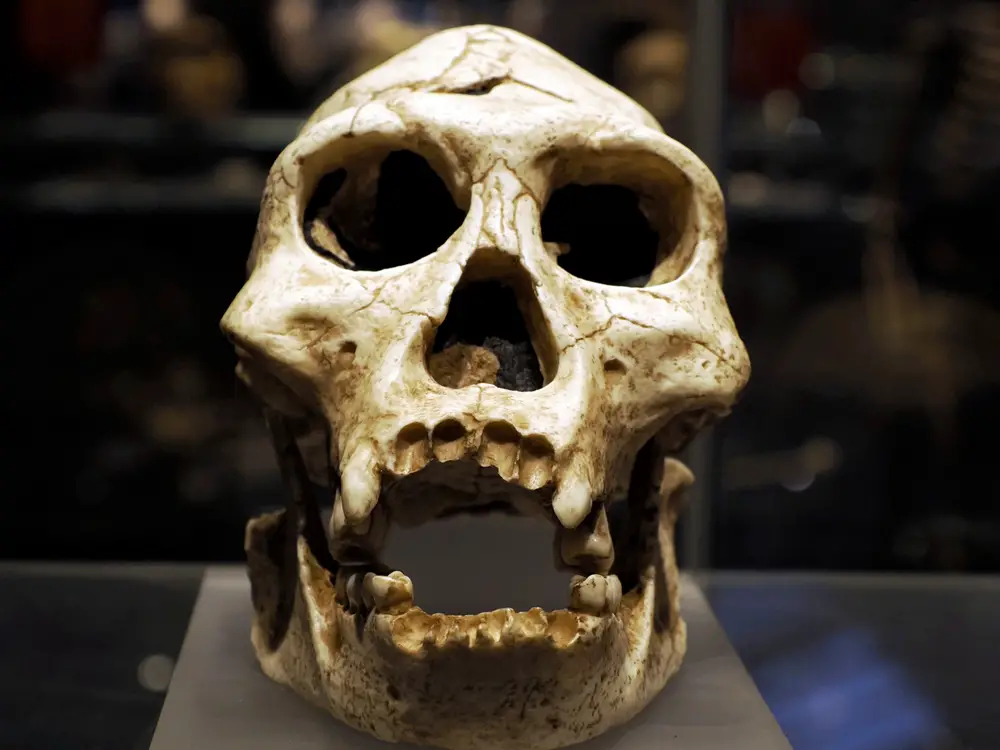
For years, Neanderthals were considered a distinct and separate species from modern humans. However, DNA analysis has uncovered that they aren’t just distant relatives — they’re part of our genetic makeup. Research published in Nature found that non-African modern humans share approximately 1-2% of their DNA with Neanderthals. This discovery rewrote the narrative, suggesting that early human ancestors interbred with Neanderthals, giving us a genetic legacy that influences everything from immune system function to skin tone.
These findings have profound implications for understanding human evolution. They suggest that the evolutionary tree is more of a web, with interconnected branches rather than isolated lines. This pushes scientists to reconsider how different hominid species interacted and evolved. It also forces us to rethink the concept of what it means to be “human,” as the lines between species blur more than we once believed.
2. The Denisovan Discovery

Just when you thought the Neanderthal connection was wild, DNA evidence introduced us to another ancient relative: the Denisovans. First identified from a finger bone fragment in a Siberian cave, Denisovans left a genetic imprint on modern populations across Asia and Oceania. Similar to Neanderthals, interbreeding between Denisovans and modern humans has left traces in our DNA, with some populations carrying up to 5% Denisovan DNA.
This discovery expands our understanding of human migration and adaptation. It also highlights the complexity of ancient hominid interactions and suggests that our ancestors were more mobile and interconnected than previously thought. The Denisovan DNA in modern populations has been linked to adaptations in high-altitude living, further illustrating the nuanced ways our ancient relatives have shaped us. This piece of the puzzle shows that our evolutionary journey is filled with unexpected allies and intricate stories.
3. The “Out of Africa” Model Reimagined

The “Out of Africa” model of human migration has long been the prevailing theory, but DNA evidence is adding layers to this narrative. Recent studies, including one published in Science, indicate that there were multiple waves of migration out of Africa, spanning over hundreds of thousands of years. These waves suggest a more complex movement pattern than a single exodus, with various groups leaving Africa and interacting with each other along the way.
This evidence shifts our perspective on how humans populated the globe. It emphasizes the dynamic nature of human migration and adaptation and the genetic exchanges that occurred as different groups interacted. This continual ebb and flow of human movement paints a picture of an ever-changing landscape of human evolution. It challenges us to think about migration not as a singular event, but as an ongoing process that has shaped our genetic diversity.
4. The “Mitochondrial Eve” Theory Explained
The concept of “Mitochondrial Eve” — the idea that all modern humans can trace their maternal lineage back to a single woman in Africa — has been a cornerstone of evolutionary biology. Yet, DNA evidence is adding nuance to this story. While Mitochondrial Eve remains a pivotal figure, studies show that our genetic ancestry is more complex, with multiple “Eves” contributing to our lineage.
This complexity highlights the richness of our genetic past. It suggests a more interconnected web of human evolution, where multiple maternal lines converged and diverged over time. This insight emphasizes the diversity and resilience of human populations as they adapted and evolved. It also reminds us that while singular narratives can be powerful, the full story is often more intricate and fascinating.
5. The Hobbit Myth

Remember the discovery of the “hobbit” people, or Homo floresiensis, in Indonesia? Initially, it was thought they might be a dwarfed form of modern humans, but DNA evidence has led to new interpretations. While attempts to extract DNA from the fossils have been unsuccessful, the study of their morphology and genetic relationships points to a more complex evolutionary picture. According to a study published in Nature, Homo floresiensis might represent a separate branch of early human ancestors who evolved in isolation.
This revelation prompts us to reevaluate our understanding of human diversity. It shows that evolution can take surprising forms, driven by unique environmental pressures. The existence of Homo floresiensis underscores the vast and varied evolutionary paths our ancestors took. It challenges us to broaden our definition of what it means to be human, embracing the diversity that has always been a part of our lineage.
6. The “Modern” Human Debunked
With these discoveries, the definition of “modern” humans is being stretched in new directions. The more we learn about our genetic heritage, the more we realize that the distinctions we once made between “modern” and “archaic” humans are not as clear-cut. DNA evidence reveals that ancient hominids like Neanderthals and Denisovans contributed significantly to the genetic makeup of contemporary humans.
This blurring of lines forces us to reconsider our evolutionary identity. It suggests that the qualities we associate with modern humans — like advanced cognitive abilities and cultural expression — might have deeper roots shared with our ancient relatives. As we integrate these findings, our understanding of human evolution becomes richer and more inclusive. It reminds us that evolution is a continuum, not a series of isolated events.
7. The Mystery of Ancient Ghost Populations

DNA evidence is illuminating previously unknown “ghost” populations that contributed to the genetic makeup of modern humans. These ancient groups left no direct fossil records but have been identified through genetic signatures in contemporary populations. Research from the *Proceedings of the National Academy of Sciences* highlights how these ghost populations interacted with our ancestors, adding yet another layer to our evolutionary history.
The discovery of ghost populations complicates our understanding of human evolution but also enriches it. It suggests that many interactions and migrations occurred that we are only just beginning to uncover. This hidden genetic diversity challenges us to look beyond the fossil record and recognize the myriad influences on human evolution. It underscores the importance of DNA analysis as a tool for uncovering the hidden stories of our past.
8. Rethinking Human-Neanderthal Interactions
Beyond mere interbreeding, DNA evidence is shedding light on the complex relationships between humans and Neanderthals. Rather than being a one-time event, genetic data suggest ongoing interactions over tens of thousands of years. These interactions were not just limited to mating but perhaps included cultural exchanges and shared technological innovations.
This paints a richer picture of life in prehistoric Europe and Asia. It suggests that humans and Neanderthals lived in overlapping territories, exchanging ideas and tools, and perhaps even forging alliances. This nuanced understanding challenges the notion of a clear human supremacy, instead highlighting a period of coexistence and mutual influence. It invites us to imagine a past where different human species were both competitors and collaborators in the dance of evolution.
9. The Role of Climate in Shaping DNA

Climate has played a crucial role in shaping human evolution, and DNA evidence is revealing how our ancestors adapted to changing environments. As ice ages came and went, human populations were pushed to adapt or migrate, leaving genetic traces of these adaptations in modern populations. These include changes in metabolism, skin pigmentation, and other traits that helped our ancestors survive.
Understanding these adaptations offers insight into the resilience and ingenuity of human populations. It highlights the dynamic relationship between humans and their environment, showing how climate pressures can drive evolutionary change. This knowledge also provides a framework for understanding how modern humans might adapt to future environmental challenges. It underscores the deep connection between our genes and the world we inhabit.
10. The New Hominid Species

DNA evidence has played a pivotal role in identifying new hominid species, each offering unique insights into our evolutionary past. The discovery of Homo naledi in South Africa, for example, added a new branch to our family tree, challenging assumptions about the diversity of early hominids. DNA analysis, combined with fossil evidence, provides a clearer picture of how these species fit into our evolutionary history.
These discoveries are reshaping our understanding of human evolution, revealing a richer tapestry of species and evolutionary paths. They show that our lineage is far more diverse than once thought, with many different hominids coexisting at various points in history. Each new species discovered adds depth to our understanding of human evolution, prompting us to reevaluate established narratives. It highlights the ongoing nature of scientific discovery and the continuous unfolding of our ancient story.
11. The Evolution of Human Traits

DNA evidence is helping scientists pinpoint the origins of traits that define modern humans. From language and cognitive abilities to physical characteristics, genetic analysis is uncovering when and how these traits evolved. This evidence suggests that many traits we consider uniquely human have deep roots in our evolutionary past.
By tracing the genetic origins of these traits, scientists can better understand the evolutionary pressures that shaped them. This knowledge not only informs our understanding of human history but also provides insights into the development of culture and society. It highlights the interplay between genetic evolution and cultural evolution, showing how each influences the other. This holistic view of human evolution offers a more comprehensive understanding of what it means to be human.
12. The Unraveling of the Mystery of Human Migration
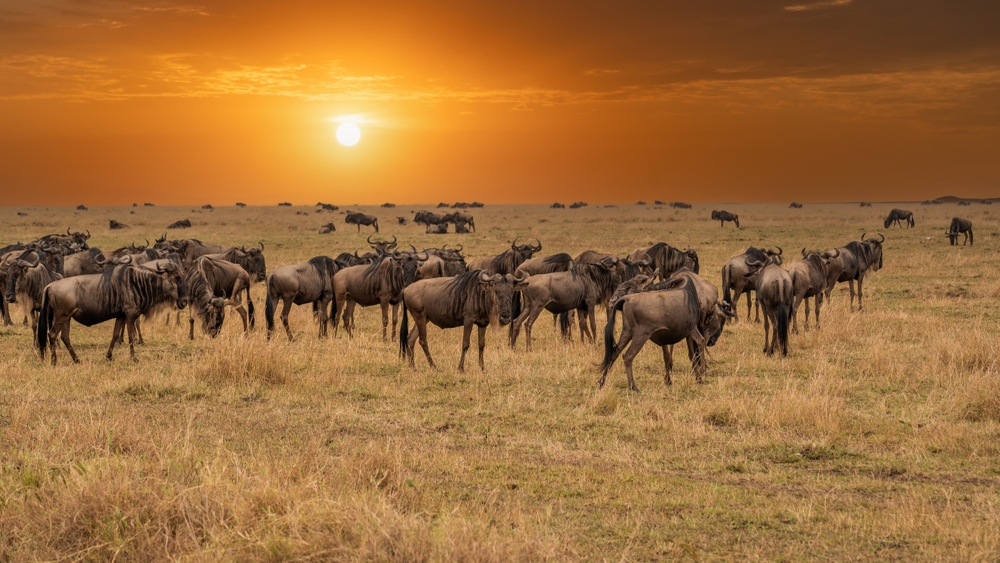
The story of human migration is being rewritten with the help of DNA evidence, revealing a more complex web of movement than previously imagined. Genetic analysis shows that ancient humans migrated across continents in multiple waves, often retracing paths and mingling with other populations. This dynamic process created a complex genetic mosaic that we see reflected in modern populations.
Understanding this process offers valuable insights into the adaptability and resilience of human populations. It highlights the role of migration in shaping genetic diversity and cultural exchange. This knowledge challenges simplistic narratives of human migration, revealing a more intricate story of exploration and survival. It emphasizes the interconnectedness of human populations, illustrating how migration has always been a fundamental aspect of human history.
13. The Future of Human Evolution

As we uncover more about our genetic past, questions arise about the future of human evolution. DNA evidence suggests that evolution is an ongoing process, with humans continuing to adapt to their environments. Modern medicine, technology, and societal changes are influencing evolutionary pressures, creating new dynamics in how we evolve.
This ongoing evolution raises important questions about the future of humanity. It challenges us to consider how current trends might shape the genetic legacy we leave for future generations. As we navigate this ever-changing landscape, understanding the principles of evolution can guide our choices and strategies. It reminds us that the story of human evolution is far from over, with new chapters being written every day.