
As solo travel gets more mainstream, the stories are getting more honest. The fear isn’t always about worst-case headlines—it’s about the smaller moments where your stomach drops and you realize you’re alone, you’re clocked, and you’re improv-ing your way back to safety. Across travel forums, comment sections, and advice threads, people keep describing the same chilling patterns: isolation, confusion, and someone else sensing your vulnerability before you do. Here are 13 of the scariest things people say they’ve seen while traveling alone.
1. The “Friendly” Stranger Who Wouldn’t Let the Conversation End
Some solo travelers say the scariest thing isn’t a weapon—it’s a person who won’t stop engaging, even when you’re clearly trying to exit. The vibe starts as harmless small talk, then turns into invasive questions, shadowing, and a weird insistence on “helping” you. What makes it terrifying is the social pressure: you don’t want to be rude, and that split-second hesitation is exactly what predators rely on. The CDC’s travel guidance explicitly flags situational awareness and boundary-setting as core safety habits overseas, especially when you’re alone.
In travel forums, people describe doing “soft escapes” like stepping into a staffed shop, taking a fake phone call, or asking an employee a direct question to break the interaction. They also talk about how fast it escalates when you reveal you’re solo—suddenly you’re being “guided,” redirected, or pressured into a plan you didn’t choose. The scariest part is realizing you’re being managed, not chatted with. And once you notice it, you can’t un-notice it.
2. The Moment You Realize Someone Has Been Following You for Blocks
A lot of solo travelers describe the dread of hearing footsteps match theirs too perfectly. It starts with denial—“I’m being paranoid”—then becomes a pattern: the same person at the same pace, through the same turns. People say their brains go into calculation mode: do I keep walking, duck into a hotel lobby, cross the street, or double back to confirm? That mental spiral is what makes it feel like you’re directing a horror movie in real time. In forum stories, the “safe move” is almost always the same: go where there are witnesses, not where it’s convenient.
Travelers describe stepping into a pharmacy, café, or transit booth and staying visible until the person leaves. Others say they walked straight to the front desk and calmly said, “Someone is following me—can I wait here?” You don’t need to be dramatic; you need to be boring and protected. The scariest part is how quickly “a nice stroll” becomes a threat assessment.
3. The Random Ride Offer That Suddenly Felt Like a Setup
Solo travelers frequently describe being offered a ride that felt normal—until it didn’t. Sometimes it’s a driver who refuses to end the trip where you asked, or insists on stopping “somewhere quick,” or starts testing boundaries with personal questions. The CDC’s injury guidance also stresses that transport risks are a major driver of harm during travel, and that choosing reputable transport and staying alert matters more than people realize.
In personal stories, the fear spikes when you notice you’ve lost control of the situation: doors locked, route unfamiliar, language barrier, battery low. Some travelers say they texted someone “just in case,” even if no one would see it immediately, because it made them feel less erased. Others describe using a very loud, very clear boundary like “Stop here. Now.” and treating politeness as optional. The common theme is realizing how fast “helpful” can become “trapped.”
4. The Hostel Room That Didn’t Feel Like a Safe Sleep
A lot of people assume hostels are automatically safe because they’re social, but solo travelers describe moments that made them stop sleeping. It’s not always violence—sometimes it’s a roommate who watches you too closely, touches your stuff, or “accidentally” ends up too physically near you at night. The terror is that sleep requires vulnerability, and you suddenly don’t trust the room. People say they stayed awake listening to breathing, footsteps, or whispered conversations, trying to decide if they were overreacting.
On travel forums, some travelers describe leaving in the middle of the night to switch accommodations because their instincts wouldn’t settle. Others say they slept with valuables on their body, kept shoes on, or positioned luggage to block the door. The scariest part isn’t the discomfort—it’s the feeling that you’re being evaluated while you’re trying to rest. And once that feeling lands, the whole room stops being neutral.
5. The “Too Quiet” Street That Changed the Whole Trip in One Minute
Solo travelers often say the scariest moment is walking into a space that suddenly goes silent. It can be a street where everyone turns to look, a bar where everyone stops talking, or a neighborhood where you’re clearly out of place, and everyone knows it at once. The CDC’s safety guidance emphasizes planning routes, avoiding isolation, and trusting the early warning signs before you’re deep into a situation.
People describe the immediate adrenaline response: shoulders up, keys in hand, scanning for exits and staffed buildings. Some say they felt the “predator spotlight” effect—like the environment itself was telling them to leave. Others talk about how shame tries to keep you there, because walking away feels like admitting fear. But the strongest stories all end the same way: “I left, and I didn’t care how it looked.”
6. The “Helpful” Local Who Kept Steering Them Away From Crowds
A common solo travel nightmare is being “assisted” into isolation. Travelers describe someone offering directions, then insisting on walking them there, then detouring into quieter alleys or back entrances. The danger isn’t always obvious—it’s the gradual removal of witnesses. People say the shift felt subtle enough that they questioned themselves until the fear got loud.
In forum comments, travelers describe snapping the spell by stopping completely and changing the script: “Actually, I’m meeting someone here,” or “I’m good, thanks,” or even “No.” Some describe intentionally stepping into a busy shop and pretending to browse until the person lost patience. The scary part is realizing the “help” wasn’t about you arriving—it was about you being alone with them. And once you clock that, your body goes cold.
7. The Night Someone Tried the Door Handle

This is one of the most universally chilling solo travel stories: you’re in your room, it’s late, and the handle moves. People describe freezing, listening for footsteps, and realizing how thin the barrier feels when you’re by yourself. The CDC advises explicitly travelers to use hotel safety measures—locks, latches, and basic room security habits—because opportunistic crimes happen fast and quietly.
Travelers say the fear isn’t only the attempt—it’s the uncertainty afterward. Was it a mistake, staff, a drunk guest, or someone testing whether you’re an easy target? Some describe stacking furniture, keeping a light on, or moving rooms immediately because sleep became impossible. You start imagining alternate endings, and your nervous system refuses to stand down. The sound of that handle becomes a permanent memory.
8. The “Nice” Group That Turned Mean the Second They Realized You Were Alone
Some solo travelers describe social situations that flipped without warning. It starts as friendly banter—maybe at a bar, a tour, or a shared table—then turns into mocking, intimidation, or pushing drinks and dares. The scary part is the group dynamic: one person might be harmless, but the group becomes a machine. People say they felt themselves shrink, trying to keep things light so it wouldn’t escalate.
In stories, the escape often comes from breaking the scene abruptly—paying fast, leaving mid-sentence, or walking straight to staff. Travelers also describe learning to treat discomfort as data, not drama. If you feel like the entertainment, you probably are. And when you’re alone, nobody else is managing the room for you.
9. The Animal Encounter That Wasn’t “Cute,” It Was Predatory
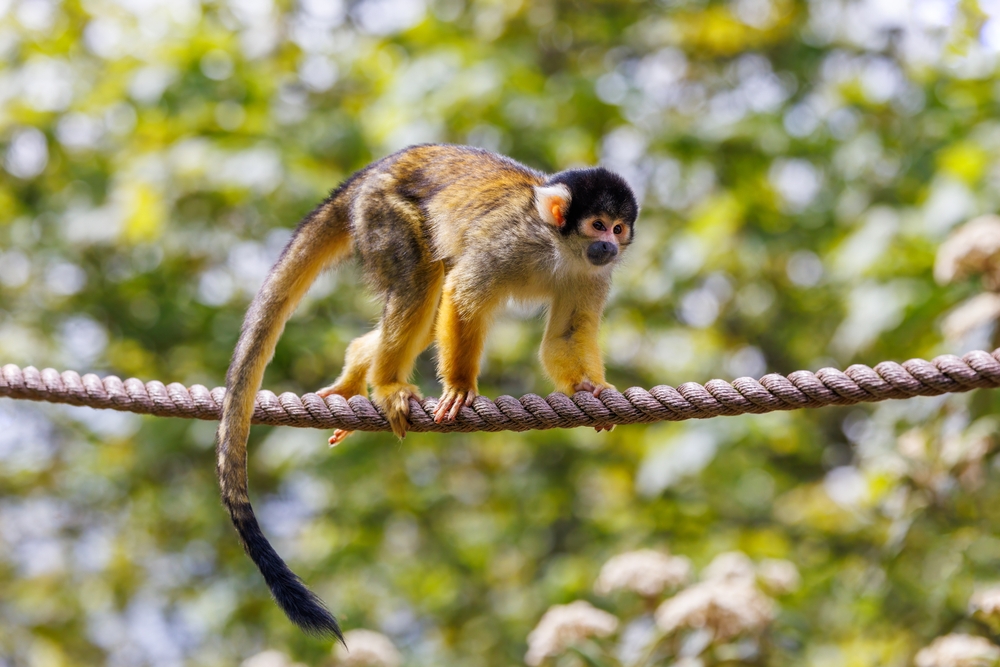
Not all solo travel fear involves people—sometimes it’s realizing you’re in nature’s territory without backup. Travelers describe being stalked by monkeys, charged by dogs, or hearing something big move in the brush while hiking alone. The fear is different: it’s primal, because there’s no negotiation, no language, and no social rules. People describe suddenly understanding why locals warned them not to go alone.
What makes these stories intense is how quickly you feel small. Travelers say they froze, backed away slowly, or used whatever they had—rocks, trekking poles, even loud yelling—to look less like prey. The scariest part is knowing help isn’t immediate and your body is the only resource you have. After that, even pretty trails feel sharper.
10. The Scam That Became a Crowd
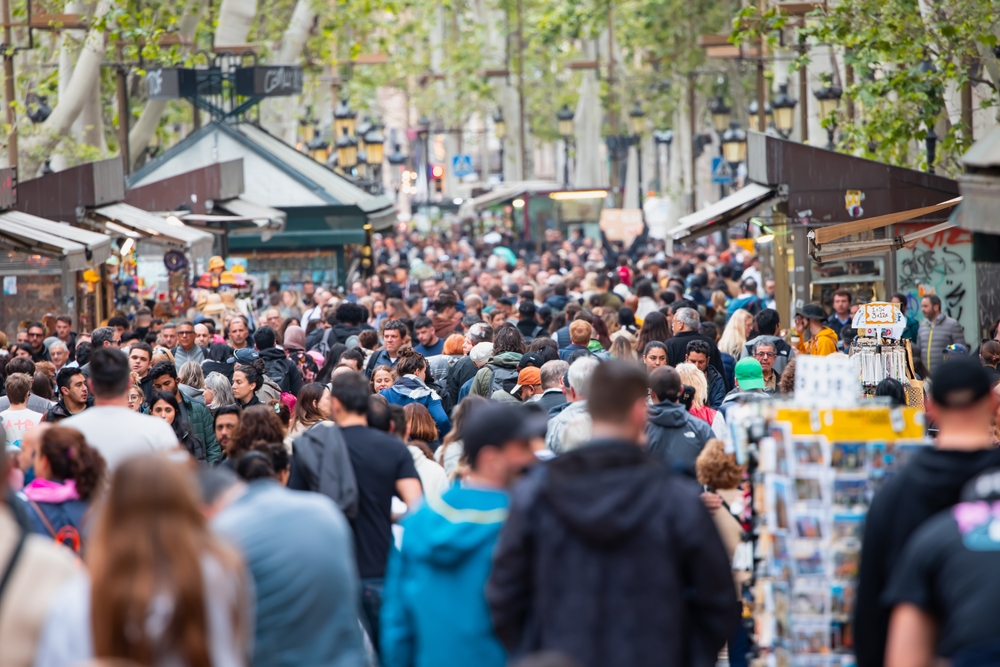
Solo travelers describe scams that aren’t just annoying—they’re psychologically terrifying because they’re coordinated. It might start with one person “helping,” then another joins in, and suddenly you’re surrounded by persuasion, pressure, and confusion. People say they felt their brain lag behind the moment, like they couldn’t compute fast enough to respond. That panic is the point. In stories, the turning point is refusing to explain yourself.
Travelers say they learned to stop talking, stop answering questions, and physically move toward an obvious safe space like a hotel lobby or police station. Some describe dropping the “nice tourist” persona and going emotionally blank, because charm is a tool scammers use against you. The scariest part is how social and normal it can look to bystanders. And that’s exactly why it works.
11. The “I Think That Drink Wasn’t Right” Moment

Solo travelers often describe a sudden, inexplicable shift after a drink: dizziness, confusion, heavy limbs, or memory gaps that don’t match what they consumed. The fear is immediate because you realize your ability to protect yourself is being compromised. People say they felt shame even thinking it, because nobody wants to admit they might be vulnerable. But the body knows.
In anecdotal stories, travelers describe getting help fast—telling staff, finding women nearby, calling a rideshare from inside the venue, or going straight to a hospital. The scariest detail is how quickly reality gets slippery, and how important seconds feel. Afterward, people talk about never leaving a drink unattended and never letting “awkward” stop them from leaving. Because awkward is survivable—incapacitation isn’t.
12. The Wrong Turn That Led to the Wrong Person
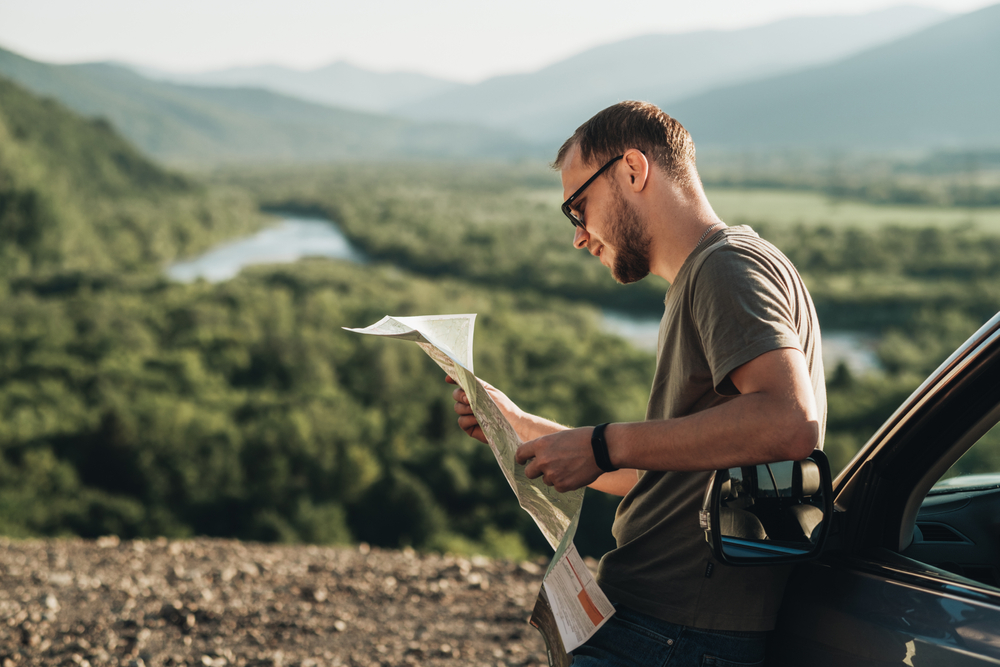
This one is painfully simple: you get lost, your phone dies, or GPS glitches, and suddenly you’re somewhere you didn’t mean to be. Solo travelers describe asking for directions and realizing the person helping is also sizing them up. The fear comes from that double bind—needing help while not trusting the help. People say they felt their confidence evaporate in real time.
In forums, travelers describe keeping interactions transactional: short sentences, no personal details, and moving toward places that signal safety like banks, hotels, or busy transit points. Others say they learned to carry an external backup—paper address, offline map, or a saved screenshot—because tech failure is a vulnerability multiplier. The scariest part is how ordinary it starts. And how quickly it becomes a story you tell with a shaking laugh later.
13. The Post-Scare Realization That No One Would’ve Known for Hours
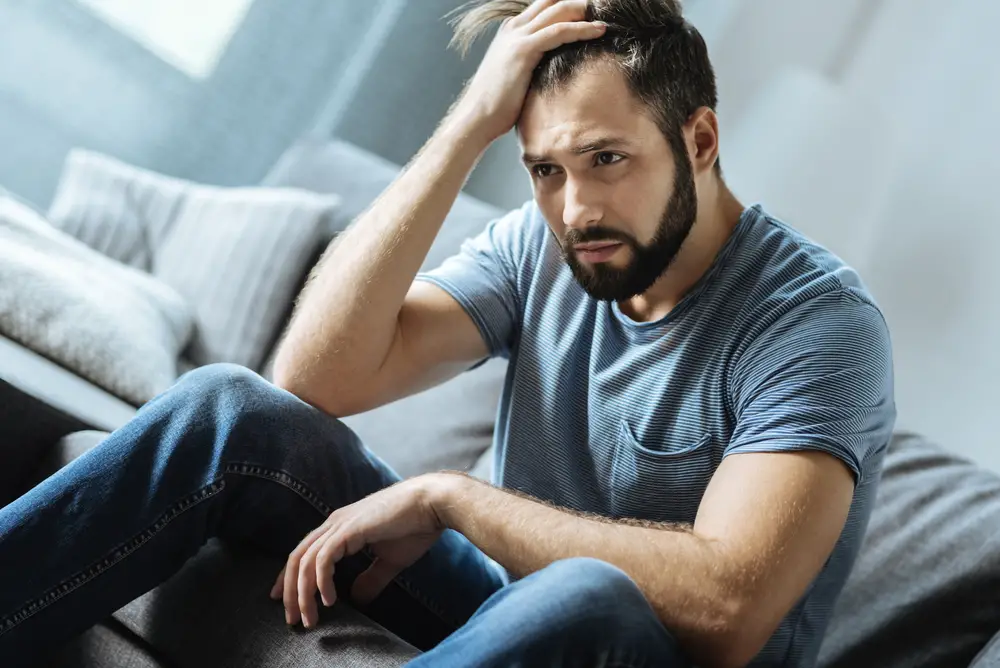
Some of the most haunting solo travel comments aren’t about the event—they’re about the aftermath. People describe sitting in their room after something scary and realizing there would’ve been a long delay before anyone noticed they were missing. That thought hits like a wave because it’s not fear, it’s loneliness with teeth. You can be surrounded by a whole city and still be functionally invisible.
Travelers describe changing habits after that moment: sharing live locations, texting nightly check-ins, telling someone the name of the hotel, or keeping emergency phrases written down. The scariest thing they “saw” wasn’t a person—it was the math of isolation. And once you understand that math, solo travel stops being purely romantic. It becomes a skill.