
The jungle is often portrayed as a place of breathtaking beauty, but it’s also one of the most dangerous environments humans regularly enter. As deforestation, mining, and tourism push deeper into tropical regions, encounters with apex predators and lethal animals are increasing. Many of these deaths never make international news, occurring far from hospitals or cell service. These are the jungle predators responsible for the highest number of documented human fatalities—and why their threat is growing.
1. Red-Bellied Piranha
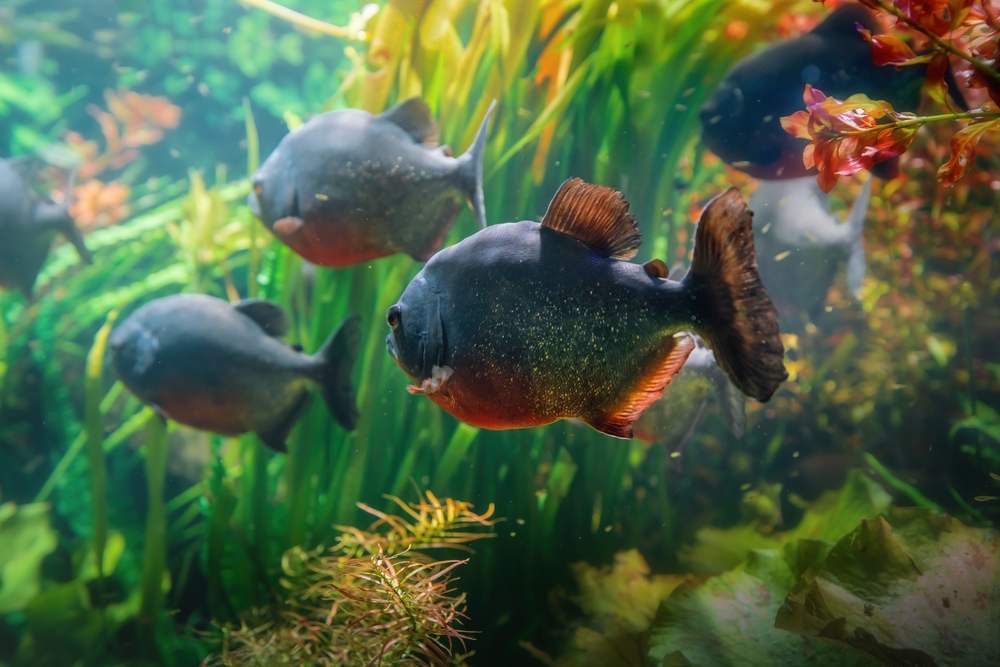
Piranhas cause fatal injuries during feeding frenzies. Attacks escalate quickly under stress. Victims may bleed out rapidly. Dry seasons increase danger.
Deaths spike when food is scarce. Group behavior amplifies damage. Individual bites compound fast. Escape is often impossible.
2. Harpy Eagle
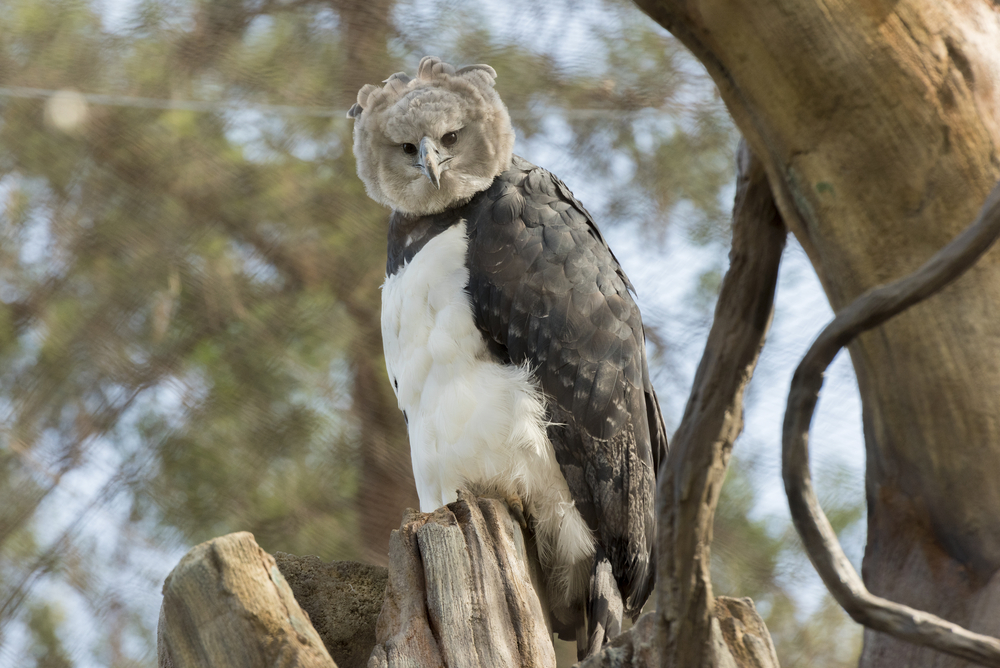
Harpy eagles are among the few birds capable of killing humans, primarily children. Their massive talons can exert crushing force, often causing fatal injuries during mistaken predation. Most documented attacks occur near forest edges where canopy cover has been reduced. The eagle’s size and strength make escape nearly impossible once contact is made.
Fatal encounters are rare but well-documented in parts of Brazil and Panama. Wildlife officials report that habitat loss increases the likelihood of misidentification. As forests thin, harpy eagles hunt lower and closer to human dwellings. Experts emphasize that this is a collision of ecosystems, not an increase in aggression.
3. Green Anaconda
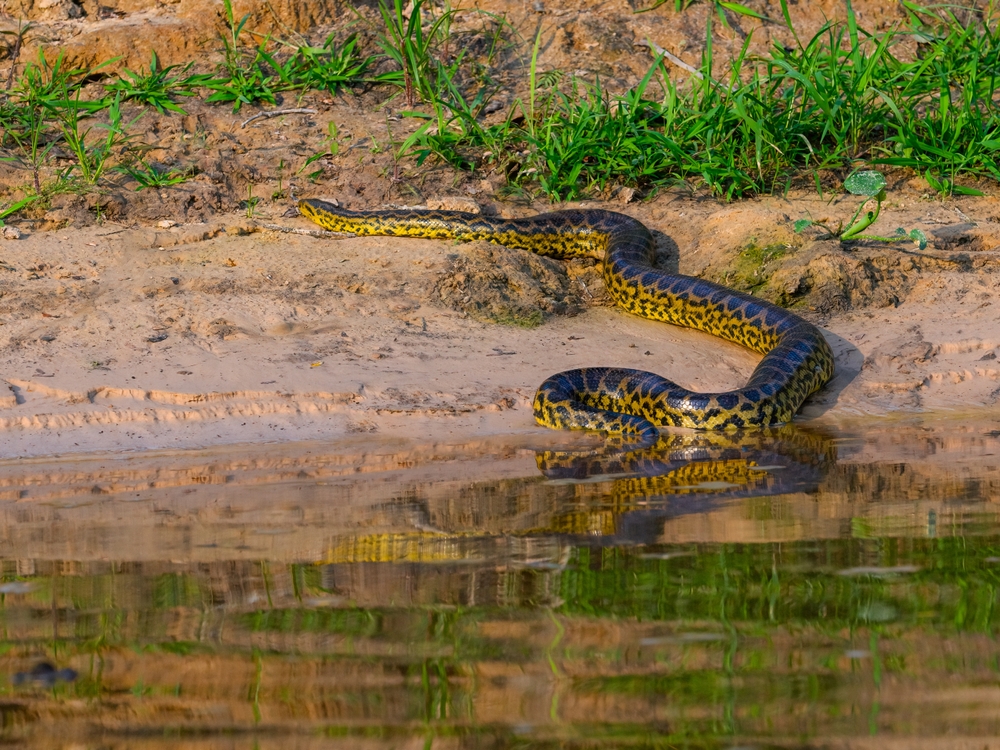
Green anacondas are responsible for documented human deaths through drowning and constriction. These attacks often happen silently in murky floodwaters where visibility is nearly zero. Fishermen and villagers wading through wetlands are the most frequent victims. Once seized, escape is almost impossible due to the snake’s immense strength.
A review in Nature Communications confirmed that adult anacondas are capable of killing full-grown humans. Researchers noted that fatalities are significantly underreported due to remote locations. Flood seasons dramatically increase the risk of encounters. Medical responders in the Amazon describe anaconda attacks as “near-certain fatalities” without immediate rescue.
4. Poison Dart Frog
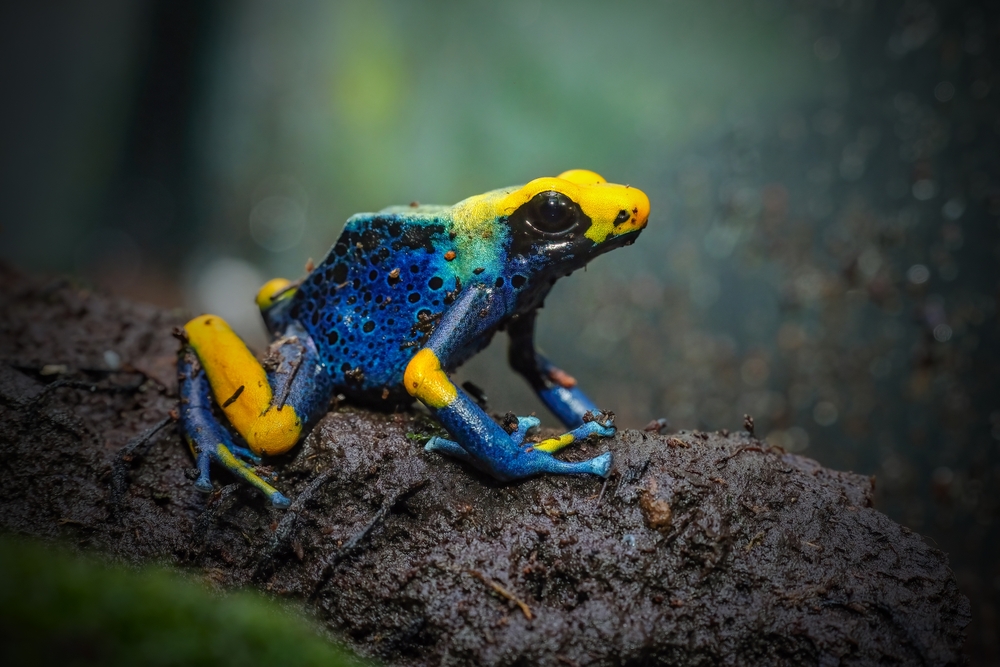
Poison dart frogs kill humans through accidental toxin exposure rather than direct attacks. Their skin secretes batrachotoxin, one of the most lethal natural poisons on Earth. Even minimal contact through broken skin can cause cardiac arrest. Children and hunters are the most common victims.
Several deaths have been documented in Colombia and Ecuador. Indigenous groups historically weaponized these toxins due to their reliability. Modern exposure is often accidental but no less deadly. In the jungle, danger isn’t always large or aggressive.
5. Black Caiman
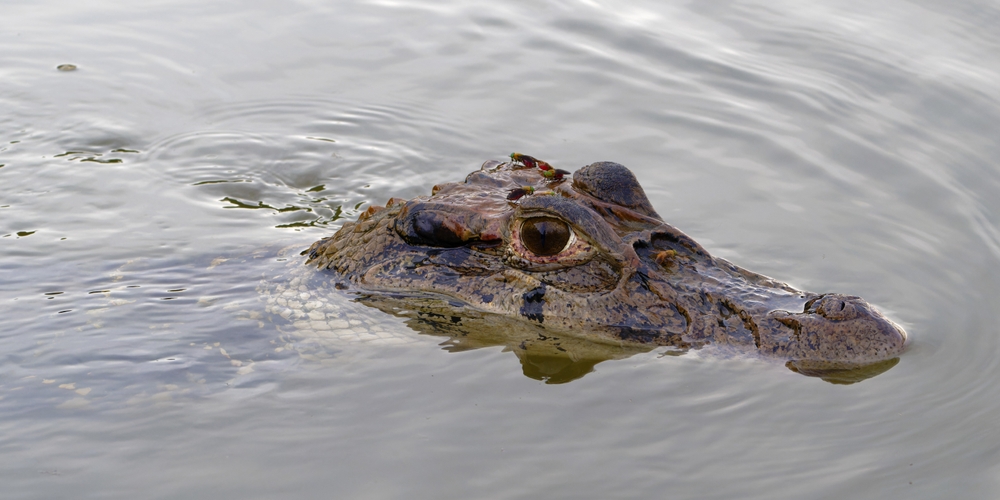
Black caimans account for dozens of fatal human attacks each year across the Amazon basin. They ambush victims at riverbanks, often dragging them underwater instantly. Their bite force rivals that of the largest crocodilians. Survival rates are extremely low once an attack begins.
The Smithsonian Tropical Research Institute identifies black caimans as one of the most dangerous reptiles to humans. Population recovery after decades of hunting has increased encounters. Nighttime river travel is especially deadly. Locals often refer to certain waterways as “death zones.”
6. Bullet Ant
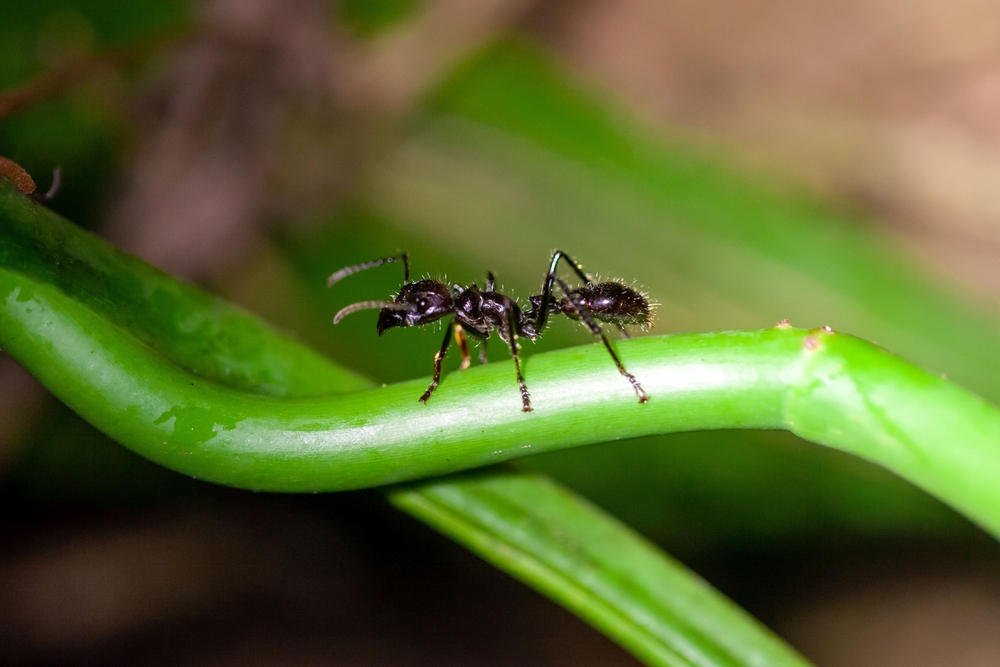
Bullet ants rarely kill directly, but secondary fatalities are well-documented. Their sting causes overwhelming pain, muscle failure, and disorientation. Victims have fallen into rivers or from trees during shock responses. Cardiac complications have also been reported.
Medical case reports from rainforest clinics confirm these risks. People with heart conditions are especially vulnerable. The ant’s size makes it easy to underestimate. Pain alone can become fatal in jungle terrain.
7. Tarantula Hawk Wasp
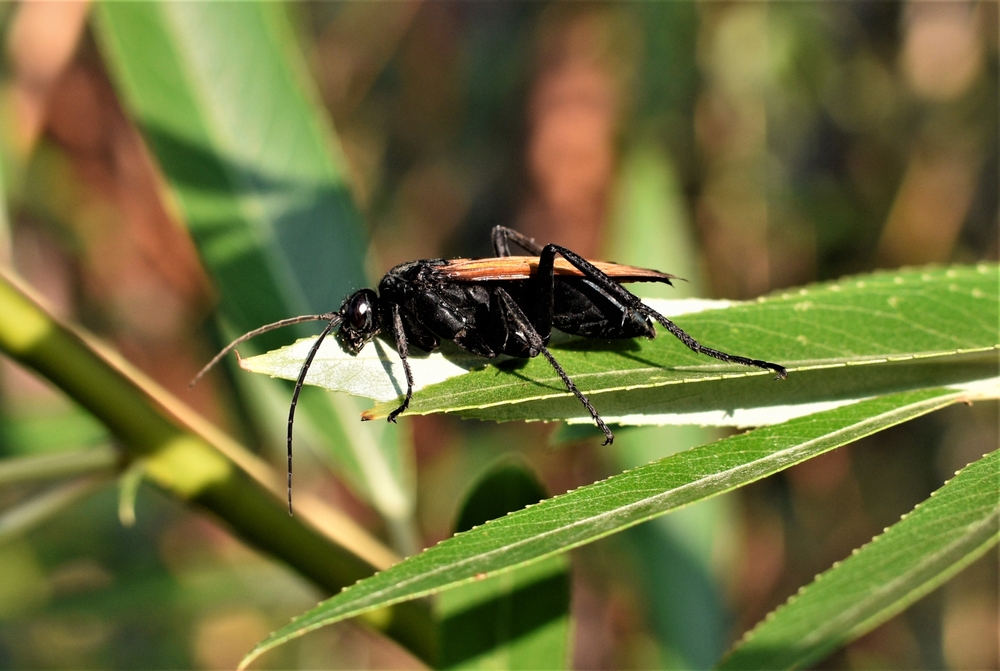
The tarantula hawk wasp delivers one of the most painful stings known to humans. While venom toxicity is low, the pain causes instant incapacitation. Fatal accidents have occurred due to falls, drowning, and cardiac arrest. The sting can disable a person within seconds.
A University of Utah entomology study confirmed the wasp’s sting ranks near the top of the Schmidt Pain Index. Researchers warned that expanding habitat ranges increase risk. Jungle terrain amplifies the danger of incapacitation. Paralysis does not require venom to kill.
8. Ocelot
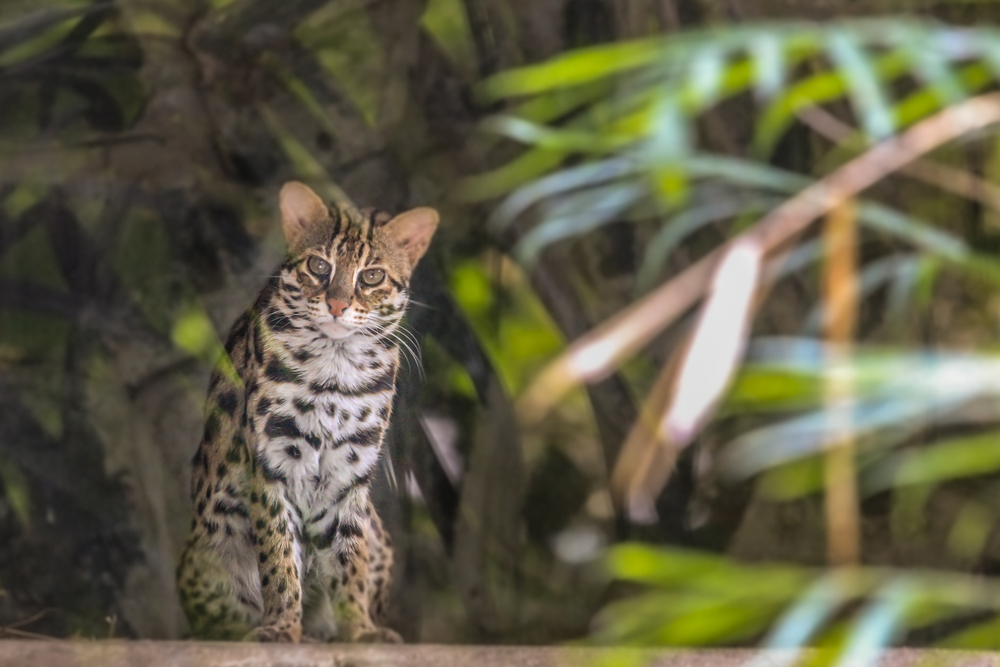
Ocelots have caused fatal attacks, particularly involving children. These incidents usually occur at night when visibility is limited. Their ambush style leaves little time to react. Sharp canines inflict severe neck and throat injuries.
Most attacks occur near forest margins. Human encroachment increases overlap with ocelot territory. Wildlife officials classify them as low-risk but not harmless. Fatalities remain rare but real.
9. Electric Eel
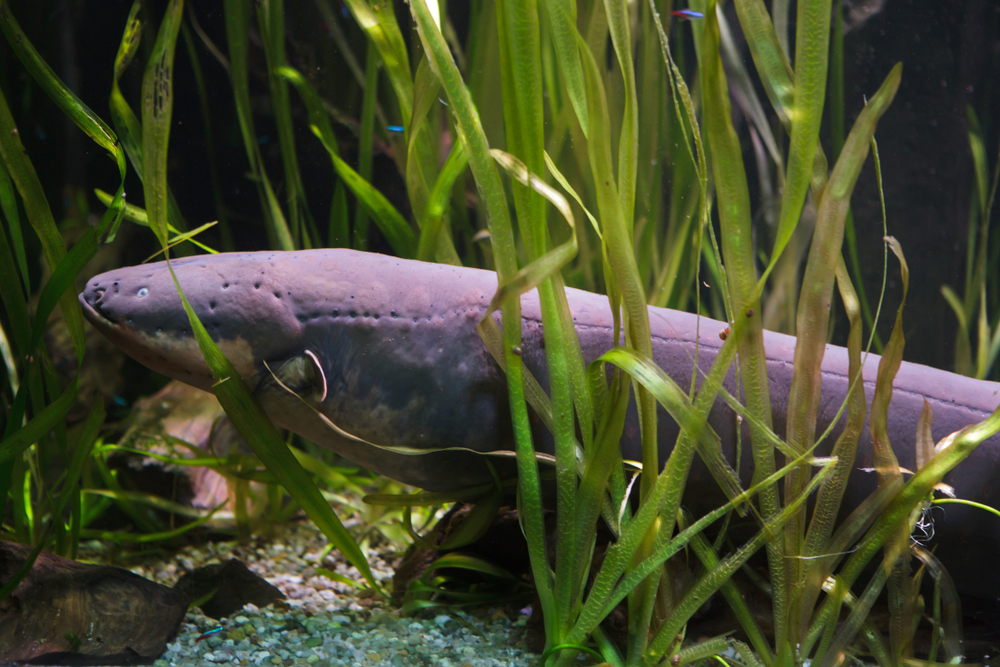
Electric eels have caused human deaths via drowning and cardiac failure. A single shock can exceed 600 volts. Victims often lose muscle control immediately. Water environments make rescue difficult.
Studies show eels can deliver repeated shocks. Fatalities often occur in narrow waterways. Fishermen are at highest risk. Survival depends entirely on immediate extraction.
10. Bushmaster Snake
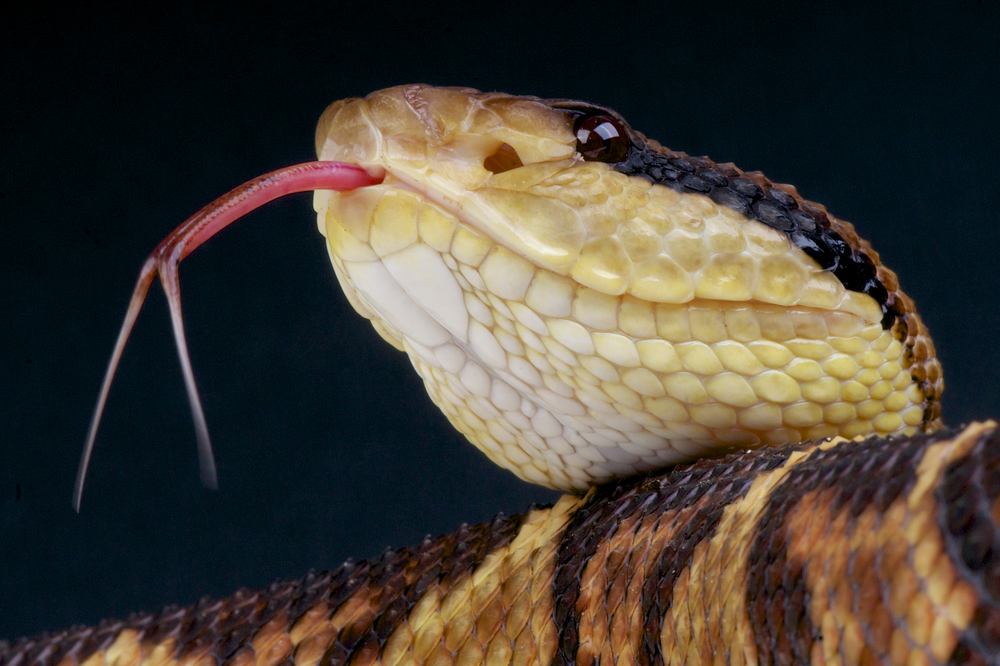
Bushmasters have one of the highest fatality rates of any snake in Central America. Their venom causes hemorrhage, paralysis, and shock. Victims often collapse before reaching help. Nighttime bites are especially lethal.
Delayed treatment increases mortality dramatically. Rural fatalities are underreported. Antivenom availability is limited. Encounters are often fatal by geography alone.
11. Spectacled Caiman
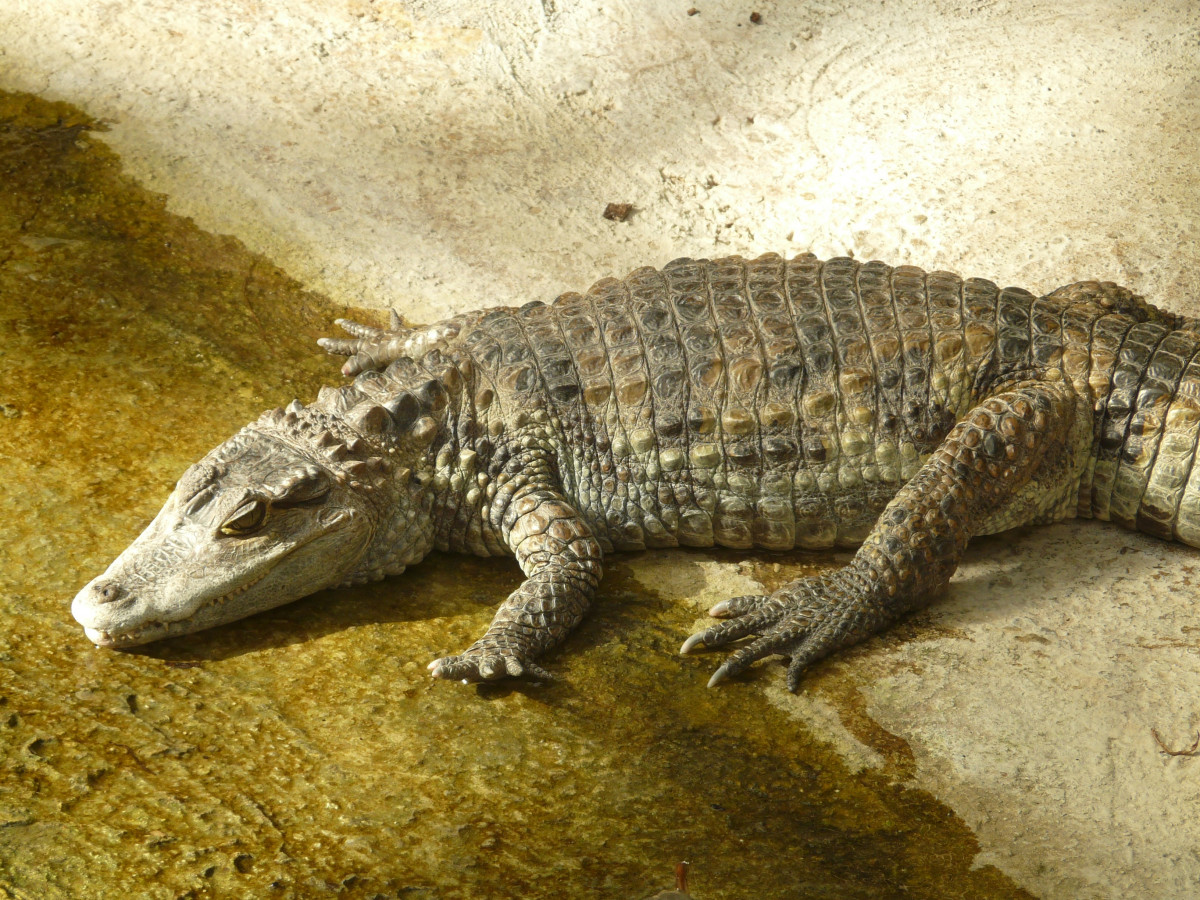
Spectacled caimans kill humans near farms and waterways. Smaller size increases aggression. Children and livestock handlers are most vulnerable. Attacks escalate rapidly once initiated.
Their adaptability increases human overlap. Populations are rising. Fatal attacks are increasing accordingly. Prevention relies on distance and awareness.
12. Giant River Otter
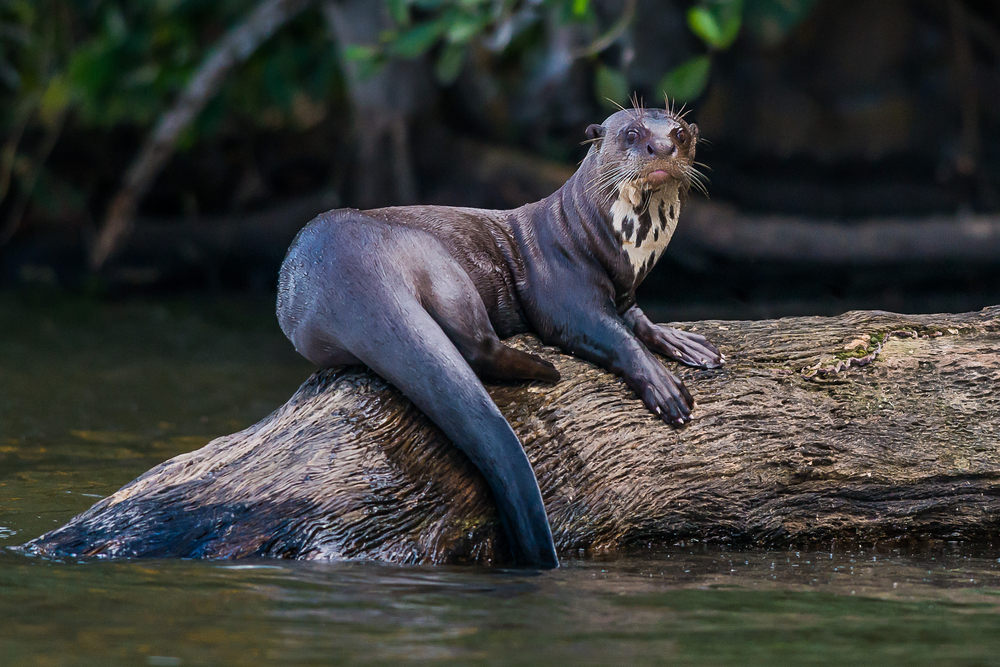
Giant river otters have killed humans while defending territory. Attacks involve coordinated group behavior. Victims suffer severe bite wounds. Rescue is difficult in river systems.
They are highly protective and unpredictable. Encounters are rare but serious. Habitat loss increases overlap. Fatalities are underreported.
13. Jaguar
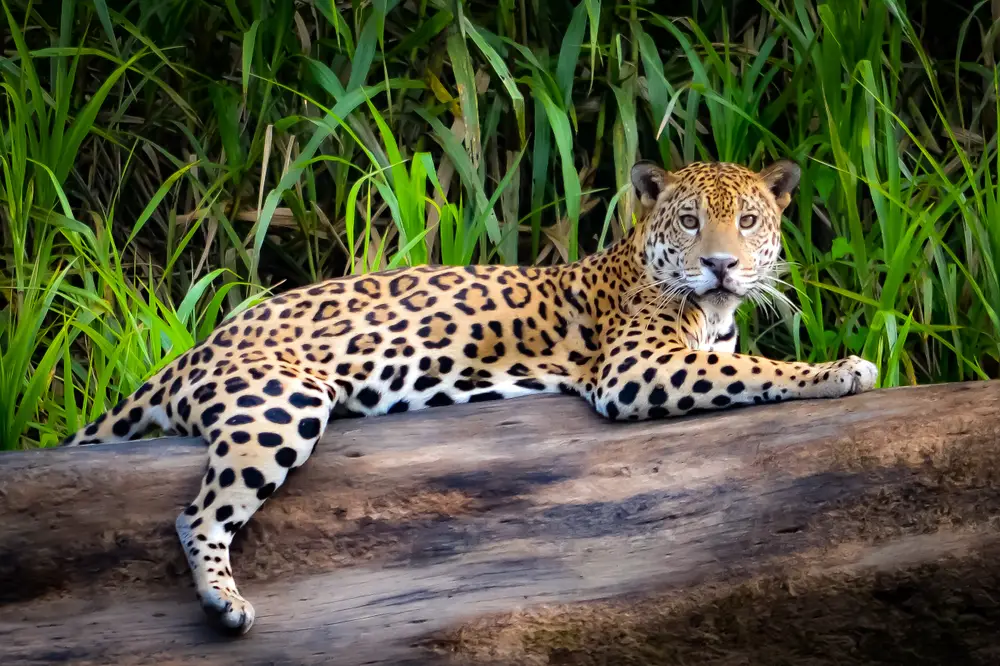
Jaguars are responsible for more fatal big-cat attacks in the Amazon basin than any other feline species. Unlike lions or tigers, they frequently kill by biting directly through the skull or neck, causing instant death. Most attacks happen near rivers, where humans fish, bathe, or travel by canoe. Victims often never see the animal before the attack occurs.
A long-term analysis published in the Journal of Mammalogy found a sharp rise in jaguar attacks linked to deforestation and habitat fragmentation. Researchers noted that reduced prey availability forces jaguars closer to human settlements. Indigenous communities along the Amazon now report jaguars as one of their most consistent wildlife threats. Conservation experts warn that shrinking jungle territory is turning an elusive predator into a frequent killer.
14. Clouded Leopard
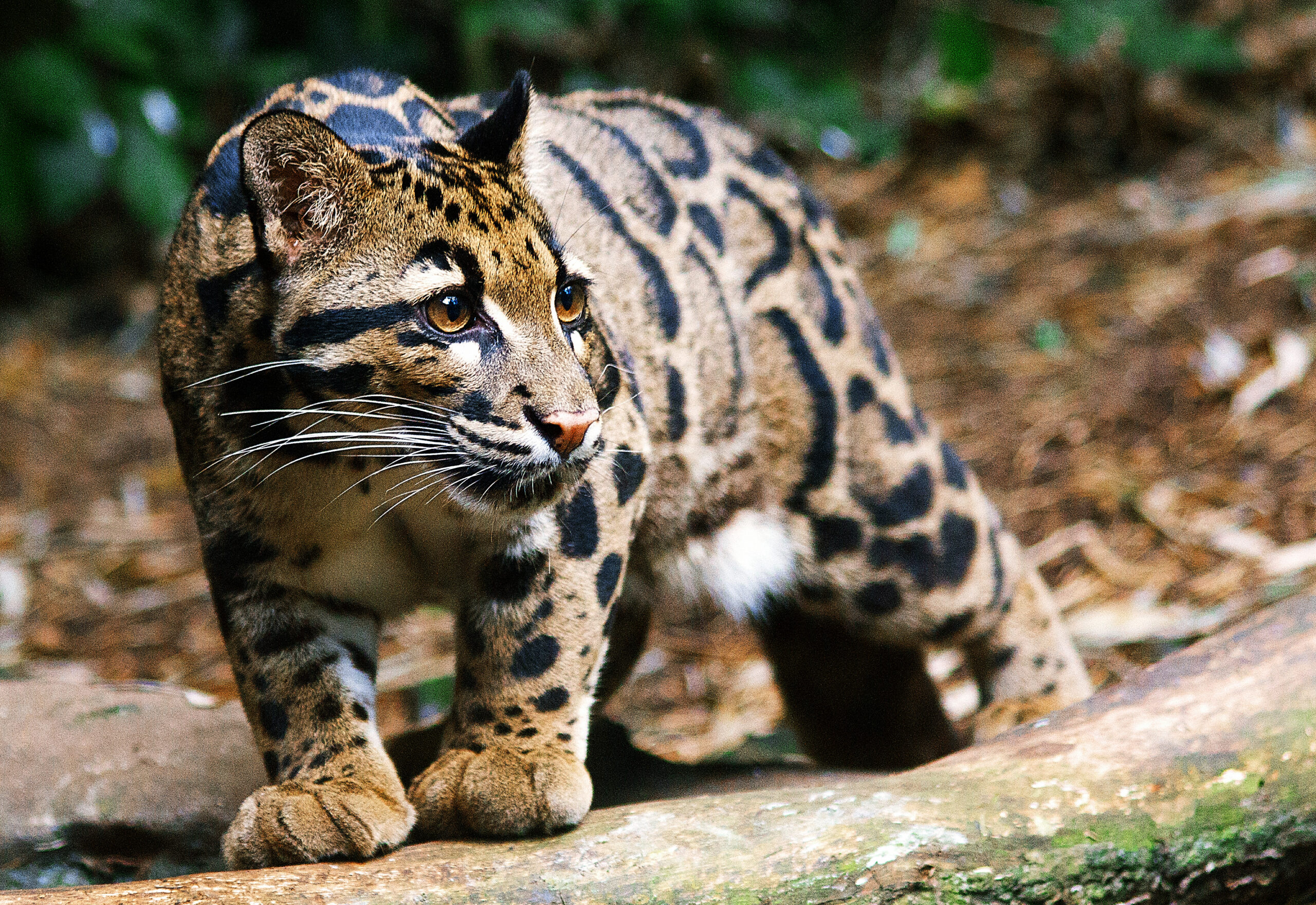
Clouded leopards have killed humans in Southeast Asia. Arboreal attacks are sudden and silent. Victims often suffer fatal neck wounds. Children are most at risk.
Deforestation has increased encounters. Attacks remain rare but lethal. These cats avoid humans until forced. Habitat loss drives danger.
15. Jungle Malaria Mosquito
Mosquitoes kill more jungle humans than any predator combined. Malaria and dengue cause hundreds of thousands of deaths annually. Jungle regions carry the highest transmission rates. Death is slow but widespread.
WHO data confirms mosquitoes as the deadliest animal on Earth. Climate change expands their range. Prevention remains inconsistent. Their threat is invisible but absolute.