
In 2026, the concept of “survival of the fittest” has taken on a renewed urgency for many animal species. From climate change to habitat destruction, the challenges these creatures face are both daunting and multifaceted. While some animals are adapting in unexpected ways, others are on the brink of extinction, fighting against odds that grow steeper every day. Here are 15 animals whose fight for survival in 2026 commands our attention—and how their stories reflect broader environmental changes.
1. The Polar Bear
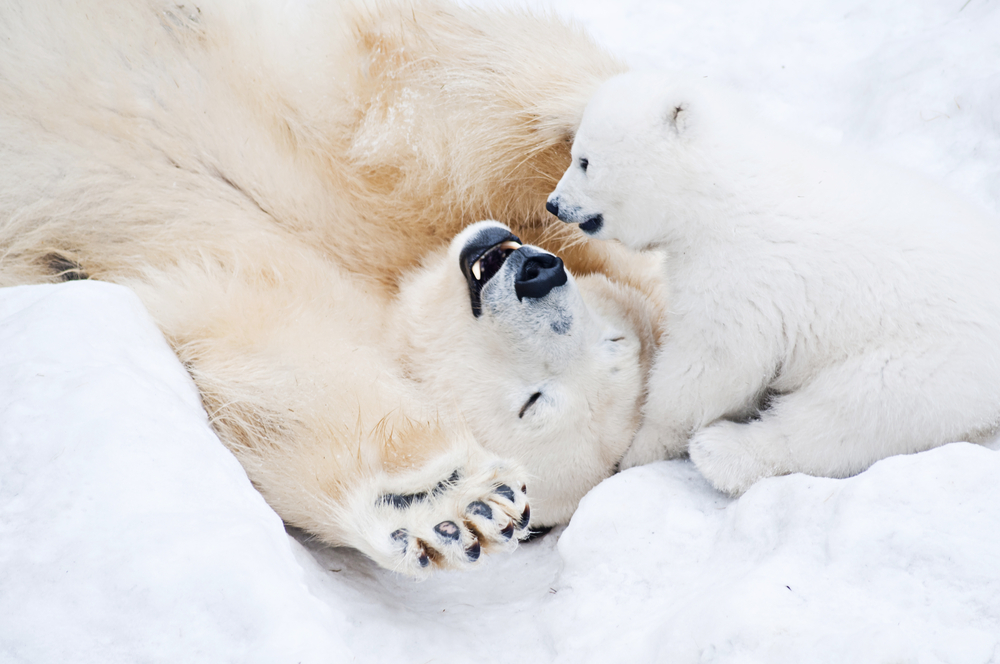
The polar bear, an icon of the Arctic, faces the harsh realities of melting ice caps. As global temperatures rise, their icy habitats shrink, leaving them with fewer places to hunt seals, their primary food source. You might find it alarming that these majestic creatures are forced to venture closer to human settlements in search of sustenance. The increasing scarcity of ice makes it challenging for mother bears to raise their cubs, threatening the species’ future.
In a 2025 study published by the World Wildlife Fund, researchers highlighted the correlation between climate change and polar bear populations. They found that without immediate action, polar bear numbers could dwindle significantly by 2050. The study emphasizes the need for global cooperation to reduce carbon emissions and preserve these vital habitats. As you consider these findings, it’s a reminder that individual actions can collectively impact global outcomes.
2. The Monarch Butterfly
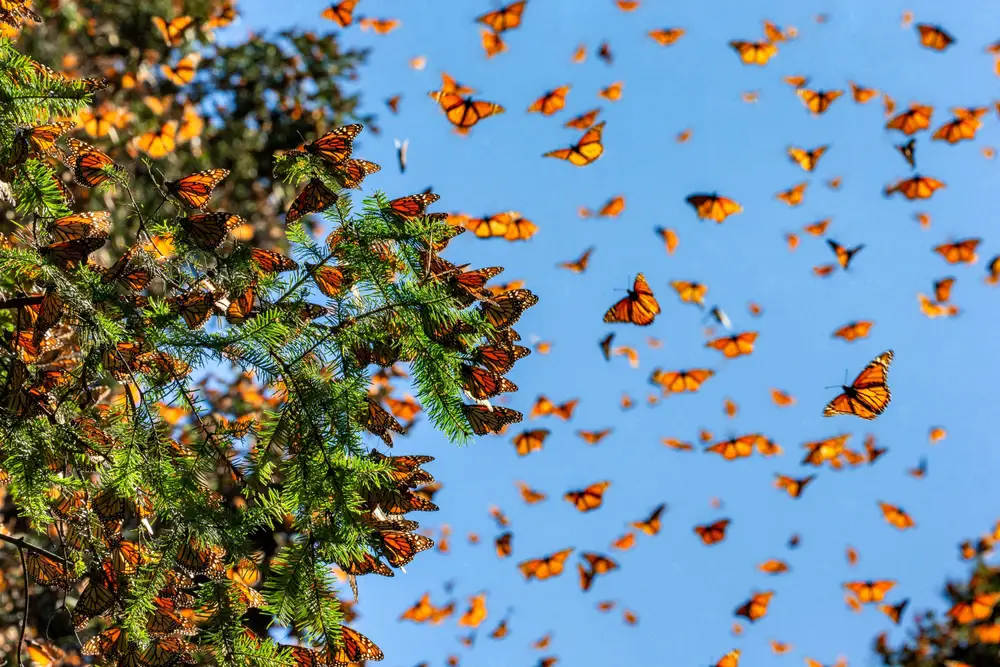
The monarch butterfly, a symbol of transformation, is struggling to metamorphose in a changing world. Deforestation and pesticide use are rapidly depleting their natural habitats and food sources. This delicate insect faces a perilous journey during its annual migration from North America to central Mexico. You may wonder how such a small creature can endure such an epic trip amidst these growing threats.
Efforts to save the monarch have led to increased awareness and community-driven projects. Schoolchildren plant milkweed, their primary food source, while conservationists work tirelessly to protect their migratory corridors. Monarchs serve as a vivid reminder of nature’s interconnectedness, showing us that even minor changes in our environment can have significant ripple effects. Their plight invites you to consider how your actions, no matter how small, can contribute to larger conservation efforts.
3. The Javan Rhino
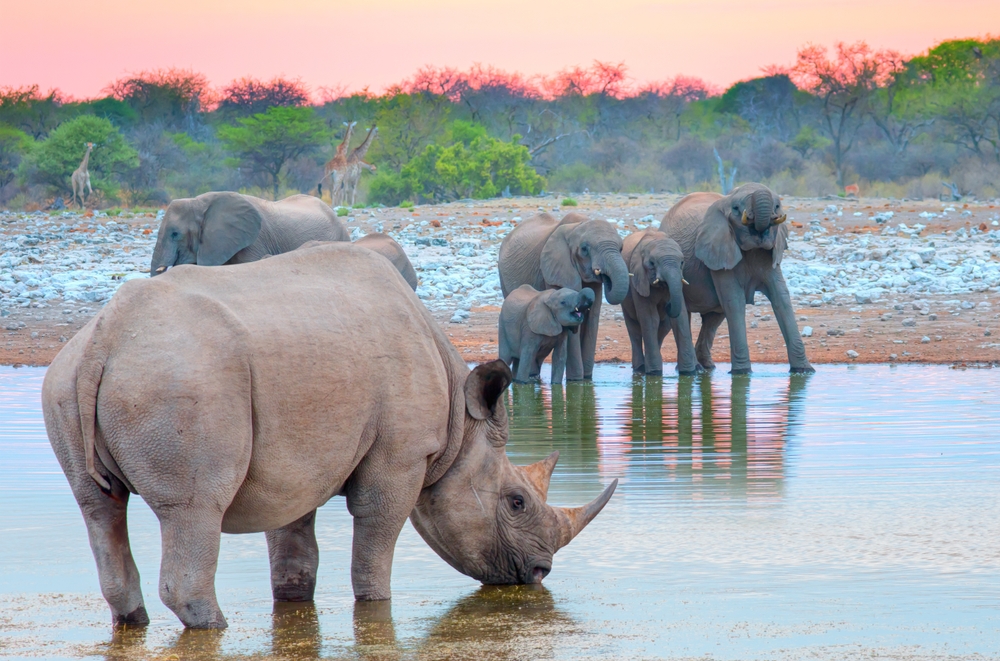
The Javan rhino, one of the world’s rarest mammals, is teetering on the brink of extinction. With fewer than 80 individuals left, they inhabit a small area in Ujung Kulon National Park in Indonesia. Habitat loss and a limited gene pool are just a few of the hurdles they face. You might feel a sense of urgency knowing that their survival hinges on immediate conservation efforts.
According to a 2024 report by the International Rhino Foundation, strategic interventions are essential to save the Javan rhino. The report outlines a comprehensive plan that includes habitat restoration, anti-poaching measures, and genetic diversity initiatives. The urgency of these actions cannot be overstated, as the loss of the Javan rhino would mark the extinction of yet another unique species. This situation challenges you to consider the importance of biodiversity and the role humans play in its preservation.
4. The Vaquita
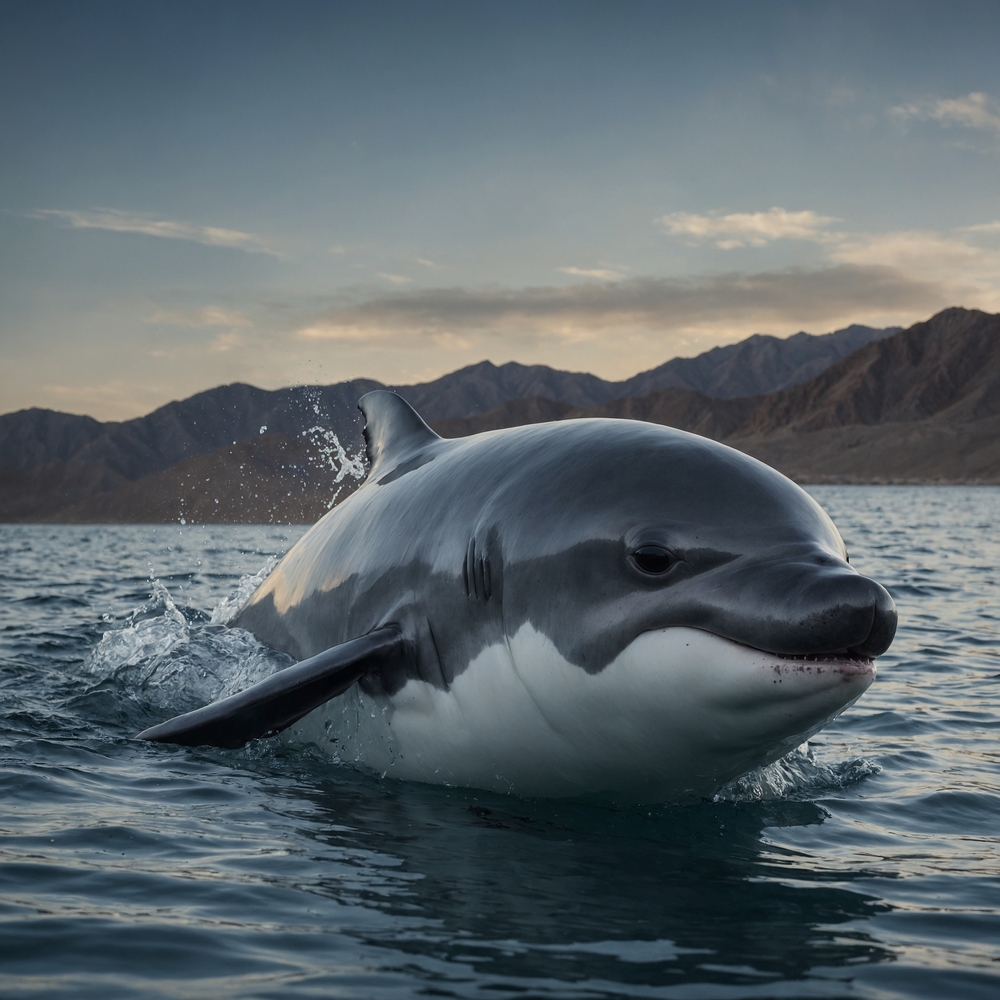
The vaquita, a tiny porpoise found in the Gulf of California, is critically endangered. Illegal fishing activities and the use of gillnets have drastically reduced their numbers, leaving fewer than 20 individuals in the wild. These elusive creatures are now the most endangered marine mammal on the planet. You might find it heartbreaking to think about how close they are to vanishing forever.
Efforts to save the vaquita have involved a combination of legal action and awareness campaigns. Conservationists are working tirelessly to remove illegal fishing nets and promote sustainable fishing practices. Despite their best efforts, the vaquita’s fate remains uncertain, drawing attention to the need for more stringent enforcement of environmental laws. This precarious situation underscores the vital role of vigilant environmental stewardship.
5. The Pangolin
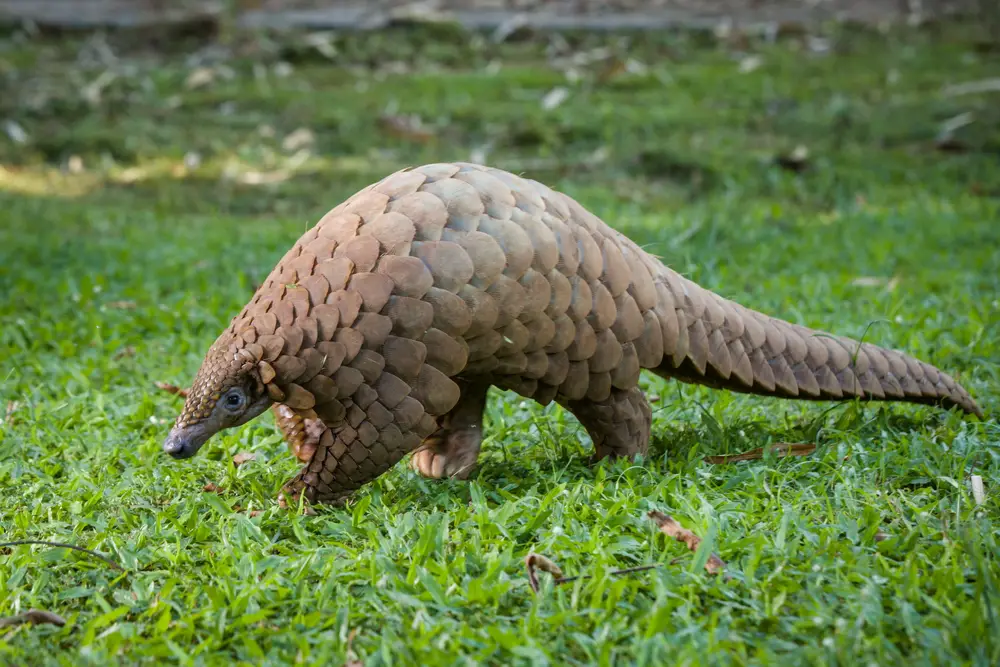
Pangolins, often referred to as “the world’s most trafficked mammal,” are in a fight for their lives against poaching and habitat loss. Their unique scales are highly prized in traditional medicine, making them a target for illegal wildlife trade. As their numbers dwindle, pangolins are now facing an unprecedented risk of extinction. You might feel a mix of anger and sadness knowing that these gentle creatures are being driven to extinction by human greed.
In a report by the International Union for Conservation of Nature (IUCN) in 2025, the urgency of pangolin conservation was highlighted. The report calls for stricter enforcement of wildlife laws and increased international collaboration to tackle illegal trade networks. This push for global action emphasizes the need for comprehensive solutions that address both supply and demand. As you ponder these measures, it’s clear that preserving pangolins requires a concerted effort on multiple fronts.
6. The Mountain Gorilla
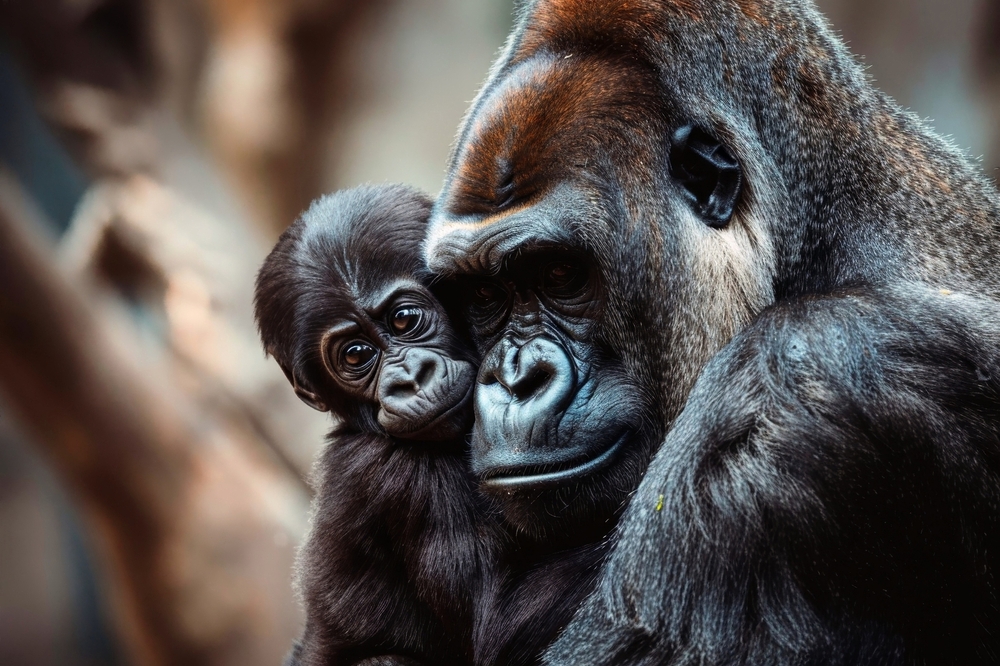
Mountain gorillas, found in the lush forests of Rwanda, Uganda, and the Democratic Republic of Congo, are battling to survive amidst human encroachment and disease. Their population has been a beacon of hope as conservation efforts have led to a gradual increase in numbers. Yet, habitat loss and poaching remain persistent threats to their survival. You might feel a sense of admiration for the dedicated rangers and conservationists who protect these majestic creatures.
Tourism plays a crucial role in funding conservation efforts, but it also brings challenges of its own. Balancing human interaction with the need for habitat preservation is a delicate task. While the situation remains precarious, the mountain gorilla serves as a symbol of what can be achieved through concerted conservation efforts. Their story encourages you to reflect on the impact of human activities on our closest relatives in the animal kingdom.
7. The Asian Elephant
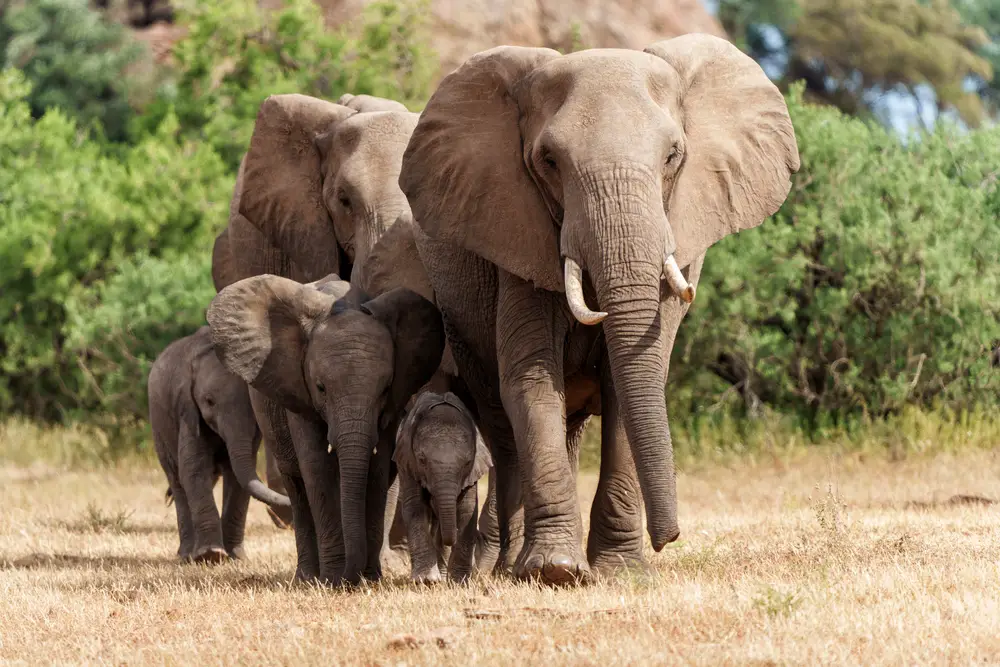
Asian elephants, revered in many cultures, face the dual threats of habitat destruction and human-wildlife conflict. As their habitats shrink, these gentle giants are forced into closer proximity with human settlements, leading to dangerous encounters. You might be amazed by their complex social structures and intelligence, yet saddened by the challenges they face. The survival of the Asian elephant is intricately linked to the balance of ecosystems and human livelihoods.
A 2025 article in National Geographic highlighted innovative solutions being employed to mitigate human-elephant conflict. From early-warning systems to community education programs, these initiatives aim to foster coexistence. The article underscores the importance of sustainable development practices in ensuring the survival of these important animals. As you consider these efforts, it’s a reminder that harmony between humans and wildlife is achievable with thoughtful planning.
8. The Amur Leopard
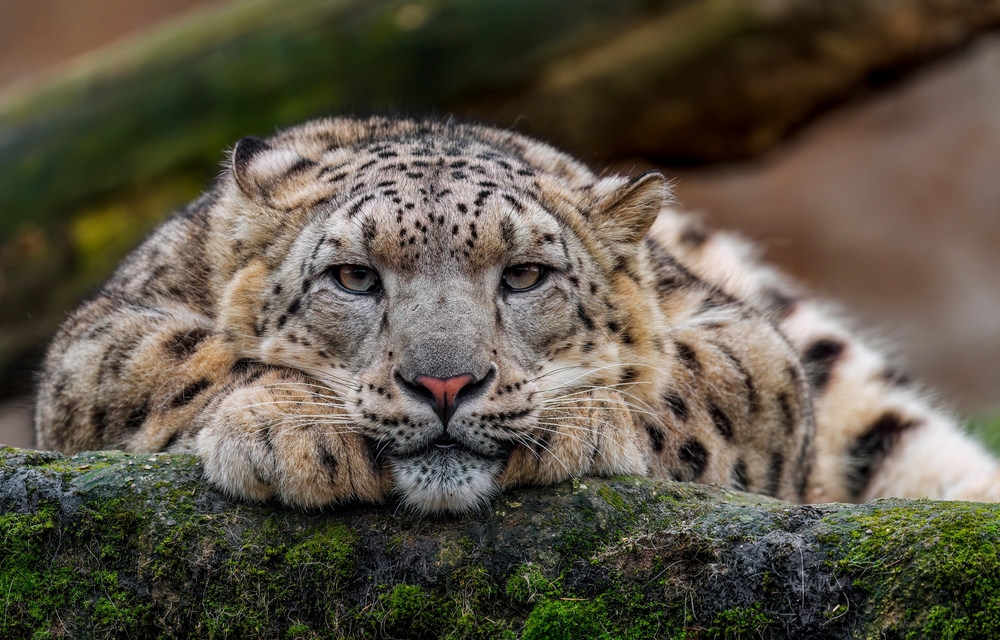
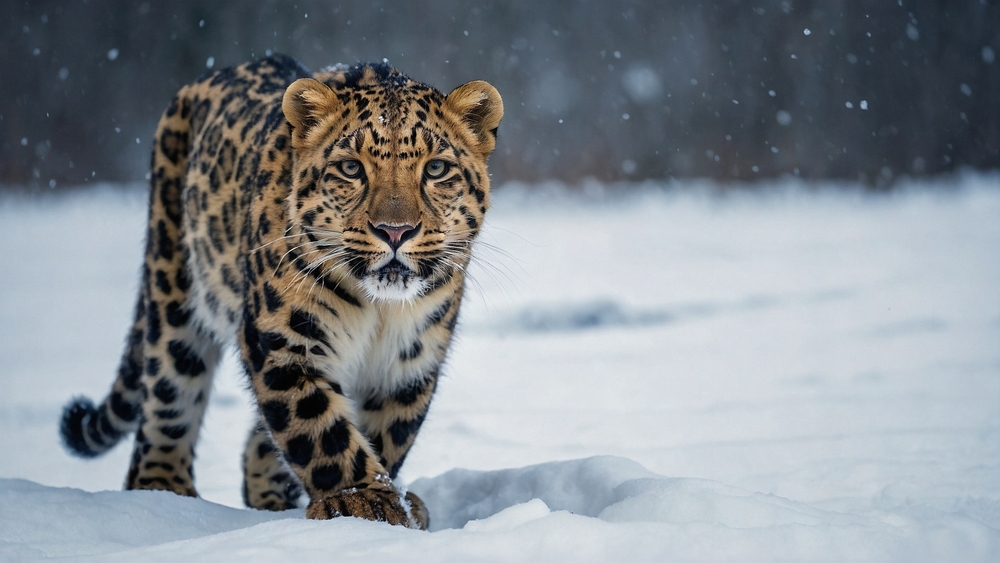
With only about 100 individuals remaining, the Amur leopard is one of the world’s most endangered big cats. Found primarily in the forests of Russia and China, they face threats from habitat loss and poaching. Their stunning coat, while beautiful, makes them a target for illegal wildlife trade. You may feel a sense of urgency knowing that these magnificent creatures teeter on the edge of extinction.
Conservationists are working diligently to protect their remaining habitats and implement anti-poaching measures. Efforts include tracking and monitoring the leopards to better understand their behaviors and needs. While challenges remain, the Amur leopard’s story highlights the resilience of nature when given a chance to recover. Their plight encourages you to advocate for stricter wildlife protection laws and support conservation initiatives.
9. The Leatherback Turtle
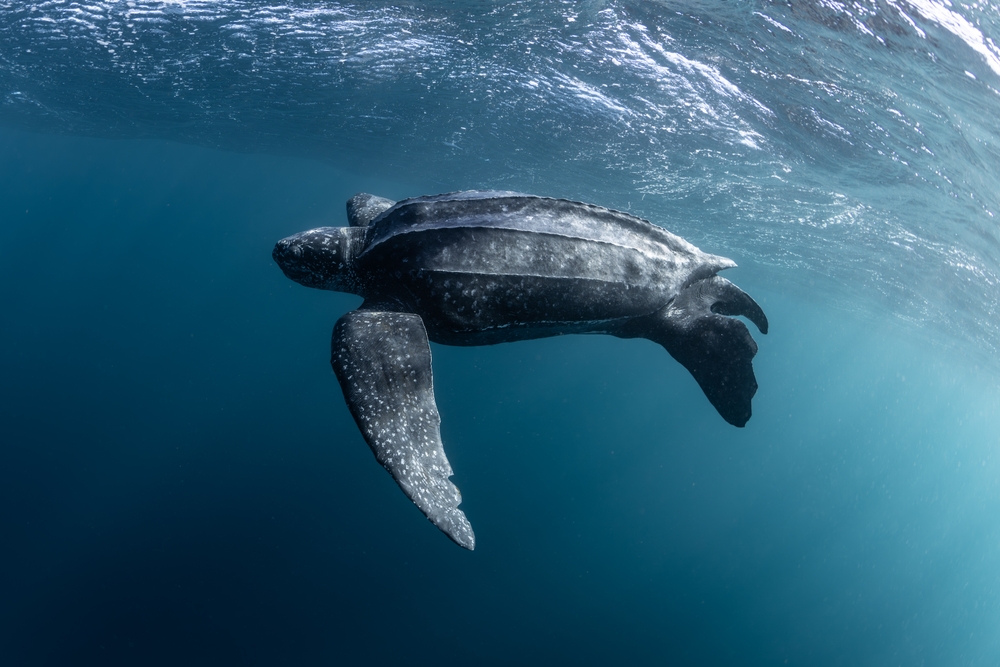
The leatherback turtle, the largest of all sea turtles, navigates a perilous world of climate change and ocean pollution. These ancient mariners have been around for over 100 million years, but their numbers are rapidly declining. Rising sea levels, plastic pollution, and accidental capture in fishing nets pose significant threats. You might find it awe-inspiring yet heartbreaking that these gentle giants face such immense challenges.
Conservation efforts focus on protecting nesting sites and reducing bycatch through improved fishing practices. International cooperation is crucial to ensuring the survival of leatherback turtles, as they traverse vast oceanic distances. Their story reminds you of the interconnectedness of ecosystems and the importance of preserving marine biodiversity. As you reflect on their journey, it becomes clear that each small action contributes to a larger impact on ocean health.
10. The Sumatran Orangutan
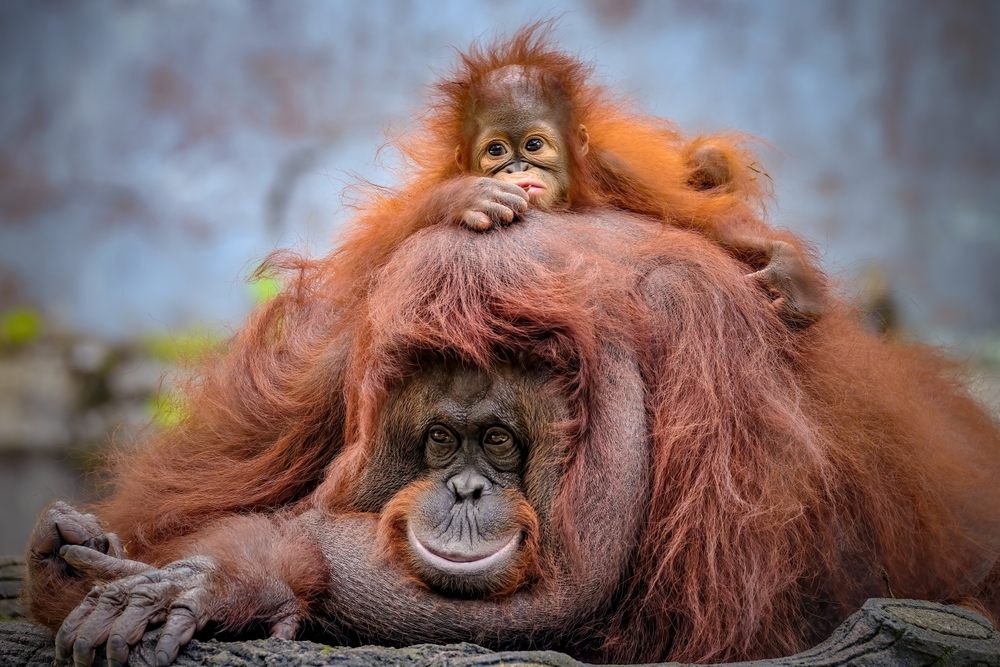
Sumatran orangutans, native to the dense rainforests of Indonesia, face an uncertain future due to deforestation and illegal wildlife trade. These intelligent primates are critically endangered, with only a few thousand remaining in the wild. You might marvel at their ability to use tools and communicate, yet feel disheartened by the rapid loss of their habitats. Palm oil plantations continue to encroach on their natural environment, posing a significant threat.
Conservationists are striving to create protected areas and enforce stricter anti-poaching laws. Rehabilitation centers play a crucial role in rescuing and reintroducing orangutans back into the wild. While challenges persist, the story of the Sumatran orangutan underscores the importance of sustainable practices. Their plight serves as a poignant reminder of the impact consumer choices have on the natural world.
11. The Snow Leopard
Snow leopards, often referred to as “ghosts of the mountains,” inhabit the rugged terrains of Central and South Asia. Threatened by habitat loss, climate change, and poaching, their elusive nature makes conservation efforts challenging. You might be captivated by their mysterious beauty and resilience in harsh environments. Yet, the realities of their struggle for survival paint a sobering picture.
Initiatives to protect snow leopards focus on community engagement and habitat preservation. Organizations work closely with local populations to promote coexistence and reduce human-wildlife conflict. This collaborative approach highlights the importance of involving people in conservation efforts. As you consider their plight, it’s a reminder that protecting biodiversity requires a collective commitment across borders.
12. The Bluefin Tuna
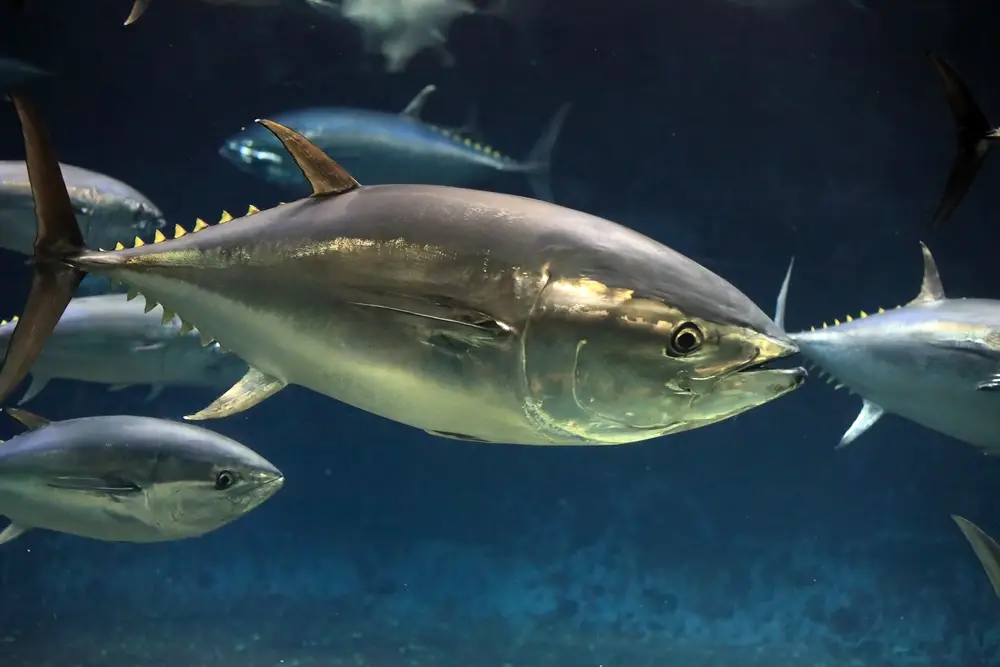
Bluefin tuna, prized for their culinary value, are facing overfishing at an alarming rate. These powerful swimmers are a vital part of the ocean ecosystem, yet their populations are declining due to high demand. You might be fascinated by their speed and agility, but concerned about the unsustainable practices driving them toward extinction. The survival of bluefin tuna is intricately linked to both marine biodiversity and human consumption habits.
Efforts to save bluefin tuna include implementing stricter fishing quotas and promoting sustainable seafood options. International agreements aim to manage fish stocks and reduce illegal fishing activities. Their story challenges you to consider the impact of your dietary choices on marine life. As you ponder their future, it underscores the importance of sustainable practices in preserving ocean resources.
13. The Bornean Orangutan
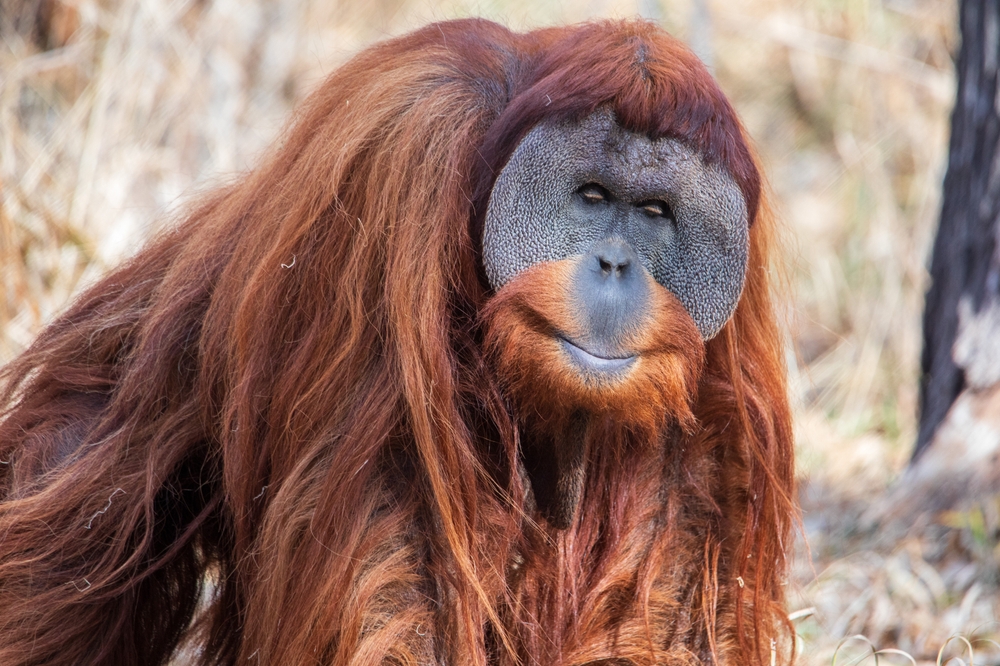
Bornean orangutans, native to the island of Borneo, are critically endangered due to deforestation and illegal hunting. These gentle primates play a crucial role in maintaining the health of their forest ecosystems. You might be enchanted by their intelligence and playful nature, yet troubled by the rapid decline of their populations. The expansion of agriculture and logging continues to destroy their habitats, leaving them vulnerable.
Conservationists are working to protect and restore critical habitats through reforestation and community involvement. Rehabilitation centers focus on rescuing and releasing orphaned orangutans back into the wild. Their story emphasizes the importance of sustainable development practices to ensure their survival. As you reflect on their plight, it’s a reminder that preserving biodiversity is vital for the health of our planet.
14. The African Penguin
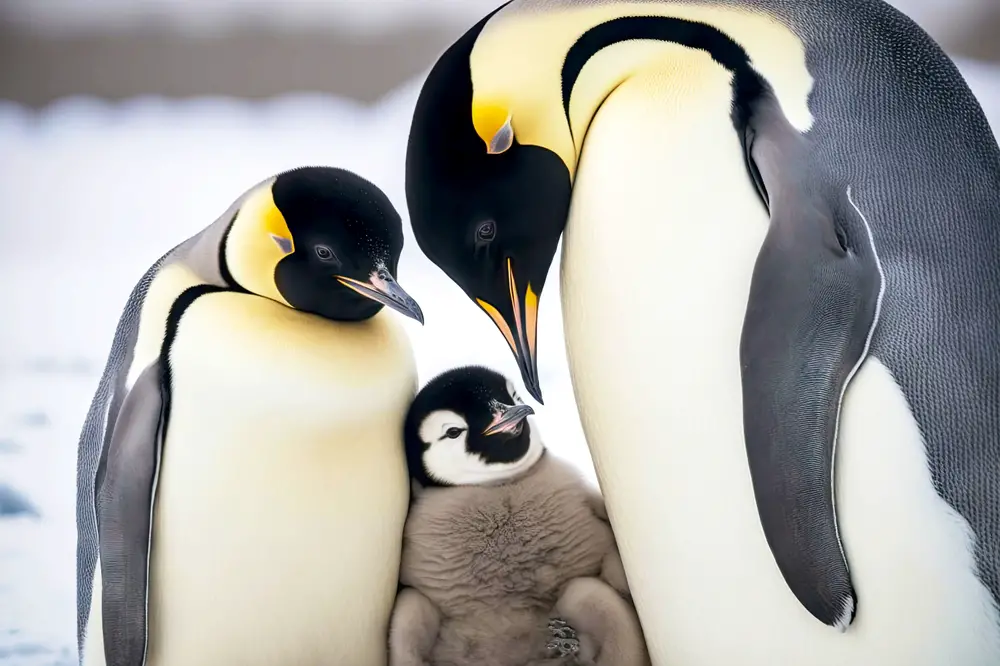
African penguins, often referred to as “jackass penguins” for their distinctive call, are facing a steep decline in population. Habitat destruction, oil spills, and overfishing of their primary food sources pose significant threats. You might find their waddling gait charming, yet their struggle for survival is anything but endearing. The African penguin’s future is uncertain without immediate intervention.
Conservation efforts focus on protecting breeding sites and advocating for sustainable fishing practices. Rehabilitation centers play a crucial role in rescuing and rehabilitating oiled and injured penguins. Their plight highlights the delicate balance of marine ecosystems and the impact of human activities. As you consider their story, it’s a call to action to protect our oceans and the creatures that call them home.
15. The Iberian Lynx
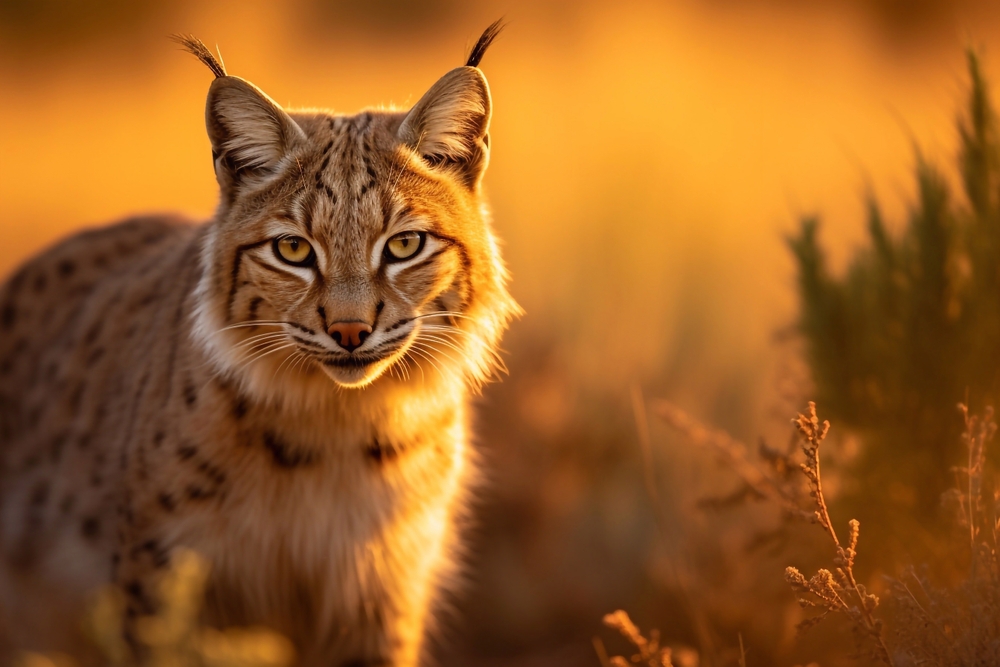
The Iberian lynx, once on the brink of extinction, is making a slow but hopeful recovery. Found primarily in Spain and Portugal, these elusive cats face threats from habitat loss and a declining prey base. You might admire their distinctive tufted ears and striking appearance, yet their survival is still uncertain. Conservation efforts have led to an increase in population, but challenges remain.
Programs to protect the Iberian lynx focus on habitat restoration and bolstering rabbit populations, their primary food source. Breeding centers play a pivotal role in reintroducing lynx into the wild. While their story is one of hope, it underscores the ongoing need for conservation action. As you reflect on their journey, it’s a testament to the power of dedicated efforts in saving endangered species.