
In the depths of the jungle, where nature’s paintbrush seems to have gone wild, the vibrant hues and patterns of the animal kingdom aren’t just for show. Each stripe and spot serves a purpose, often crucial to the survival of the creatures that wear them like living camouflage. From the brilliant blues to subtle earth tones, these colors often tell a story of adaptation honed over millennia. Here are 13 fascinating coloring patterns in the jungle that have secret survival purposes, and how they help these incredible creatures thrive in their dynamic environment.
1. The Dazzling Stripes of the Tiger
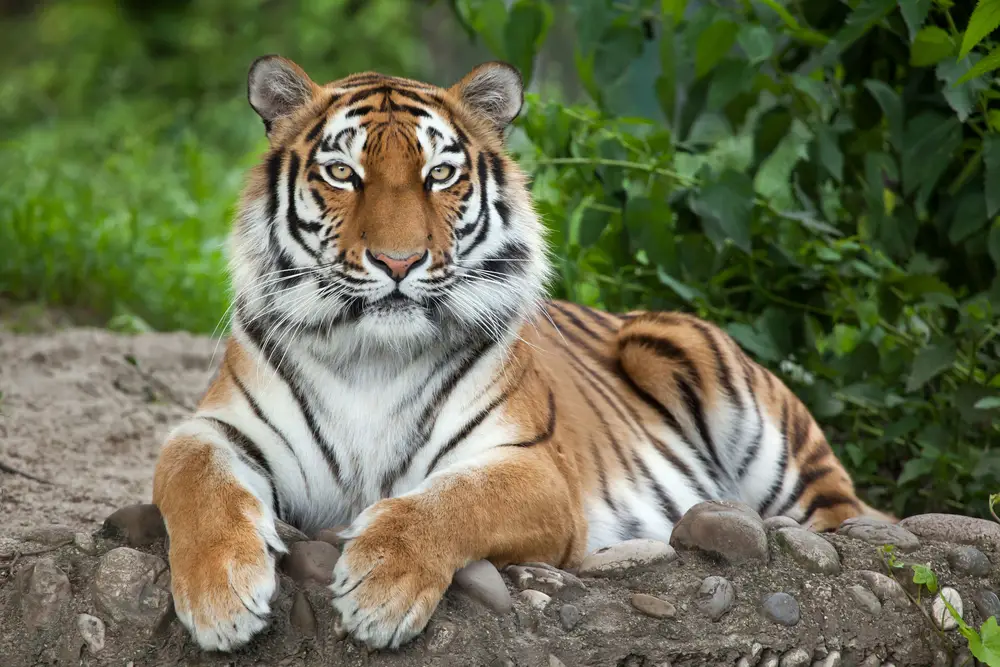
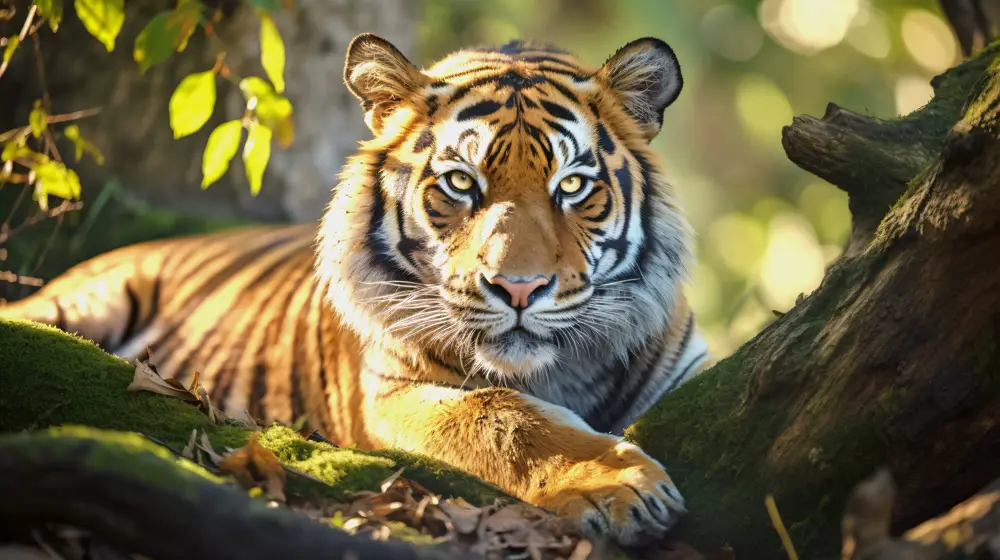
You might think a tiger’s bold orange and black stripes make it easy to spot, but in the dappled light of the jungle, they act as perfect camouflage. The stripes break up the tiger’s outline, allowing it to blend seamlessly into the tall grasses and shadows. This stealthy appearance is crucial for a predator that relies on surprise to hunt. When you’re a tiger, blending in means the difference between a successful hunt and an empty stomach.
According to a study published in the Journal of Zoology, the spacing and width of a tiger’s stripes are uniquely adapted to its habitat. Researchers found that this pattern disrupts the prey’s ability to detect the tiger’s motion, making it an efficient stealth hunter. So, next time you see a tiger, remember that those iconic stripes are not just for show but a masterclass in nature’s design. It’s an illustration of evolution’s ability to craft beauty and utility in one fierce package.
2. The Transparent Wings of the Glasswing Butterfly
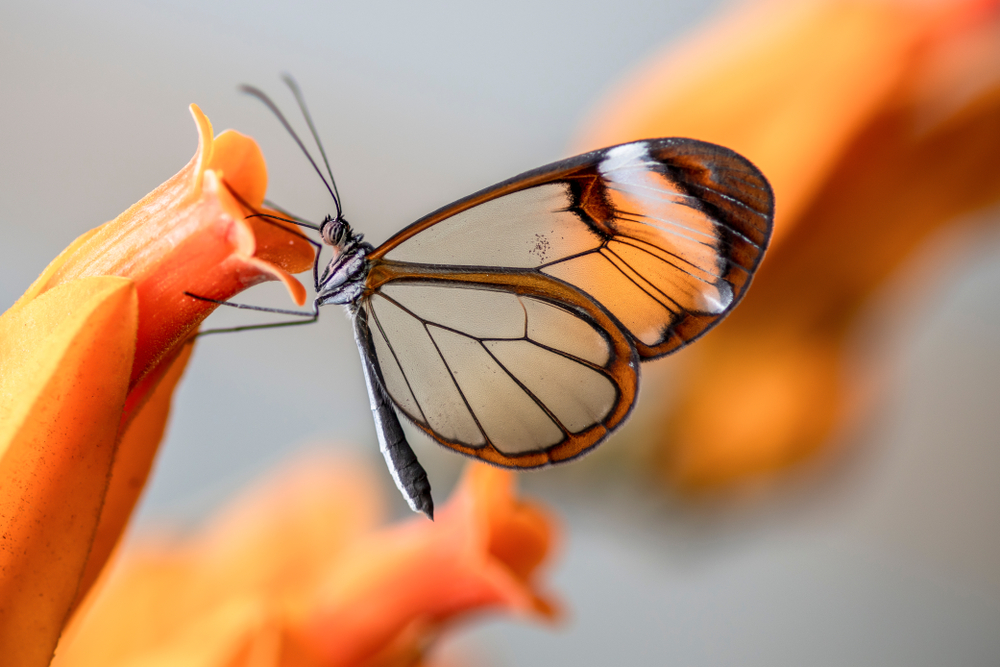
Have you ever heard of a butterfly with almost invisible wings? The Glasswing Butterfly takes the concept of camouflage to a whole new level with its transparent wings. These wings, devoid of vibrant colors, allow the butterfly to become nearly invisible against the backdrop of its environment. This adaptation makes it incredibly difficult for predators to spot them — it’s like a natural cloaking device.
When the Glasswing does show its colors, it’s usually when it’s resting or basking in the sun. Despite its almost invisible wings, this butterfly does not lack beauty; rather, it possesses a subtle elegance. This ability to appear and disappear at will is a brilliant evolutionary trick that keeps it out of harm’s way. It’s a reminder that sometimes, not standing out is the best way to survive.
3. The Eye Spots of the Peacock Butterfly
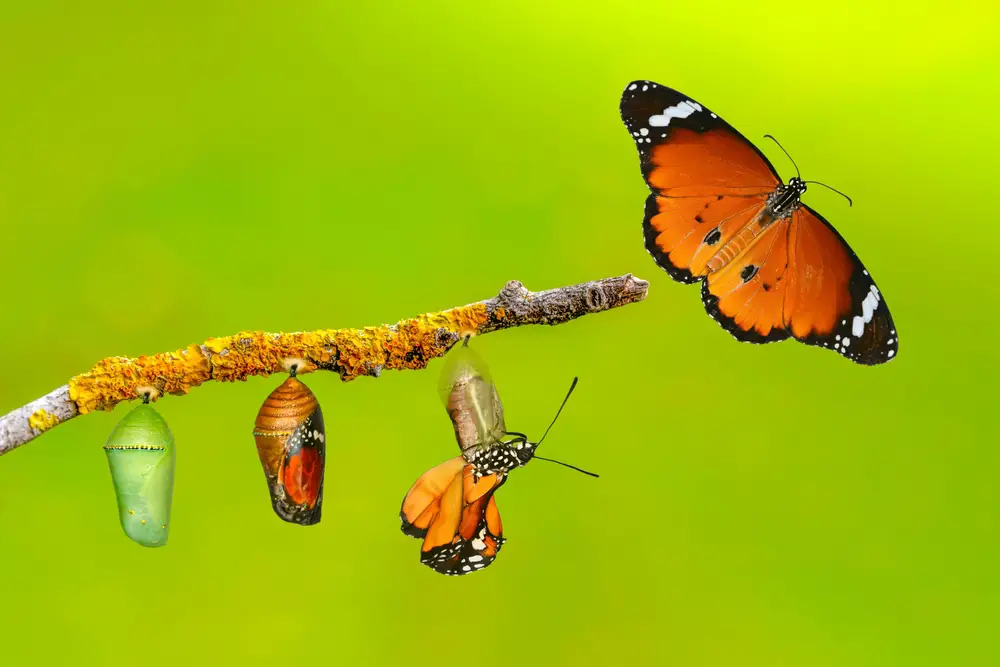
Peacock butterflies have an ingenious way of deterring predators that might mistake them for a tasty treat. Their wings are adorned with eye-like patterns, which can startle or confuse predators such as birds. When threatened, they can suddenly reveal these “eyes,” mimicking the stare of a larger animal. It’s a clever bluff that buys them precious seconds to escape.
Research published in the Proceedings of the Royal Society B highlights the effectiveness of these patterns. Scientists have found that the eye spots can indeed deter predators, particularly those not accustomed to such visual displays. This ability to mimic intimidating features is a fascinating example of how deception can be a powerful tool in the animal kingdom. Just like a magician’s sleight of hand, these butterflies have mastered the art of misdirection.
4. The Vivid Colors of Poison Dart Frogs
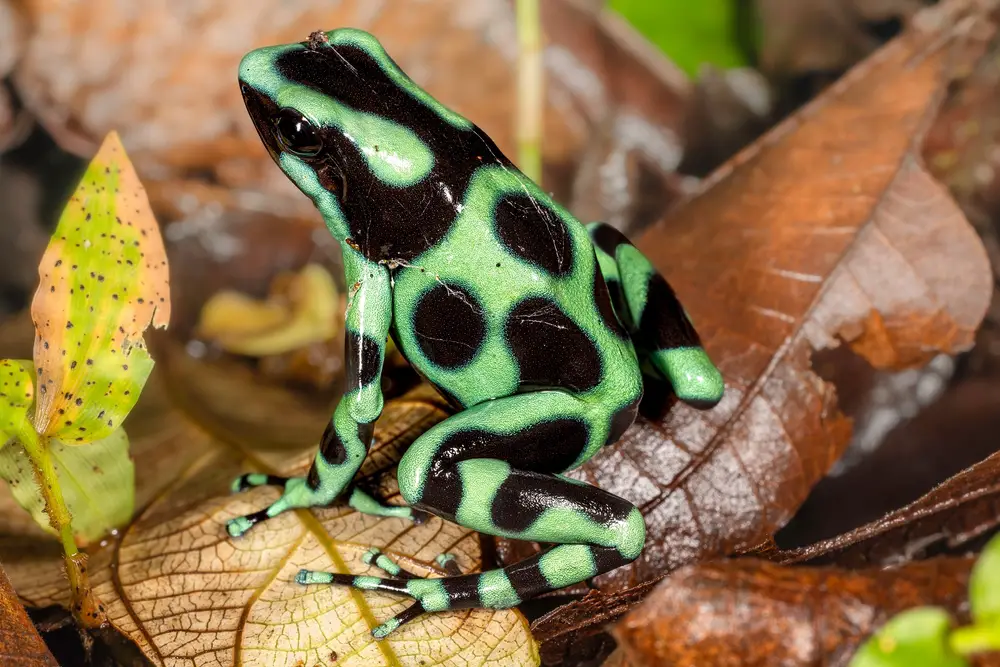
Poison Dart Frogs are the jungle’s warning sign, flaunting vivid colors that signal danger. These tiny amphibians display a stunning array of blues, yellows, and reds that scream, “Don’t eat me!” Their bright colors are a classic example of aposematism, where being conspicuous is a survival strategy. Predators quickly learn that these frogs are toxic, thanks to the alkaloids in their skin.
Unlike other animals that rely on blending into their environment, Poison Dart Frogs use their colors to stand out deliberately. This method of defense is highly effective, as predators who try to snack on these frogs often end up regretting it. Over time, these predators avoid anything with a similar bright palette, ensuring the frog’s survival. It’s a bold strategy, but one that works brilliantly in the dense, competitive world of the jungle.
5. The Mottled Skin of the Leaf-Tailed Gecko
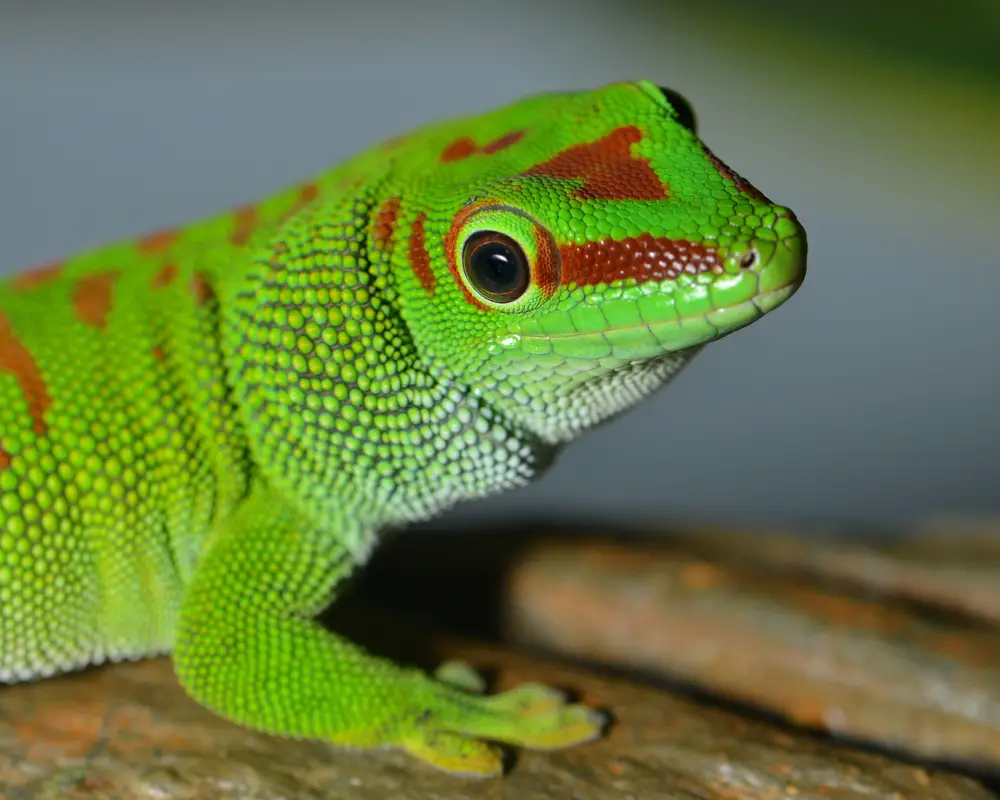
The Leaf-Tailed Gecko is a master of disguise, using its mottled skin to disappear into its surroundings. Its skin mimics the texture and color of leaves, bark, or moss, making it nearly impossible to detect. This ability to blend in is crucial for avoiding predators and sneaking up on prey. In the lush environment of Madagascar, where these geckos are found, such camouflage is a lifesaver.
A study in the journal Nature Communications reveals that the Leaf-Tailed Gecko’s camouflage is more sophisticated than previously thought. Researchers discovered that these geckos can adjust their skin pattern to match different backgrounds, providing them with a dynamic cloak of invisibility. This adaptive camouflage showcases nature’s ability to continually innovate, ensuring the gecko remains a stealthy shadow in its vibrant habitat. It’s a testament to the power of adaptation in the face of constant environmental challenges.
6. The Mimicry of the Orchid Mantis
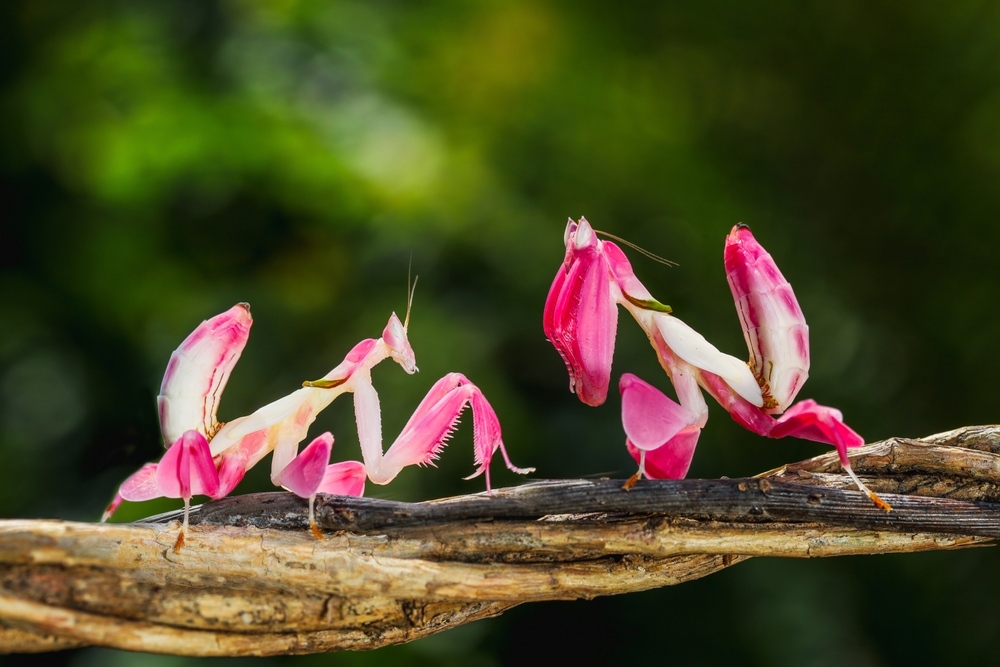
The Orchid Mantis is a spectacular example of mimicry in the animal kingdom, resembling a delicate flower. Its stunning white and pink appearance allows it to blend seamlessly into the flora, deceiving both prey and predator. While other creatures opt for camouflage that helps them hide, the Orchid Mantis goes a step further by actively mimicking the appearance of flowers. They lure in unsuspecting insects that come to pollinate, only to become the mantis’s next meal.
This strategy is particularly effective in the dense jungles of Southeast Asia, where the mantis can frequently be mistaken for a blossom. The Orchid Mantis doesn’t just survive; it thrives by turning the tables on its prey. Its beauty is both a disguise and a lure, making it one of nature’s most cunning hunters. In a world where appearances can mean the difference between life and death, this insect has mastered the art of deception.
7. The Striped Hooves of the Okapi
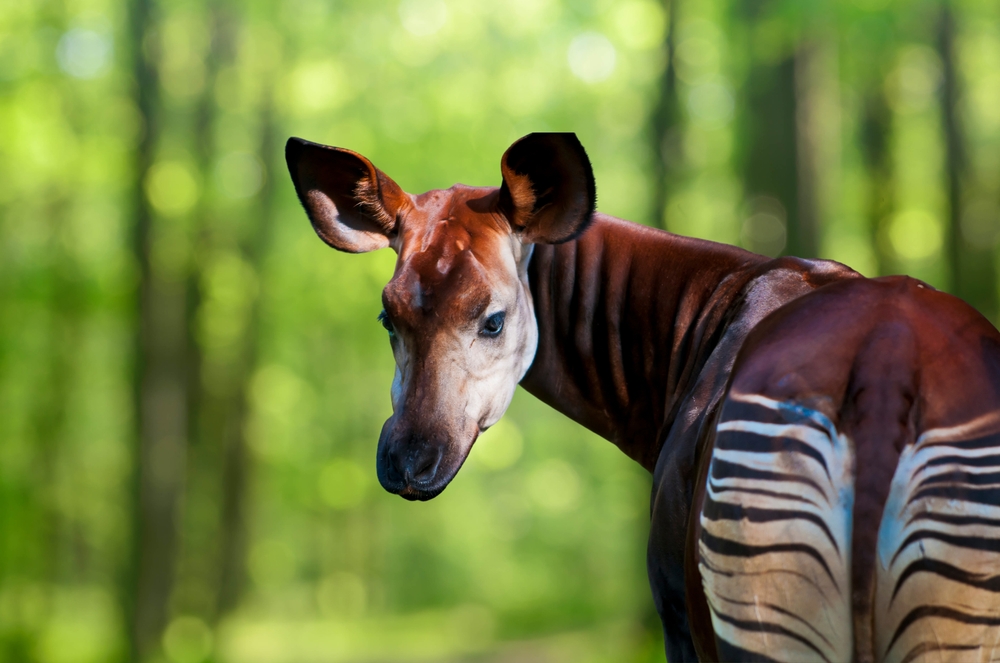
In the dense forests of the Congo, the Okapi uses its unique striped pattern to stay hidden from predators. Often compared to a zebra due to its striped legs, the Okapi is actually a relative of the giraffe. Its stripes serve to disrupt its outline in the dappled light of the forest, providing an effective disguise against the lush backdrop. The Okapi’s coloration is a classic example of disruptive coloration, breaking up its body shape.
According to a report from the World Wildlife Fund, this pattern also helps Okapis communicate with each other in their shadowy habitat. The stripes may serve as visual markers, allowing them to follow each other through the dense forest. This dual-use of stripes highlights the ingenuity of evolution in crafting features that serve multiple purposes. It’s a clever adaptation that keeps these elusive creatures under the radar and in touch with their kin.
8. The Iridescent Feathers of Hummingbirds
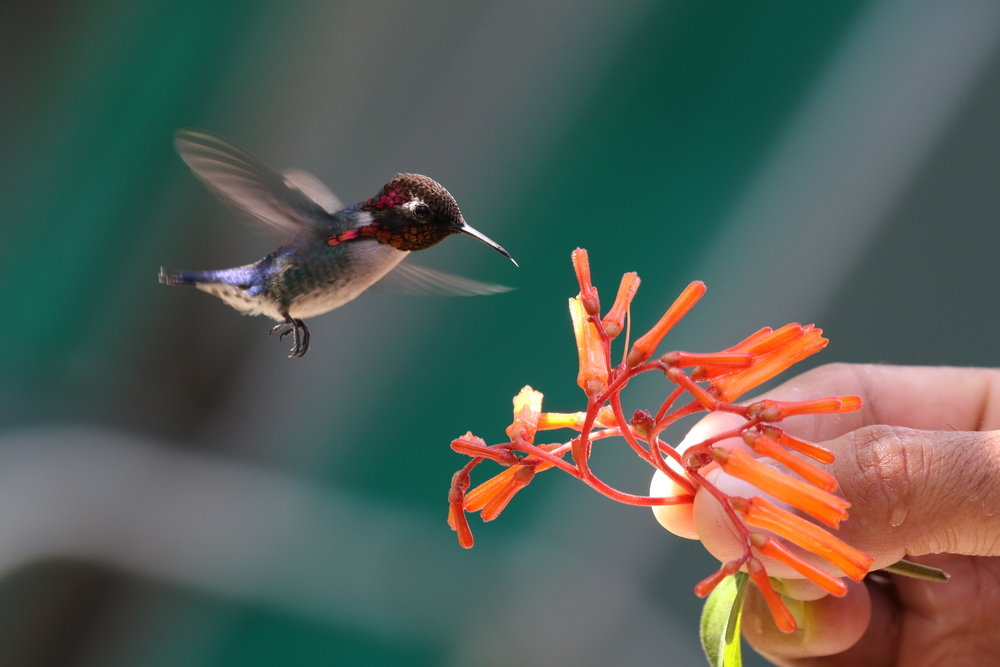
Hummingbirds might seem like they’re showing off with their iridescent feathers, but these colors actually serve a practical purpose. The shifting hues can confuse predators, making it difficult to pinpoint the bird’s exact location. As they dart between flowers, the sun’s reflection off their feathers creates a dazzling display that protects them from becoming someone’s lunch. Their beauty is a defense mechanism, shimmering with intention.
These feathers are also crucial for communication and mating displays. The vibrant colors signal health and vitality to potential mates, ensuring that only the fittest birds pass on their genes. In the hyper-competitive world of the jungle, where every advantage counts, these dynamic colors are a key survival tool. They’re a testament to how evolution can turn a simple trait into a multifaceted tool of survival and attraction.
9. The Bright Bill of the Toucan
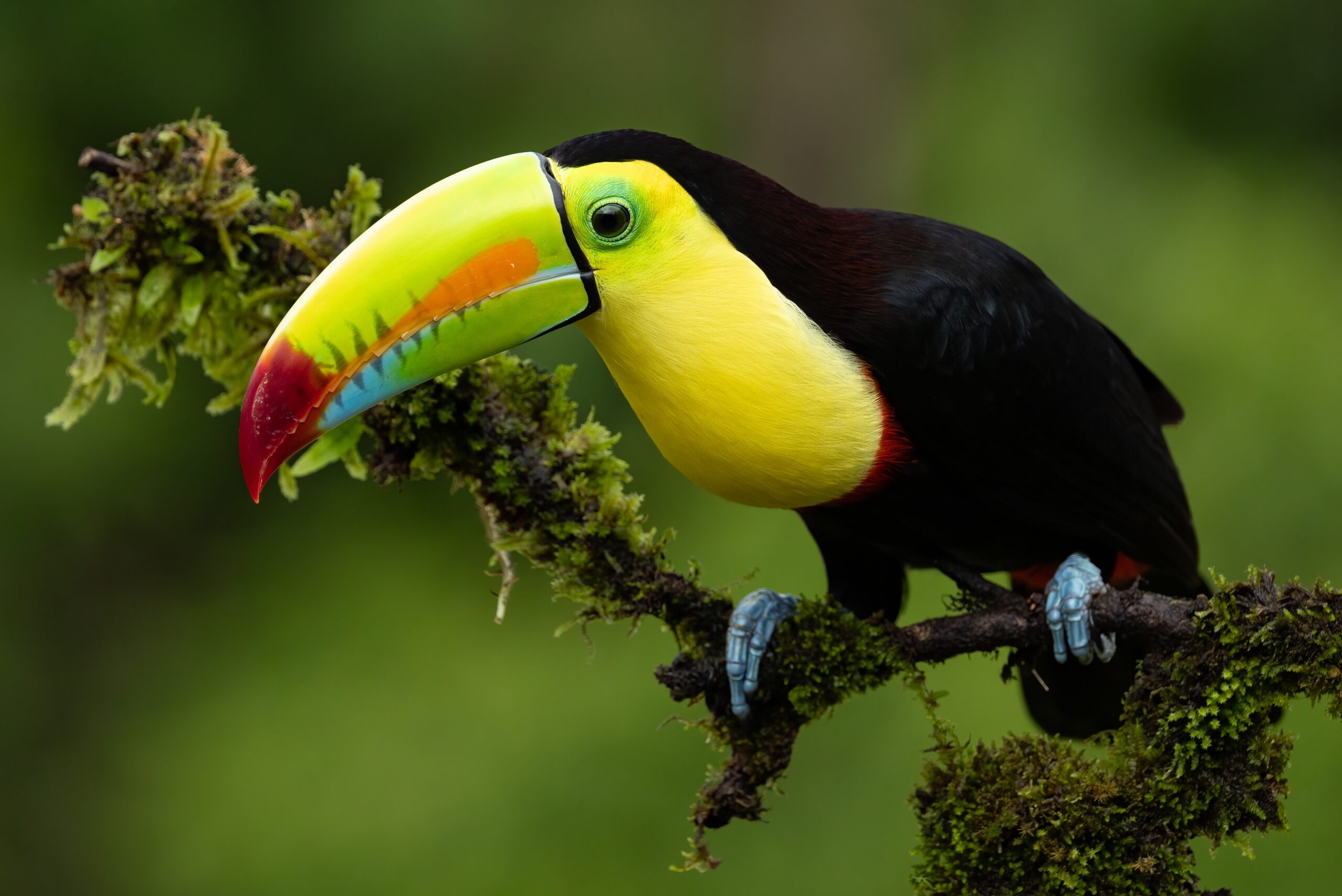
The Toucan’s brightly colored bill is one of the most recognizable features in the jungle, and it’s not just for show. These vibrant colors can help toucans identify each other from a distance, facilitating social interactions. But there’s more to the bill than meets the eye. Its bright colors can also serve as a warning to potential predators, signaling that the bird is not an easy target.
Additionally, the bill is a versatile tool used for reaching fruit on branches too small to support the bird’s weight. This combination of function and form illustrates how evolution often designs features with multiple roles. In the complex jungle ecosystem, having an edge in communication and survival can make all the difference. The toucan’s bill is a colorful example of natural selection’s ingenuity.
10. The Camouflage of the Green Tree Python
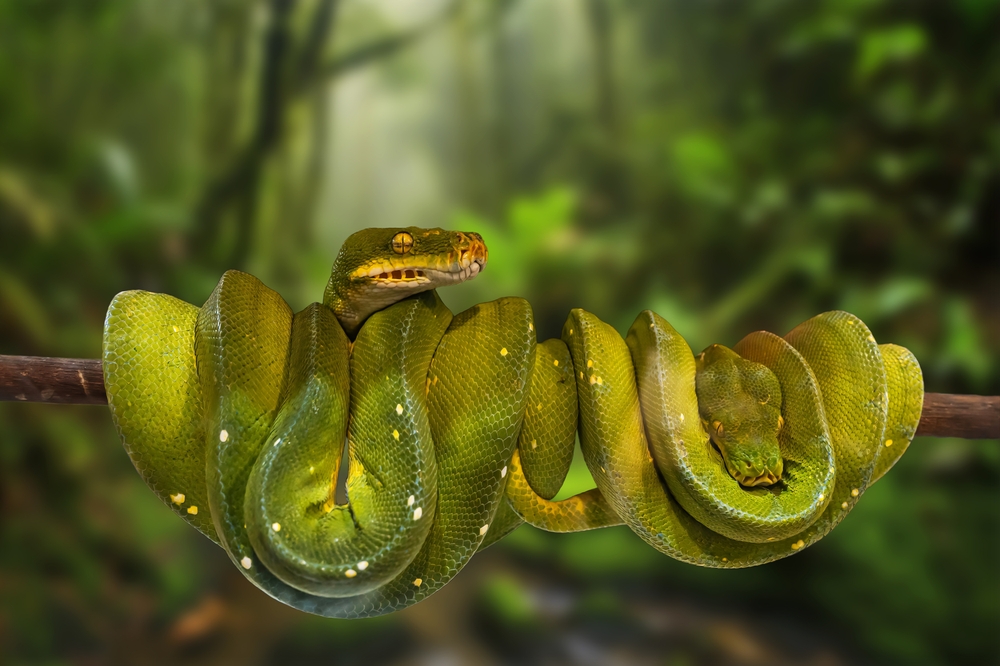
The Green Tree Python is a master of disguise, using its vibrant green scales to blend seamlessly with the foliage. This perfect camouflage allows it to ambush prey with lethal precision. As it rests motionless among the leaves, its bright color becomes an invisible cloak. In the jungle, where being unseen can mean survival, the Green Tree Python’s coloration is a perfect adaptation.
Interestingly, juvenile Green Tree Pythons start life with a yellow or red hue, transitioning to green as they mature. This color change is thought to provide better camouflage when they shift from ground-dwelling to arboreal habitats. It’s a fascinating life stage adaptation that enhances their survival in different environments. This ability to change colors reflects the dynamic nature of jungle life, where flexibility can be a real lifesaver.
11. The Striking Patterns of the Amazonian Royal Flycatcher
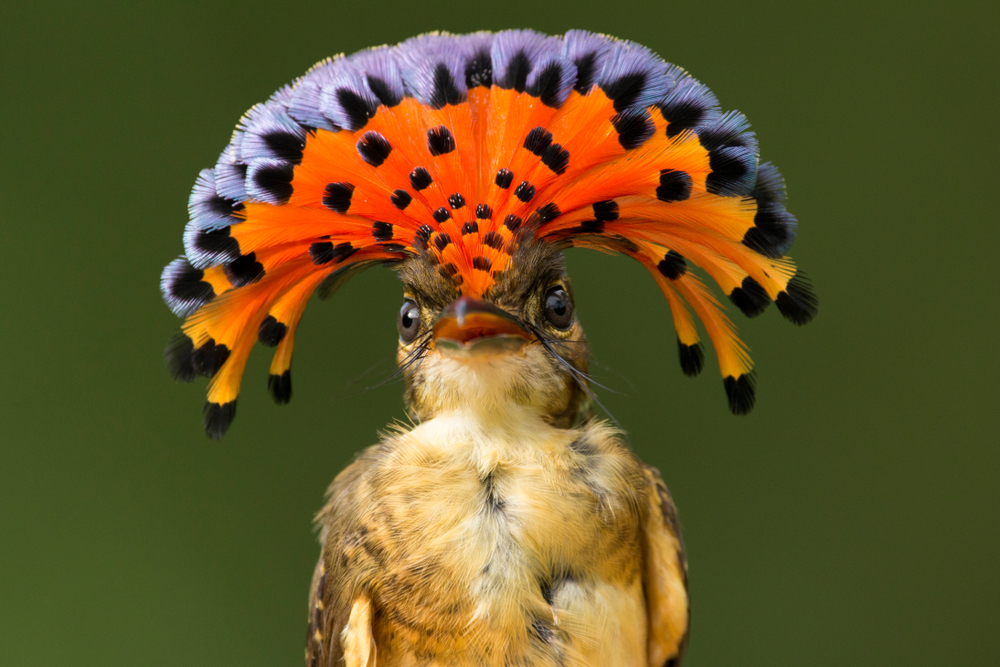
The Amazonian Royal Flycatcher boasts a spectacular crown of feathers that it displays during courtship or territorial disputes. When not in use, these bright feathers are hidden, keeping the bird camouflaged in the dense foliage. This dual strategy of concealment and display is a clever balance between attracting a mate and avoiding predators. In the competitive jungle environment, standing out when necessary, and blending in when not, is a vital survival technique.
These feathers aren’t just for show; they play a critical role in communication within the species. The bird’s ability to display or hide its crown at will shows how animals can adapt their behaviors to suit their needs. It’s a sophisticated dance where survival and reproduction are perfectly choreographed. The Royal Flycatcher’s plumage is a striking example of how beauty and function often go hand in hand in nature.
12. The Bold Patterns of the Harlequin Filefish
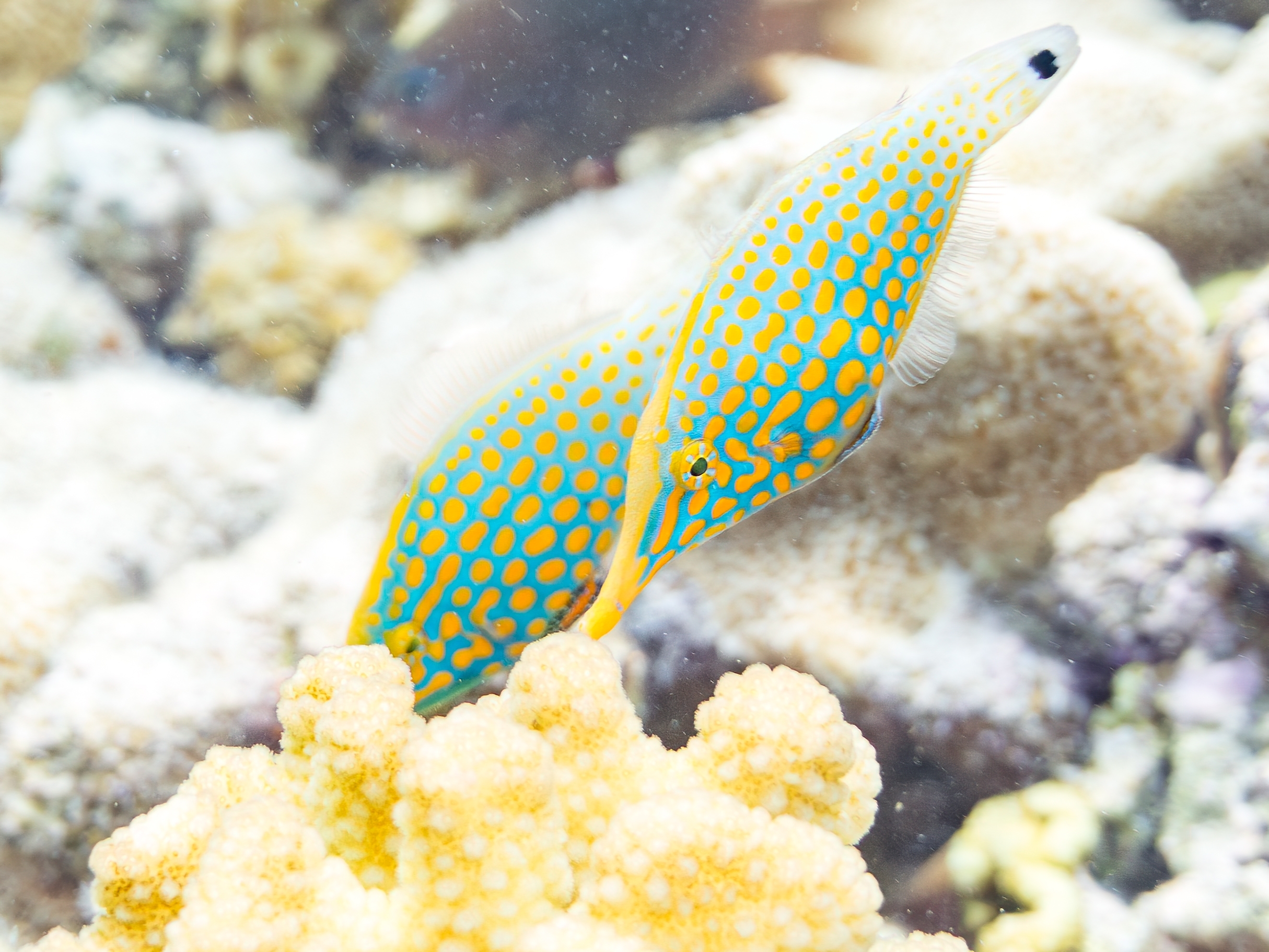
Underwater in the jungle’s rivers, the Harlequin Filefish uses its bold patterns to both attract mates and deter predators. Its bright, mosaic-like coloration is a warning sign to potential threats, as this fish can produce a toxic mucus. This combination of striking appearance and chemical defense makes it a formidable presence in its watery world. In the vibrant underwater tapestry of the Amazon, standing out is sometimes safer than blending in.
The Harlequin Filefish’s coloration also plays a role in social behavior and mate selection. These patterns can signal health and genetic fitness, crucial factors in mate choice. The fish’s ability to communicate through its appearance highlights how visual cues are essential for survival and reproduction. It’s a vivid example of how nature uses every available tool to ensure the success of its inhabitants.
13. The Batesian Mimicry of the False Coral Snake
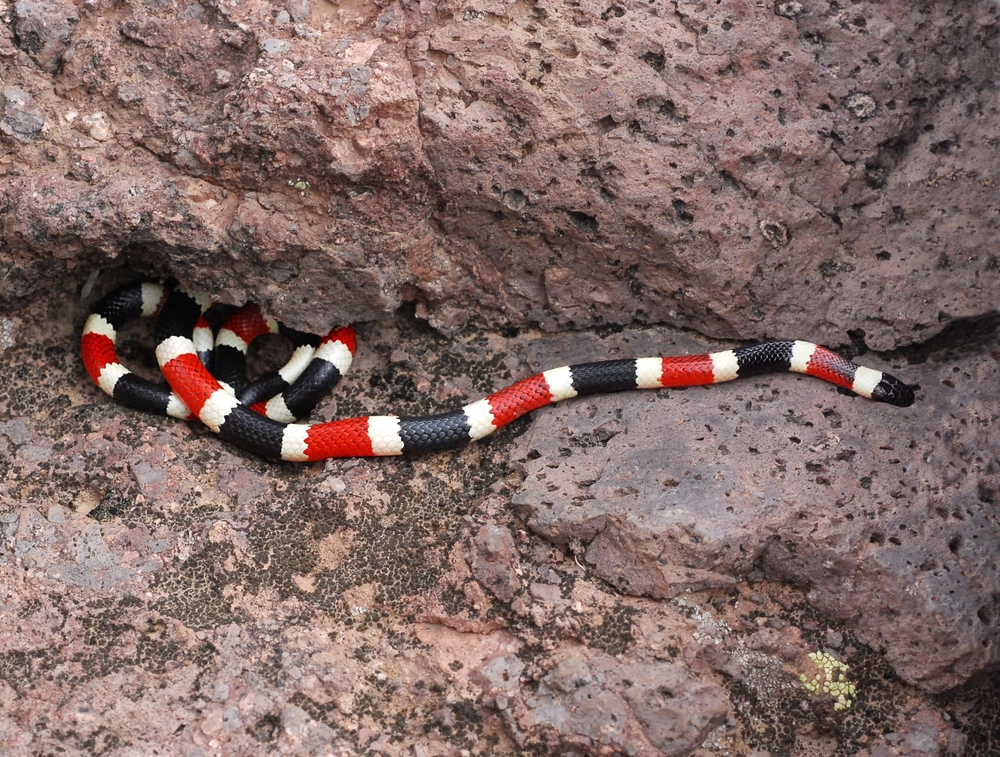
The False Coral Snake is a master of deception, using its coloring to mimic the highly venomous coral snake. This form of mimicry is called Batesian mimicry, where a harmless species evolves to imitate the warning signals of a harmful one. This clever disguise deters predators who’ve learned to associate the red, yellow, and black bands with danger. It’s a survival strategy that relies on reputation rather than actual defense mechanisms.
The success of this mimicry depends on the presence of the real coral snake in the same habitat. Predators who encounter both species learn to avoid them, unable to distinguish between the mimic and the genuine threat. This tactic is a brilliant example of how one species can benefit from the defenses of another without sharing the burden of producing venom. It’s a fascinating interplay of risk and reward in the jungle’s complex web of life.