
Exploring abandoned places offers a unique peek into the past, allowing you to connect with history in a way that’s often more intimate than any museum visit. Whether you’re drawn to the crumbling architecture or the stories whispered in the wind, abandoned sites have a way of igniting our imaginations. From deserted villages to forgotten amusement parks, the United States is dotted with intriguing places that time has left behind but are still accessible for the curious traveler. Here are 13 abandoned places you can visit, each with its own story frozen in time.
1. Bodie, California
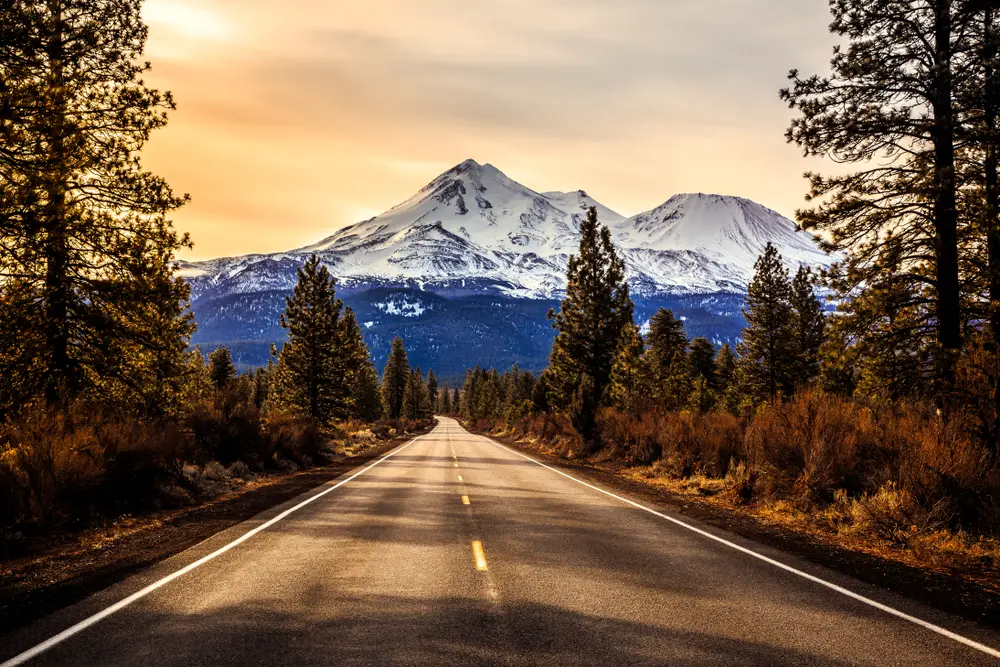
Once a bustling gold-mining town, Bodie now stands as one of the best-preserved ghost towns in the United States. Walking through its deserted streets, you can almost hear the echoes of the 10,000 people who once called it home. The town has been in a state of arrested decay since 1962, when it became a California State Historic Park. With more than 100 structures still standing, Bodie offers a tangible slice of the Wild West.
The eerie allure of Bodie has been preserved thanks to careful management by the state park service. According to a report by the California State Parks, the town attracts thousands of visitors each year who come to experience its rugged beauty and rich history. While no new construction is allowed, the existing structures are maintained to prevent further decay. This delicate balance keeps Bodie authentic yet safe for exploration.
2. Centralia, Pennsylvania
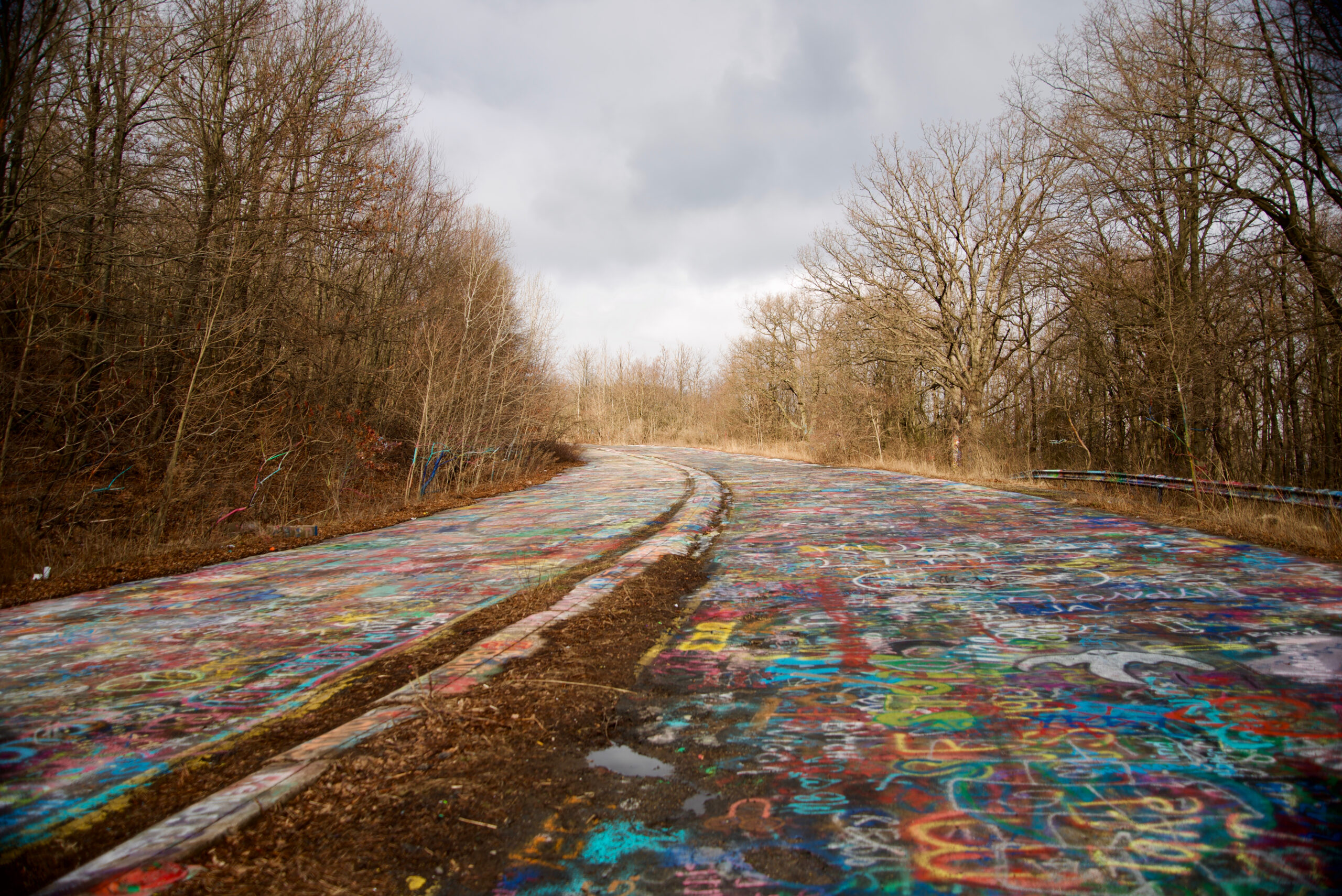
Centralia was once a thriving mining town until a coal mine fire started beneath it in 1962. The fire is still burning today, forcing most residents to leave and reducing the town to a few remaining homes and structures. Walking through Centralia, you’ll notice smoke rising from the ground and roads that lead to nowhere, serving as haunting reminders of the underground inferno. Its story has even inspired the fictional town in the horror film “Silent Hill.”
Despite its eerie atmosphere, Centralia remains a point of fascination for visitors who are intrigued by its surreal landscape. While the fire’s effects are real, the town is safe to visit, and you can explore the cracked and graffiti-covered Route 61, known as the “Graffiti Highway.” The Pennsylvania Department of Environmental Protection monitors the site, ensuring that it remains secure for tourists. A trip to Centralia is like stepping into a post-apocalyptic world, yet it’s a testament to the resilience and curiosity of those who visit.
3. Eastern State Penitentiary, Pennsylvania
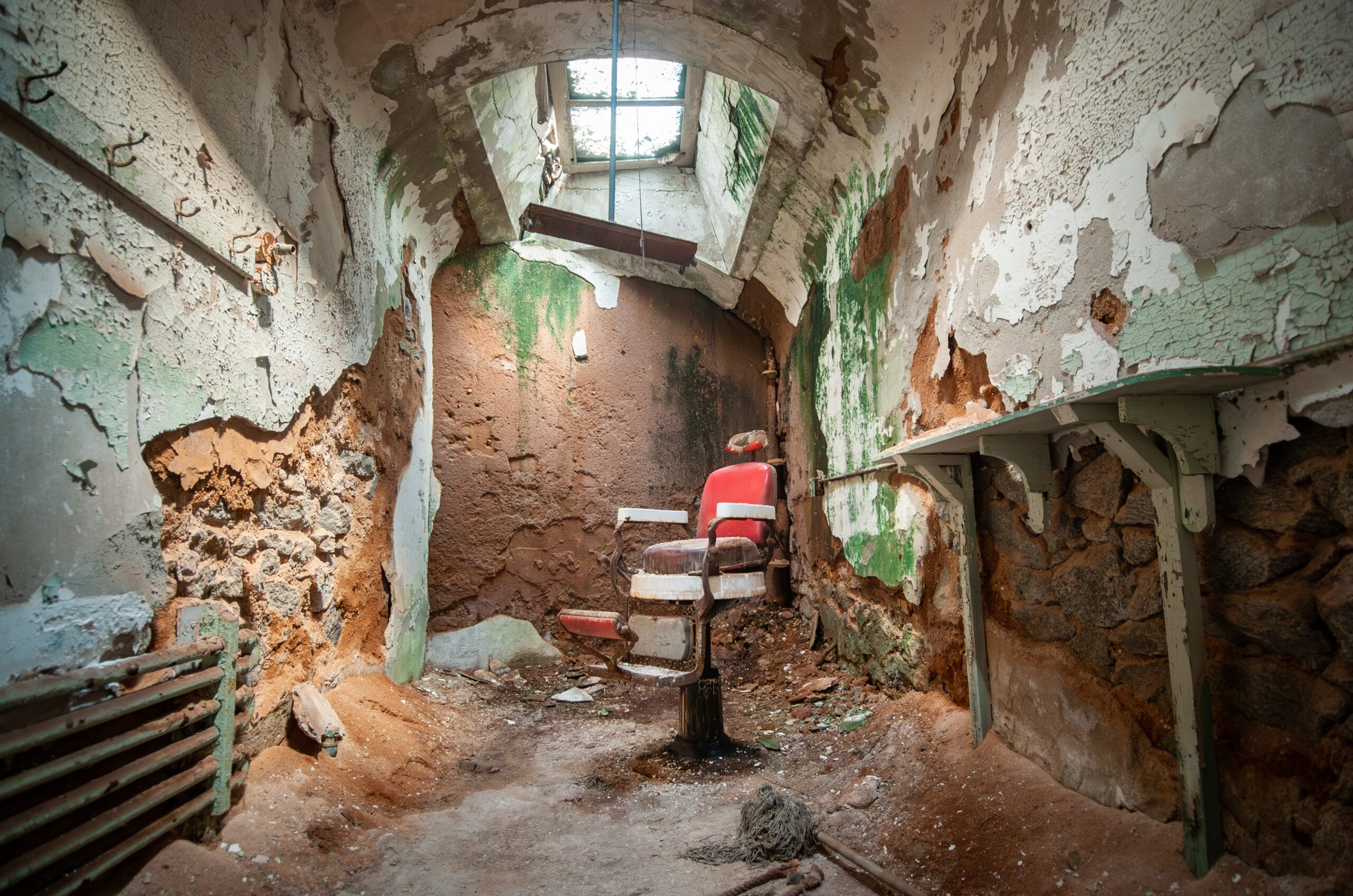
Eastern State Penitentiary in Philadelphia was once the most famous and expensive prison in the world. Opened in 1829, it held notorious criminals like Al Capone, and its radial design became a model for over 300 prisons worldwide. Today, it stands in ruin, offering a stark view of prison life through its crumbling cellblocks and decaying infrastructure. You can explore the site on guided tours that weave history and a touch of the macabre.
The penitentiary offers an intriguing look at the history of criminal justice in America. Experts from the Eastern State Penitentiary Historic Site provide insights into its history, helping you understand the evolution of prison systems. The site is also known for its eerie atmosphere, hosting popular “Terror Behind the Walls” tours during Halloween. This blend of education and thrill makes the penitentiary a must-visit for history buffs and ghost enthusiasts alike.
4. Salton Sea, California

The Salton Sea was once a glamorous getaway for Hollywood stars in the 1950s, but today it’s a haunting reminder of nature’s power and human folly. Created by accident, the sea is now shrinking, leaving behind abandoned resorts and homes. Wandering through these ghostly remnants, you can see sun-bleached furniture and decaying structures that speak to a bygone era of luxury. The shoreline is dotted with the bones of fish, a testament to the ecological challenges plaguing the area.
Despite its decay, the Salton Sea remains a destination for those intrigued by abandoned beauty. Birdwatchers are drawn to the area, which serves as an important stopover for migratory birds. Communities around the sea are actively working to revitalize the area, with proposed projects aiming to address environmental concerns. Visiting the Salton Sea offers a unique perspective on the intersection of natural and human history.
5. The City Methodist Church, Indiana
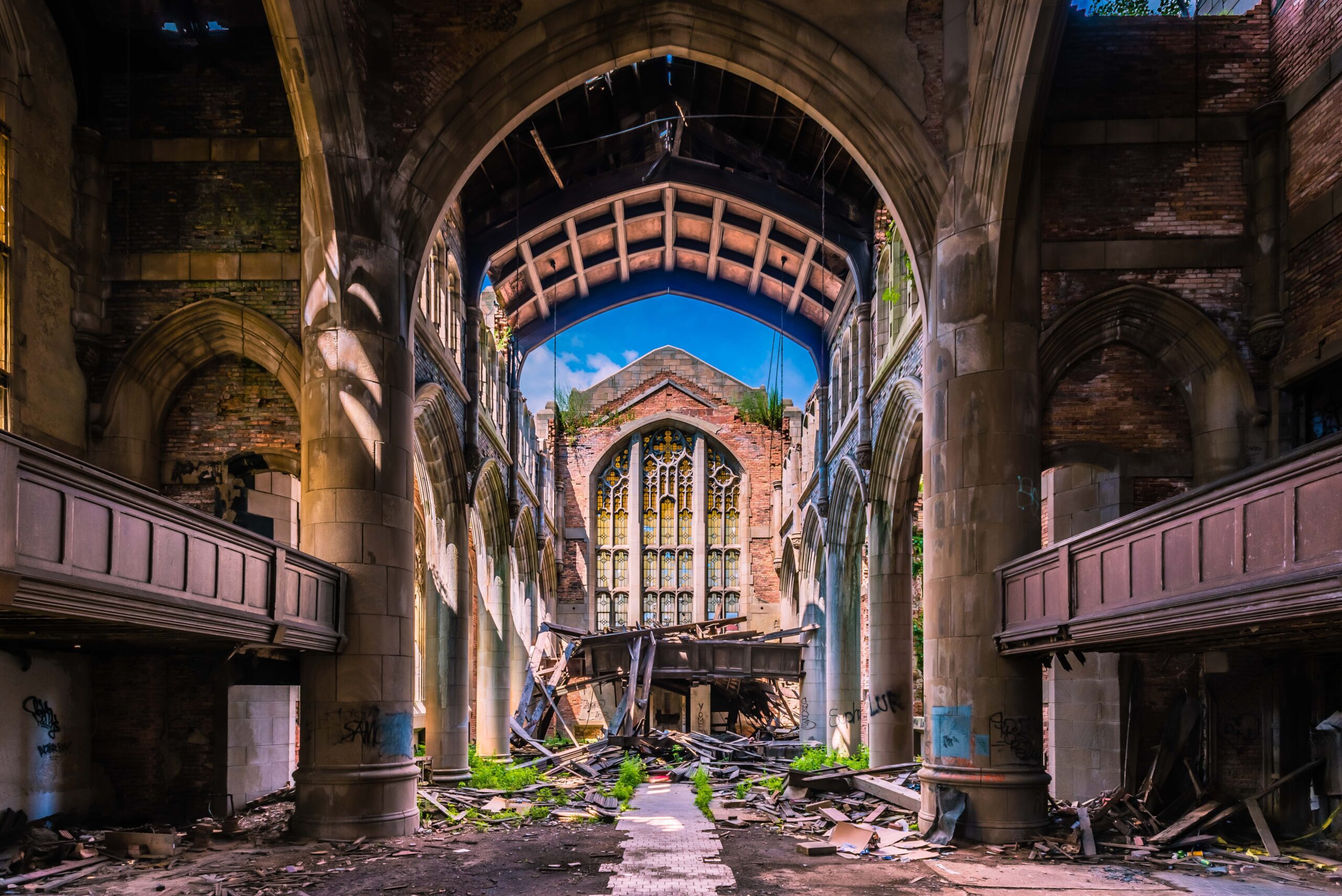
Situated in Gary, Indiana, the City Methodist Church was once a grand symbol of the city’s prosperity. Completed in 1926, it featured Gothic architecture and could seat over 3,000 people. However, economic decline led to its closure in 1975, and it has since become an iconic ruin. The church’s crumbling walls and shattered windows create an atmosphere that photographers and urban explorers find irresistible.
The church’s haunting beauty has not only attracted tourists but also filmmakers who have used it as a backdrop for post-apocalyptic scenes. According to Indiana Landmarks, efforts are underway to stabilize the structure and possibly repurpose it for community use. This has sparked interest and debate over how best to preserve its architectural and cultural heritage. For now, the City Methodist Church stands as a poignant reminder of Gary’s past, offering a glimpse into its rich history.
6. Bannerman Castle, New York
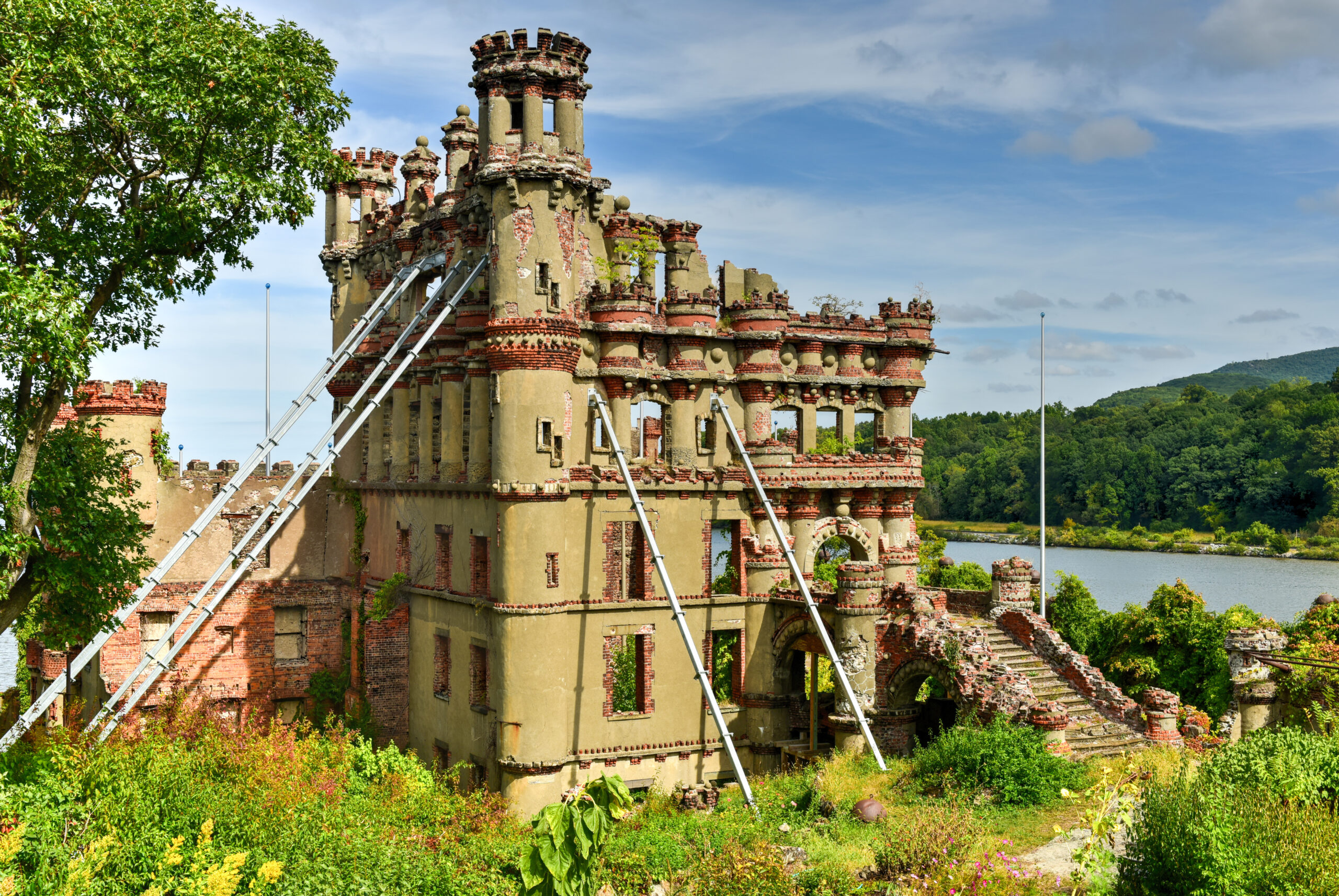
Located on Pollepel Island in the Hudson River, Bannerman Castle is a crumbling fortress steeped in history and intrigue. Built by Francis Bannerman VI to store surplus military equipment, the castle has been abandoned since a major explosion in 1920. Today, it serves as a captivating ruin, with its skeletal remains standing amid lush greenery. The island is accessible via guided tours, which offer insights into its storied past.
Visiting Bannerman Castle is like stepping into a fairytale, albeit one tinged with mystery and decay. The Bannerman Castle Trust works diligently to preserve the site and educate visitors about its unique history. Their efforts ensure that the island remains a compelling destination for history enthusiasts and adventure seekers alike. The blend of natural beauty and architectural decay makes Bannerman Castle a fascinating stop on any Hudson Valley itinerary.
7. Rhyolite, Nevada
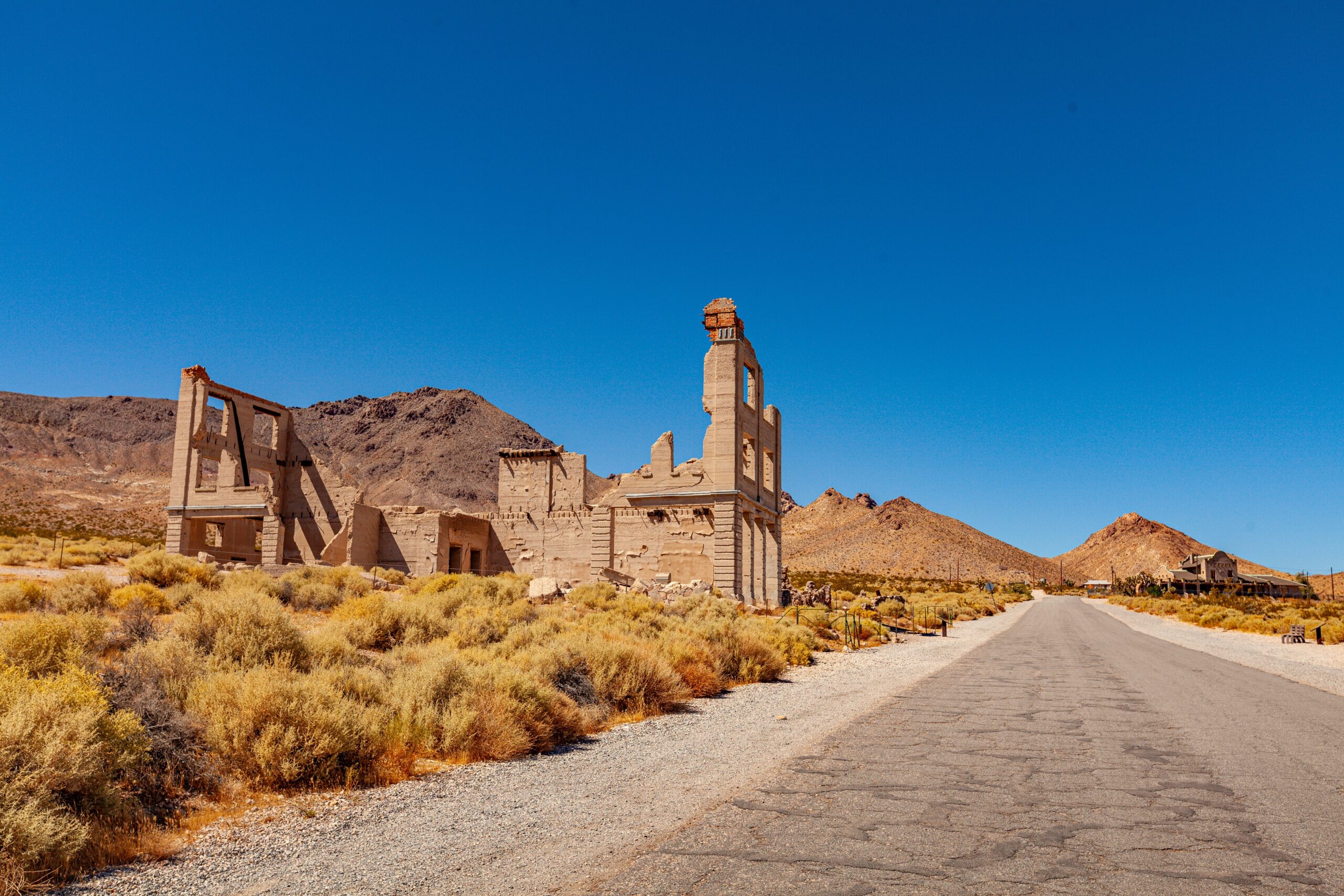
Rhyolite is a ghost town that encapsulates the boom-and-bust cycles of the American West. Founded in 1905 during the gold rush, it quickly grew to a population of 5,000 but was abandoned by 1916. Today, the skeletal remains of its bank, school, and railway station stand against the stark desert landscape, offering a vivid glimpse into the past. The nearby Goldwell Open Air Museum adds an artistic twist to the site, with intriguing sculptures scattered across the desert floor.
Rhyolite’s rapid rise and fall make it a captivating study of economic and social dynamics during the mining era. According to the National Park Service, the town’s ruins are preserved to allow visitors a safe yet authentic experience. The surreal setting has also made it a popular backdrop for photographers and filmmakers. A visit to Rhyolite is like flipping through the pages of an old, faded history book brought to life by the Nevada sun.
8. Fort Gaines, Georgia
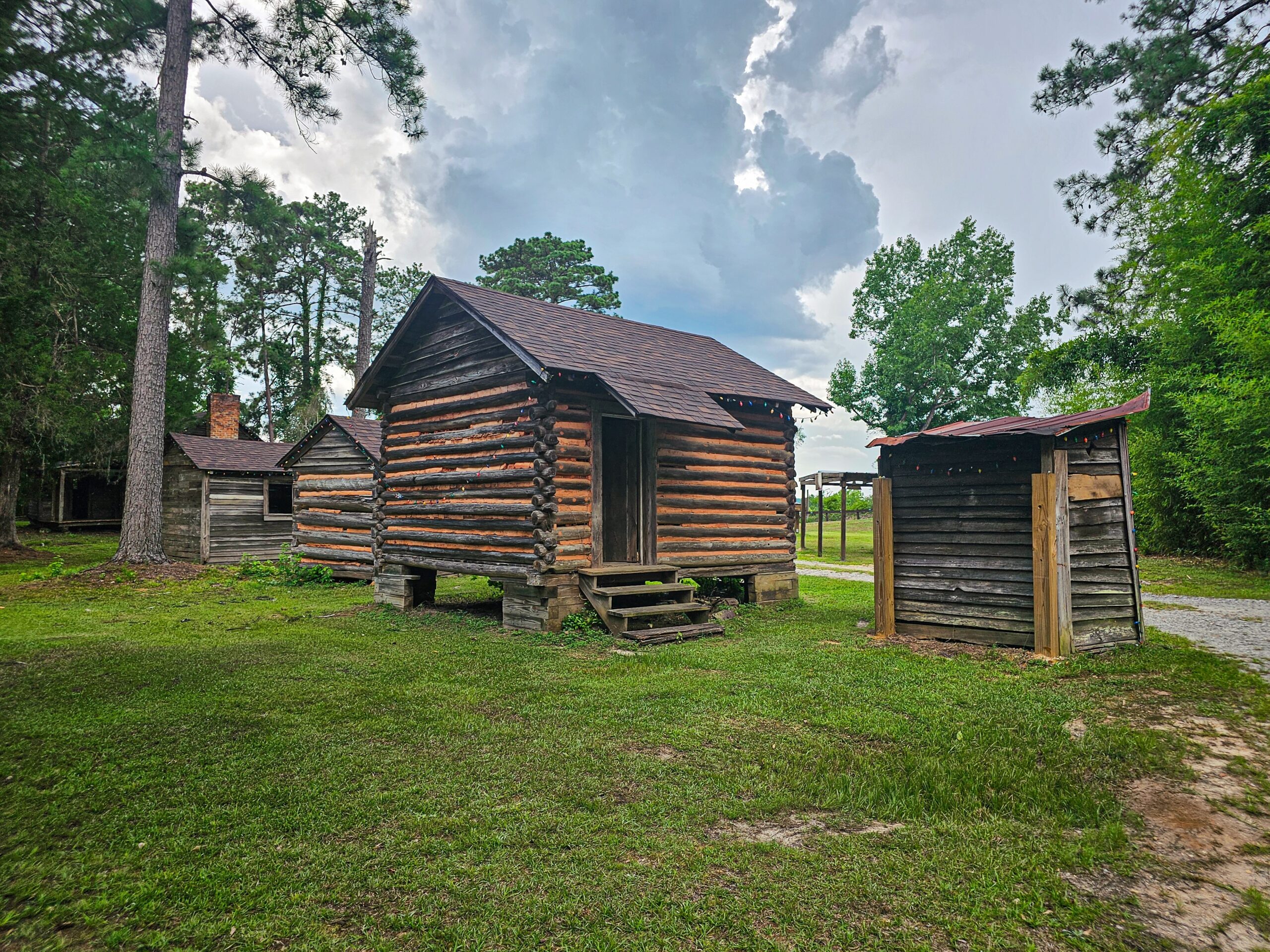
Perched on Dauphin Island, Fort Gaines is a relic of America’s coastal defense system. Built in 1821, the fort played roles in both the Civil War and World War II. Walking through its tunnels and ramparts, you can almost hear the echoes of soldiers and the roar of cannon fire. Despite its age, Fort Gaines is remarkably well-preserved, offering a tangible connection to history for those who visit.
In addition to its historical significance, Fort Gaines is known for its stunning views of the Gulf of Mexico. The Dauphin Island Park and Beach Board actively maintain the site, ensuring it’s safe for exploration. Visitors are drawn not only to its past but also to its natural beauty and educational programs. Exploring Fort Gaines feels like stepping into a time machine, surrounded by the whispers of history.
9. Cahawba, Alabama
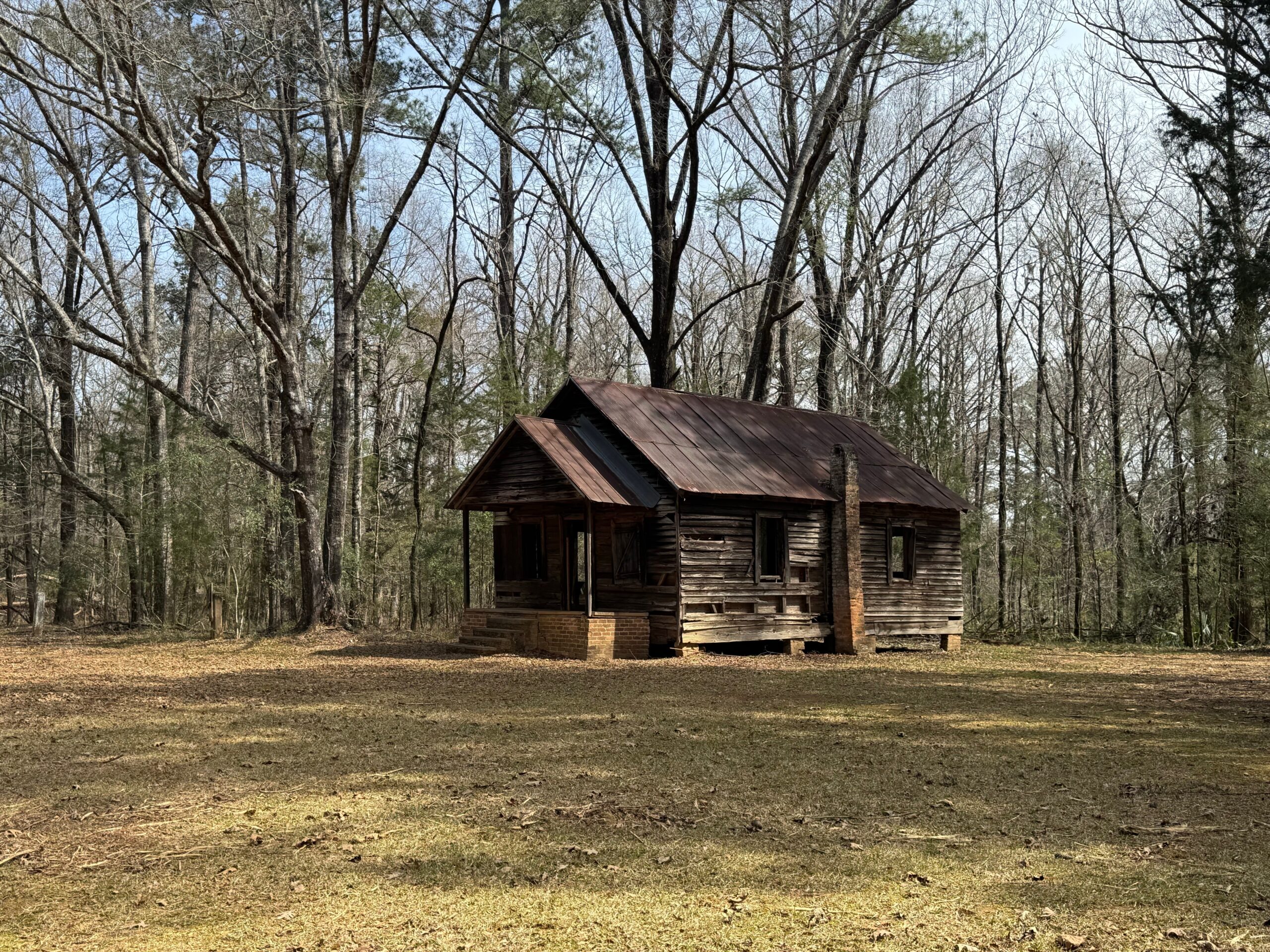
Once Alabama’s state capital, Cahawba is now a ghost town that tells a story of politics, prosperity, and disaster. Founded in 1818, it flourished until the Civil War, after which floods and yellow fever led to its decline. Today, it stands as an archaeological park, with ruins and foundations hinting at a city that once buzzed with life. Walking through Cahawba, you can feel the weight of history in the air.
Cahawba is managed by the Alabama Historical Commission, which offers guided tours to illuminate its rich past. These tours provide insight into the town’s rapid rise and fall, exploring themes of urban planning and public health. The surrounding nature trails and picnic areas make Cahawba a pleasant stop for history lovers and outdoor enthusiasts alike. It’s a place where the past and present meet, inviting reflection and exploration.
10. Glenrio, New Mexico/Texas

Straddling the border of New Mexico and Texas, Glenrio is a ghost town that tells the story of Route 66’s glory days. Once a bustling stop for travelers, the town declined after the interstate highway bypassed it in the 1970s. Today, its abandoned motels, cafes, and gas stations stand as relics of America’s road trip culture. Walking through Glenrio, you can almost hear the hum of engines and the laughter of weary travelers.
Glenrio’s story is a poignant reminder of how infrastructure can shape and reshape communities. Despite its decline, the town is preserved as part of the Route 66 Historic District, recognized by the National Park Service. This designation helps protect the site, allowing you to safely explore its echoes of mid-century Americana. For road trip enthusiasts, Glenrio is a nostalgic detour into a bygone era of adventure.
11. Kennecott Mines, Alaska
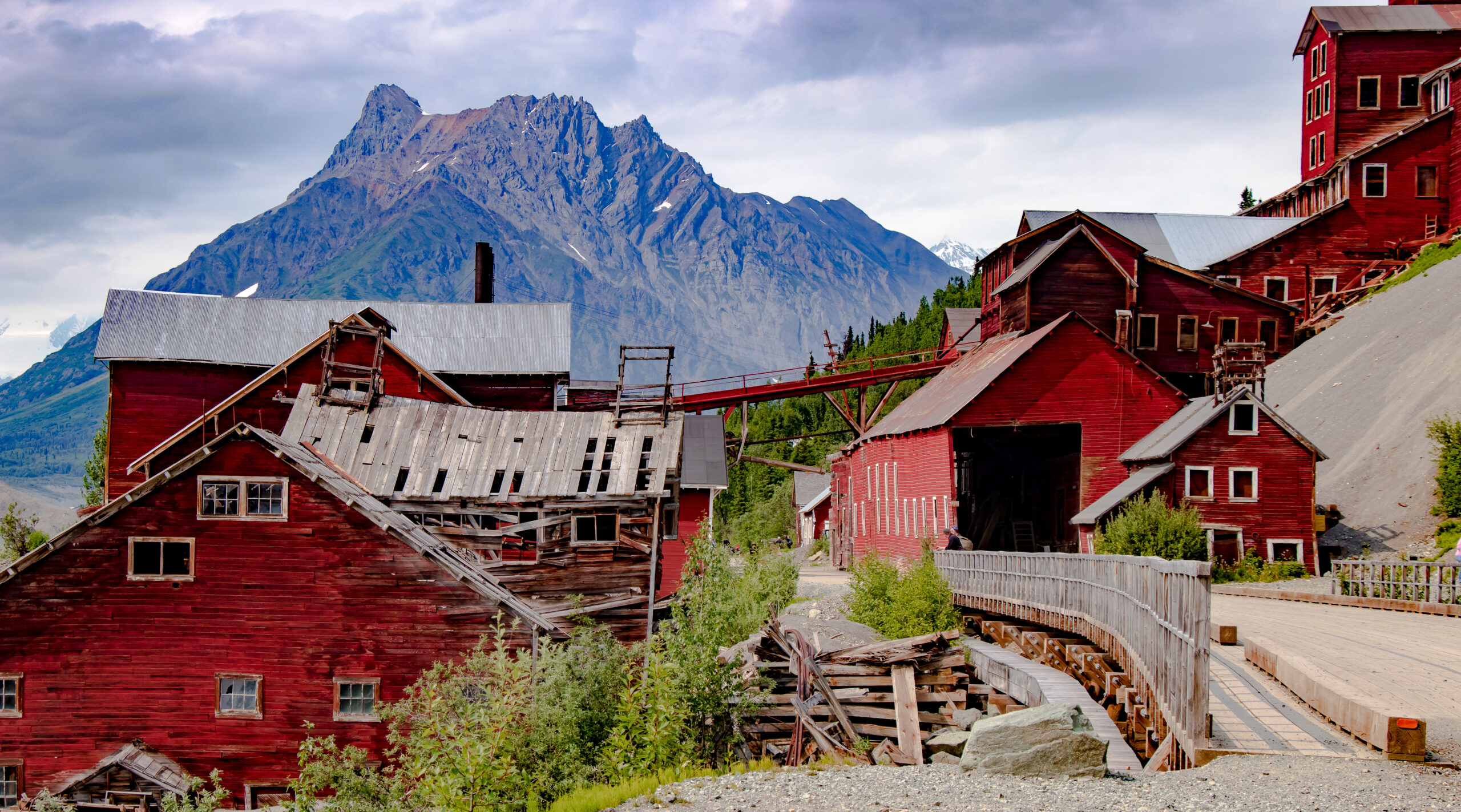
Nestled in the remote wilderness of Alaska, the Kennecott Mines are a testament to the state’s rich mining history. Abandoned in the 1930s, the site features a collection of well-preserved industrial buildings set against a backdrop of stunning mountain vistas. Exploring Kennecott, you can imagine the hard lives of the miners who extracted copper from the rugged landscape. It’s a place where the echoes of industry meet the silence of nature.
The National Park Service manages the Kennecott Mines as part of the Wrangell–St. Elias National Park and Preserve. They offer guided tours that delve into the site’s history, including its engineering marvels and the challenges faced by its workers. The park’s pristine wilderness offers additional opportunities for hiking, wildlife viewing, and photography. Visiting Kennecott Mines is an adventure into both history and nature, offering a unique glimpse of Alaska’s past.
12. Holy Land USA, Connecticut
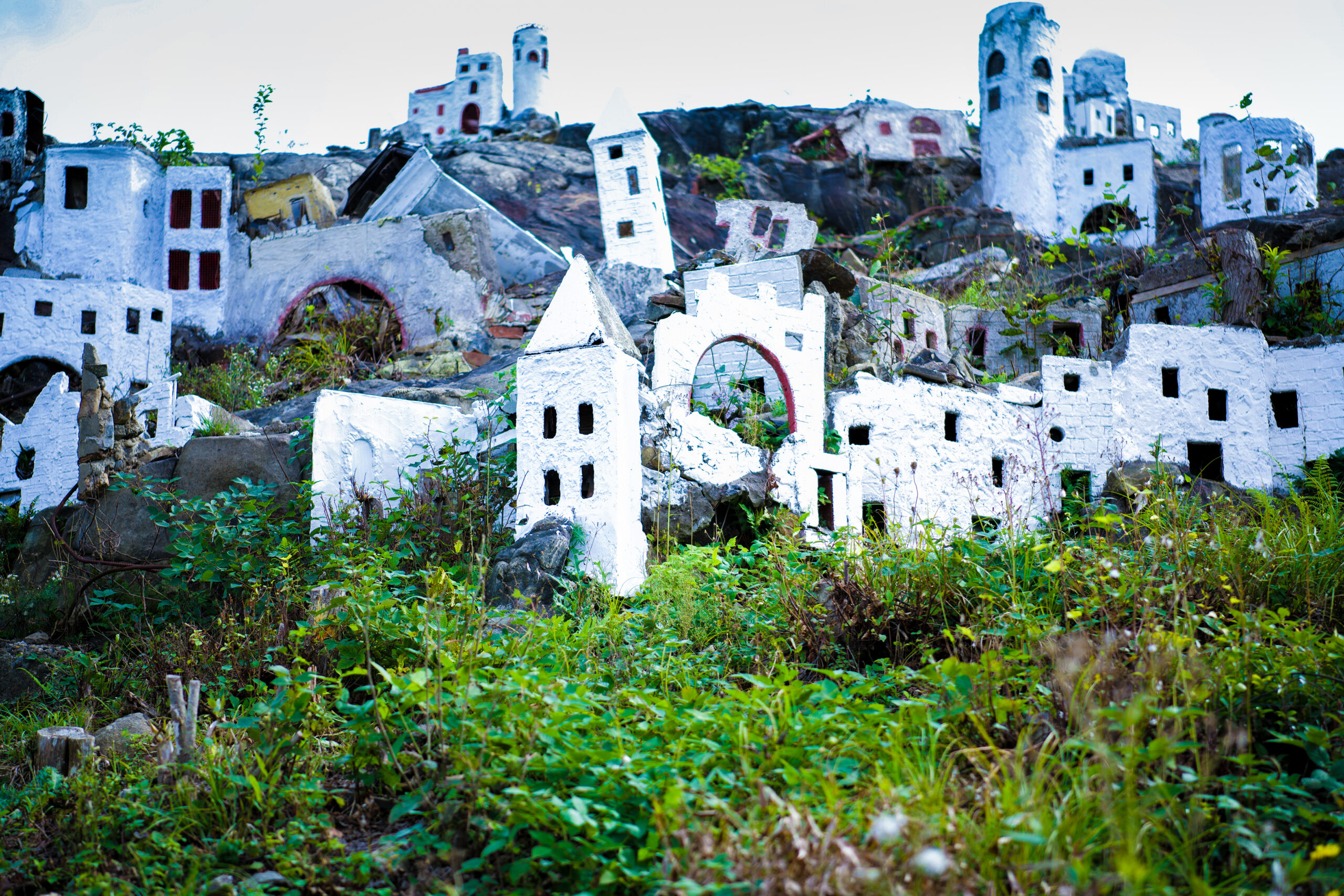
Holy Land USA is an abandoned theme park in Waterbury, Connecticut, that once drew thousands of visitors with its biblical-themed attractions. Opened in the 1950s, it featured replicas of Bethlehem and Jerusalem, offering a kitschy yet sincere pilgrimage experience. Today, the park is a surreal mix of overgrown paths and crumbling statues, creating a haunting yet intriguing landscape. While much of it is in disrepair, the site offers a unique, reflective experience for those who visit.
Efforts are underway to restore parts of Holy Land USA, with community groups working to preserve its quirky charm and historical significance. According to Connecticut Magazine, the site remains a testament to one man’s spiritual vision and the power of grassroots preservation efforts. Visitors are welcome to explore the park, guided by its winding trails and the stories they tell. Holy Land USA is a fascinating blend of faith, nostalgia, and decay, inviting exploration and reflection.