
Rescuing a dog is an act of love—but it’s also an act of patience. Many rescue dogs carry invisible emotional wounds from neglect, abandonment, abuse, or prolonged instability. Trauma doesn’t always look dramatic; more often, it shows up in subtle behaviors that are easy to misread as “bad habits” or personality quirks. Understanding these signs isn’t about labeling your dog as broken—it’s about learning how to help them feel safe again.
1. They Startle Easily Over Small Noises
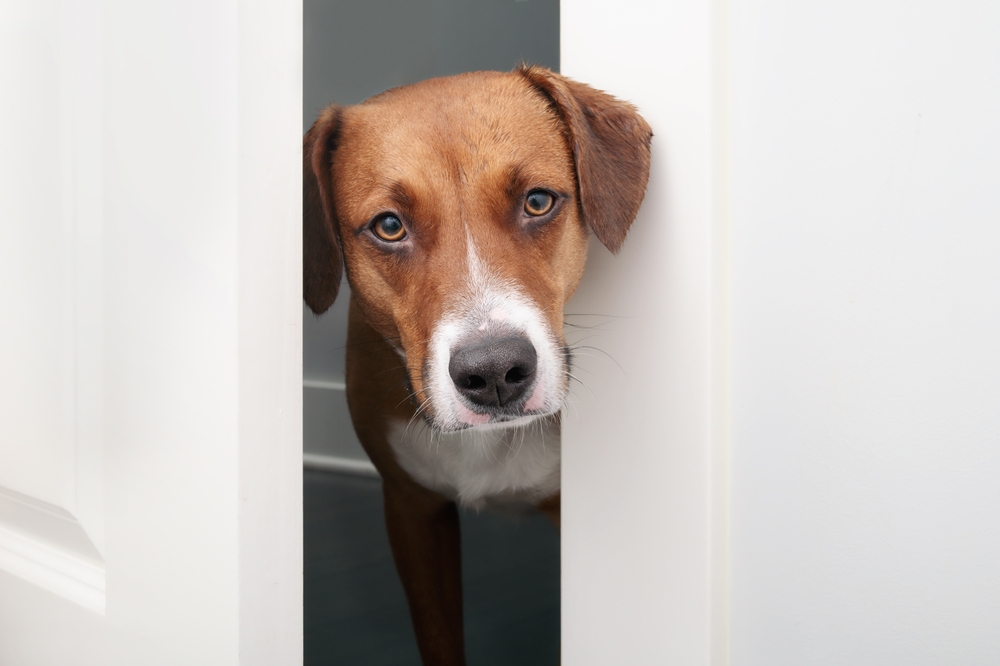
A rescue dog who jumps at everyday sounds may be living in a constant state of alert. Doors closing, keys jingling, or footsteps can trigger a fear response that seems outsized to the situation. This hypervigilance often comes from environments where loud or sudden noises signaled danger. Their nervous system hasn’t learned that they’re safe yet.
Over time, this can look like shaking, hiding, or frantic pacing. These dogs aren’t being dramatic—they’re bracing for harm that once followed similar sounds. Gentle exposure and predictable routines help rewire that response. Safety, repeated calmly, is what retrains their instincts.
2. They Avoid Eye Contact

In many dogs, direct eye contact feels threatening rather than bonding. Rescue dogs who avert their gaze may have learned that eye contact preceded punishment or conflict. What looks like shyness is often a learned survival strategy. They’re trying to stay invisible.
This doesn’t mean they don’t trust you—it means trust hasn’t fully formed yet. Forcing eye contact can increase anxiety rather than connection. Let them initiate visual engagement on their terms. When they finally look at you freely, it’s a quiet milestone.
3. They Flinch When Touched
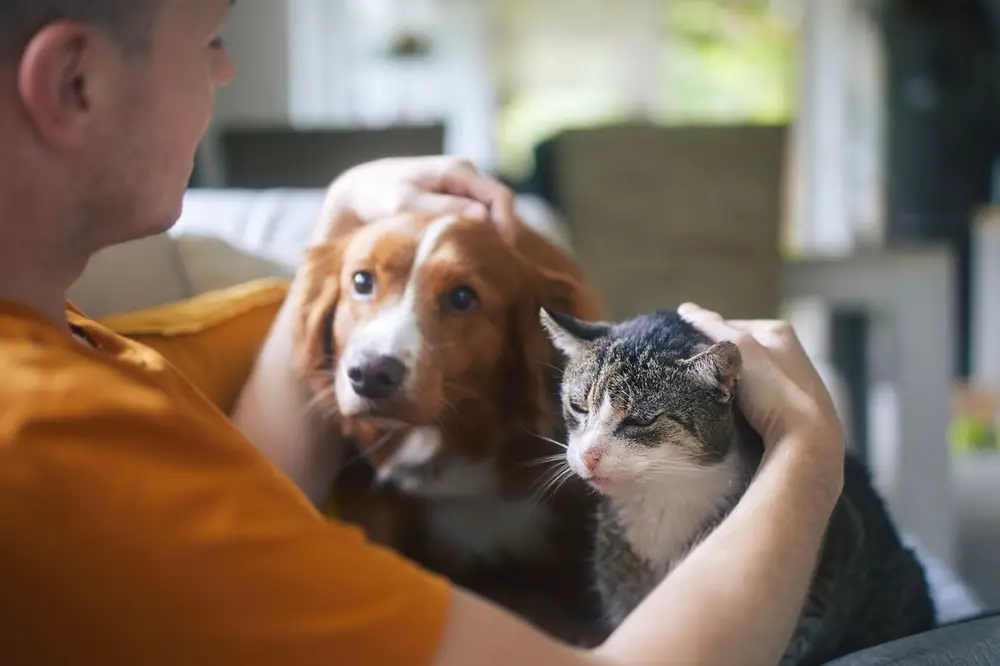
If your dog recoils from hands, especially around the head or neck, it’s often a trauma response. Touch may have once meant pain, restraint, or unpredictability. Even loving gestures can feel confusing at first. Their body remembers what their mind can’t explain.
Some dogs tolerate petting but remain stiff or frozen. That stillness is not relaxation—it’s compliance. Watch for gradual softening over time, like leaning in or initiating contact. Trust grows when touch becomes predictable and optional.
4. They Struggle With Being Alone
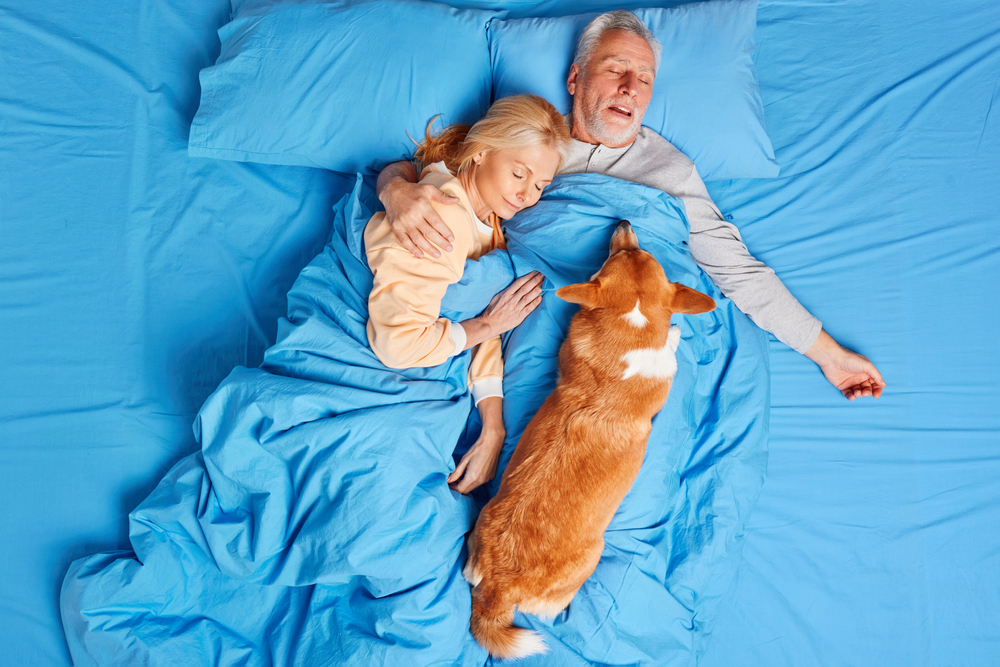
Separation anxiety in rescue dogs often runs deeper than simple attachment. Being left alone may trigger memories of abandonment or instability. Even short absences can feel catastrophic to a dog whose past lacked consistency. Their distress is rooted in fear, not defiance.
This can show up as destructive behavior, vocalizing, or accidents. Punishment only reinforces their panic. Building independence slowly is key, starting with short departures and calm returns. They need proof that you always come back.
5. They Guard Food, Toys, or Spaces
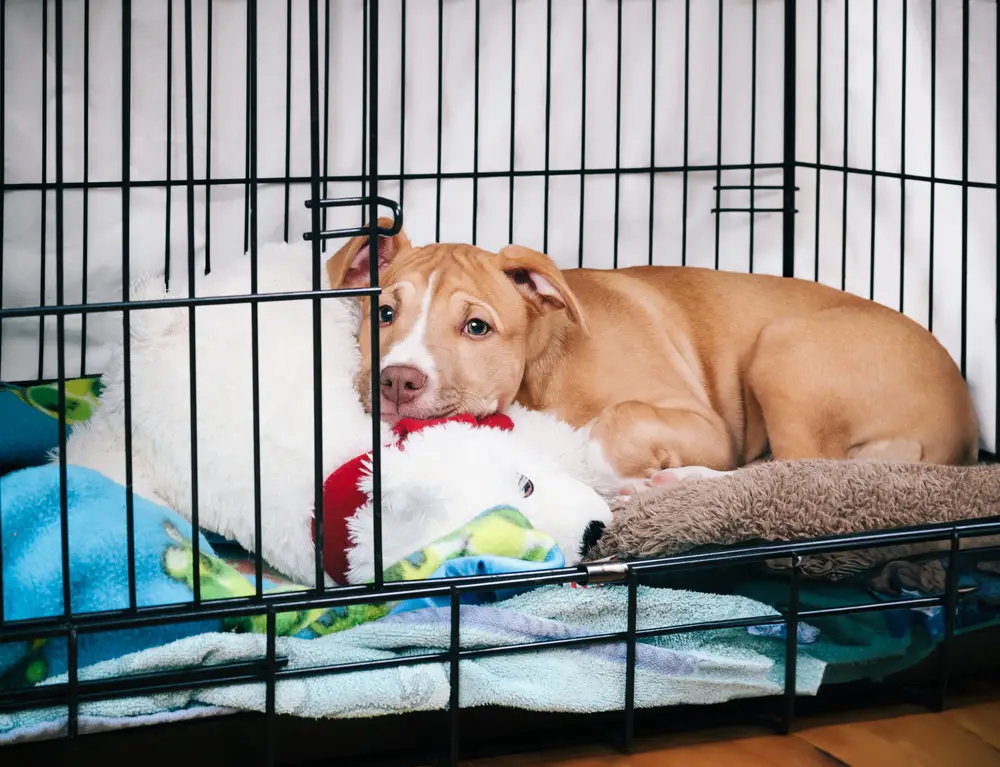
Resource guarding is one of the most misunderstood trauma responses. Dogs who once had to compete for food or safety may protect what they have instinctively. It’s not aggression—it’s fear of loss. Their brain is stuck in survival mode.
Growling or stiffening is communication, not malice. Respecting boundaries while gradually building trust around resources is essential. Forcing sharing often escalates the behavior. Security—not control—is what resolves guarding over time.
6. They Shut Down Instead of Reacting
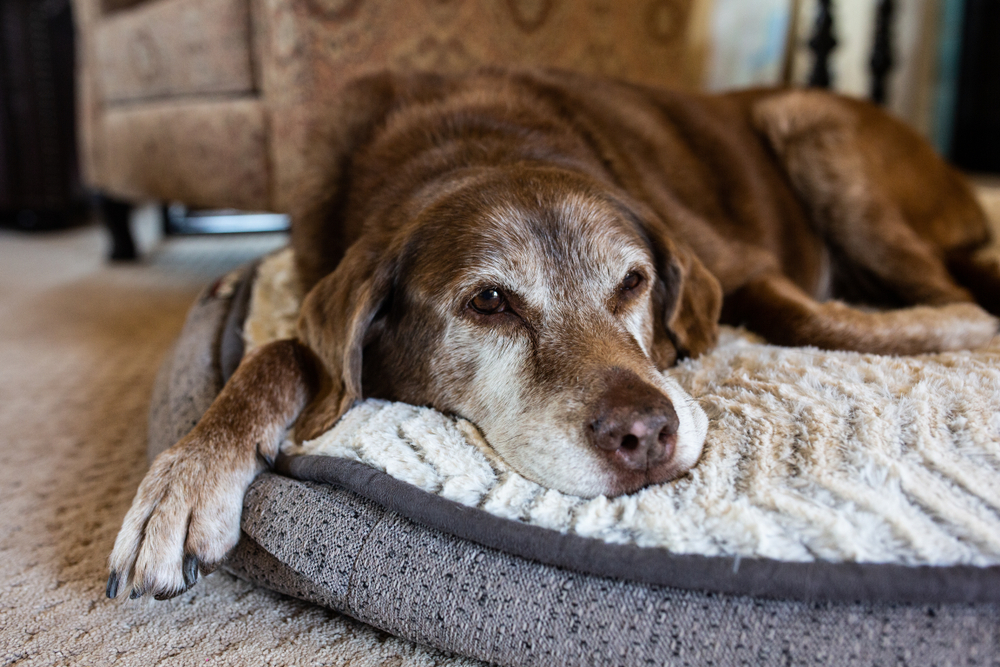
Some traumatized dogs don’t act out—they disappear inward. They may seem unusually quiet, withdrawn, or emotionally flat. This shutdown is a freeze response, common in prolonged stress or abuse. It’s a way of minimizing attention and risk.
These dogs are often labeled “easy” because they don’t demand much. In reality, they may be deeply overwhelmed. Gentle engagement, enrichment, and patience help reawaken curiosity. Healing doesn’t always look dramatic—it often looks slow.
7. They Overreact to New Environments

Novelty can feel threatening to a traumatized dog. New rooms, outdoor spaces, or unfamiliar objects may overwhelm their nervous system. What seems harmless to you can feel unpredictable and unsafe to them. Their reactions are rooted in uncertainty.
This may look like freezing, bolting, or frantic scanning. Giving them time to observe without pressure is crucial. Familiar items and routines help anchor them. Confidence grows when exploration is voluntary, not forced.
8. They Have Trouble With Predictable Routines
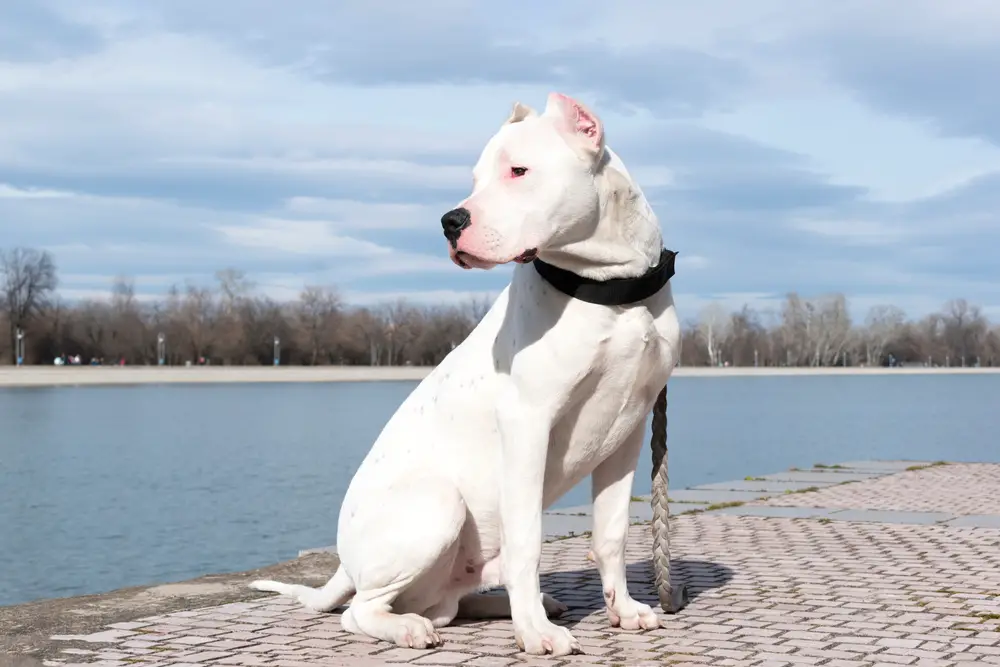
Ironically, some rescue dogs struggle even with structure at first. Routines may trigger anxiety if their past routines were associated with stress or punishment. Predictability takes time to feel safe. They’re learning a new pattern entirely.
Consistency still matters—but flexibility matters too. Calm repetition without pressure helps routines become comforting instead of alarming. Over time, rituals like walks and meals become anchors. Safety is built through reliability.
9. They React Strongly to Certain People
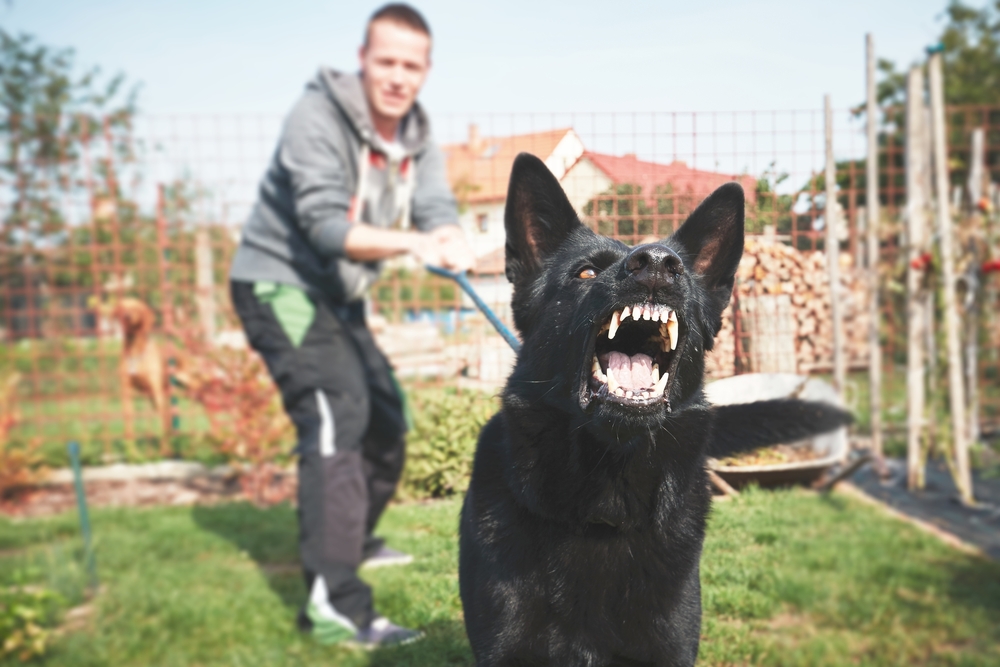
Trauma can be person-specific. Some dogs fear men, children, uniforms, or people with certain voices or movements. These reactions are often linked to past experiences rather than current reality. Their brain is making associations to stay safe.
Avoid forcing interactions with triggering individuals. Allow distance and gradual exposure at the dog’s pace. Positive, neutral experiences slowly rewrite those associations. Trust expands when fear isn’t dismissed.
10. They Have Trouble Playing
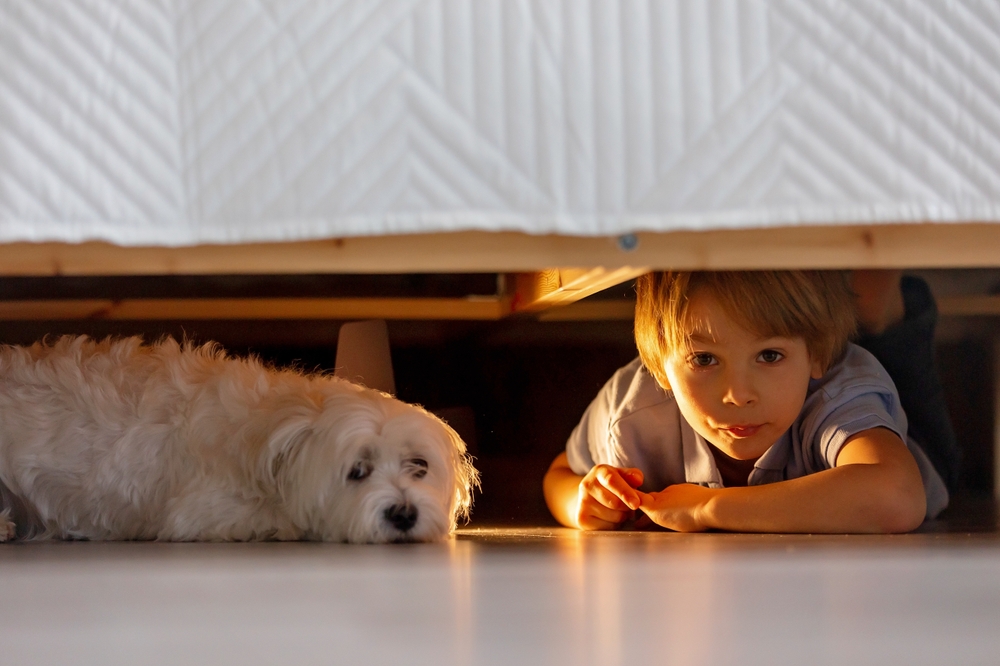
Play requires safety. Dogs who never learned to play—or who associate excitement with danger—may avoid toys or games. This doesn’t mean they’re boring or broken. It means joy once felt unsafe.
Play often emerges later in recovery. Start with low-pressure, exploratory activities rather than high-energy games. Celebrate small signs of curiosity. Play is a milestone of healing, not a prerequisite.
11. They Show Sudden Mood Shifts
Trauma can cause emotional unpredictability. A dog may seem relaxed one moment and distressed the next. These shifts often happen when an internal trigger surfaces unexpectedly. Their stress threshold is lower than it appears.
This doesn’t mean they’re unstable—it means they’re sensitive. Learning your dog’s early stress signals helps prevent escalation. Predictability and calm responses help regulate their emotions. Stability builds emotional resilience over time.
12. They Resist Training Despite Wanting to Please
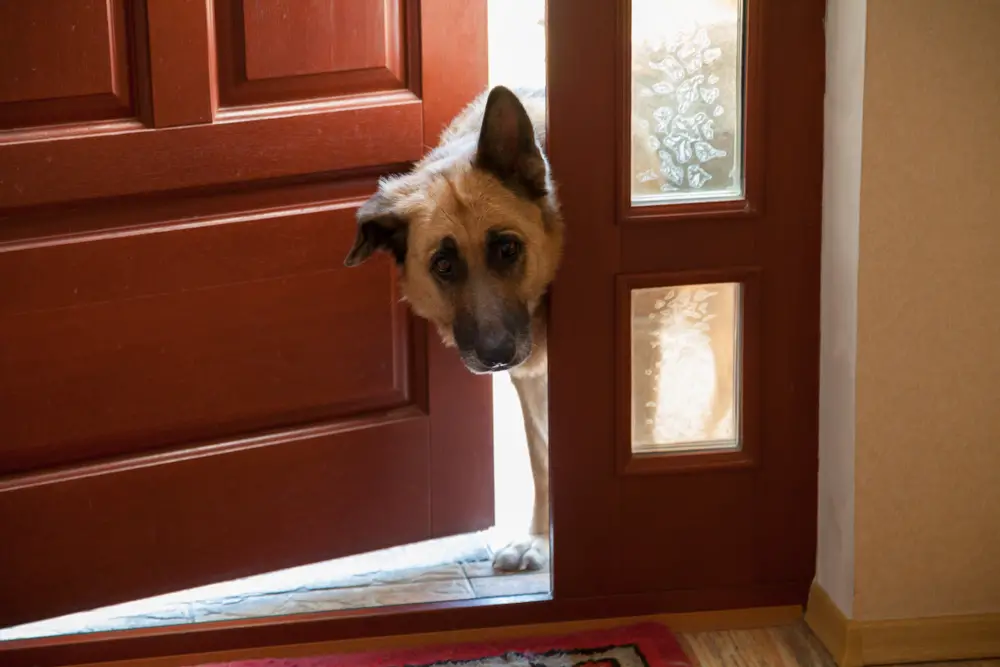
Trauma affects learning. Stress interferes with memory, focus, and impulse control. A dog may want to comply but feel overwhelmed by commands or correction. This can look like stubbornness or confusion.
Positive reinforcement and short sessions work best. Training should feel safe, not evaluative. Success builds confidence when pressure is low. Healing and learning often happen together.
13. They Take a Long Time to Trust—but Love Deeply

One of the clearest signs of trauma is how carefully trust is given. Rescue dogs may take months to relax fully, even in loving homes. This slow trust isn’t a flaw—it’s discernment. They’re learning whether safety is real.
When trust does form, it’s profound. These dogs often bond deeply and loyally. Their love is intentional, not automatic. Healing doesn’t erase their past—it integrates it.