
Sea level rise isn’t a distant climate nightmare anymore—it’s a measurable, accelerating reality. Scientists warn that a two-foot rise, once considered a worst-case scenario for the end of the century, could arrive much sooner due to melting ice sheets and warming oceans. That amount of water doesn’t just mean soggy beaches; it redraws coastlines, erases neighborhoods, and destabilizes entire regional economies. These are the U.S. regions experts say would be hit first—and hardest—if the ocean rises just two feet.
1. Southern New Jersey Shore Communities
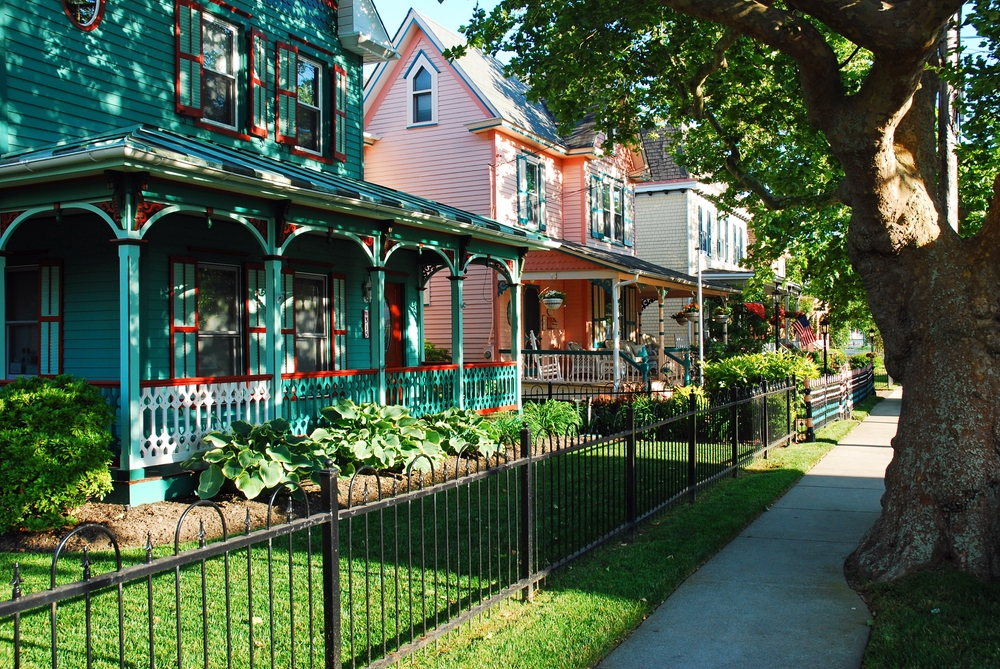
Low-lying towns along the Jersey Shore are especially vulnerable due to shallow bays and barrier islands. A two-foot rise would flood streets, overwhelm drainage systems, and render some neighborhoods permanently underwater. Even without hurricanes, routine high tides would damage homes and businesses. Seasonal tourism economies would collapse under constant repair costs.
Communities like Atlantic City already experience frequent flooding. Much of the infrastructure was built decades ago for a different climate reality. Insurance withdrawals and rising municipal costs signal long-term instability. Two feet of sea rise would turn chronic flooding into permanent loss.
2. Louisiana’s Coastal Parishes
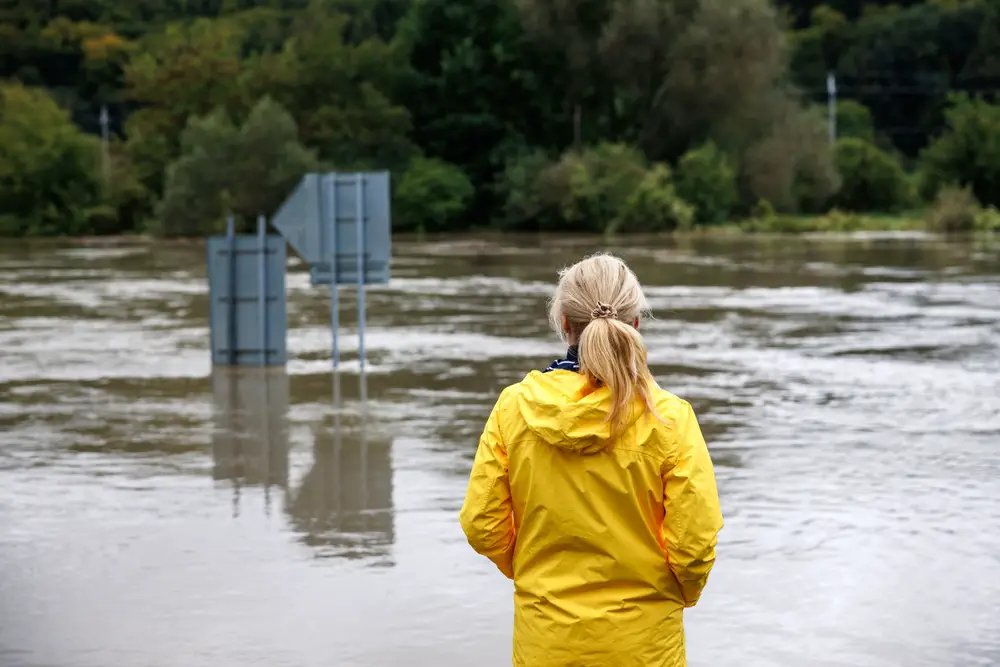
Louisiana is losing land faster than almost anywhere on Earth due to subsidence and erosion. A two-foot sea level rise would swallow vast portions of Plaquemines, Terrebonne, and Lafourche parishes. Entire fishing communities and wetlands would disappear, accelerating the collapse of the Gulf Coast’s natural storm buffer. The cultural loss would be as devastating as the physical one.
These wetlands protect inland cities like New Orleans from hurricanes and storm surge. Once they vanish, storms push farther inland with greater force. Relocation efforts are already underway in some villages, marking one of America’s first climate refugee migrations. Two feet would make that relocation unavoidable for thousands more.
3. The Outer Banks, North Carolina
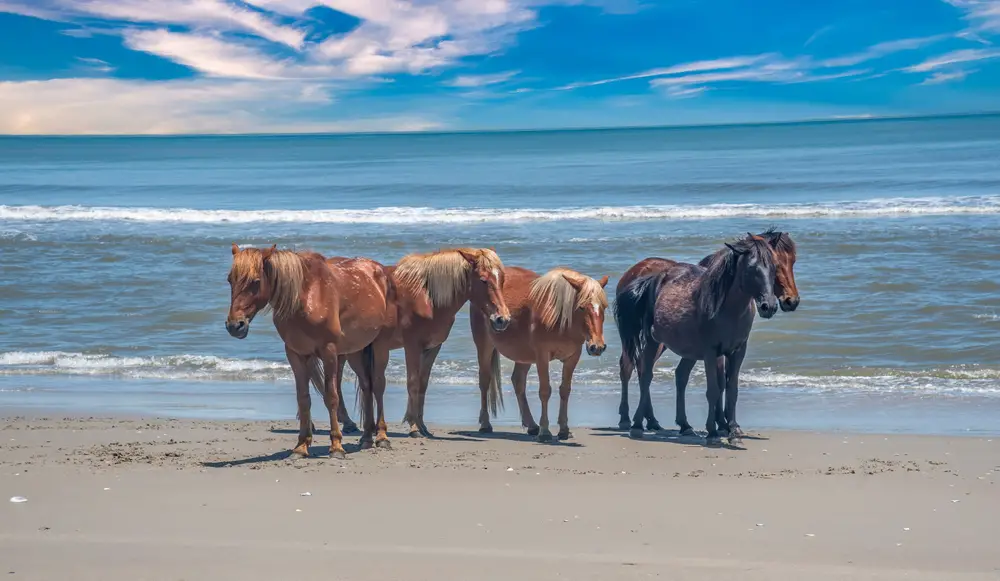
The Outer Banks are a thin chain of barrier islands with little elevation and constant erosion. A two-foot rise would breach islands, sever highways, and make many areas impossible to maintain. Storm overwash would turn roads into tidal channels and cut off emergency access. What’s now a vacation destination would become unstable year-round.
Barrier islands naturally migrate over time, but human development prevents that movement. As a result, erosion accelerates instead of stabilizing. Homes, businesses, and infrastructure face inevitable loss. Two feet of sea rise could permanently fragment the Outer Banks into uninhabitable pieces.
4. South Florida (Miami-Dade and Broward Counties)
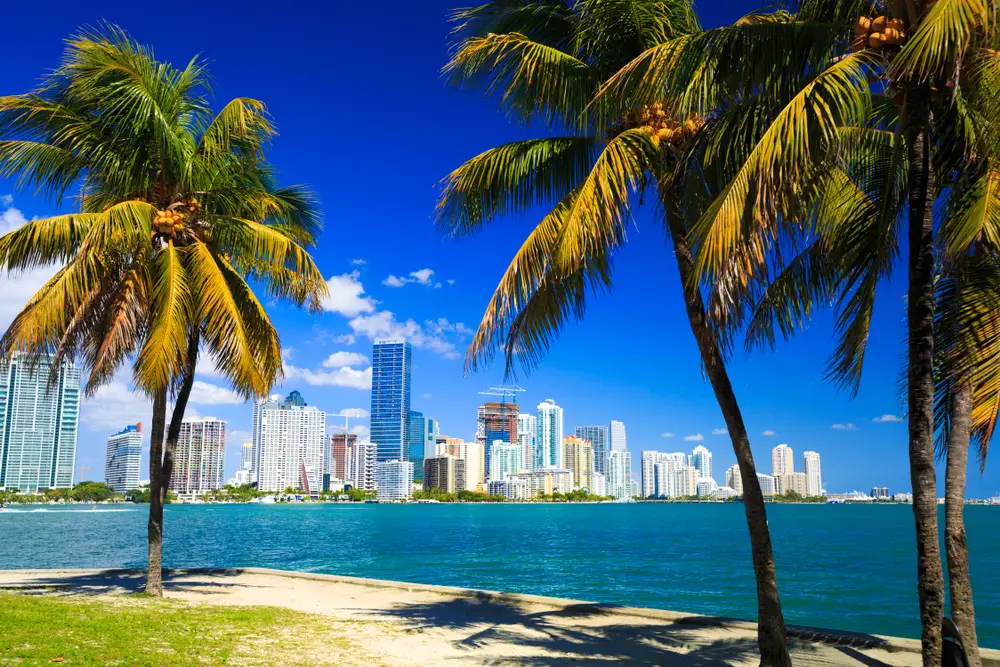
South Florida is ground zero for sea level rise in the United States, largely because much of it sits only a few feet above sea level. A two-foot rise would permanently flood large sections of Miami, Fort Lauderdale, and surrounding suburbs, even without storms. Saltwater intrusion would contaminate drinking water aquifers, making entire neighborhoods uninhabitable. This isn’t hypothetical—“sunny day flooding” is already routine.
The region’s porous limestone bedrock makes sea walls far less effective than in other coastal cities. Water doesn’t just come from the ocean; it rises up through the ground. Insurance companies have already begun pulling back from Florida markets, signaling a long-term retreat. For South Florida, two feet of sea rise likely means managed abandonment rather than adaptation.
5. San Francisco Bay Area Shorelines
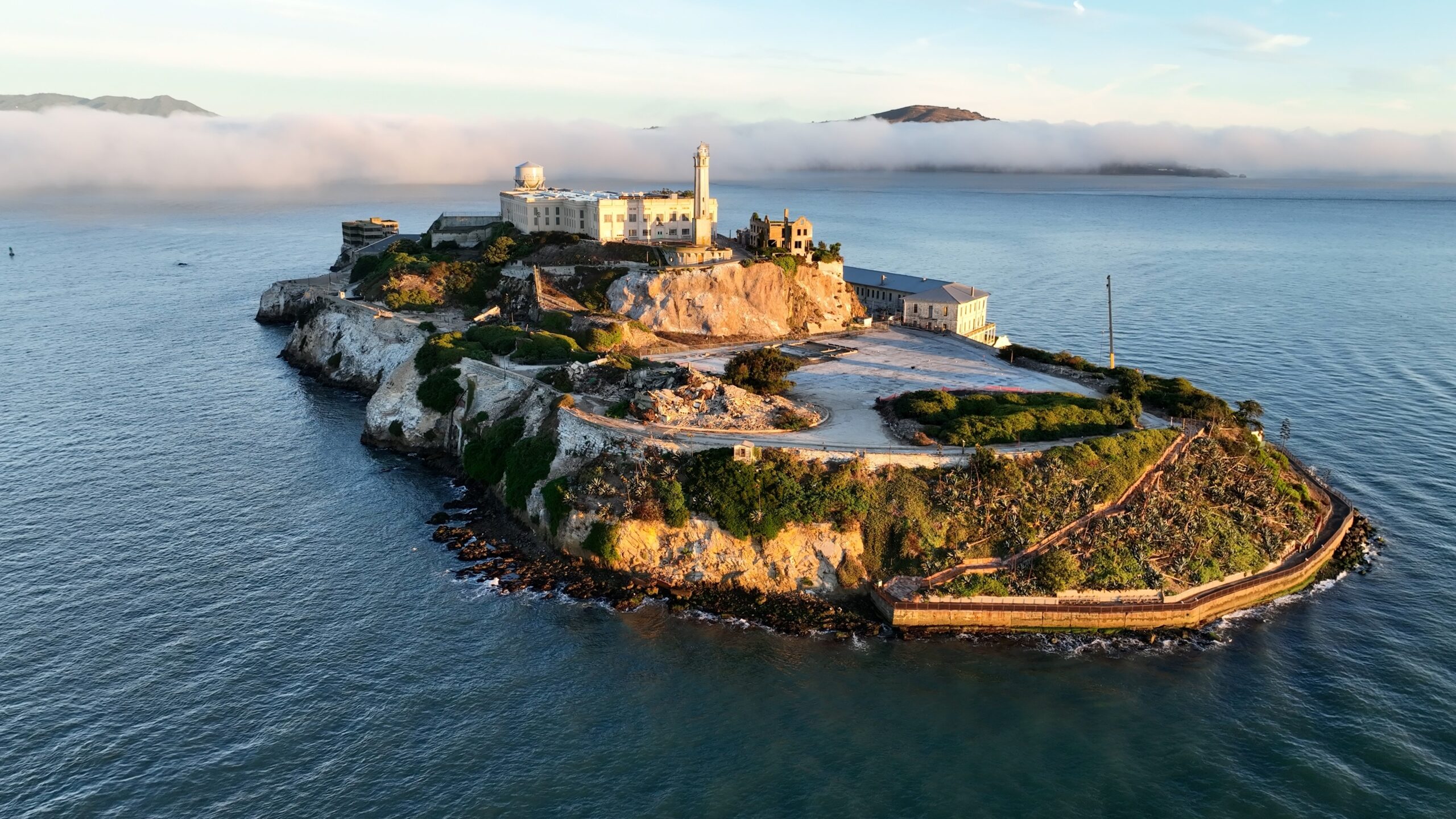
The Bay Area contains extensive low-lying regions around the bay, including parts of Oakland, San Jose, and Silicon Valley. A two-foot rise would flood tech campuses, highways, and residential areas near the shoreline. Critical infrastructure like airports and wastewater treatment plants would be at risk. Economic disruption would extend far beyond California.
Many of these areas were built on reclaimed wetlands that naturally want to return to water. Protective levees are aging and expensive to upgrade. Even modest sea rise strains these defenses. Two feet could overwhelm them entirely, forcing large-scale retreat or reconstruction.
6. Charleston, South Carolina

Charleston is already one of the fastest-flooding cities in the U.S. due to its low elevation and historic layout. A two-foot rise would submerge large parts of the historic district during normal tides. Roads, homes, and centuries-old buildings would face constant water exposure. Preservation efforts would become nearly impossible.
The city’s charm is tied to its coastal geography, which is now its biggest threat. Drainage upgrades help temporarily but cannot stop rising seas. Flood days have increased dramatically in recent decades. Two feet would fundamentally change Charleston’s livability.
7. Hampton Roads, Virginia
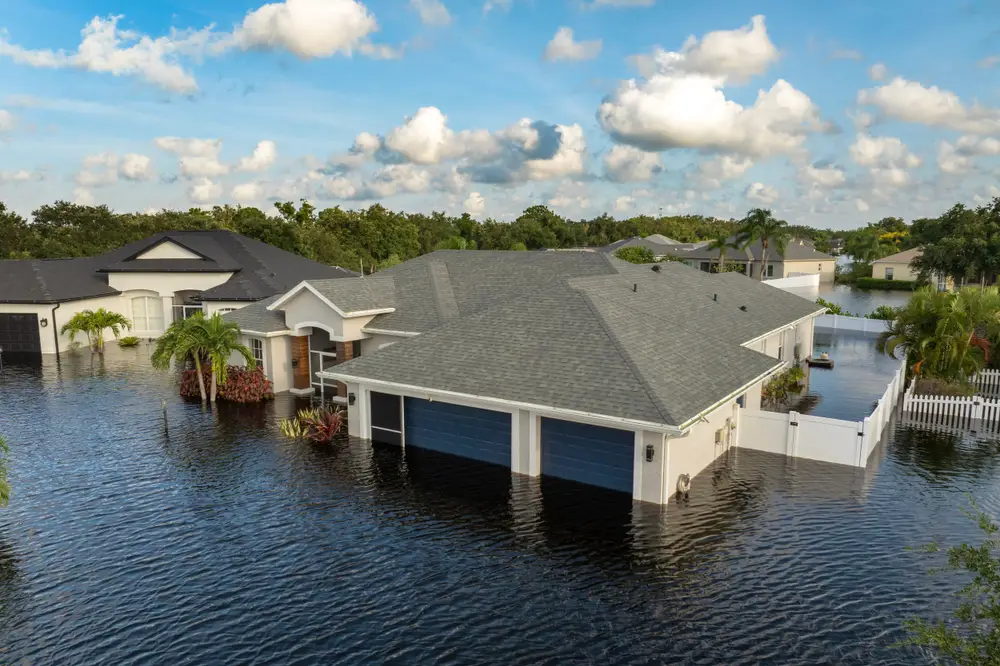
Hampton Roads experiences some of the fastest relative sea level rise on the East Coast. A two-foot rise would flood neighborhoods, roads, and military installations. Naval Station Norfolk, the world’s largest naval base, sits directly in the danger zone. National security concerns are already shaping climate planning here.
Frequent flooding already disrupts daily life and emergency services. The region’s flat terrain offers few natural defenses. Infrastructure upgrades are costly and slow. Two feet would overwhelm many existing mitigation efforts.
8. The Florida Keys
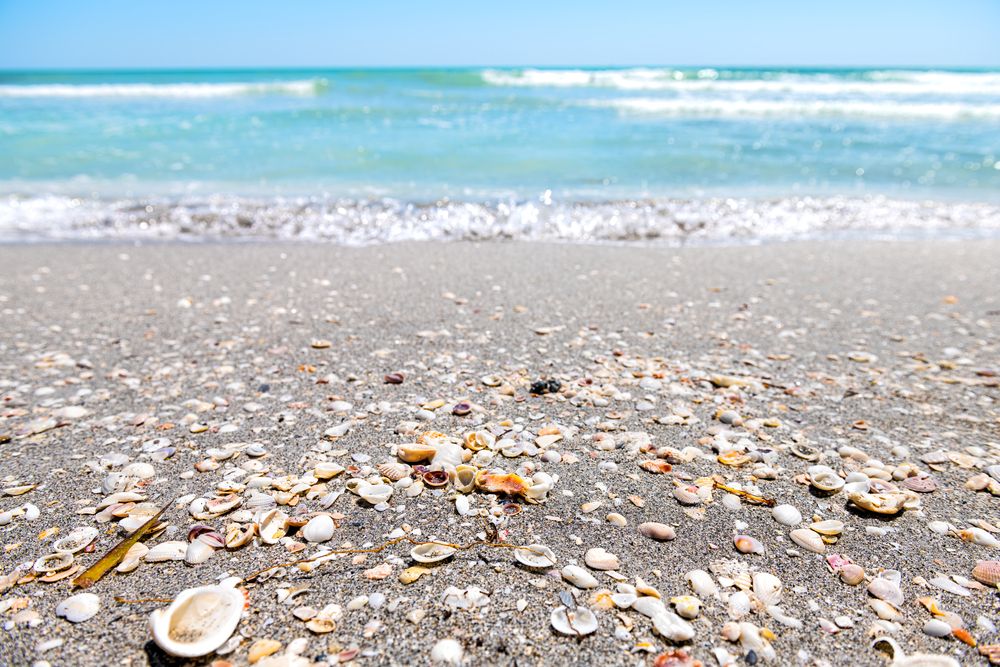
The Florida Keys are extremely vulnerable due to their low elevation and coral-based foundation. A two-foot rise would submerge roads, contaminate freshwater supplies, and isolate islands. Many homes would become uninsurable or uninhabitable. Tourism, the backbone of the local economy, would collapse.
The Overseas Highway is the Keys’ lifeline, and it already floods during high tides. Rebuilding it repeatedly may become impossible. Unlike mainland areas, retreat options are limited. Two feet likely means large portions of the Keys are lost.
9. Galveston and Texas Gulf Coast Lowlands
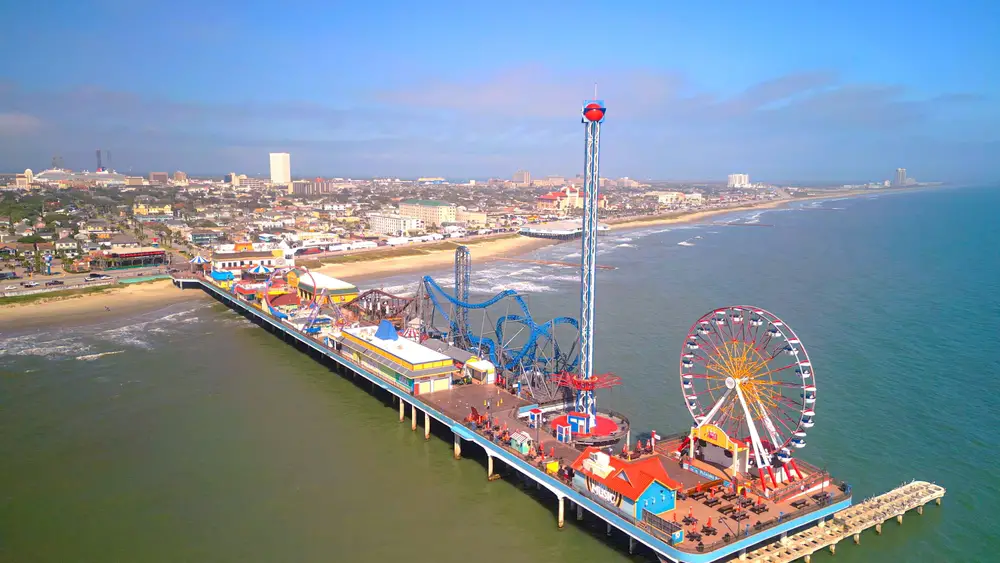
Galveston sits barely above sea level and is already vulnerable to storm surge. A two-foot rise would make flooding routine rather than exceptional. Industrial facilities, refineries, and ports along the Texas coast would face chronic damage. Environmental risks would multiply.
The region’s economy depends on infrastructure built close to the water. Protective barriers are expensive and politically contentious. Without massive investment, retreat becomes the default outcome. Two feet would accelerate that reckoning.
10. New York City’s Low-Lying Boroughs
Parts of Brooklyn, Queens, and Staten Island are highly vulnerable to sea level rise. A two-foot increase would flood subways, tunnels, and coastal neighborhoods during storms and high tides. Critical transit infrastructure would be repeatedly disrupted. Housing displacement would affect hundreds of thousands.
New York is investing billions in coastal defenses, but coverage is uneven. Many working-class neighborhoods lack sufficient protection. Flood insurance costs are already rising sharply. Two feet would test the limits of even the most ambitious adaptation plans.
11. Mississippi Delta Communities
Like Louisiana, Mississippi’s coastal regions are sinking while the seas rise. A two-foot increase would erase marshlands and push saltwater far inland. Fishing, shrimping, and oyster industries would collapse. Cultural communities tied to the Delta would be forced to relocate.
These wetlands also serve as storm protection for inland areas. Their loss increases hurricane damage and flooding farther north. Recovery costs would skyrocket. Two feet would accelerate a cycle of loss that’s already underway.
12. Alaska’s Coastal and Arctic Villages
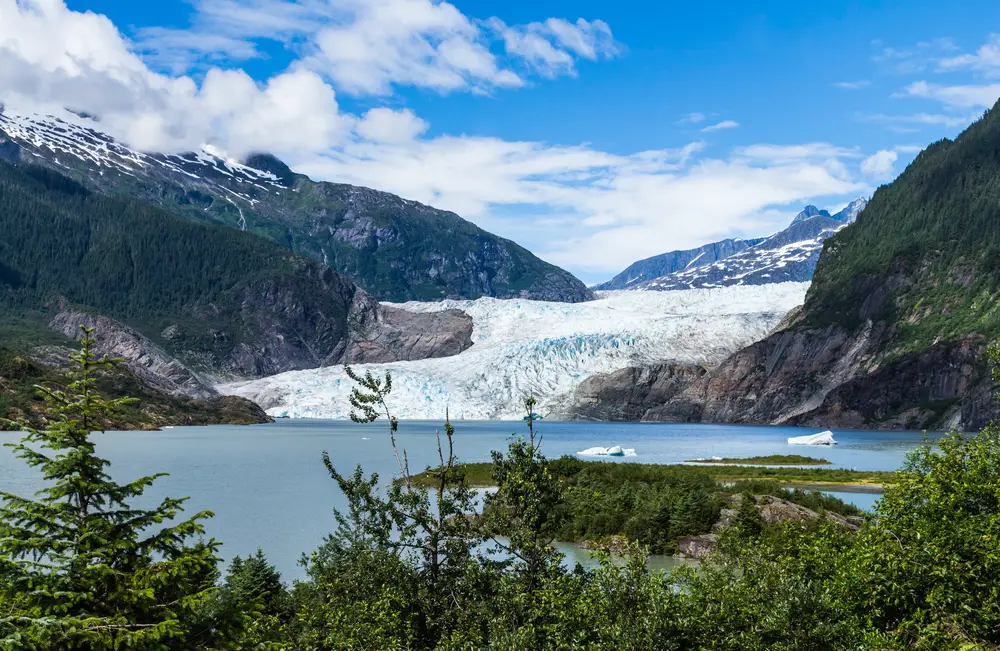
Many Alaskan villages sit directly on eroding coastlines and permafrost. Sea level rise combined with melting ice removes natural protection from storms. A two-foot rise would make relocation unavoidable for several communities. Some villages are already planning full abandonment.
Unlike cities, these communities have limited resources and infrastructure. Cultural displacement is as severe as physical loss. Federal funding struggles to keep pace with the need. Two feet of sea rise would finalize decisions that are already painfully close.