
Extreme weather is no longer a future problem—it’s already reshaping daily life in American cities. Rising seas, brutal heat, stronger storms, and aging infrastructure are colliding faster than many local governments can adapt. Based on climate trends, geographic exposure, and systemic strain, these cities face some of the most severe risks in the near term—not decades away, but now.
1. Miami, Florida

Miami is living in the future the rest of the country hasn’t fully confronted yet. Sea-level rise already causes flooding during sunny days, not just storms, as saltwater pushes up through drains and streets. The city’s low elevation makes traditional flood defenses far less effective, even with massive investments.
What makes Miami especially vulnerable is that adaptation has limits. Saltwater intrusion threatens drinking water supplies, and stronger hurricanes raise the risk of catastrophic damage with little recovery time in between. Miami isn’t waiting for disaster—it’s managing ongoing climate stress in real time.
2. New Orleans, Louisiana
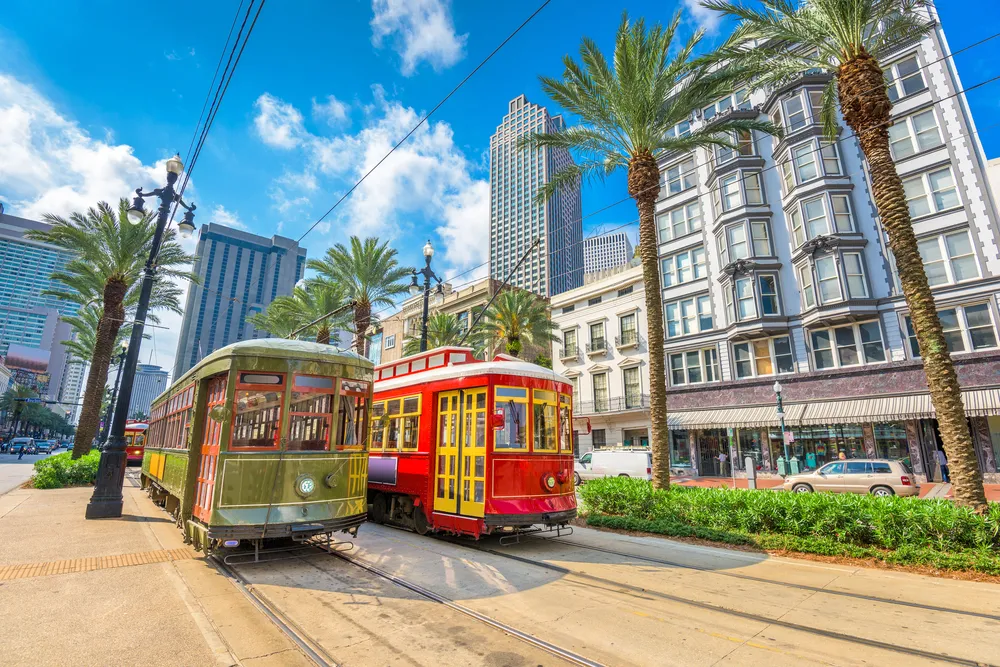
New Orleans remains one of the most climate-exposed cities in America, despite hard-learned lessons. Aging levees, subsiding land, and rising seas create a fragile balance that depends on systems never failing. Unfortunately, climate change increases the odds that they will.
Hurricanes in the Gulf are becoming stronger and wetter, pushing storm surge and rainfall beyond historic norms. A single failure could trigger cascading consequences that echo far beyond the city itself. New Orleans lives with the constant awareness that the margin for error is shrinking.
3. Houston, Texas
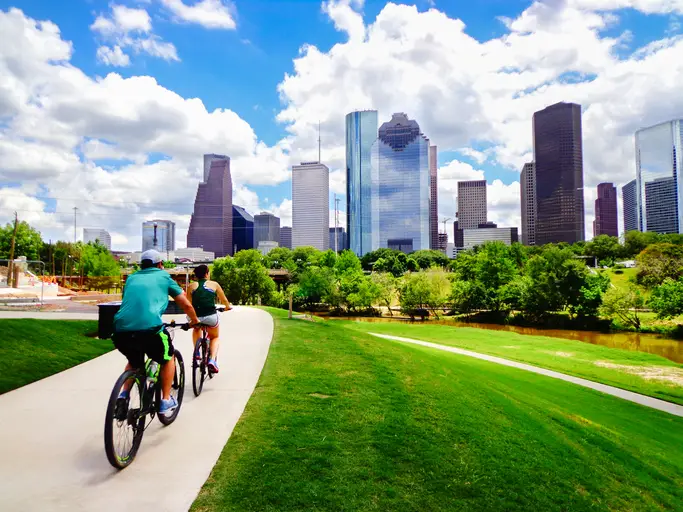
Houston has become a case study in what happens when extreme rainfall meets unchecked development. Its flat terrain and sprawling infrastructure amplify flood risk, while warmer storms dump unprecedented amounts of rain. Flooding that once felt “rare” now feels routine.
Add rising heat to the equation, and Houston faces compounding stress. Power grids, drainage systems, and emergency response networks are pushed harder each year. The city’s challenge isn’t just weather—it’s keeping pace with how fast the climate is changing.
4. Phoenix, Arizona
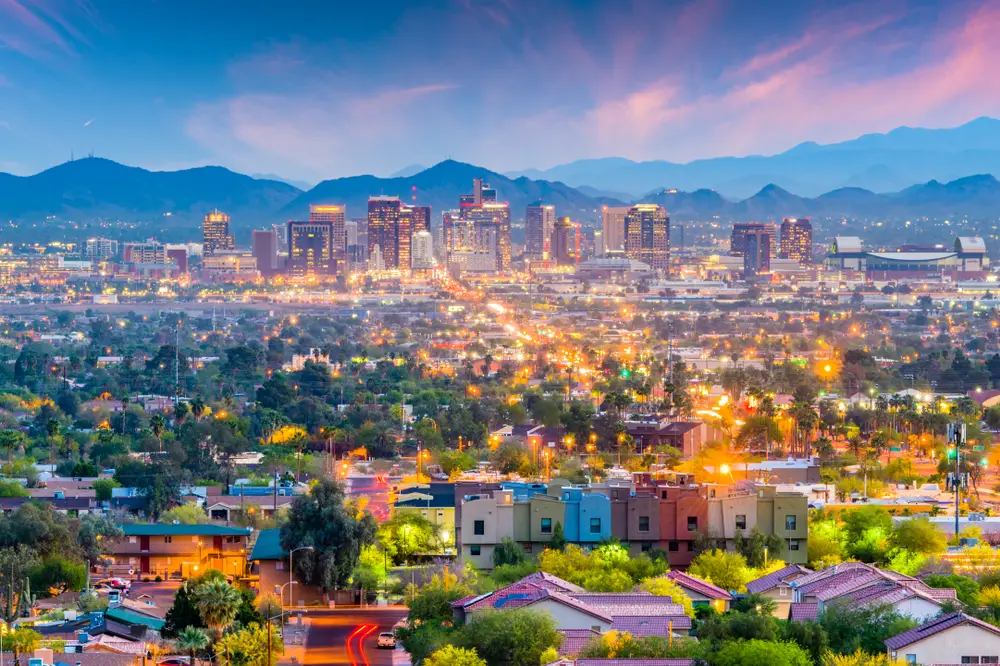
Phoenix’s biggest threat isn’t storms—it’s relentless heat. Summers are longer, nights are hotter, and cooling systems are becoming a matter of survival rather than comfort. Heat-related deaths have risen sharply, particularly among vulnerable populations.
At the same time, water scarcity looms large. Prolonged drought across the Southwest strains supplies and forces difficult trade-offs. Phoenix is a warning sign of what happens when urban growth collides with environmental limits.
5. Tampa, Florida
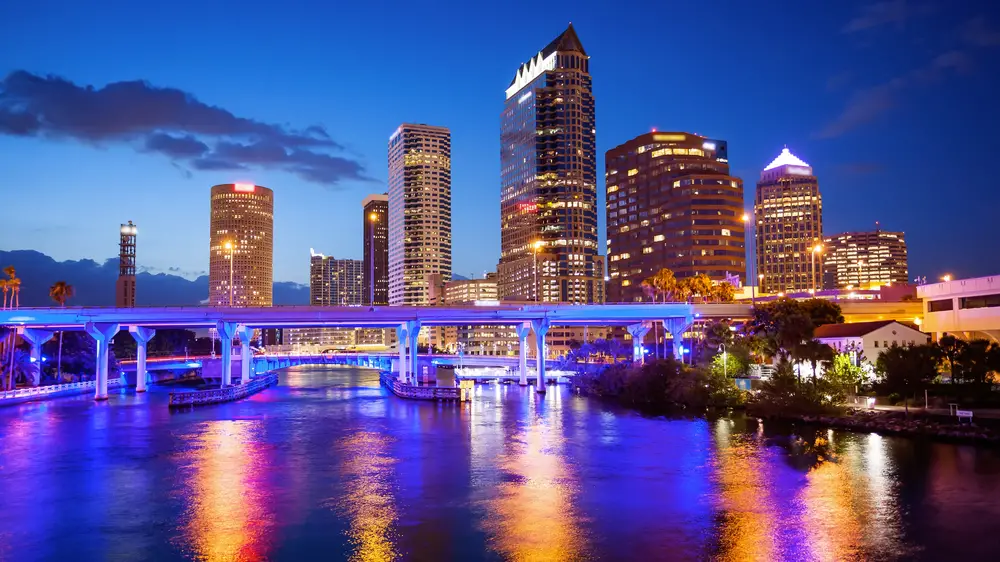
Tampa’s shallow bay and coastal geography make it especially vulnerable to storm surge. A direct hit from a major hurricane could flood large portions of the metro area quickly, leaving little time for evacuation. Rapid population growth has only increased exposure.
What worries experts most is logistics. Evacuating millions of people from a low-lying region with limited routes is a nightmare scenario. Tampa’s risk isn’t hypothetical—it’s a question of when, not if.
6. Las Vegas, Nevada
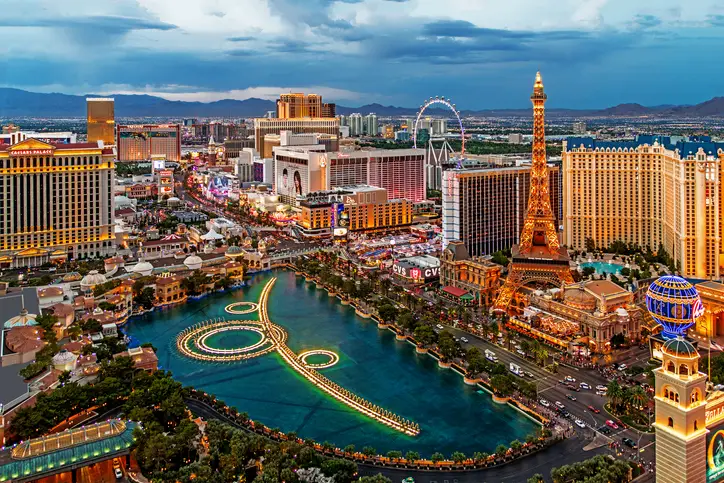
Las Vegas exists because modern infrastructure makes it possible—not because the environment supports it. Extreme heat continues to intensify, while the city relies heavily on shrinking water sources like the Colorado River. Restrictions are tightening, but demand keeps rising.
Climate stress in Las Vegas isn’t dramatic in one moment—it’s cumulative. Every heat wave, drought year, and water policy shift pushes the city closer to hard limits. Sustainability here is a constant balancing act with very little room for error.
7. Charleston, South Carolina

Charleston floods more often every year, even without major storms. High tides, heavy rain, and sea-level rise routinely push water into streets and historic neighborhoods. Infrastructure designed centuries ago wasn’t built for modern climate realities.
The danger lies in frequency. When flooding becomes normal, damage compounds quietly—foundations weaken, roads degrade, and insurance costs soar. Charleston’s beauty masks a growing vulnerability just beneath the surface.
8. Sacramento, California
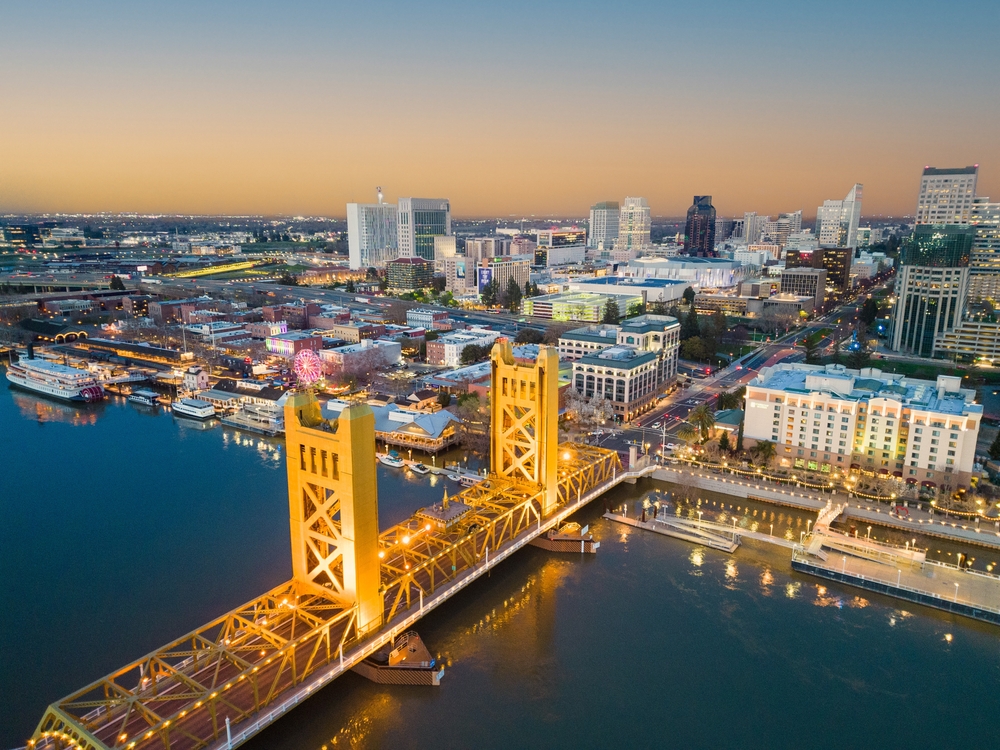
Sacramento faces a rare combination of risks: flooding from extreme storms and drought-driven wildfire conditions. Sitting near major rivers, the city is vulnerable to sudden deluges after long dry spells. Climate volatility makes prediction and planning increasingly difficult.
At the same time, wildfire smoke and heat threaten public health. Sacramento isn’t exposed to one climate threat—it’s juggling several at once. That layered risk makes adaptation far more complex.
9. San Antonio, Texas
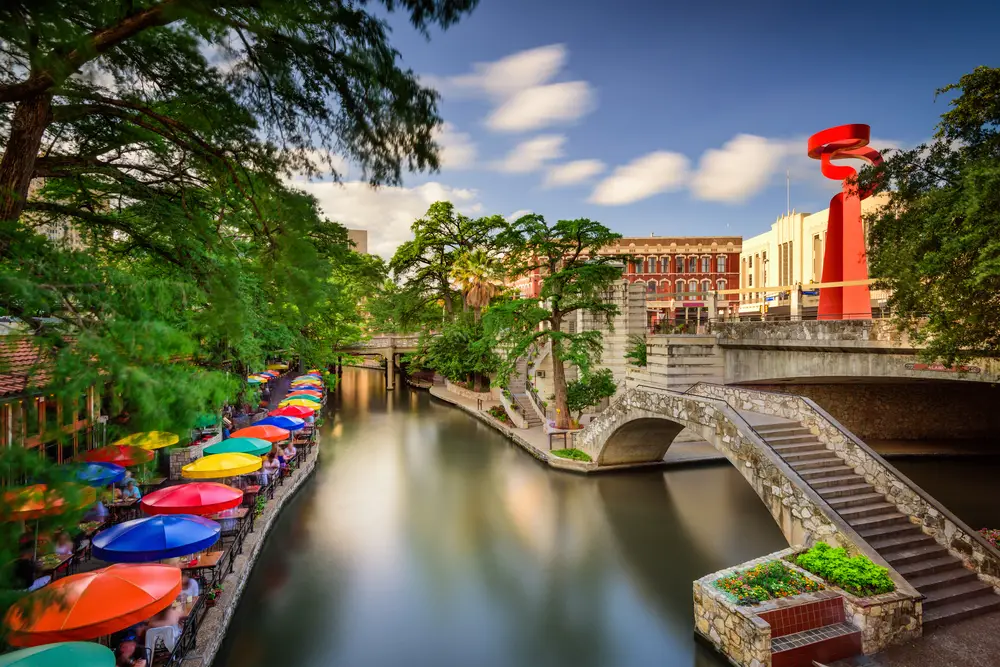
San Antonio is feeling the squeeze from rising temperatures and growing water concerns. Heat waves strain hospitals, increase energy demand, and disproportionately affect low-income residents. Summers that were once uncomfortable are becoming dangerous.
Sudden heavy rainfall adds another layer of risk. Flash flooding has become more intense and less predictable. Climate instability here isn’t just about extremes—it’s about how fast conditions swing from one threat to another.
10. New York City, New York
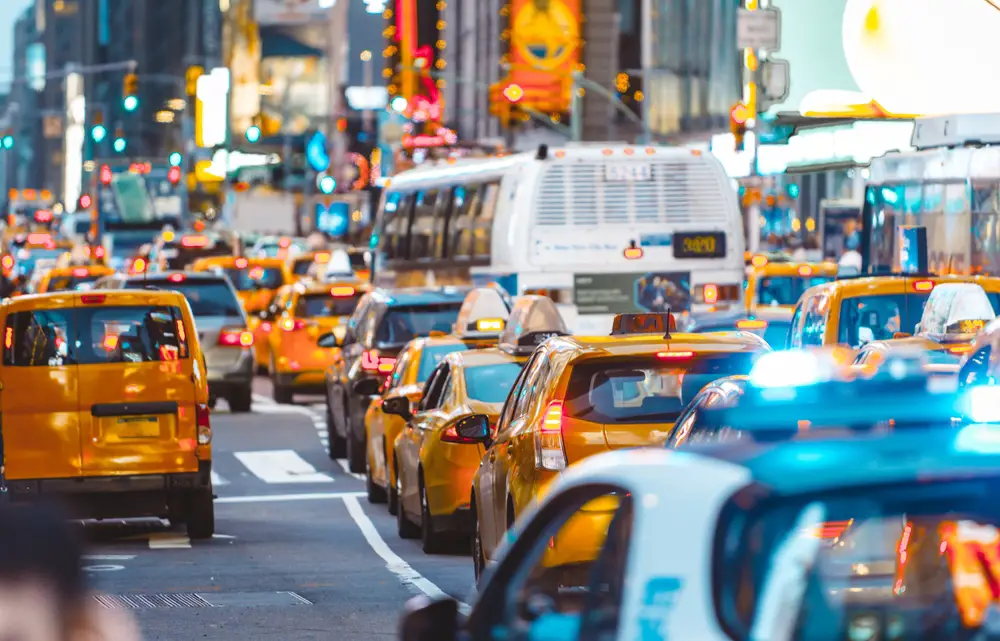
New York City sits at the intersection of coastal flooding, extreme heat, and aging infrastructure. Subways, tunnels, and power systems are especially vulnerable to water intrusion. Dense neighborhoods magnify the human toll when systems fail.
Heat waves are also deadlier in urban environments where concrete traps warmth. Adaptation efforts are underway, but the scale of the city makes progress slow and uneven. For New York, resilience is a race against time.
11. Baton Rouge, Louisiana
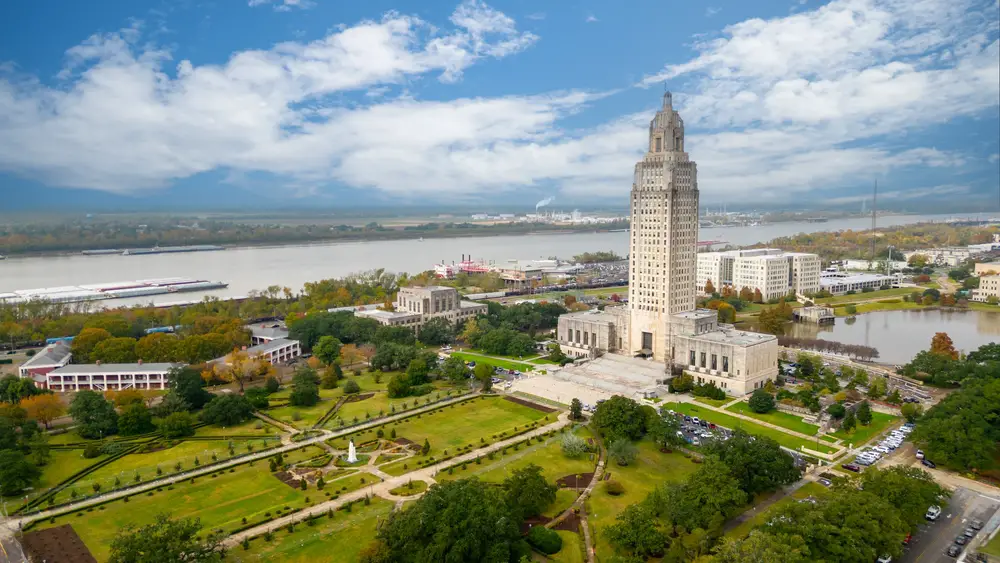
Baton Rouge faces growing risks from flooding and hurricanes tied to stronger storm systems. Increased rainfall intensity strains drainage and river management systems along the Mississippi. Industrial facilities add environmental hazards when storms hit.
Evacuation and recovery challenges remain significant. Climate change amplifies existing vulnerabilities, making each storm season more uncertain. Baton Rouge’s exposure isn’t theoretical—it’s structural.
12. San Jose, California
San Jose sits in the heart of a region grappling with drought, heat, and wildfire smoke. Water shortages threaten long-term stability, even as population and industry demand more resources. Extreme heat events are becoming more frequent.
Tech infrastructure doesn’t make the region immune. Power outages, air quality crises, and water stress impact everyone. Climate resilience here will require changes that go far beyond innovation buzzwords.
13. Norfolk, Virginia
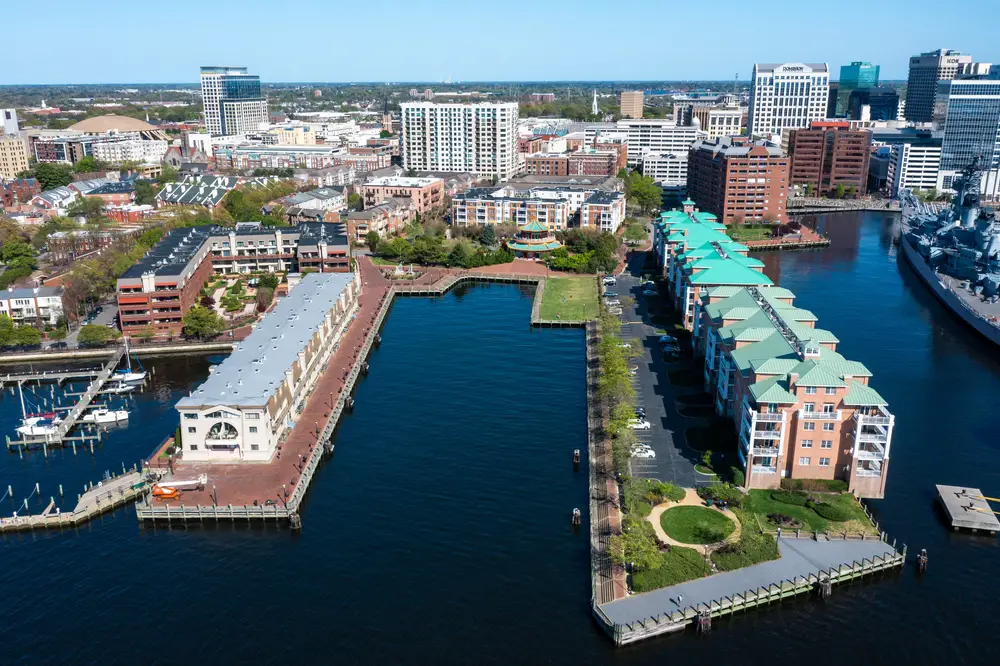
Norfolk experiences some of the fastest sea-level rise on the East Coast. Flooding regularly disrupts roads, homes, and military installations critical to national security. Storm surge risks grow higher every year.
Adaptation comes with staggering costs, and not all neighborhoods can keep up. Norfolk’s challenge isn’t awareness—it’s affordability and speed. The water is rising faster than solutions can be implemented.