
Rattlesnakes aren’t just a desert cliché—they’re one of the most successful predators in the U.S., and they’ve learned to live uncomfortably close to us. They show up in mountains, forests, swamps, scrubland, suburban edges, and sometimes the exact trail you thought was “safe.” Most of the time they want nothing to do with you, but they’re built to survive, defend, and disappear until the last second. Here are 14 terrifying facts about America’s rattlesnakes that will permanently change how you move through the outdoors.
1. They Live in Way More Places Than People Think
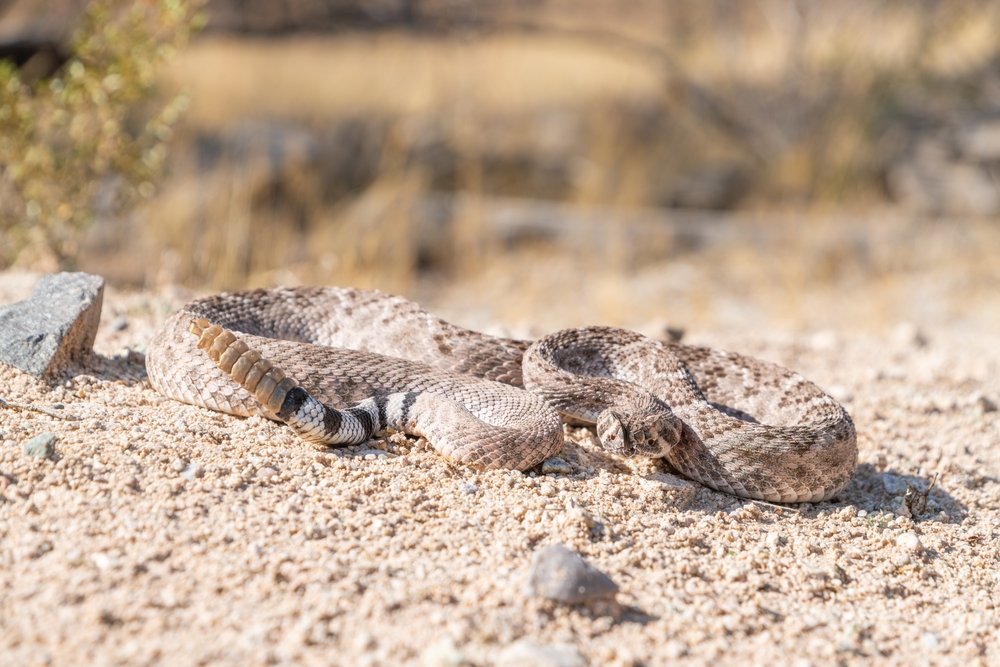
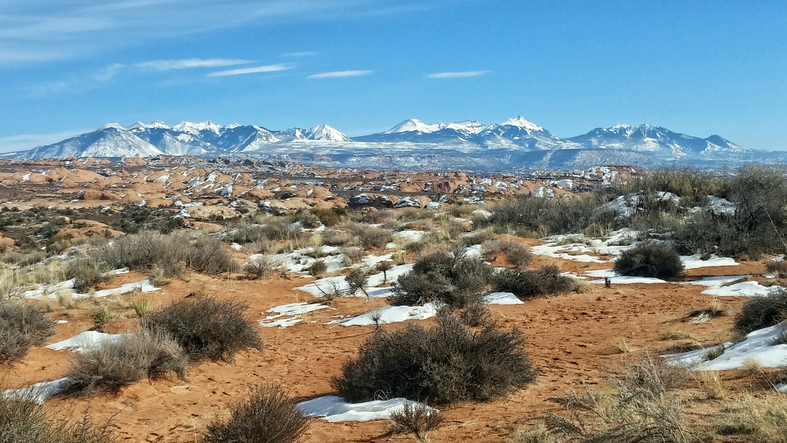
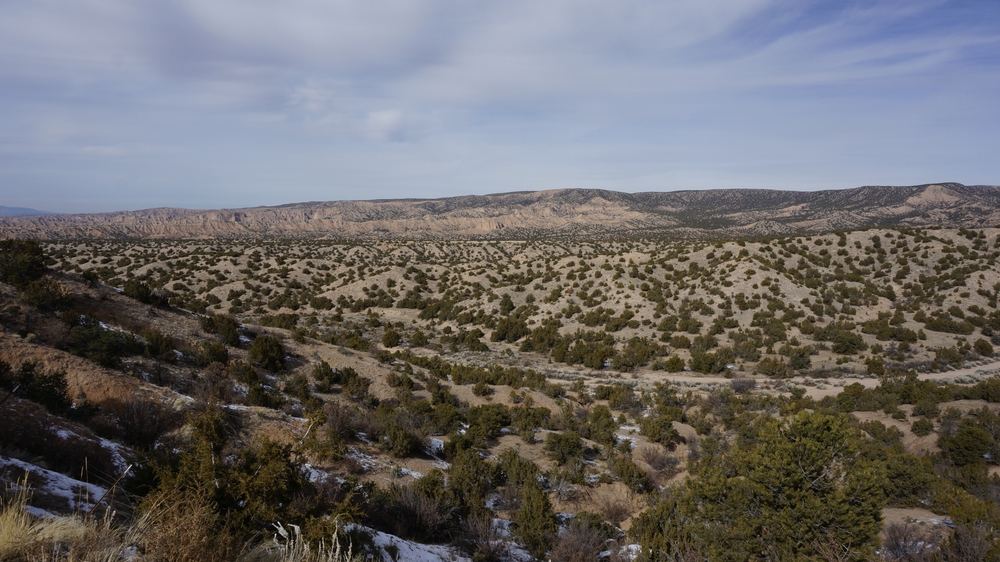
A lot of people imagine rattlesnakes as a “desert problem,” but that’s only one piece of the map. They live in forests, grasslands, mountains, wetlands, and rocky hillsides across huge sections of the country. That means a rattlesnake encounter can happen on a hike, at a campsite, or even at the edge of a suburban backyard. You don’t have to be deep in the wilderness to be in rattlesnake country.
Their adaptability is the real threat, because it makes them hard to predict. They can tuck into brush, wedge between rocks, or disappear into leaf litter where your eyes can’t decode the pattern. People get bitten because they assume “this isn’t snake habitat,” then step exactly where a snake is conserving energy. In many states, the safest assumption is that rattlesnakes are possible anywhere warm, quiet, and full of prey.
2. Some Species Have Venom That Hits Like a Two-Part Attack
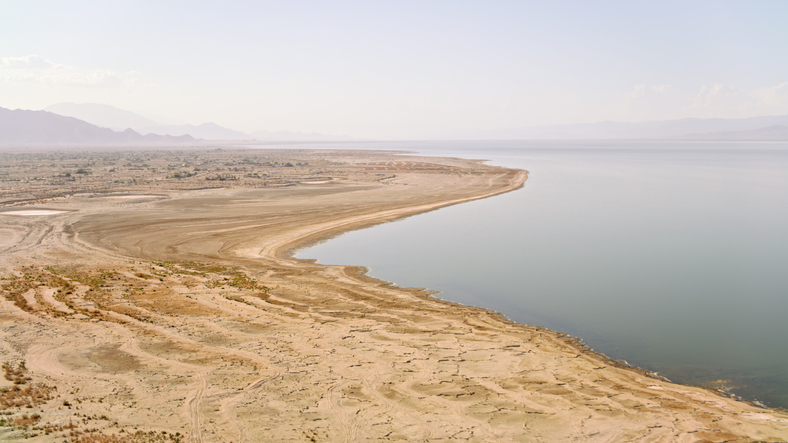
Not all rattlesnake venom works the same way, and that’s what makes some species especially frightening. Certain rattlesnakes deliver venom that can damage tissue, disrupt blood clotting, and mess with nerves—all at once. That means the bite isn’t just pain; it can become a fast-moving medical emergency with multiple systems involved. It’s one of the reasons doctors treat rattlesnake bites as urgent even when symptoms look mild at first.
The scariest part is that people underestimate the timeline. You don’t always get dramatic Hollywood symptoms instantly, which can lead to delay and denial. But venom can be doing damage while someone is still saying, “It’s probably fine.” With rattlesnakes, “probably fine” is not a strategy.
3. The Rattle Isn’t a Promise You’ll Hear It
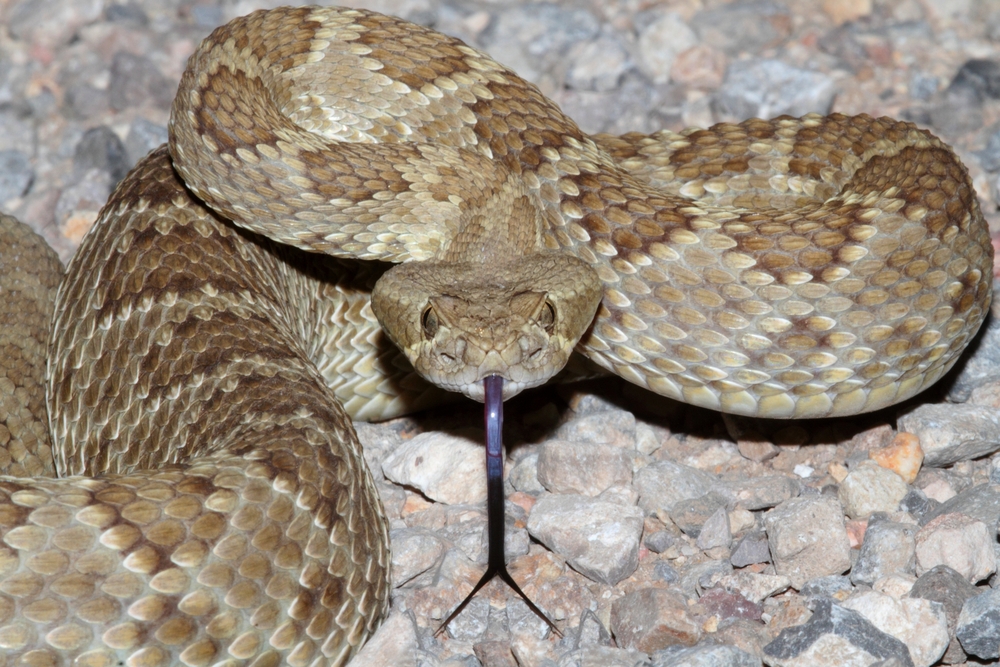
The biggest myth is that rattlesnakes always warn you like a polite little alarm system. They don’t. Some don’t rattle because they don’t want to give away their location, and some can’t rattle properly if their rattle is damaged or new. Others may stay silent because they’re relying on camouflage and hoping you pass by.
That means you can be close—uncomfortably close—without any sound. People step near them, reach into brush, or climb rocks thinking they would’ve heard a warning. In reality, the “warning” might be the moment you see a pattern move. If you treat the rattle like a guarantee, you’re making a deal with a predator that never agreed to it.
4. They Can Strike Faster Than Your Brain Can Process “Snake”
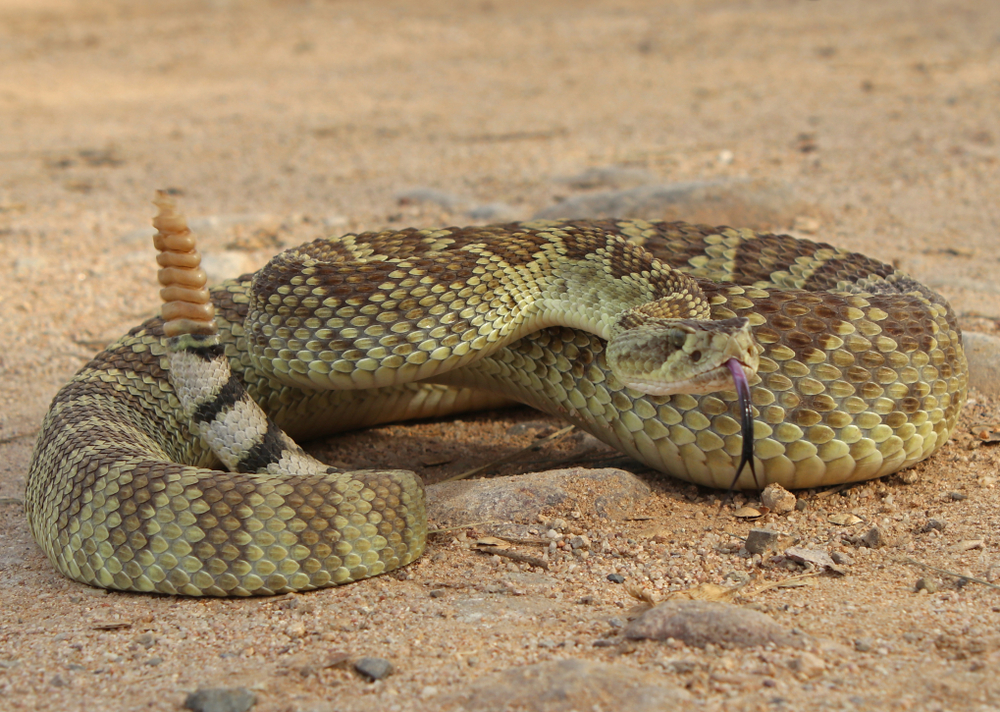
Rattlesnakes are built for ambush, which means they’re designed for sudden, explosive movement. Their strike is fast enough that you usually can’t react once it starts. By the time your brain registers danger, the snake has already made a decision. That’s not fearmongering—it’s just how predators work.
What makes this terrifying is how it intersects with human behavior. People bend down, step over logs, and move hands into places they can’t see. A rattlesnake doesn’t need to chase you; it only needs one defensive moment. The strike is quick, efficient, and over before you’re even fully aware of what happened.
5. Their Camouflage Is So Good You Can Stare Right at One and Miss It
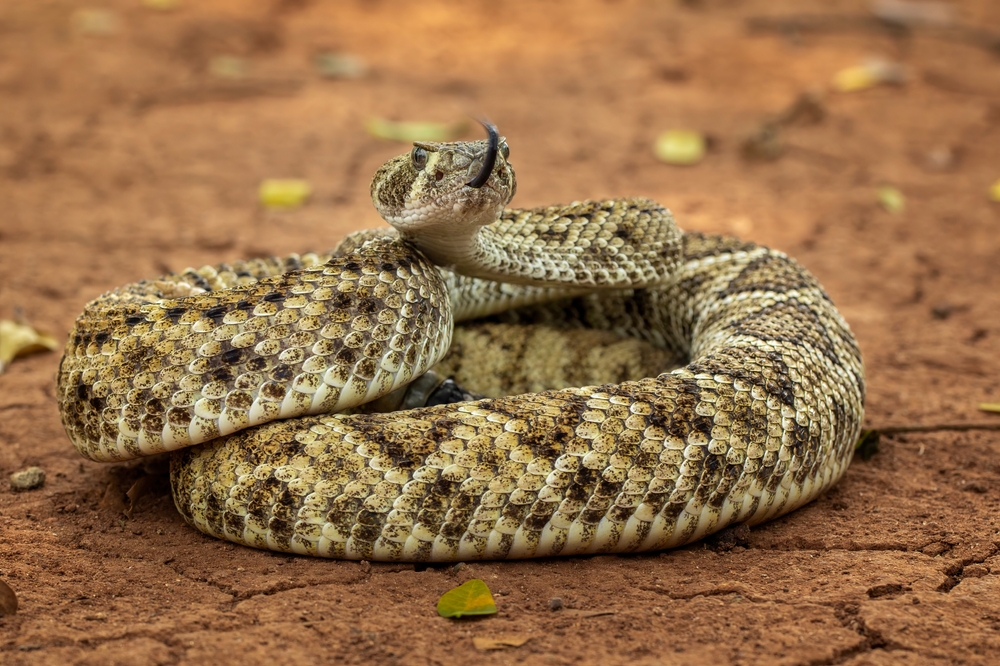
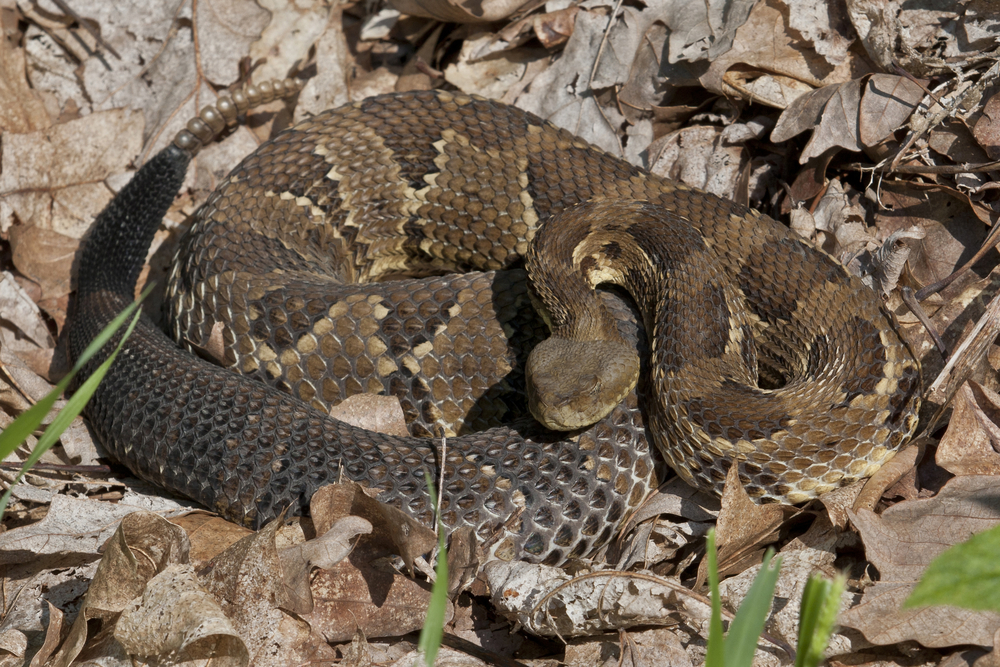
Rattlesnakes don’t have to hide well in a cute way—they have to hide well enough to survive. Their patterns mimic rocks, sand, fallen leaves, pine needles, and dry grasses depending on the species and region. That’s why bites often happen when someone steps near one without realizing it was there. People don’t get bitten because they were reckless; they get bitten because they were human.
This is also why “watch where you walk” only helps so much. Your eyes aren’t trained to pick up the subtle difference between a stick-shaped shadow and a coiled snake. A rattlesnake can look like the background until it suddenly isn’t. And that’s exactly the point of camouflage.
6. They Don’t Need to Be “Aggressive” to Be Dangerous
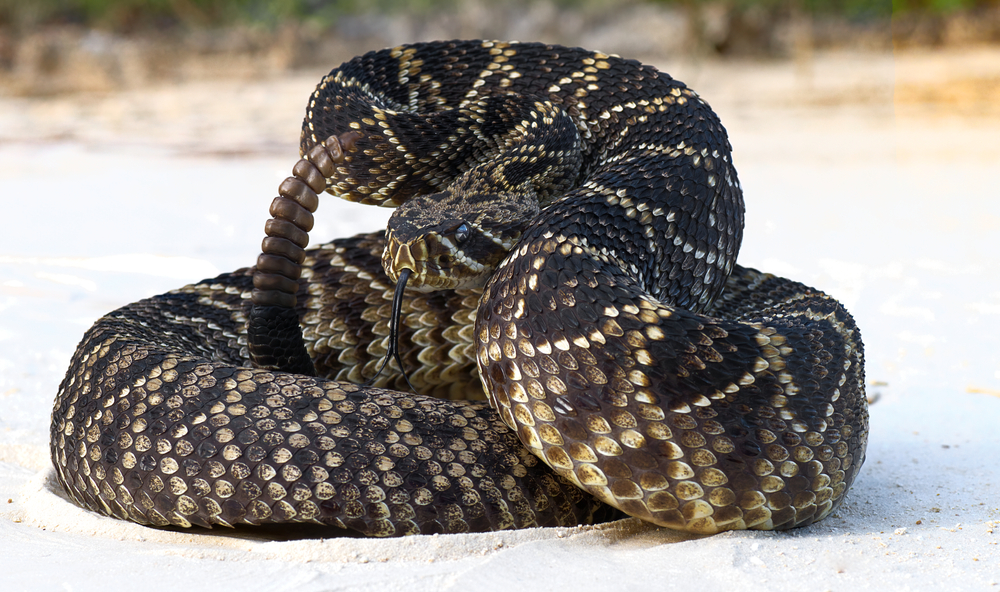
Most rattlesnakes aren’t hunting humans and don’t want a fight. But defensive behavior is still lethal behavior, especially when the animal feels trapped or startled. If you step too close, corner one, or accidentally put your hand where it’s resting, it may strike to protect itself. That’s not malice—it’s survival.
This is why “it won’t bother you if you don’t bother it” is only half true. You can “bother” a rattlesnake by accident in one second. Many bites happen because people didn’t even know the snake was there. You don’t need villain energy for a rattlesnake to ruin your day.
7. Baby Rattlesnakes Can Still Hurt You Badly
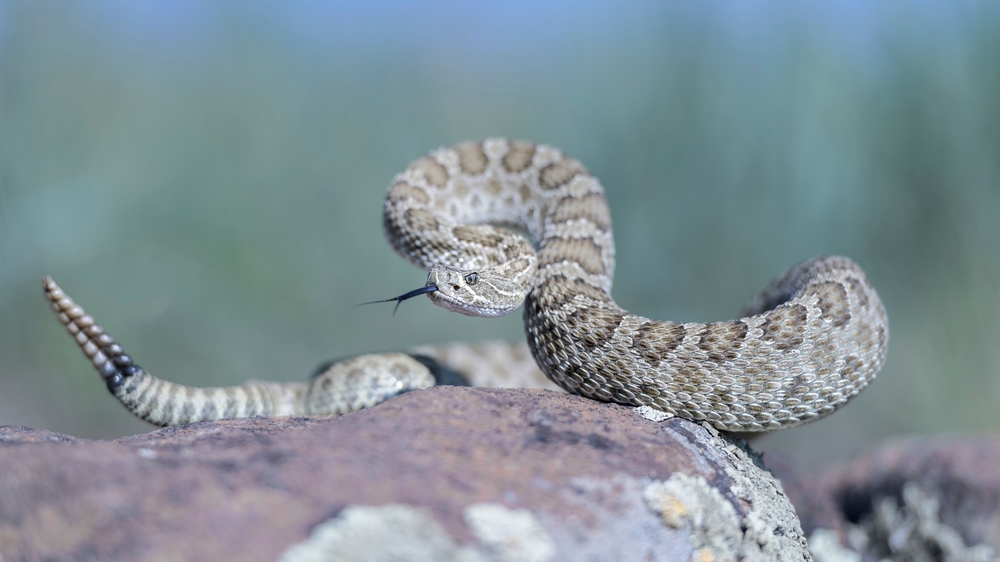
There’s a weird cultural lie that baby rattlesnakes are “less dangerous.” They’re smaller, yes, but they still have venom and can still strike. Smaller size doesn’t equal smaller risk when the bite is the problem. And because they’re harder to spot, they can actually be easier to accidentally approach.
Young snakes also don’t always behave predictably. People assume they’ll give a clear warning or slither away like in movies. But a small rattlesnake can freeze, blend, and then strike defensively if surprised. If you can’t identify age and species at a glance, treating any rattlesnake as dangerous is the only sane choice.
8. Their “Rattlesnake Season” Often Lines Up With When People Go Outside More
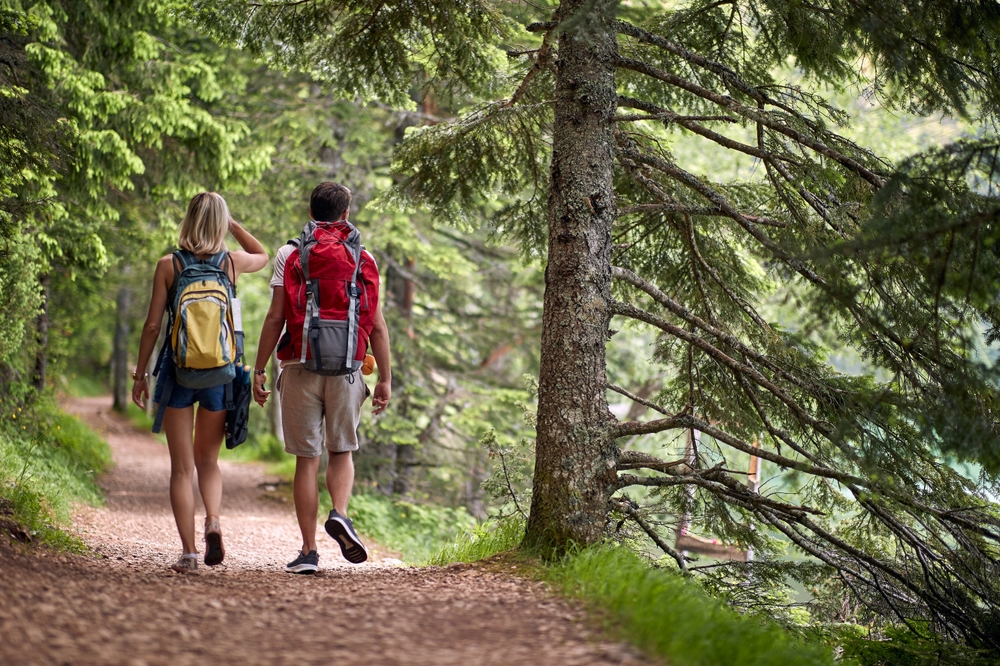
Warmer months tend to bring more rattlesnake activity because snakes are cold-blooded and energy-efficient predators. That’s also when people hike, camp, garden, and take evening walks. So the overlap is brutal: more snake movement plus more human movement. It’s a seasonal collision.
It’s not that snakes “come out to get people”—it’s that both species are active at the same time. Trails warm up, rocks hold heat, and snakes use those spots strategically. Meanwhile, humans step onto those same rocks to rest, take photos, or tie a shoe. The timing alone is why awareness matters so much.
9. They Can Swim—So Water Isn’t Always a Safe Boundary
A lot of people mentally separate “snake habitat” from water, like lakes and rivers are a natural barrier. But some rattlesnakes can swim, and they can show up near shorelines, marshy edges, and creek beds. Water can be a hunting ground because it attracts prey like frogs, birds, and small mammals. So the scenic spot can also be a strategic one.
This matters for people who paddle, fish, or let dogs roam near water. A snake along the bank isn’t always obvious until the last second, especially in tall grass. The idea that water equals safety can make people careless. In rattlesnake regions, the rule is simple: don’t assume any environment is “snake-proof.”
10. Their Strike Range Can Surprise People Who Think They’re “Far Enough Away”

People back up a few feet and feel safe, but rattlesnakes can strike farther than most people expect relative to their body length. You might think you’re at a respectful distance while you’re still inside a defensive bubble. That’s how bites happen during “look but don’t touch” moments. People stop to stare, film, or point, and accidentally drift closer.
It’s also why reaching is more dangerous than walking. Hands and ankles are common bite sites because they come within range first. If you lean over a snake, you’ve already made a risky move, even if you’re not touching it. Distance is safety, but it has to be real distance—not optimistic distance.
11. They Often Hide Exactly Where People Put Their Hands
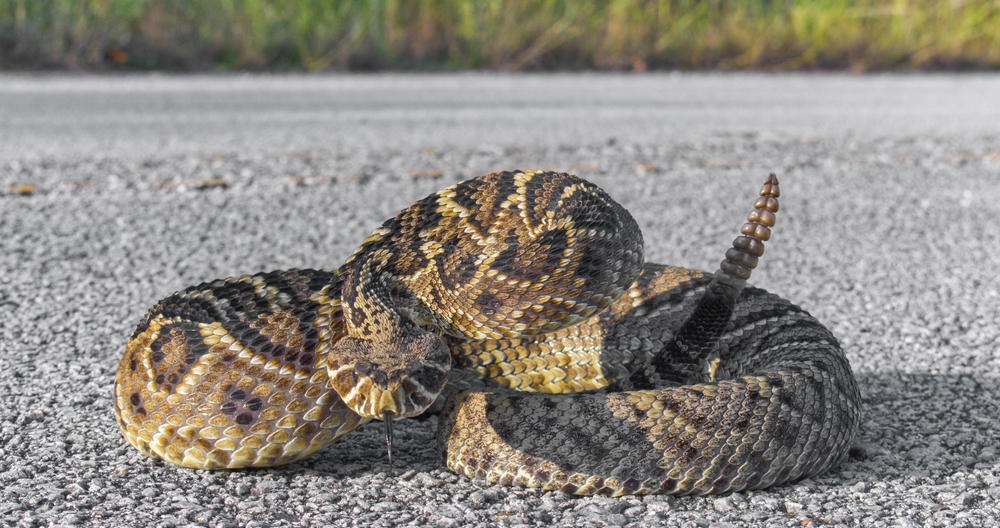
Rattlesnakes love the same spaces people casually interact with: woodpiles, rock crevices, tall grass, brush edges, and shaded corners near trails. These spots offer cover, warmth, and access to prey, which means snakes return to them. Humans reach into them without looking because it’s a habit, not a conscious choice. That’s a dangerous mismatch.
It’s why bites can happen during ordinary tasks like gardening, cleaning up a yard, or moving outdoor furniture. You don’t have to be on some epic hike to get surprised. A rattlesnake can be inches away in a place you’ve touched a hundred times. All it takes is one day it chose the same spot.
12. Dogs Are at Real Risk Because They Investigate With Their Faces
Dogs don’t “keep their distance”—they walk up, sniff, and get curious, which is basically the worst strategy with a rattlesnake. That means dogs often get bitten on the face or neck, which can become serious quickly. Even a well-trained dog can make a split-second decision to investigate movement in the grass. Curiosity is instinct, and instinct doesn’t read warning labels.
This is also why owners sometimes get bitten trying to intervene. People grab a collar, pick up a dog, or step in quickly without checking where the snake is. The panic moment is when accidents happen. In rattlesnake areas, leashes and awareness are less about control and more about prevention.
13. Some Rattlesnakes Are Moving Closer to People as Development Expands

As suburbs push into wild edges, humans aren’t just “visiting” rattlesnake habitat—we’re building on it. Snakes follow prey, and prey follows trash, gardens, bird feeders, and water sources. That means rattlesnake encounters can increase in neighborhoods near open land. The snake didn’t invade your space; the border moved.
This is why people sometimes see them near patios, garages, and trails behind subdivisions. The idea of rattlesnakes as “remote wilderness animals” doesn’t match modern reality anymore. The risk is often highest in those in-between zones where nature meets development. That’s where both sides collide.
14. Getting Help Fast Matters More Than Any “Snakebite Hack”
The internet is full of terrible snakebite advice, and following it can make outcomes worse. Cutting, sucking, icing, or trying to “tourniquet” a bite can cause additional injury and delays. The real lifesaver is medical care, because antivenom and supportive treatment are what reduce the risk of severe complications. Time matters, and denial is the enemy.
The terrifying truth is that many people waste precious minutes deciding whether it’s serious enough. If there’s suspected envenomation, the smartest move is getting to emergency care quickly and staying as calm as possible. The snake is done after the bite—your choices are what determine what happens next. With rattlesnakes, the only flex is taking it seriously.