
A decade ago, safety felt like a background condition of daily life—something assumed rather than actively monitored. Today, many people describe feeling more guarded, tense, and emotionally braced, even in familiar environments. That shift isn’t just about crime rates or headlines; it’s about how modern life continuously signals threat, instability, and uncertainty to the nervous system. Here are 13 reasons experts say that sense of safety has quietly eroded—and why it feels so real.
1. The News Cycle Never Turns Off
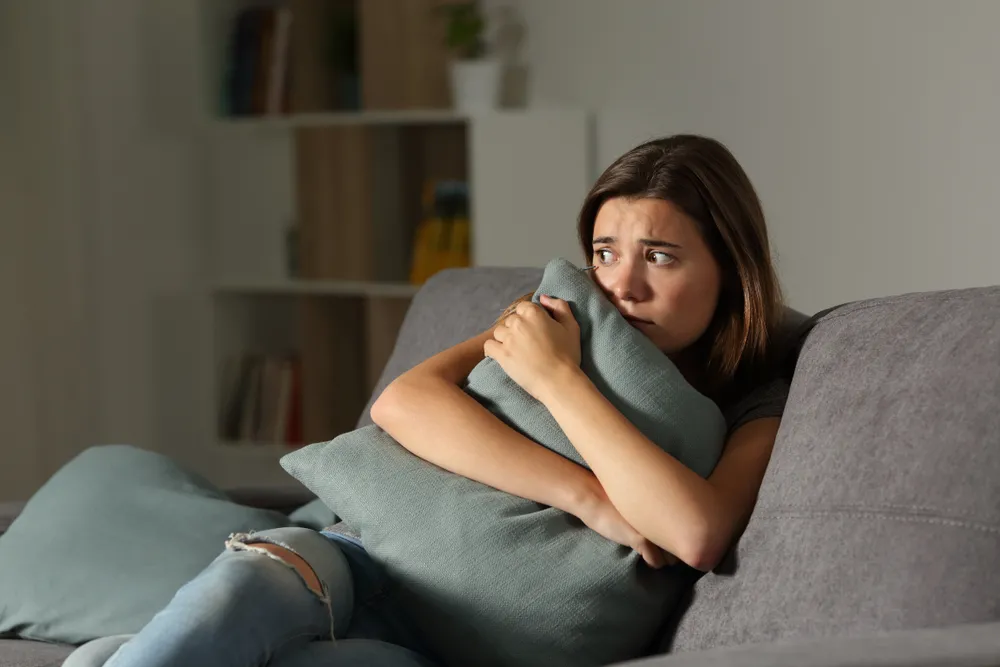
Bad news used to arrive in contained doses, giving people time to process and recover. Now, the 24/7 news cycle keeps threat narratives flowing nonstop, training the brain to stay alert. Research from the American Psychological Association has shown that repeated exposure to distressing news increases stress, anxiety, and a sense of personal vulnerability, even when people are not directly affected. The brain struggles to distinguish between distant danger and immediate risk.
Over time, this constant exposure rewires perception. People begin to feel unsafe as a baseline state rather than a response to specific events. Rest becomes harder, and calm feels temporary. Safety stops feeling like the default.
2. Social Media Amplifies Fear Faster Than Facts
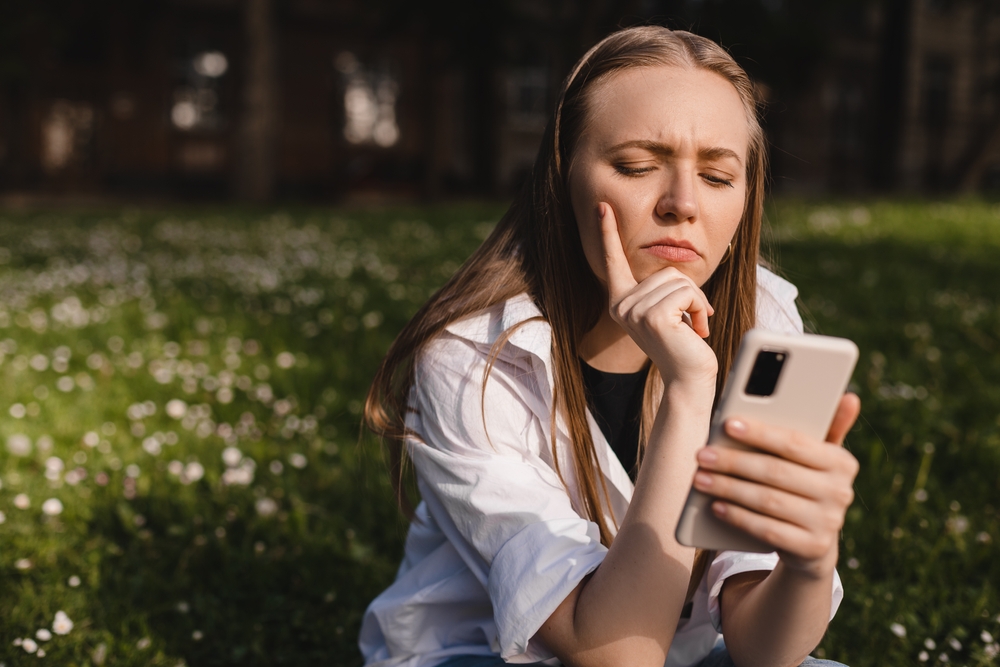
Platforms reward emotional intensity, not accuracy or proportionality. A single alarming story can feel omnipresent within hours. Algorithms amplify outrage, fear, and shock because those emotions drive engagement. That constant escalation distorts reality.
As a result, people overestimate how common extreme events are. Fear becomes contagious and self-reinforcing. Even neutral spaces begin to feel risky. The emotional volume never comes back down.
3. Public Spaces Feel Less Predictable

Everyday locations once associated with routine now carry an undercurrent of vigilance. Psychologists note that unpredictability is one of the strongest drivers of fear, and public acts of violence in ordinary places have deeply disrupted that sense of predictability. A study published in *Psychological Trauma* found that repeated exposure to reports of mass violence increases perceived personal risk, even among those far removed from the events. The mind fills in worst-case scenarios automatically.
People scan exits, assess strangers, and stay mentally prepared. Even when nothing happens, the body stays alert. That constant readiness erodes comfort. Safety requires predictability—and that feels compromised.
4. Economic Insecurity Creates Emotional Insecurity

Financial stress destabilizes far more than bank accounts. Rising costs, housing uncertainty, and job instability make people feel one crisis away from collapse. When resources feel scarce, the brain shifts into survival mode. Everything feels more dangerous when margins are thin.
This stress spills into health, relationships, and decision-making. People feel less buffered against setbacks. Small problems feel existential. Safety feels fragile when stability is.
5. Trust In Institutions Has Eroded
Feeling safe depends on believing systems will function when needed. Over the past decade, trust in institutions has sharply declined. According to the Edelman Trust Barometer, large segments of the population now believe governments, media, and other institutions are either incompetent or self-serving. That erosion leaves people feeling exposed.
Without institutional trust, individuals feel they must protect themselves alone. Skepticism replaces reassurance. Even protective systems feel unreliable. Safety weakens when trust collapses.
6. Political Polarization Raises Social Tension
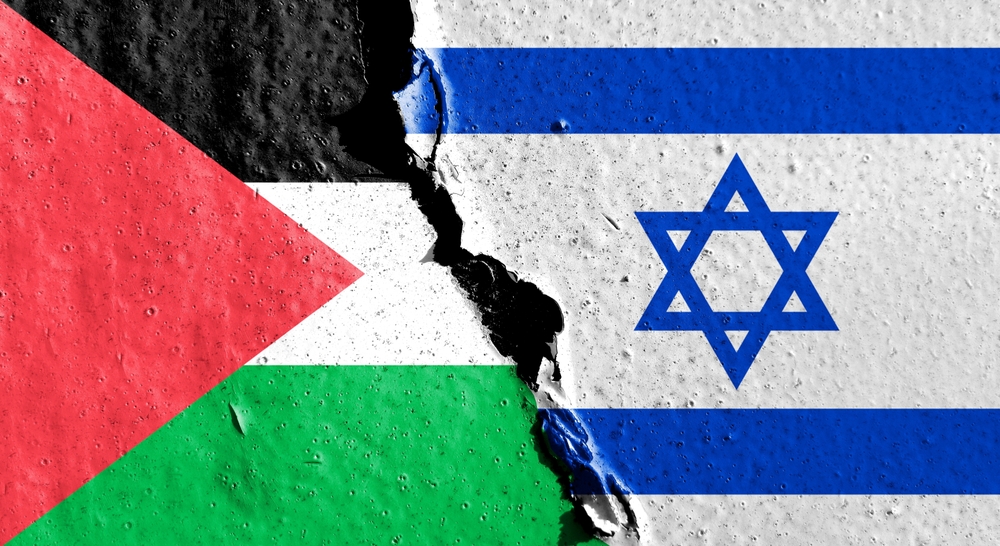
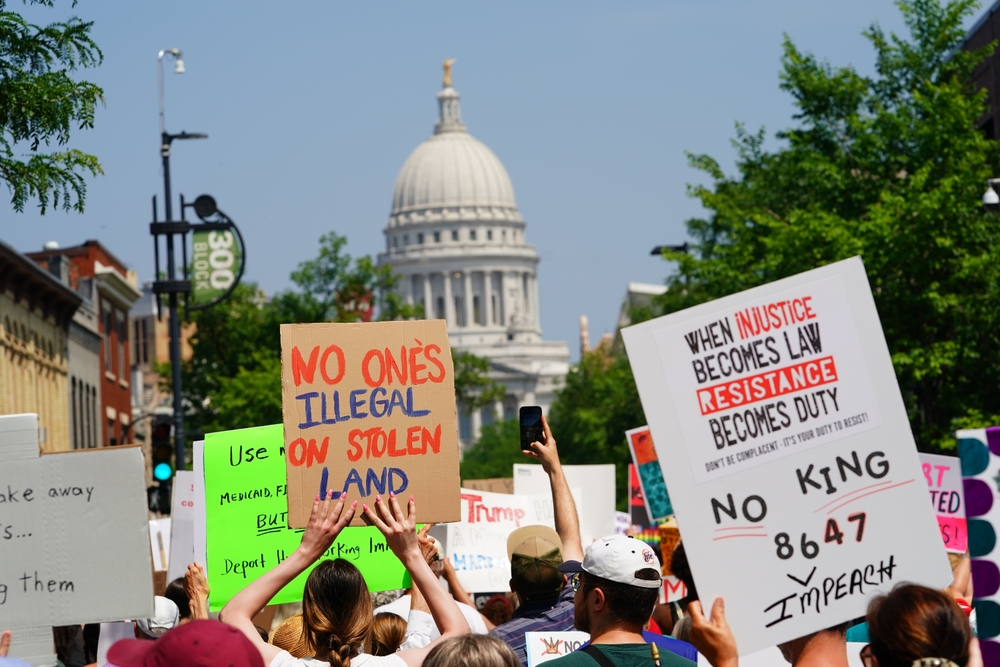
Political identity has become deeply personal and emotionally charged. Ordinary interactions can feel loaded or risky. People self-censor, avoid topics, and brace for conflict. That tension creates a subtle sense of social danger.
When empathy erodes, social cohesion weakens. Strangers feel less predictable and more threatening. Communities feel fractured rather than supportive. Safety is social—and polarization undermines it.
7. Misinformation Makes Reality Feel Unstable
When facts feel negotiable, reality itself feels shaky. Conflicting narratives about health, crime, and public safety create chronic uncertainty. Researchers at MIT have found that false information spreads faster and more widely than accurate information, especially when it provokes fear or outrage. That constant contradiction exhausts people.
Uncertainty keeps the brain on edge. People don’t know which risks are real or exaggerated. Decision-making becomes stressful. Safety disappears when clarity does.
8. Climate Anxiety Has Gone Mainstream
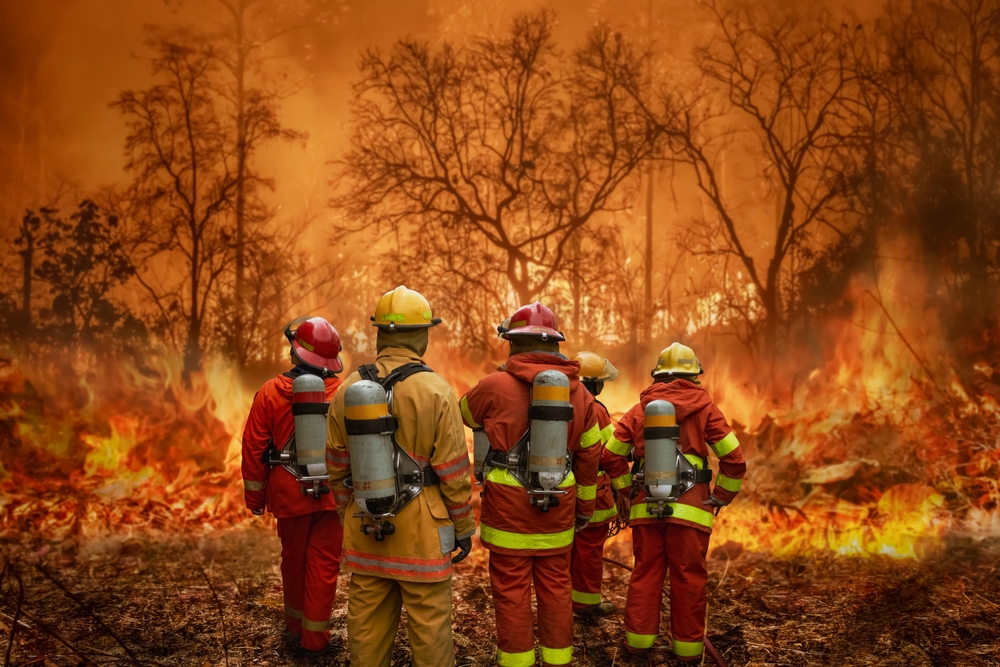
Environmental threats are no longer abstract future concerns. Extreme weather events now feel personal and immediate. Fires, floods, and heatwaves disrupt daily life and long-term planning. Nature itself feels unpredictable.
Psychologists describe climate anxiety as a growing source of chronic stress. Even calm periods feel temporary. The future feels environmentally unstable. Safety erodes when the planet feels unreliable.
9. Loneliness Weakens Emotional Security

Social isolation has quietly increased despite constant digital connection. Fewer close relationships mean fewer emotional buffers. When people lack strong social support, stress feels heavier and threats feel larger. Safety is relational.
Without trusted connections, people feel alone with their fears. There’s no shared reality check. Isolation magnifies anxiety. Community once softened danger—now it’s thinner.
10. Mental Health Strain Is More Visible
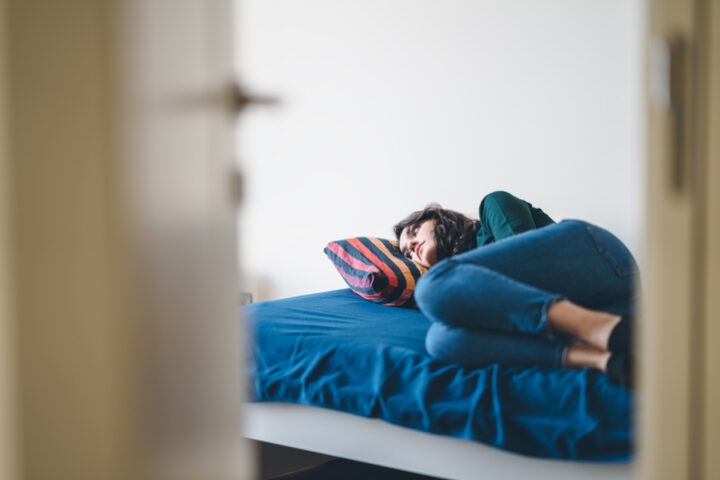
Emotional dysregulation is more openly discussed and more widespread. While awareness is progress, it also highlights how many people are struggling. Public emotional volatility can make environments feel unpredictable. People sense fragility everywhere.
When emotional stability feels rare, trust weakens. Individuals don’t know how others might react. Tension rises in everyday interactions. Calm feels less accessible.
11. Constant Surveillance Creates Unease
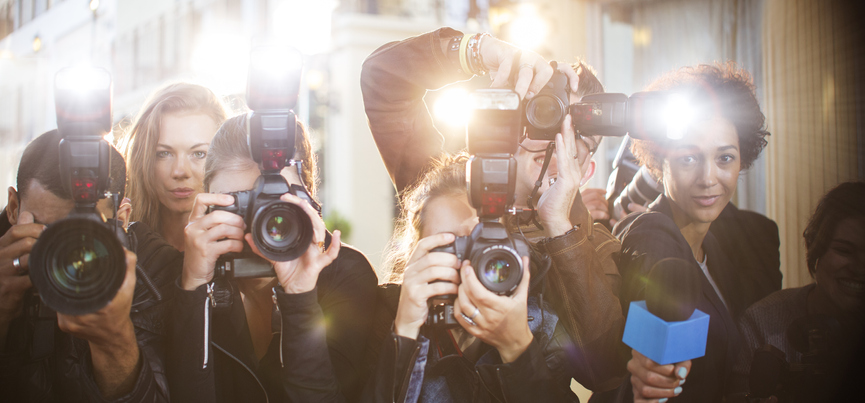
Cameras, tracking, and data collection are now normalized. While often framed as protective, they can feel invasive. Being monitored doesn’t always translate into feeling cared for. It can feel controlling instead.
This creates low-level psychological discomfort. People feel watched rather than supported. Safety tied to surveillance feels conditional. Trust becomes strained.
12. Collective Trauma Has Accumulated
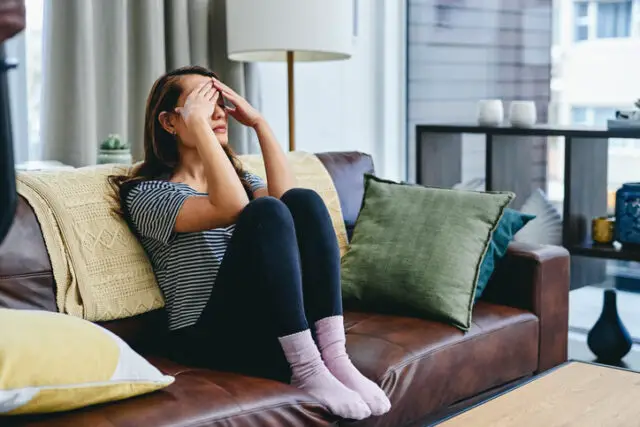
A decade filled with overlapping crises leaves psychological residue. Pandemics, wars, economic shocks, and social unrest stack rather than resolve. Trauma research shows that unresolved stress accumulates in the nervous system. The body remembers even when life stabilizes.
This lowers resilience thresholds. People react faster and recover slower. Calm feels fragile. Safety feels temporary.
13. The Future Feels Less Certain Than It Used To
Safety depends on believing tomorrow will resemble today. Right now, the future feels volatile. Rapid technological change, shifting norms, and global instability disrupt long-term expectations. People don’t know what to prepare for.
That uncertainty feeds anxiety. Short-term survival replaces long-term confidence. The world feels sharper and more threatening. Safety requires continuity—and many no longer feel it.