
The news cycle moves fast, but some emergencies unfold slowly enough that they slip beneath the radar—until they explode into full-blown catastrophe. Scientists, economists, diplomats, and humanitarian experts have been issuing increasingly urgent warnings about global crises that don’t always trend on social media but have the power to reshape everyday life. These aren’t distant hypotheticals or fringe fears; they’re active pressure points already destabilizing regions, economies, and ecosystems. Here are the global crises experts say we ignore at our own peril.
1. Extreme Heat Is Making Entire Regions Unlivable
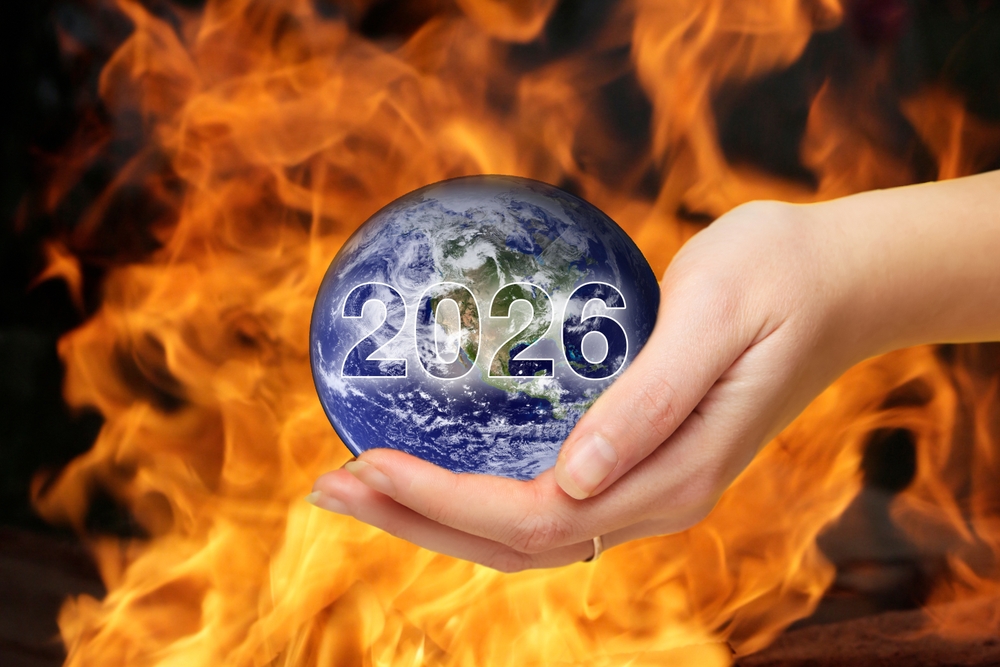
Climate scientists warn that heat—not storms or floods—may become the most lethal climate threat of the century. Prolonged heat waves are already overwhelming power grids, destroying crops, and causing spikes in heat-related deaths across South Asia, the Middle East, and parts of the U.S. What makes heat especially dangerous is how invisible it feels until systems begin failing all at once. Experts emphasize that once wet-bulb temperatures are crossed, human survival outdoors becomes impossible regardless of adaptation.
Public health researchers have noted that heat stress doesn’t just kill directly—it destabilizes societies by reducing labor productivity, increasing aggression, and driving migration. Entire cities may remain standing but functionally uninhabitable due to sustained temperature extremes. Governments are struggling to retrofit infrastructure designed for a cooler world. The crisis is advancing faster than policy responses can keep up.
2. Freshwater Scarcity Is Reaching a Breaking Point
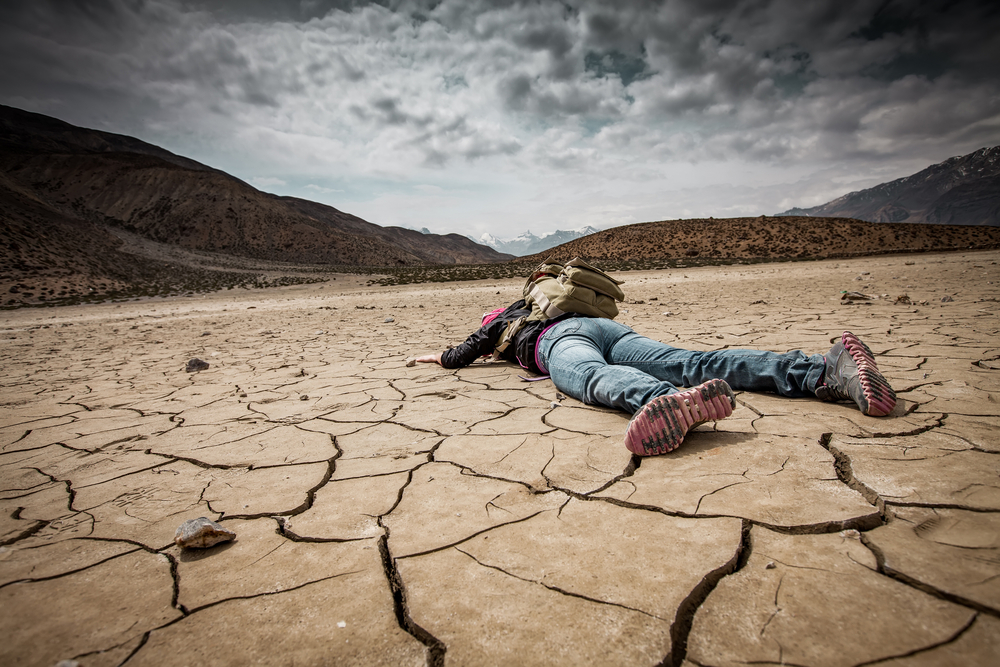
Hydrologists have long sounded alarms about freshwater depletion, but the rate of loss is accelerating. Major aquifers are being drained faster than they can recharge, while rivers like the Colorado, Indus, and Yellow River are under historic stress. Water scarcity isn’t just about drinking water—it affects food production, energy generation, and basic sanitation. Experts warn that water shortages are increasingly tied to political instability and conflict.
International development specialists note that water stress disproportionately affects already vulnerable populations, amplifying inequality. Countries reliant on shared river systems face rising diplomatic tensions as water resources decline. Desalination and recycling help, but they’re expensive and energy-intensive. Without coordinated global water management, shortages will worsen rapidly.
3. Antibiotic Resistance Is Undermining Modern Medicine

Medical experts warn that antibiotic resistance threatens to roll back decades of progress in healthcare. Common infections are becoming harder—and sometimes impossible—to treat as bacteria evolve faster than drug development. Routine surgeries, cancer treatments, and childbirth all become riskier when antibiotics lose effectiveness. The World Health Organization has repeatedly labeled antimicrobial resistance a top global health threat.
Researchers emphasize that misuse of antibiotics in agriculture and medicine accelerates resistance. New antibiotics are slow and costly to develop, leaving few replacements in the pipeline. Without intervention, once-manageable infections could again become deadly. This crisis unfolds quietly, but its consequences could be catastrophic.
4. Food Systems Are Becoming Increasingly Fragile

Agricultural scientists warn that global food systems are far less resilient than they appear. Climate volatility, soil degradation, and fertilizer shortages are converging to threaten staple crops worldwide. Supply chain disruptions—from war to extreme weather—can quickly ripple across continents. Even wealthy nations are not insulated from these shocks.
Food security experts stress that hunger today is driven more by access and distribution failures than absolute shortages. Price spikes destabilize governments and increase unrest, particularly in import-dependent countries. Small-scale farmers are often hit hardest despite producing much of the world’s food. Without reform, food crises will grow more frequent.
5. Climate-Driven Migration Is Accelerating Faster Than Policy
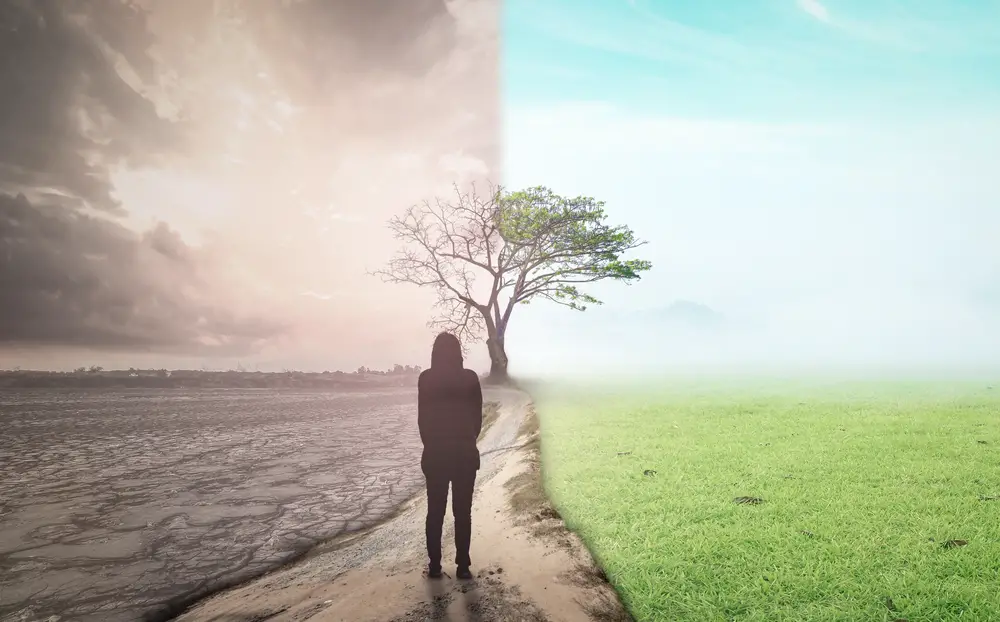
Displacement experts report that climate change is now a primary driver of global migration. Rising seas, desertification, and extreme weather are forcing millions from their homes each year. Unlike traditional refugees, climate migrants often lack legal protections. This creates humanitarian gray zones that strain borders and social systems.
Researchers note that most climate migration occurs internally or regionally, rather than across oceans. Urban centers absorb displaced populations, often without adequate housing or infrastructure. Political systems are largely unprepared for the scale of movement ahead. Experts warn that unmanaged migration fuels instability and xenophobia.
6. Democracy Is Eroding in Plain Sight
Political scientists warn that democratic backsliding is no longer limited to fragile states. Established democracies are experiencing declining trust, weakened institutions, and rising authoritarian tendencies. Disinformation, voter suppression, and erosion of judicial independence are key warning signs. The shift often happens incrementally rather than through dramatic coups.
Democracy researchers emphasize that once norms are weakened, rebuilding them is extremely difficult. Public disengagement accelerates decline by allowing power to consolidate unchecked. External actors exploit polarization to deepen instability. Experts stress that democracy requires constant maintenance, not complacency.
7. Microplastics Are Infiltrating Human Bodies
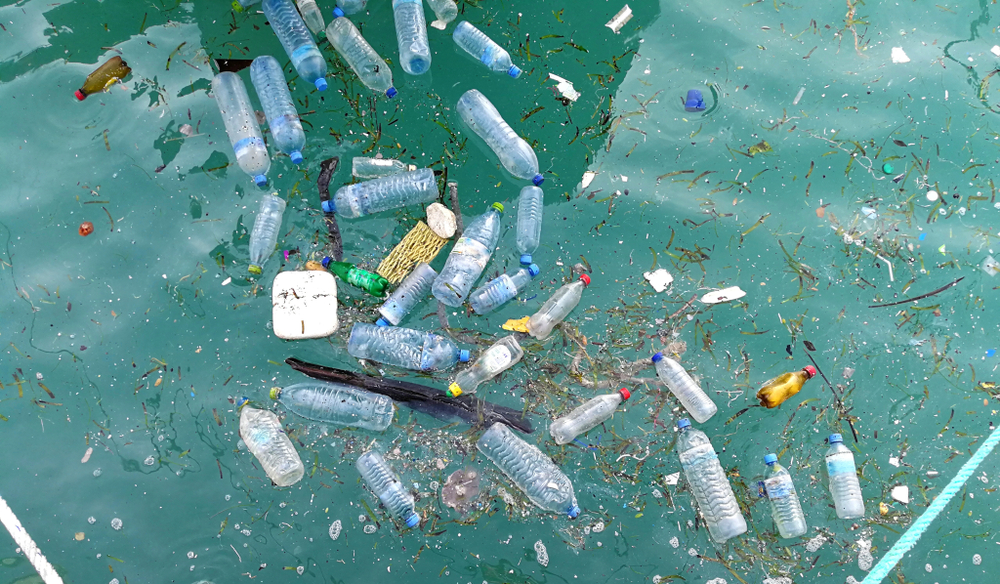
Environmental health researchers have confirmed microplastics in human blood, lungs, and placentas. These particles originate from packaging, clothing, and industrial waste that break down but never fully disappear. Scientists are still uncovering how microplastics affect organs and cellular processes. Early findings suggest links to inflammation and hormonal disruption.
The concern is not just exposure but accumulation over time. Microplastics travel through air, water, and food chains, making avoidance nearly impossible. Regulatory frameworks lag far behind scientific findings. Experts urge urgent action to reduce plastic production at the source.
8. Cyber Warfare Is Targeting Civilian Infrastructure

Security analysts warn that cyberattacks increasingly target hospitals, power grids, and water systems. Unlike traditional warfare, cyber conflict can be launched anonymously and without formal declarations. Attacks can cripple daily life without a single shot being fired. Experts say the psychological impact rivals physical destruction.
Governments struggle to deter attacks when attribution is unclear. Civilian systems are often less protected than military networks. As societies further digitize, vulnerability increases. Cybersecurity experts stress that resilience—not just defense—is now essential.
9. Global Debt Levels Are Reaching Dangerous Extremes
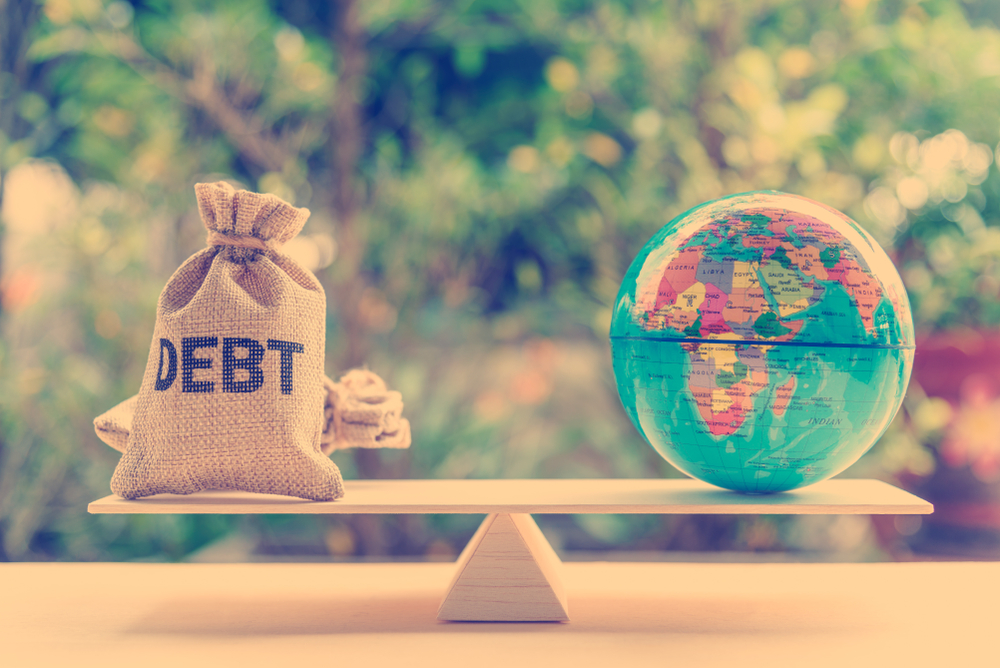
Economists warn that sovereign and consumer debt levels are approaching unsustainable thresholds. Rising interest rates make repayment increasingly difficult for governments and households alike. Debt crises often trigger austerity measures that deepen inequality. Developing nations face especially severe risks.
Financial analysts note that debt stress can cascade across global markets. When one economy falters, interconnected systems amplify the damage. Emergency lending offers temporary relief, but long-term vulnerability remains. Experts caution that another major debt crisis could arrive with little warning.
10. Ocean Ecosystems Are Collapsing Faster Than Expected
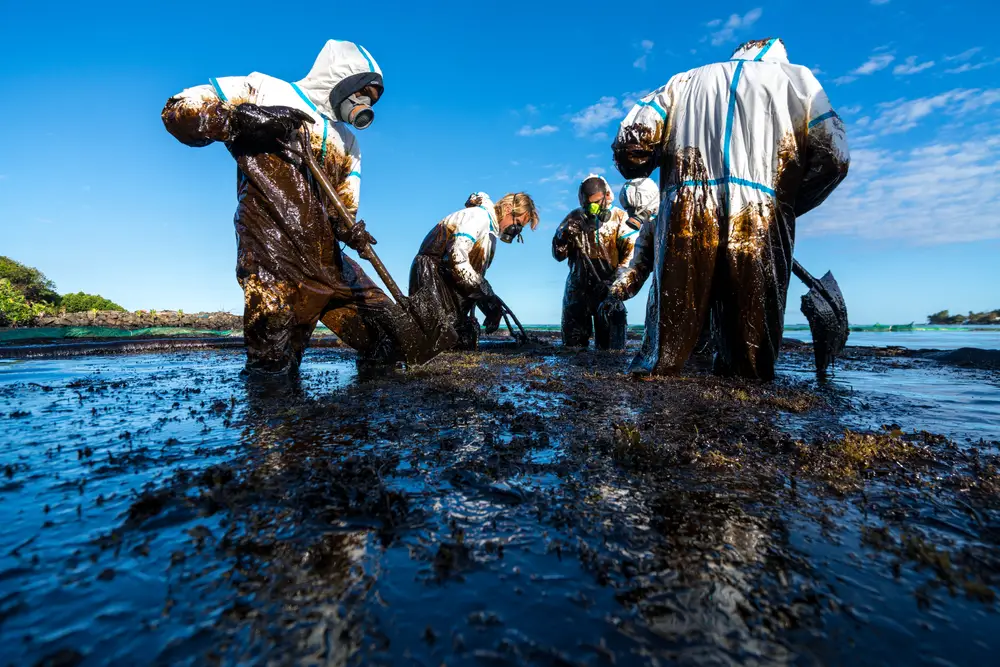
Marine biologists warn that coral reefs, fisheries, and deep-sea ecosystems are declining at alarming rates. Warming waters, acidification, and pollution are overwhelming marine resilience. Coral bleaching events, once considered rare, now occur regularly. The oceans absorb most of the excess heat from climate change, accelerating damage.
The loss of marine biodiversity threatens food security for billions. Coastal communities face economic collapse as fisheries decline. Recovery timelines stretch into decades, if recovery is possible at all. Experts say ocean protection is inseparable from climate action.
11. Artificial Intelligence Is Outpacing Regulation

Technology ethicists warn that AI development is outpacing legal and ethical safeguards. Algorithms increasingly influence hiring, policing, healthcare, and warfare. Bias, opacity, and misuse are persistent concerns. Once deployed at scale, harmful systems are difficult to roll back.
Experts stress that regulation must address not just innovation but accountability. Power concentrates in companies controlling data and infrastructure. Public understanding lags behind technical complexity. The gap between capability and oversight continues to widen.
12. Mental Health Systems Are Buckling

Public health experts report a worldwide surge in anxiety, depression, and trauma-related disorders. Mental health infrastructure has not scaled to meet demand, particularly in low-income regions: conflict, climate stress, and economic precarity compound psychological strain. Burnout is becoming a public health issue.
Researchers warn that untreated mental illness undermines productivity and social cohesion. Stigma continues to limit access to care. Digital solutions help, but cannot replace systemic investment. Experts emphasize prevention alongside treatment.
13. Global Cooperation Is Fracturing at the Worst Possible Time
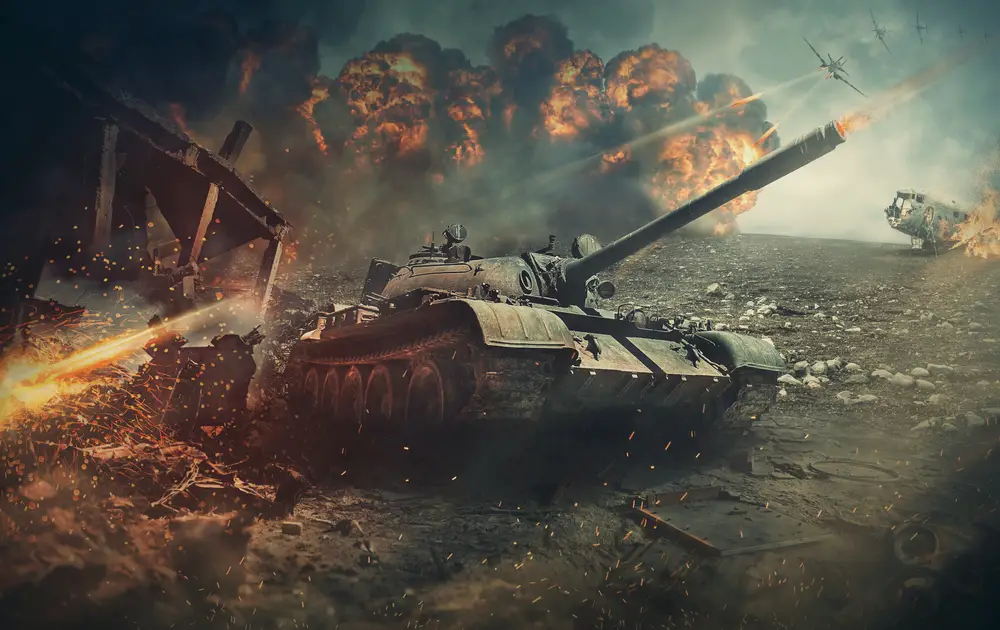
Diplomats warn that international cooperation is weakening just as global challenges intensify. Multilateral institutions struggle amid nationalism and geopolitical rivalry. Climate, health, and security threats require coordination that politics increasingly obstructs. Fragmentation delays response and multiplies risk.
Experts emphasize that no nation can solve these crises alone. Retreating into isolation worsens vulnerability rather than protecting sovereignty. Trust erosion makes collective action harder with each passing year. The greatest risk may be our inability to work together when it matters most.