
Modern war wouldn’t begin with soldiers on beaches — it would start with systems quietly failing. Experts warn that escalation would expose how dependent daily life is on fragile infrastructure. Understanding what collapses first helps people prepare mentally and practically. These are the realities defense analysts say civilians should not ignore.
1. Power Grids Are the First Domino
Defense experts agree the electrical grid is highly vulnerable. Cyberattacks, physical sabotage, and overload risks are significant. Grid failure cascades into nearly every system. Darkness spreads fast.
Preparation focuses on short-term self-sufficiency. Battery backups and reduced dependence help. Expect uneven restoration. Power is fragile.
2. Internet Access Becomes Unreliable
War escalation prioritizes military communication over civilian access. Networks throttle or collapse. Information gaps widen quickly. Rumors fill the vacuum.
Experts advise offline preparedness. Printed information and radios matter. Digital dependence becomes a liability. Silence doesn’t mean peace.
3. Fuel Supply Disruptions Follow Quickly
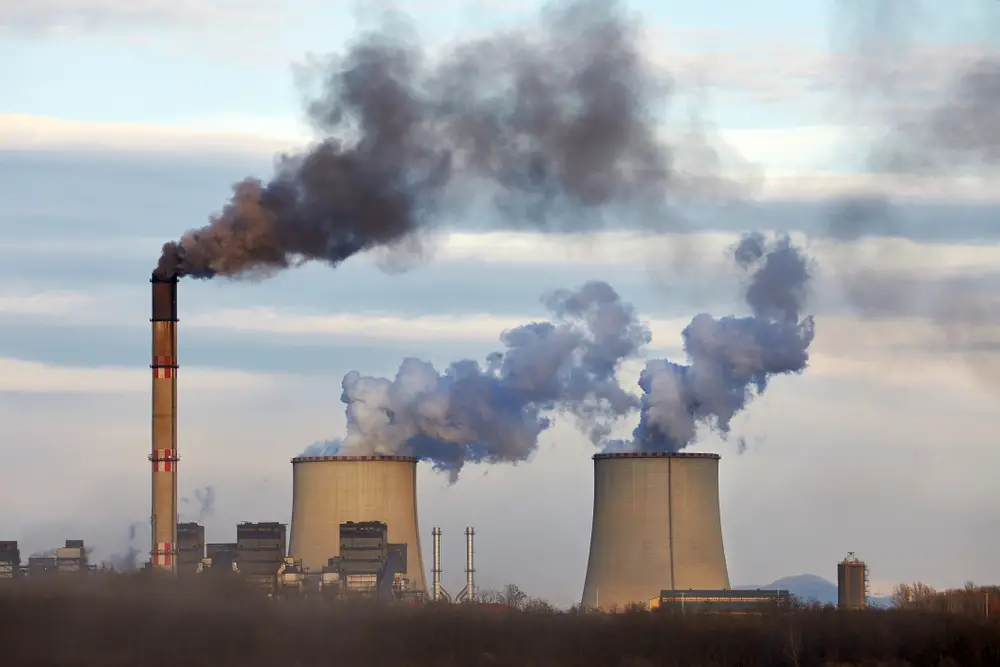
Transportation depends on fuel logistics. Conflict interrupts refining and distribution. Gas shortages ripple across sectors. Mobility shrinks.
Preparation includes reducing travel needs. Fuel conservation becomes essential. Expect prioritization for emergency services. Civilian access tightens.
4. Financial Systems Slow or Freeze

Electronic payments rely on stable networks. Disruptions affect banking access. ATMs and card systems may fail intermittently. Cash regains importance.
Experts advise having limited physical currency. Diversification reduces risk. Financial panic amplifies instability. Confidence matters.
5. Supply Chains Fracture
Global trade disruptions impact food and goods. Just-in-time delivery collapses under stress. Shelves empty quickly. Scarcity perception accelerates hoarding.
Preparation focuses on modest reserves. Excessive stockpiling worsens shortages. Community sharing helps stabilize access. Balance is key.
6. Healthcare Systems Strain Rapidly

Hospitals face staff shortages and supply gaps. Wartime prioritization shifts resources. Non-emergency care is delayed. Capacity becomes critical.
Experts stress basic medical preparedness at home. First aid knowledge matters. Prevention reduces demand. Healthcare triage intensifies.
7. Transportation Infrastructure Degrades

Air travel, rail systems, and ports face restrictions. Security concerns limit movement. Logistics bottlenecks emerge. Travel becomes unpredictable.
Preparation includes staying local when possible. Mobility planning reduces stress. Expect cancellations and delays. Patience is survival.
8. Information Trust Erodes

Disinformation spikes during escalation. Competing narratives confuse the public. Trust fractures along ideological lines. Verification becomes difficult.
Experts recommend relying on limited, credible sources. Avoid constant consumption. Emotional regulation matters. Panic spreads faster than facts.
9. Emergency Services Face Overload

Police, fire, and EMS prioritize critical threats. Response times increase. Minor emergencies go unanswered. Self-reliance becomes necessary.
Preparedness includes community coordination. Neighbors become first responders. Mutual aid fills gaps. Local resilience grows.
10. Employment Stability Weakens

Economic uncertainty affects jobs quickly. Industries tied to trade and travel suffer. Layoffs rise. Work becomes unstable.
Experts advise financial flexibility. Emergency savings matter. Skill adaptability increases resilience. Stability shifts.
11. Food Systems Experience Shock

Imports and transport disruptions affect availability. Prices fluctuate rapidly. Fresh goods become scarce. Access becomes uneven.
Preparation emphasizes non-perishable foods. Community gardens and local sourcing help. Nutrition planning matters. Flexibility feeds survival.
12. Mental Health Impact Is Severe

Prolonged uncertainty erodes well-being. Anxiety and stress increase. Social tension rises. Emotional fatigue sets in.
Experts highlight routine and connection as protective. Mental health is infrastructure too. Calm communities endure better. Resilience is psychological.
13. Adaptability Becomes the Most Valuable Skill
War escalation exposes rigid systems. Those who adapt fare better. Flexibility reduces harm. Preparedness is mental as much as physical.
Experts agree survival isn’t about fear. It’s about awareness. Understanding failures allows adjustment. Knowledge is power.