
Keeping a dog healthy isn’t about becoming a crunchy pet influencer or buying the fanciest food with the most aggressive packaging. It’s about a handful of consistent, smart habits that protect their body, their brain, and their vibe—so they can stay energetic, comfortable, and emotionally secure for as long as possible. Here are the real-life, everyday ways to keep your dog thriving (without needing a veterinary degree or a second mortgage).
1. They Need A Balanced Diet (And Some Foods Really Should Be Avoided)
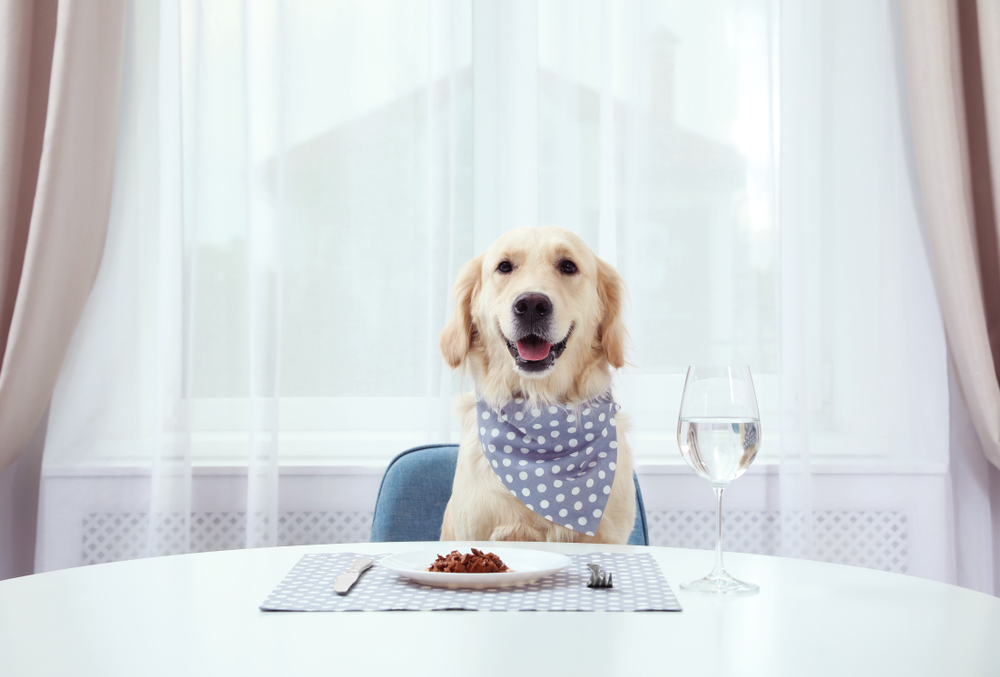
Your dog’s diet is basically the foundation under everything else—energy, immunity, digestion, mood, even how shiny their coat looks in sunlight. It’s easy to get hypnotized by pet food marketing, but what matters is what’s actually in the bowl. The American Kennel Club’s nutrition guidance emphasizes choosing foods that list a real animal protein as the first ingredient, rather than vague fillers. You also want a formula that fits your dog’s age, size, and activity level, because “one-size-fits-all” rarely fits anyone—especially not a Labrador.
As dogs get older, their needs shift, and the food that worked perfectly at two might be a disaster at ten. Puppies often need more calories and specific nutrients for growth, while seniors may need fewer calories and more joint support to avoid weight gain and discomfort. If your dog has soft stools, constant gas, itching, or weird energy crashes, their food might be the problem. A quick vet check or diet tweak can save you months of “Why is my dog like this?” stress.
2. They Need Daily Exercise (For Their Heart, Weight, And Sanity)
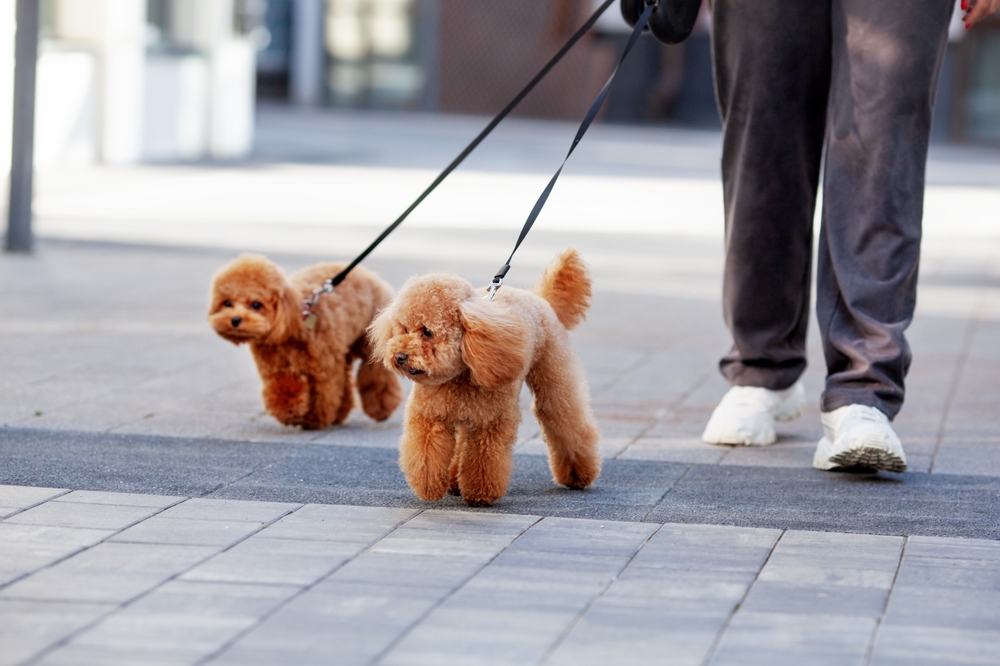
Daily movement isn’t optional for most dogs—it’s one of the simplest ways to keep them physically healthy and emotionally stable. Regular exercise helps maintain a healthy weight, supports cardiovascular function, and can reduce behavioral issues that come from boredom or pent-up energy. The key is matching the activity to the breed and personality, because not every dog wants a 10-mile hike. Some dogs need a sprint, some need a sniffari, and some need exactly twelve minutes before collapsing dramatically on the couch.
Exercise also works best when it’s interactive, not just “walk and scroll your phone while they pee.” Tossing a ball, playing tug, practicing recall, or doing a little agility at the park gives them both physical and mental stimulation. Those little brain sparks matter, especially for smart breeds that get destructive when their day is too empty. Think of it as preventative care for their nervous system. A dog who gets real movement is usually calmer, happier, and less likely to rearrange your house out of spite.
3. They Need Regular Vet Visits (Because Prevention Is Everything)

Your dog doesn’t want to go to the vet, you don’t want to pay for the vet, and yet: the vet is non-negotiable. Regular checkups catch problems early—before a small issue turns into a high-drama emergency with a bill that makes you consider selling furniture. The American Veterinary Medical Association’s preventive care guidelines emphasize at least annual wellness exams for adult dogs, with more frequent visits for puppies and seniors. These appointments keep vaccines current, monitor weight and mobility, and create a paper trail of your dog’s baseline health.
At home, you’re basically the first line of detection, so staying observant matters. If you notice unusual scratching, funky breath, new lumps, weird eye discharge, ear odor, or subtle changes in appetite, take it seriously. A lot of “minor” symptoms are early clues that something’s off. The vet visit isn’t just shots—it’s partnership. And the more consistent the care, the more your dog gets to stay comfortable and thriving instead of quietly suffering.
4. They Need Mental Enrichment (Not Just A Walk Around The Block)
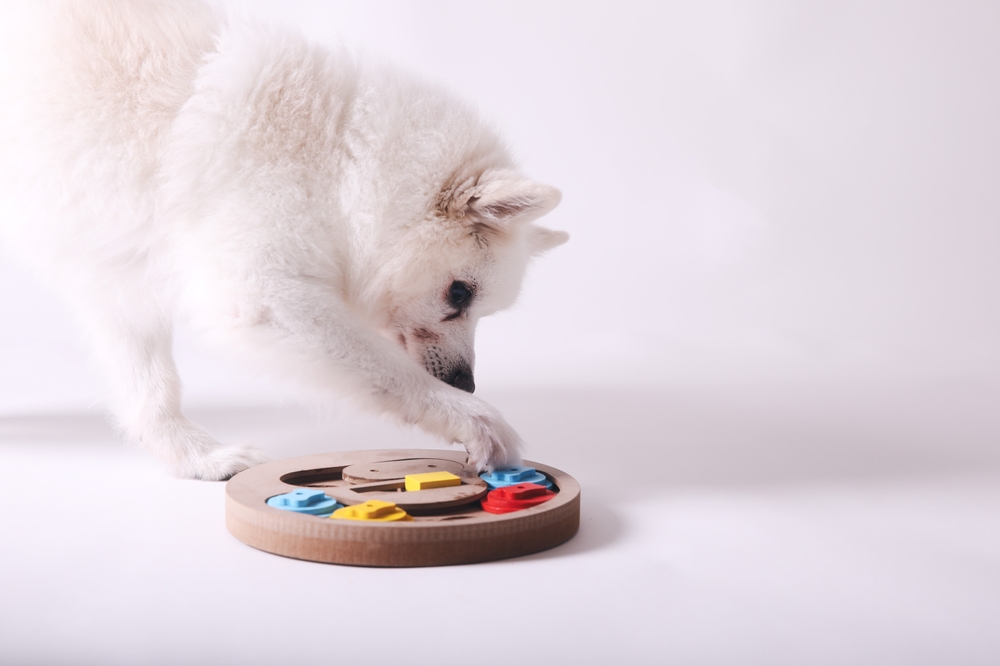
Dogs don’t just need to move—they need to think. Mental stimulation keeps them from spiraling into boredom behaviors, like chewing furniture, barking at shadows, or acting like they’ve been abandoned when you’re literally in the next room. Puzzle toys, training games, scent work, and “find it” challenges tap into their natural instincts and make them feel competent. Even five minutes of learning a new trick can tire out a dog in a way a quick walk sometimes can’t.
Variety is everything, because predictability can make life feel stale for an animal whose brain is built to explore. Rotate toys so they feel new again, switch up walking routes, and let them sniff more than you think is necessary because sniffing is like reading the news for dogs. Enrichment also strengthens your relationship, because dogs love having a “job” with you. When their minds feel engaged, their nervous systems settle. You don’t just get a better-behaved dog—you get a happier one.
5. They Need A Social Life (Because Isolation Can Create Fear And Reactivity)
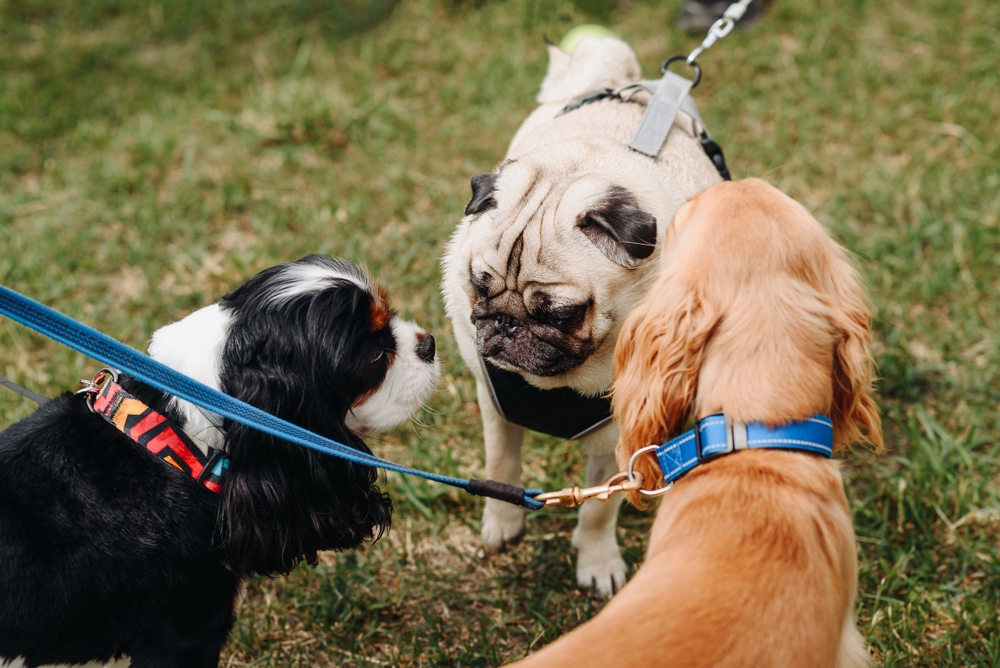
A socially healthy dog isn’t automatically a dog who loves everyone—it’s a dog who feels safe in the world. Socialization is about exposure to people, noises, environments, and other animals in ways that build confidence instead of fear. The ASPCA’s behavioral guidance emphasizes that proper socialization can reduce the likelihood of fear-based aggression and reactivity later. That doesn’t mean throwing your dog into chaotic situations—it means gradual, positive experiences that teach them, “I can handle this.”
Even adult dogs benefit from continued social exposure, especially if they’re naturally nervous or easily overstimulated. Playdates with compatible dogs, calm park visits, or dog-friendly errands can help them practice being steady in real-world environments. Social time also gives them emotional texture—dogs, like humans, do better when their lives aren’t just the same three rooms and the same two people forever. The goal isn’t perfection; it’s adaptability. A dog who feels socially secure is usually less anxious, less reactive, and more relaxed at home too.
6. They Need A Grooming Routine (It’s Health Care, Not Vanity)
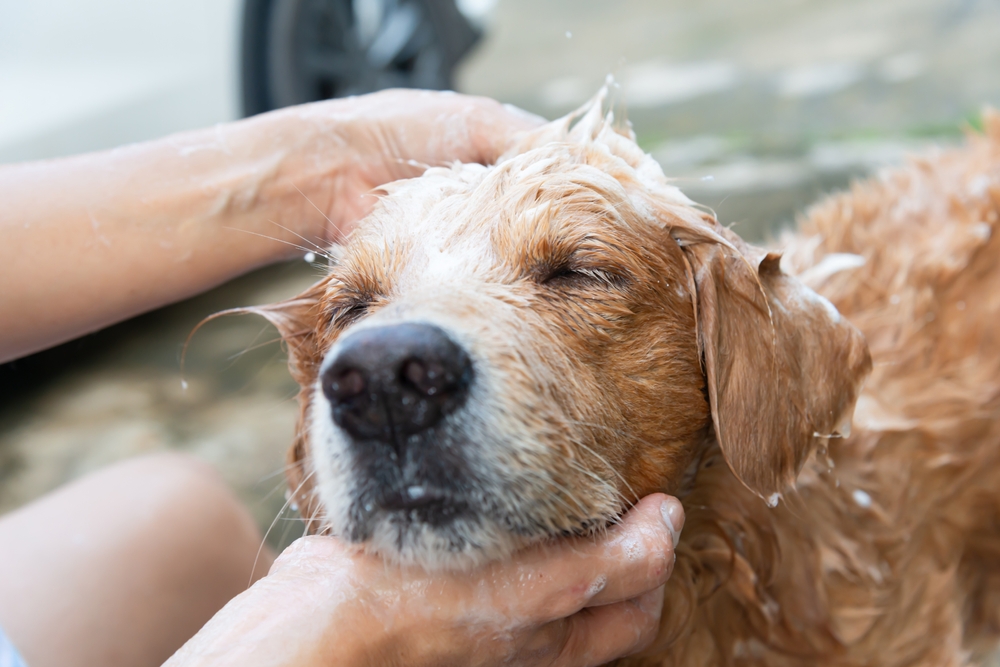
Grooming isn’t just about making your dog look like they’re ready for a holiday card. It’s one of the easiest ways to prevent skin infections, catch parasites early, and notice changes like lumps, rashes, or tenderness before they escalate. Brushing reduces matting and helps distribute natural oils, which keeps the coat healthy and comfortable. It also helps you see what’s happening under the fur, which matters more than people realize.
Bathing is useful, but not always the answer—too much can strip oils and irritate skin, especially for dogs prone to allergies. Use dog-specific shampoo, and tailor the routine to your dog’s coat type and lifestyle. Nails matter too, because long nails can change posture and contribute to joint pain over time. The more regularly you groom, the less stressful it becomes for both of you. And the bonus is you get a dog who smells less like “mysterious outside things.”
7. Their Dental Health Matters (Yes, You Actually Have To Think About It)
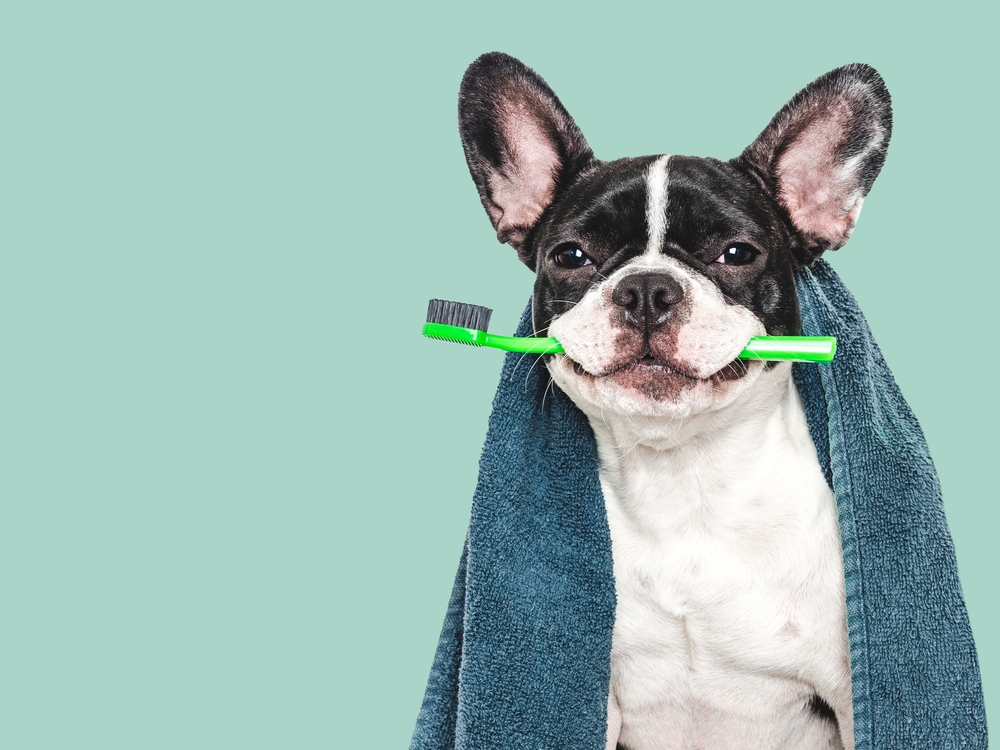
Dog dental health is one of those things people ignore until the breath becomes a crime scene. Oral disease doesn’t just affect teeth—it can impact the heart, kidneys, and overall inflammation in the body if bacteria spreads. Brushing with dog-safe toothpaste a few times a week can reduce plaque buildup and protect gums, and it’s more effective than most people assume. Dental chews and toys can help too, but they don’t replace brushing if your dog is prone to buildup.
Look for signs like bad breath, inflamed gums, drooling, pawing at the mouth, or suddenly chewing weirdly. Ask your vet about professional cleanings if your dog has visible tartar or ongoing gum issues. Dental care is one of those boring habits that can quietly extend quality of life. Dogs with painful mouths become less playful, more irritable, and sometimes less interested in eating. A clean mouth isn’t just “nice”—it’s comfort, health, and longevity.
8. They Need Hydration (Because Water Affects Literally Everything)
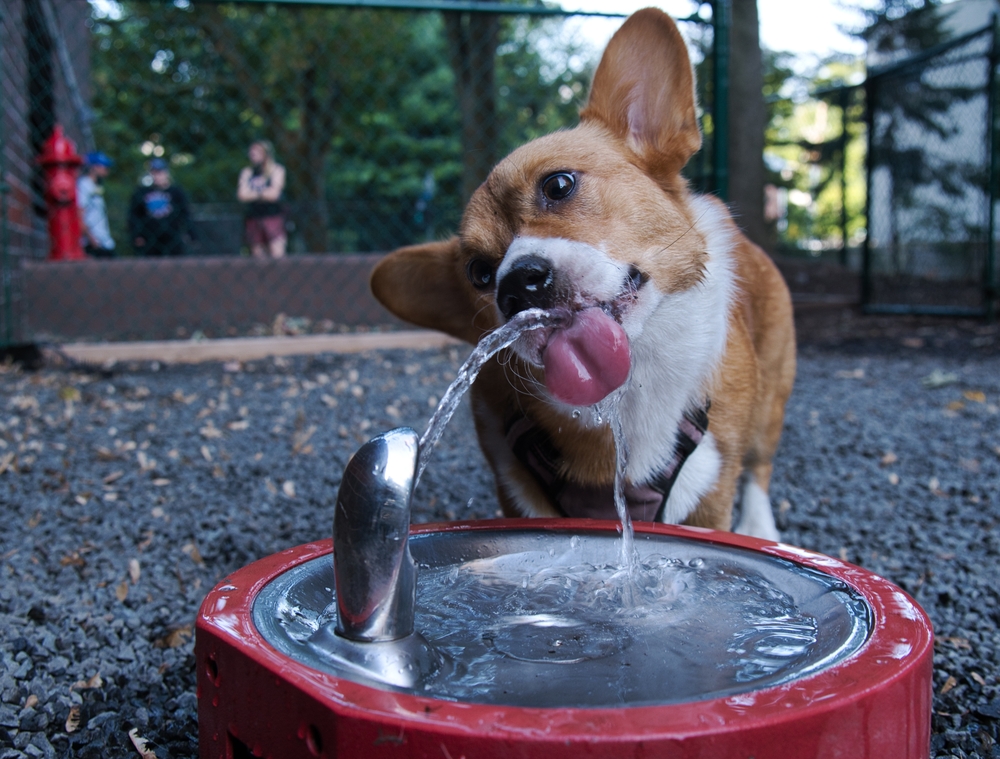
Hydration is one of the most basic health factors and also one of the easiest to overlook. Water supports digestion, circulation, temperature regulation, and kidney function, and dogs need steady access to fresh water at all times. If you notice your dog suddenly drinking way more or way less, that’s not just a quirk—it can be a clue that something is off. Dehydration can happen faster than people realize, especially in hot weather or after heavy activity.
If your dog is picky about drinking, try a pet fountain, multiple water stations, or adding a splash of low-sodium broth to encourage intake. Hydration can also help prevent urinary issues, especially for dogs prone to bladder discomfort. Pay attention to water bowls in multi-pet homes too, because some dogs avoid drinking if a dominant pet guards the area. The goal is simple: water should be easy, clean, and always available. Your dog can’t tell you they’re slightly dehydrated—but their body will show it.
9. They Need A Safe Space (Because Dogs Get Overstimulated Too)

Every dog needs a zone that belongs to them, especially in a house with noise, visitors, kids, or constant movement. A safe space isn’t about isolation—it’s about emotional regulation. Think of it as their nervous system reset button, a place where nothing demands anything from them. When dogs don’t have a place to retreat, stress can build and spill out as anxiety behaviors, irritability, or hypervigilance.
Make the space comfortable, predictable, and free from chaos. Soft bedding, familiar toys, and calm lighting help, but what matters most is that everyone respects it as “their spot.” This is especially important during storms, fireworks, parties, or when new people enter the home. Some dogs prefer crates, some prefer a quiet corner, and some prefer being under a desk like a tiny anxious intern. When dogs feel secure, they cope better—and they behave better too.
10. They Need A Routine (Consistency Helps Them Feel Safe)
Dogs thrive on predictability more than most humans want to admit. Regular meal times, walks, play, and sleep help reduce anxiety because your dog knows what’s coming next. Routine can also improve training, reduce accidents, and prevent certain behavioral issues caused by uncertainty. When their environment feels stable, their nervous system relaxes.
That said, routine doesn’t mean boredom. Keep core anchors consistent, but vary little things like walk routes, games, and enrichment so their world still feels interesting. If your schedule changes suddenly, try to keep at least one predictable daily ritual—like a morning walk or evening cuddle—so they have emotional continuity. Dogs don’t need perfection, but they do need stability. Consistency is one of the most underrated forms of love.
11. They Need Stress Management (Because Dogs Can Carry Anxiety)
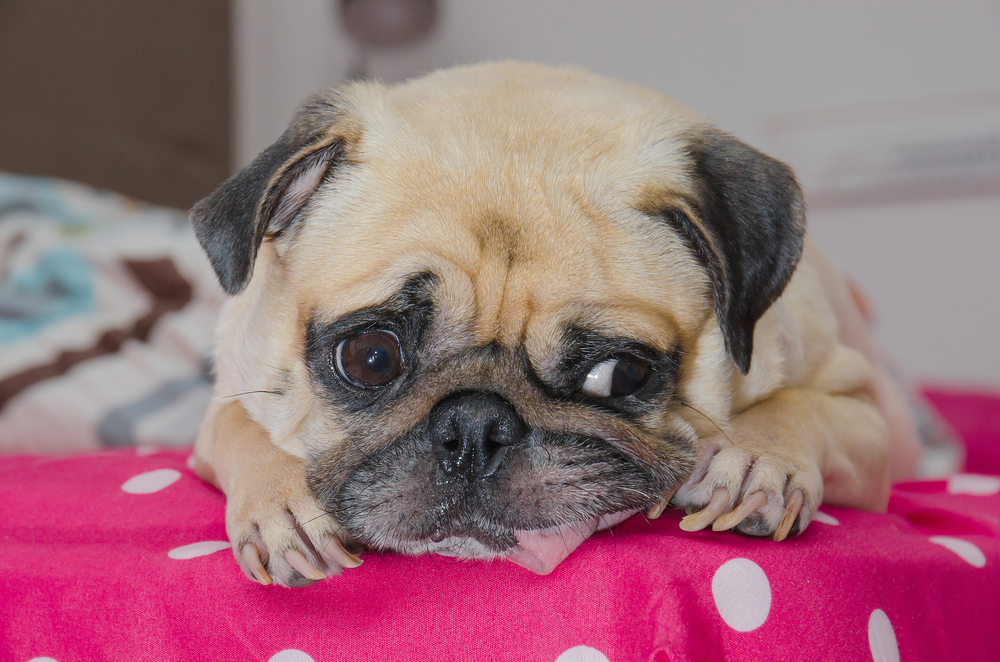
Dogs experience stress in ways that can be subtle, and if you miss the signs, it can build into bigger behavioral or health problems. Common stress signals include excessive licking, yawning, pacing, sudden reactivity, avoiding touch, or going unusually quiet. Sometimes people interpret these as “bad behavior,” when it’s actually a nervous system overload. The first step is noticing patterns—what triggers it, how long it lasts, and whether it’s getting worse.
Stress relief can look like exercise, enrichment, calm routines, soothing music, or creating more space from triggers. Some dogs benefit from anxiety wraps, calming pheromones, or training plans designed specifically for fear responses. If stress seems constant or intense, a vet visit matters because pain, allergies, or hormonal issues can mimic anxiety. Emotional health is health, full stop. A dog who feels safe behaves differently than a dog who feels constantly on edge.
12. They Need Their Vaccinations (Because Prevention Is Cheaper Than Crisis)
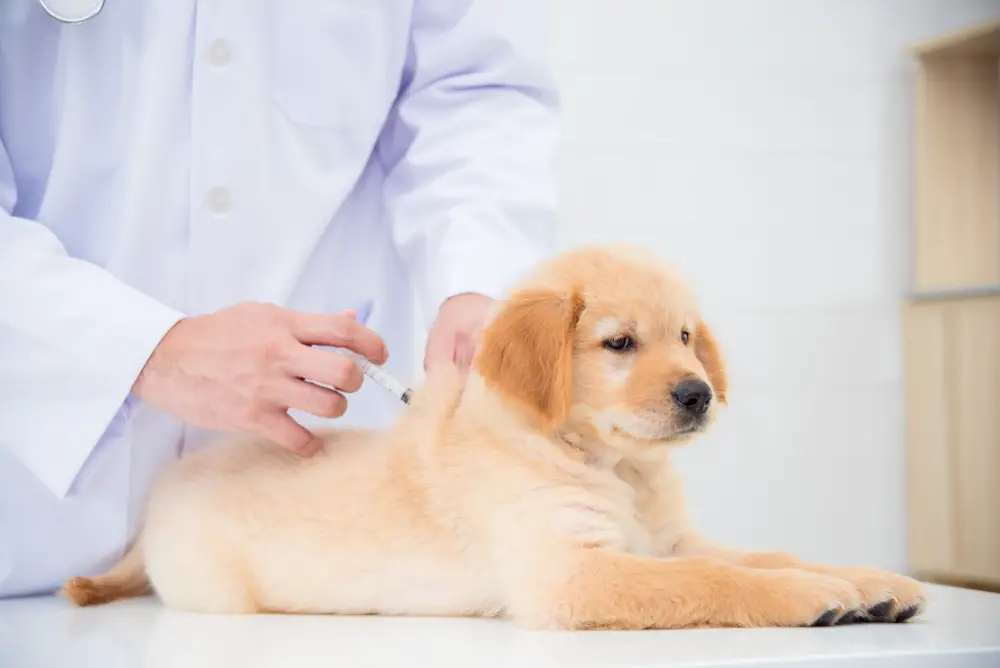
Vaccinations are one of the most basic parts of keeping a dog healthy, and they matter even if your dog is mostly indoors. Core vaccines protect against serious illnesses like rabies, distemper, and parvovirus, and these diseases can be devastating. Staying up to date also protects other dogs in your community, especially puppies and immunocompromised pets. If your dog goes to parks, grooming, boarding, or daycare, vaccines aren’t optional—they’re part of responsible pet ownership.
Beyond the core vaccines, lifestyle vaccines may matter depending on where you live and what your dog does. Dogs who hike, swim, travel, or interact with wildlife may need additional protection like leptospirosis coverage. Your vet can help tailor a schedule based on risk rather than just habit. Preventive care isn’t glamorous, but it is effective. A vaccinated dog gets to live bigger, freer, safer.
13. They Need To Maintain A Healthy Weight (And Treats Add Up Fast)
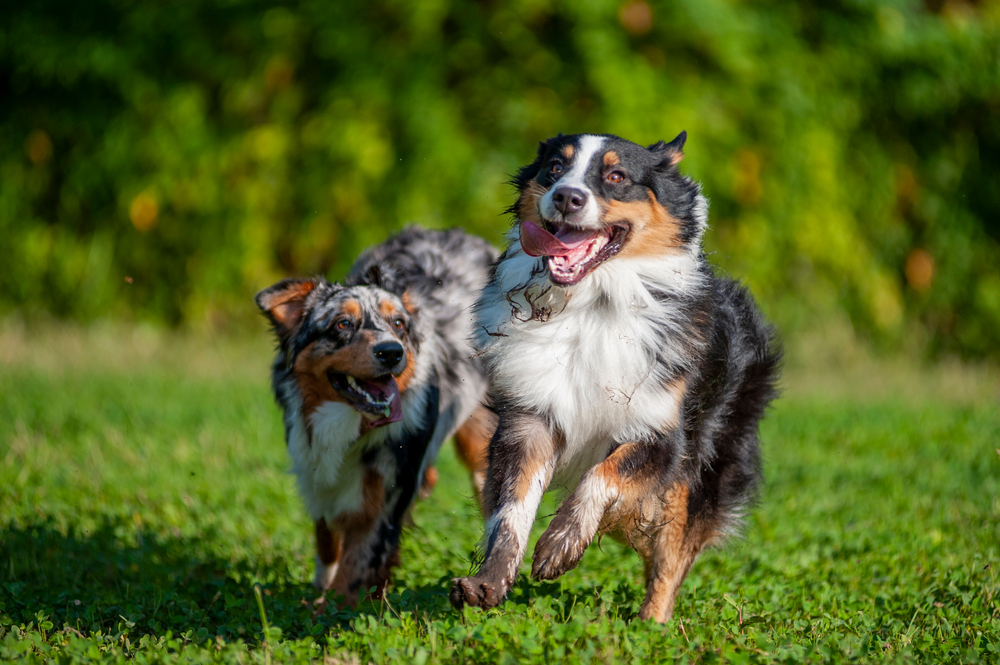
Weight affects everything—joints, energy, mobility, heart health, and longevity. Obesity in dogs isn’t just aesthetic; it’s a serious risk factor for diabetes, arthritis, and chronic inflammation that quietly erodes quality of life. Regular weigh-ins and a quick body condition check make a huge difference. If your dog is gaining weight, it’s easier to adjust early than to undo it later.
Treats are usually the biggest culprit because people underestimate how calorie-dense they are. Table scraps can also cause weight gain and throw off nutrition, even if it’s “just a bite.” A good trick is using part of your dog’s daily kibble as training rewards so treats don’t become bonus calories. Weight management is kindness, not deprivation. A lighter dog often moves more easily, plays longer, and hurts less.
14. They Have Emotional Needs (And You Can’t Ignore Those)
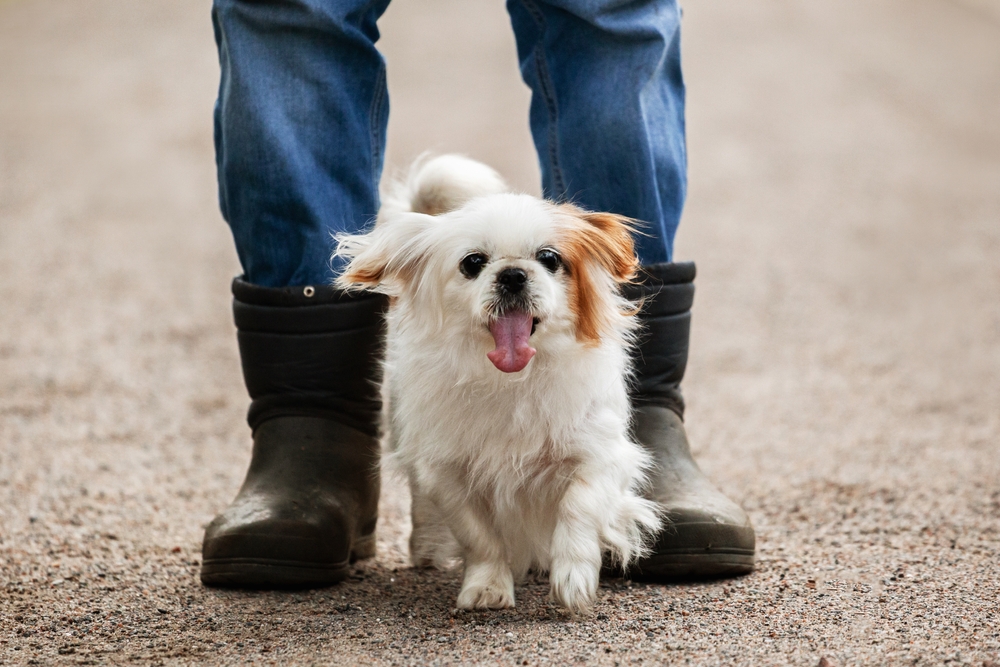
Dogs aren’t just bodies with fur—they’re emotional beings with attachment needs, preferences, and sensitivity to your environment. They notice tone, conflict, stress, routines, and changes in the house more than most people realize. When a dog is acting “off,” it’s not always stubbornness; sometimes it’s emotional discomfort. Paying attention to their signals helps you respond with care instead of frustration.
This is where observation becomes your superpower: appetite shifts, clinginess, avoidance, restlessness, or sudden fear can all be emotional clues. If something changes in the household—new baby, travel, breakup, job stress—your dog may react even if you think you’re hiding it well. Consistent comfort, training, and reassurance help them stay regulated. Emotional care also strengthens trust, which improves behavior naturally.
15. They Need Love And Affection (And Yes, It’s Survival-Level Important)
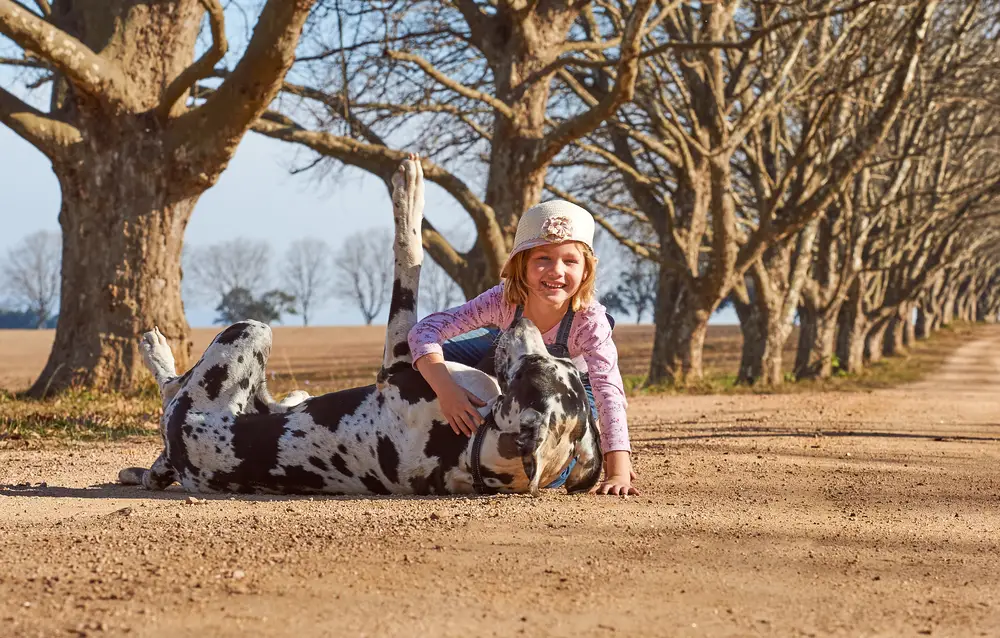
Love isn’t fluff—it’s a real part of a dog’s wellbeing. Dogs are social animals who thrive on connection, presence, touch, and positive interaction. Your dog doesn’t just want food; they want you, and they want the reassurance that they belong. Cuddles, play, attention, and calm companionship are what make their life feel secure.
Affection also supports training, socialization, and stress resilience. A dog who trusts you learns faster, calms down quicker, and feels safer in unfamiliar situations. Even short moments—sitting together, a few minutes of play, a gentle pat—build emotional security over time. Love is the invisible routine that holds everything together. And your dog absolutely feels it, even if they can’t say it.