
Humans like to think facial recognition is our special trick, but the animal kingdom quietly does it too — often with far better emotional memory attached. For many species, recognizing a human face isn’t just about survival; it’s about trust, threat assessment, and long-term social bonding. Scientists have found that some animals don’t just remember what you look like, they remember how you treated them, sometimes for years or even decades. These animals don’t forget a face easily — and once you make an impression, it tends to stick.
1. Monkeys
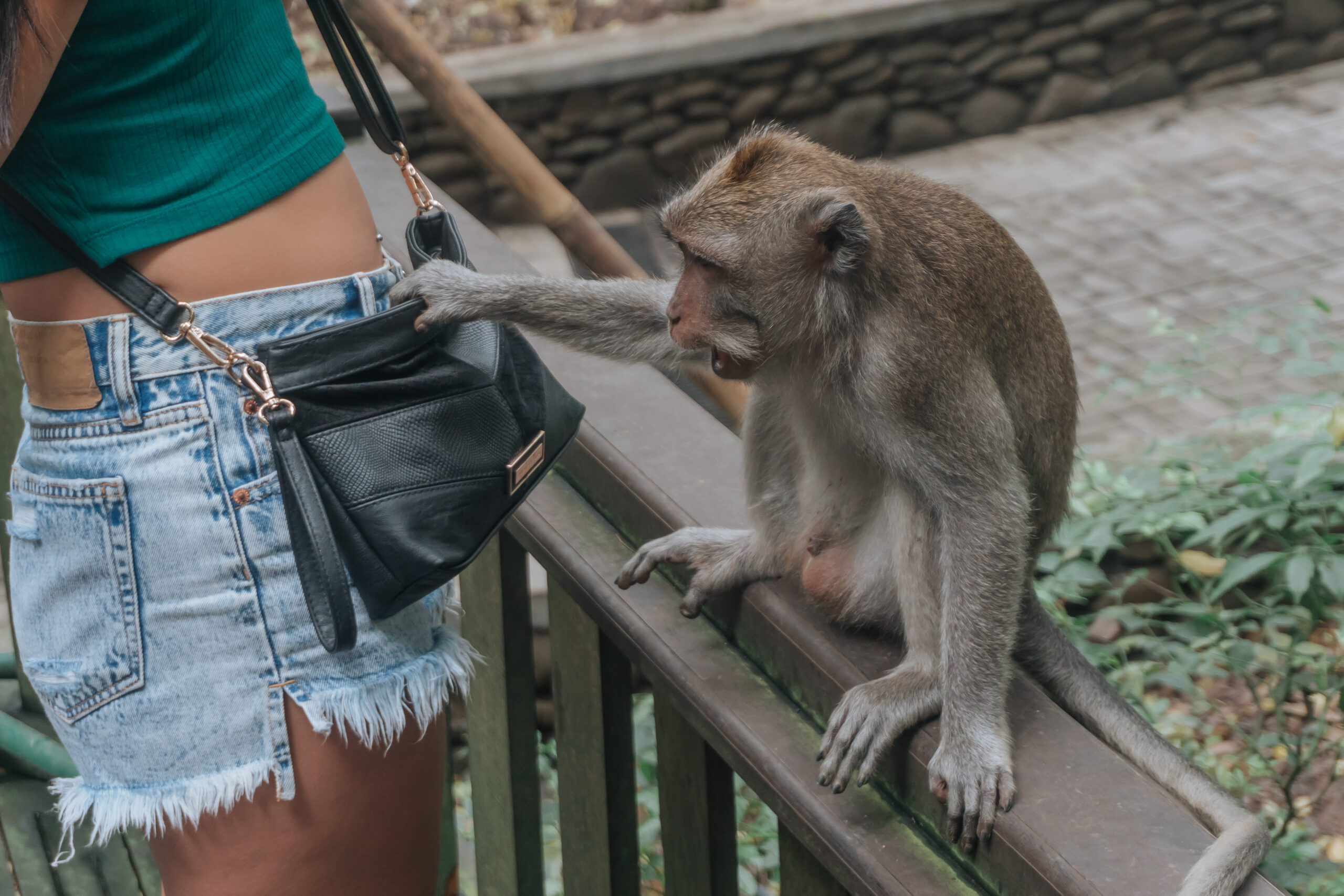
Primates are experts at facial recognition, including recognizing individual humans. Monkeys remember faces associated with food, threats, or social hierarchy. They can recognize humans from photographs alone.
Their memory is deeply social and emotional. Monkeys don’t just remember what you look like — they remember where you stand. In their world, faces are data. And they store it carefully.
2. Elephants
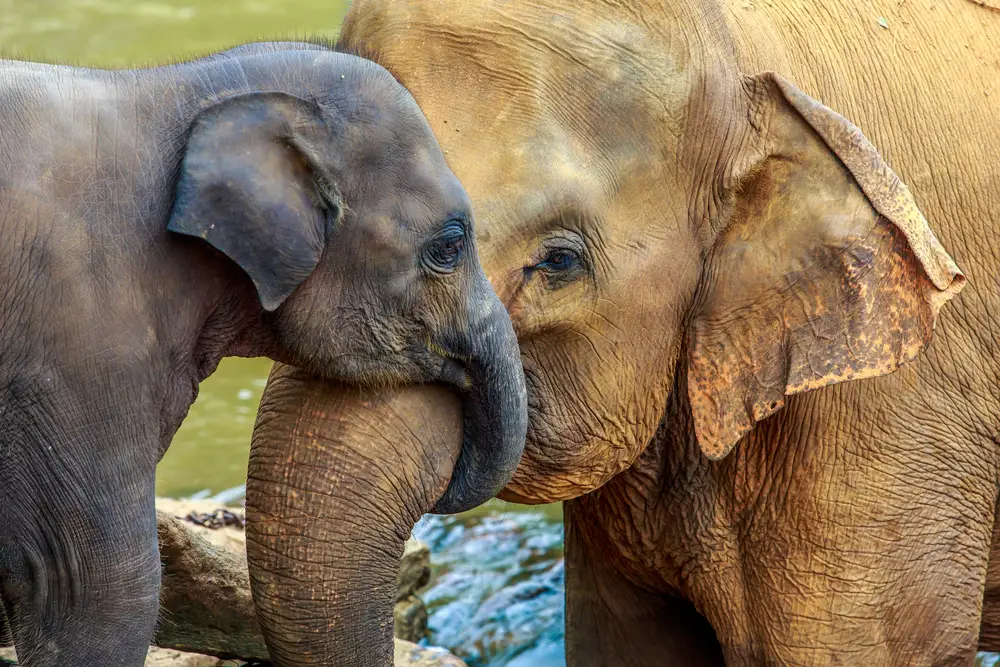
Elephants have extraordinary long-term memory, including the ability to recognize individual humans after years of separation. Conservationists have documented elephants exhibiting emotional responses to former caretakers decades later. Their facial recognition is paired with scent, voice, and emotional memory.
Elephants don’t just recognize faces — they remember context. They can distinguish between humans who pose threats and those who don’t, even across different clothing or environments. This ability helps them survive in regions where human behavior varies wildly. When an elephant remembers you, it’s usually for life.
3. Dogs
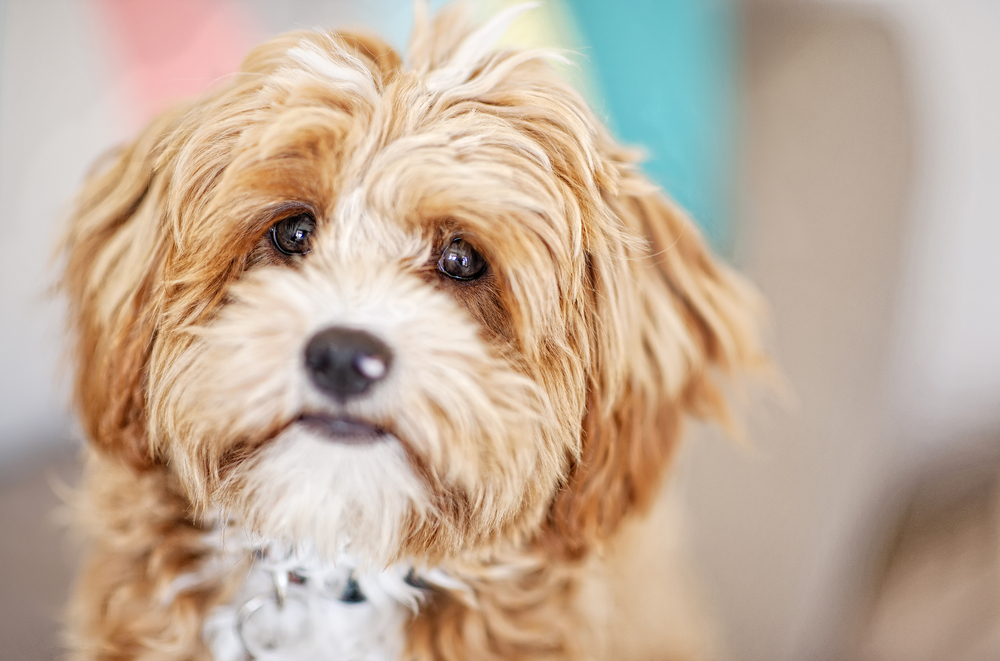
Dogs are exceptional at recognizing human faces, especially those tied to emotional experiences. Brain imaging studies have shown that dogs have specialized neural regions that respond to human facial features. They don’t just recognize owners — they remember strangers who were kind or cruel.
Research published in Behavioral Processes found that dogs could remember a person who refused to help them even after long delays. Dogs combine facial recognition with vocal tone and emotional cues. That’s why a dog can warm up instantly to someone they haven’t seen in years. Or freeze when someone from a bad memory reappears.
4. Horses
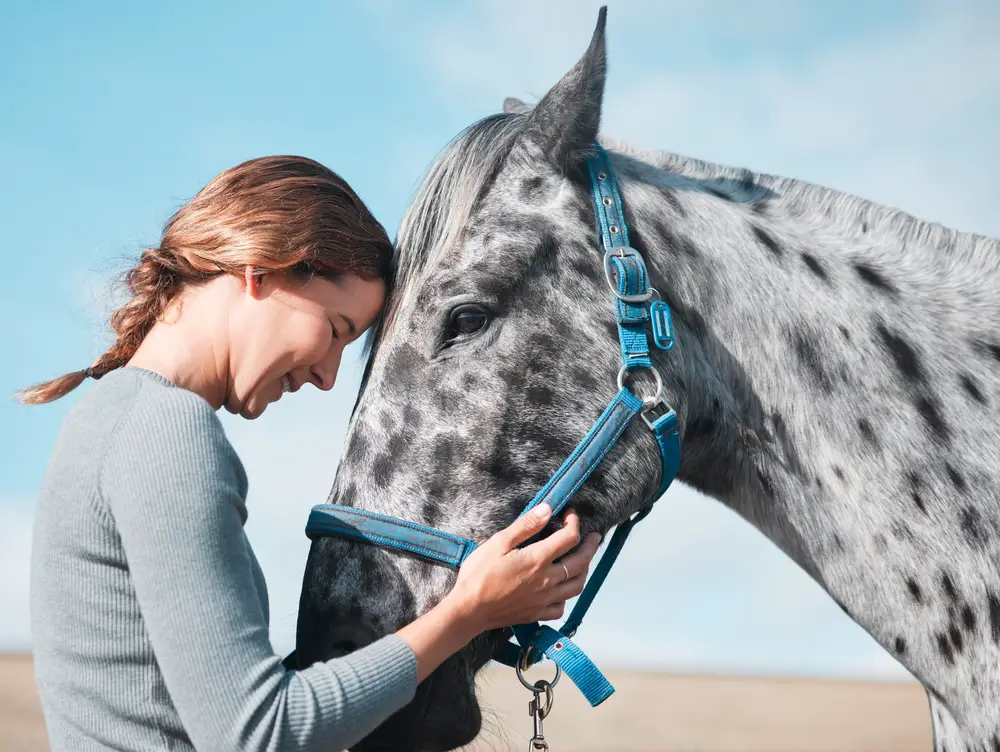
Horses are highly attuned to human facial expressions and can remember individual people long after direct contact ends. Studies show that they respond differently to human photographs depending on prior interactions. Horses remember who handled them gently — and who didn’t.
They also communicate those impressions socially. A horse that distrusts a person may show subtle body cues to others in the herd. This memory helps them navigate a world where humans can be unpredictable. With horses, reputation really matters.
5. Dolphins
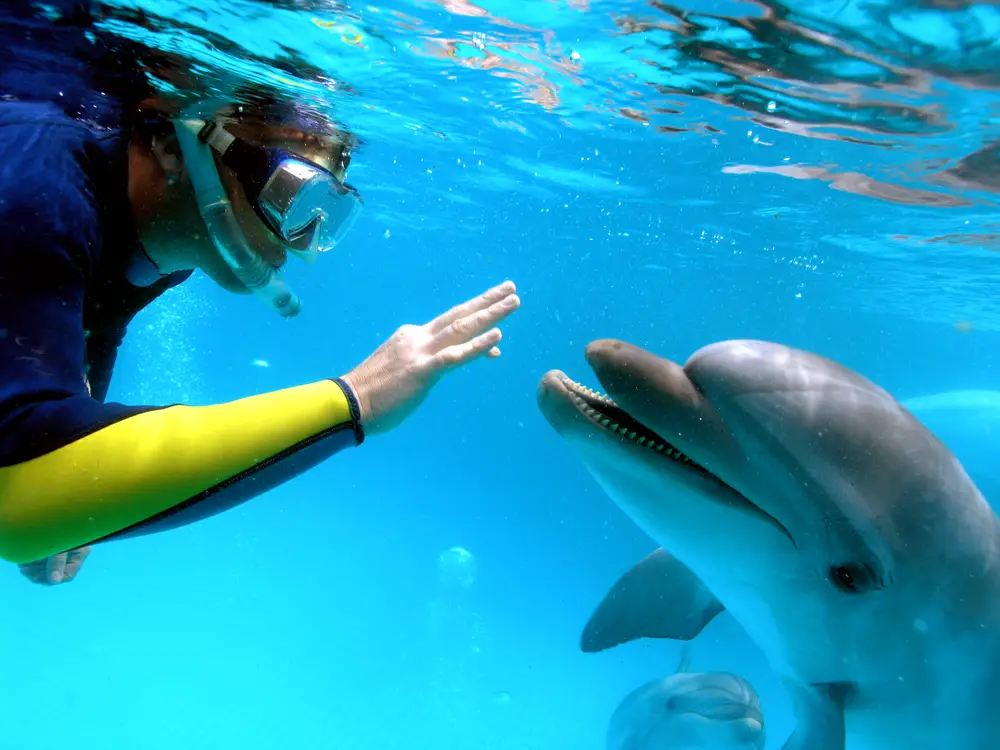
Dolphins possess advanced cognitive abilities, including long-term social memory that can extend for decades. While much research focuses on dolphin-to-dolphin recognition, dolphins also remember individual humans they interact with repeatedly. Trainers and researchers have reported dolphins recognizing people after 20 years apart.
Marine biologists note that dolphins combine facial, vocal, and behavioral memory. They don’t just remember what you look like — they remember how you engaged with them. Positive interactions often lead to playful recognition later. Negative ones can lead to avoidance or defensive behavior.
6. Octopuses
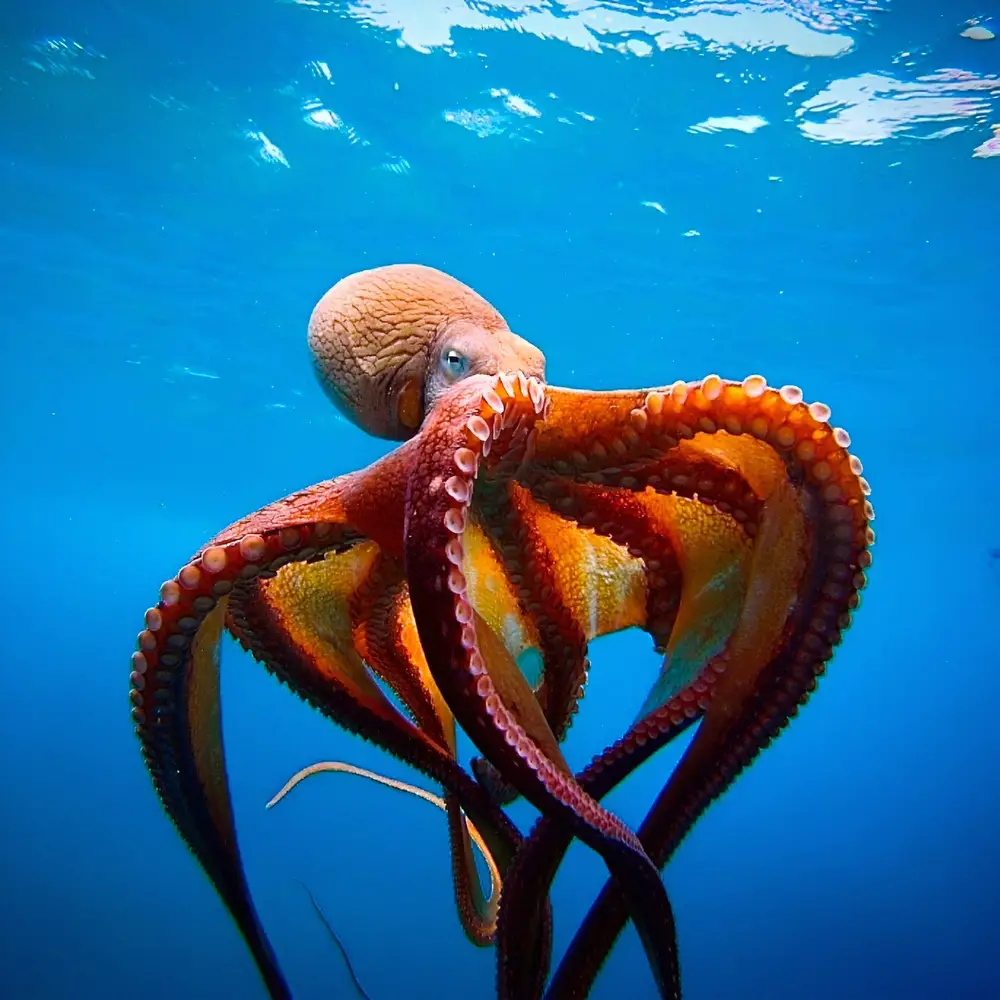
Octopuses can recognize individual humans and respond differently based on past treatment. In lab settings, octopuses showed a clear preference for caregivers who fed them and an avoidance of those who annoyed them. This recognition persisted even when humans changed clothing or environment.
Their intelligence allows them to form mental “profiles” of humans. Octopuses may squirt water at people they dislike. They also approach familiar humans with curiosity. For an animal with such a short lifespan, their memory is impressively personal.
7. Goats
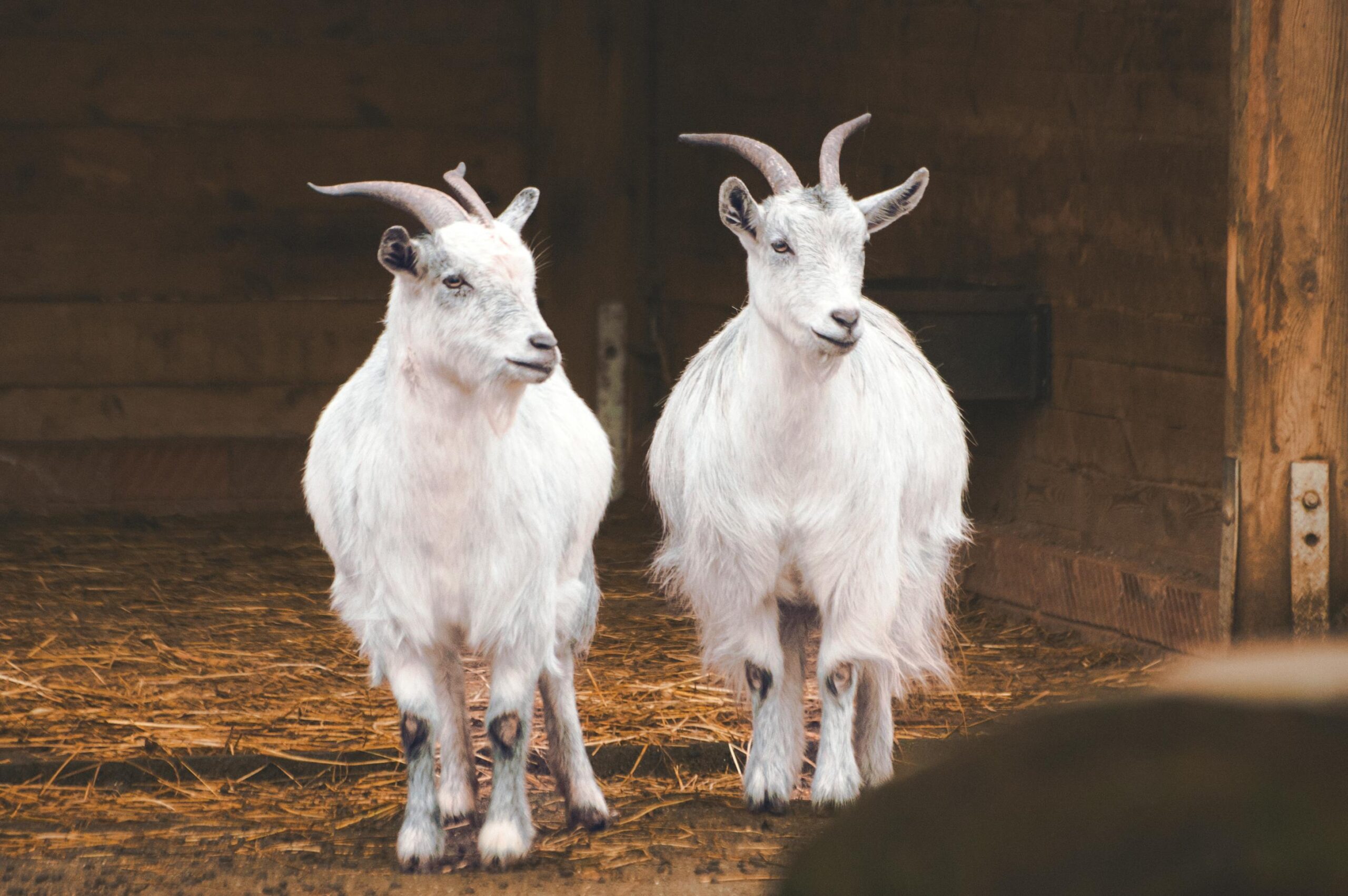
Goats are surprisingly adept at recognizing human faces, both in real life and in photographs. Research from Queen Mary University of London demonstrated that goats could distinguish between familiar and unfamiliar human faces even after months of separation. This ability was once thought to be limited to pets and primates.
Goats associate faces with outcomes like food, safety, or stress. That means farmers and handlers quickly develop reputations. A kind human becomes a preferred presence. A harsh one doesn’t get forgotten.
8. Pigs
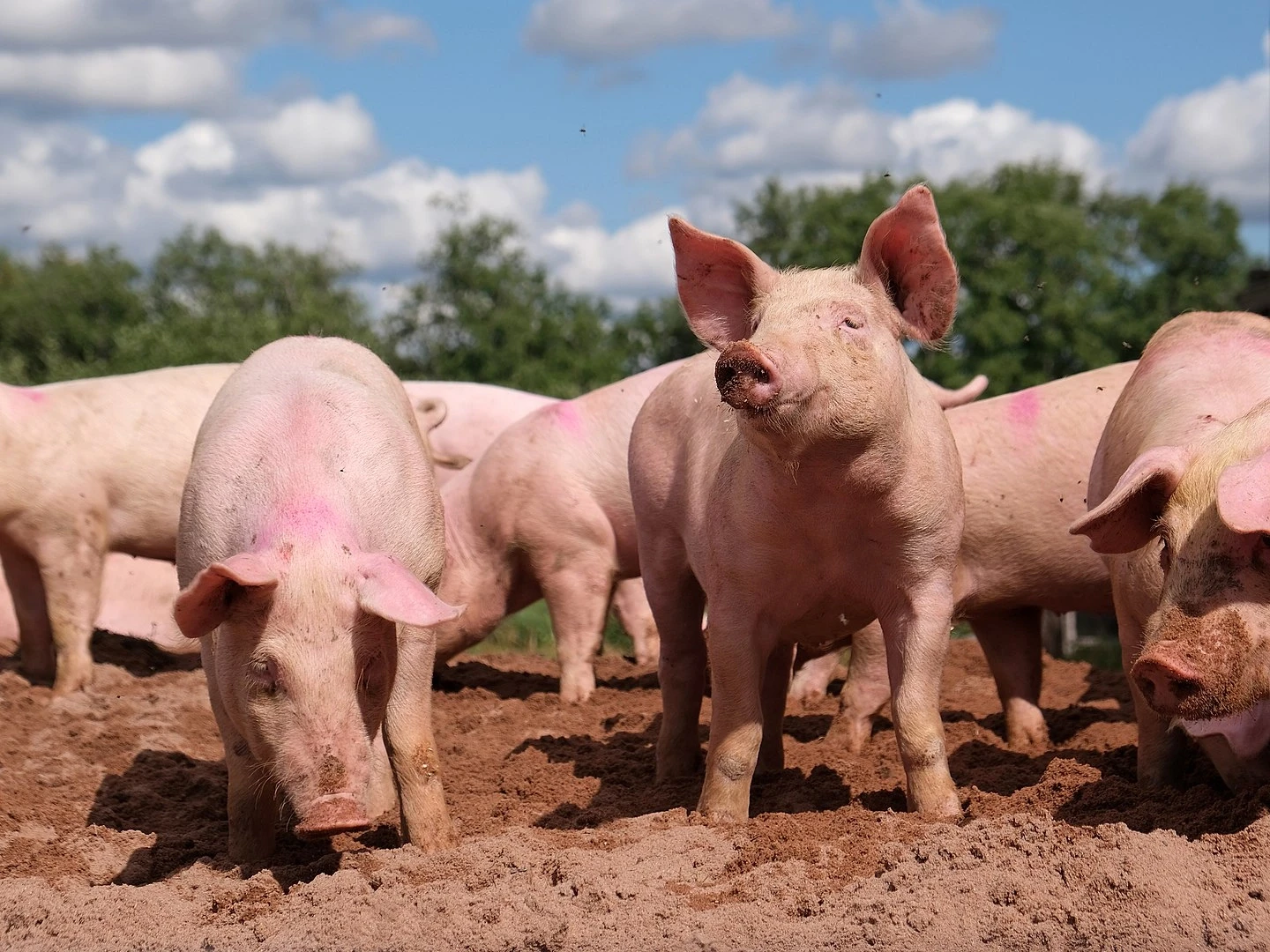
Pigs have strong visual memory and can recognize individual humans over time. They quickly learn which people provide food, enrichment, or stress. Some pigs respond differently to familiar caretakers even after long absences.
Their facial recognition pairs with emotional learning. Pigs are highly social and sensitive to treatment. When they remember a human, it’s often tied to how safe they felt around them. This is part of why pigs thrive on consistency.
9. Cats

Cats readily recognize human faces, though they do so more subtly than dogs. Studies suggest cats rely on a combination of facial features, voice, and scent. They remember humans associated with comfort — and discomfort.
Cats may ignore a remembered human rather than approach them. That doesn’t mean they forgot. It means they made a decision. Cats remember more than they let on.
10. Ravens
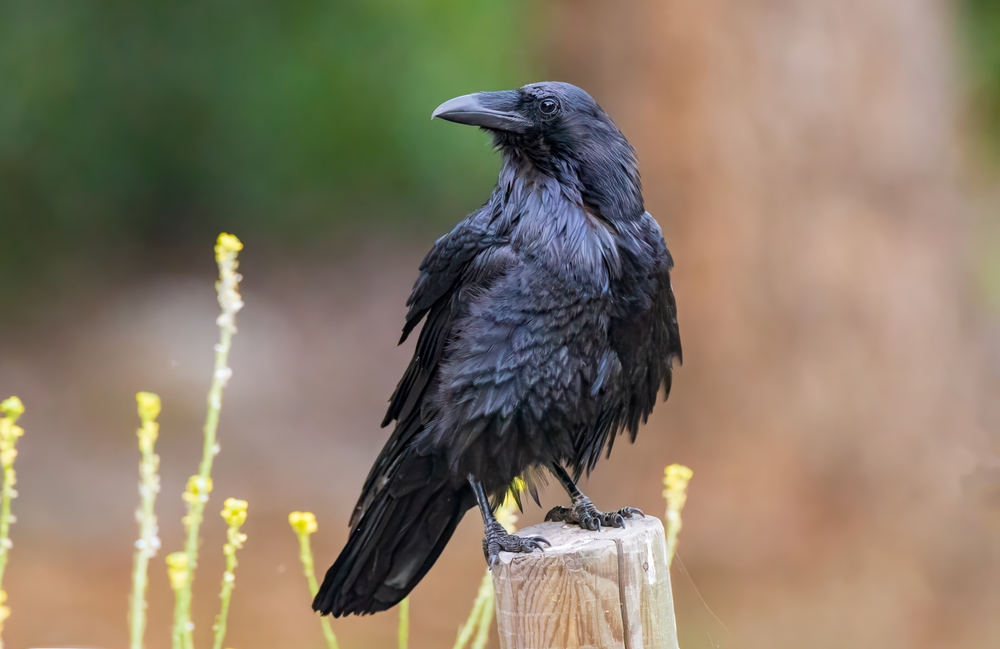
Like crows, ravens are highly skilled at facial recognition with long memories. They remember individual humans who have threatened them and respond aggressively even years later. Ravens also observe and learn from each other’s interactions with humans.
This collective memory makes them incredibly adaptive. A single bad encounter can shape how an entire group responds to a person. Ravens don’t just remember — they strategize. Their intelligence is quietly intimidating.
11. Parrots
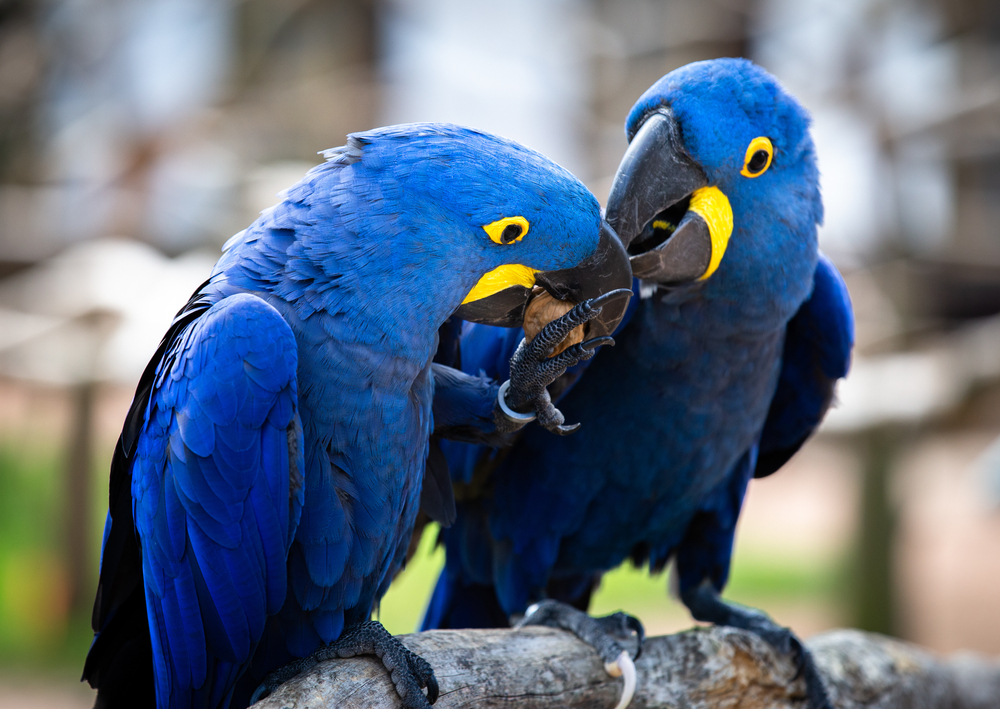
Parrots recognize human faces and associate them with emotional experiences and vocal cues. Many parrots form strong bonds with specific individuals and remember them long after separation. Some react emotionally when reunited after years.
Parrots also remember humans they dislike and may exhibit aggressive behavior toward them. Their memory is tied to trust and attention. Once a parrot forms an opinion, it’s hard to change.
12. Wolves
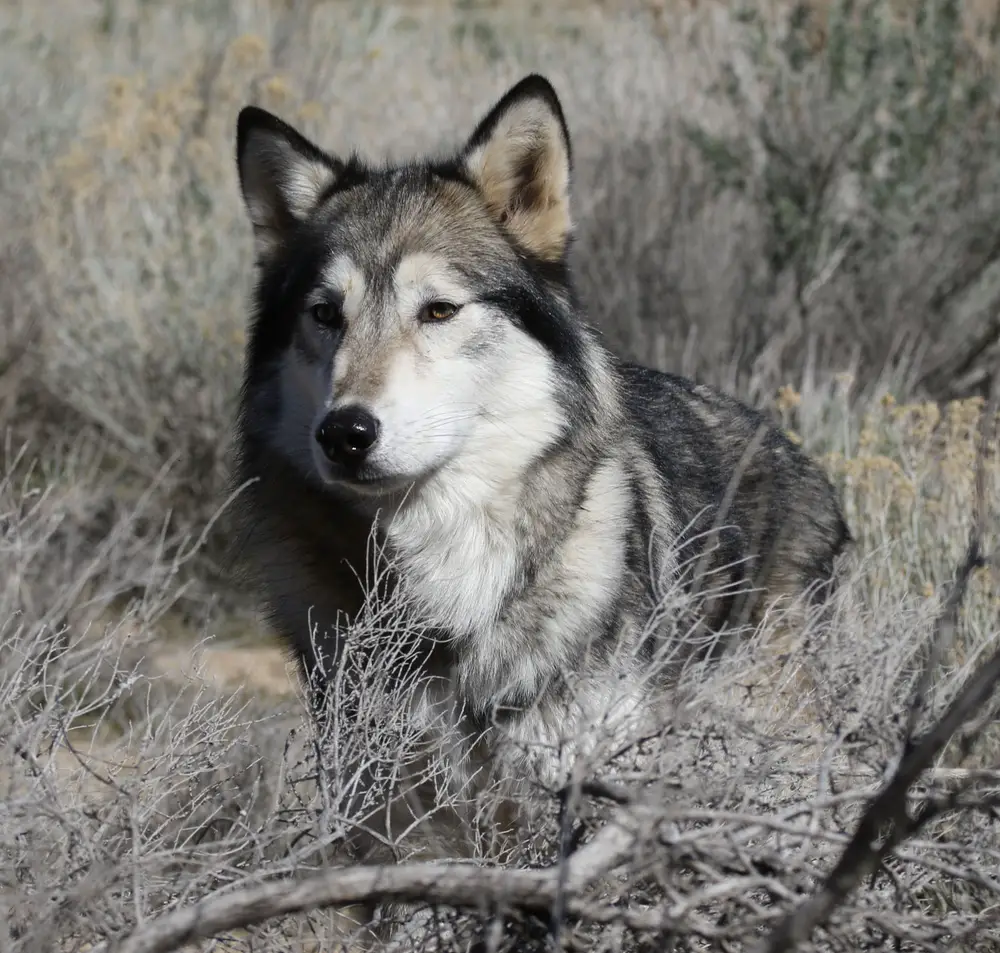
Wolves raised around humans can recognize individual people even after long absences. Their facial recognition supports complex social hierarchies and trust systems. Wolves remember handlers who treated them consistently.
This memory influences how wolves respond to future humans. Calm treatment builds long-term trust. Aggression or fear is remembered just as deeply. Wolves don’t forget who belongs in their social world.
13. Sea Lions
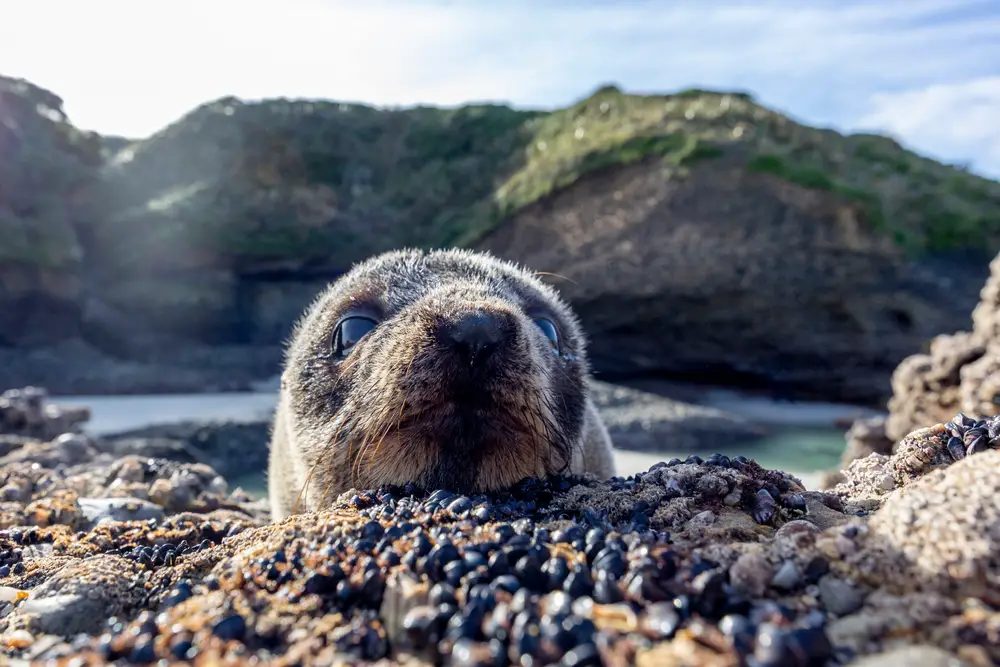
Sea lions can visually recognize individual human trainers and respond to specific individuals during training sessions. Studies show they remember faces, gestures, and routines over long periods. This ability supports complex training and communication.
They also remember who frustrates or rewards them. Sea lions may refuse to cooperate with unfamiliar handlers. Familiar faces bring confidence—trust matters.
14. Cows
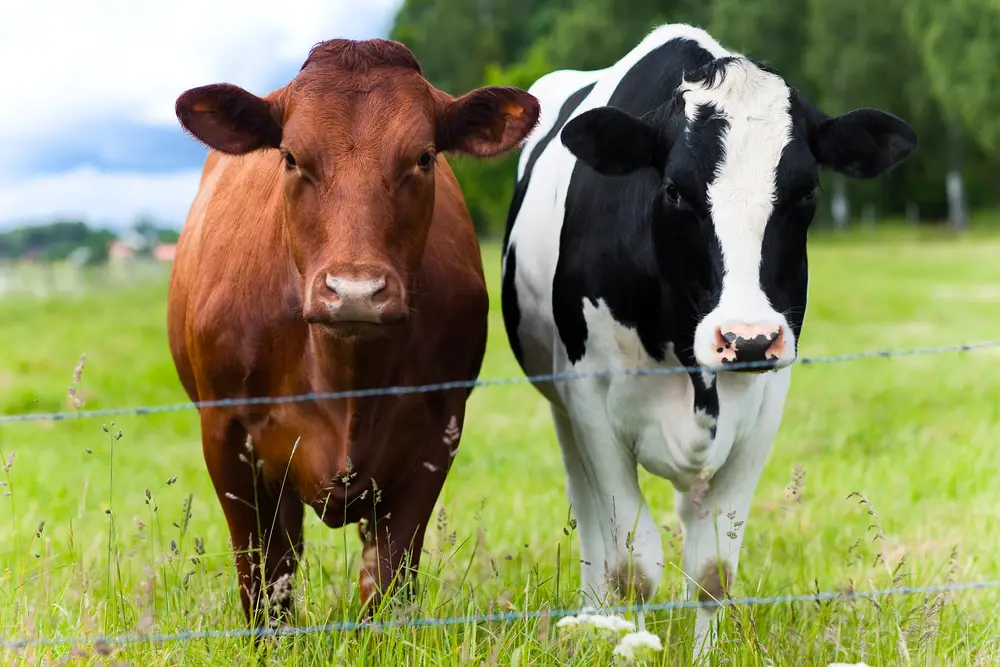
Cows recognize human faces and can differentiate between positive and negative handlers. Research indicates cows experience less stress around familiar, kind humans. They remember these interactions long-term.
This recognition affects milk production and overall welfare. Cows respond emotionally to people they trust. A calm handler isn’t just remembered — they’re preferred. Memory plays a role in herd health.
15. Crows
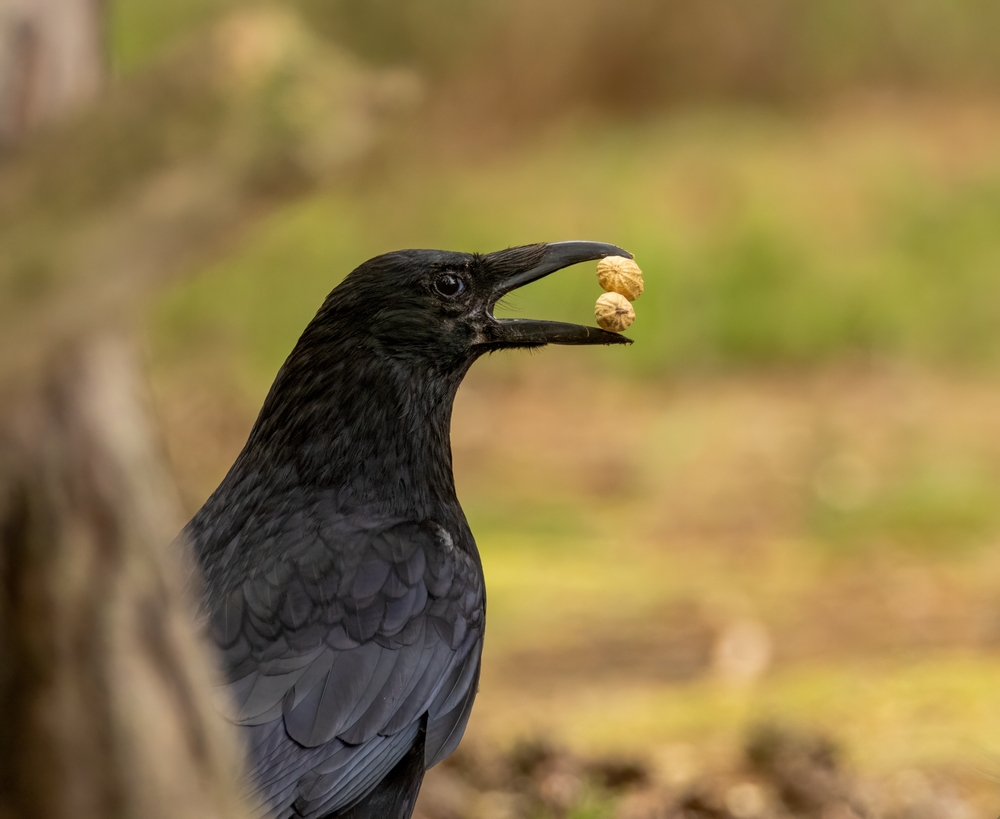
Crows are famous for their uncanny ability to recognize individual human faces, especially those associated with danger or kindness. In multiple long-term studies, researchers found that crows remembered people who threatened them years earlier and responded with alarm calls whenever those individuals reappeared. They don’t just remember faces — they pass that information down to other crows socially.
A landmark University of Washington study showed that crows could remember and react to specific human masks for more than five years. Even crows that never encountered the original “enemy” learned to fear the same face. This means one bad interaction can follow you through generations of birds. If a crow stares at you suspiciously, there may be a very specific reason.