
If the power grid ever fails in a serious, cascading way, it will not affect every state equally. The states that go dark first won’t necessarily be the “worst-run” ones — they’ll be the places where demand spikes fast, extreme weather hits hard, the grid is physically constrained, or backup options are thinner than people realize. And in 2025, that vulnerability is becoming more intense due to hotter summers, stronger storms, rapidly rising electricity demand, and aging infrastructure that is in plain sight. These are the 13 states that would likely feel a major grid failure first — and why.
1. Texas
Texas is uniquely exposed because most of its power runs on the ERCOT grid, which operates largely separate from the rest of the country. That isolation can be politically convenient, but in a crisis, it also means fewer ways to import emergency power when generation fails or demand surges. National reliability assessments have repeatedly flagged Texas as a region where extreme conditions can trigger shortages, especially when cold snaps or heat waves last longer than expected.
Texas also has the added problem of “everything at once” risk: explosive population growth, brutal heat, and storms that can take out transmission lines and fuel supply simultaneously. When the grid is stressed, small failures cascade faster because there’s less outside support to stabilize frequency and supply. Even if the lights eventually come back, the first phase of a major outage would feel immediate and chaotic. And for millions of households that rely on electricity for cooling, medical devices, or water pumping, it stops being an inconvenience and becomes a safety event.
2. California
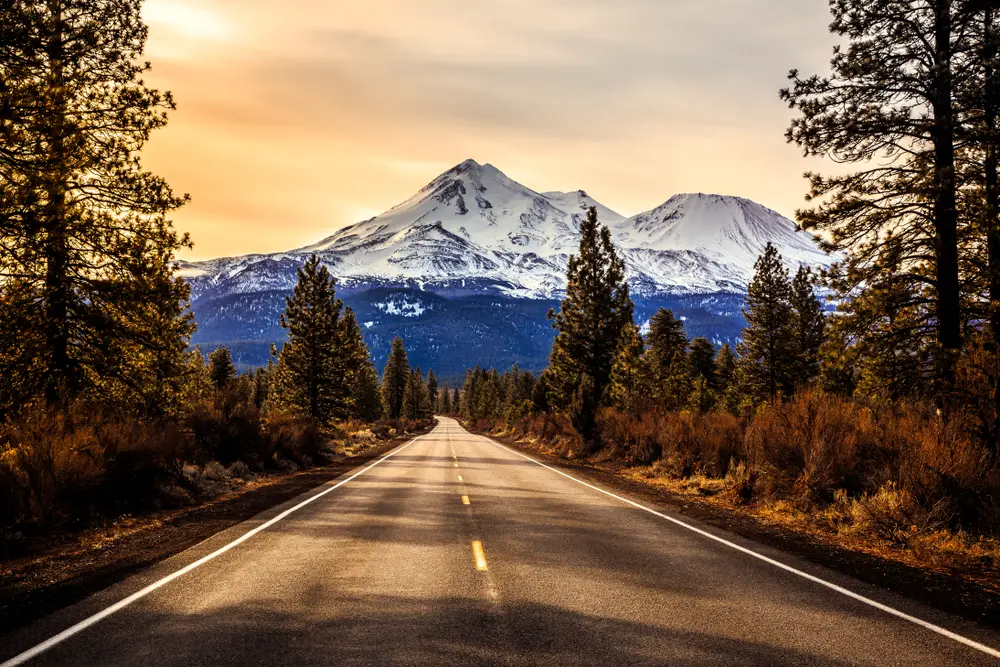
California sits at the intersection of massive electricity demand and constant climate pressure, which is not a relaxing combo. Heat waves drive air-conditioning use into the stratosphere, wildfires threaten transmission corridors, and “public safety power shutoffs” can turn precaution into disruption overnight. Even if California isn’t the first to collapse, it’s one of the first to experience rolling, uneven failures because the system is always juggling extremes.
The deeper issue is that California’s outage risk doesn’t come from one villain — it’s a whole cast. Fires can force utilities to de-energize lines, drought can complicate hydro availability, and high demand can strain local distribution equipment long before the bulk system officially “fails.” When power goes out in California, it often takes critical services with it, because so much daily life is electrified by default. In a nationwide event, California’s size and complexity make restoration slower and more geographically uneven than people expect.
3. Florida
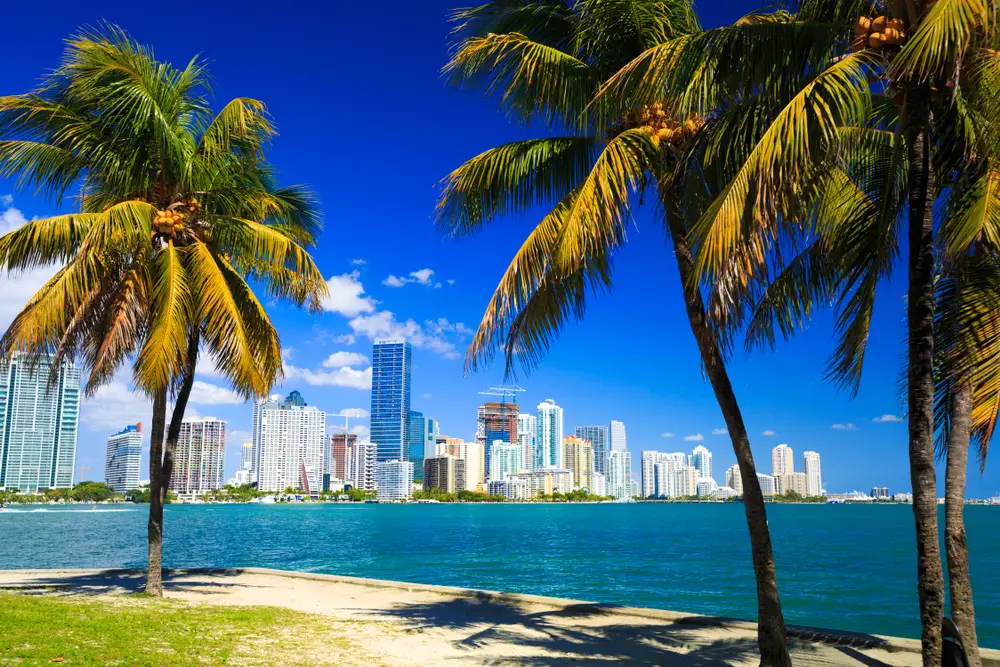
Florida’s grid vulnerability is written into the weather forecast. Hurricanes and severe storms don’t just knock out power — they shred the infrastructure needed to restore it, from poles and substations to fuel logistics and communications. Federal energy reporting has documented how major hurricanes can create widespread outages and ripple effects across multiple states in the Southeast.
Florida also has a “fragility” issue that gets overlooked: a lot of power demand is concentrated in coastal areas that are exposed to storm surge and flooding. Even a strong tropical system can trigger massive outages, and a truly major grid failure would hit Florida hard because restoration crews would be battling damage while demand stays high. Add humid heat, dense population centers, and people depending on electricity for cooling, and the outage becomes a public health crisis fast. It’s the kind of state where the power going out is rarely just about inconvenience.
4. Louisiana
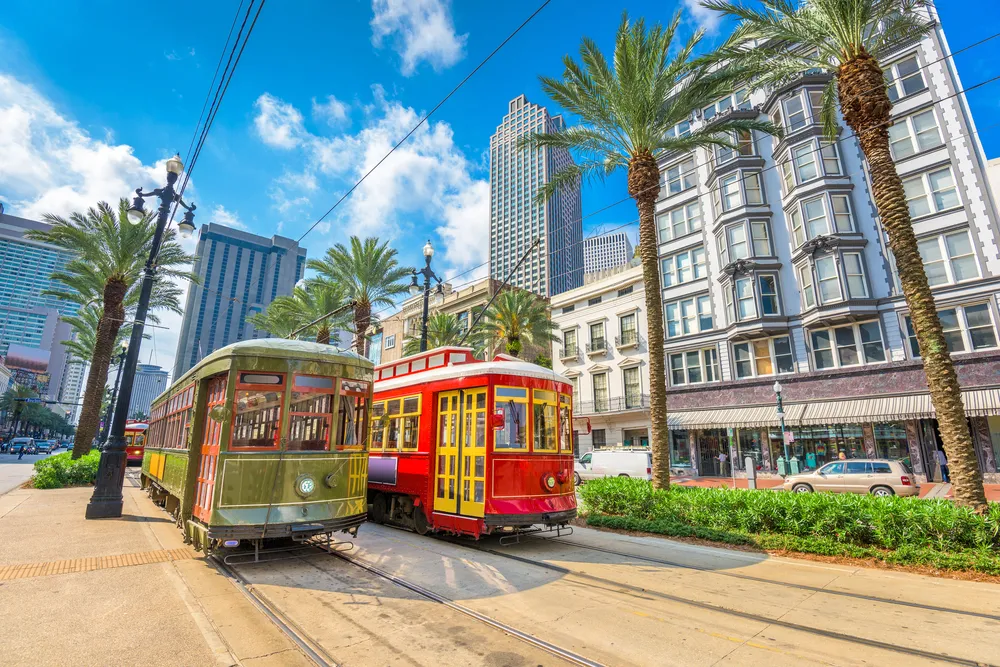
Louisiana gets hit with the one-two punch: hurricane risk plus a critical role in energy infrastructure. When storms take out electricity in Louisiana, they can also disrupt the fuel and logistics systems that help other places recover. Flooding can damage substations, and coastal exposure means even “routine” storms can create prolonged outages.
In a major grid failure, Louisiana’s biggest risk is duration. Power restoration is slower when roads flood, equipment is damaged, and crews can’t safely access infrastructure. Even after the lights return, the after-effects can linger through unstable service, spoiled food, closed businesses, and strained hospitals. The state is also vulnerable to cascading disruptions when power loss intersects with industrial sites, transportation hubs, and emergency response systems. It’s the kind of place where a blackout becomes a multi-system failure.
5. New York

New York is vulnerable because the demand load is huge, dense, and unforgiving, especially around NYC. If the grid fails during a heat wave or cold snap, the city’s vertical living reality becomes a crisis multiplier: elevators, subways, high-rise water pumps, and heating systems can all stall at once. Reliability assessments often highlight how extreme weather and high demand can push certain regions into risk territory when supply margins tighten.
New York also faces a “complicated recovery” problem. Restoring power in dense urban areas can take longer because the distribution network is complex and failures are layered — it’s rarely one clean break. When electricity goes down in a city, people can’t just “wait it out” the way they might in a rural area with a generator and space. The psychological stress rises fast because millions of people are suddenly sharing the same limited options. In a major outage, New York doesn’t just go dark — it goes immobile.
6. Arizona

Arizona’s risk is brutally simple: extreme heat makes electricity feel like survival infrastructure. When temperatures spike, air-conditioning isn’t a luxury; it’s life support, especially for older adults and people with chronic health issues. If the grid weakens during a heat wave, demand can surge faster than supply can stabilize.
Arizona also has long stretches of development built around reliable cooling and refrigeration, which means outages hit daily life immediately. Even short blackouts can become dangerous because indoor temperatures rise quickly. And in a widespread failure, fuel supply chains for backup generators can get strained or delayed. Arizona’s vulnerability isn’t about people being unprepared — it’s about the state’s climate making the margin for error extremely thin.
7. Massachusetts
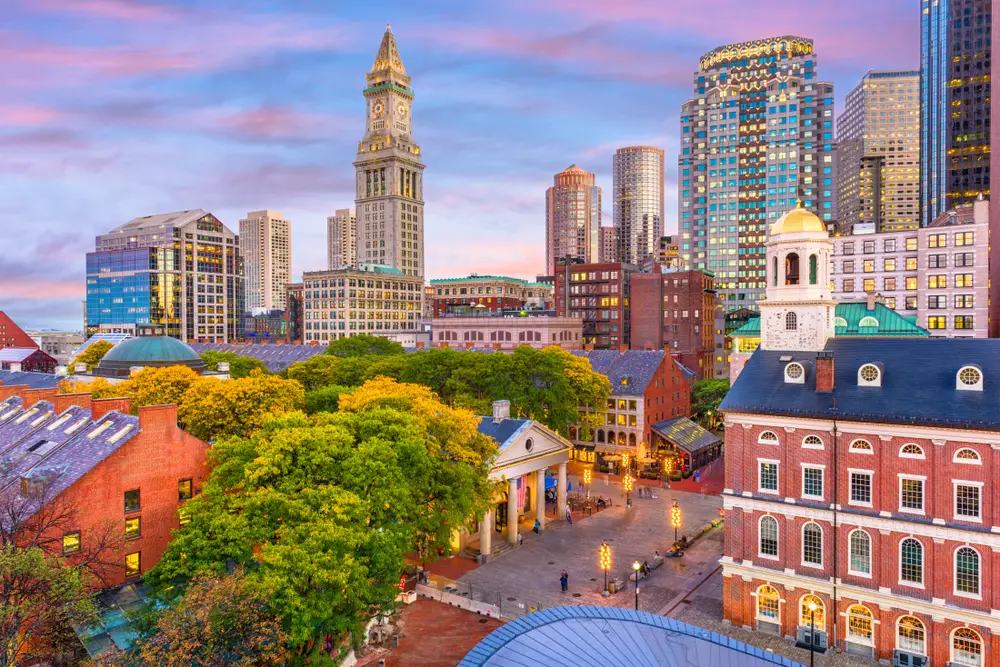
Massachusetts and parts of New England face a classic winter vulnerability: heating demand spikes, and power reliability can be challenged by fuel constraints and severe cold. National winter reliability reporting has repeatedly pointed to New England as a region where extreme conditions can tighten supply margins, especially when systems are stressed for multiple days.
Massachusetts also has an “old infrastructure meets modern demand” issue. A lot of homes and buildings rely on electric systems for heating support, and cold-weather outages can quickly become safety emergencies. Snow and ice storms can knock out lines while simultaneously making repairs harder and slower. When the grid struggles, people don’t just lose lights — they lose warmth, mobility, and the ability to safely stay indoors. In a major grid event, Massachusetts would feel vulnerable fast, especially in winter.
8. North Carolina
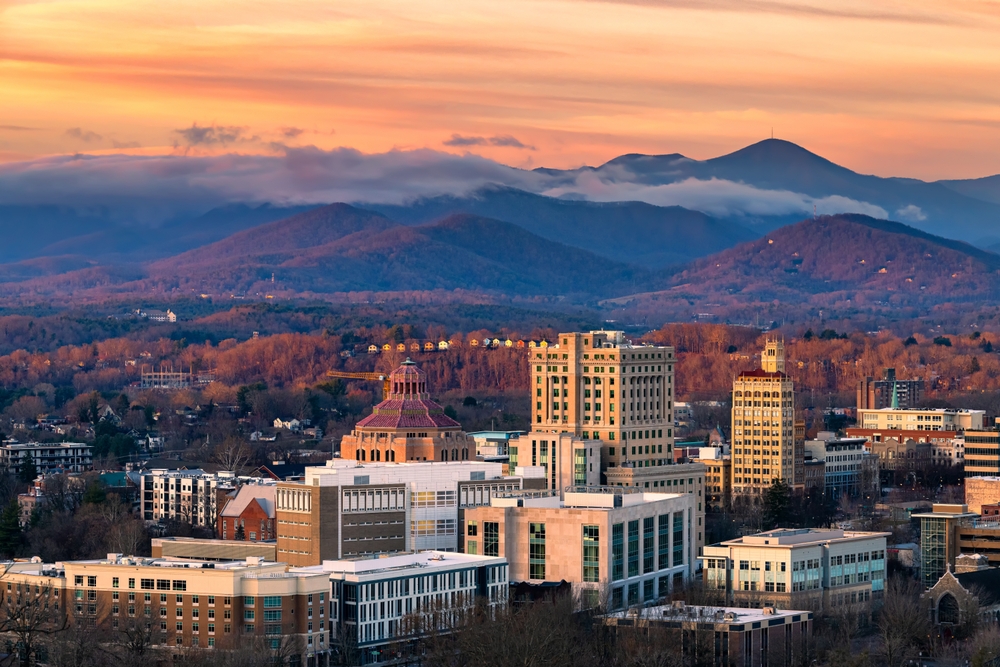
North Carolina is increasingly exposed to storm-driven outages, and its fast-growing population adds additional load stress. Hurricanes, tropical storms, and inland flooding can damage transmission and distribution equipment across wide areas. Even when the state avoids the worst landfall, it can still get slammed by wind and rain that produce outages and prolonged repairs.
North Carolina also has a geography challenge: it’s got mountains, dense cities, and long rural stretches that all require different restoration strategies. When outages are widespread, rural areas often wait longer because crews prioritize dense population centers and critical infrastructure first. In a major grid failure, that “restoration triage” can create a second wave of stress, where some communities come back online quickly while others stay dark for days. The sense of unevenness becomes part of the trauma.
9. Georgia
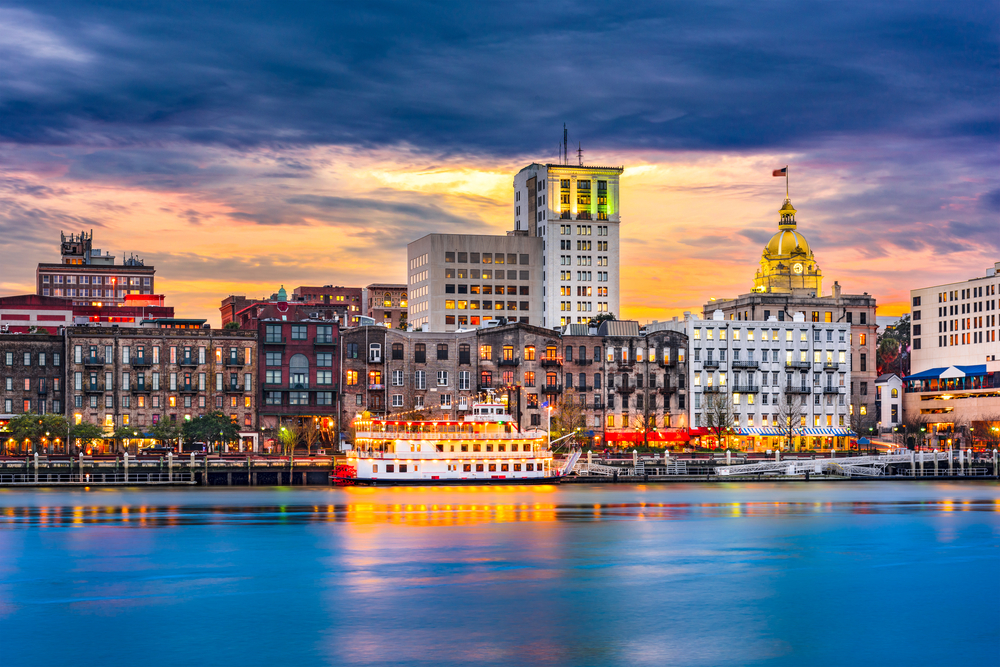
Georgia is vulnerable because it sits in a storm corridor where hurricanes and severe weather can drive multi-state outages. When storms move inland, they can still knock down trees, poles, and transmission lines far from the coast. Georgia’s metro areas also create dense demand pockets that strain systems during heat waves.
Georgia’s risk of a major failure is that disruption can spread fast from one region to another, especially if the Southeast is experiencing the same event. When millions of people lose power at once, mutual-aid crews become harder to source because everyone needs them. Even if outages aren’t the longest in Georgia, they can be early and widespread. And once people start losing refrigeration, A/C, and basic services in humid heat, the pressure escalates quickly.
10. Michigan

Michigan’s vulnerability is partly about weather, partly about infrastructure, and partly about timing. Severe winter storms and summer thunderstorms can both knock out power, and freeze-thaw cycles can punish equipment year after year. The state also has large areas where restoration takes longer simply due to distance and grid layout.
Michigan can be hit with prolonged outages when ice storms take down lines and roads become difficult to travel. In a nationwide failure scenario, Michigan’s “first impact” might be compounded by cold-weather heating needs and disrupted fuel delivery. People often think northern states are more resilient because they’re used to winter, but that doesn’t reduce the risk when power loss affects heating. The danger comes from duration, not drama.
11. Pennsylvania
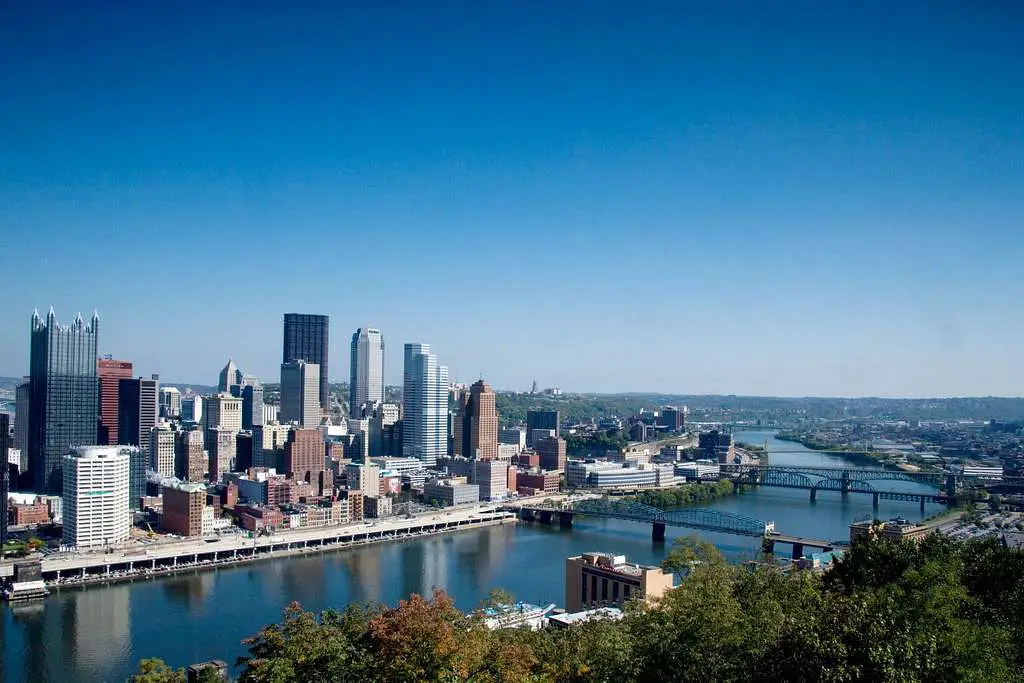
Pennsylvania’s grid risk often comes from the quiet stuff: aging distribution networks, heavy storm exposure, and large suburban regions that can go dark when trees and lines collide. Winter storms, high winds, and even summer heat can stress the system across wide areas. The state also functions as a major transit and logistics region, so grid problems can ripple into supply and transportation disruptions.
Pennsylvania is a place where power failures can become “sticky.” Instead of one clean outage, communities can experience repeated dropouts, unstable restoration, and rolling local failures. That’s especially stressful for schools, hospitals, and older residential areas. In a major grid event, Pennsylvania’s issue wouldn’t necessarily be being the very first to fail, but being one of the first to experience chaotic, uneven reliability. And that uncertainty makes people feel helpless quickly.
12. Washington
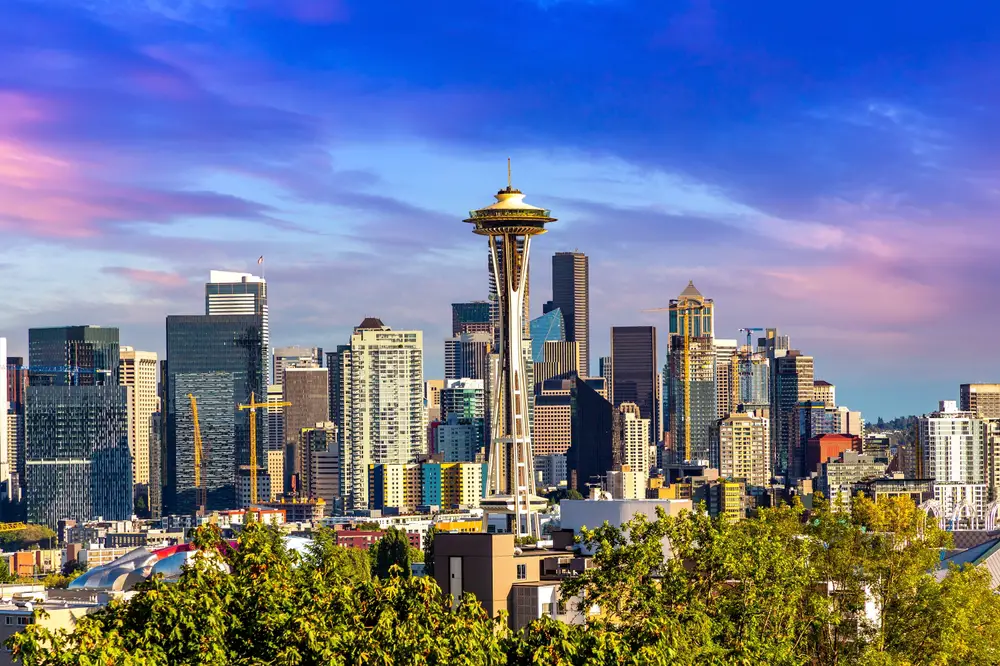
Washington’s vulnerability often shows up in windstorms, heavy rain, and wildfire smoke seasons that stress infrastructure and operations. The state also depends heavily on a mix of hydro and transmission networks that can be impacted by weather and physical constraints. In a major grid failure, the Pacific Northwest can face compounded issues if multiple systems are stressed at once.
Washington also has geographic complexity that makes restoration harder: dense cities, forested suburban areas, and remote communities. When lines go down in heavily wooded zones, repairs can be slower because access is physically difficult. If wildfires are involved, crews may not be able to work safely at all. That means outages can last longer than people expect, even in regions that feel “well-resourced.”
13. Nevada
Nevada’s power vulnerability is tied to heat, rapid growth, and a lot of demand concentrated in specific metro areas. When temperatures spike, electricity demand jumps hard and fast, especially in places like Las Vegas, where cooling is non-negotiable. A major outage would hit Nevada quickly because the climate turns power loss into a health risk.
Nevada also has a “thin margin” feel in certain areas: lots of development, lots of tourism infrastructure, and a strong dependence on consistent power for water systems, hotels, and essential services. In a broad grid failure, the issue isn’t just residents — it’s millions of visitors and a service economy that can’t function without electricity. Even a short outage can create outsized chaos. And in extreme heat, a “short outage” can still be dangerous.