
These animals once roamed freely across continents, oceans, and ecosystems — but now, they exist almost entirely behind glass, fences, or scientific documentation. Climate change, habitat loss, poaching, and ecological disruption have pushed many species to the brink. Zoos, sanctuaries, and breeding programs have become their last refuge. Here are 12 animals whose wild populations have nearly vanished.
1. Northern White Rhinoceros
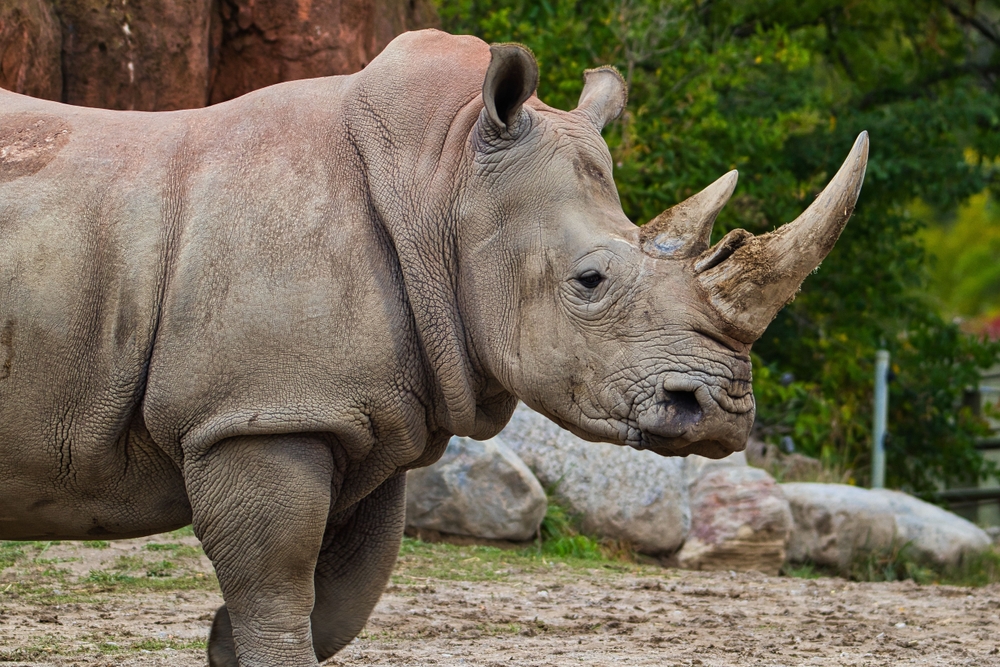
Only two northern white rhinos remain on Earth, both of them female and both living under 24-hour armed protection in Kenya. According to conservation reports from the International Rhino Foundation, the subspecies is functionally extinct, with no natural breeding possible. Scientists are attempting IVF procedures using preserved genetic material in a last-ditch effort to revive the lineage. Their story has become a global symbol of humanity’s impact on megafauna extinction.
The remaining rhinos live quietly under constant surveillance. Their caretakers describe their personalities in touching detail, emphasizing their gentleness and resilience. While there is global funding for recovery programs, success is far from guaranteed. They represent a heartbreaking blend of scientific hope and irreversible loss.
2. Hawaiian Crow (Ê»AlalÄ)
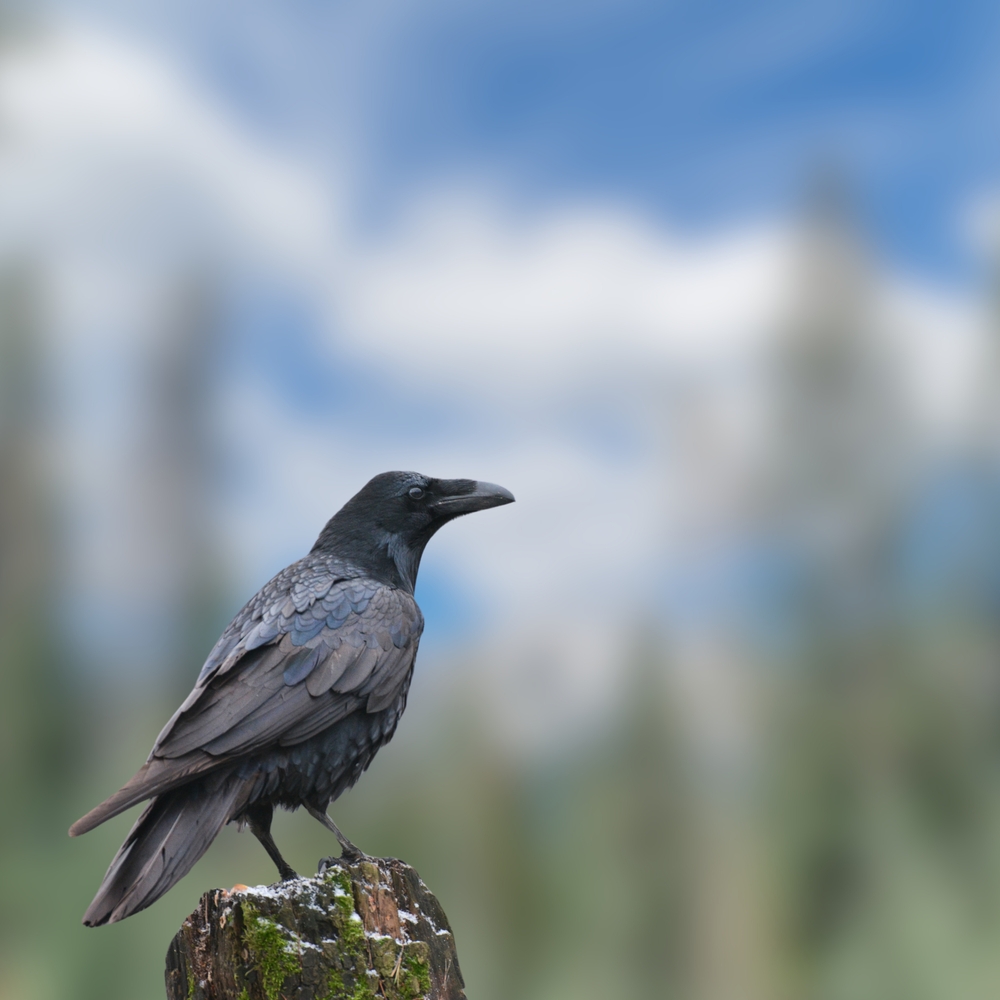
Once sacred in Hawaiian culture, the Ê»alalÄ disappeared from the wild entirely by 2002. Conservationists began captive breeding programs to revive the species. Several reintroduction attempts were made, but the birds struggled to survive due to predators and habitat changes. Most now live exclusively in protected aviaries.
The species is intelligent and vocal, with complex social behaviors. Scientists remain hopeful that reintroduction may someday succeed. Their survival depends on both ecological restoration and predator control. For now, they remain a ghost of Hawaii’s past.
3. Scimitar-Horned Oryx

This striking desert antelope was declared extinct in the wild in 2000 due to hunting and drought. A study from the Zoological Society of London shows that the species thrives in captivity and is now part of one of the world’s most successful breeding programs. Reintroduction efforts in Chad have begun, but their future in the wild is still fragile. Zoos remain primary guardians of their genetic diversity.
Their appearance — long curved horns and snow-white bodies — once inspired ancient myths. Today, they serve as proof that captive conservation can work. But their wild ecosystems must be restored before they truly recover. At present, they live primarily in controlled reserves.
4. Yangtze Giant Softshell Turtle
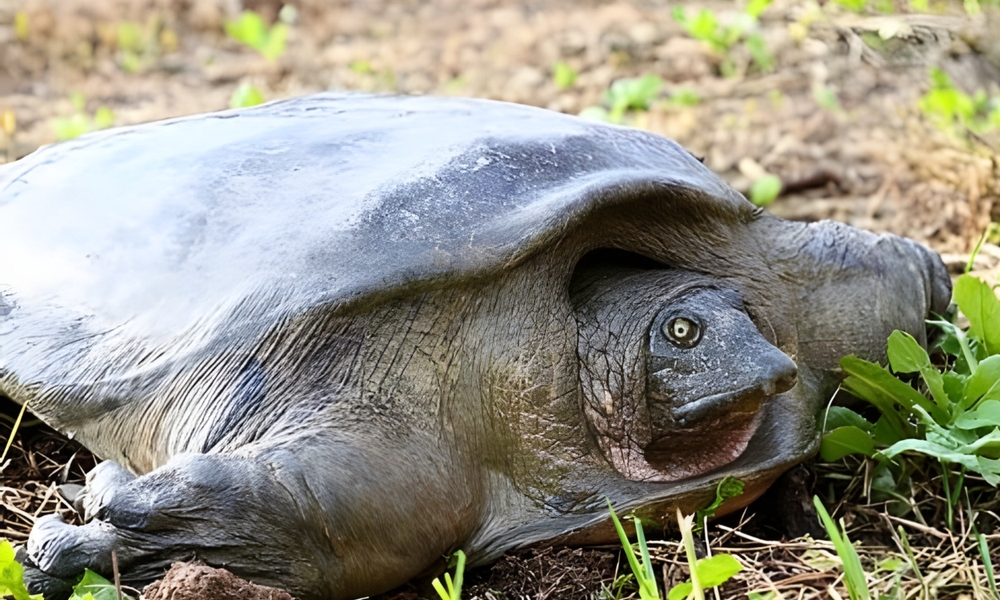
This turtle is so rare that only three confirmed individuals exist worldwide. They were decimated by pollution, river development, and hunting. Captive breeding has failed repeatedly due to fertility issues. This species is on the brink of extinction.
The remaining turtles live in isolation due to the need for constant care. Scientists continue genetic testing for potential solutions. Even if more individuals are discovered, the population may be too small to recover naturally. It is one of the clearest examples of human-driven extinction.
5. California Condor
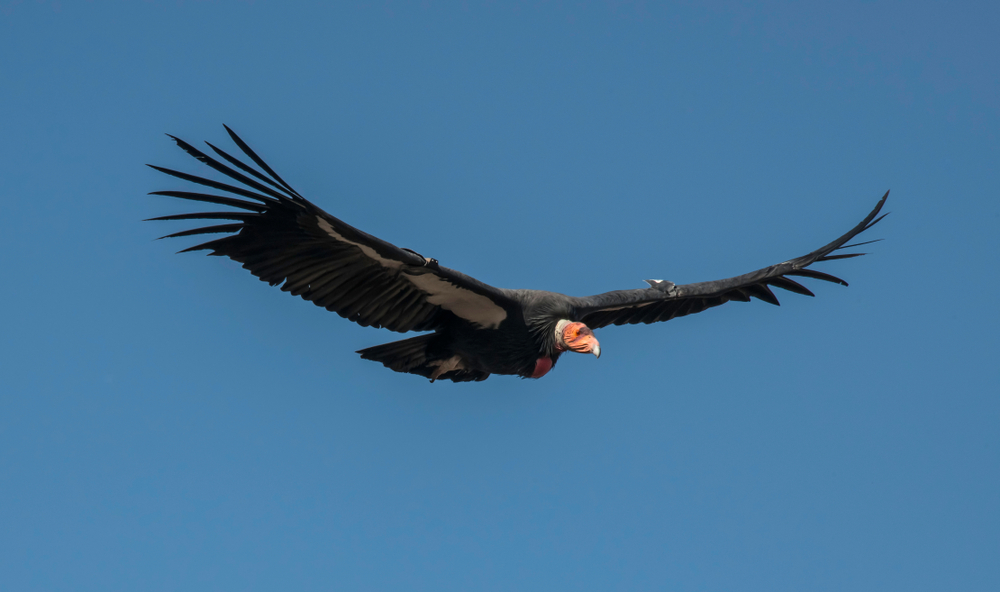
By the 1980s, only 27 California condors remained in the world. A major conservation milestone documented by the U.S. Fish and Wildlife Service reports that captive breeding saved the species from extinction. Today, hundreds exist — but nearly all were bred and managed in captivity. Most condors seen in the wild today were released through controlled programs.
Condors now symbolize both ecological fragility and conservation success. They rely on monitoring systems and supplemental feeding. They are wild again, but only because humans intervene constantly. Without ongoing support, the species would collapse almost immediately.
6. Spix’s Macaw
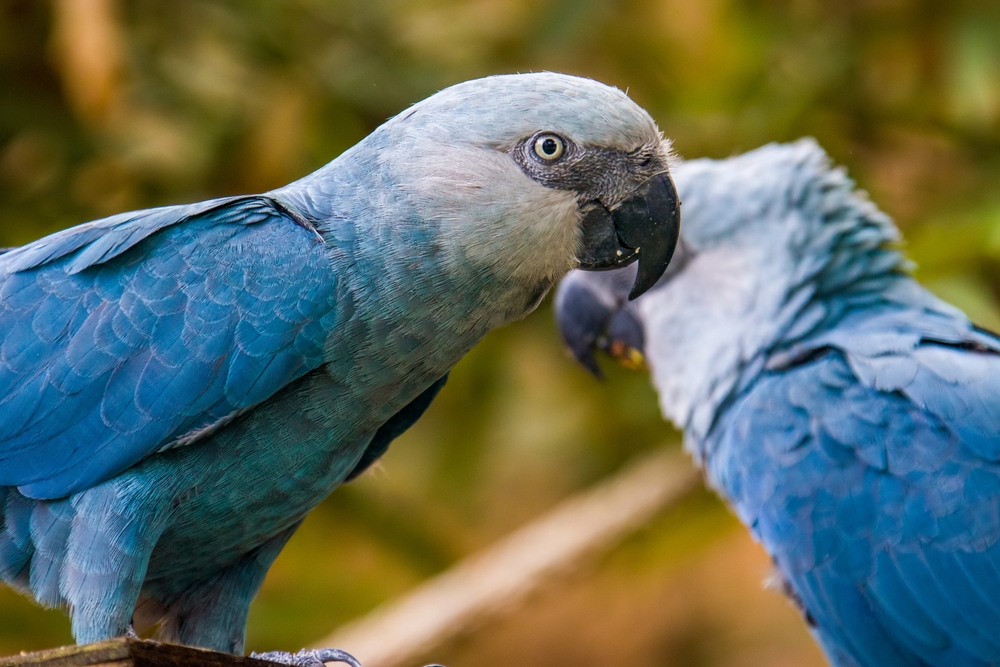
Known from “Rio,” the Spix’s macaw went extinct in the wild in 2000. Its disappearance was caused by trapping and habitat destruction. Captive breeding programs have flourished, but the bird remains absent from its natural environment. Plans for reintroduction are underway, but success is uncertain.
These bright blue parrots have become cultural icons. Their story inspired global conservation interest. However, finding a safe habitat remains the biggest hurdle. For now, they live only in managed aviaries.
7. Baiji Dolphin
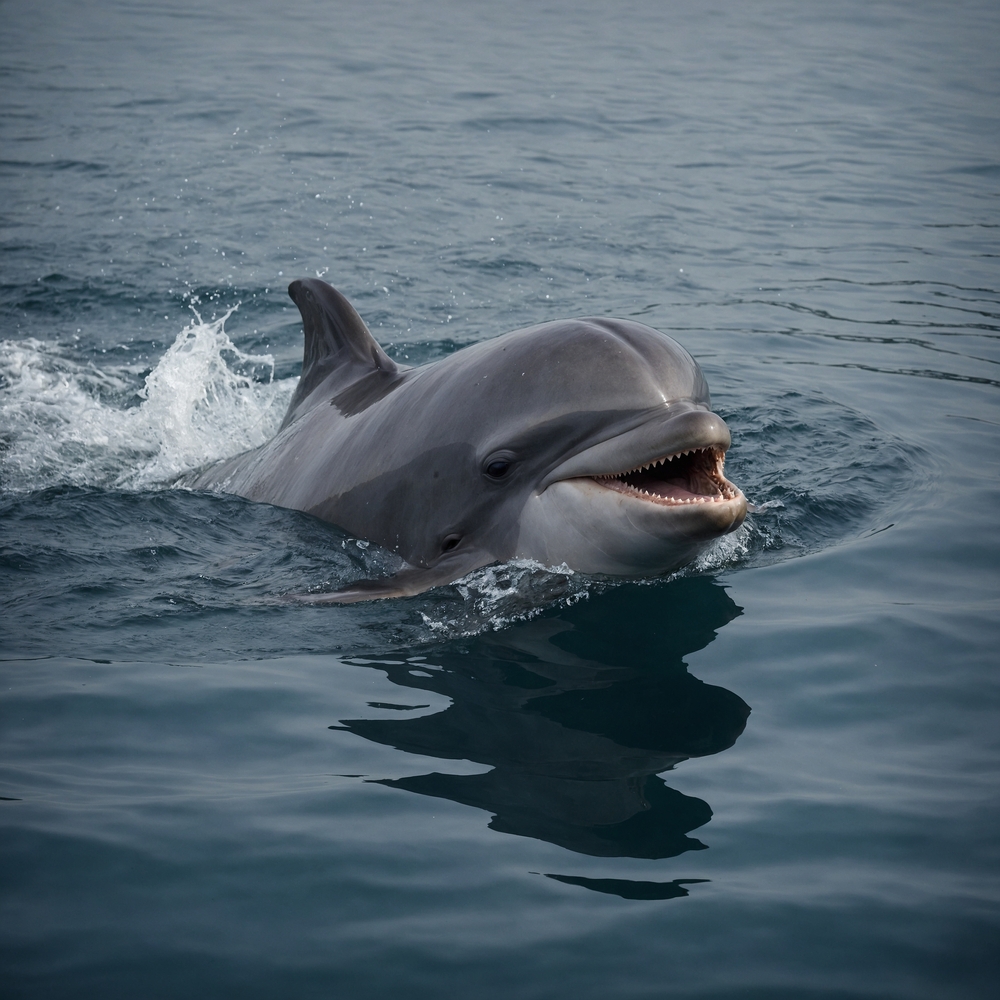
Often called the “Goddess of the Yangtze,” the baiji was declared functionally extinct after a 2006 research expedition found none remaining. A 2007 study published in the Royal Society journal confirmed that industrialization of the Yangtze River devastated the species’ ecosystem to the point of irreversibility. No baiji exist in captivity, making this species a textbook-only creature. Its extinction marks the first known disappearance of a dolphin species due to human activity.
Though unconfirmed sightings occasionally surface, none have been verified. Conservationists consider the baiji a tragic lesson in environmental mismanagement. Its story is often taught in marine biology classes. It represents the irreversible consequences of unregulated development.
8. Pere Davids Deer
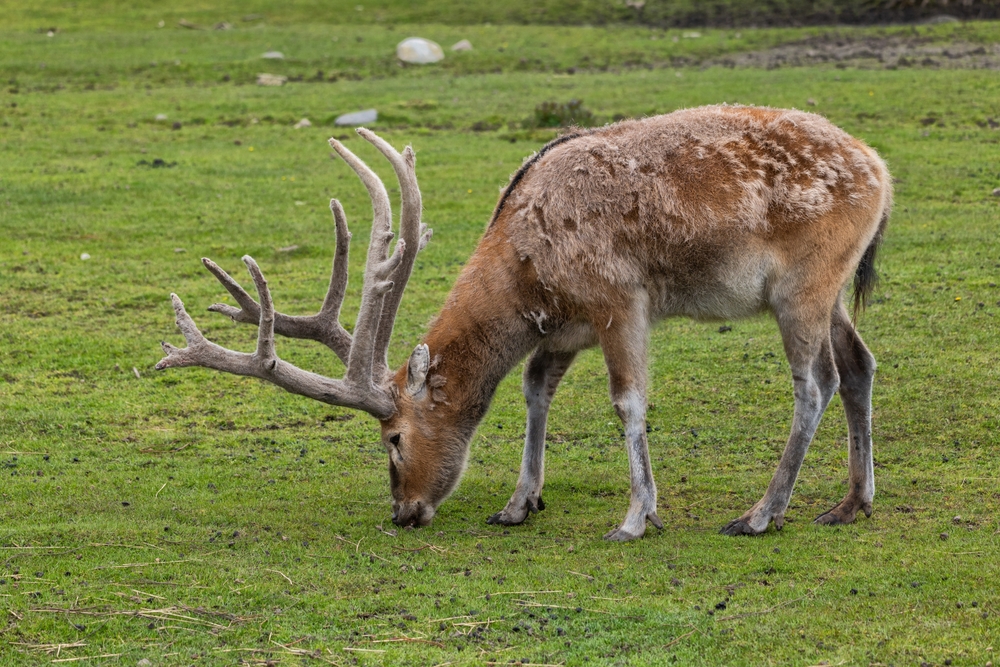
Native to China, this deer went extinct in the wild by the early 20th century. A captive herd in Europe preserved the species through breeding. Today, they exist mostly in zoos and reserves, with small controlled reintroductions in China. Their wild population still depends on human protection.
These deer are unusual-looking with long tails and uniquely shaped antlers. They were once kept exclusively by royalty. Their survival demonstrates the unusual pathways species sometimes take to avoid extinction. Yet they remain disconnected from their original ecosystems.
9. Guam Rail
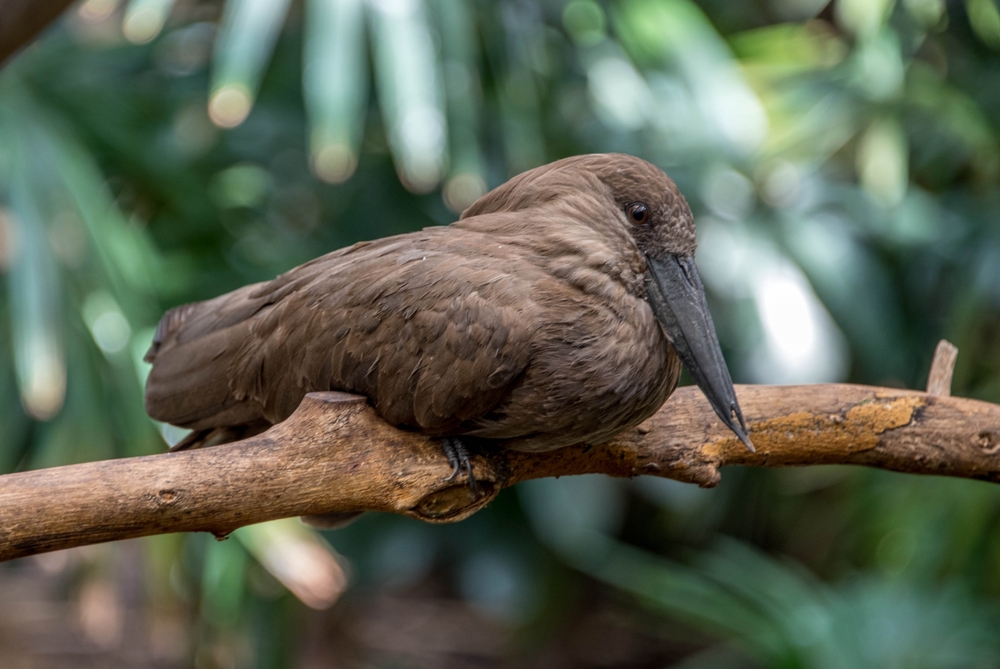
The Guam rail was nearly wiped out by invasive brown tree snakes introduced after World War II. By the 1980s, it survived only in captivity. Breeding programs helped increase numbers, but the bird cannot return safely to Guam due to predator risks. Instead, it has been relocated to nearby snake-free islands.
The species now exists as a managed population. Although technically returned to the wild, its presence is neither natural nor stable. Conservationists aim to restore parts of Guam’s habitat in the future. Until then, the rail remains a symbol of ecological imbalance.
10. Red Wolf
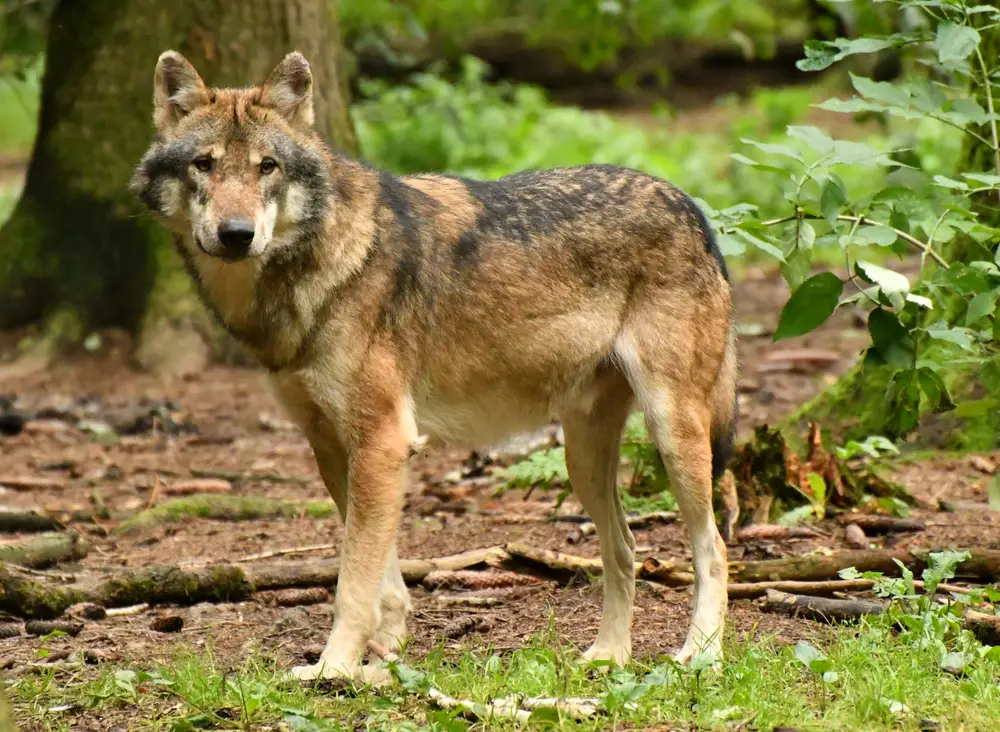
Once roaming the southeastern United States, the red wolf now survives primarily in captive breeding centers. Fewer than 20 exist in the wild due to habitat loss and interbreeding with coyotes. Controlled-release programs offer hope but require extensive monitoring. Many wolves spend their entire lives in managed care.
Their story reflects the challenges of large predator conservation. Red wolves need vast territory and stable ecosystems. Without significant human involvement, they cannot endure. They remain one of America’s most endangered mammals.
11. Panamanian Golden Frog
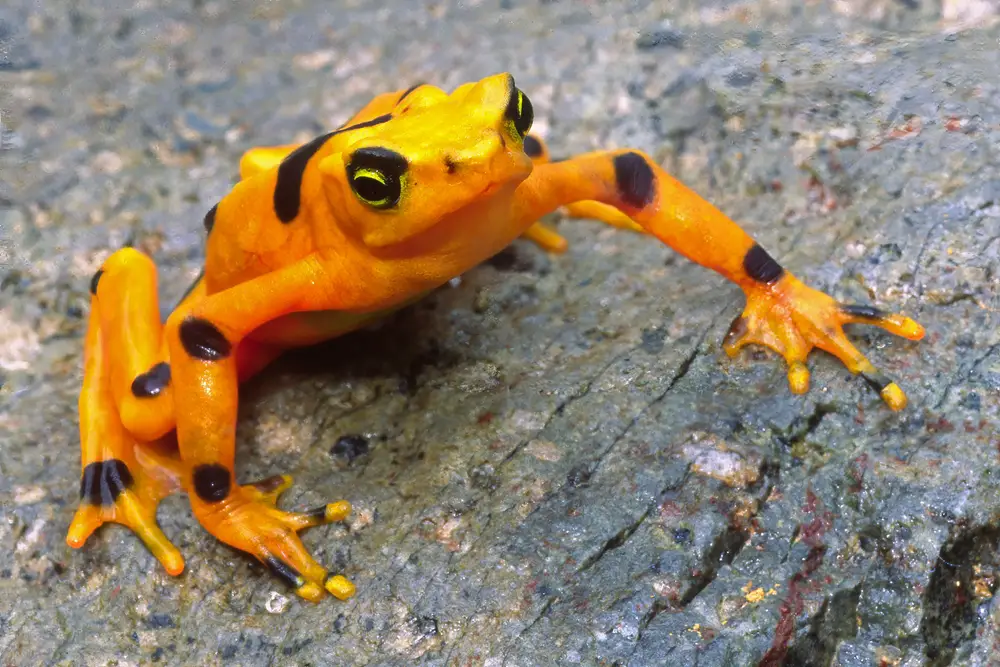
This bright yellow frog disappeared from the wild due to a deadly fungal disease. Zoos worldwide launched breeding programs to preserve the species. The fungus continues to threaten any reintroduction attempts. As a result, the golden frog survives only in captivity.
Its cultural significance in Panama underscores the urgency of conservation efforts. Scientists work to develop resistant frog populations. But the disease remains widespread in amphibian habitats. For now, these frogs live only behind glass.
12. Addax Antelope
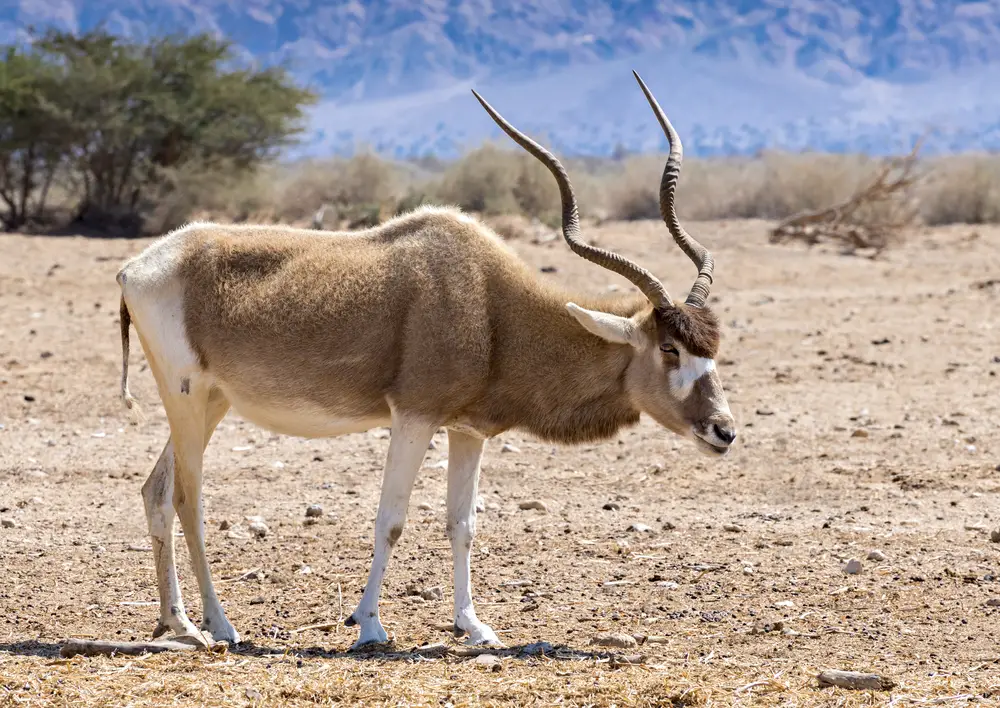
The addax was hunted nearly to extinction in the wild. Fewer than 100 remain in natural habitats. Breeding programs in zoos support the long-term survival of species. Captive herds outnumber wild ones dramatically.
These antelopes embody the fragility of desert ecosystems. They require large, protected territories to thrive. Reintroduction efforts face political and ecological obstacles. Until those issues are resolved, the addax will remain a zoo-dependent species.