We tend to imagine the end of the world as a dramatic, sudden event, but the true apocalypse would be a long, silent collapse—a shift in climate, a plague, or a slow ecological poisoning that proves fatal only to the most vulnerable species (us). When the credits finally roll on humanity, a different cast of characters will emerge as the planet’s new rulers. These are the life forms defined by their brutal resilience, adaptability, and indifference to the chaos we leave behind.
From silent, radiation-immune survivors to masters of total darkness, these 13 creatures possess the evolutionary blueprints to thrive in a world fundamentally altered by our absence. They are the ultimate survivors, destined to inherit the Earth.
1. Domestic Cats
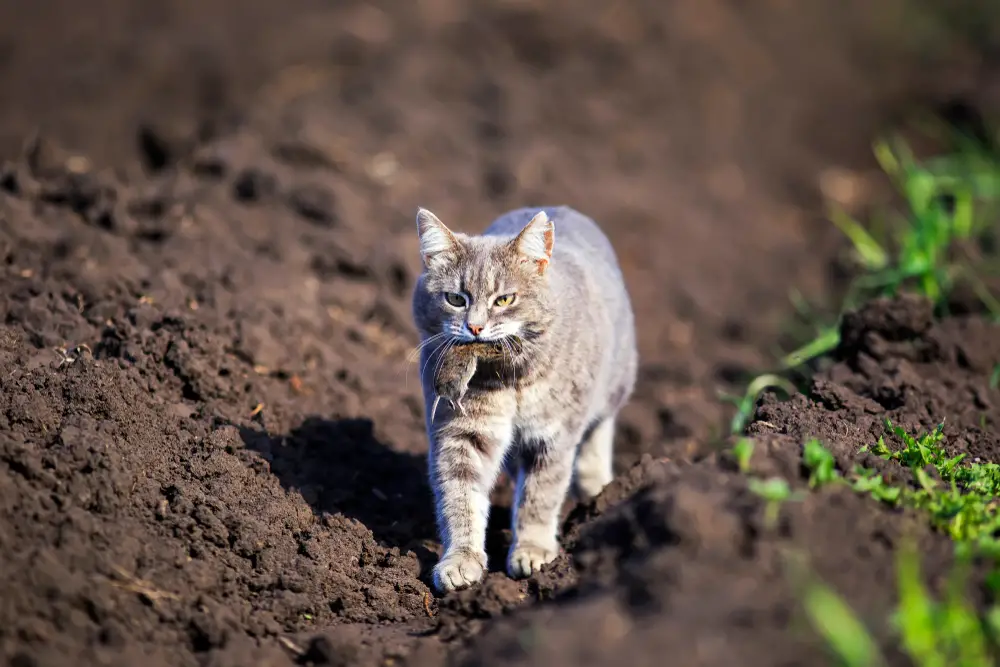
While many specialized wild animals would struggle, the domestic cat is a resilient, adaptable killer that retains all the hunting instincts of its wild ancestors. Free from the constraints of domestication, feral cats would rapidly revert to their status as cunning, effective predators. A 2020 study on cat domestication noted their genetic and behavioral tendency toward solitary, highly efficient hunting.
They can survive by hunting small prey such as birds and rodents, and their relatively small resource needs make them highly adaptable to both urban and rural environments. Cats, having mastered the world alongside us, would easily continue to dominate the new, empty landscape.
2. Cockroaches
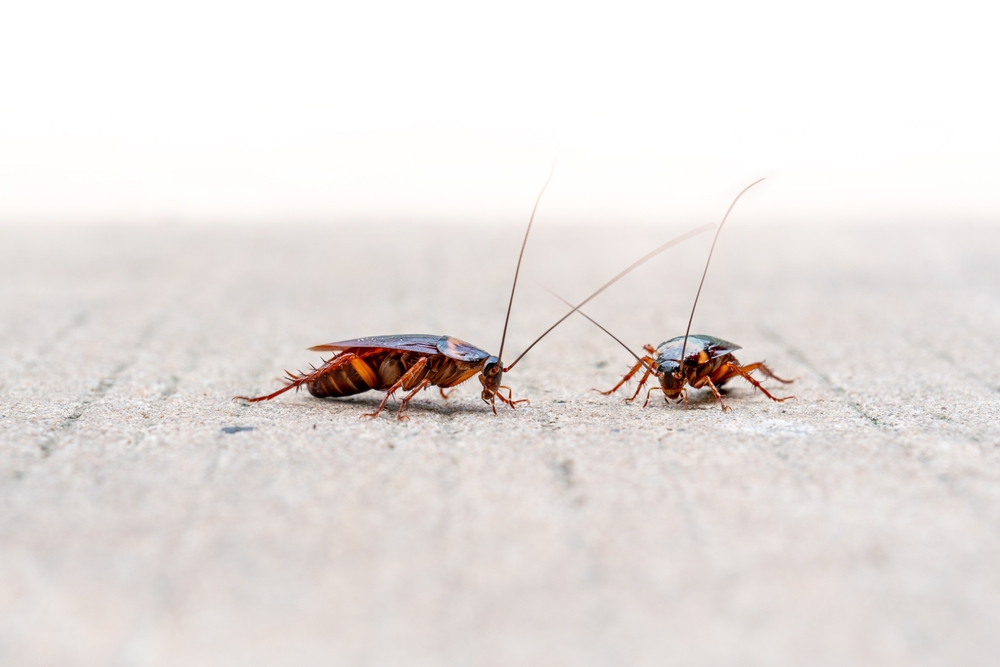
The classic apocalypse survivor, the cockroach, is famous for its hardiness, largely due to its incredibly adaptable physiology. They can live for weeks without a head because they breathe through tiny holes in their body segments. Their ability to survive low-level radiation is also legendary, making them immune to the kind of nuclear disaster that would sterilize the surface world.
Cockroaches are omnivores that can subsist on literally anything—glue, book bindings, dead skin flakes—and their rapid reproduction cycle ensures their populations bounce back immediately. They are the perfect, tiny, disgusting opportunists, ready to colonize the empty husks of our cities.
3. Water Bears
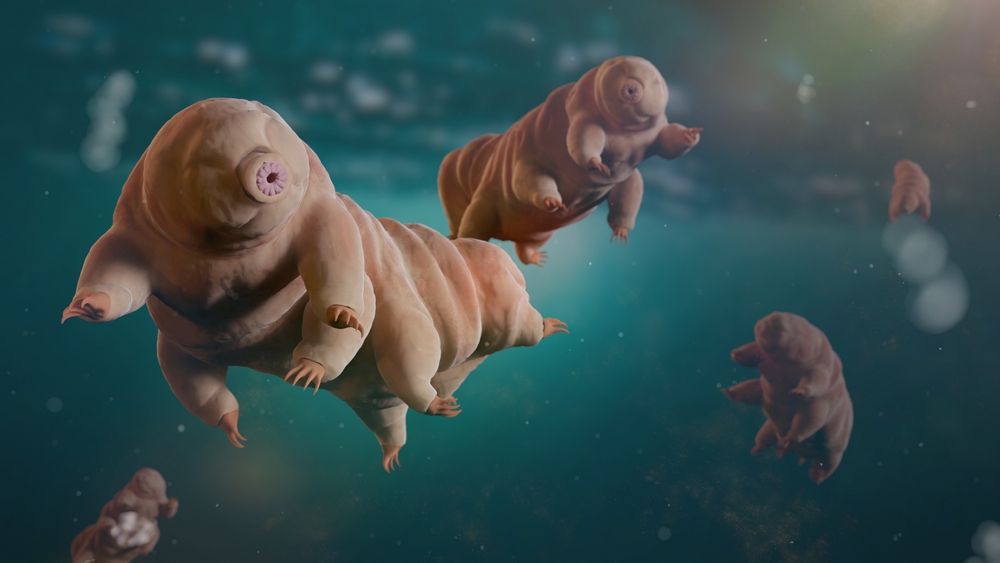
Often called “water bears,” these microscopic invertebrates are virtually indestructible, representing the pinnacle of biological resilience. They can survive being completely desiccated (dried out), frozen to nearly absolute zero, boiled, and exposed to radiation levels a thousand times higher than what would kill a human. They enter a dormant, suspended state called a “tun.”
A 2017 study in Scientific Reports concluded that tardigrades could survive all plausible extinction events, including asteroid impacts and supernovae, making them the most likely life form to be still present when the Sun expands into a red giant. They are the definition of an ultimate survivor.
4. Rats
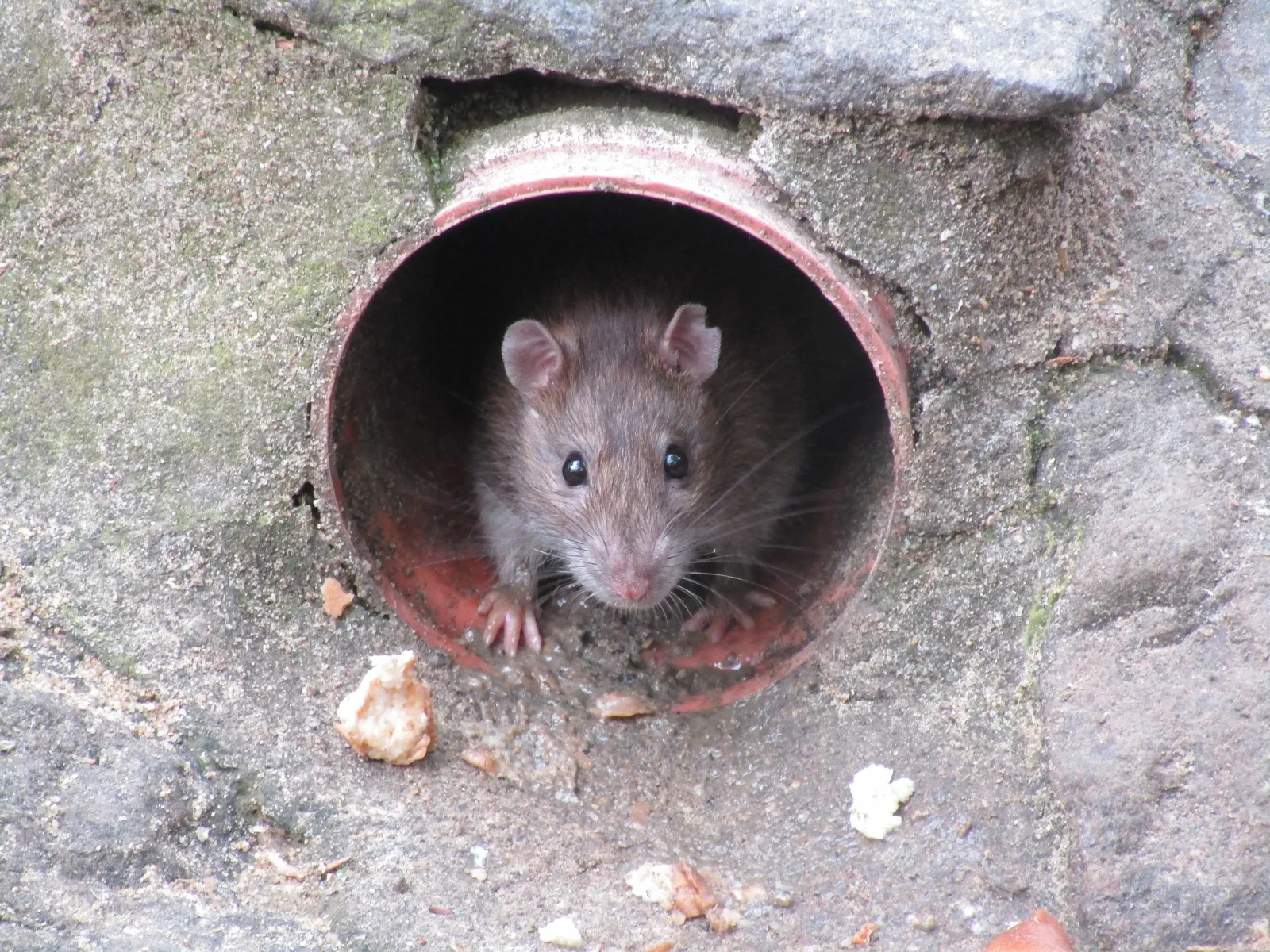
Rats are already perfectly adapted to thrive in a human-dominated world, but they would fare even better in the aftermath of our collapse. They are prolific breeders, master tunnelers, and completely indiscriminate omnivores capable of eating almost anything organic, including the massive piles of human waste and expired food we leave behind. They are the ultimate scavengers.
The rat’s intelligence and social nature allow them to quickly locate new resource caches and exploit weaknesses in abandoned human infrastructure. Once the big predators disappear, rats would become the dominant mammal in many ecosystems, thriving in the ghost cities we abandon.
5. Deep-Sea Vent Worms
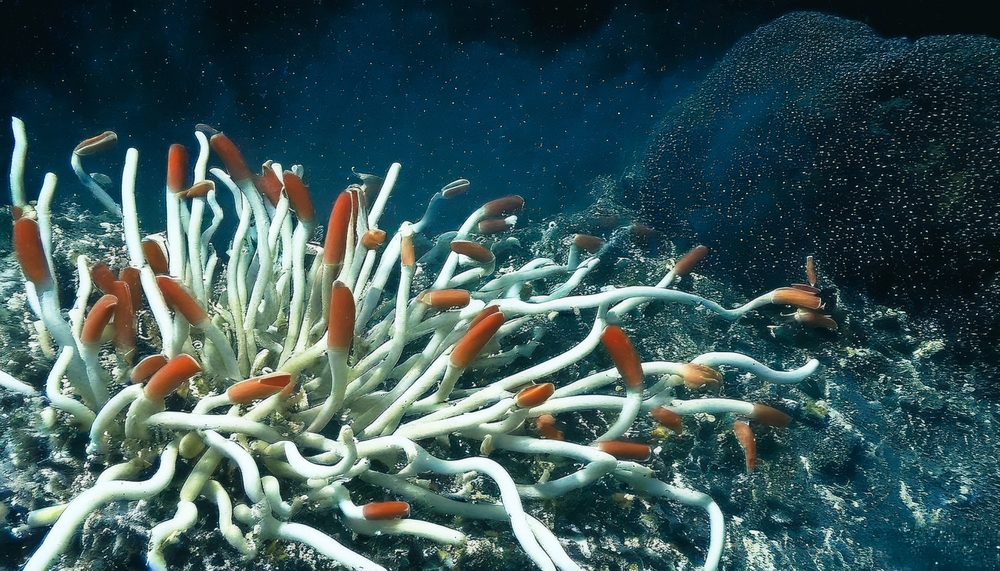
These bizarre tube worms live around hydrothermal vents miles beneath the ocean surface, thriving in an environment of extreme heat, crushing pressure, and total darkness. They rely on chemosynthesis, using chemical compounds (like hydrogen sulfide) released from the vents instead of sunlight for energy. They are completely independent of surface conditions.
Their entire existence is a self-contained, subterranean world, making them immune to any apocalypse caused by atmospheric changes, solar flares, or surface contamination. As long as the Earth’s core is hot, these life forms will continue to thrive in the abyssal plains.
6. Scorpions
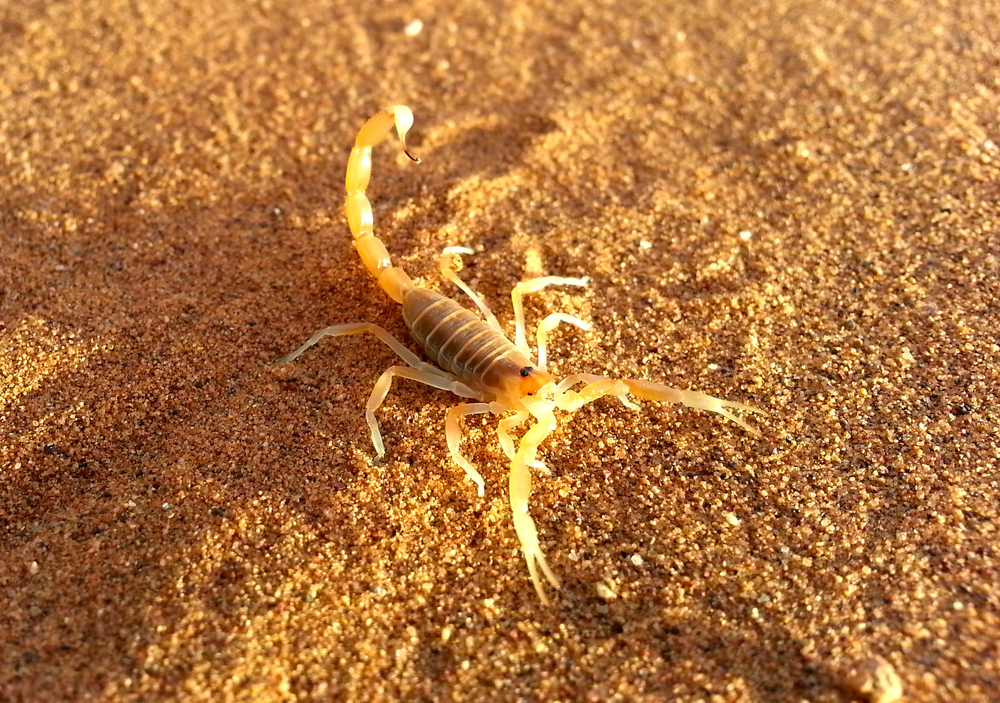
Scorpions are one of the oldest terrestrial life forms, having been around for over 420 million years, a testament to their incredible resilience. They are highly successful predators and can survive extended periods without food or water by lowering their metabolism to near-zero. Their exoskeletons provide natural protection against harsh elements.
A 2018 comparative biology study noted that scorpions are surprisingly radiation-resistant, similar to cockroaches. Their low resource needs and ability to hide in nearly any crevice ensure their survival across a wide range of hostile, empty landscapes.
7. Armored Catfish
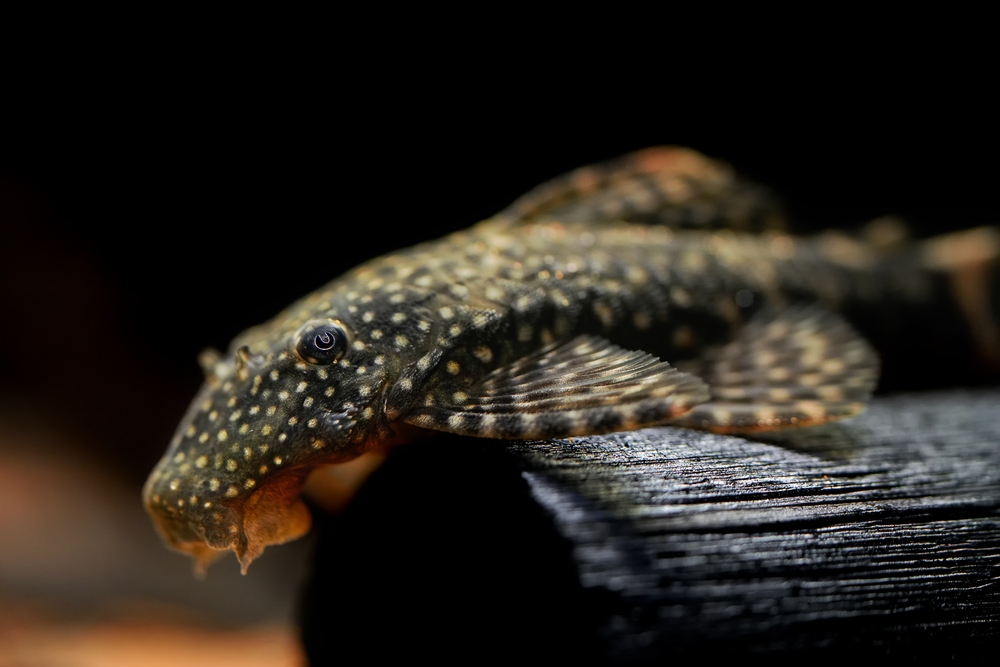
These South American freshwater fish, often recognizable by their bony, plated exterior, are known for their exceptional hardiness and ability to survive in heavily polluted or oxygen-deprived water. They can actually use a modified stomach to gulp air at the water’s surface, acting as a functional lung. This adaptability makes them immune to the water-quality collapse that would follow the failure of human infrastructure.
They are bottom-feeders that consume algae and organic debris, allowing them to thrive even when the upper food chain collapses. Their tough, biological armor also protects them from most surface-dwelling predators.
8. Pigeons
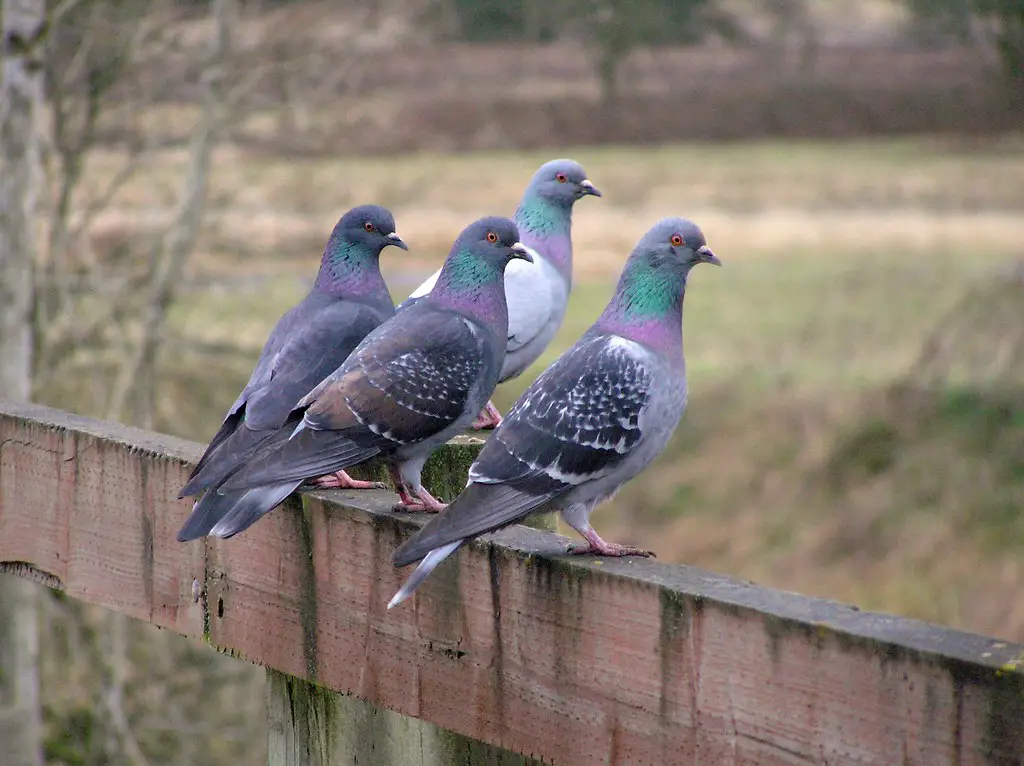
The rock dove, or common pigeon, is a master of the urban landscape, nesting in abandoned buildings and subsisting on a highly varied diet. Their ability to fly gives them a massive advantage in scouting new, unspoiled resource zones left behind by humanity. They are already perfectly adapted to exploiting the gaps in our former infrastructure.
Once the trash is gone, they are skilled foragers, and their adaptability would allow them to switch rapidly to wild seeds and berries. A 2022 ornithological study emphasized that pigeons are too widespread and too adaptable to fail.
9. Sea Anemones
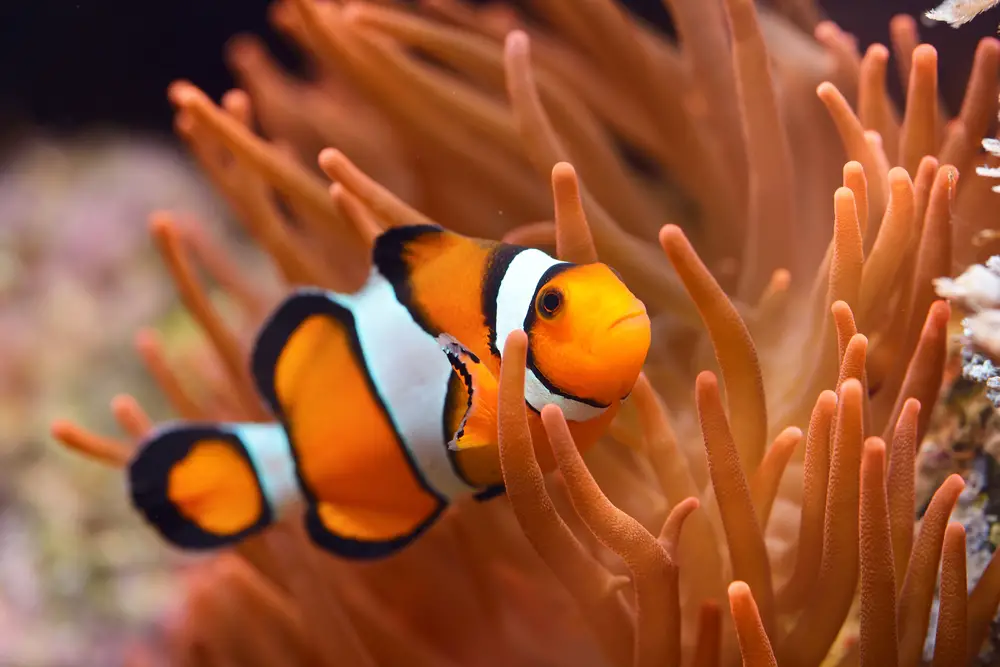
These soft-bodied marine predators are incredibly ancient and resilient, with a simple, robust body plan that has changed little over millions of years. They can survive massive changes in water quality and temperature and are known to live for hundreds of years. Their simple needs guarantee their longevity.
Sea anemones often anchor themselves to stable structures and wait for food, requiring minimal energy expenditure. Their ability to survive the ocean acidification and warming that follows climate collapse makes them strong contenders for the long haul.
10. Weevils
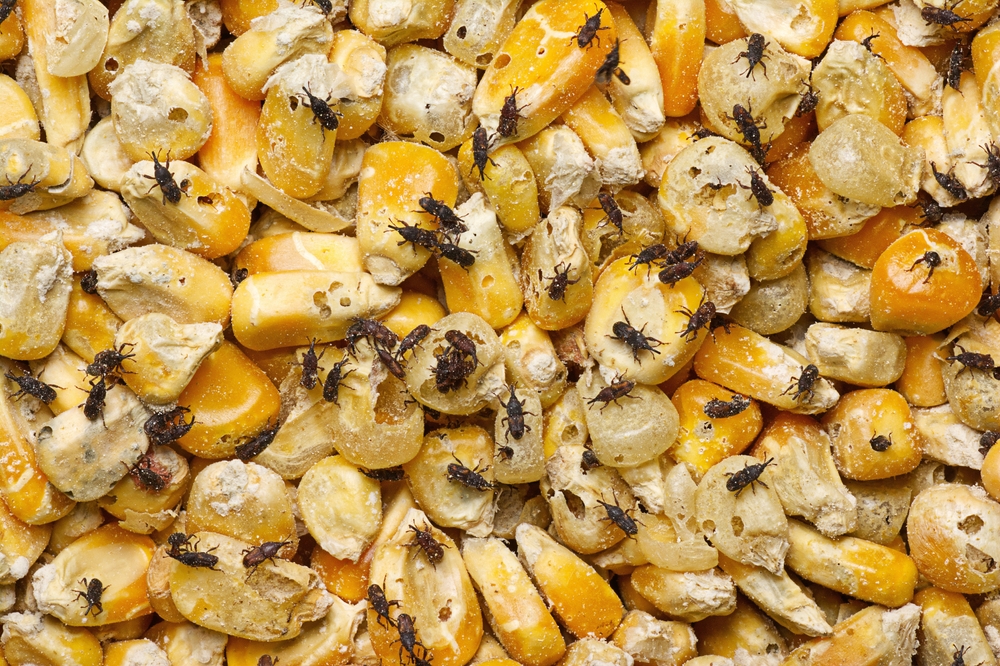
Weevils, a type of beetle, are infamous agricultural pests, but their ubiquity and specialization make them apocalypse champions. They can survive in massive numbers by consuming stored grains and dry organic material, essentially living off the remnants of human civilization’s food stores for decades. Their hard shells protect them.
Their specialized physiology allows them to draw enough moisture from seemingly dry materials, such as wheat kernels, to survive. The enormous quantities of agricultural waste and dried food left behind would be a buffet for these hardy insects.
11. Jellyfish
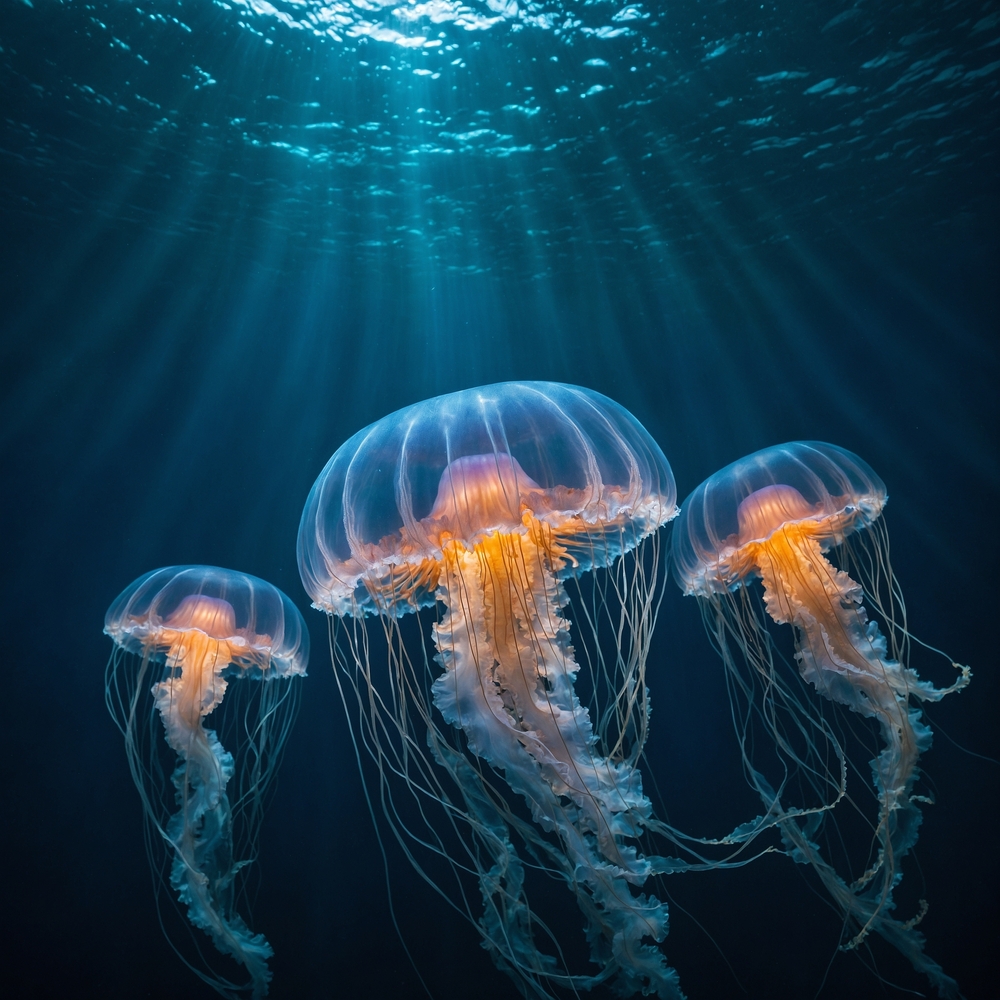
Jellyfish are already showing signs of thriving in a rapidly changing ocean. They reproduce rapidly, survive low-oxygen “dead zones,” and are largely unaffected by the ocean acidification that harms more complex life forms such as crustaceans and corals. They are a sign of ecological stress but also of supreme adaptability.
A 2021 marine biology review noted that as human fishing pressure decreases and the ocean environment becomes simpler and less habitable for other species, jellyfish populations tend to bloom. They are poised to dominate the new, stressed marine environment.
12. Vulture
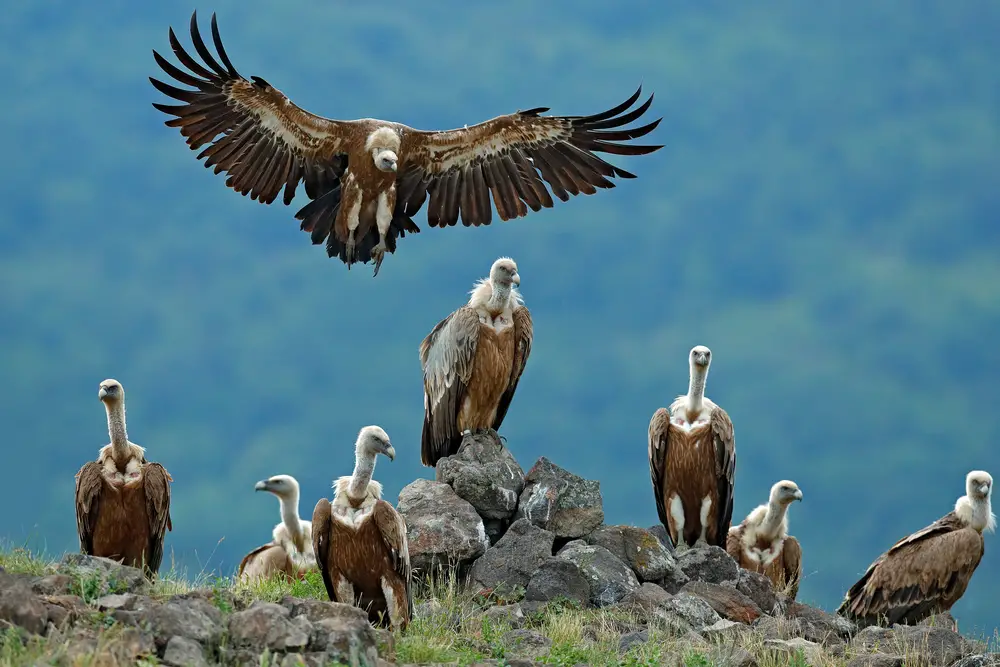
Vultures are the ultimate cleanup crew, built to subsist on carrion and immune to many of the bacteria and toxins that would kill other scavengers. They play a vital role in recycling biological waste, and a human apocalypse would create an immense, sudden, and temporary bounty of dead bodies for them to exploit. Their incredibly strong stomach acid protects them.
Their ability to soar long distances allows them to cover vast areas in search of food, and their tough, bald heads are a biological adaptation to resist infection. They would quickly dominate the aerial scavenging niche.
13. Hybrid Wolves
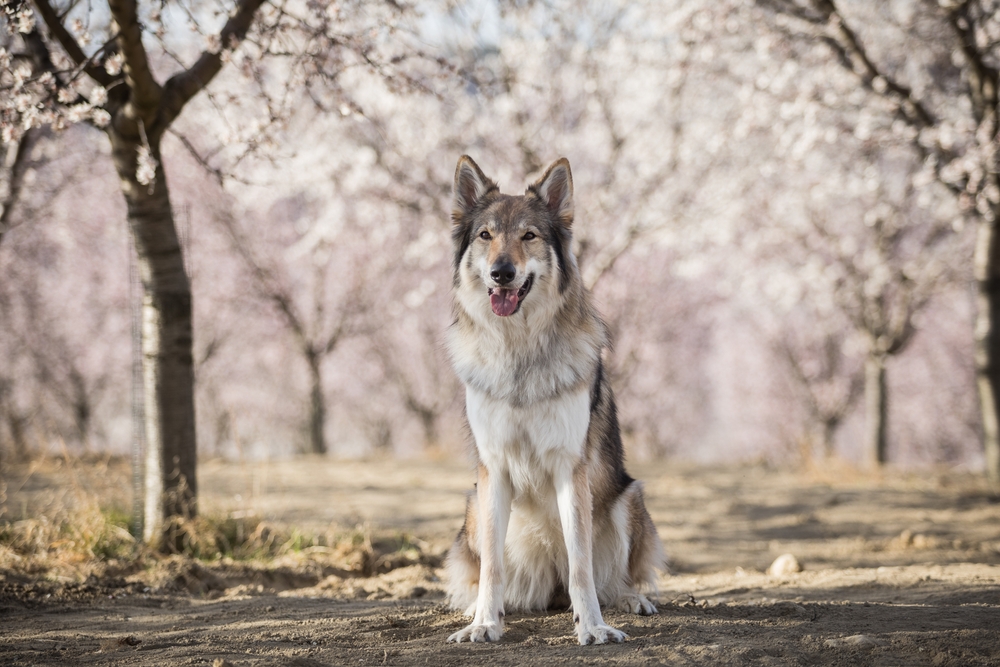
As human populations disappear, the immediate environment would be rich with abandoned pets and livestock, providing an immense food source for surviving wild canids. Hybrid wolves, born from the crossing of domestic dogs and coyotes or pure wolves, possess the perfect blend of wild cunning and domestic tolerance for human-made environments. This genetic blend creates a superior, highly adaptable predator.
They would be smart enough to exploit abandoned infrastructure and strong enough to hunt larger wild game that proliferates after human disruption ceases. The collapse of human order would usher in the “Age of the Hybrid Wolf.”