
The human perception of emotion is often limited to our own understanding, leading us to underestimate the profound emotional lives of other species. However, decades of research in animal behavior, neuroscience, and comparative psychology reveal that many animals experience deep, complex emotions—including grief, empathy, joy, and conscious problem-solving—that rival, and in some cases exceed, the emotional capabilities of the average person.
This list highlights 13 species recognized by the scientific community as exhibiting complex emotional and cognitive intelligence, thereby challenging the notion of human emotional exclusivity.
1. Elephants
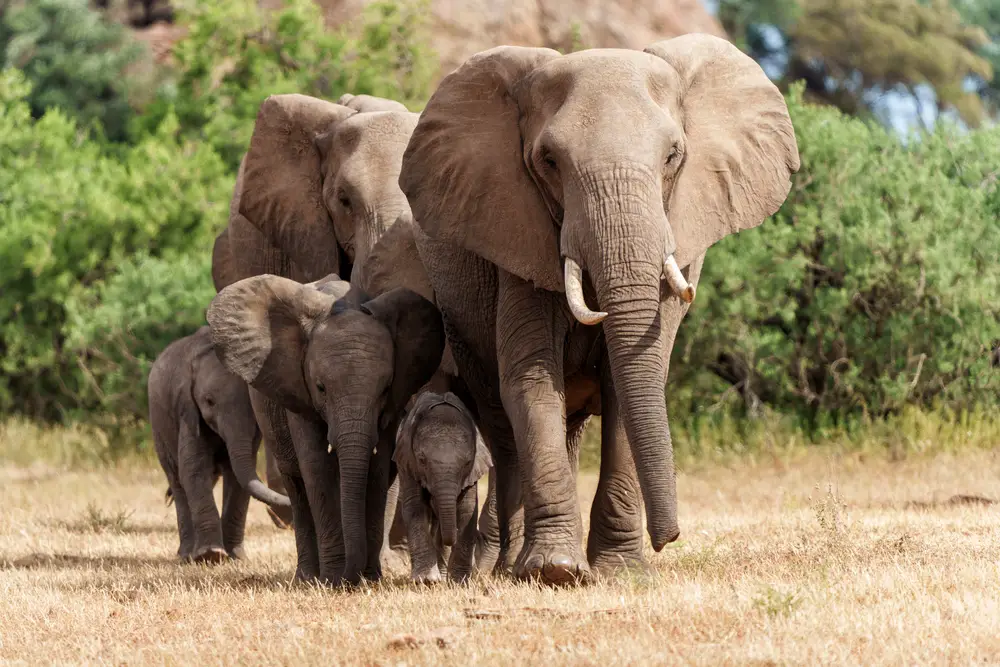
Elephants are widely recognized for their deep emotional intelligence and complex social structures. They exhibit clear signs of conscious grief, often visiting the bones of deceased family members for years, gently touching them with their trunks, and showing visible sadness. Their social bonds are matriarchal and extend across multiple generations, showing intense loyalty and care for injured or weak herd members.
The elephant brain contains highly developed spindle neurons, which are associated with empathy, social decision-making, and self-awareness in humans and great apes. They will actively protect not only their own young but the offspring of other elephants, indicating a profound and sustained capacity for empathy.
2. Chimpanzees
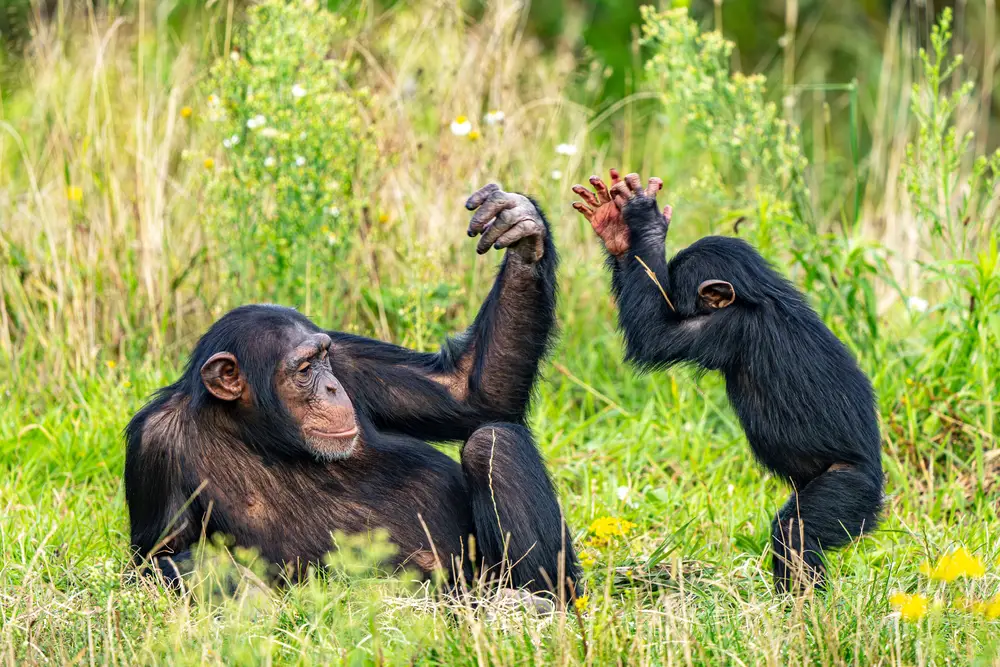
Chimpanzees are among our closest living relatives and exhibit a wide range of human-like emotions, as well documented. They engage in complex reconciliation rituals after conflict, console individuals who have lost a family member, and exhibit a sophisticated understanding of fairness and reciprocation. Their capacity for joy is demonstrated through loud, boisterous play sessions.
Studies have shown that chimpanzees can consciously plan for future events, use complex tools, and even deceive others for personal gain, demonstrating high-level cognitive functions that are intrinsically linked to their emotional states. They form deep, lifelong attachments that, when broken, result in observable depression and withdrawal.
3. Dogs

Dogs, through coevolution with humans, have developed a remarkable ability to read human emotions and reciprocate complex feelings such as unconditional love, loyalty, and guilt. Their capacity for empathy has been scientifically demonstrated, as they actively attempt to comfort a crying human or a distressed canine companion. Their emotional range includes excitement, fear, jealousy, and contentment.
Recent research has shown that dogs experience a surge of oxytocin—the “love hormone”—when interacting with their owners, similar to the bond between a human parent and child. Their highly personalized emotional responses and social intelligence make their internal lives profoundly rich and emotionally resonant.
4. Orcas (Killer Whales)
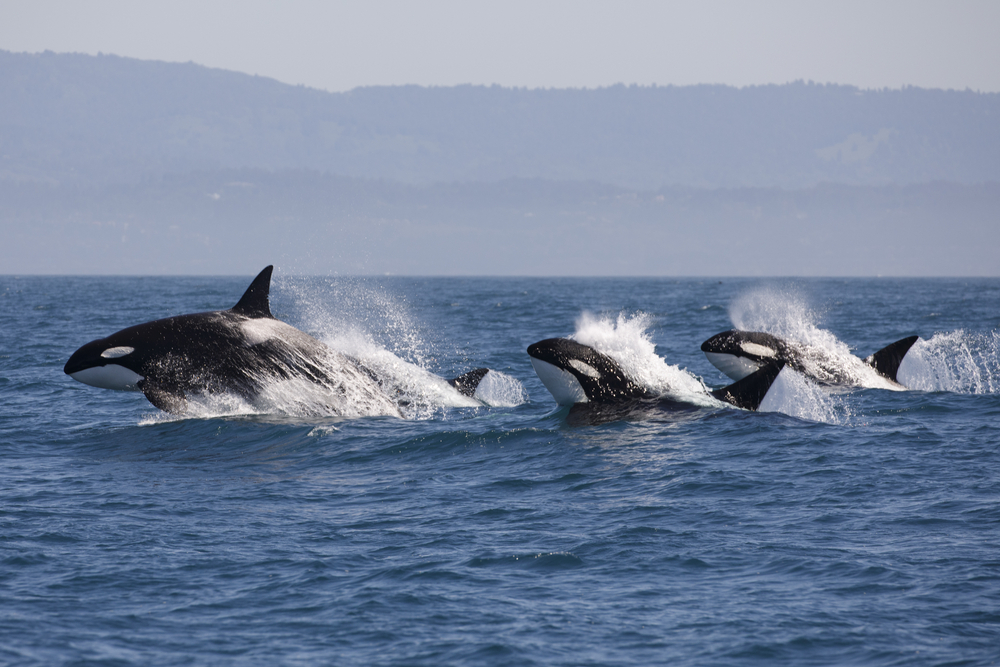
Orcas live in highly stable, complex family groups called pods, characterized by lifelong matriarchal bonds that are among the most tightly knit in the animal kingdom. They engage in cultural transmission, teaching unique hunting techniques and dialects to successive generations, a behavior linked to high cognitive function. They are known to mourn publicly, with mothers carrying the bodies of deceased calves for days or weeks.
Their demonstrated ability to cooperate in hunting and to communicate with sophisticated signals suggests a deep social and emotional understanding of their environment and of one another. The orca brain is significantly larger than the human brain, and its limbic system, which controls emotion, is highly developed.
5. Dolphins
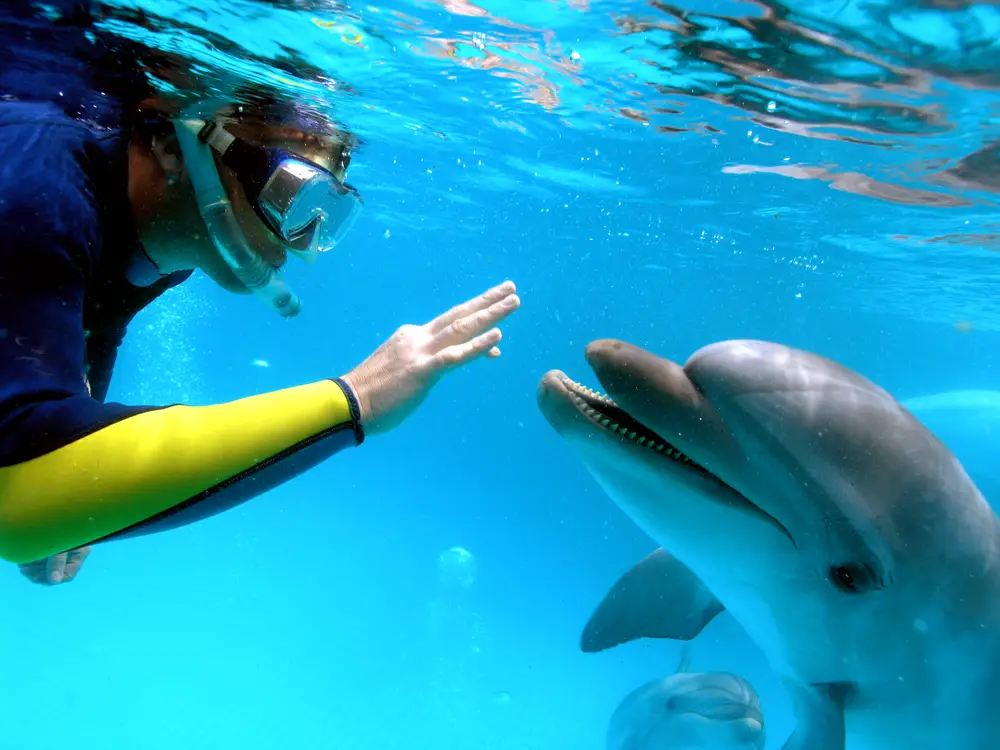
Dolphins, particularly the bottlenose species, display incredible self-awareness, recognizing themselves in mirrors and demonstrating a sense of individual identity. They are highly social, engaging in elaborate play and forming complex alliances that sometimes involve calculated strategies to achieve goals, showing an awareness of long-term social politics.
They have been documented comforting other injured or distressed individuals, physically supporting them to the surface to breathe. Their nuanced communication through whistles and clicks suggests a vocabulary that can express complex emotional states and needs.
6. Pigs
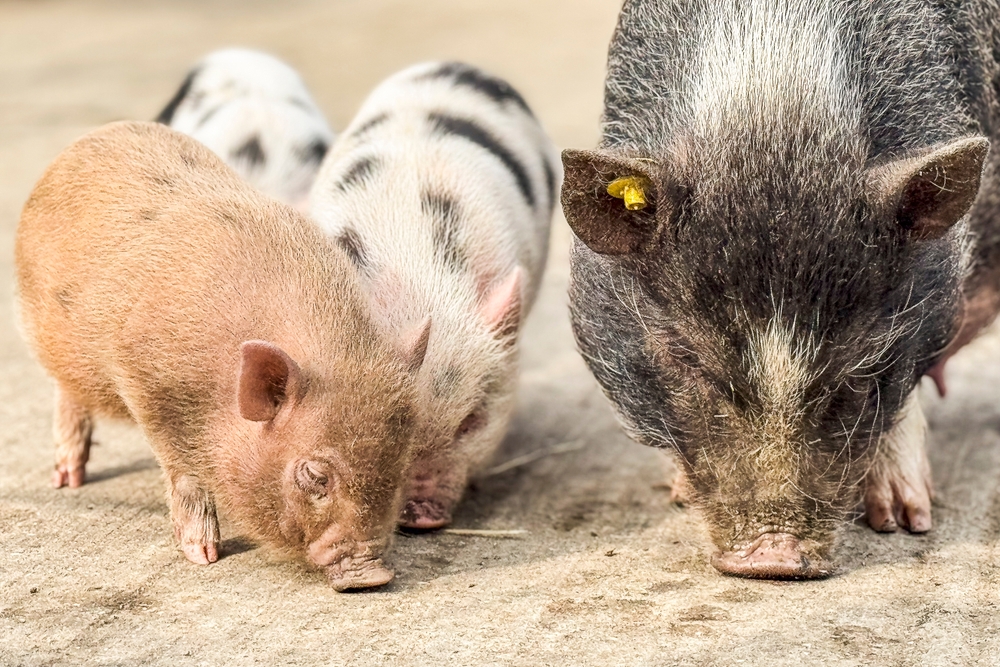
Pigs are consistently ranked among the most intelligent and emotionally sensitive animals. They are capable of sophisticated problem-solving, can play joyfully, and demonstrate empathy for their companions. They live in intricate family groups and are known to become depressed and anxious when separated from their social structure.
Research shows that pigs are capable of anticipating future events and planning accordingly, a high-level cognitive function that goes hand in hand with emotional complexity. They feel genuine fear and relief, and their emotional range is often compared to that of a three-year-old human child.
7. Crows and Ravens
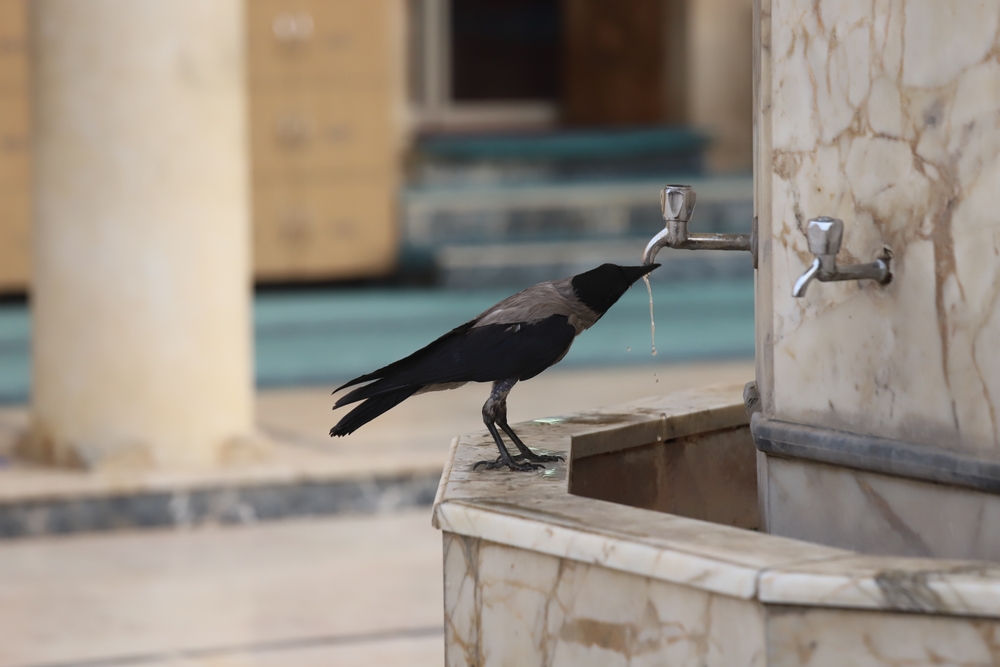
Crows and ravens (corvids) are celebrated for their cognitive genius, but their intelligence is deeply intertwined with their emotional lives. They form long-term pair bonds and family units and have been documented holding “funerals” or “wakes,” gathering around a deceased member and appearing to mourn, which involves assessing the cause of death. A study in Scientific Reports demonstrated that corvids exhibit genuine indignation when they perceive unfair treatment in reward distribution, highlighting a conscious sense of justice.
They hold grudges against specific humans who have harmed them and will teach other birds in their flock to recognize and avoid those individuals for years. This requires complex memory, social learning, and a profound emotional connection to perceived safety and threat.
8. Octopuses
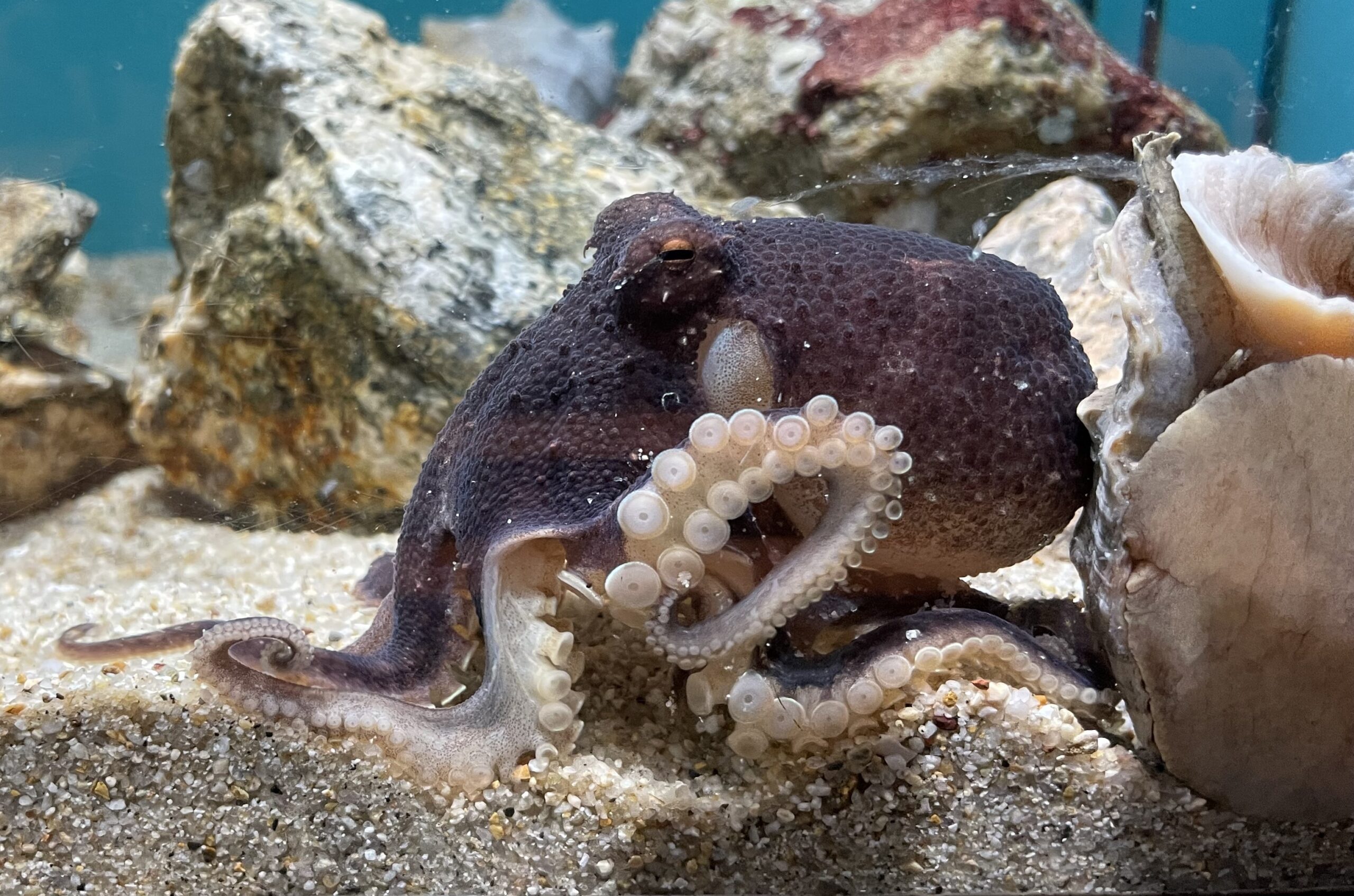
Octopuses are solitary by nature but possess an astonishing level of intelligence and emotional sensitivity. They are known to quickly become bored in captivity and seek novel forms of entertainment, including intricate escapes and mischievous play. When stressed, they display clear signs of anxiety, like hiding or color-changing, and can suffer from depression.
They are capable of rapid learning and complex problem-solving (e.g., opening jars) and will engage in conscious mimicry. Their ability to display complex emotional states through rapid changes in skin color and texture reveals an intricate internal experience.
9. Cats

Cats, often misunderstood as aloof, form deep, complex emotional bonds with their owners and other household pets. They display affection through purring, kneading, and slow blinking, and they actively communicate contentment and distress. Their subtle emotional cues often require attentive human observation to be fully appreciated.
Studies on scent recognition have confirmed that cats recognize their owners’ scent and rely on it for comfort and security, indicating a deep, attachment-based love. When separated or dealing with a loss, they can show profound behavioral changes, including lethargy and a refusal to eat, demonstrating genuine grief.
10. Rats
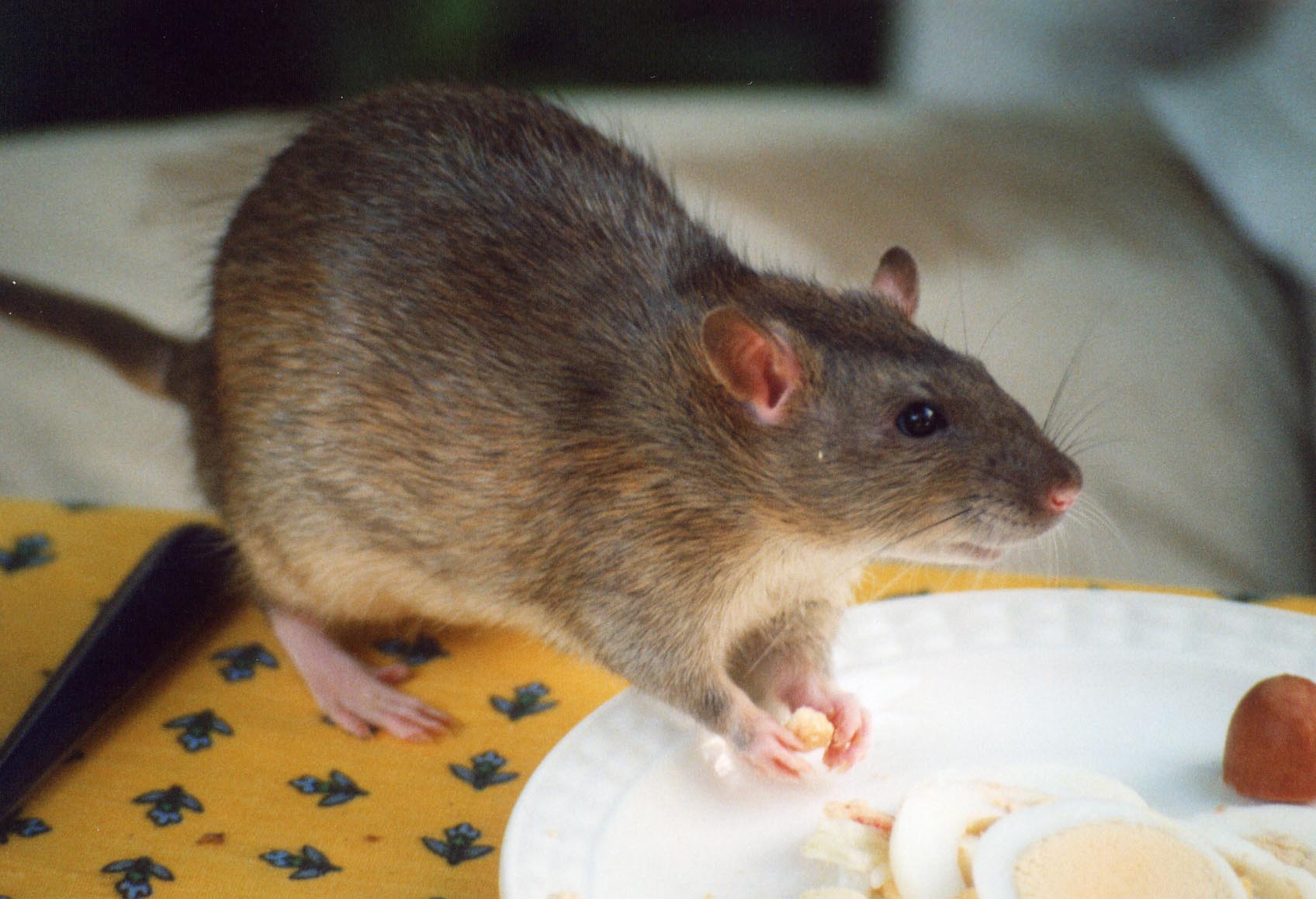
Rats are highly social and empathetic creatures that live in cooperative colonies. They have been shown to exhibit altruistic behavior, choosing to rescue a cage mate from confinement even when a more immediate reward (such as chocolate) is offered. This choice to prioritize a peer’s well-being over personal gain is a powerful marker of emotional depth.
They experience and communicate excitement, pleasure, and anxiety. Their social intelligence allows them to learn complex tasks through observation, and they form lasting friendships within their colonies.
11. Gibbons
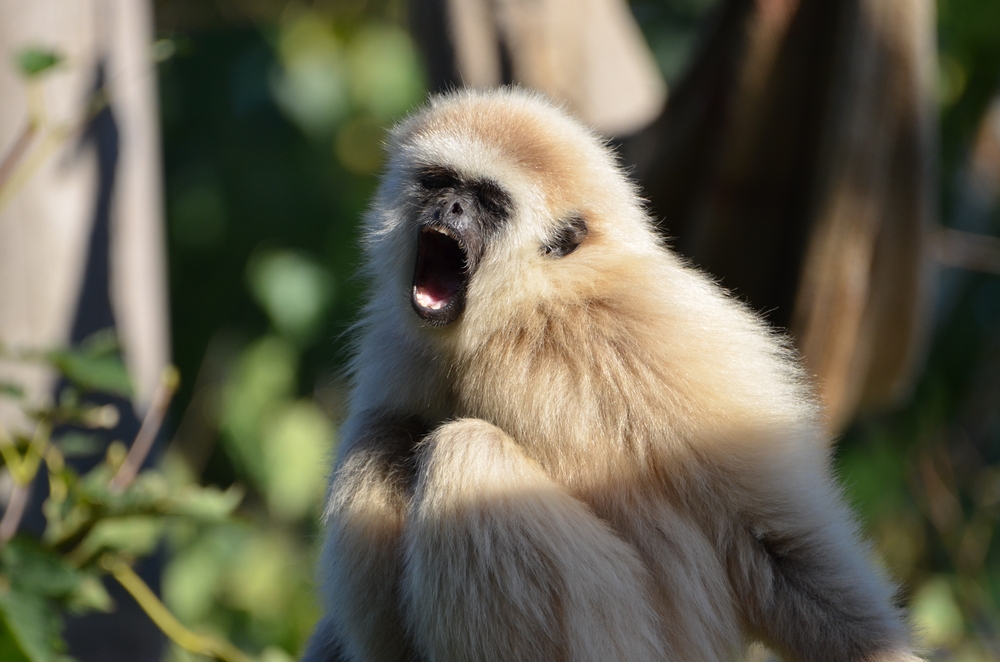
Gibbons are known for their incredibly complex family structures, often forming lifelong monogamous pair bonds that are essential to their well-being. They vocalize complex duets in the mornings—a bonding ritual that helps secure their territory and express their companionship. When a mate is lost, the surviving gibbon often enters a deep, prolonged state of mourning, displaying depression and refusing to eat or vocalize.
Their capacity for sustained, romantic, pair-bonded relationships illustrates a commitment and fidelity that is rare in the animal kingdom and requires a profound emotional infrastructure.
12. Bonobos
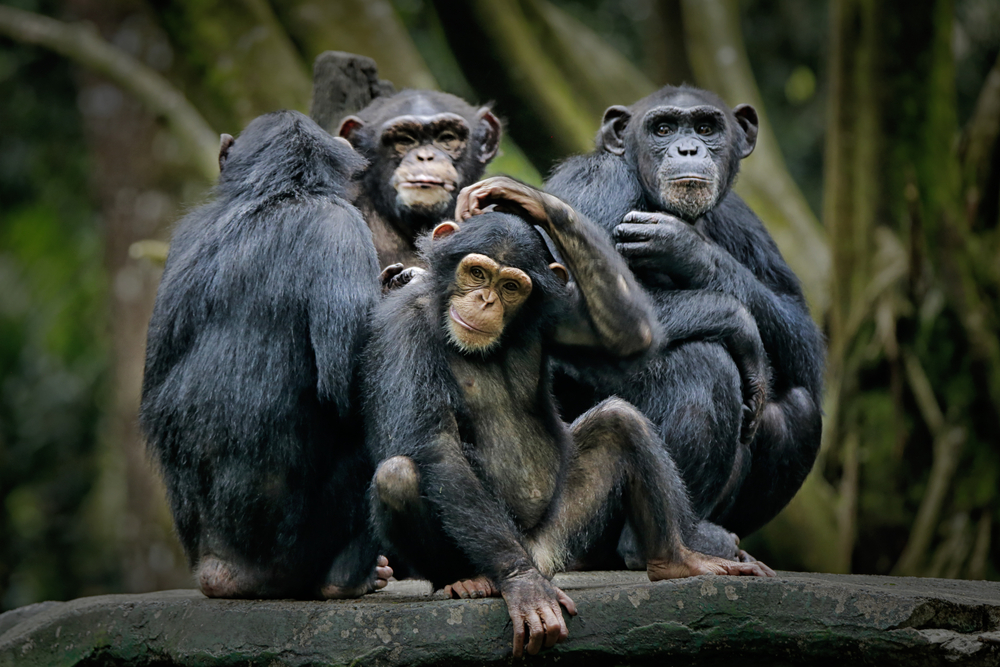
Bonobos, like chimpanzees, share a vast amount of human DNA and are known for their highly cooperative and peaceful social structures. They resolve conflict through social touch and grooming rather than through violence, and they are susceptible to the emotional states of those around them. They will share food and resources with strangers, a clear indicator of selfless empathy.
Their social lives are centered on alliance and cooperation, reflecting deep emotional maturity and a preference for harmony. Their capacity for play, mutual consolation, and complex social problem-solving highlights a nuanced internal life.
13. Cuttlefish
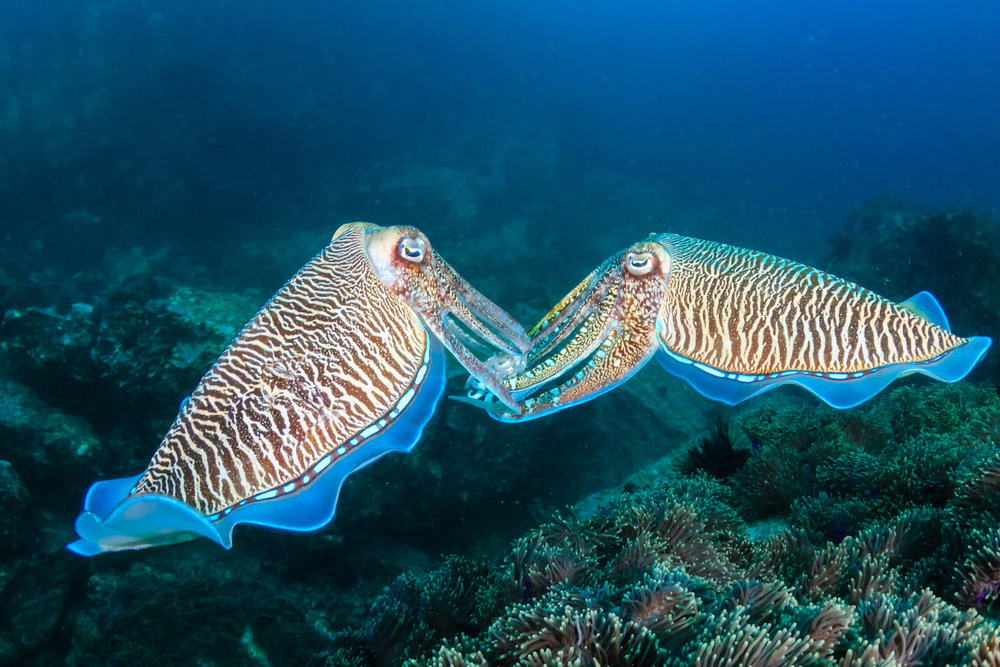
Cuttlefish, though invertebrates, demonstrate remarkable cognitive flexibility, and their emotional states are visible through their skin. They are capable of complex problem-solving, delayed gratification, and camouflaging that is not only reactive but strategic and proactive. Their capacity to use visual signaling for complex communication suggests a rich internal experience.
They are known to display fear, excitement, and curiosity, which they communicate through rapid, elaborate color changes and body patterning. This immediate, visible externalization of internal emotional states makes their complex cognitive-emotional lives particularly compelling to researchers.