
The holiday season is traditionally associated with giving, but sadly, it also marks one of the busiest and most heartbreaking periods for animal shelters. Following Christmas, shelters often see a sharp increase in surrenders, with families abandoning pets they received as “gifts” or can no longer handle after the novelty wears off. Certain breeds are disproportionately affected by factors such as high energy levels, size, breed-specific behavioral needs, or overbreeding and easy availability.
Drawing on data from national and local animal rescue organizations, here are 13 dog and cat breeds that are most frequently surrendered to shelters during the post-holiday rush.
1. Siberian Husky
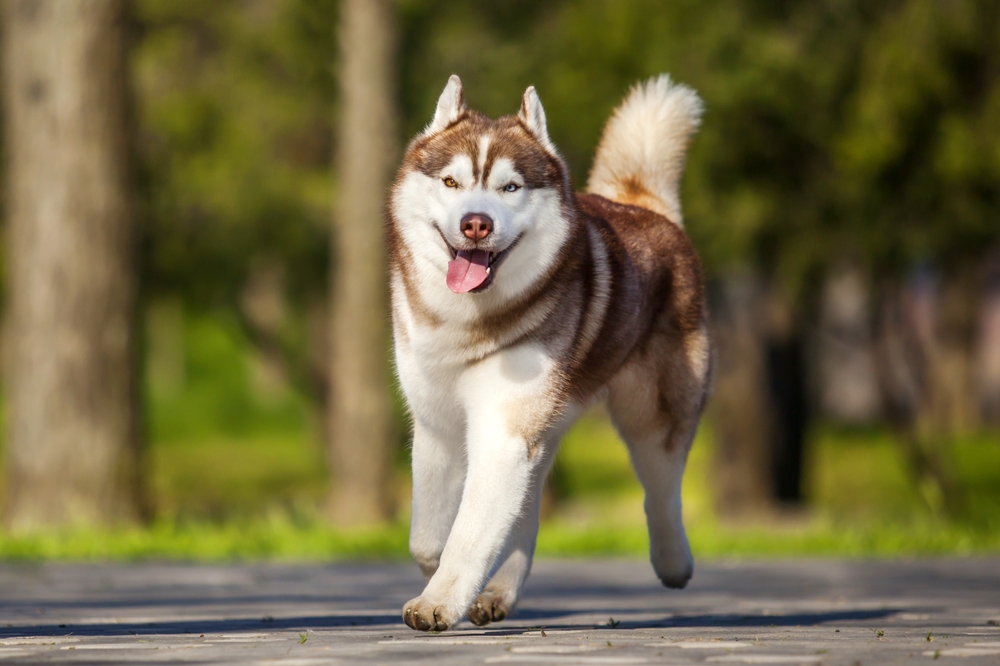
Siberian Huskies are frequently surrendered due to their extremely high energy levels and powerful prey drive, which many new owners vastly underestimate. Their vocal nature—often howling instead of barking—is also a common source of complaints from neighbors and apartment managers. The breed requires several hours of intense exercise daily, which is often incompatible with a busy family schedule after the holidays.
Huskies are also masters of escape, requiring highly secure fencing that many suburban homes lack. Their striking blue eyes and wolf-like appearance make them popular impulse buys, but their intelligence and need for constant mental stimulation quickly turn destructive without proper training. The reality of owning this demanding breed often sets in quickly, leading to post-holiday abandonment.
2. German Shepherd
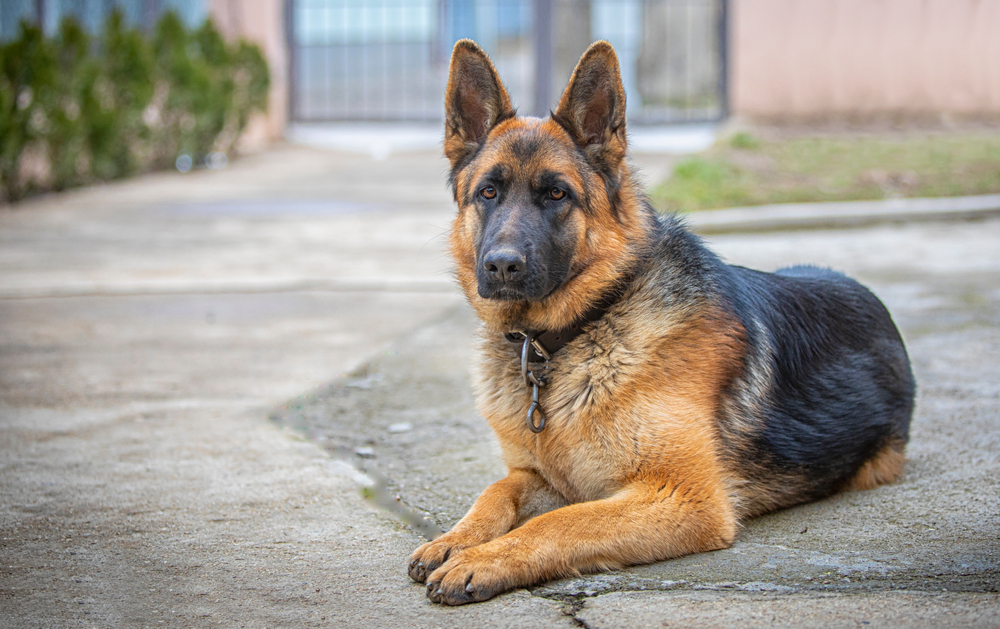
German Shepherds are magnificent, loyal dogs, but they are also among the most common breeds in shelters, particularly after the New Year. This is mainly due to their protective instincts and need for extensive socialization and professional training. Without consistent guidance, their inherent guarding tendencies can translate into fear-aggression toward strangers, which families often struggle to manage.
They are large, powerful dogs that require a confident handler and plenty of space and purpose. Families who purchase a German Shepherd puppy for security often fail to invest in the necessary training to channel its intelligence constructively. This lack of management leads to behavioral issues that owners deem unmanageable, resulting in surrender.
3. Pit Bull Types (American Staffordshire Terriers)
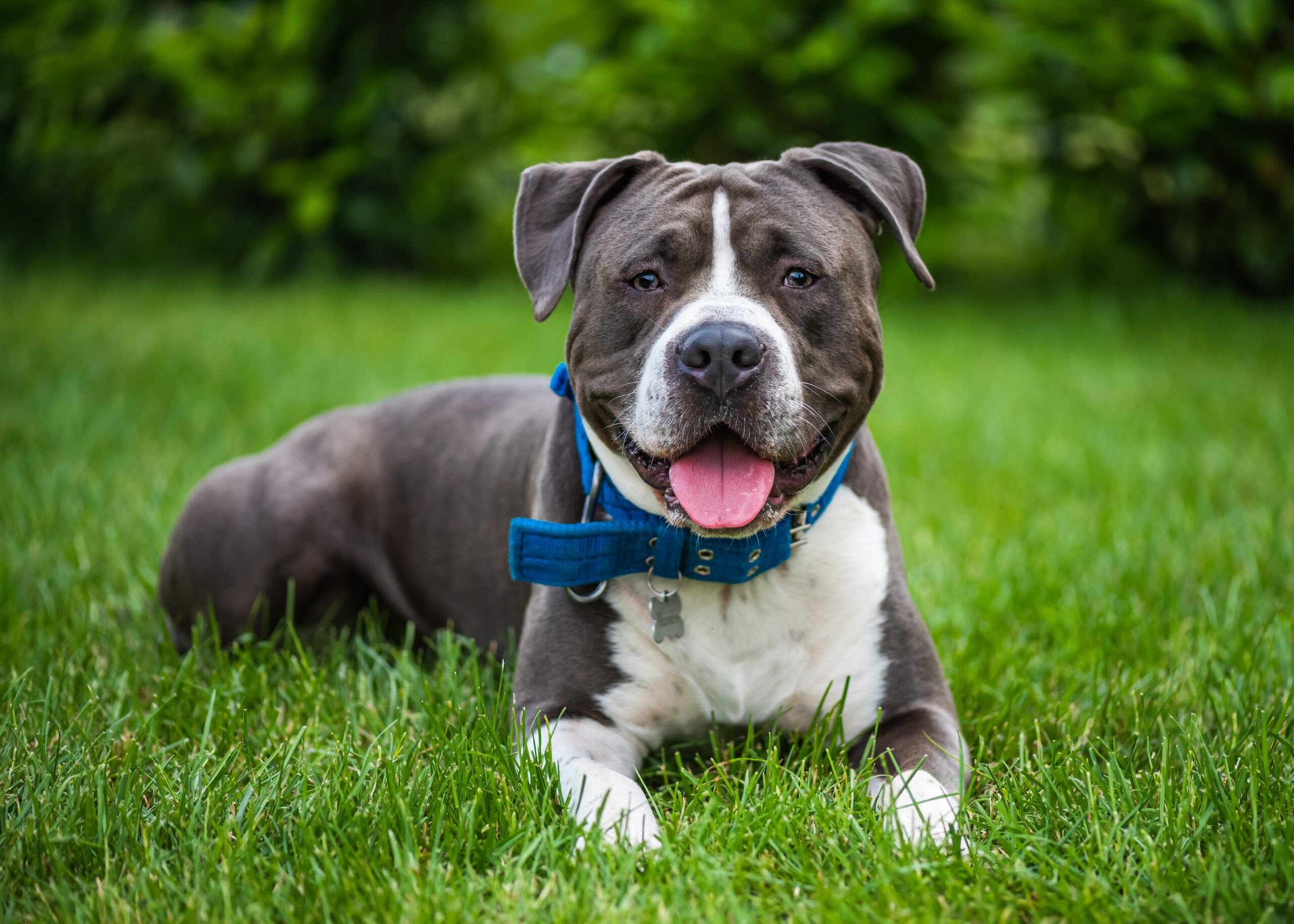
Pit Bull-type dogs suffer from intense public stigma and are frequently surrendered when owners move to housing where the breed is banned or restricted by insurance policies. Furthermore, they are often overbred in the absence of effective rescue networks, resulting in shelter surpluses. They are loving and loyal dogs, but they are often victims of circumstance and prejudice.
Surrenders increase when owners, often unable to afford training or professional medical care, struggle to manage behavioral problems exacerbated by poor breeding. The sheer volume of these dogs in shelters across the country means they are statistically always near the top of surrender lists, with the holidays often pushing families past their financial or emotional breaking point.
4. Labrador Retrievers

Labrador Retrievers are America’s most popular breed, but their massive popularity sadly makes them one of the most surrendered as well. While they are famously friendly, they retain considerable energy and a playful, mouthy puppy stage that can last for two to three years. New owners often fail to anticipate the destructive power of a bored, untrained adolescent Lab.
These dogs are big, strong, and highly food-motivated, requiring regular exercise and structure. When families get a Lab puppy for Christmas without considering its long-term needs, the reality of its chewing, jumping, and pulling behavior quickly leads to frustration and rehoming shortly after the new year.
5. Jack Russell Terrier
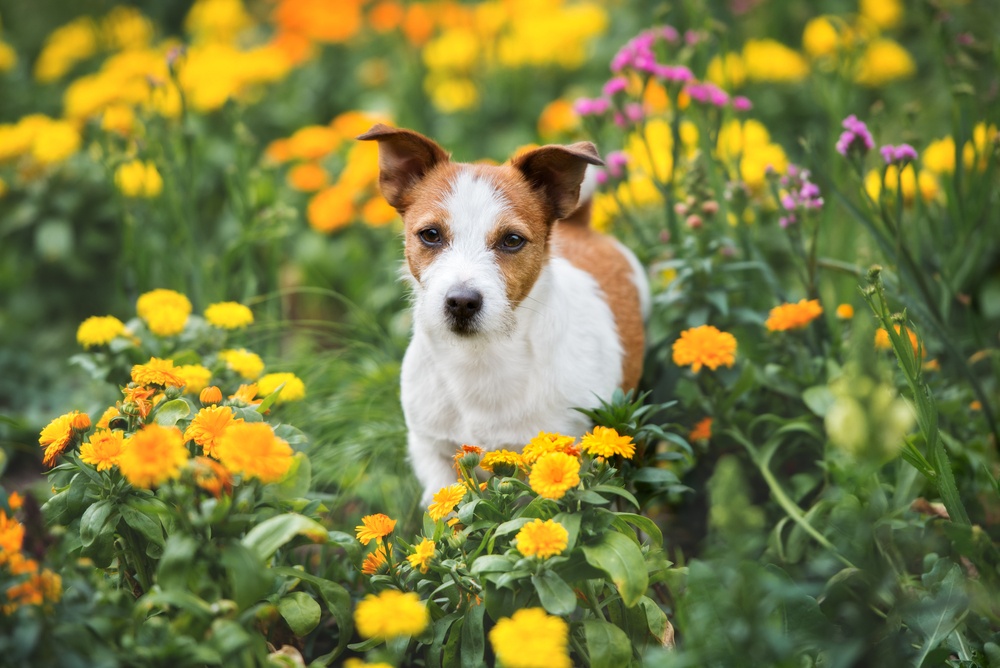
Jack Russell Terriers are small, but they possess the energy and temperament of a large working dog, making them notoriously challenging pets for inexperienced owners. They are incredibly intelligent, mischievous, and demand constant activity and mental stimulation. They are also prone to excessive barking and digging, which can be devastating to household harmony.
Often bred as cute, manageable small dogs, they exhibit high drive and a tendency toward territorial behavior and hyperactivity, leading to quick surrenders. Their complex needs are rarely explained to impulse buyers, resulting in a dog that is too much for a casual pet owner to handle once the holiday excitement fades.
6. Beagle

Beagles are beloved for their gentle nature; however, they are scent hounds, meaning they are driven by their noses and prone to wandering and to loud, persistent baying. This baying is often the primary reason they are surrendered, especially in apartment settings or neighborhoods with high density. Their deep attachment to a scent trail makes them notoriously difficult to train off-leash.
As medium-sized dogs, they can also become overweight without regular exercise, leading to medical problems that are too costly for owners to manage. They are frequently obtained from pet stores or casual breeders around the holidays, making them prime candidates for being dropped off at the shelter when the noise and veterinary bills start mounting.
7. Chihuahua
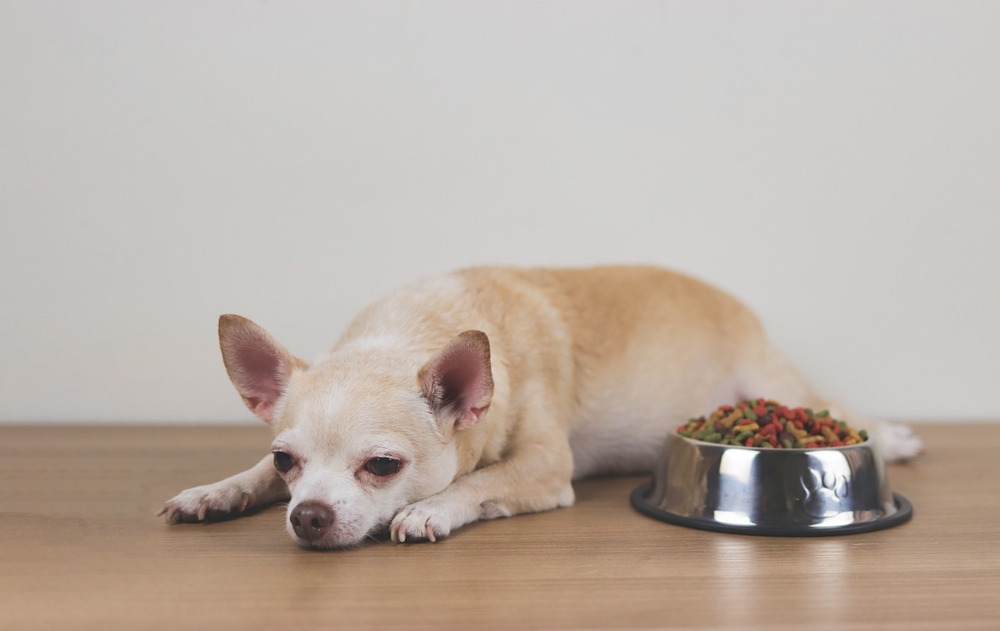
Chihuahuas are small, easily carried dogs often acquired on impulse, but they exhibit complex behavioral issues if not properly socialized and trained. Many are surrendered due to biting, separation anxiety, and failure to be house-trained, behaviors often exacerbated by owners who treat them more like accessories than dogs. Their nervousness can make them prone to snapping if handled roughly.
The fragility of the breed, combined with their tendency to bond intensely with a single person and distrust strangers, makes them challenging to rehome or manage in a chaotic household. Their small size makes them appear low-maintenance, but their temperaments are often anything but.
8. Bengal Cat
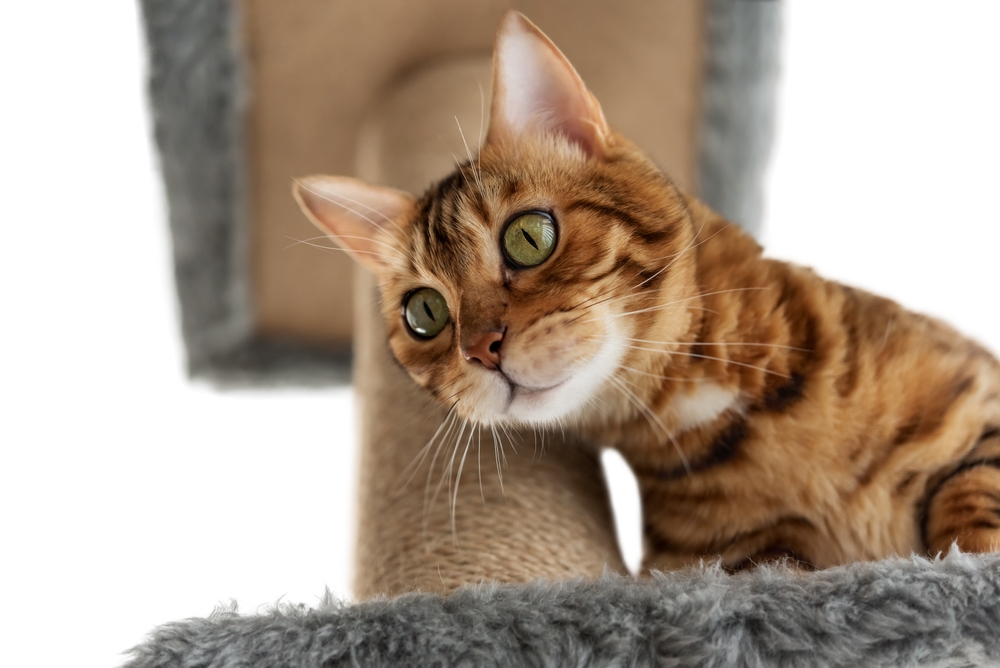
Bengal cats are highly sought after for their exotic spotted coats, but they are a hybrid breed with extremely high energy and a demanding, almost dog-like temperament. They require constant interaction and complex enrichment activities, and often struggle with being left alone, leading to destructive behaviors such as climbing curtains and engaging in water play. They are notoriously active and vocal.
New owners who purchased a beautiful, exotic-looking cat often fail to understand that they are acquiring an animal with specialized needs for stimulation and attention. The novelty quickly fades when the cat is actively destroying furniture, leading to surrenders when the owner decides they cannot manage such an intense pet.
9. Siamese Cat
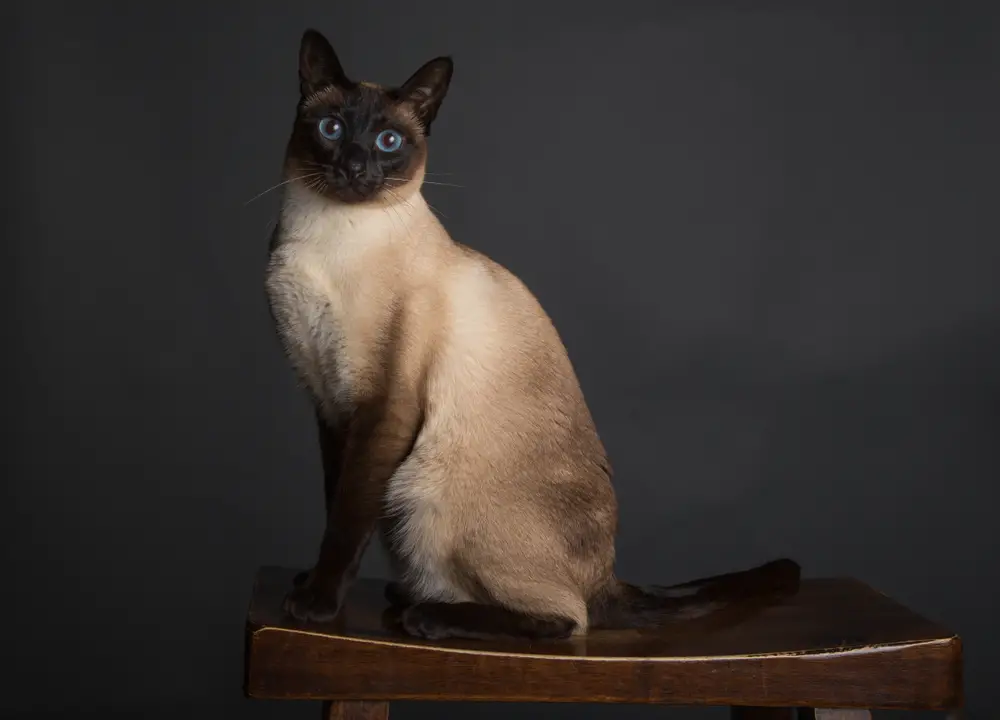
Siamese cats are famous for their intelligence and distinctive vocalization; however, this vocal nature—often a loud, low, and persistent meow—is the primary reason they are surrendered. They are extremely social and demanding cats who thrive on constant interaction and can become very destructive or depressed if left alone for long periods. They are prone to separation anxiety.
Owners who seek a beautiful, sleek cat often do not realize they are adopting an animal that will constantly “talk” and demand engagement. When the family returns to work or school after the holidays, the Siamese’s anxiety and noise level can become overwhelming, resulting in a trip to the shelter.
10. Domestic Shorthair (Calico, Tabby, Black Cats)
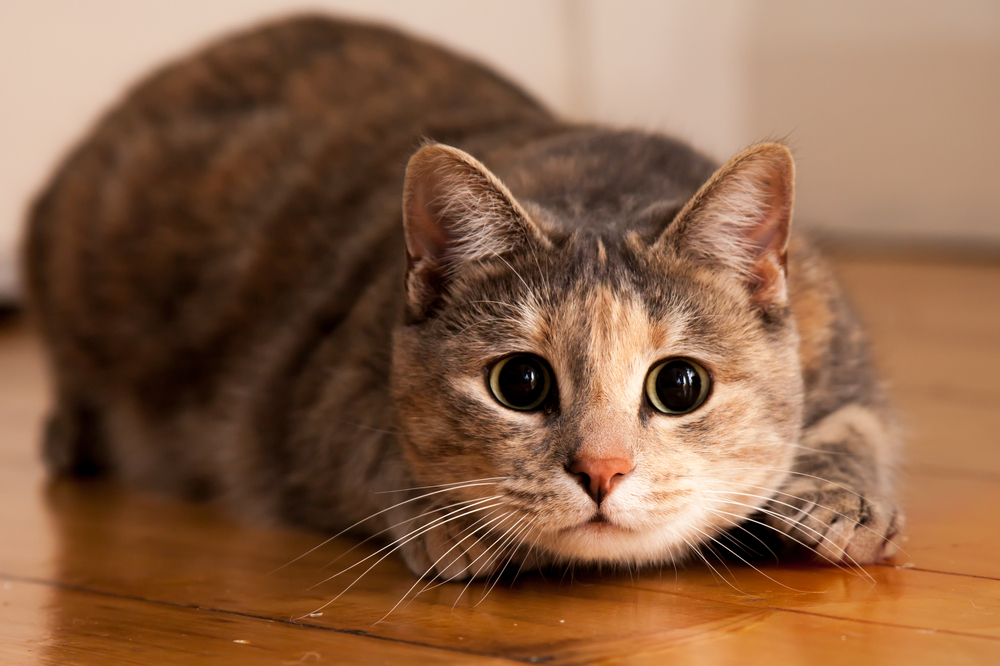
While not a specific breed, Domestic Shorthairs (DSH) are statistically the most surrendered type of cat simply due to their sheer numbers. They are the most common cat breed in the US and are readily available through casual breeding and unwanted litters. The holidays see a surge of kittens being given away as gifts.
When these kittens mature, if they were not properly socialized, they may develop behaviors such as scratching furniture, territorial spraying, or aggression, leading to surrender. The accessibility and low perceived cost of a DSH mean they are often adopted without serious consideration of their decade-plus lifespan.
11. Shih Tzu
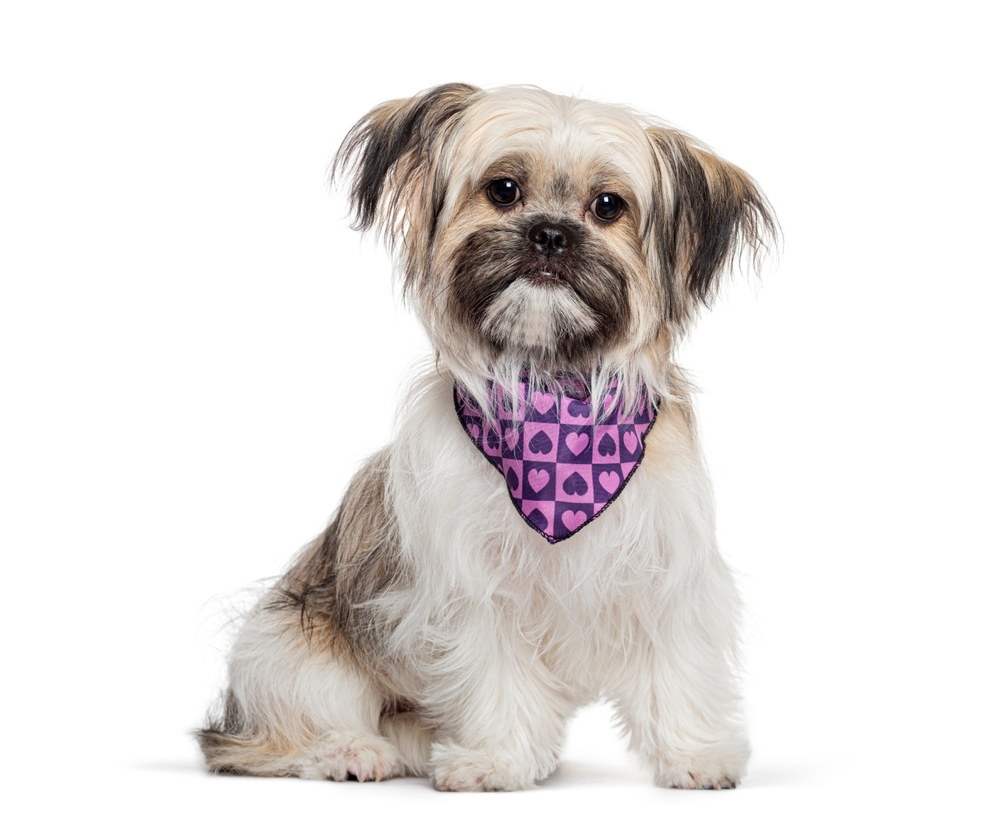
Shih Tzus are appealing lap dogs, but they come with two major drawbacks that lead to high surrender rates: extensive grooming needs and difficulty with house-training. Their long, dense coats require daily brushing and professional grooming every few weeks, a financial and time commitment many new owners do not anticipate.
Furthermore, they are among the most notoriously difficult breeds to fully house-train, often reverting to indoor accidents, particularly during cold weather. The combination of high-maintenance grooming and persistent house-training issues quickly overwhelms owners who wanted a simple, small companion.
12. Boxer
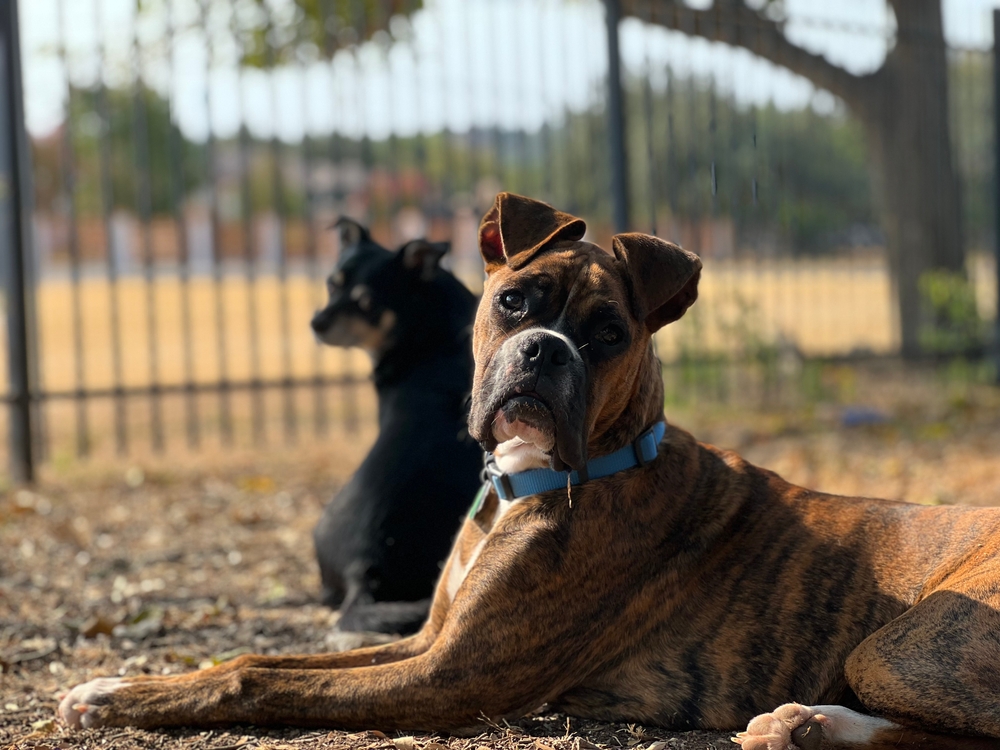
Boxers are energetic, playful, and affectionate dogs known for their bouncy demeanor; however, they are also large, powerful, and intensely needy. They require significant human interaction and do not do well when left alone for long periods, often developing destructive separation anxiety. Their intense puppy phase lasts for well over a year.
Their short attention spans and high energy levels mean they require consistent training to remain manageable. Families often find the reality of controlling a large, muscular dog that jumps and chews to be too much effort, especially when the dog is acquired as a gift for a child who cannot handle the responsibility.
13. Rottweiler
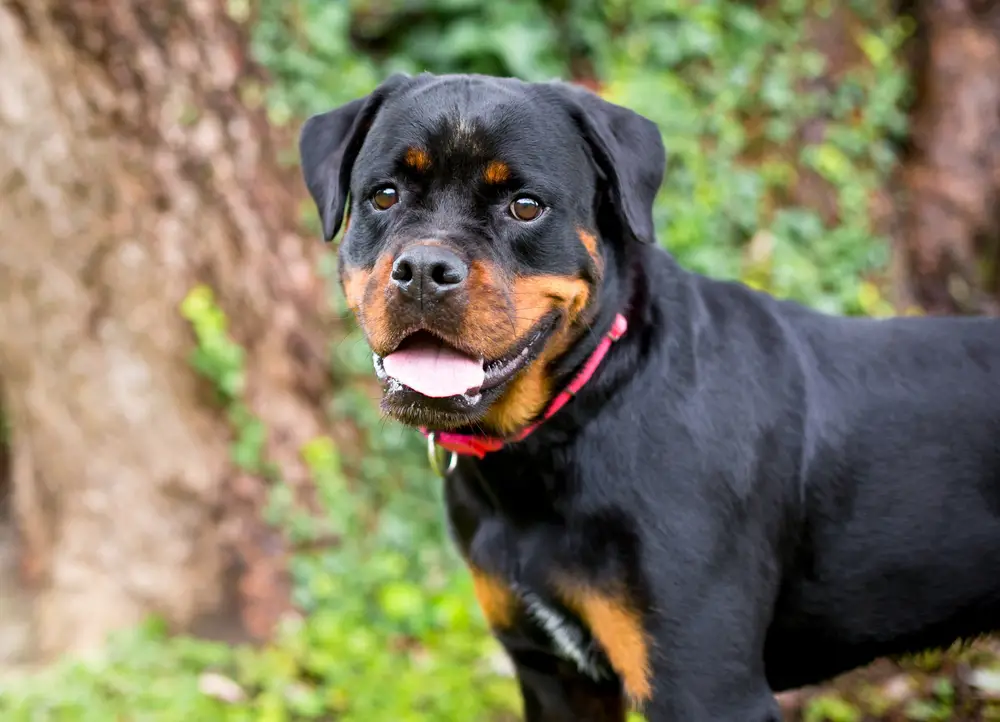
Rottweilers are confident, protective, and intelligent dogs that thrive with strong leadership and consistent training, but their size and guarding instincts make them difficult for novice owners. They are often purchased for protection, but without proper socialization, they can become overly suspicious of strangers.
Like German Shepherds, they are among the breeds most frequently surrendered because owners fail to provide the necessary structure and training their temperament requires. The perception of the breed as inherently aggressive often leads to rejection by potential adopters, reducing the likelihood that they will leave the shelter once surrendered.