
There’s nothing quite like the satisfaction of a flourishing garden, but keeping your plants alive through the harsh winter months can feel like solving a mystery. Whether you’re a seasoned green thumb or just starting out, the challenges of winter gardening can be daunting. But fear not, because with a few clever hacks, you can keep your garden vibrant all year long. Here are 12 smart garden hacks that will help your plants thrive even when the thermometer plunges.
1. Understand the Power of Mulching
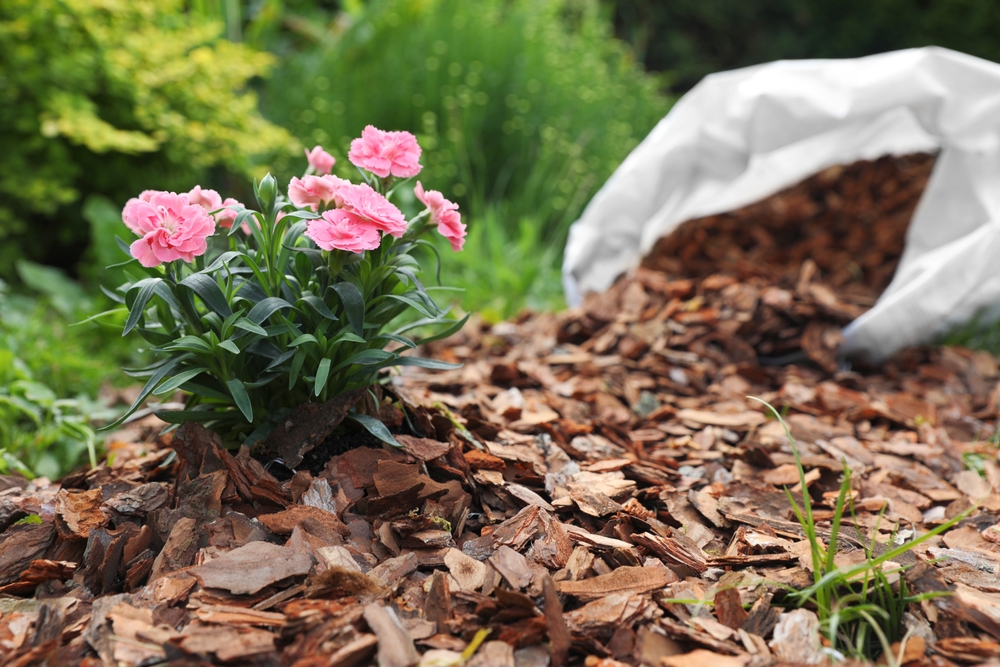
Mulching is like giving your garden a cozy blanket to snuggle under during frigid nights. By spreading a layer of organic material such as straw, wood chips, or leaves around your plants, you’re insulating the soil and protecting the roots from extreme temperature changes. This not only conserves moisture but also gradually adds nutrients to the soil as the mulch breaks down. A well-mulched garden can make all the difference when winter winds start to bite.
Research from the University of California’s Agriculture and Natural Resources division highlights how effective mulch can be in temperature regulation and moisture retention. By creating a barrier against the elements, mulch allows you to extend your growing season. Just make sure to leave some space around the base of the plants to avoid rot and pest issues. It’s a small effort with significant returns, keeping your garden healthy and vibrant throughout winter.
2. Try Indoor Gardening Techniques

When the cold becomes too intense, it might be time to bring the garden indoors. Houseplants not only beautify your space but also improve air quality and humidity levels. You can start with hardy plants like succulents and herbs that require minimal upkeep yet thrive in indoor conditions. It’s a great opportunity to experiment with different lighting conditions and plant groupings to find the perfect arrangement.
Indoor gardening can be as simple or as complex as you make it. Harness the power of grow lights if natural sunlight is scarce, and consider using hydroponic systems for a soil-free experience. Don’t let limited space deter you—vertical gardens and window boxes can make even the smallest apartment feel like a lush oasis. With a little creativity, you’ll find that the possibilities for indoor gardening are almost endless.
3. Implement a Cold Frame

A cold frame might just be your garden’s best friend during winter months. Essentially a mini-greenhouse, cold frames trap heat and protect plants from frost. They’re perfect for extending the growing season, allowing you to start seedlings earlier in the spring or keep hardy greens going through winter. With a little DIY ingenuity, you can build your own using materials like old windows or clear plastic sheets.
According to a study by the Royal Horticultural Society, cold frames can significantly boost the productivity of a winter garden by creating a more stable and warm microclimate. This is especially beneficial for crops like lettuce, spinach, and radishes, which thrive in slightly warmer conditions. The beauty of a cold frame is its simplicity; it requires no electricity and minimal upkeep. Just remember to ventilate on warmer days to prevent overheating and mold.
4. Rotate Your Crops

Crop rotation isn’t just for large-scale farmers—it’s a technique that can benefit your backyard garden too. By changing the location of plant families each season, you can naturally reduce pest buildup and soil nutrient depletion. This method mimics nature’s diversity, making your garden more resilient to seasonal challenges. It’s like giving your garden a fresh start every year, which is especially valuable when resources are limited during winter.
To implement crop rotation effectively, divide your garden into sections and plan which plant groups will go where each year. For example, follow nitrogen-fixing legumes with nutrient-hungry greens. This way, you maintain a balance of nutrients in the soil while disrupting pest cycles. Not only will your plants be healthier, but the soil will also be more fertile.
5. Use Row Covers for Extra Protection

Row covers act as temporary shelters for your plants, offering an extra layer of warmth during the coldest nights. Made from lightweight fabric, they allow sunlight and moisture to reach plants while keeping out frost and pests. These covers are versatile, easy to use, and can be removed once temperatures rise. They’re particularly effective for protecting tender seedlings or extending the harvest of fall crops.
A study published by the American Society for Horticultural Science found that row covers can effectively enhance crop resilience by maintaining warmer temperatures and reducing frost damage. By using them strategically, you can safeguard your garden without the need for complicated heating systems. Just ensure they’re secured properly to prevent wind damage, and adjust them daily to accommodate fluctuating temperatures. With row covers, you’re giving your plants a fighting chance against winter’s bite.
6. Water Wisely and at the Right Time
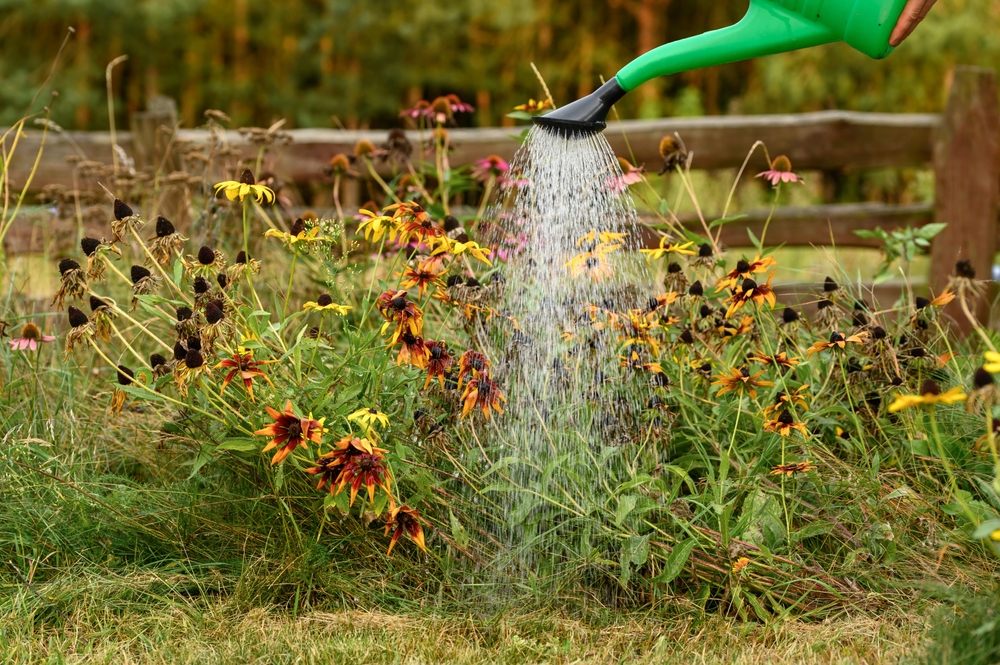
Watering in winter requires a bit of finesse since the needs of plants change with the seasons. Overwatering can lead to root rot, while underwatering can leave plants parched and vulnerable. The secret is to water deeply but infrequently, ensuring that the moisture reaches the roots without saturating the soil. Timing is also crucial—water in the morning to allow extra moisture to evaporate by evening, reducing the risk of fungal diseases.
Make sure to monitor the weather and soil moisture levels closely. During dry spells, even in winter, your plants might need an extra drink. Consider using a moisture meter to get a more accurate reading of soil conditions. By understanding and responding to your garden’s needs, you’ll help it thrive through the chill.
7. Experiment With Companion Planting

Companion planting is a clever strategy that involves growing plants together that benefit each other. This can mean pest control, improved pollination, or enhanced nutrient uptake. For example, planting garlic near roses can ward off aphids, while marigolds can help deter nematodes in vegetable gardens. It’s a natural way to create a balanced ecosystem that supports your plants through the toughest seasons.
Research from Cornell University highlights the benefits of companion planting, emphasizing its ability to reduce the need for chemical interventions. By creating symbiotic relationships among your plants, you encourage a healthier and more resilient garden. It’s an approach that requires a bit of planning and experimentation but pays off with stronger, more productive plants. Dive into the world of companion planting, and you might discover some surprising synergies.
8. Fertilize Smartly in the Fall

Fertilization isn’t just a springtime activity; fall is also a crucial period for preparing your garden for the upcoming winter. Applying the right type of fertilizer in the fall can boost root growth and nutrient storage, setting your plants up for success come spring. It’s about providing a slow-release energy source that helps plants endure the cold. Organic options like compost or bone meal are excellent choices for nurturing your soil.
Fall fertilization should be tailored to the specific needs of your plants and soil. Conducting a soil test can offer insights into what nutrients are lacking. Remember that less is often more—over-fertilizing can lead to nutrient runoff and pollution. By being strategic with your fall fertilization, you ensure a garden that’s ready to bounce back when the temperatures rise.
9. Create Windbreaks to Shield Plants

Cold wind can be as damaging to your garden as frost, stripping moisture and chilling plants to their core. Setting up a windbreak can be a simple yet effective way to protect your garden from harsh gusts. Natural windbreaks can be created using hedges, shrubs, or trees, while artificial options include fences or temporary screens. The goal is to reduce wind speed and minimize its impact on your plants.
When designing a windbreak, consider the direction of prevailing winds and the height of the barrier needed. Dense, layered plantings work best, as they can slow wind without creating turbulence. A well-placed windbreak not only protects plants but can also enhance the microclimate of your garden. It’s a small adjustment with lasting benefits for your winter garden.
10. Prune Strategically Before Winter Hits

Pruning is an essential task that should not be overlooked as winter approaches. Cutting back dead or diseased branches helps prevent pest infestations and encourages healthy growth in the spring. However, timing is critical; prune too early, and you risk stimulating new growth vulnerable to cold. Conversely, pruning too late can lead to winter injury, so aim for late fall when plants are dormant.
Focus on removing any damaged or crossing branches that could cause issues during winter storms. Pruning also increases airflow, reducing the risk of fungal diseases. Proper techniques vary by plant type, so it’s worth researching or consulting a guide. By honing your pruning skills, you’ll give your garden its best chance to withstand the winter months.
11. Invest in Quality Containers
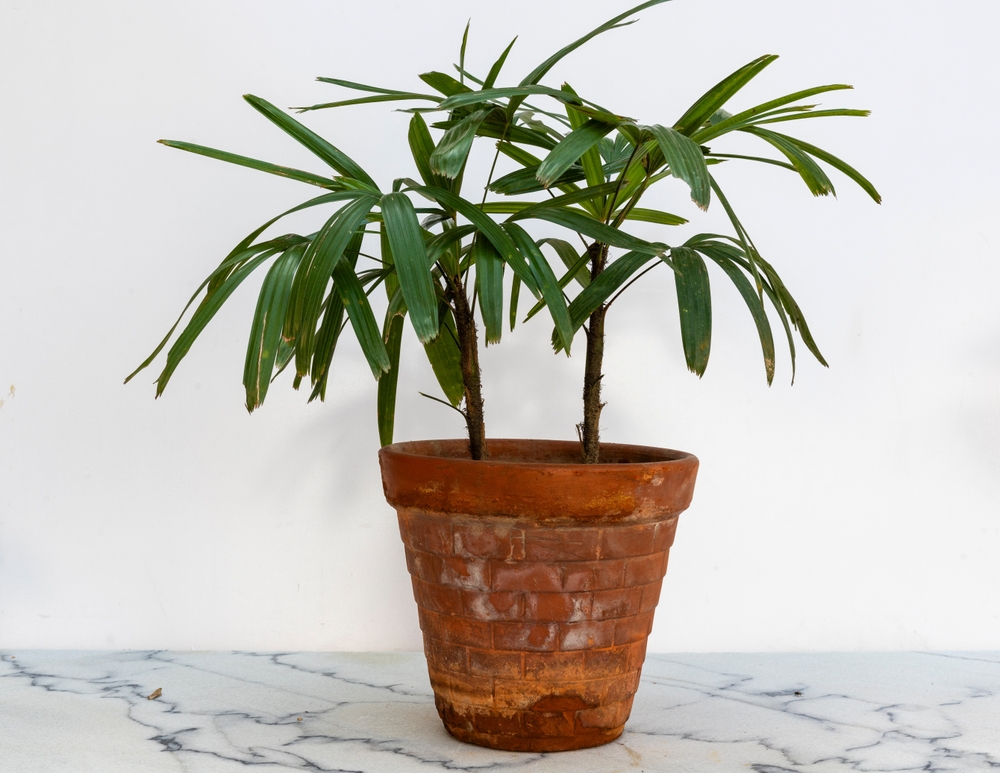
Container gardening offers flexibility and protection for your plants during winter. Quality containers provide insulation and can be easily moved indoors or to sheltered spots as temperatures drop. Opt for materials that withstand freezing temperatures, like fiberglass or resin, and ensure they have proper drainage to avoid waterlogged roots. This method allows you to continue gardening even when conditions are less than ideal.
Consider the size and needs of each plant when selecting containers. Larger pots retain heat more effectively, but they also require more soil and maintenance. Grouping containers together can create a microclimate, offering additional warmth and protection. With the right containers, your garden remains versatile and adaptable, no matter the season.
12. Get Creative With Winter Cover Crops

Winter cover crops, like clover or rye, can be a gardener’s secret weapon during the colder months. These crops improve soil structure, suppress weeds, and add organic matter when tilled under in the spring. They act as a living mulch, protecting the soil from erosion and nutrient loss. Plus, they’re a gift to pollinators, providing food when other sources are scarce.
Planting cover crops in the fall requires a bit of planning and timing. Choose species that suit your climate and soil conditions for the best results. Once planted, they require minimal upkeep, making them a low-effort, high-reward investment. By incorporating cover crops, you’re ensuring your garden’s foundation remains strong and ready for the next growing season.