
While you might rely on technology and modern conveniences to get through a day, wild monkeys have evolved some ingenious survival tricks that are so far beyond human capability, they seem almost magical. From gravity-defying acrobatics to complex social strategies, these primates have some serious skills that no amount of human innovation could replicate. Here are 12 wild monkey survival tricks that scientists say humans could never pull off.
1. Tree Gymnastics
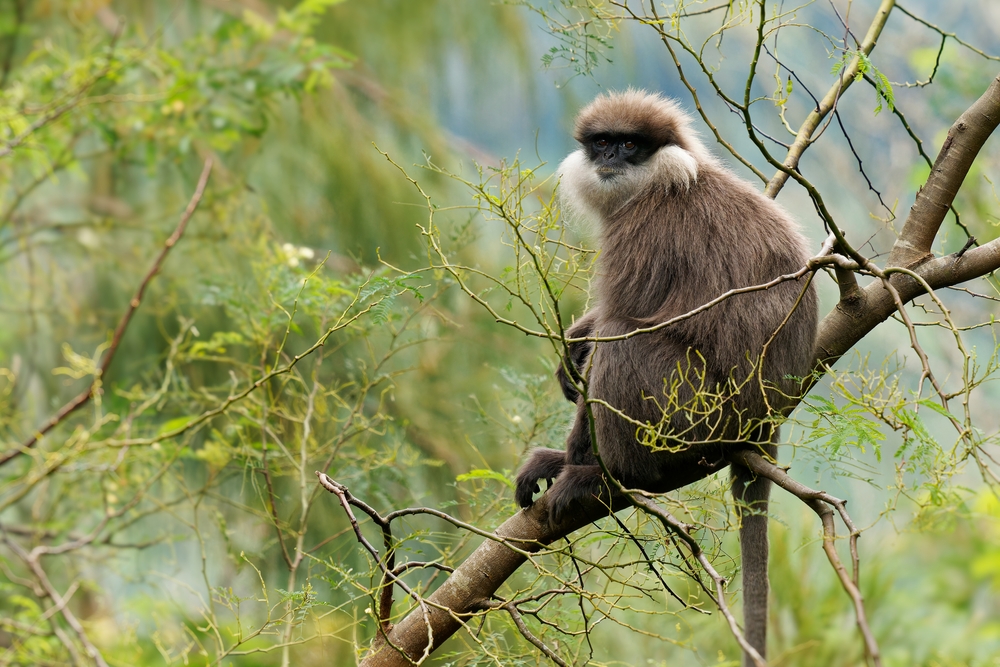
Monkeys have a knack for transforming the jungle canopy into their own personal playground. Swinging effortlessly from branch to branch, they demonstrate a combination of strength, balance, and agility that rivals any Olympic gymnast. While you might struggle to maintain your balance on a wobbly yoga pose, monkeys navigate the treetops with ease, using their tails for extra leverage and balance. Their bodies are built for this arboreal lifestyle, with powerful limbs and flexible joints that allow for rapid, precise movements.
According to a study published in the Journal of Experimental Biology, the biomechanics of monkey locomotion are complex and finely tuned. The research highlights how monkeys use their tails not just for hanging but also as a fifth limb to stabilize themselves during complicated maneuvers. This adaptation allows them to escape predators swiftly and access food sources that are out of reach for other animals. It’s a level of physical control and adaptation that humans, with our grounded bipedalism, can only admire from afar.
2. Instant Alarm Systems
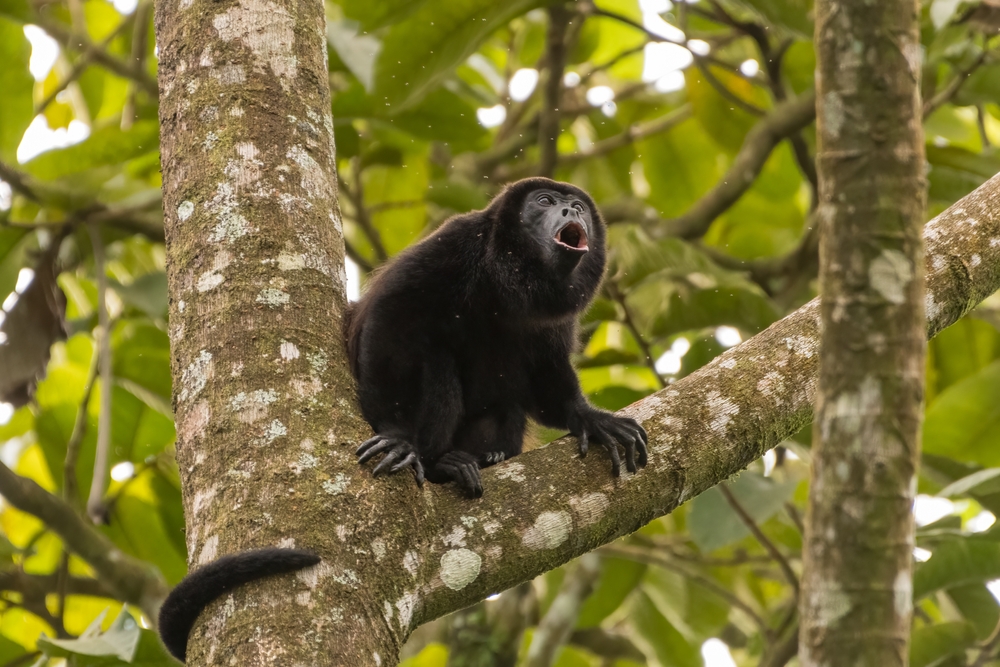
Monkeys have developed highly sophisticated communication systems to warn each other about impending dangers. Imagine being able to instantly alert your whole community of a threat without uttering a single word. Through a series of complex vocalizations, they can identify not only the type of predator but also the urgency of the threat. This ability to communicate in nuanced ways keeps their groups safe from predators like eagles and snakes.
While you might rely on alarms and smartphones to stay connected, monkeys use their vocal cords in ways that are still being studied by scientists. Researchers have discovered distinct call patterns that change based on the situation, almost resembling a spoken language. This vocal dexterity is a crucial survival skill, honed over millions of years of evolution. It’s a reminder of how much we still have to learn about communication and community from our primate relatives.
3. Camouflage Masters
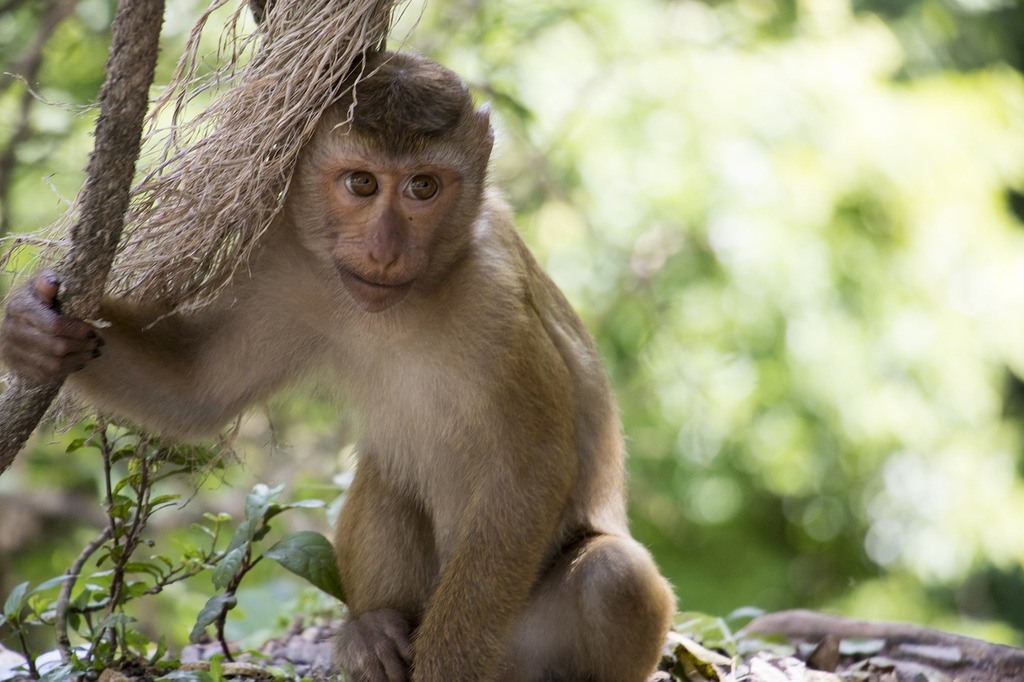
Some monkey species have evolved the art of camouflage to a degree that would put a chameleon to shame. Blending seamlessly into their surroundings, they avoid predators by becoming almost invisible in the dense foliage. Unlike humans, who rely on clothing and technology for disguise, these primates have developed fur patterns and behaviors that make them one with their environment. It’s an instinctual survival tactic that works remarkably well in the wild.
A study in Nature Communications reveals how certain monkeys have evolved coloration patterns that act as an effective form of natural camouflage. These patterns disrupt the outline of the monkey’s body, making it harder for predators to spot them in the complex visual environment of the forest. The study highlights the role of natural selection in fine-tuning these adaptations. For humans, mastering such seamless camouflage would require technology far advanced from our current capabilities.
4. Cooperative Babysitting
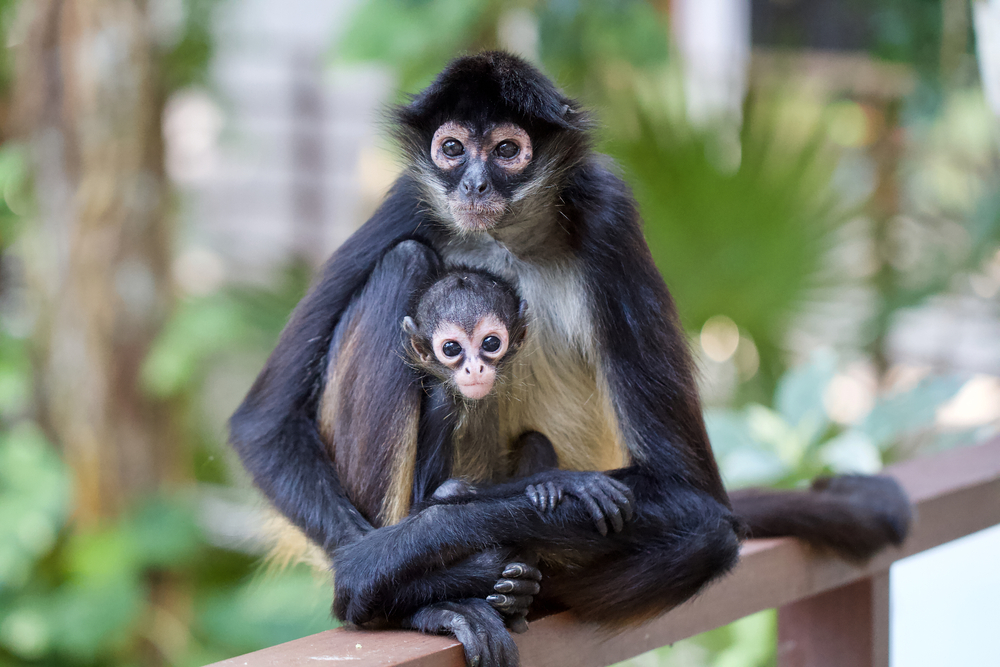
In monkey societies, the saying “it takes a village” comes to life with cooperative childcare. Unlike humans, who often rely on structured daycare systems, monkeys share the responsibilities of raising young across the community. This communal approach means that mother monkeys can take breaks, forage, or even rest while other group members take on babysitting duties. It fosters a strong social bond and ensures the survival of the troop’s youngest members.
You might find the idea of leaving your child with multiple caregivers a logistical nightmare, but in monkey groups, it’s a well-orchestrated practice. The shared responsibility nurtures social structures where trust and cooperation are paramount. This system not only allows for better survival rates of the young but also strengthens social cohesion within the group. It’s a natural system of support that human societies could find both inspiring and challenging to replicate.
5. Strategic Grooming
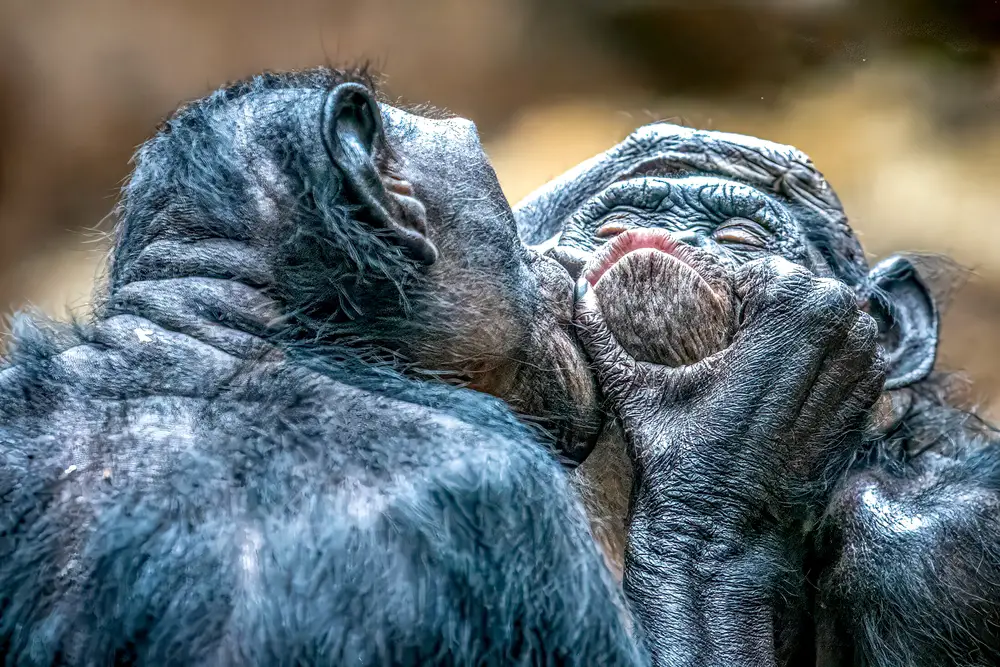
Grooming among monkeys is much more than a simple hygiene ritual—it’s a crucial social strategy. Imagine if your daily skincare routine doubled as a way to cement friendships and alliances. Monkeys engage in grooming to build and maintain social bonds, reduce tension, and even gain favor with higher-ranking group members. It’s a nuanced form of social currency that keeps the troop running smoothly.
Research in the journal Animal Behaviour shows that grooming has significant social implications within primate groups. This study found that monkeys strategically choose grooming partners who can offer them protection or other social benefits. The act of grooming releases endorphins, creating a sense of well-being that is mutually beneficial. While humans might find similar social benefits in a spa day with friends, the intricate social dance of monkey grooming is a testament to their complex social intelligence.
6. Food Sharing Tactics
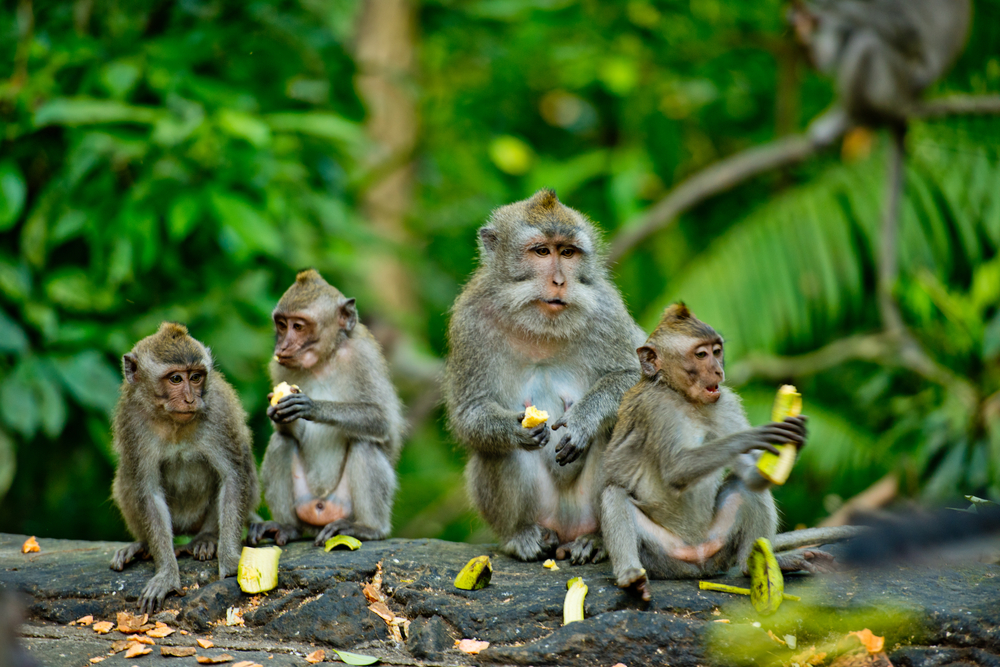
When it comes to food, monkeys have mastered the art of sharing and bartering in ways that ensure survival. While you might haggle over who pays the dinner bill, monkeys use food as a bargaining tool to strengthen alliances. Sharing food is a way to build reciprocal relationships, ensuring that no one in the troop goes hungry. This social contract of sharing and bartering helps maintain group harmony and cooperation.
You might think of sharing food as something that happens at family gatherings, but for monkeys, it’s a daily survival tactic. By sharing resources, they create networks of reciprocity, where the favor is expected to be returned in the future. This system of give-and-take fosters trust and dependency among group members. It’s an innate understanding of community and mutual aid that humans often strive for but rarely achieve so seamlessly.
7. Tool Innovation
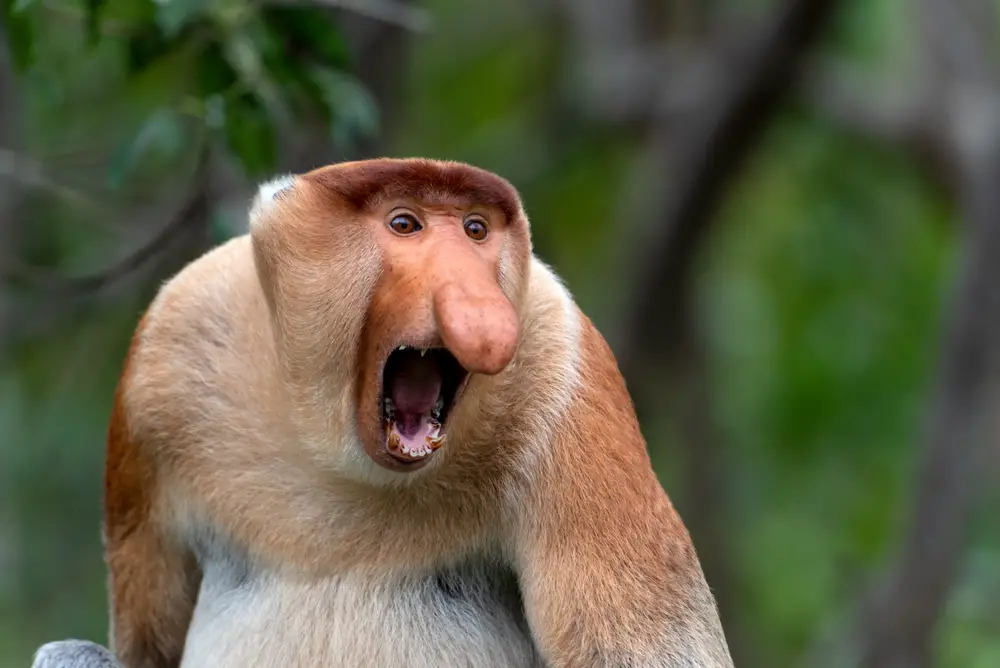
Monkeys have been observed using tools in ways that are not only inventive but also highly effective for their survival. Whether it’s using sticks to extract insects or rocks to crack open nuts, these primates display an impressive understanding of their environment. Humans pride themselves on tool-making, but monkeys show that they can also manipulate objects in the wild to their advantage. This ability to innovate and adapt tools to suit their needs demonstrates a level of problem-solving intelligence that is truly remarkable.
According to primatologist Dr. Jane Goodall, whose work with chimpanzees has shed light on primate tool use, these behaviors indicate a deep cognitive understanding of cause and effect. Her research highlights that tool use among primates is not just instinctual but learned and refined over time. This kind of innovation showcases their ability to pass down knowledge through generations. While humans might have a monopoly on technological advancements, the ingenuity of monkeys reminds us that we’re not alone in our ability to reshape the world around us.
8. Dynamic Social Structures
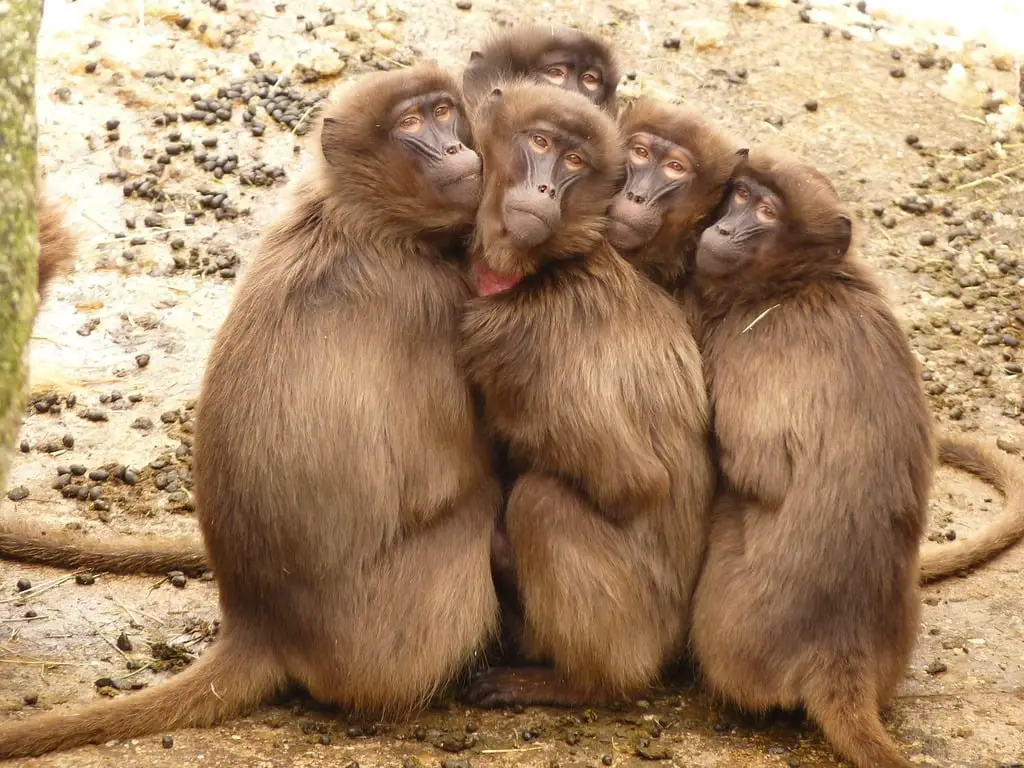
Monkeys live in social structures that are both dynamic and adaptable, ensuring their survival in changing environments. While your social circles might change with life stages, monkeys navigate complex hierarchies and relationships throughout their lives. These social structures are fluid, allowing for shifts in leadership and alliances based on the needs of the troop. This flexibility ensures that the group can adapt to challenges like food scarcity or predator threats.
In human terms, this would be like constantly updating your social network to optimize for career changes or life events. Monkeys manage these dynamics with an innate intuition, balancing competition and cooperation within the group. This adaptability is key to their resilience, allowing them to thrive in a variety of environments. While human societies often struggle with rigid social structures, monkeys show us the value of being flexible and open to change.
9. Advanced Memory Skills
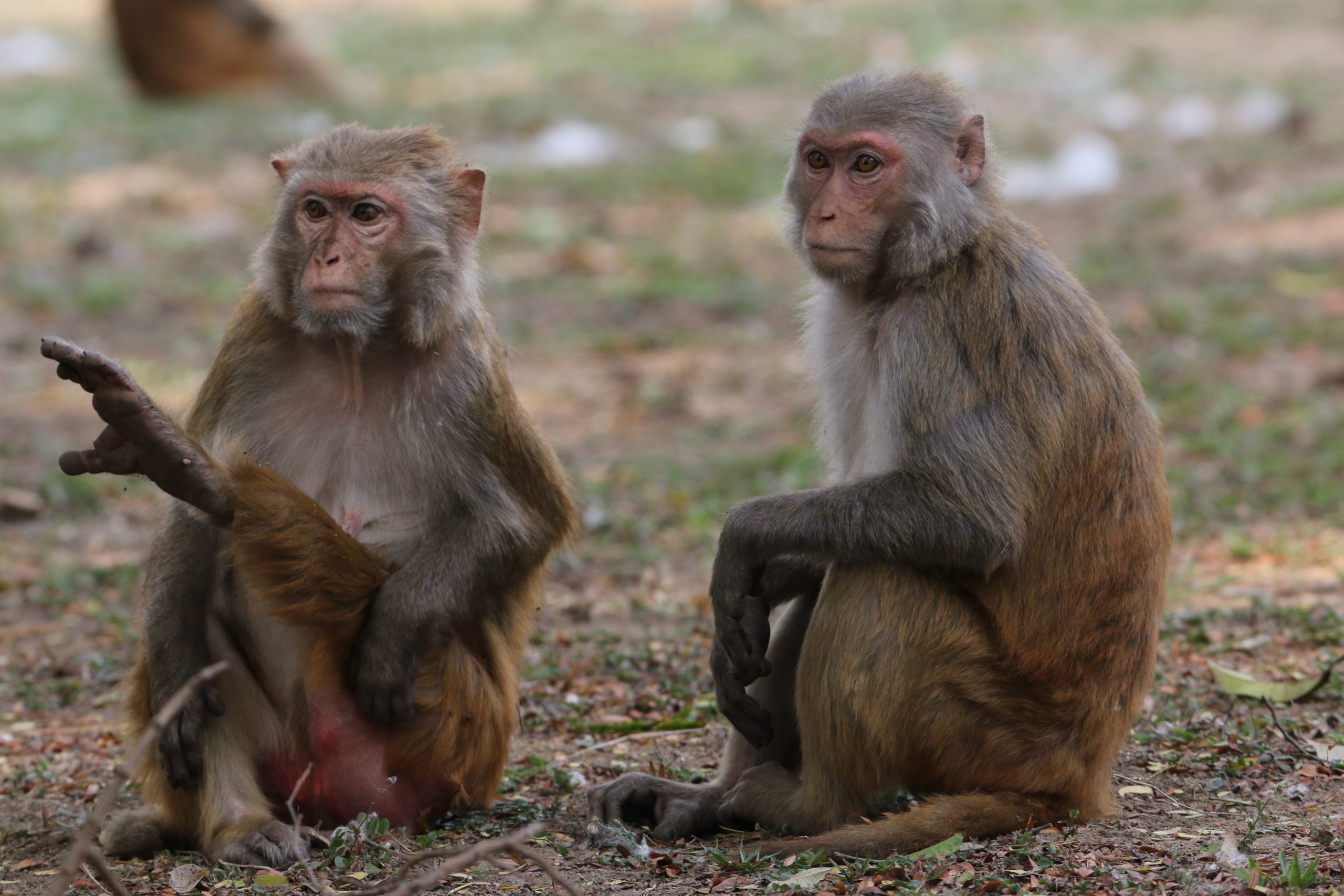
Monkeys possess memory skills that allow them to recall complex spatial and social information. Picture yourself trying to remember every face at a large family reunion, and you’ll have an idea of the monkey’s memory prowess. They can remember the locations of food sources, identify members of their troop, and even recall past interactions that inform future social decisions. This advanced memory capability is crucial for their survival in the wild.
While humans rely on technology to augment their memory with calendars and reminders, monkeys have honed this skill naturally. Their ability to remember detailed information about their environment helps them navigate it effectively. It’s a mental map that ensures they find food and avoid danger, illustrating a cognitive complexity that’s more than just instinctual. In a world where information overload is common, the monkey’s natural memory skills are both enviable and awe-inspiring.
10. Seasonal Migration
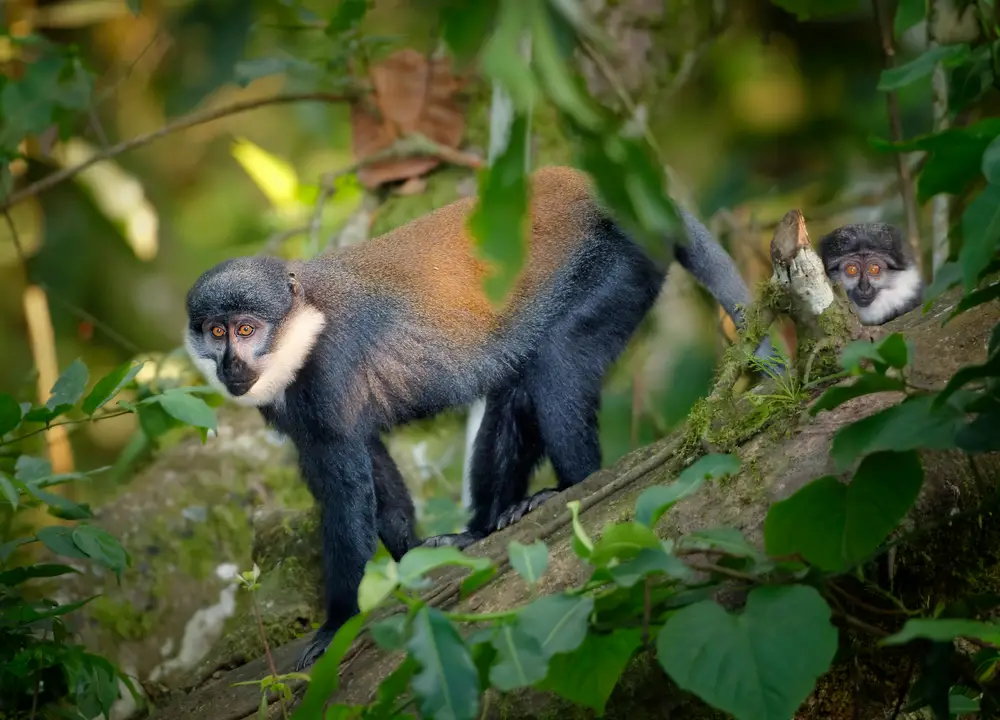
Monkeys are adept at recognizing seasonal changes and adjusting their movements accordingly. Unlike humans, who might rely on weather forecasts to plan their days, monkeys use environmental cues to optimize their survival strategies. When food becomes scarce, they migrate to areas where resources are more abundant. This seasonal migration is a testament to their adaptability and deep understanding of their habitat.
Imagine if you could intuitively know when to change your routine based on subtle changes in your environment. For monkeys, this natural instinct ensures they maximize food availability and minimize competition with other groups. Their migratory patterns are a result of evolutionary pressures that have refined their ability to anticipate and respond to environmental changes. It’s an uncanny intuition that keeps them one step ahead in the survival game.
11. Emotional Intelligence
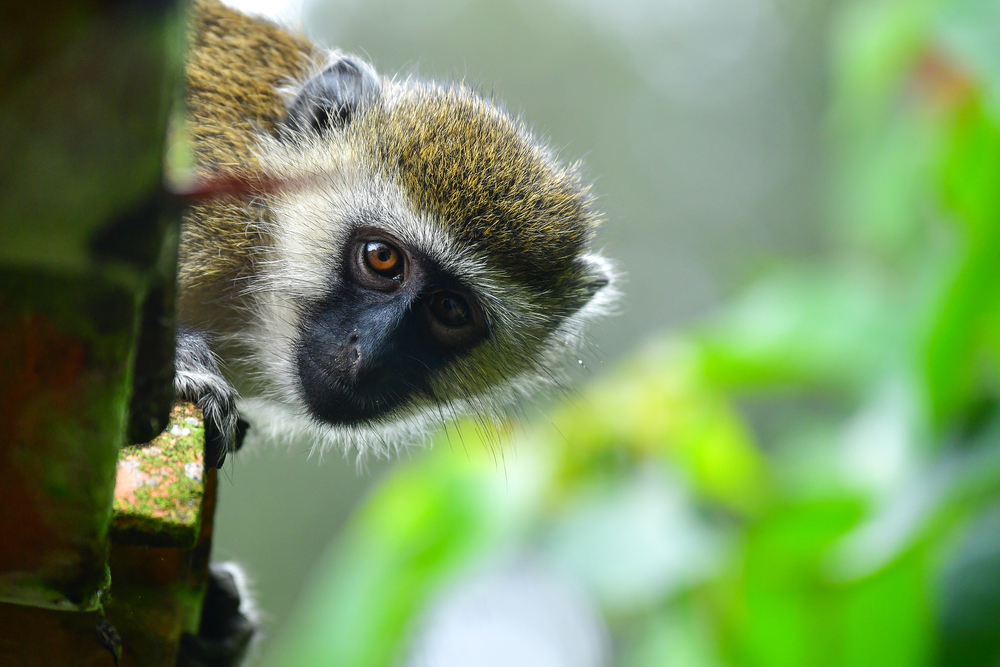
Monkeys exhibit a level of emotional intelligence that governs their social interactions and decision-making. While you might read a book on EQ to improve your interpersonal skills, monkeys innately understand the importance of empathy and cooperation. They exhibit behaviors that indicate an awareness of others’ emotions, such as consoling distressed group members or forming alliances based on mutual benefit. This emotional intelligence helps them navigate complex social dynamics and maintain group cohesion.
For humans, honing emotional intelligence often requires conscious effort and self-reflection. Monkeys, on the other hand, display these traits naturally as part of their social toolkit. Their ability to read social cues and respond appropriately is integral to their survival and well-being. It’s a reminder of the deep connections shared within social species, underscoring the importance of empathy and understanding in any community.
12. Night Vision Adaptations
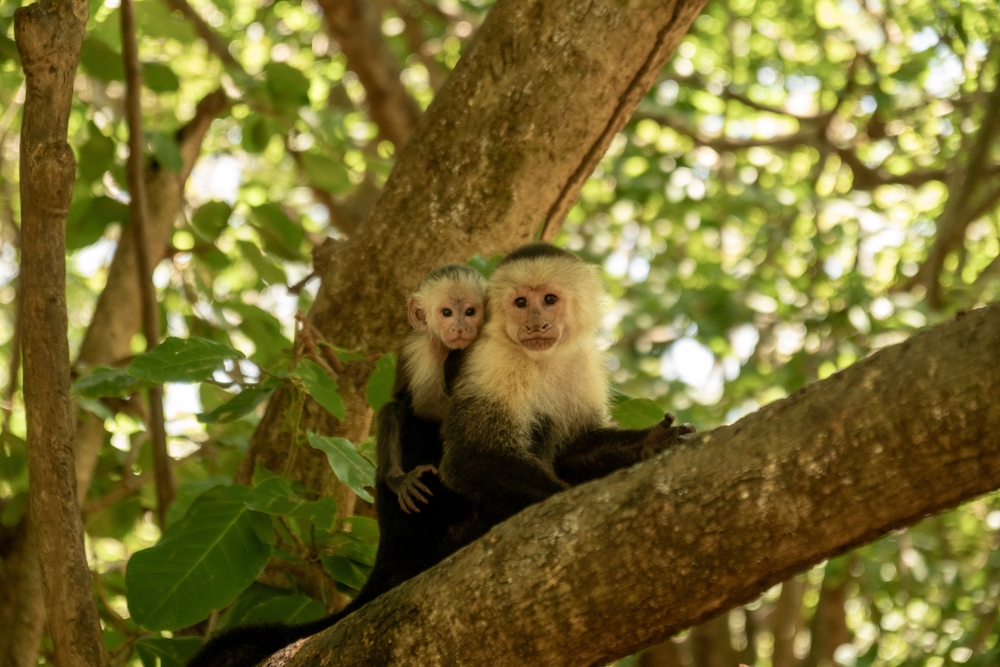
Monkeys have developed incredible night vision that allows them to navigate their environment in low-light conditions. Imagine being able to see clearly in the dark without any technological aids—sounds like something out of a superhero comic, right? For monkeys, this adaptation is not just a superpower but a survival necessity, enabling them to forage or escape predators under the cover of night. Their eyes have specialized structures that enhance their ability to see in dim light.
While humans need flashlights or night vision goggles to mimic this ability, monkeys have evolved it naturally. This adaptation is particularly advantageous in dense forests where light is scarce even during the day. It gives them a significant edge in avoiding nocturnal predators and efficiently utilizing their habitat. This natural night vision is a testament to the remarkable ways in which evolution has fine-tuned their senses for survival.