
Understanding whether your furry friend is truly content can sometimes feel like solving a mystery. Dogs and cats, despite their unique ways of showing affection, have behaviors that can reveal their happiness levels. From the wag of a tail to the rhythm of a purr, these signals are more than just cute quirks—they’re important indicators of your pet’s well-being. Here are 13 clues that can help you determine if your baby is genuinely happy.
1. A Healthy Appetite
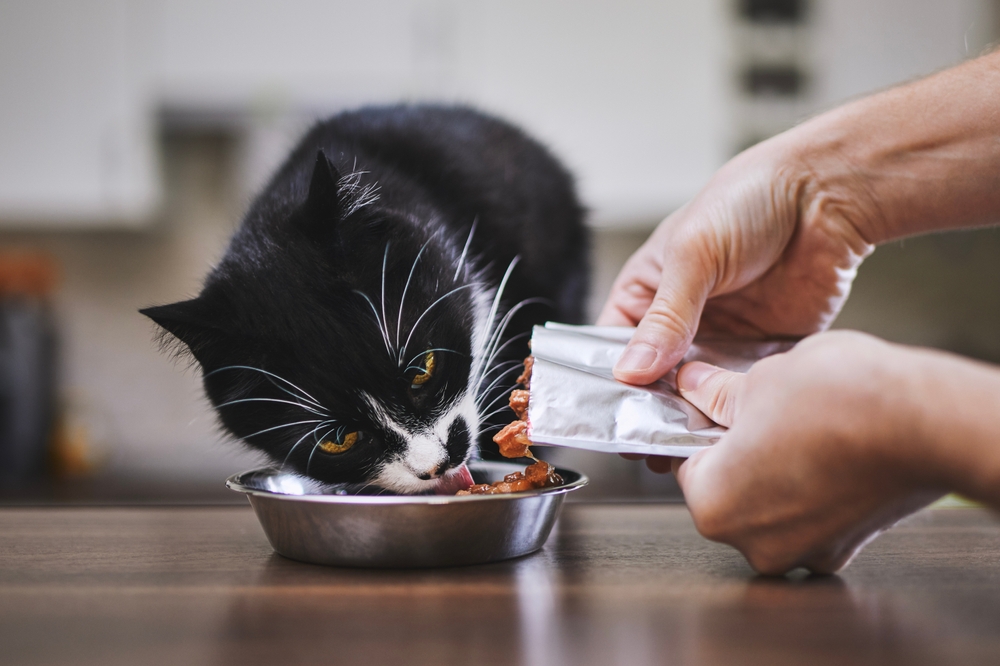
When your dog or cat finishes their meal with gusto, it’s often a sign of contentment. A healthy appetite indicates they’re comfortable, both mentally and physically. If they’re eager to eat and approach feeding times with enthusiasm, you can be reasonably assured they’re feeling good. However, sudden changes in eating habits might require a closer look.
According to a study published in the Journal of Veterinary Behavior, animals with consistent eating patterns tend to exhibit lower stress levels. This connection between appetite and emotional health highlights the importance of monitoring your pet’s diet. Any persistent lack of appetite could be a signal to consult your veterinarian. After all, food isn’t just fuel—it’s a joy for them too.
2. Playfulness and Energy Levels

A playful pet is a happy pet. When your dog eagerly chases a ball or your cat pounces on a toy, it shows they have the energy and enthusiasm to engage. These playful antics are not just entertaining; they’re a crucial part of their mental and physical stimulation. Regular playtime indicates they’re not just surviving but thriving in their environment.
A dog or cat that engages less in play might be experiencing stress or health issues. While it’s normal for energy levels to decrease slightly with age, a significant drop can be cause for concern. Ensure your pet has plenty of toys and opportunities to play, as this is key to their well-being. Sometimes, a new toy or game can reinvigorate their playful nature.
3. Relaxed Body Language
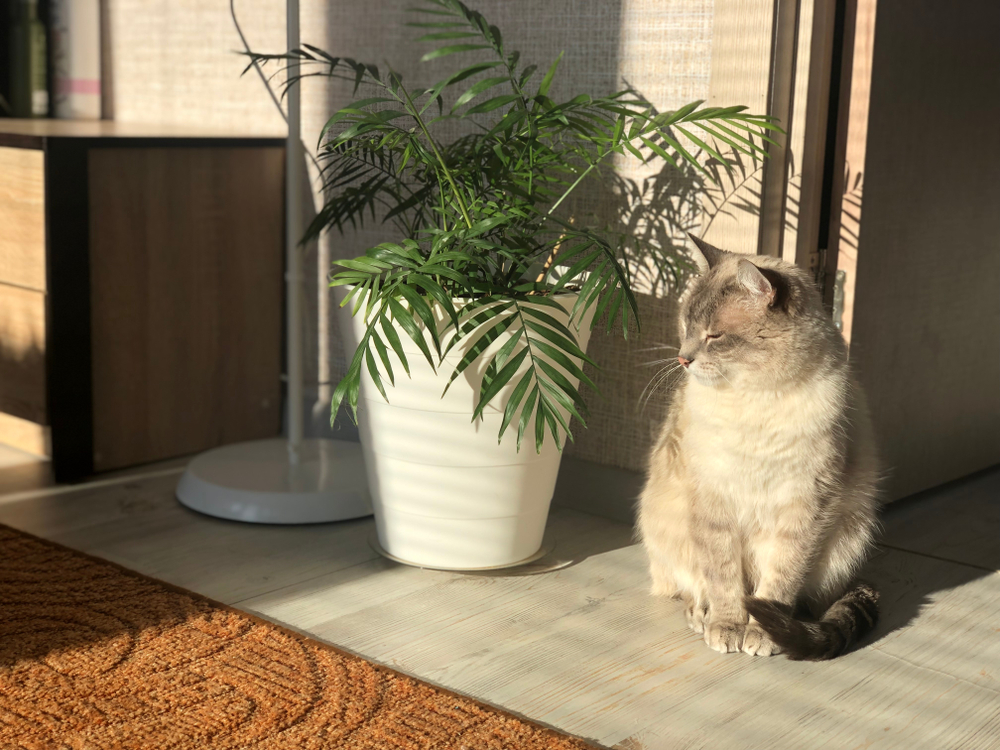
A relaxed dog often lies with their legs comfortably stretched out, while a content cat might curl up in a cozy ball or show off their belly. These postures suggest they feel safe and secure in their environment. A dog with a wagging tail or a cat that leisurely blinks at you is communicating their comfort and trust. Observing these behaviors can help you gauge their emotional state.
Experts at the American Society for the Prevention of Cruelty to Animals (ASPCA) note that body language is a primary means of communication for pets. Recognizing these signals can deepen your understanding of your animal’s happiness. If your pet is tense or avoids eye contact, it might be a sign they’re uncomfortable or anxious. Paying attention to these cues allows you to address potential stressors in their environment.
4. Affectionate Gestures

When your dog nudges you with their nose or your cat rubs against your leg, they’re showing affection. These gestures are their way of bonding and expressing love. A happy pet will often seek out your attention and enjoy being close to you. It’s their version of a hug or a handshake, and a clear sign they feel secure in your company.
Some pets might be more reserved, but an entirely lack of affectionate behavior could indicate something amiss. Each animal has their own personality and manner of showing that they care. Understanding their unique signals can strengthen your bond. Sometimes, offering a gentle pat or scratch can be all it takes to reciprocate the affection.
5. Healthy Sleep Patterns
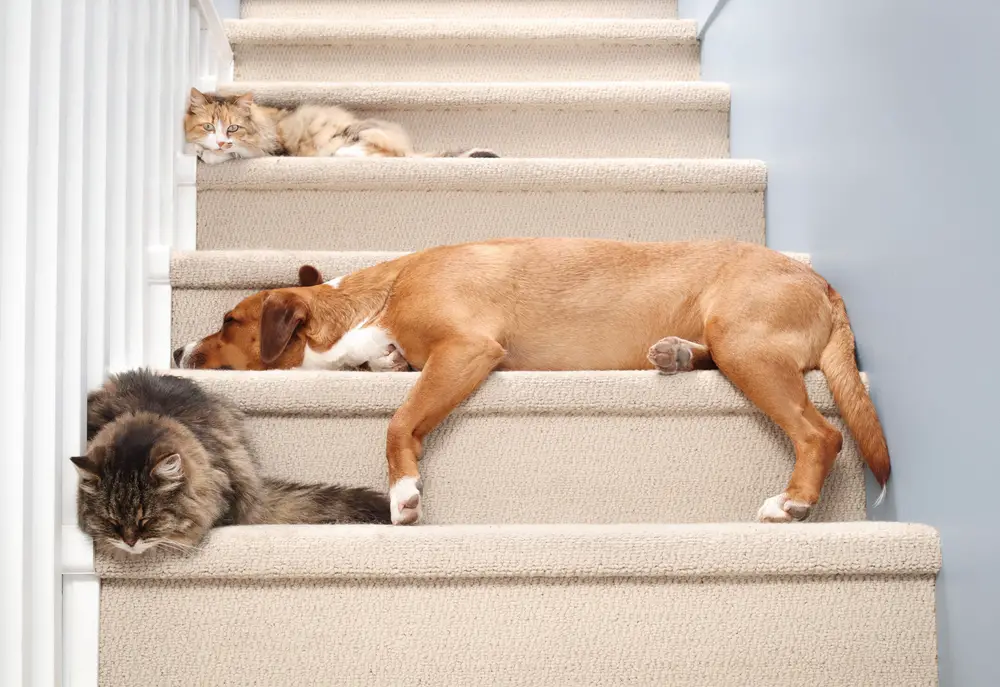
A dog or cat that sleeps well and wakes up refreshed is generally content. Just like people, pets need quality sleep to maintain their mood and energy. They’ll have their own sleep schedules and preferred nap spots, which are crucial to their overall happiness. Consistent sleep patterns often reflect a stress-free environment and a balanced routine.
The Sleep Foundation highlights that sleep disruptions can indicate underlying health or anxiety issues. Observing your pet’s sleep habits can provide insights into their emotional and physical health. If they’re restless or unwilling to settle down, it might be worth investigating potential causes. Ensuring they have a quiet, safe place to rest can make all the difference.
6. Appropriate Social Interactions

A happy dog often enjoys socializing with other dogs, while a content cat may tolerate or even enjoy the company of other cats. These interactions are important for their social development and emotional health. Positive encounters with others can enhance their mood and provide essential mental stimulation. Social animals often display more confidence and less anxiety.
However, not every pet is naturally sociable. Some may need gentle encouragement to interact positively with others. If your pet shows aggression or fear during these interactions, it might be necessary to provide more controlled social experiences. Understanding their social needs helps in creating a nurturing environment for them.
7. Tail and Ear Signals
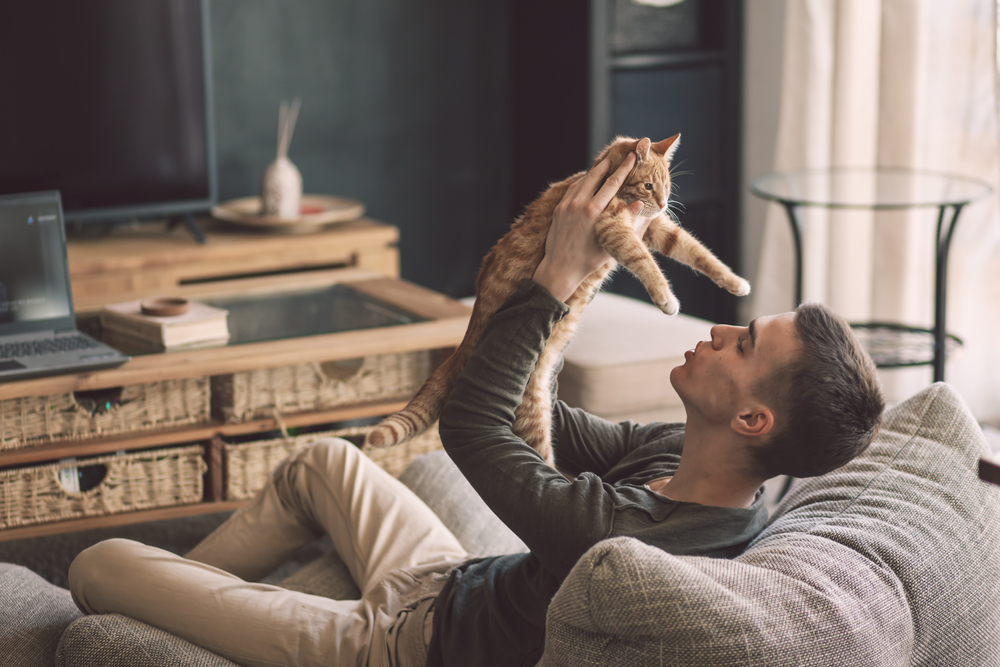
A dog’s wagging tail or a cat’s twitching ears can tell you a lot about their mood. A high, wagging tail generally indicates excitement, while upright ears can signal curiosity. Cats may softly flick their tails or perk up their ears when content. These subtle movements are part of their communication toolkit.
Research from PetMD emphasizes the importance of understanding these physical cues to interpret your pet’s emotions better. The positioning and movement of tails and ears are reliable indicators of how your pet feels at any given moment. When combined with other behaviors, they can offer a complete picture of their happiness. Awareness of these signals strengthens your ability to respond to their needs effectively.
8. Vocal Expressions
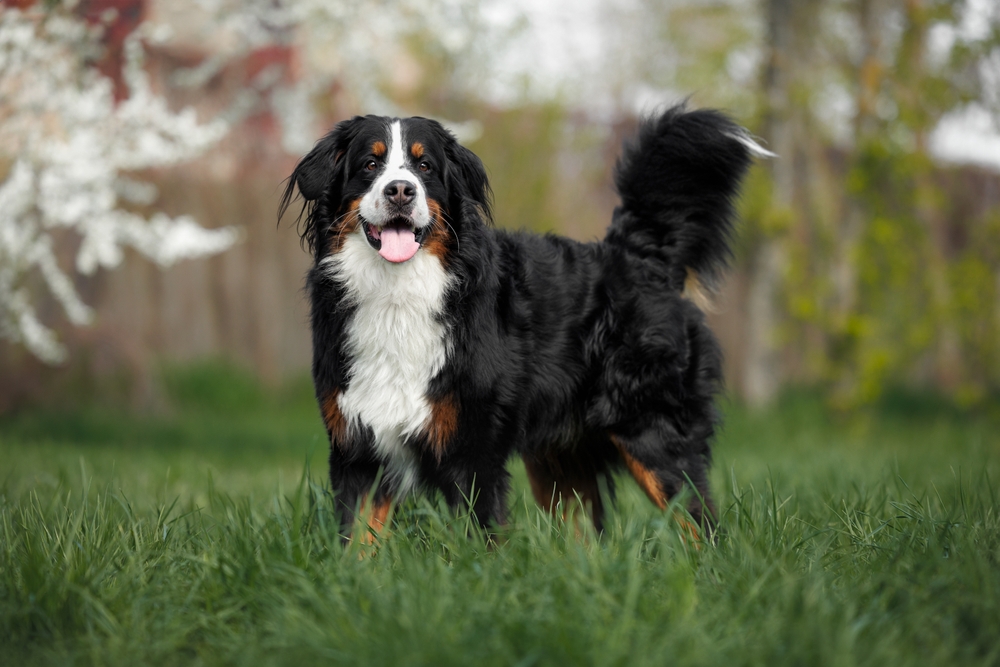
Happy dogs might bark with excitement or let out contented sighs, while cats may purr or chirp. These vocalizations often accompany positive interactions, whether it’s playtime, feeding, or simply lounging together. Listening to these sounds can help you understand their mood and needs. They’re a form of communication that goes beyond basic commands or calls.
Some pets are naturally more vocal than others, and their unique sounds can form an important part of your daily interactions. It’s important to recognize what different sounds mean for your specific pet. A whine or growl might indicate discomfort, while a purr can mean satisfaction. Paying attention to these cues can help you address any issues swiftly.
9. Grooming Habits
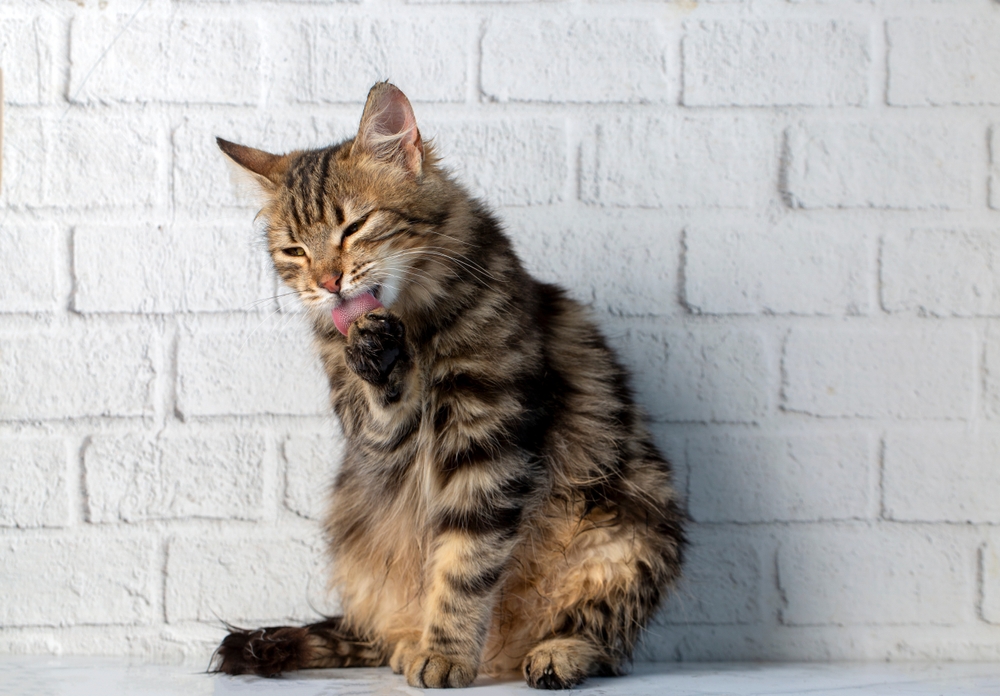
A dog that regularly licks themselves or a cat that spends time grooming is expressing comfort in their environment. These grooming habits are not just about cleanliness; they’re a form of self-care that reflects their emotional state. Pets that are groomed frequently are generally relaxed and content. It’s a sign they’re taking care of themselves and feel at ease.
Changes in grooming habits can be a red flag. If your pet suddenly neglects grooming or over-grooms, it could indicate stress or health problems. Regular grooming sessions also provide an opportunity for bonding. Taking the time to brush your pet can strengthen your relationship and contribute to their happiness.
10. Comfortable in Their Space

A happy pet usually enjoys spending time in their designated spaces within your home. Whether it’s a dog bed or a perch by the window, these spots become their personal retreats. Pets that feel comfortable in their home environment often explore and relax freely. Their confidence in moving around your home is a sign of trust and happiness.
If your pet is reluctant to use certain areas, it might be worth examining potential stressors. Factors such as noise or changes in their environment can affect their comfort levels. Providing a consistent and inviting space can enhance their sense of security. Observing their behavior in these areas can help you ensure their surroundings meet their needs.
11. Curiosity and Exploration
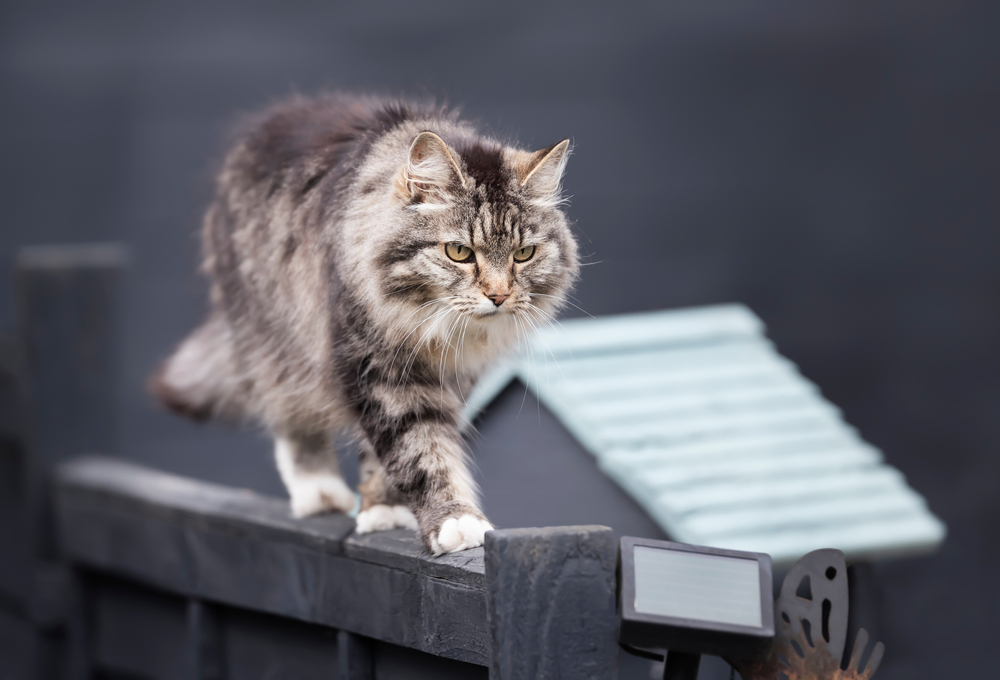
Curiosity is a hallmark of a happy pet. A dog that eagerly sniffs new areas or a cat that investigates every nook and cranny is showing a zest for life. This natural inclination to explore indicates they’re mentally stimulated and emotionally fulfilled. Pets that regularly engage with their environment are often healthier and more resilient.
If your pet seems disinterested or withdrawn, it could be a sign they’re not fully content. Encouraging exploration with toys or interactive activities can reignite their curiosity. Providing a safe and enriching environment supports their well-being. Sometimes, just a new perspective—like rearranging their play area—can make a big difference.
12. Positive Response to Training

A dog or cat that responds well to training is likely happy and content. Engaging in training exercises provides mental stimulation and strengthens your bond. Pets that enjoy learning and performing tricks or commands often exhibit more confidence. Their willingness to participate reflects their trust and comfort with you.
Training sessions should be positive experiences, free from stress or frustration. If your pet is reluctant or struggles with training, it might be worth reassessing your approach. Consistency and positive reinforcement can make training both fun and beneficial. Celebrating their successes encourages ongoing participation and nurtures their happiness.
13. Contentment After Exercise
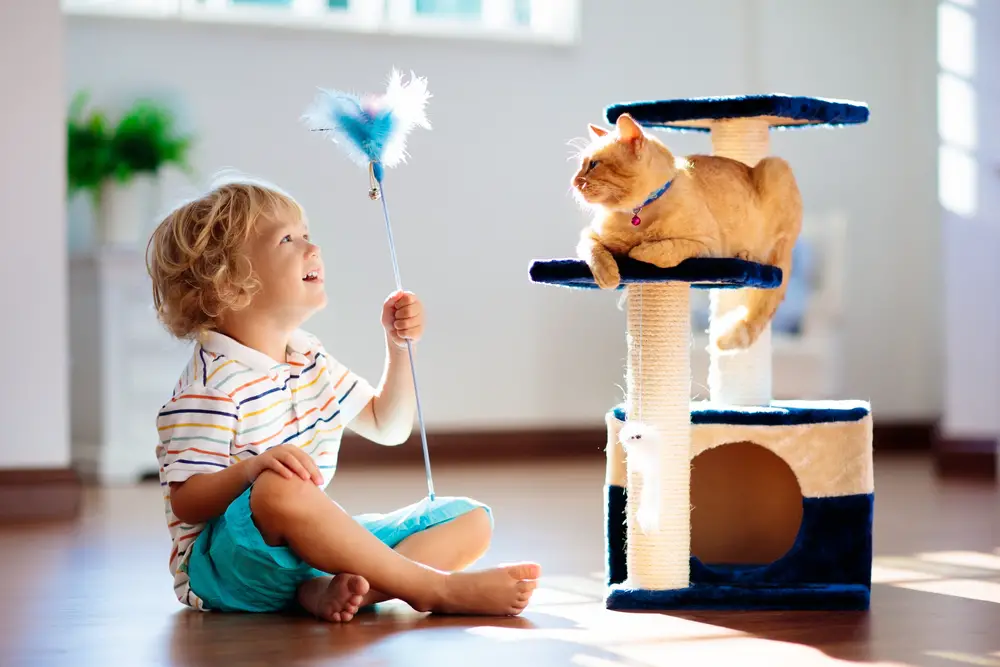
After a good play session or walk, a happy pet will often display signs of satisfaction. Dogs might flop down with a sigh, while cats may stretch luxuriously. This post-exercise contentment is a sign they’re enjoying a balanced lifestyle. Regular physical activity is crucial for their health and happiness.
Lack of exercise can lead to boredom and stress, so it’s important to ensure your pet gets enough physical activity. Tailoring exercise routines to their age and energy levels can maximize benefits and enjoyment. Exercise isn’t just about burning energy; it’s a key component of their emotional well-being. Witnessing their joy after the activity reinforces the importance of keeping them active and engaged.