
As the planet struggles with the consequences of decades of environmental neglect, scientists are quietly issuing warnings about potential climate disasters that could redefine our relationship with nature. While the precision of such predictions can vary, the expectation of these events is rooted in current trends and scientific evidence. Here are ten climate disasters that experts believe we might face in just a few years, along with what they could mean for you and the world.
1. Soaring Temperatures Causing “Heat Islands.”
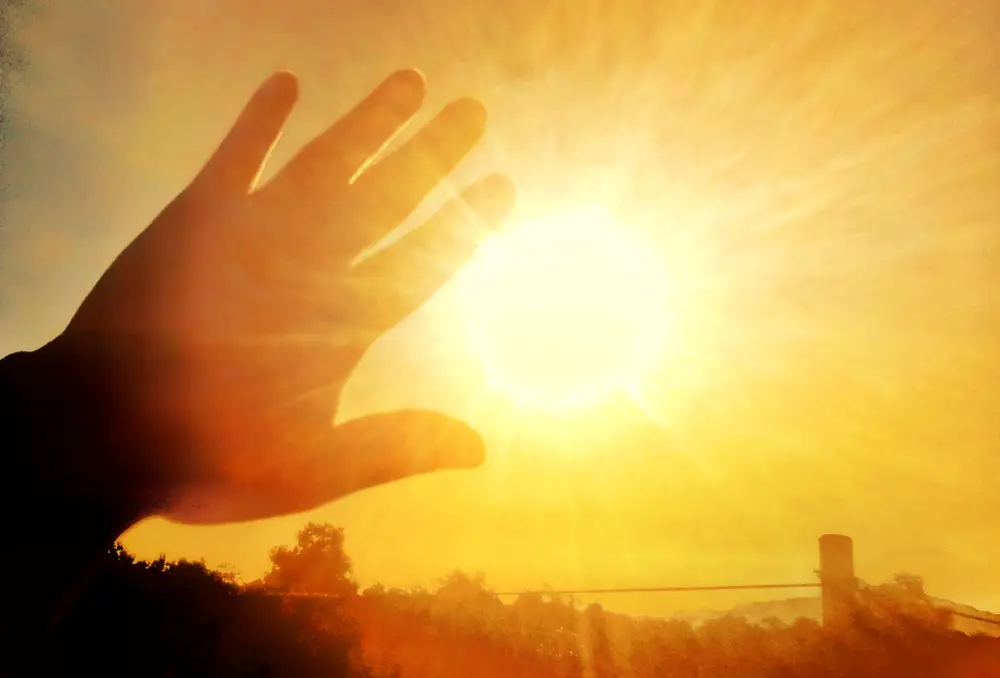
Imagine stepping outside and feeling as if you’re in an oven—that’s what new heatwaves could bring. By 2026, scientists expect temperatures to exceed current records, making summer days unbearably hot for millions. This is more than just discomfort; extreme heat threatens health, agriculture, and the economy. Cities, especially, will experience increased heat, leading to what experts call “heat islands.”
A study published in Nature Climate Change suggests that the intensity and frequency of heatwaves will increase significantly. It’s not just a prediction; it’s a trend already in motion due to rising greenhouse gas emissions. To cope, communities may need to invest in cooling centers and rethink urban design. It’s a call for urgent action, as the stakes are just too high to ignore.
2. Drought That Plagues the Country
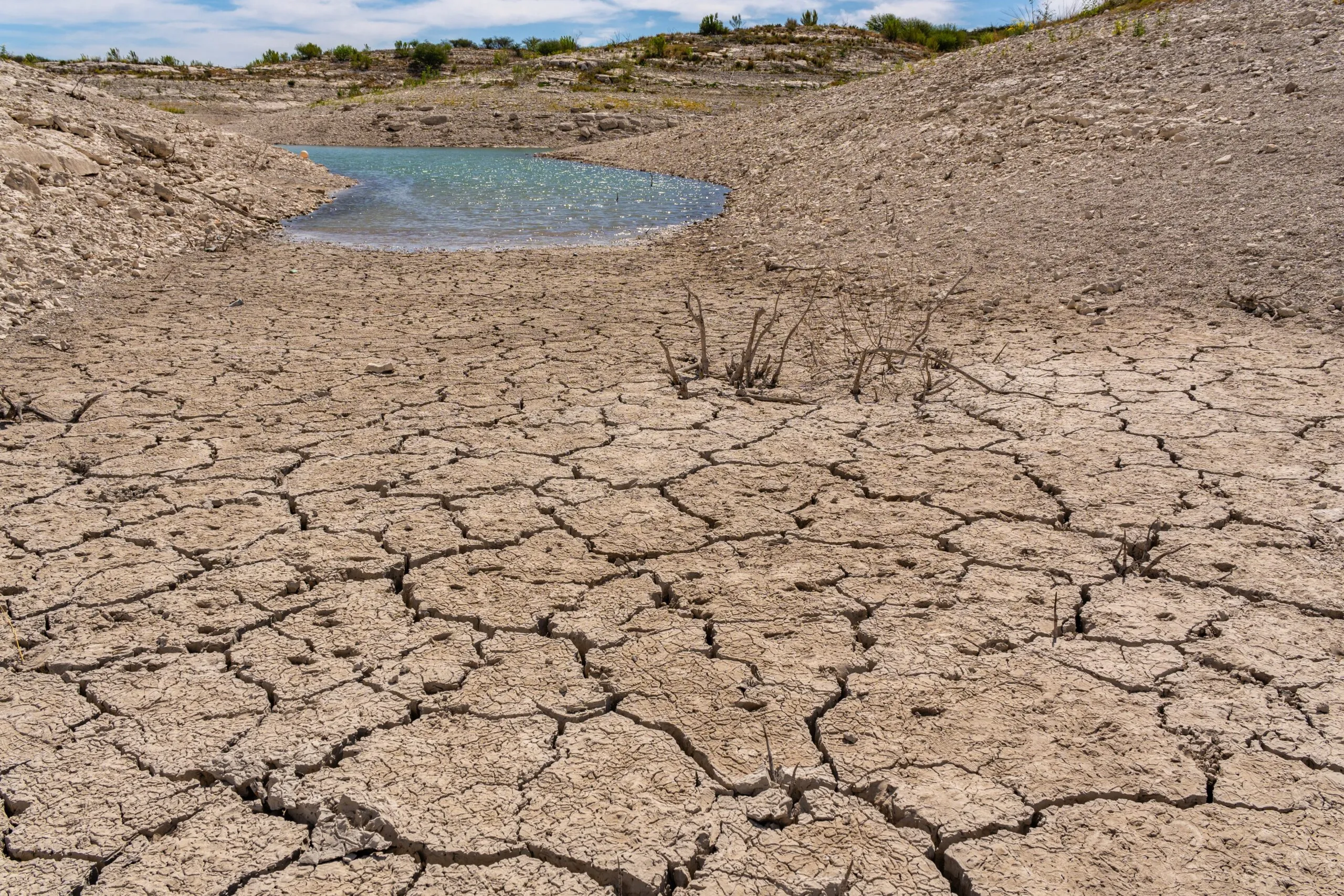
Water shortages are set to become more than an inconvenience; they could be a dire reality. Prolonged droughts are expected to affect large swathes of the globe, with agricultural regions hit hardest. You might see food prices skyrocket as crops wither and livestock struggle to survive. For people living in affected areas, day-to-day life could revolve around conserving every drop of water.
The ripple effects of drought extend beyond dry fields and empty reservoirs. Economies could falter as water becomes a scarce resource, and social tensions may rise over resource allocation. You can also expect shifts in migration patterns as people search for water-rich regions. The question remains: how will governments and societies adapt to these water-scarce futures?
3. Off the Chart Mega-Storms
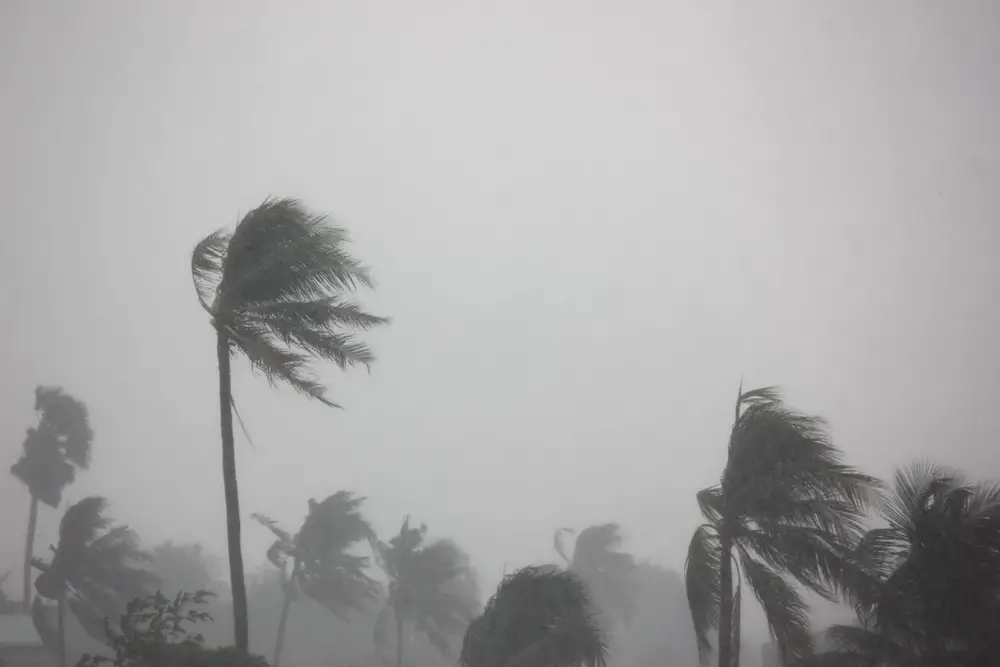
Picture storms so fierce they redefine our understanding of hurricanes and typhoons. By 2026, the frequency and intensity of these “mega-storms” could be off the charts. Fueled by warmer oceans and shifting atmospheric patterns, these storms are expected to cause significant damage to coastal regions. Homes, infrastructure, and ecosystems will be vulnerable to these powerful natural forces.
According to the Intergovernmental Panel on Climate Change (IPCC), the likelihood of such extreme weather events is increasing. This could mean more evacuations, increased insurance premiums, and a constant state of readiness. For you, it might involve rethinking where you live and how you prepare for storm seasons. As we face this escalating threat, resilience becomes more than a buzzword—it’s a necessity.
4. Melting Glaciers and Rising Seas
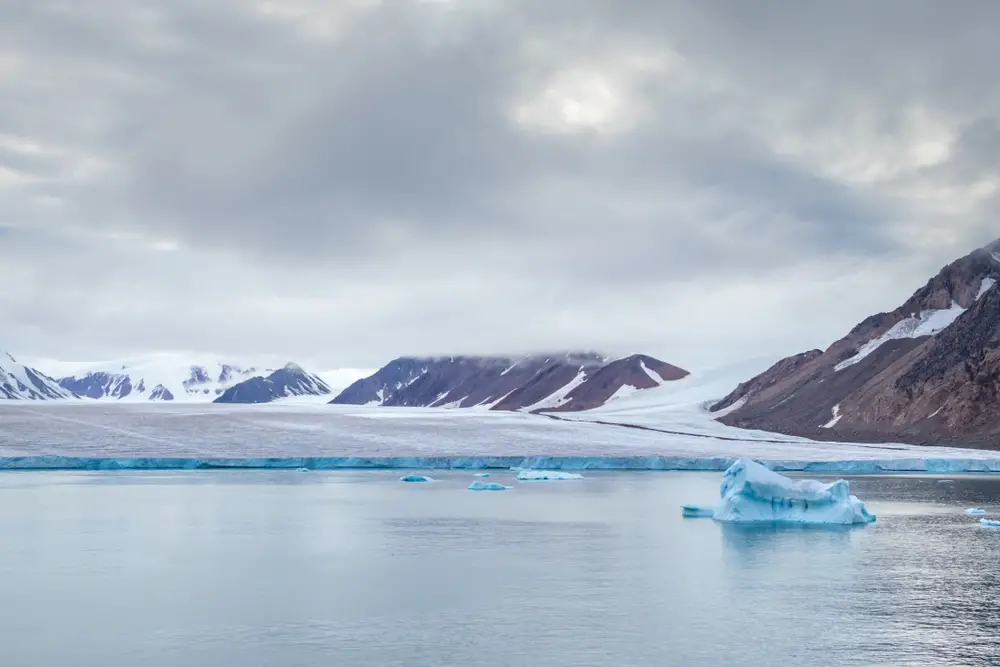
If you live near the coast, rising sea levels are a growing concern. By 2026, accelerated glacier melt could lead to noticeable sea-level changes, threatening coastal cities and island nations. This isn’t just a future problem; it’s a present reality with long-term implications. As sea levels rise, the risk of flooding increases, potentially displacing millions of people.
The impact isn’t limited to just geography; it affects livelihoods, economies, and ecosystems. From eroding shorelines to saltwater intrusion in freshwater supplies, the consequences are far-reaching. You could witness entire communities being forced to relocate, redefining what “home” means for many. It’s a stark reminder of the necessity of bolstering coastal defenses and rethinking urban planning.
5. Loss of Life
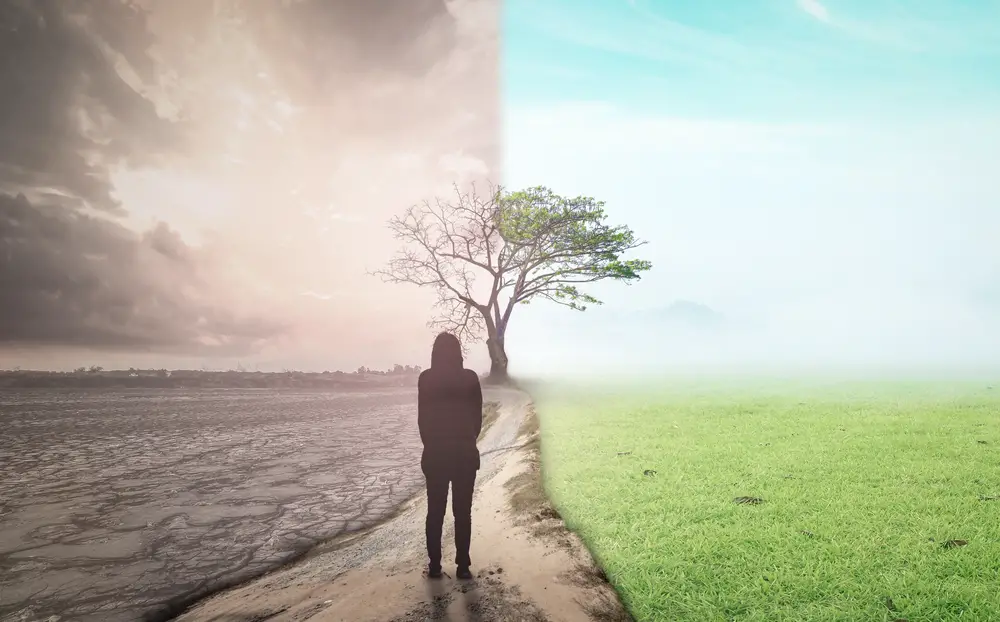
The planet’s rich tapestry of life is thinning, and by 2026, biodiversity loss could reach alarming levels. As habitats shrink and climates shift, many species are pushed to the brink of extinction. This isn’t just an environmental issue; it affects human well-being. Biodiversity is crucial for food security, medicine, and ecosystem resilience.
According to a report by the World Wildlife Fund (WWF), up to a million species may be lost in the coming decades. That’s not just a statistic; it’s a call to action to preserve the natural world. For you, this means supporting conservation efforts and making sustainable choices in daily life. After all, a biodiverse planet is a healthier, more resilient one.
6. Our Oceans Turning Acidic
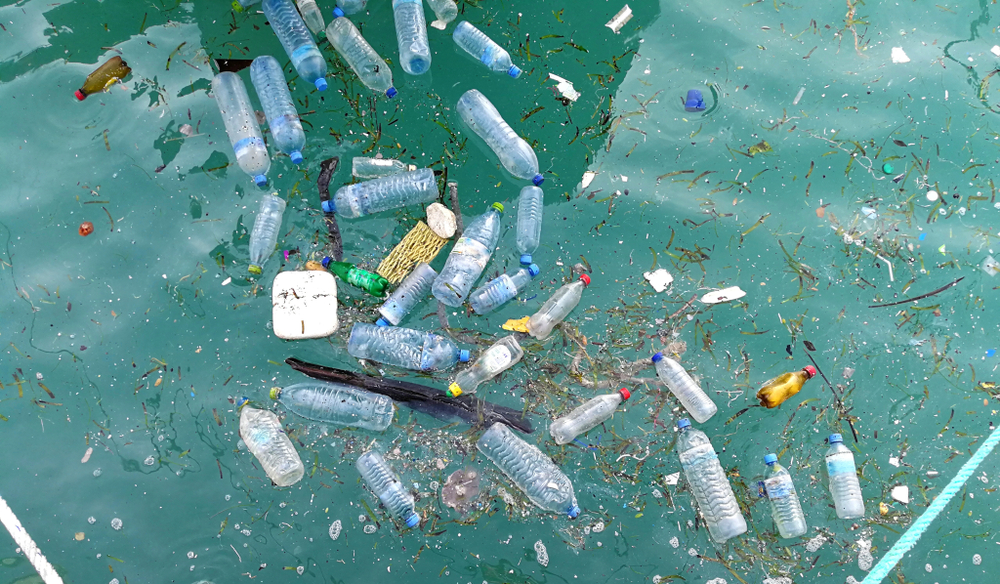
The oceans, which many of us cherish for their beauty and bounty, are changing in ways you might not see but surely feel. Ocean acidification, driven by excess carbon dioxide, is expected to accelerate by 2026. This process could have devastating effects on marine life, particularly coral reefs and shellfish. The repercussions will ripple through the food chain, affecting fisheries that people worldwide rely on.
You might find your seafood dinner costing more as fish stocks dwindle. Beyond economic considerations, the loss of marine biodiversity could disrupt entire ecosystems. Coral reefs, often described as the rainforests of the sea, might not survive these chemical changes. It’s a stark reminder of how interconnected our world is and the urgent need to curb carbon emissions.
7. Out of Control Wildfires
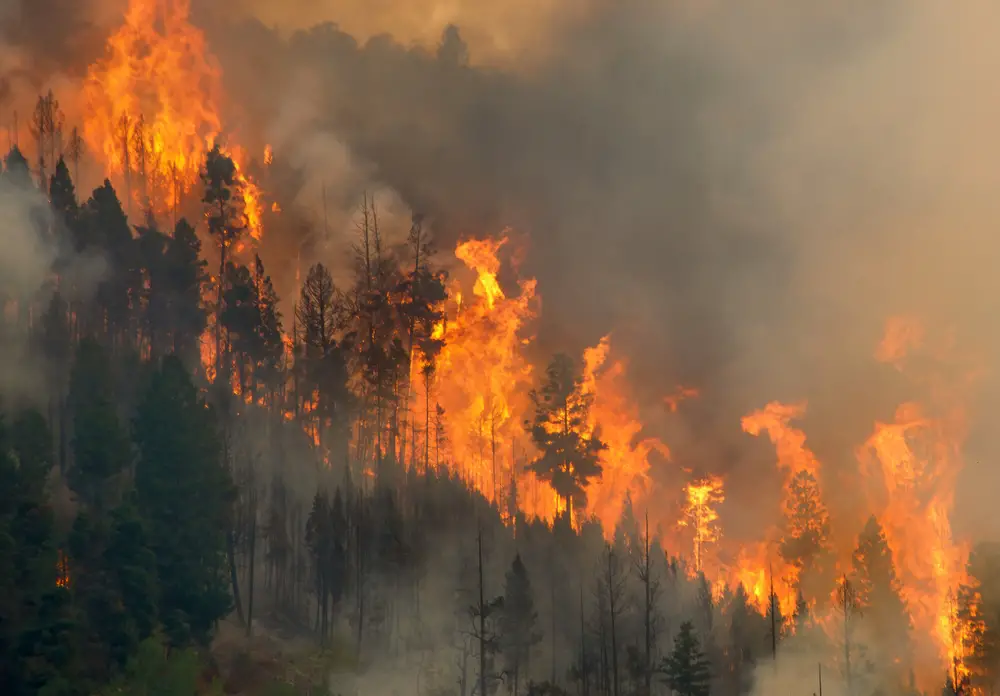
If you think wildfires have been intense lately, brace yourself for what’s expected in 2026. With rising temperatures and prolonged droughts, wildfires could become even more frequent and devastating. These blazes threaten lives, destroy homes, and permanently alter landscapes. For people living in fire-prone areas, the threat of evacuation could become a constant worry.
Research published in the journal Environmental Research Letters highlights the expanding wildfire season and its increasing intensity. This trend is fueled by climate change and underscores the urgent need for better forest management and fire prevention strategies. You can expect more days cloaked in smoke and advisories to stay indoors. It’s a new reality that calls for innovation in how we protect our communities and manage natural resources.
8. Polar Vortex Cold Snaps
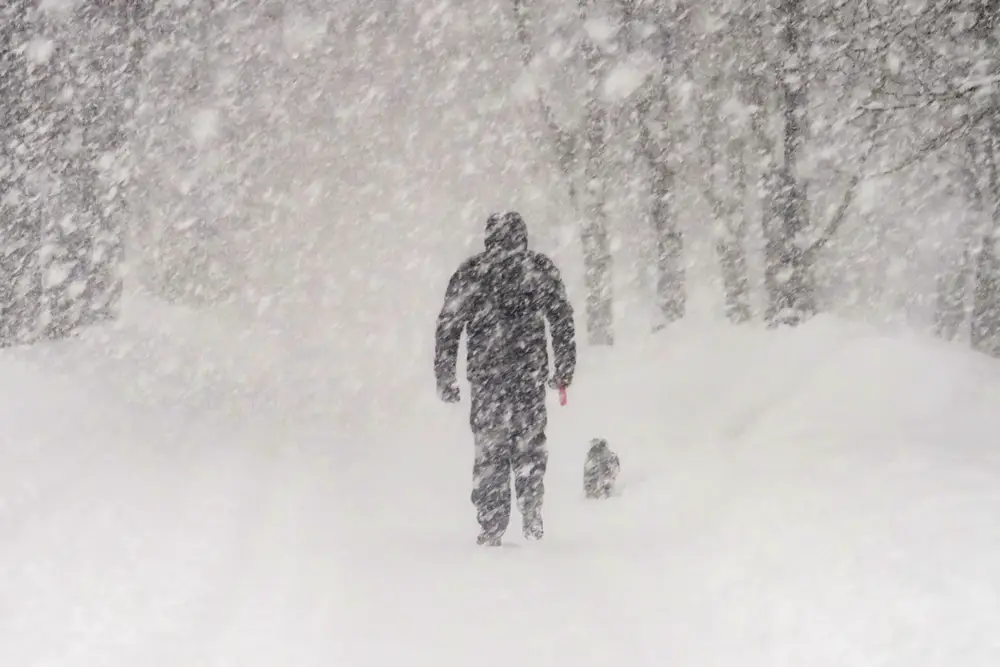
Cold snaps that send shivers down your spine might become more frequent due to polar vortex disruptions. By 2026, these anomalies could lead to unpredictable and severe winter weather. Although it may seem paradoxical amid global warming, these events are linked to climate change. As Arctic temperatures rise, they can destabilize the polar vortex, sending frigid air southward.
For you, this might mean more intense winter storms and colder temperatures in regions not accustomed to such extremes. The energy grid could be strained as heating demands spike. It’s a reminder of the complex interplay between different climate systems and the need for robust infrastructure. The challenge is to prepare for both the expected and the unexpected.
9. People Moving Because of Climate
As the climate crisis intensifies, you might see more people on the move. By 2026, climate migration could become a defining issue as people flee uninhabitable areas. Rising seas, extreme weather, and resource scarcity are likely to force millions to seek safer ground. This movement will reshape demographics, economies, and geopolitics in profound ways.
You could observe increased pressure on urban centers as new arrivals seek employment and housing. The social and political challenges of integrating climate refugees will require thoughtful policies and international cooperation. For the communities involved, this may mean cultural shifts and new opportunities. It’s a reminder that while the climate crisis poses risks, it also calls for a collective response.
10. Increased Hunger and Food Insecurity

The journey from farm to table could become a lot more complicated by 2026. Climate change threatens food security through erratic weather patterns, droughts, and heatwaves. This could lead to crop failures and disruptions in the food supply chain, impacting what—and how much—you find in grocery stores. For many, this might mean adapting to higher prices and less variety.
The issue extends beyond local grocery aisles; it has global implications for hunger and nutrition. Developing countries, in particular, may face severe food shortages, exacerbating existing inequalities. For you, this might mean supporting local agriculture and advocating for sustainable practices. It’s a call to action to rethink how we grow, distribute, and consume food in the face of a changing climate.