
Cats are famously mysterious, but those meows, purrs, chirps, and growls hold clues about their emotions, needs, and desires. While every cat is unique, learning the subtle language behind their sounds can bring you closer to understanding what they’re truly trying to communicate. Here’s a guide to decoding their vocalizations—and getting a little closer to the mind of your feline roommate.
1. High-Pitched Meows Signal Excitement
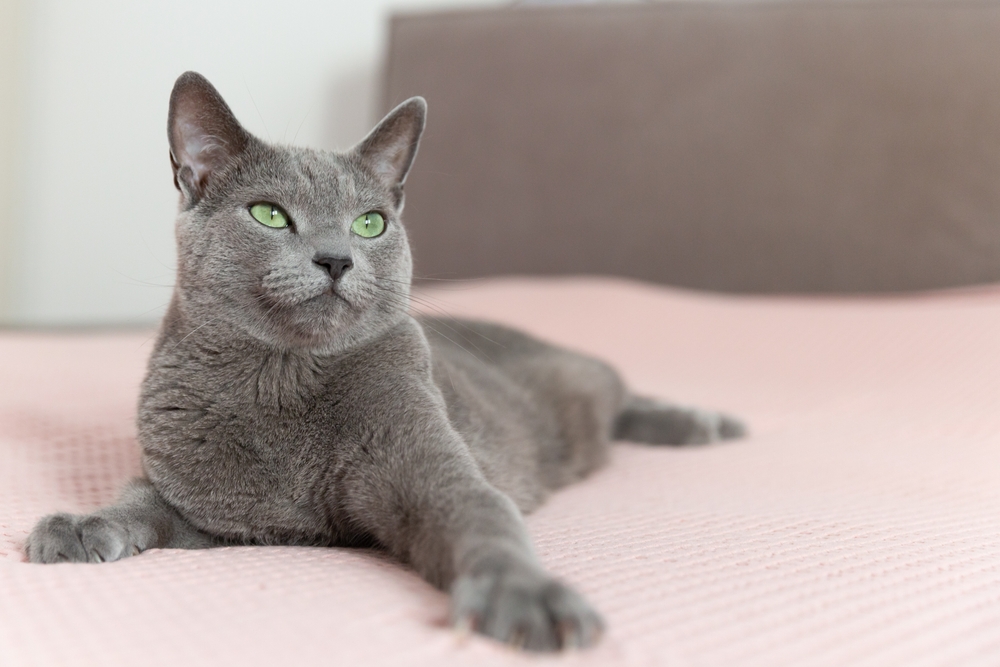
When your cat greets you with a short, high-pitched meow, it’s their version of a friendly “hey, you’re home!” These bright, chirpy sounds usually mean they’re excited—whether that’s about seeing you, expecting food, or just wanting some affection. Cats often use these sounds to express happiness and anticipation, much like a wagging tail does for dogs. Responding with attention or conversation can strengthen the bond and reassure them you’re tuned in.
According to researchers at the University of Sussex’s “Cat Vocalization Study,” cats develop unique “meow dialects” based on how their humans respond. Those quick, upbeat meows are often shaped by the feedback they get—when you answer or engage, they learn it works. So the next time your cat greets you loudly at the door, know they’ve been practicing that specific sound just for you.
2. Low-Pitched Meows Express Displeasure
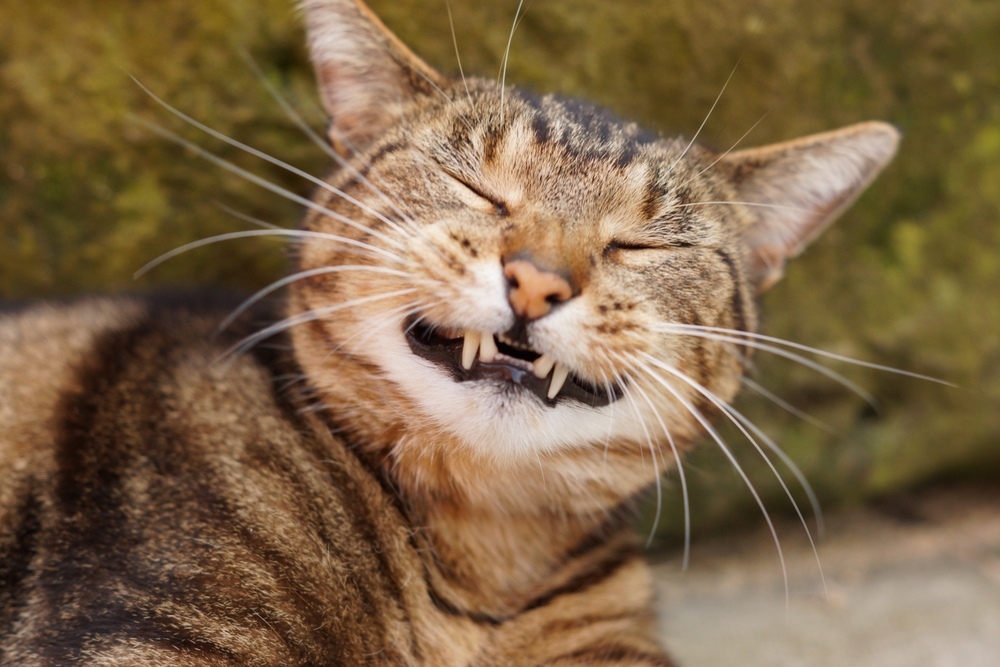
A low, drawn-out meow is your cat’s polite way of saying they’re annoyed—or unimpressed. It often happens when you’re late with dinner, move them from a favorite spot, or disturb their nap. This deeper tone conveys mild irritation but not aggression—it’s their way of communicating disapproval without hissing. You can think of it as the feline equivalent of a dramatic sigh.
To ease the mood, give them some space and adjust the environment if needed. Cats are highly sensitive to disruptions, and even minor frustrations can lead to vocal protests. When you respect their boundaries, they’ll quickly return to their calmer, more affectionate selves. It’s all part of learning your cat’s emotional rhythm.
3. Purring Is a Sign of Contentment (and Sometimes Pain)
Most of us associate purring with relaxation, and that’s often true—cats purr when they’re cozy, safe, and happy. But here’s the twist: cats also purr when they’re anxious, hurt, or trying to self-soothe. The frequency of a cat’s purr—between 25 and 150 Hertz—has been shown to promote bone and tissue healing, suggesting it’s both a comfort mechanism and a physiological tool. When your cat purrs, always check context: are they melting into a nap or hiding under the bed?
A study published in The Journal of the Acoustical Society of America found that the low-frequency vibrations from purring may stimulate healing and relieve pain. Veterinarians even suspect cats purr to calm themselves during recovery or stress. So while most purrs are happy ones, a purring cat in distress might actually be whispering, “I’m trying to feel better.”
4. Chirping Mimics Prey (and Signals Frustration)
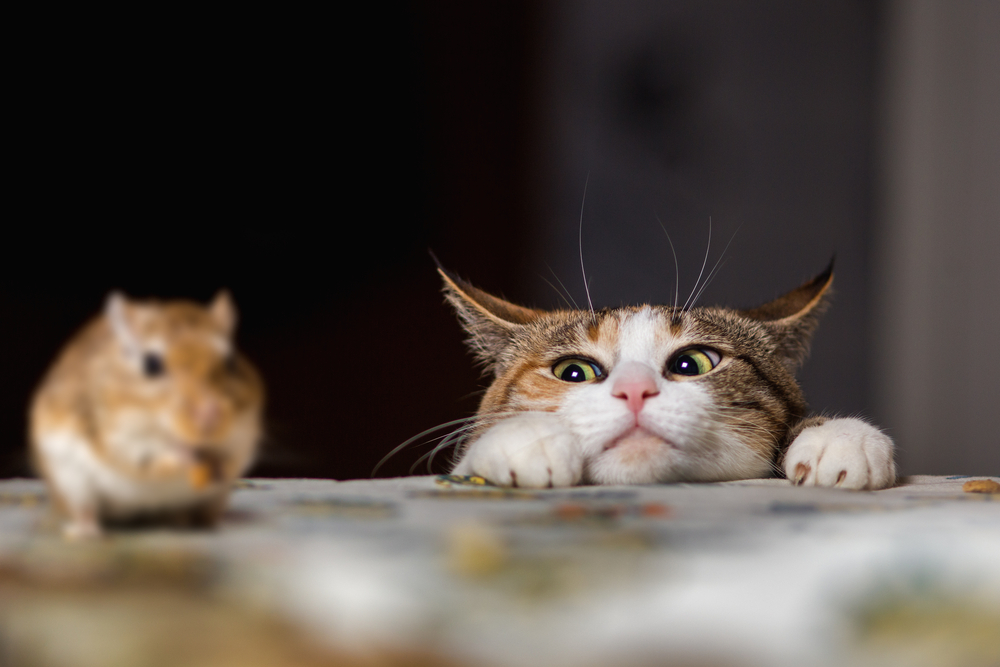
That funny chattering sound your cat makes while watching birds? It’s called “chirping,” and it’s part excitement, part hunting instinct. Cats mimic the sounds of their prey—like birds or squirrels—when they’re fixated on something they can’t reach. It’s an instinctive reflex, almost like a rehearsal for the real hunt. The sound often comes with tail twitching and intense staring, signaling a mix of fascination and frustration.
Ethologists believe chirping is linked to predatory behavior hardwired from their wild ancestors. Indoor cats use it as a kind of emotional outlet—a way to “hunt” without leaving the house. Watching this behavior reminds us that even our pampered pets still have a wild side. They’re hunters at heart, just working with what they’ve got: a window and a dream.
5. Trilling Is a Request to Play or Follow
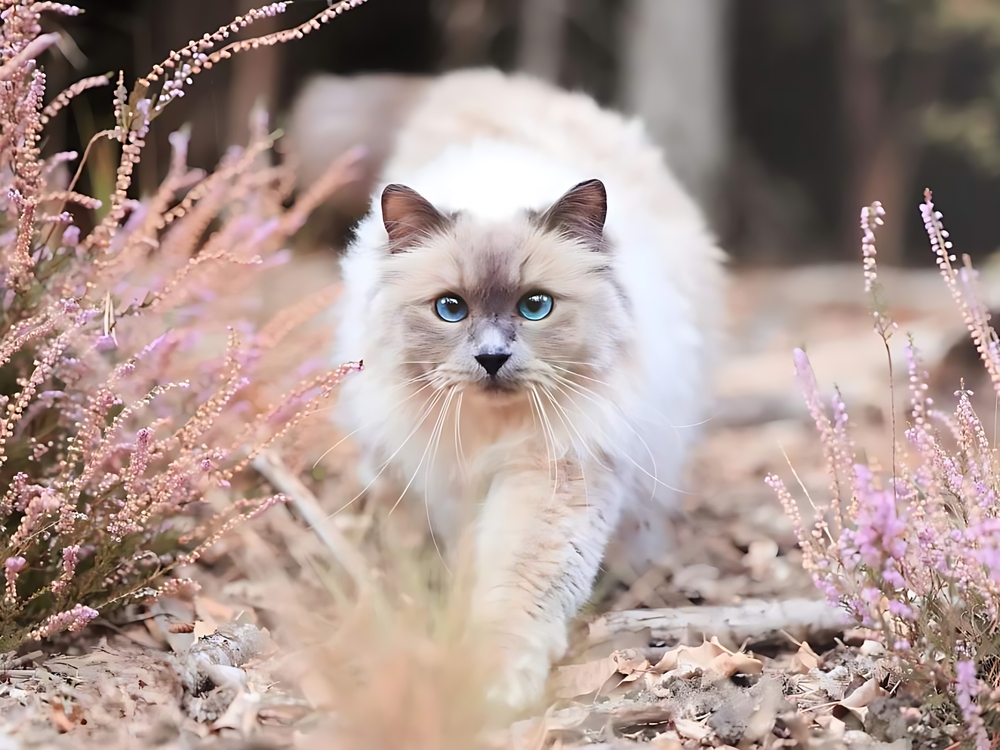
A trill is that cute, rolling “rrr-up” sound cats make when they want your attention. It’s a blend between a meow and a purr—and it usually means “come with me” or “pay attention!” Cats trill to greet you, invite interaction, or encourage you to follow them somewhere important (like their empty food bowl). It’s one of the friendliest sounds in the feline vocabulary.
In a 2019 behavioral study by animal communication expert Dr. Susanne Schötz at Lund University, trilling was found to be one of the primary ways cats express friendliness toward humans. Unlike meows, which can vary in tone and urgency, trills are almost always positive. When your cat trills, it’s not manipulation—it’s genuine connection. They’re literally calling you into their world.
6. Long, Loud Meows Demand Attention
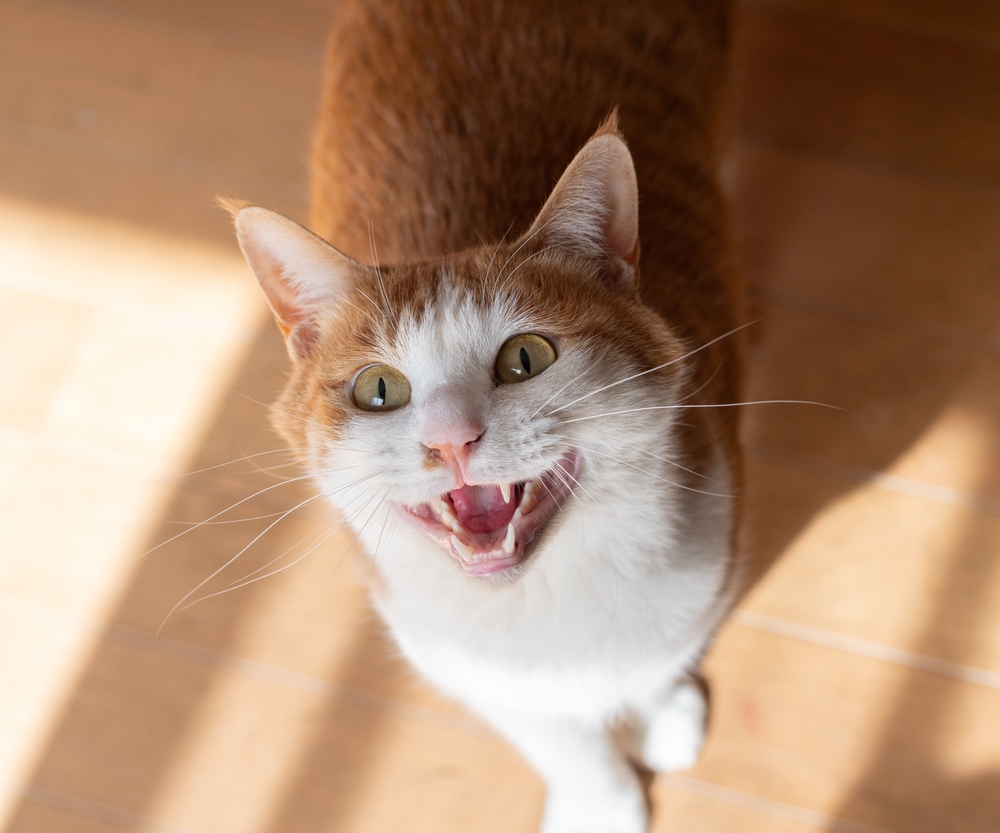
If your cat seems to “talk” non-stop, they’re not just being dramatic—they’re trying to tell you something. Long, drawn-out meows are often used to demand food, play, or affection. Some cats are naturally more vocal (hello, Siamese!), while others reserve these big meows for moments when they really want your attention. It’s their version of saying, “You’re not listening to me yet!”
Ignoring constant meowing can backfire—it’s better to address the cause. Are they bored? Hungry? Lonely? Meeting their needs before frustration sets in keeps the peace. Once cats learn that calm behavior gets faster results, those marathon meow sessions usually quiet down.
7. Growling Is a Clear Warning

When a cat growls, it’s a serious message: back off. It’s often triggered by fear, pain, or feeling cornered, and it can escalate if ignored. Growling is usually accompanied by flattened ears, a puffed-up tail, or a rigid body posture. It’s not “bad behavior”—it’s a form of self-protection and communication.
According to Dr. Mikel Delgado, a certified cat behaviorist at UC Davis, growling is part of a cat’s “distance-increasing signal system.” In other words, it’s their polite way of asking for space before resorting to claws. When you hear it, respect it. Back away, give them time to decompress, and you’ll prevent bigger conflicts later.
8. Yowling Signals Distress or Discomfort
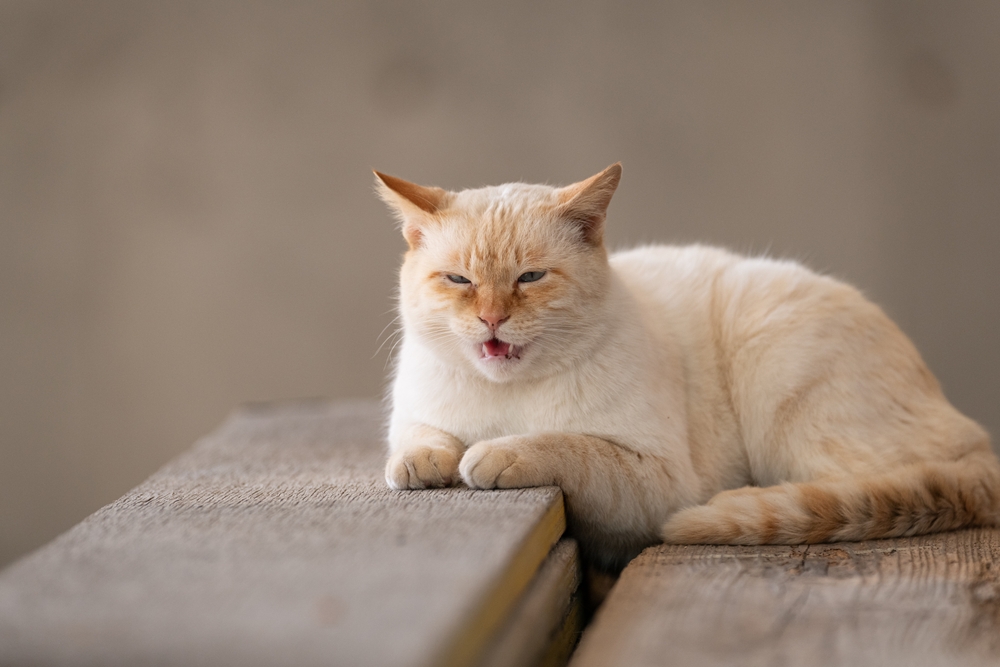
A long, drawn-out yowl can sound eerie—and for good reason. It often indicates that your cat is stressed, lonely, or disoriented. Older cats may yowl more often due to cognitive decline, while others use it to express discomfort or confusion. It’s their way of saying something doesn’t feel right, either emotionally or physically.
If your cat starts yowling suddenly, pay attention to patterns and triggers. A vet visit might be necessary to rule out health issues like thyroid problems or pain. For younger cats, adding more playtime or interaction can ease boredom and reduce attention-seeking yowls. It’s all about responding to the message behind the sound.
9. Hissing Expresses Fear or Defense

A hiss is one of the clearest signs your cat feels threatened. Whether it’s directed at another animal or a sudden loud noise, hissing means “back off.” It’s not aggression so much as a warning—cats hiss to de-escalate conflict, not start it. The sound mimics that of a snake, which evolutionarily deters predators.
When your cat hisses, don’t scold them. Instead, look for what caused the fear—maybe another pet got too close or they’re feeling trapped. Offering a quiet escape route and giving them space can calm the situation fast. Hissing is communication, not misbehavior.
10. Silent Meows Are a Sign of Trust
When your cat opens their mouth but no sound comes out, they’re sending you a whisper-level meow meant just for you. It’s often a form of affection—a soft, private gesture reserved for someone they trust. These silent meows tend to happen when cats are calm and want connection without the theatrics.
Scientists believe cats evolved to communicate more subtly with humans because they know we respond to their expressions as much as their sounds. It’s part of why the “silent meow” feels intimate—it’s like they’re mouthing love. Respond with eye contact or a soft word, and you’ll strengthen that unspoken bond.
11. Caterwauling Is a Mating or Territory Cry
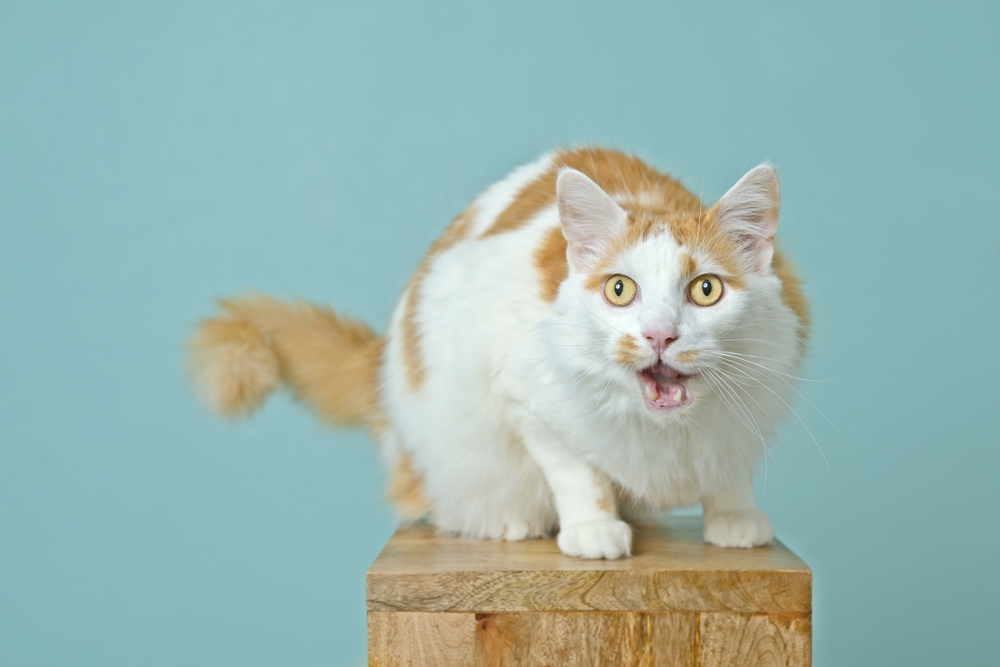
That eerie, wailing cry often heard at night? That’s caterwauling. It’s common in unspayed or unneutered cats during mating season, but it can also happen when a cat feels their territory is being invaded. The sound is designed to carry far, warning other cats or attracting mates.
If your cat caterwauls regularly, it’s not just drama—it’s biology. Spaying or neutering can dramatically reduce this behavior. For fixed cats, night-time caterwauling can also point to anxiety or overstimulation. Calming routines and secure spaces can help them settle.
12. Snarling Is the Final Warning
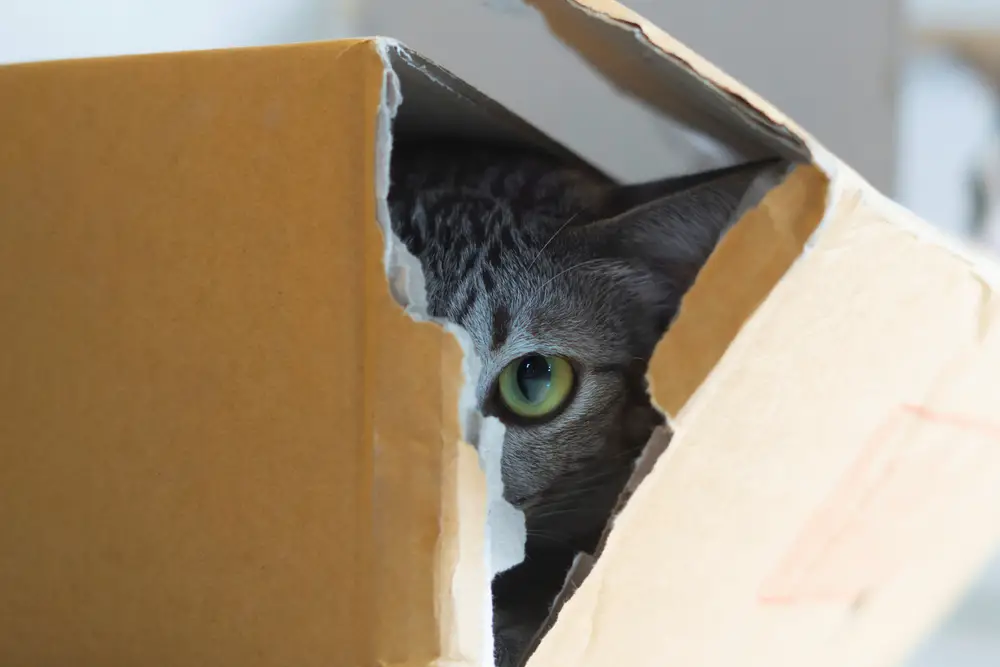
A snarl is the vocal version of “I mean it.” It’s rare, but when it happens, your cat is fully on alert and ready to defend themselves. You’ll often see teeth bared and hear a deep, guttural growl that transitions into a hiss or scream. This is the point where continuing to approach could result in a scratch or bite.
Snarling cats should be left completely alone until they calm down. Lower lights, reduce noise, and avoid eye contact—it helps them de-escalate. Once they relax, speak softly and let them come to you on their terms. Trust rebuilds faster when you respect their threshold.
13. Murmurs and Muttering Show Comfort and Familiarity
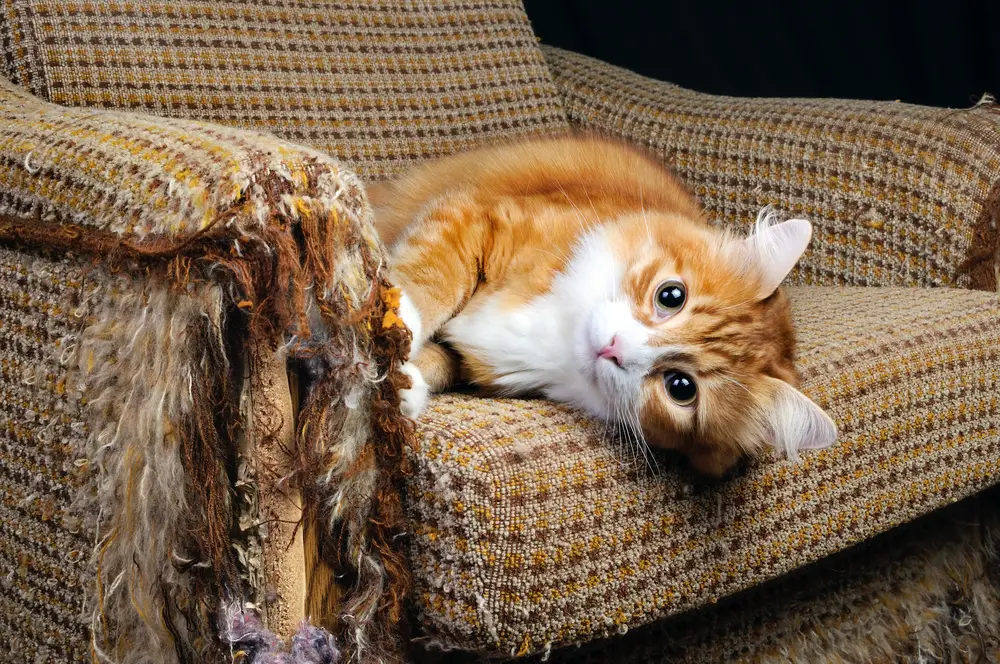
Ever hear your cat make tiny “mmm” or “brrr” sounds while resting? Those murmurs usually mean they’re deeply content and comfortable in your presence. It’s almost like self-talk, a quiet reminder to themselves that everything is okay. You might notice these sounds during gentle petting or while they’re settling into bed.
These soft, almost subconscious noises are signs of complete trust. Cats only make them when they feel completely secure in their environment—and with you. It’s one of the sweetest, most overlooked sounds in feline communication. When you hear it, know you’ve earned your cat’s full comfort and love.