
Safety is not an emotion for animals—it is a physiological state. When a cat or dog feels safe, their nervous system exits survival mode and shifts into a state of regulation, digestion, and recovery. These behaviors are not “cute quirks”; they are biological indicators that your pet’s brain has assessed its environment as stable and non-threatening. The quieter the behavior, the stronger the signal. Here are the scientifically grounded ways cats and dogs demonstrate true safety.
1. They Have A Deep, Relaxed Sleep
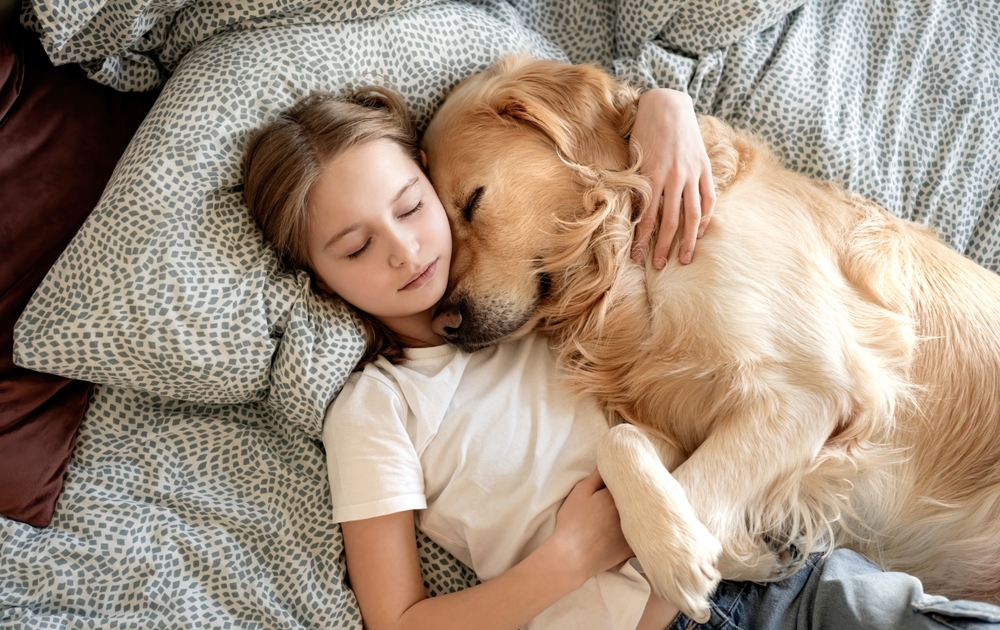
When animals feel safe, muscle tone decreases significantly during rest. You’ll notice loose limbs, a slack jaw, and deep rhythmic breathing rather than tense positioning. This level of relaxation only occurs when the brainstem determines there is no imminent threat. Predators and prey alike maintain muscle readiness when unsure.
Veterinary sleep studies show that animals in unsafe environments never fully disengage muscle tone. According to the American College of Veterinary Behaviorists, muscle relaxation during sleep is one of the strongest indicators of environmental security. A relaxed body means the brain is no longer prioritizing escape.
2. They Eat Without Constantly Looking Up

Eating is one of the most vulnerable activities an animal can perform. When a pet eats calmly without scanning the room or pausing between bites, it means their threat-detection systems are quiet. Dogs and cats that feel unsafe will interrupt feeding repeatedly to reassess their surroundings.
A 2024 study in Applied Animal Behaviour Science found that feeding interruptions correlate directly with perceived environmental stress. Animals that feel secure demonstrate longer, uninterrupted feeding sessions. Calm eating equals perceived safety.
3. They Groom Themselves Slowly
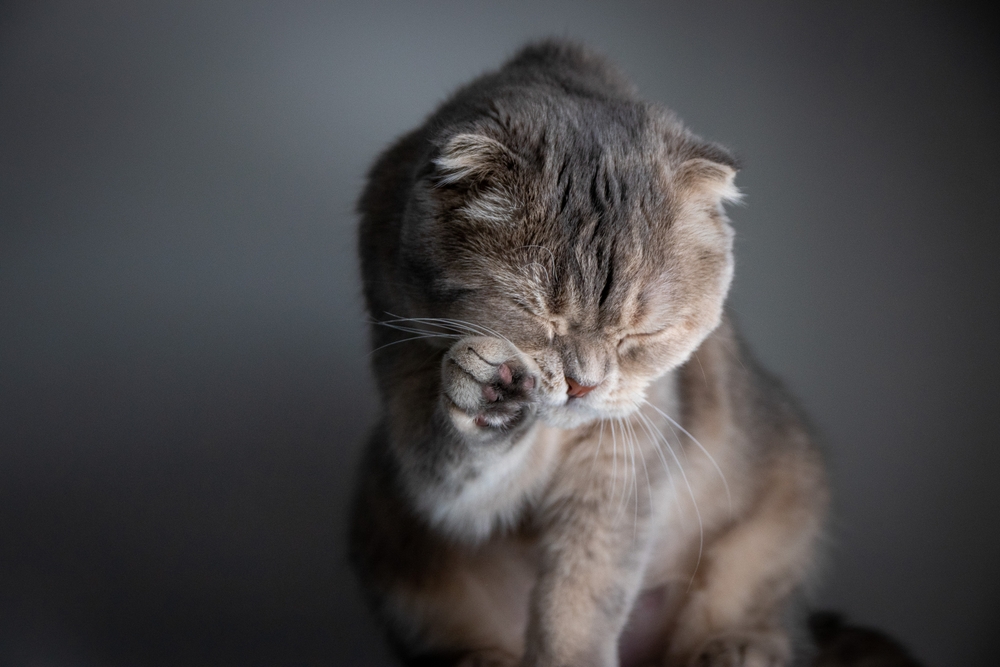
Slow grooming is maintenance; fast grooming is regulation. When animals groom calmly and methodically, it means their nervous system is balanced. Overgrooming or rapid licking indicates stress relief, not cleanliness.
Feline behavior research shows grooming speed increases with cortisol levels. According to the International Cat Care Foundation, slow grooming reflects baseline emotional stability. Safety allows routine care rather than self-soothing.
4. They Rest Near You, Not On Top Of You

Choosing proximity without physical contact indicates confidence, not dependence. The animal feels safe enough to relax independently while still sharing space. This behavior reflects secure attachment rather than anxiety-driven bonding.
Attachment studies in both cats and dogs show that secure animals regulate distance naturally. They do not need constant reassurance. Safety allows autonomy.
5. They Have A Big Stretch After Sleeping
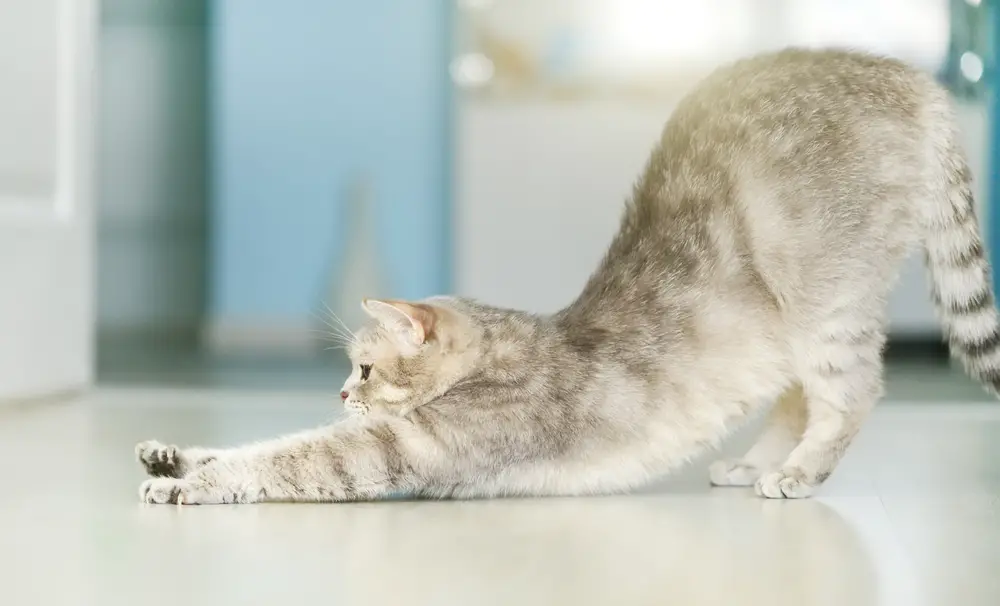
Stretching temporarily reduces reaction speed and readiness. Animals only perform full-body stretches when they believe their environment will remain stable for several seconds. It’s a physical signal that vigilance has dropped.
Ethological research identifies stretching as a vulnerability window. According to a 2023 veterinary neurology report, animals stretch longer in familiar, predictable environments. The body does not stretch if danger feels imminent.
6. They Play Without A Care In The World
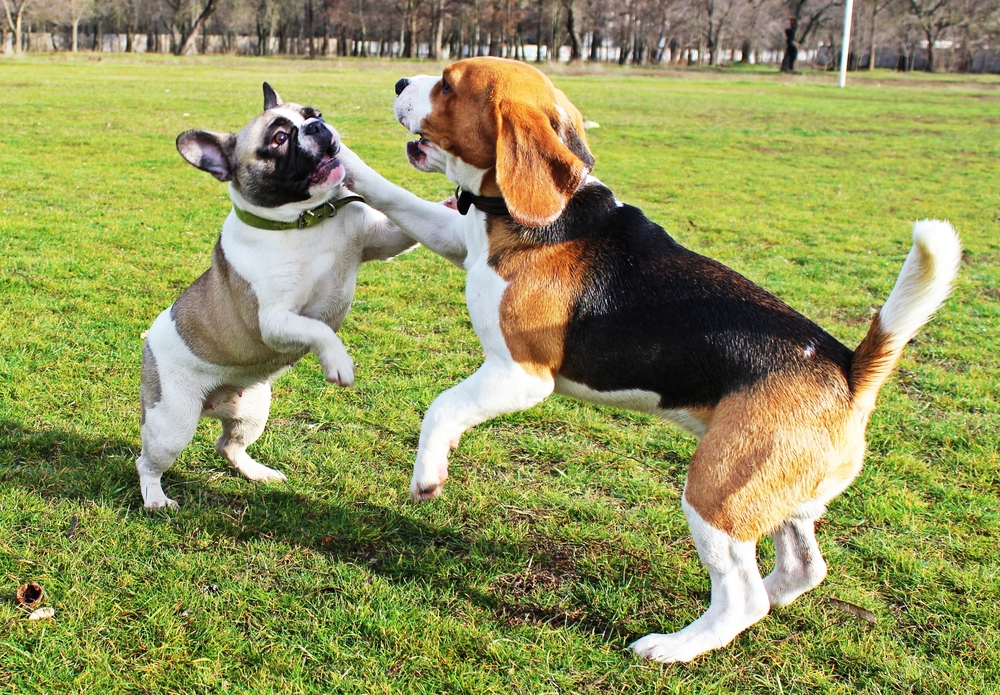
Play behavior only emerges when survival needs are met. Safe animals engage in loose, flexible play rather than rigid, repetitive motion. Play becomes exploratory instead of defensive.
Neurobiological studies link play to parasympathetic nervous system activation. According to the Canine Cognition Center at Duke University, healthy play indicates emotional regulation, not excitement alone. Safety allows joy without hyperarousal.
7. They Blink Slowly
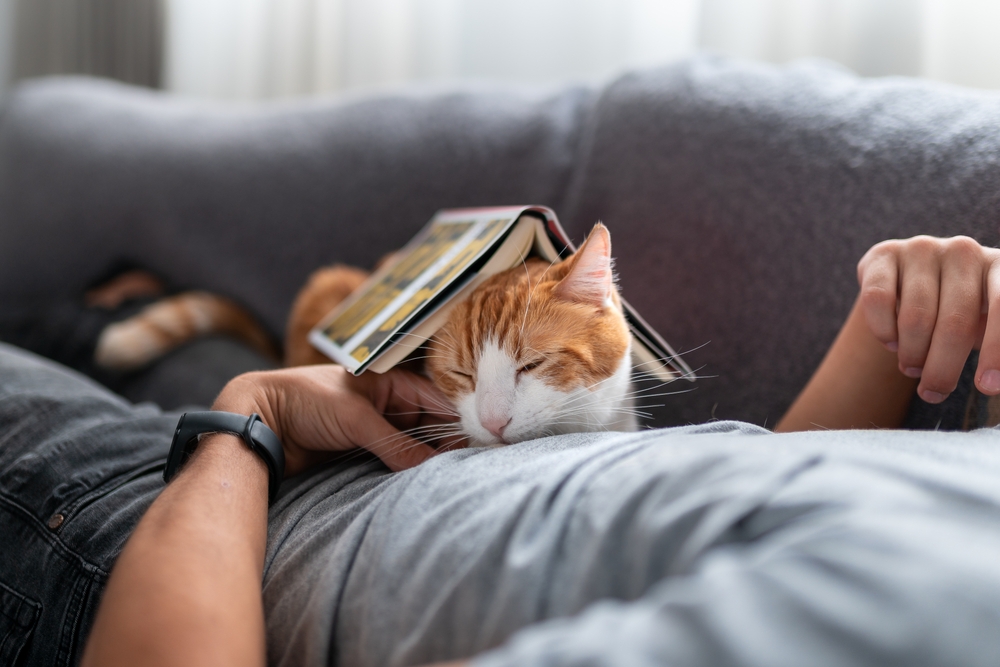
Soft eye contact followed by gaze aversion signals trust. In the animal world, prolonged staring is a challenge. Choosing to disengage visually shows confidence that no threat exists.
Research published in Scientific Reports confirms that slow blinking in cats increases oxytocin levels in both cats and humans. Looking away is not avoidance—it is assurance.
8. They Exhale Deeply Before Settling
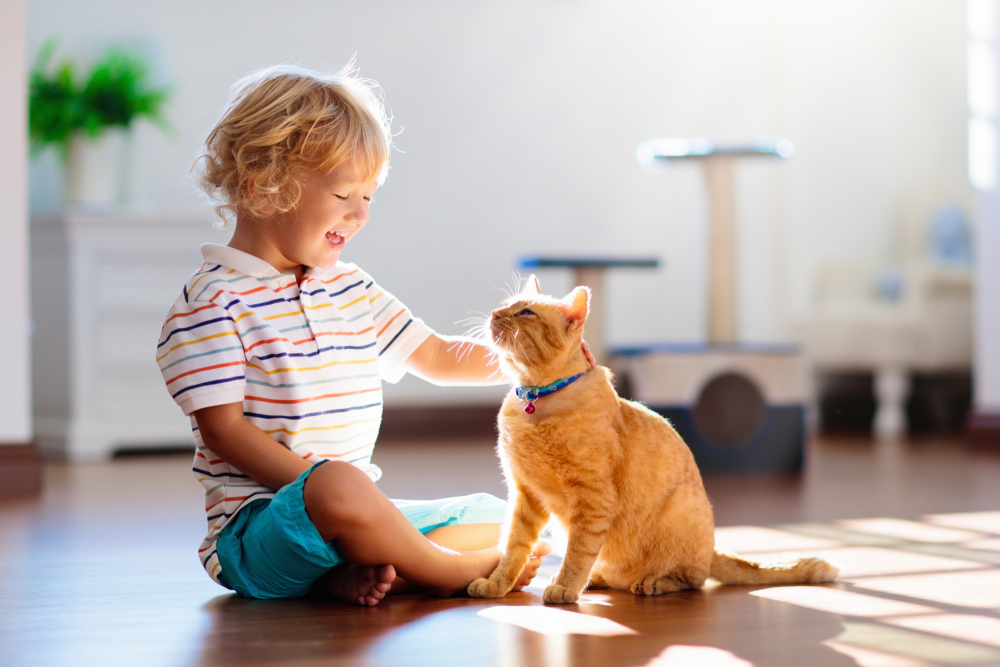
Audible exhalation signals nervous system downregulation. Dogs often sigh as they transition from alertness to rest. Cats may show this through subtle breath changes.
Respiratory studies show sighing activates vagal pathways. According to veterinary neurologists, this breath pattern reflects safety-triggered relaxation. The body releases vigilance.
9. They Don’t Get Started Startled When You Speak To Them
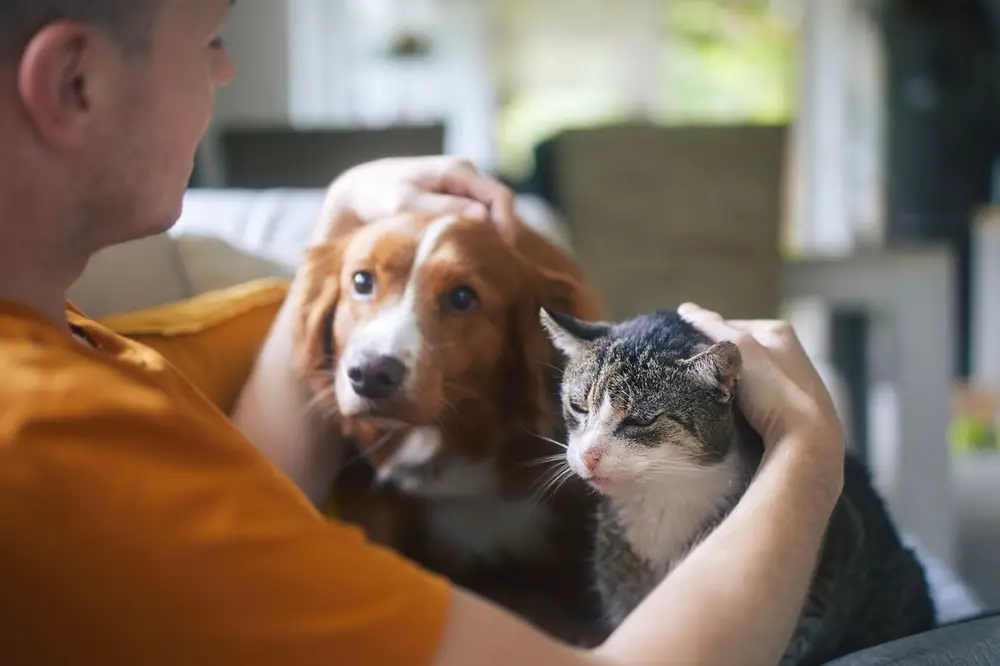
A safe animal orients toward familiar sounds calmly rather than flinching. The absence of the startle reflex indicates predictability and trust. Your voice becomes a stabilizing cue.
Acoustic response research shows reduced startle response in secure environments. According to animal behaviorist Dr. Sophia Yin, predictable vocal cues lower baseline anxiety. Safety equals calm recognition.
10. They’re Confident, Not Clingy
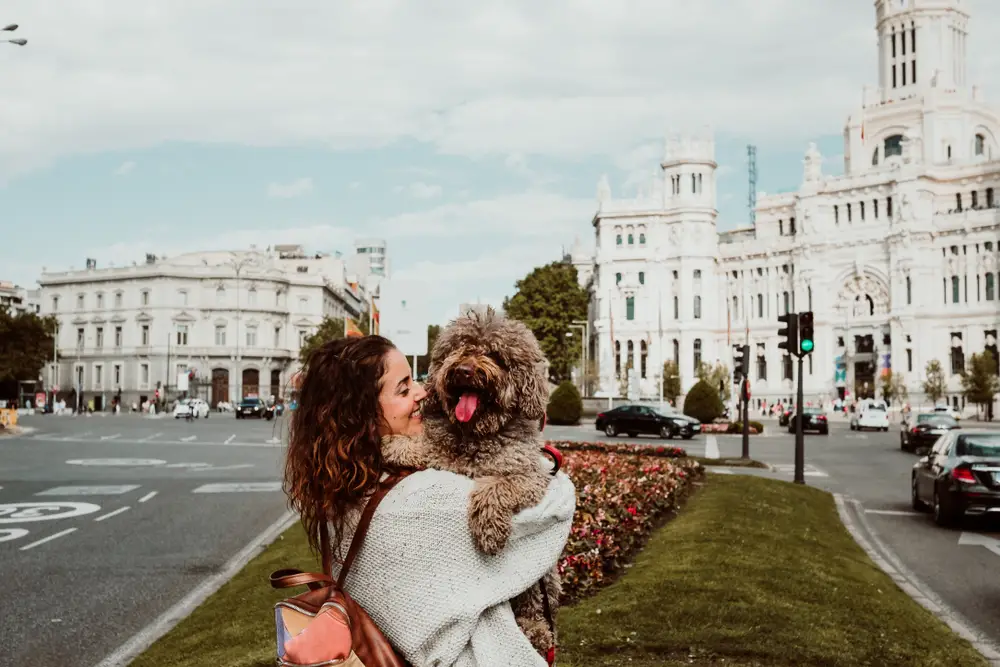
Animals that feel safe do not cling. They leave and return freely, trusting the environment will remain stable. Independence is one of the strongest signs of emotional security.
Behaviorists note that anxious animals hover, while secure animals explore. Safety creates confidence, not attachment anxiety.
11. They Yawn Often
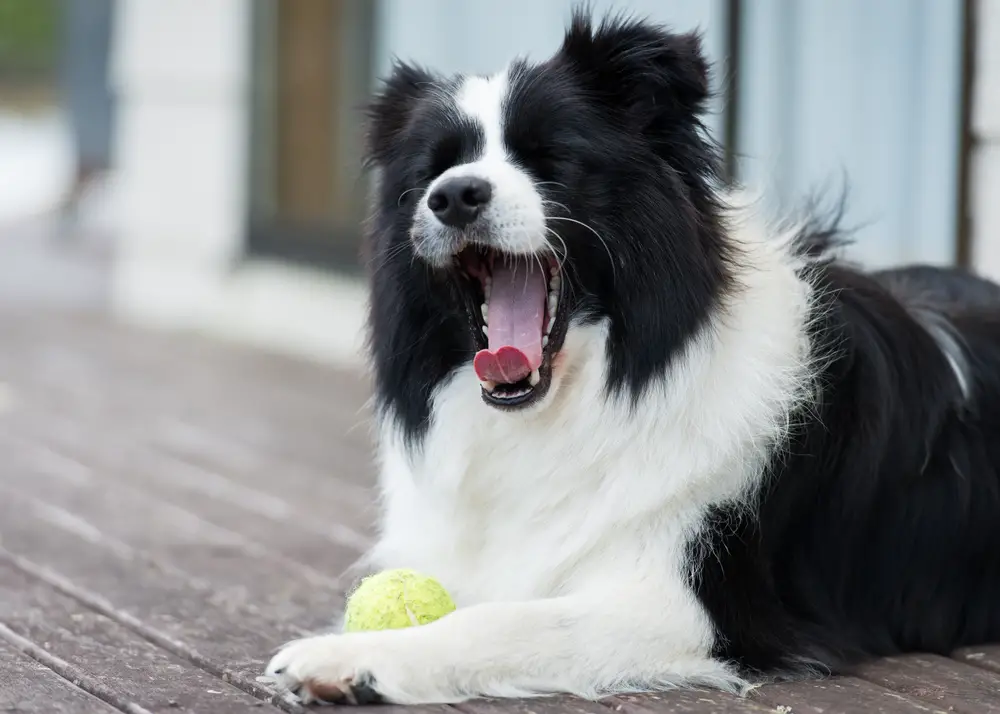
Yawning regulates brain temperature and arousal. When yawning occurs during rest or calm moments, it reflects nervous system balance rather than stress.
Veterinary neurology studies link relaxed yawning to parasympathetic dominance. It’s a biological reset, not boredom.
12. They Expose Their Belly For A Rub
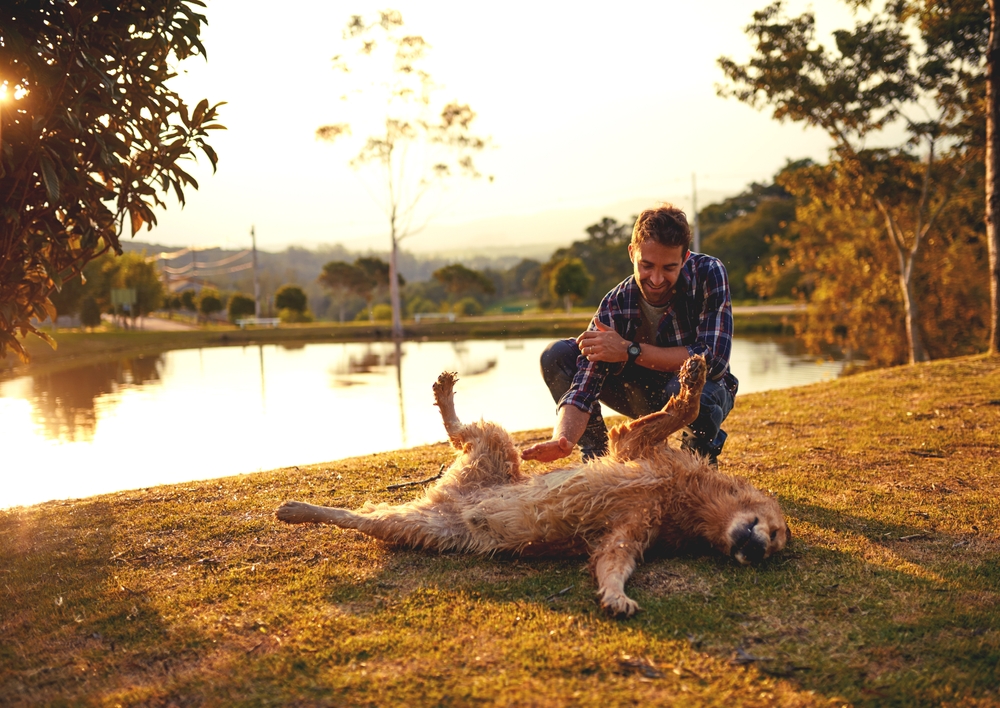
Belly exposure without invitation signals comfort, not submission. The animal isn’t asking for reassurance—it is resting openly. This vulnerability reflects trust.
Ethologists caution against misreading this as a request for touch. It is a passive safety signal.
13. They Mirror Your Calm Energy
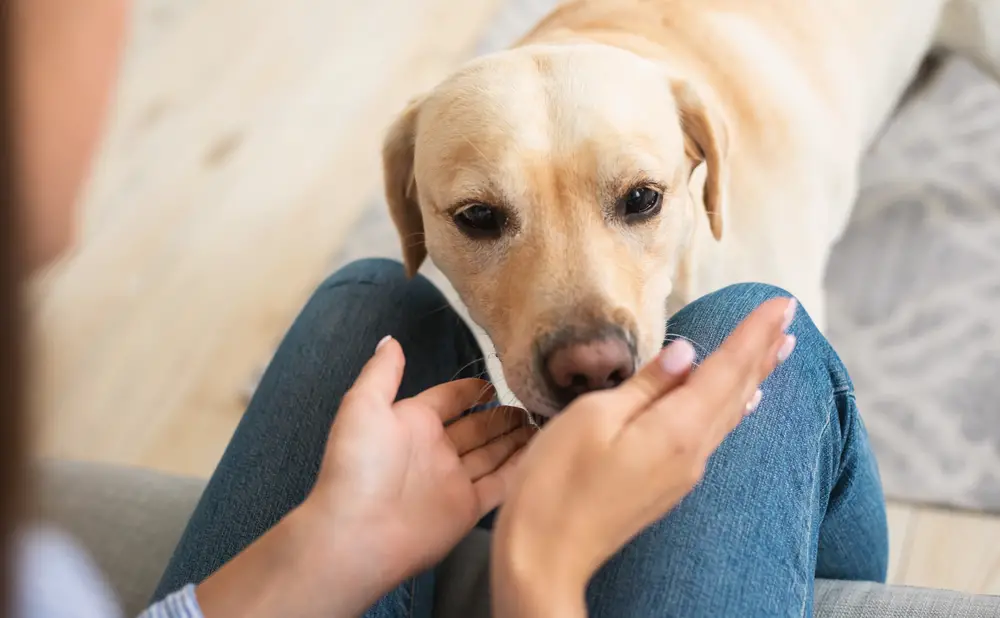
Animals co-regulate with trusted humans. When your nervous system is calm, so is theirs. This synchronization only occurs when safety is established.
Attachment research shows that pets biologically entrain to human emotional states. Safety ia s shared regulation.